The release of Kimi K3 marks a significant shift in the landscape of large language models, moving the industry focus from raw benchmark scores toward granular user control and architectural efficiency. Developed by Moonshot AI, Kimi K3 is not merely an incremental update to previous iterations but a fundamental redesign of how reasoning-capable models interact with developer environments. By introducing a "reasoning_effort" parameter and an expansive 1-million-token context window, the model addresses the growing demand for AI that can handle complex, multi-step logic without the prohibitive costs typically associated with high-compute inference.
The Evolution of Long-Context Reasoning
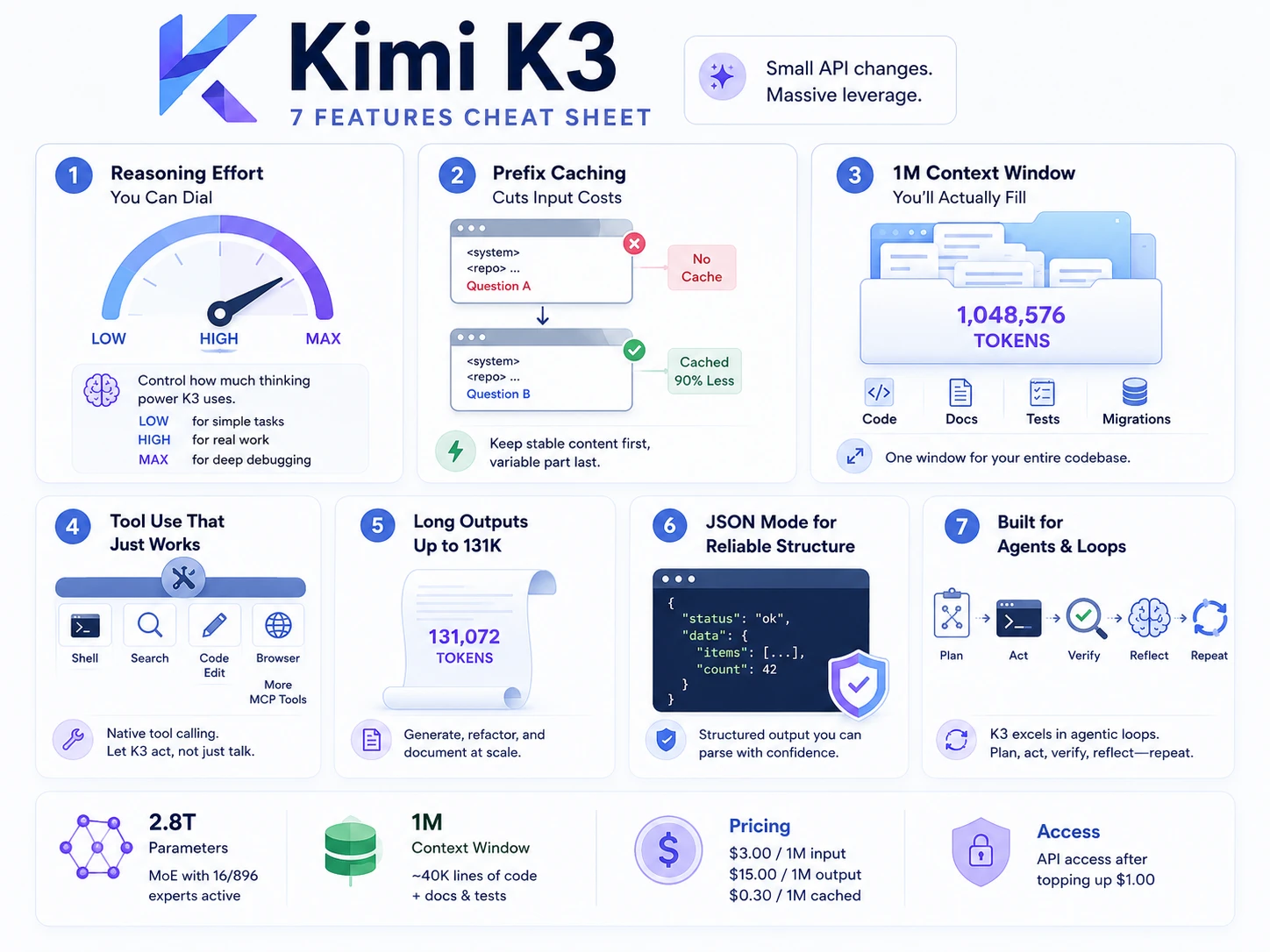
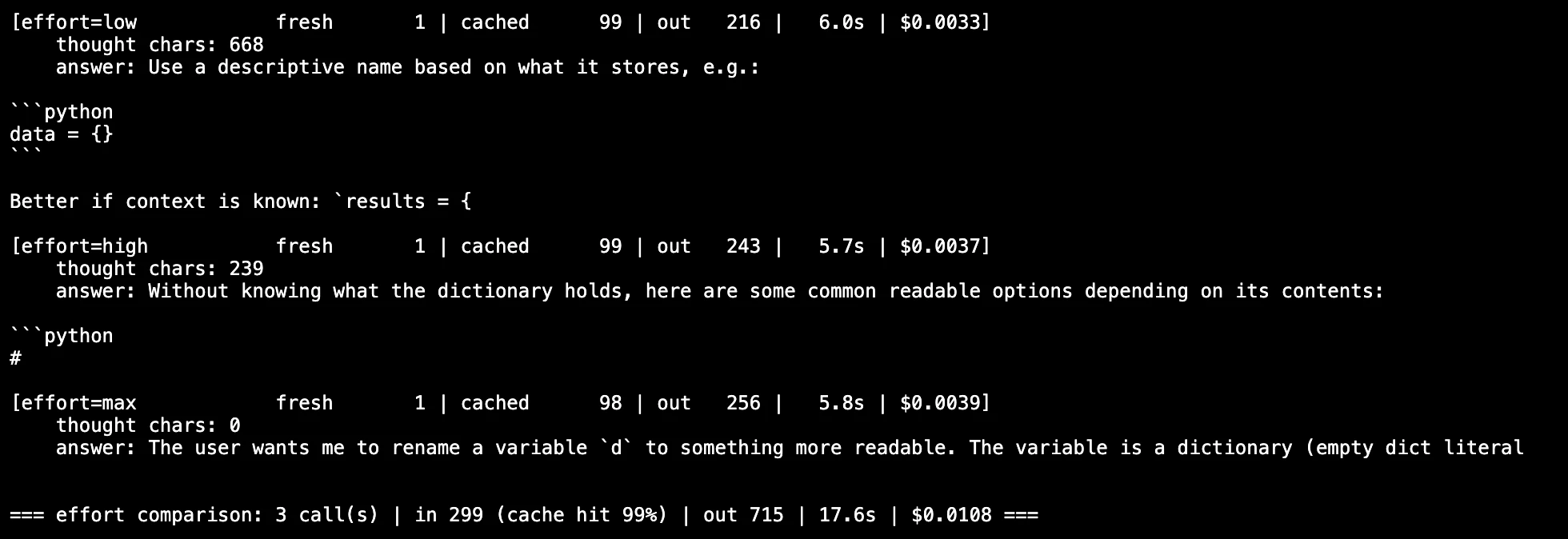
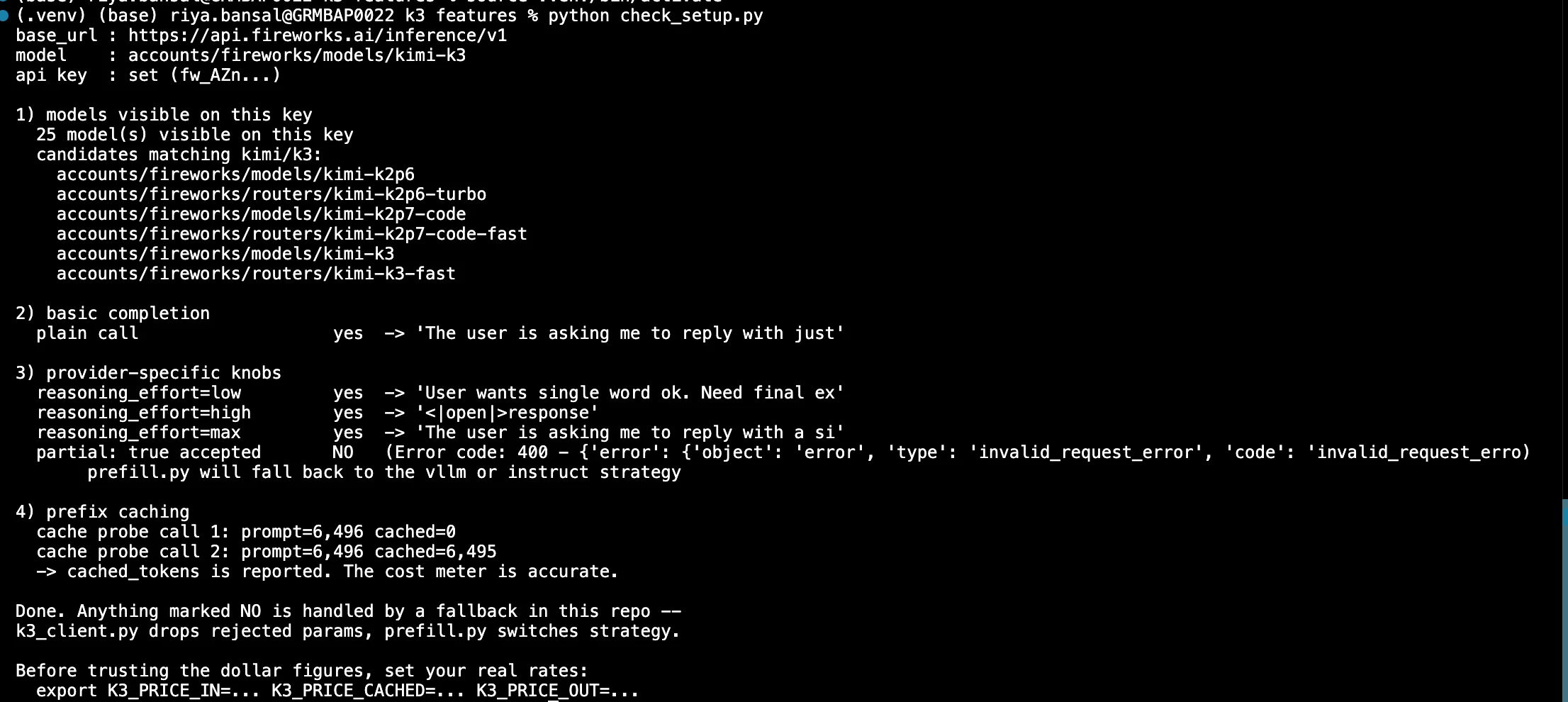
Moonshot AI has historically positioned itself as a leader in long-context processing, a reputation established by its earlier Kimi Chat iterations which popularized the handling of massive PDF documents and codebases. With the K3 release, the company has integrated "Reasoning Mode" as a native, always-on feature. Unlike traditional models that provide a single-speed output, K3 allows developers to dial the intensity of the model’s internal thought process. This is achieved through a tripartite setting: low, high, and max.
The technical necessity for this feature stems from the inherent cost of "thinking." When K3 is set to "max" reasoning effort, it can utilize up to 131,072 completion tokens just for internal deliberation. While this enables the model to identify deep-seated race conditions in code or complex logical fallacies in legal documents, it also increases the latency and token consumption. The introduction of these tiers represents a move toward "economic AI," where the intensity of the compute is matched precisely to the complexity of the task.
Technical Architecture: A 2.8 Trillion Parameter Powerhouse
Technically, Kimi K3 is classified as a Mixture-of-Experts (MoE) model. It boasts a staggering 2.8 trillion parameters, placing it among the largest models currently available to the public. However, the MoE architecture ensures that it does not function as a monolithic dense model. Instead, it utilizes a routing system where only 16 experts out of a total of 896 are activated for any given input. This selective activation allows the model to maintain high performance while keeping inference speeds and costs within a manageable range for enterprise applications.
The model utilizes MXFP4 quantization for its weights. This 4-bit floating-point format is critical for managing the massive memory requirements of a 2.8-trillion-parameter system. Furthermore, K3 introduces several proprietary attention mechanisms to handle its massive context window:
- Kimi Delta Attention (KDA): A form of linear attention implemented in most layers that prevents memory usage from scaling quadratically as the prompt grows.
- LatentMoE: A refined routing mechanism that reduces the overhead of expert switching compared to standard MoE implementations.
- NoPE (No Positional Embeddings): A technique that replaces traditional rotary position embeddings, allowing for better generalization across extremely long sequences.
- Attention Residuals: A training trick that adds approximately 4% to training costs but significantly improves validation loss and retrieval accuracy.
Economic Optimization via Prefix Caching
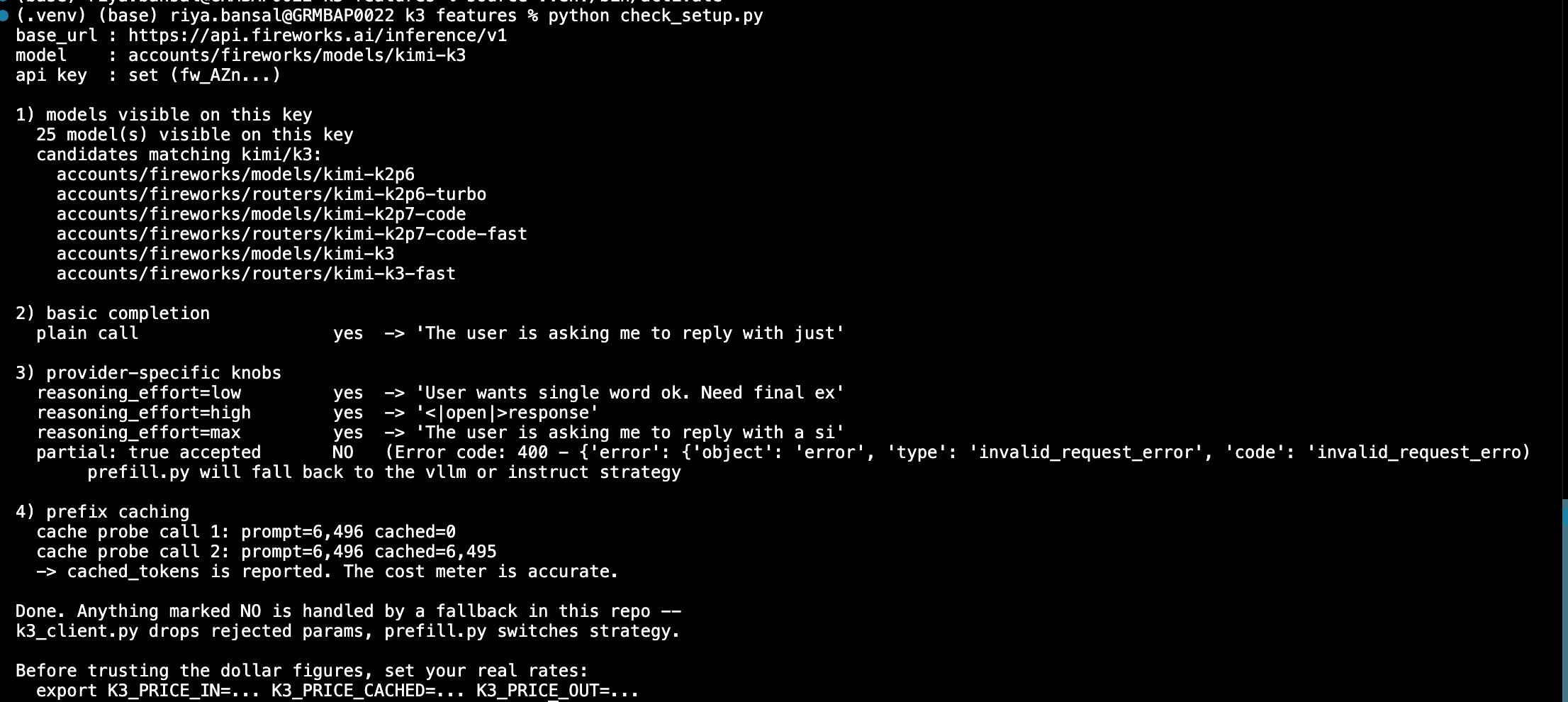
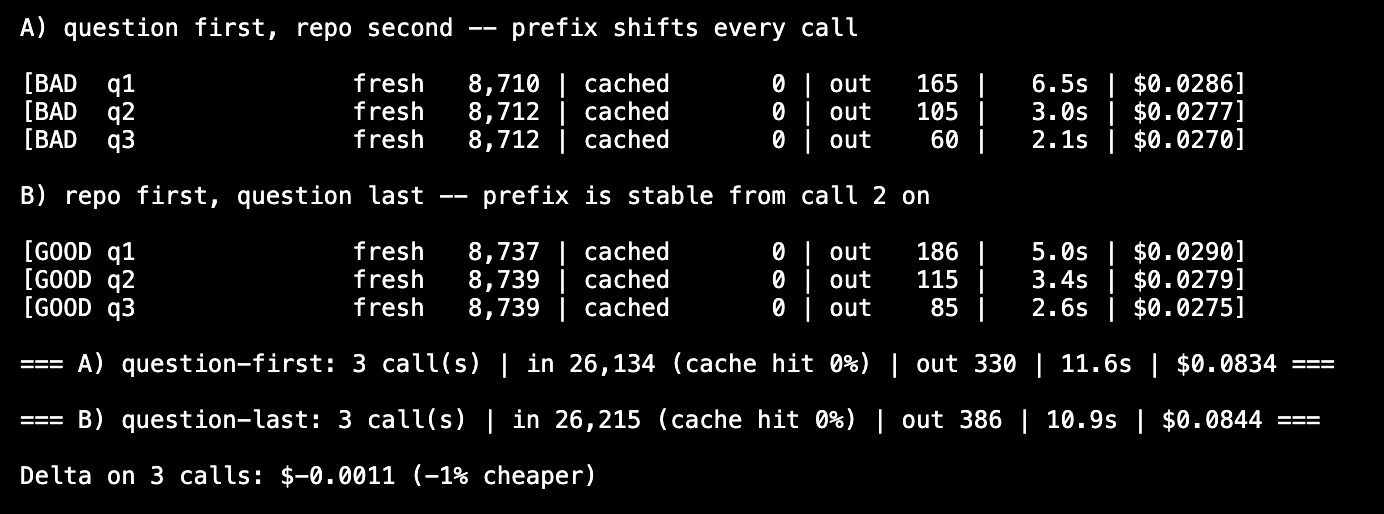
One of the most disruptive features of the Kimi K3 API is its approach to prefix caching. In traditional AI deployments, every time a user sends a prompt, the entire context—including the system instructions and any uploaded documents—is re-processed, incurring full costs. Kimi K3 automates the caching of prompt prefixes that exceed 256 tokens.
The financial implications are substantial. While standard input tokens are priced at $3.00 per million, cached tokens are billed at $0.30 per million—a 90% reduction. This encourages a specific "stable-to-unstable" prompting strategy. By placing static content, such as a 500,000-token codebase, at the beginning of the message and the specific user question at the end, developers can query a massive repository repeatedly while only paying the "fresh" token price for the small question at the end.
Chronology of Development and Market Context
The trajectory of Moonshot AI has been characterized by rapid scaling. Founded by Yang Zhilin, a former researcher at Google and Meta, the company has focused almost exclusively on the "long context" problem.
- Late 2023: Moonshot AI enters the market with a focus on 200,000-token windows.
- Early 2024: The company scales to 2-million-token capabilities for its consumer-facing Kimi Chat.
- Mid-2025: Internal development of the K3 architecture begins, focusing on the integration of reasoning and MoE.
- July 2026: Official release of Kimi K3, featuring the open-weights announcement and the tiered reasoning API.
The release comes at a time when global competitors like OpenAI and Anthropic are also pushing into reasoning-heavy models (such as the o1 and Claude 3.5 series). Moonshot’s strategy differs by offering more granular API-level controls over the reasoning process itself, rather than treating the "thinking" phase as a black box.
Native Vision and Multi-Modal Capabilities
Kimi K3 is a native multi-modal model, meaning it processes visual information within the same neural framework as text. This eliminates the need for a secondary "vision" model to translate images into text descriptions before the main model can process them. However, the API enforces strict protocols for image handling. It does not support public URLs, requiring images to be passed as base64-encoded strings or through Moonshot’s internal ms:// file reference system.
This native integration allows for high-reasoning visual tasks, such as analyzing a complex system architecture diagram to find a single point of failure or debugging software based on a screenshot of a stack trace. When combined with the "max" reasoning effort, the model can deliberate on visual cues with the same depth it applies to textual code.
The Open Weights Dilemma: Infrastructure vs. Accessibility
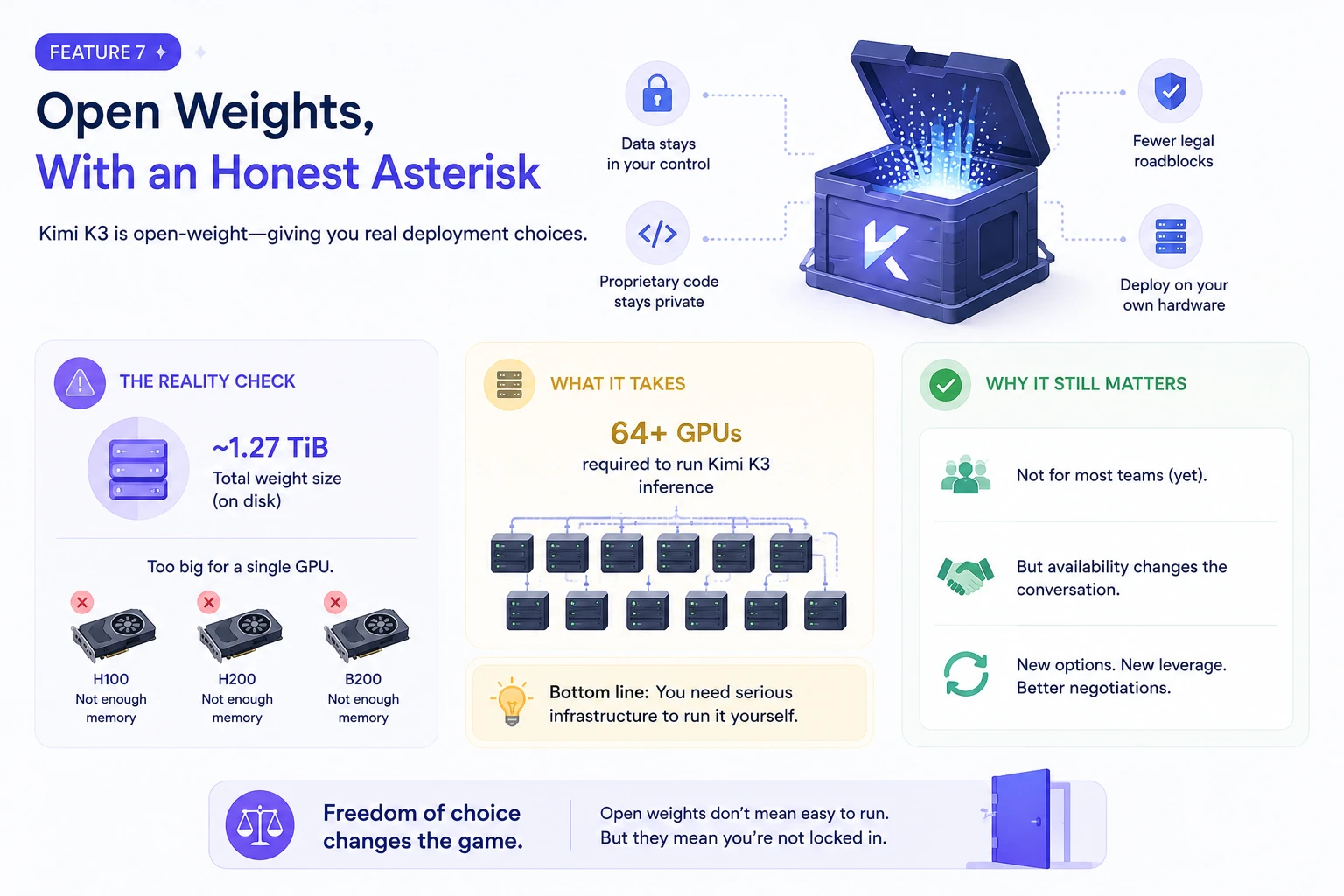
In a move that garnered significant industry attention, Moonshot AI released the weights for Kimi K3. This allows organizations with high security requirements to host the model on their own hardware, ensuring that proprietary data never leaves their local environment. However, the sheer scale of the model presents a significant barrier to entry.
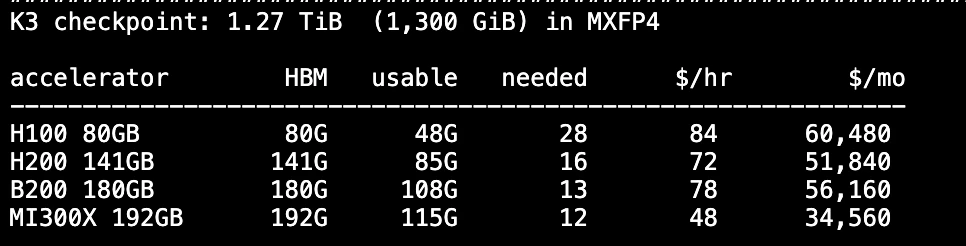
The weights alone require approximately 1.27 TiB of storage. For context, even the most advanced consumer or mid-range enterprise hardware is incapable of running the model. A single NVIDIA H100 or B200 GPU does not have enough VRAM to hold the model. Industry analysts estimate that a minimum cluster of 64 high-end GPUs is required to run Kimi K3 at acceptable inference speeds. This creates a "soft moat," where the model is technically open, but functionally restricted to entities with massive compute infrastructure.
Practical Implementation: Building Cost-Aware AI Systems
For developers, the primary challenge of Kimi K3 is not prompt engineering, but "expense engineering." Because the default reasoning effort is set to "max" and the default completion token limit is 131,072, an unoptimized "Hello World" request could theoretically consume a significant portion of a developer’s credit balance if the model chooses to reason extensively about a simple greeting.
The recommended implementation involves creating a cost-tracking wrapper. By monitoring the usage object in the API response, developers can differentiate between fresh tokens, cached tokens, and completion tokens. This allows for real-time budgeting. For example, a "low" effort task like renaming variables or formatting JSON can be handled for fractions of a cent, while "max" effort tasks are reserved for architectural reviews or deep debugging.
Strategic Implications and Market Reaction
The reaction from the developer community has been largely positive, particularly regarding the "Partial Mode" feature. This allows the user to pre-fill the assistant’s response. If a developer needs a JSON output, they can start the assistant’s message with [{"risk":. This forces the model to continue the JSON array immediately, bypassing the conversational filler ("Sure, here is your JSON…") that often breaks automated pipelines.
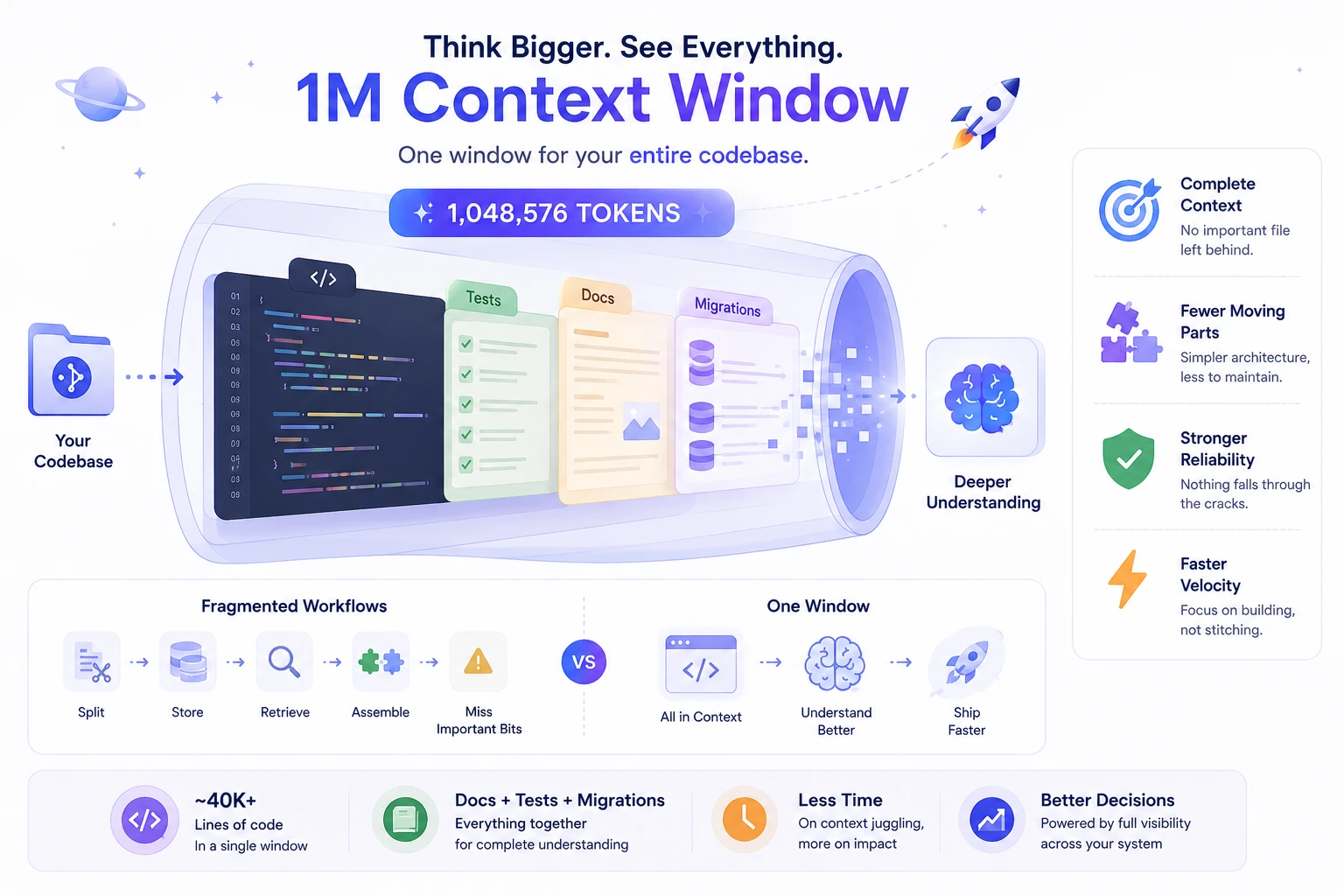
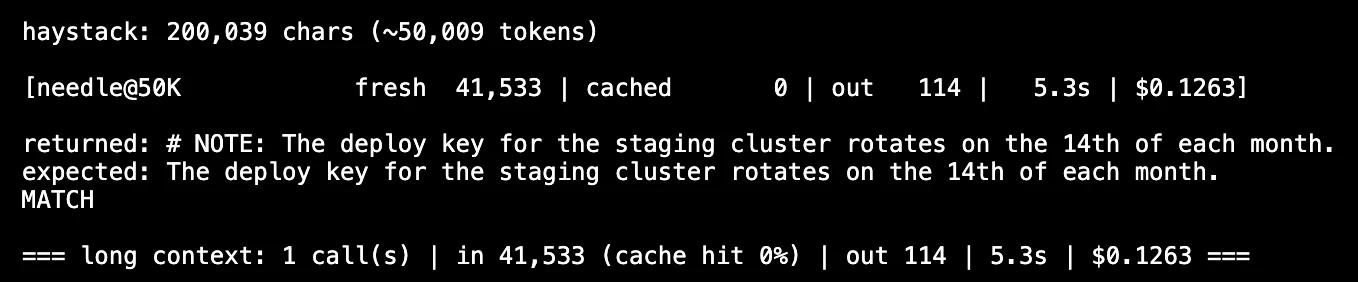
Industry experts view Kimi K3 as a direct challenge to the Retrieval-Augmented Generation (RAG) status quo. With a 1-million-token window that actually performs well at the "needle-in-a-haystack" test, many small-to-medium-sized repositories no longer require complex vector databases. Instead, the entire codebase can be fed directly into the context window, allowing the model to have a holistic understanding of the project structure.
Future Outlook
As Moonshot AI continues to refine the K3 architecture, the focus is expected to shift toward further reducing the "time-to-first-token" for long-context prompts. While KDA and prefix caching have solved the cost problem, the latency of processing a million tokens remains a hurdle for real-time applications. Nevertheless, Kimi K3 stands as a testament to the maturation of the AI industry—a move away from "magic" and toward a professional-grade toolset where the developer is given the dials to control logic, cost, and memory.