The e-commerce landscape is undergoing a significant transformation, driven by a growing consumer demand for ethically produced and environmentally friendly goods. This shift presents a substantial opportunity for businesses, particularly those in the print-on-demand (POD) sector, to align their product catalogs with sustainability principles. Recent studies, including PwC’s Voice of the Consumer survey, indicate that consumers are not only interested in eco-friendly products but are also willing to pay a premium, with an almost ten percent increase in willingness to spend on sustainable options. This growing market segment necessitates a deeper understanding of what truly constitutes an "eco-friendly" product within the POD industry, where claims of sustainability can sometimes lack specific, verifiable details.
The challenge for many online retailers entering the sustainable POD space lies in navigating the often-vague terminology used by suppliers. While many suppliers tout their products as eco-friendly, the specifics behind these claims can be opaque. This article aims to demystify the process of identifying and selecting genuinely sustainable products, providing a comprehensive guide for businesses looking to build or enhance their eco-conscious offerings. By examining the materials, certifications, and overall lifecycle of products, retailers can ensure they are making authentic sustainability promises to their customers.
Understanding Genuine Eco-Friendliness in Print-on-Demand
The definition of "sustainable" can vary widely among product suppliers. Therefore, rigorous due diligence is paramount for any business committed to offering truly eco-friendly goods. Key areas of focus include the material composition of the products, the certifications they hold, and their overall durability.
Material Composition: The foundation of an eco-friendly product often lies in its raw materials. For apparel, this means prioritizing organic cotton, recycled polyester, or blends that minimize environmental impact. It’s important to note that even the color of a garment can sometimes influence its material mix. For instance, certain dyes might require different fiber compositions.
Key Certifications: Understanding the meaning behind common certifications is crucial for verifying sustainability claims:
- GOTS (Global Organic Textile Standard): This certification is a comprehensive standard that covers the processing of certified organic textiles. It encompasses ecological and labor criteria, ensuring that products are not only made from organic fibers but are also manufactured in an environmentally and socially responsible manner throughout the supply chain.
- OEKO-TEX Standard 100: This independent certification system focuses on the testing of textiles for harmful substances. It ensures that every component of an article, from the fabric to the threads and accessories, has been tested and found to be free of harmful chemicals, making it safe for human health.
- GRS (Global Recycled Standard): The GRS tracks the use of recycled raw materials throughout a product’s supply chain. It verifies the recycled content of products and addresses social, environmental, and chemical practices in their production.
- OCS (Organic Content Standard): This standard verifies the presence and amount of organic material in a finished product. It ensures that the organic fibers are from certified organic farms and are properly handled throughout the production process, though it does not cover processing or social aspects.
- FSC (Forest Stewardship Council): For paper-based products, FSC certification guarantees that the paper originates from responsibly managed forests that provide environmental, social, and economic benefits.
Durability and Longevity: A genuinely eco-friendly product is also one that lasts. This means considering the quality of printing and construction. Inks should not fade prematurely, and seams should remain intact after regular use and washing. Products designed for longevity reduce the need for frequent replacement, thereby minimizing waste and resource consumption.
The Top Sustainable Products for Your Print-on-Demand Catalog
Based on material quality, ethical sourcing, and market demand, here is a curated selection of 20 sustainable products that businesses can confidently offer in their print-on-demand catalogs.
Sustainable T-Shirts: The Foundational Offering
T-shirts remain a cornerstone of the print-on-demand industry due to their universal appeal, wide availability from various suppliers, and relatively low production costs. Offering sustainable options in this category is a straightforward entry point for eco-conscious businesses.
-
Stanley/Stella Organic Cotton T-Shirt:
- Key Features: Made from 100% organic ring-spun cotton, offering broad unisex sizing. Known for its premium feel and ethical production standards.
- Pricing & Profitability: Starting around $14.50 (on platforms like Fourthwall), these shirts can be retailed for approximately $30, yielding a profit of around $15.50 per unit.
- Customization: Available in a vast array of colors, with options for both direct-to-garment (DTG) printing and embroidery, suitable for premium branding. No minimum order quantities apply.
-
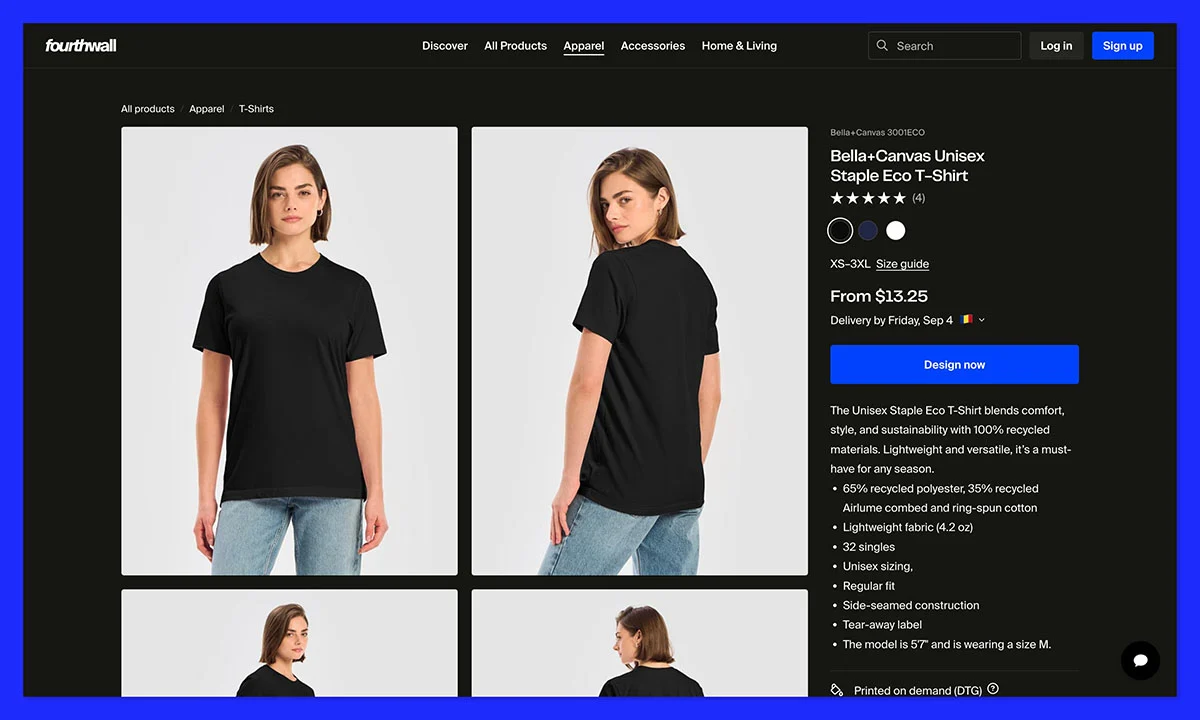
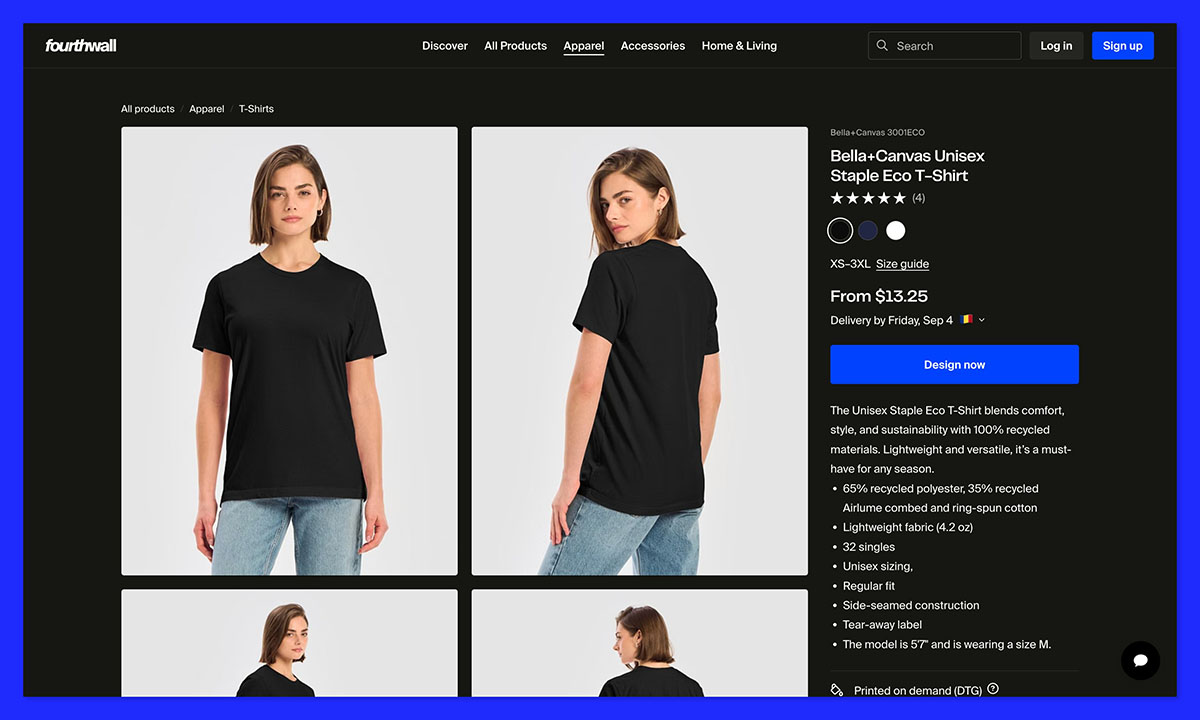
Bella+Canvas Unisex Staple Shirt:
- Key Features: A more budget-friendly option that combines 65% recycled polyester with 35% recycled Airlume cotton. Features a tear-away label for enhanced comfort.
- Pricing & Profitability: Starting at approximately $13.25 (on Fourthwall), these shirts can be priced around $25, offering a healthy profit margin.
- Considerations: It’s advisable to check samples in advance, as DTG artwork can sometimes appear darker on certain fabric colors.
-
Organic Unisex Crewneck T-Shirt (Gelato):
- Key Features: Crafted from 100% certified organic ring-spun cotton. Gelato’s extensive fulfillment network ensures local production for approximately 90% of orders, reducing shipping emissions.
- Logistical Advantage: Fast delivery times (often within five days) and a commitment to local manufacturing enhance the sustainability profile. Gelato also offers a complementary range of kids’ organic apparel.
-
Circular Organic T-Shirt (Teemill):
- Key Features: All shirts are made from 100% organic cotton, with printing utilizing water-based vegan inks. A unique feature is a QR code on each label, enabling customers to return worn products for recycling.
- Circular Economy Model: This offers a complete end-of-life solution for the product, reinforcing a circular economy approach. Retailers must clearly communicate the return process to customers, including eligibility and incentives.
Hoodies and Sweatshirts: Comfort Meets Sustainability
Expanding into hoodies and sweatshirts is a natural progression after establishing success with t-shirts. These items typically command higher price points, and customers expect a superior combination of softness and durability.
-
Stanley/Stella Essential Eco Hoodie:
- Key Features: A more affordable entry into the hoodie market, featuring a blend of 85% organic cotton and 15% recycled polyester. Offers a premium design, enhanced by optional embroidery.
- Design Flexibility: Platforms like Fourthwall allow for printing on various parts of the hoodie (front, back, sleeves, inside label), offering extensive customization opportunities for higher perceived value.
- Pricing: Starts at approximately $33.20 (on Fourthwall).
-
SOL Eco Raglan Hoodie:
- Key Features: Available for both printing and embroidery, with a wider selection of color options. Material composition varies by shade: Charcoal is 60% cotton/40% recycled polyester, while other colors feature 100% organic cotton outer layers with 80% organic cotton/20% recycled polyester inner layers.
- Material Nuance: Careful attention to material composition based on color choice is essential for accurate sustainability claims.
-
Gelato Organic Hoodies:
- Key Features: Offered in various styles, including zip-up and pull-over. The pull-over is a 55% cotton/45% polyester blend, while the classic zip hoodie uses 55% pre-shrunk cotton and 45% polyester.
- Eco-Conscious Production: Gelato utilizes water-based inks and benefits from its local fulfillment network, reducing carbon footprints.
-
Organic Stanley/Stella Oversized Sweatshirt:
- Key Features: A trendy option with a brushed interior, drop-shoulder volume, and durable ribbing. Composed of 80% organic cotton and 20% recycled polyester. Holds both GOTS and OEKO-TEX certifications.
- Ethical Printing: Utilizes PETA-Approved vegan inks and offers embroidery options. Ideal for streetwear brands.
- Pricing: Starts at approximately $40.02 (on Fourthwall).
-
Recycled Polyester Sweatshirt (Gelato):
- Key Features: Made from recycled polyester yarn derived from post-consumer PET bottles, offering a balance of durability and softness.
- Regional Availability: Color and printing options can vary significantly based on the customer’s geographical location. A Gelato account is required to view available options.
Totes, Hats, and Practical Accessories: Versatile and Accessible
These items are particularly easy to market due to their universal sizing and lower perceived risk for customers. They serve as excellent add-ons and gift items.
-
Econscious Organic Cotton Tote (Fourthwall):
- Key Features: A substantial tote bag with a capacity of six gallons, capable of carrying up to 30 pounds, and measuring approximately 20 x 14 inches.
- Strategic Positioning: Ideal for significant collection pieces or event-themed merchandise rather than impulse buys due to its price point.
- Pricing: Starts at approximately $18.31 (on Fourthwall).
-
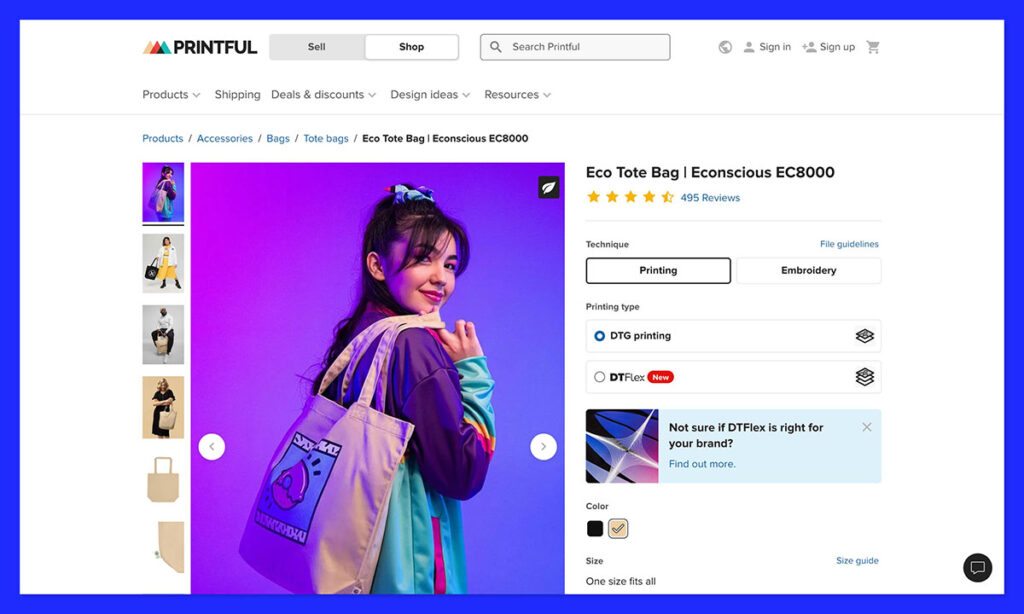
Printful Eco Tote Bag:
- Key Features: Similar material credentials to the Econscious tote, constructed from eight-ounce certified organic cotton twill. Supports up to 30 pounds.
- Certifications: Holds GOTS and OCS certifications for organic cotton content and OEKO-TEX STANDARD 100 for harmful substance testing.
- Design Options: Supports DTG, DTFlex printing, and embroidery.
-
Econscious Organic Dad Hat (Fourthwall):
- Key Features: Made from eight-ounce organic cotton twill, offering a comfortable and stylish accessory.
- Profitability: Priced around $15.85 (on Fourthwall), these hats can be retailed for approximately $30, leaving ample room for profit.
- Merchandising Tip: Recommend combining with other hat styles to cater to diverse preferences.
-
Atlantis B50 Organic Ribbed Beanie (Fourthwall):
- Key Features: A 100% organic knit beanie, approximately 8.26 inches long, suitable for colder climates. Available for on-demand embroidery.
- Customer Feedback: Praised for warmth, snug fit, and excellent embroidery quality.
- Seasonal Strategy: Best positioned as a seasonal offering for autumn or winter collections.
- Pricing: Starts at approximately $18.59 (on Fourthwall).
-
SOL’S 03569 Organic Cotton Apron (Fourthwall):
- Key Features: A unique sustainable product, ideal for brands focused on culinary, artistic, or craft niches. Made from 7.08-ounce organic cotton with adjustable straps and a two-compartment front pocket.
- Geographic Limitation: Currently available for EU fulfillment only.
- Pricing: Starts at approximately $24.75 (on Fourthwall).
Kids, Activewear, and Lifestyle Products: Expanding Market Reach
These categories offer differentiation from standard POD offerings but come with specific considerations regarding product lifecycle and returns.
-
Stanley/Stella STTK184 Organic Cotton Kids T-Shirt (Fourthwall):
- Key Features: A 4.57-ounce shirt made from 100% organic ring-spun combed cotton, available in sizes for children aged 3-4 to 12-14.
- Target Audience: Excellent for brands targeting families, youth clubs, or schools.
- Customization: Offers front/back printing and embroidery options.
- Pricing: Starts from $15.50 (on Fourthwall).
-
Babybugz BZ10 Organic Short-Sleeve Bodysuit (Printify):
- Key Features: High gifting potential, suitable for newborns up to 12-18 months. Solid colors are 100% organic cotton with GOTS and OEKO-TEX certification.
- Material Variations: Heather Grey and Charcoal options may include polyester blends.
- Pricing: Starting at $15.64 (on Printify).
-
Sublicolor 105 All-Over Print Sports Jersey (Fourthwall):
- Key Features: A lightweight, moisture-wicking fabric designed for all-over printing. Available in sizes from 2XS to 6XL.
- Target Applications: Ideal for esports teams, local clubs, fitness communities, or creators with distinctive patterns.
- Clarity Needed: While listed as "recycled," the description could offer more detailed information on the specific recycled content. Reviews are positive regarding feel and print quality.
- Pricing: Starts at $30.55 (on Fourthwall).
-
Sublicolor 025 Recycled String Bikini (Fourthwall):
- Key Features: Made from 81-88% recycled polyester, depending on color and size. Features all-over artwork capability, removable padding, and adjustable tying styles.
- Certifications & Protection: Holds OEKO-TEX and GRS certifications. Material includes UPF 50+ sun protection.
- Target Niches: Suitable for travel, fitness, festival, or fashion brands.
- Pricing: Starts at $27.49 (on Fourthwall).
-
Biodegradable Phone Case (Printful):
- Key Features: A low-cost add-on product that is compostable within one year under specific conditions. Offers a platform for showcasing patterns and custom text.
- Value Proposition: Priced around $13.25 (on Printful), suggesting a retail price of approximately $20.
- Environmental Benefit: Decomposes naturally, reducing landfill waste, while remaining durable for everyday use.
-
Scented Soy Candle with White Lid, 9 oz. (Printify):
- Key Features: Hand-poured soy wax from US-grown soybeans, with a cotton wick and a burn time of 50-60 hours. The glass jar is reusable.
- Brand Alignment: Excellent for home, wellness, or book-themed brands, as it sells an atmosphere and experience.
- Sourcing: Assembled in the US from globally sourced parts, which may impact suitability for overseas customers.
- Pricing: Starting at $9.80 (on Printify).
Strategic Implementation for Sustainable E-commerce Success
While this comprehensive list offers a wide range of sustainable product options, it is not advisable to introduce all of them simultaneously. A strategic approach involves starting with a focused collection that includes foundational items like a t-shirt, a sweater, a few key accessories, and perhaps one or two niche products that align closely with the brand’s core audience, such as a candle or a sports jersey.
Crucially, all products intended for sale should undergo rigorous personal testing. Ordering samples allows businesses to assess product quality, verify print durability after washing, and confirm accurate sizing. This hands-on approach builds confidence in the sustainability claims and ensures customer satisfaction.
Post-launch, close attention should be paid to customer purchasing patterns. Identifying which products resonate most with the audience allows for catalog expansion based on learned preferences. For instance, strong t-shirt sales might inspire variations in design or diversification into other apparel categories. The absence of minimum order quantities from most POD suppliers mentioned here removes the financial risk associated with experimenting with different product listings and optimizing for profitability. By prioritizing genuine sustainability, meticulous research, and customer-centric product selection, businesses can effectively tap into the growing market for eco-conscious goods and build a brand that is both profitable and responsible.


 Reynand Wu
 Azzam Bilal Chamdy