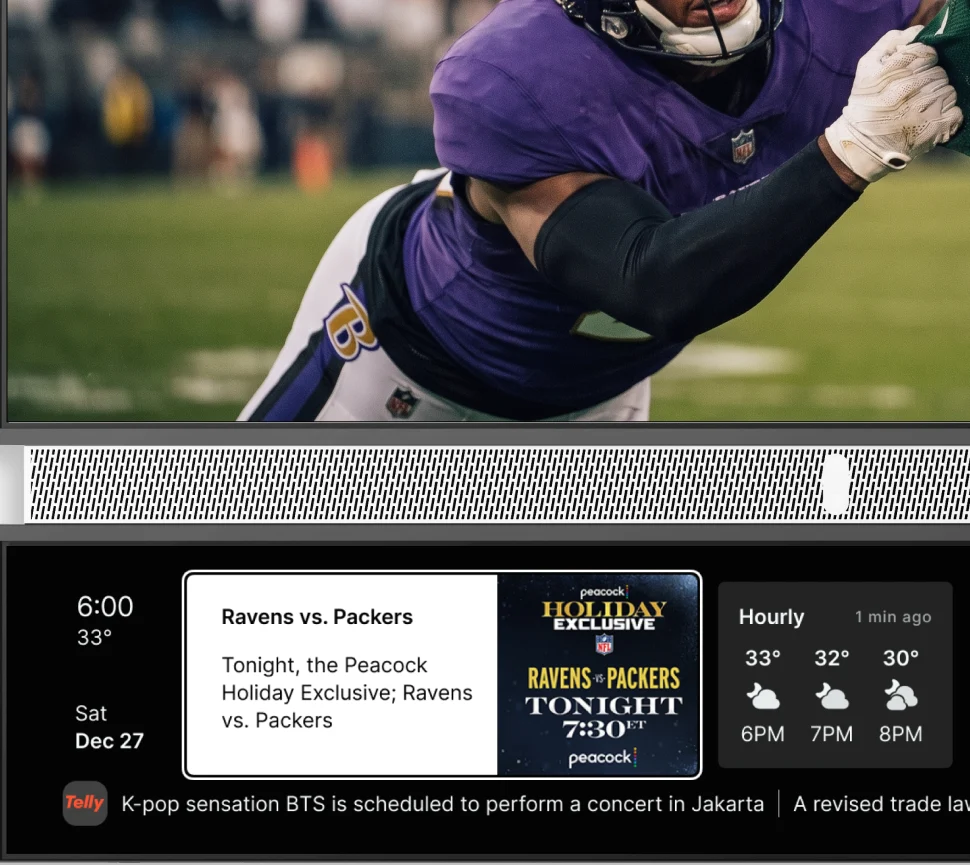
The burgeoning world of streaming television advertising is abuzz with the potential of "pause ads" – advertisements that appear when a viewer temporarily halts playback. While industry discussions surrounding this innovative ad format often precede widespread advertiser adoption, a significant hurdle remains: the absence of standardized programmatic buying methods. This lack of uniformity across streaming platforms and ad sellers is a primary impediment to the broader integration of pause ads into mainstream media plans.
The Interactive Advertising Bureau (IAB) Tech Lab has been actively addressing this challenge. Last year, the organization initiated a crucial project aimed at standardizing programmatic signals for new streaming TV ad formats, including pause ads, dynamically inserted in-scene ads, and placements on smart TV home screens. The IAB Tech Lab meticulously collected public comments on its proposed standards through early June. These submissions are currently under review by the relevant working groups, with updates to the programmatic specifications anticipated for release later this month. This development is poised to be a watershed moment, potentially streamlining the buying process and unlocking significant advertiser interest.
Despite the current programmatic fragmentation, many brands are keenly anticipating the integration of pause ads into their advertising strategies. Fiskars, a global manufacturer of garden tools and household products, exemplifies this enthusiasm. Kevin Goy Ramos, Senior Manager of Media and Advanced Media Tech Solutions at Fiskars Group, views pause ads as a compelling avenue for building brand awareness, particularly for new product launches. He cited the company’s recent introduction of an electric-powered tool line as a prime example where pause ads could effectively capture consumer attention. However, Ramos candidly admitted that Fiskars has not yet purchased any pause ads. The company’s hesitation stems from its requirement for the flexibility, scale, and robust measurement capabilities typically afforded by programmatic advertising infrastructure. Without these essential elements, integrating pause ads remains a theoretical rather than practical pursuit for many brands like Fiskars.
The Programmatic Imperative for Pause Ad Adoption
Currently, a significant portion of pause ad transactions occur through direct deals negotiated between advertisers and individual publishers. This reliance on bespoke agreements is largely a consequence of the existing market landscape. David Dworin, Chief Product Officer at FreeWheel, explains that media buyers have "not really had the option to buy [pause ads] at scale any other way." This direct-sales model, while functional for some, lacks the efficiency, automation, and broad reach that programmatic buying offers.
The forthcoming updates from the IAB Tech Lab are designed to fundamentally alter this dynamic. Once the standardized signals for programmatic pause ads are widely available and adopted by the industry, agencies will gain the ability to execute pause ad campaigns seamlessly across a multitude of streaming services and distributors. This enhanced accessibility is expected to significantly boost demand from buyers who prioritize programmatic channels for their media investments.
In the interim, programmatic platforms are proactively seeking solutions to facilitate programmatic pause ad purchases. Magnite, a prominent sell-side platform (SSP), has already made pause ads available through select video distributors, including Fubo, Dish, and DirecTV. Similarly, FreeWheel has collaborated with several demand-side platforms (DSPs), such as The Trade Desk, to better distinguish pause ad inventory from traditional commercial spots within the bidstream. These initiatives represent crucial steps towards bridging the gap between advertiser interest and programmatic execution.
Navigating the Friction Points in Pause Ad Integration
Despite these efforts, several obstacles persist in achieving widespread programmatic pause ad adoption. Publishers are at varying stages of development and implementation for pause ad capabilities. Some have opted to build native specifications for pause ads within their proprietary platforms, while others favor the more universally recognized Video Ad Serving Template (VAST) standard. From the perspective of publishers and distributors, a unified approach to "integrating demand" remains elusive, according to Jerrold Son, VP of Advertising Revenue Operations at Xumo. Xumo, a free ad-supported streaming platform owned by Comcast, highlights the ongoing complexity within the ecosystem.
Another significant challenge lies in the incompatibility of bids for pause ad inventory originating from different SSPs, such as FreeWheel and Magnite. These bids are not currently translatable across platforms, creating a bottleneck in the programmatic auction process. Son elaborates, "Right now, that’s a limiting factor." The industry’s need, he argues, is for a mechanism to "mediate" demand, effectively allowing competing bids to contend for the same impression. This interoperability is essential for a truly fluid programmatic marketplace.
Despite these technical and operational challenges, a palpable sense of optimism permeates the industry regarding the future of pause ads. The potential for achieving programmatic consistency, and consequently, enhanced revenue, is a significant driver of this positive outlook. Son notes that publishers are observing "higher CPMs on pause ads than we are on video ads," suggesting a premium value associated with this format.
Publishers and platforms anticipate that standardization will act as a catalyst, unlocking a wave of new demand. Rob Hazan, GM of Product Management at The Trade Desk, predicts that once the IAB Tech Lab’s updated signaling standards are implemented, a broader spectrum of marketers will emerge as pause ad buyers. He anticipates that many of these advertisers have been "holding out because of workflow and coordination challenges." Until that point, Hazan foresees agencies continuing to experiment with pause ads on a limited scale, rather than committing substantial budget allocations. Fiskars’ cautious approach underscores this sentiment, with the company waiting for comprehensive programmatic standardization before making a significant investment.
Beyond Standardization: The Performance Imperative
While standardization is a critical enabler, it is not the sole determinant of pause ads earning a permanent place in marketer media plans. Ultimately, the performance of these ads will be the deciding factor. For brands like Fiskars, the expectation is that pause ads will drive brand awareness and consideration, largely due to their perceived user-friendliness. Ramos believes that pause ads possess "better attention value" because they are initiated by the user, offering a refreshing alternative to the often disruptive nature of traditional ad breaks. This user-initiated experience stands in stark contrast to the standard bombardment of interruptive ad breaks, aligning with a growing industry focus on enhancing the viewer experience.
However, the user experience with pause ads is not without its complexities. Not all viewers pause content for the same reasons. While some may step away for a break, others might pause to examine details within the content, such as subtitles or specific visual elements. Dworin of FreeWheel points out the difficulty in discerning the viewer’s intent: "it’s not easy to intuit why someone hit pause." This ambiguity can impact the effectiveness of the ad, as the viewer’s mindset might not be conducive to engaging with advertising.
From an advertiser’s standpoint, guaranteeing a consistent ad delivery cadence or placement within specific programs is also challenging. Dworin acknowledges that "You can’t guarantee that somebody is going to push pause" during their viewing session. The prevalence of binge-watching, where viewers may consume content for extended periods without interruption, further complicates predictability. This inherent unpredictability, coupled with evolving consumer viewing habits, presents a unique set of considerations for advertisers. While some might envision pause ads facilitating QR code scans for immediate engagement, the success of such strategies remains uncertain.
The Unanswered Questions: Measuring Success and Future Impact
What will the performance of pause ads ultimately look like, and will it differ significantly from conventional in-stream ad inventory? These are the critical questions that Hazan of The Trade Desk notes remain unanswered. The success of pause ads will hinge on their ability to demonstrate tangible results, whether through increased brand recall, website visits, or ultimately, conversions.
The IAB Tech Lab’s forthcoming standards are a significant step towards creating a more robust and accessible programmatic marketplace for pause ads. However, the industry must also collectively address the nuances of user behavior and advertiser objectives. As standardization progresses and platforms refine their offerings, a clearer picture of pause ad performance will emerge. This will enable advertisers to make more informed decisions about allocating budget and integrating this innovative format into their broader digital advertising strategies. The journey of pause ads from industry discussion to widespread adoption is far from over, but the current momentum suggests a future where these ads could play a meaningful role in the evolving landscape of streaming television advertising. The industry is keenly watching as the IAB Tech Lab’s updates are rolled out, and as platforms and advertisers alike work to unlock the full potential of this intriguing ad format.