

The digital commerce landscape is undergoing a fundamental transformation as Artificial Intelligence (AI) shifts from a secondary support tool to the primary engine driving Conversion Rate Optimization (CRO). In an era where consumer attention spans are narrowing and market saturation is at an all-time high, the ability for a digital interface to anticipate user needs has become the definitive competitive advantage. Traditional CRO, which relied heavily on manual A/B testing and retroactive data analysis, is being superseded by AI-driven systems capable of real-time adjustments, hyper-personalization, and predictive behavioral modeling. This evolution represents a shift from a reactive "test and learn" culture to a proactive "predict and provide" framework, fundamentally altering how businesses interact with their digital audiences.
The Foundational Shift: From Manual Heuristics to Machine Learning
For decades, Conversion Rate Optimization was defined by the systematic process of increasing the percentage of website visitors who take a desired action. This process typically involved a rigorous cycle of heuristic reviews, user surveys, and sequential A/B testing. While effective, these traditional methods were inherently limited by human bandwidth and the "latency of insight"—the time gap between data collection and actionable implementation.

AI-powered CRO (AI CRO) eliminates this latency by utilizing machine learning algorithms to identify friction points within the user journey at a speed and scale impossible for human analysts. By automating the ingestion of massive datasets, AI identifies subtle behavioral patterns that signal a user’s intent or frustration. Rather than waiting for a two-week A/B test to conclude, AI systems can now prioritize testing variables, personalize landing pages in real-time, and optimize revenue per visitor (RPV) through continuous, automated experimentation.
Comparative Framework: Traditional CRO vs. AI-Driven Optimization
To understand the impact of this technological shift, it is necessary to examine the structural differences between legacy methodologies and modern AI applications. Traditional CRO is often characterized by its linear nature. Marketers form a hypothesis, design a variation, split traffic, and eventually analyze the results to determine a winner. This process is sequential and often ignores the nuances of individual user segments.
In contrast, AI-driven CRO operates on a multi-dimensional plane. It leverages "multi-armed bandit" testing models, where traffic is dynamically shifted toward the winning variation as the test progresses, minimizing the "regret" of lost conversions during the testing phase. Furthermore, while traditional methods treat the audience as a monolith or a few broad segments, AI allows for 1-to-1 personalization. This means that two different users visiting the same URL may see entirely different content, pricing, or layouts based on their unique browsing history, geographic location, and predicted intent.
Technological Enablers: The AI CRO Toolbox
The modern optimization stack is comprised of several sophisticated AI layers, each serving a specific function in the conversion funnel.
1. Personalization and Recommendation Engines
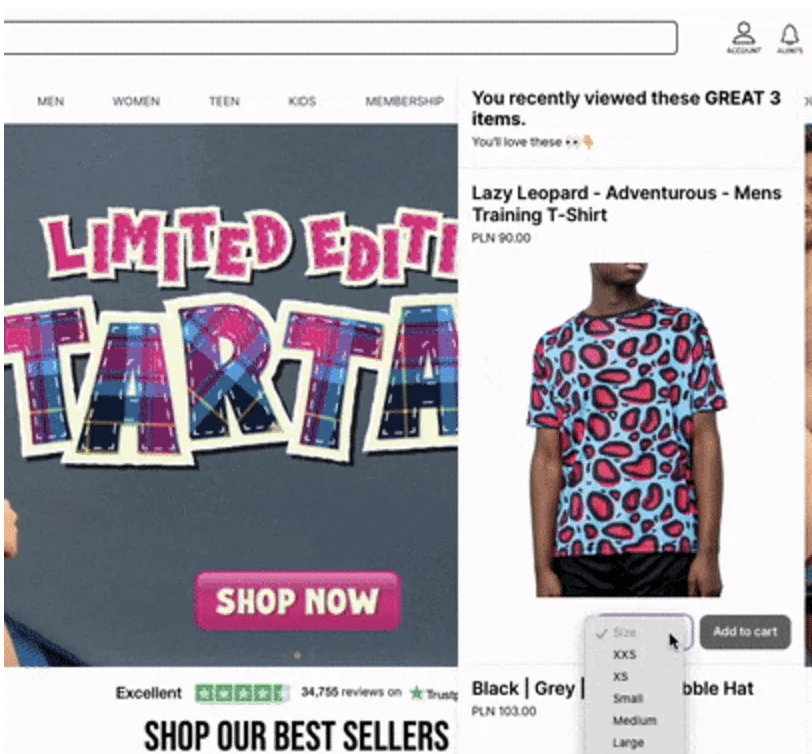
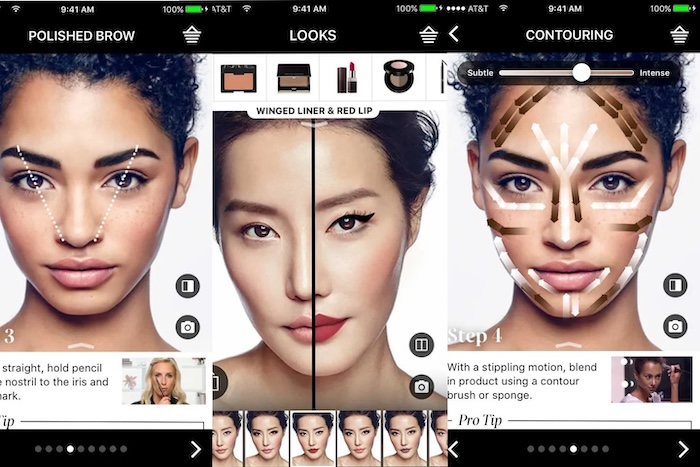
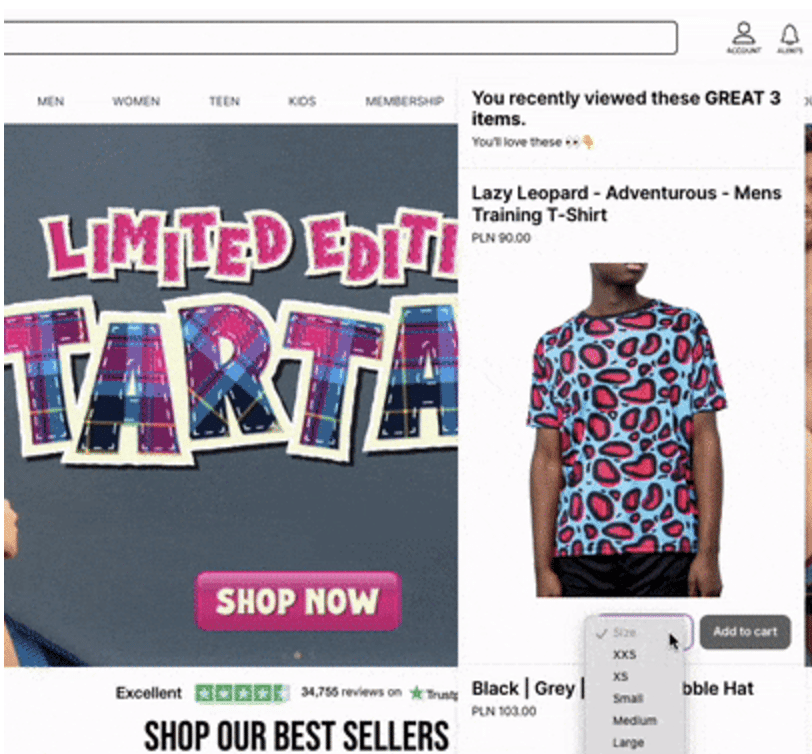
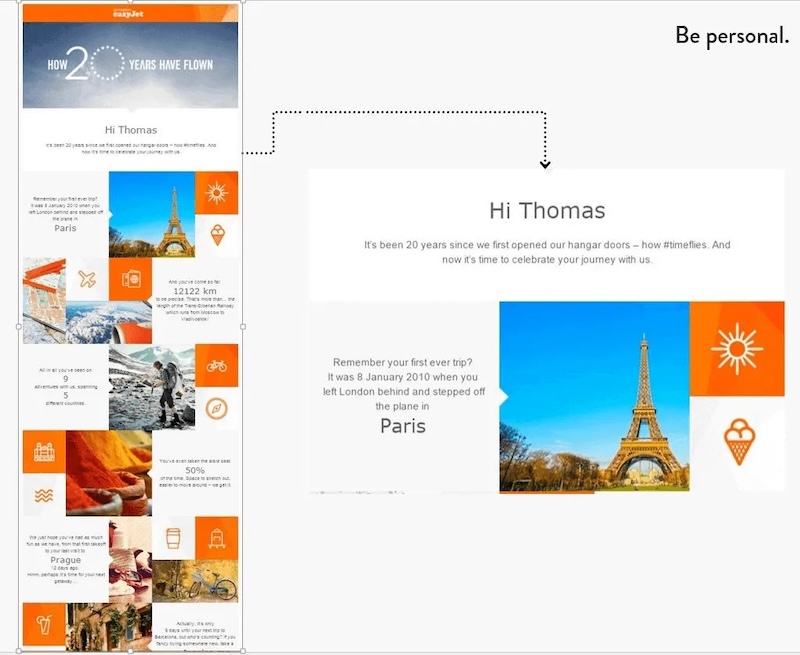
AI-powered personalization is the cornerstone of modern e-commerce. These engines analyze real-time behavior—such as dwell time, scroll depth, and click-through rates—alongside historical data to deliver tailored experiences. A notable industry example is the beauty retailer Sephora, which utilizes AI to recommend products based on past purchases and skin profiles. Their "Virtual Artist" tool uses computer vision and AI to allow customers to virtually "try on" makeup, significantly reducing the uncertainty that leads to cart abandonment. Similarly, UK-based brand OddBalls uses AI to trigger dynamic on-site notifications once a user has viewed a specific threshold of products, creating a personalized "nudge" that has been shown to increase engagement metrics.
2. Natural Language Processing (NLP) and Conversational AI
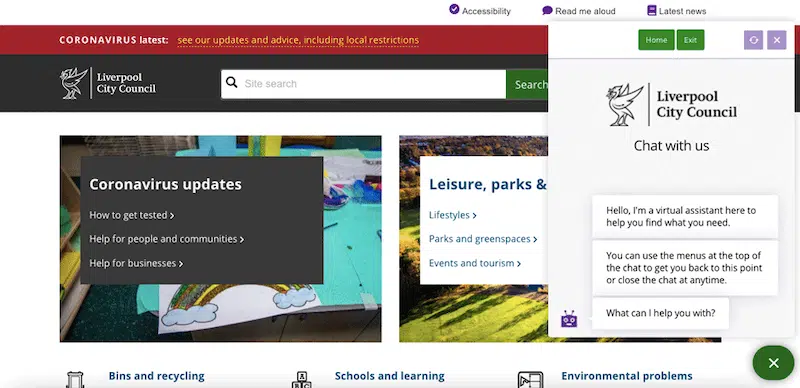
The integration of AI-driven chatbots has transformed customer support from a cost center into a conversion driver. Unlike traditional algorithm-driven bots that rely on rigid decision trees, modern bots powered by Intercom or Drift use Natural Language Processing to understand complex queries and user intent. This technology is not limited to the private sector; the Liverpool City Council, for instance, implemented an AI virtual assistant to handle queries regarding council tax and benefits. By providing instant, human-like responses 24/7, these systems resolve friction points in real-time, preventing users from leaving the site due to unanswered questions.
3. Predictive Analytics and Behavioral Modeling
Predictive analytics acts as a "digital crystal ball," allowing businesses to forecast future actions based on historical patterns. Tools like Pendo and HubSpot utilize machine learning to assign "propensity scores" to users. If an AI identifies a pattern suggesting a high likelihood of cart abandonment, it can automatically trigger a remarketing campaign or a personalized discount code before the user even leaves the site. This preemptive strike capability is essential for high-frequency e-commerce environments where timing is critical.
4. Visual Intelligence and AI Heatmaps
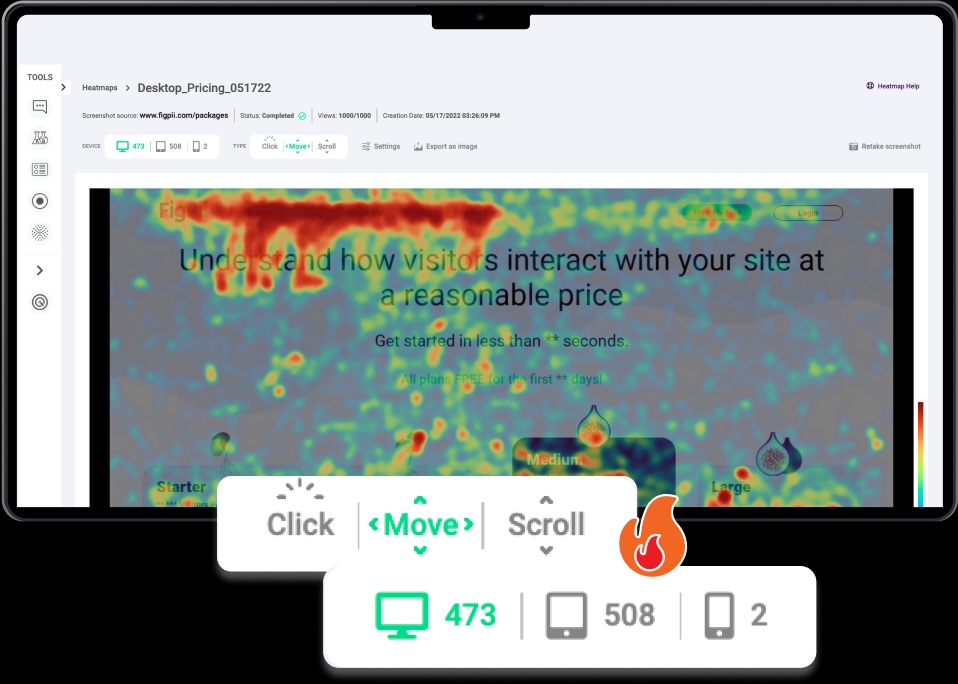
Traditional heatmaps provided a static view of user interaction. AI-enhanced heatmaps, such as those offered by FigPii or Crazy Egg, go further by analyzing the data to suggest specific layout changes. These tools can identify "rage clicks" or "dead zones" and automatically recommend optimizations to the user flow, ensuring that the most important call-to-action (CTA) elements are positioned where users are most likely to engage.
Data-Driven Culture and Organizational Impact
The implementation of AI CRO requires more than just software; it demands a fundamental shift in organizational culture. Companies that successfully leverage AI for optimization often move away from a "top-down" decision-making process—where the "Highest Paid Person’s Opinion" (HiPPO) dictates strategy—toward a decentralized, data-first approach.
In this environment, AI serves as a "force multiplier" for data scientists and marketing teams. By handling the rote work of data cleaning and pattern recognition, AI allows human strategists to focus on high-level creative and brand positioning. This synergy between human intuition and machine precision is what defines the most successful modern enterprises.
Case Study Analysis: Stitch Fix and Spotify
The practical application of AI in optimization is best observed through industry leaders who have integrated these technologies into their core value propositions. Stitch Fix, the online personal styling service, utilizes an Outcome Conditioned Model (OCM) that leverages generative AI to revolutionize personal styling. By analyzing thousands of data points—from style preferences to feedback on previous shipments—their AI predicts which items a customer is most likely to keep, thereby optimizing the conversion from "trial" to "purchase."
Similarly, Spotify’s use of dynamic playlists and personalized "Discovery" feeds is a masterclass in AI-driven retention. By optimizing the user experience through algorithmic curation, Spotify ensures that users are constantly presented with content that resonates with their specific tastes, thereby reducing churn and increasing the lifetime value (LTV) of the subscriber.
Market Context and Future Implications
The global market for AI in marketing is projected to grow exponentially over the next decade. According to industry reports, the integration of AI into marketing workflows can lead to a 15% to 30% increase in marketing efficiency and a significant lift in conversion rates. As generative AI continues to mature, the next frontier of CRO will likely involve "Dynamic Creative Optimization" (DCO) at an unprecedented scale, where AI generates unique images, headlines, and video content for every individual visitor in real-time.
However, this technological advancement brings significant responsibilities. As AI systems become more adept at predicting and influencing behavior, ethical considerations regarding data privacy and transparency become paramount. Regulations such as GDPR and CCPA provide a framework, but businesses must go beyond compliance to ensure that their AI-driven optimization efforts do not cross the line into manipulation.
Conclusion: The Imperative of Adaptation
The transition to AI-driven Conversion Rate Optimization is no longer a luxury for forward-thinking brands; it is a necessity for survival in a digital-first economy. The ability to process vast amounts of data, predict user behavior, and deliver personalized experiences at scale provides a level of precision that manual methods simply cannot match.
As AI technology continues to evolve, the distinction between "the website" and "the user’s experience of the website" will blur. The future of CRO lies in creating a seamless, invisible layer of optimization that anticipates needs, removes obstacles, and builds meaningful connections between brands and consumers. Businesses that embrace this AI-driven future will not only see improved conversion rates but will also foster deeper customer loyalty in an increasingly fragmented digital world.







