
 rifanmuazin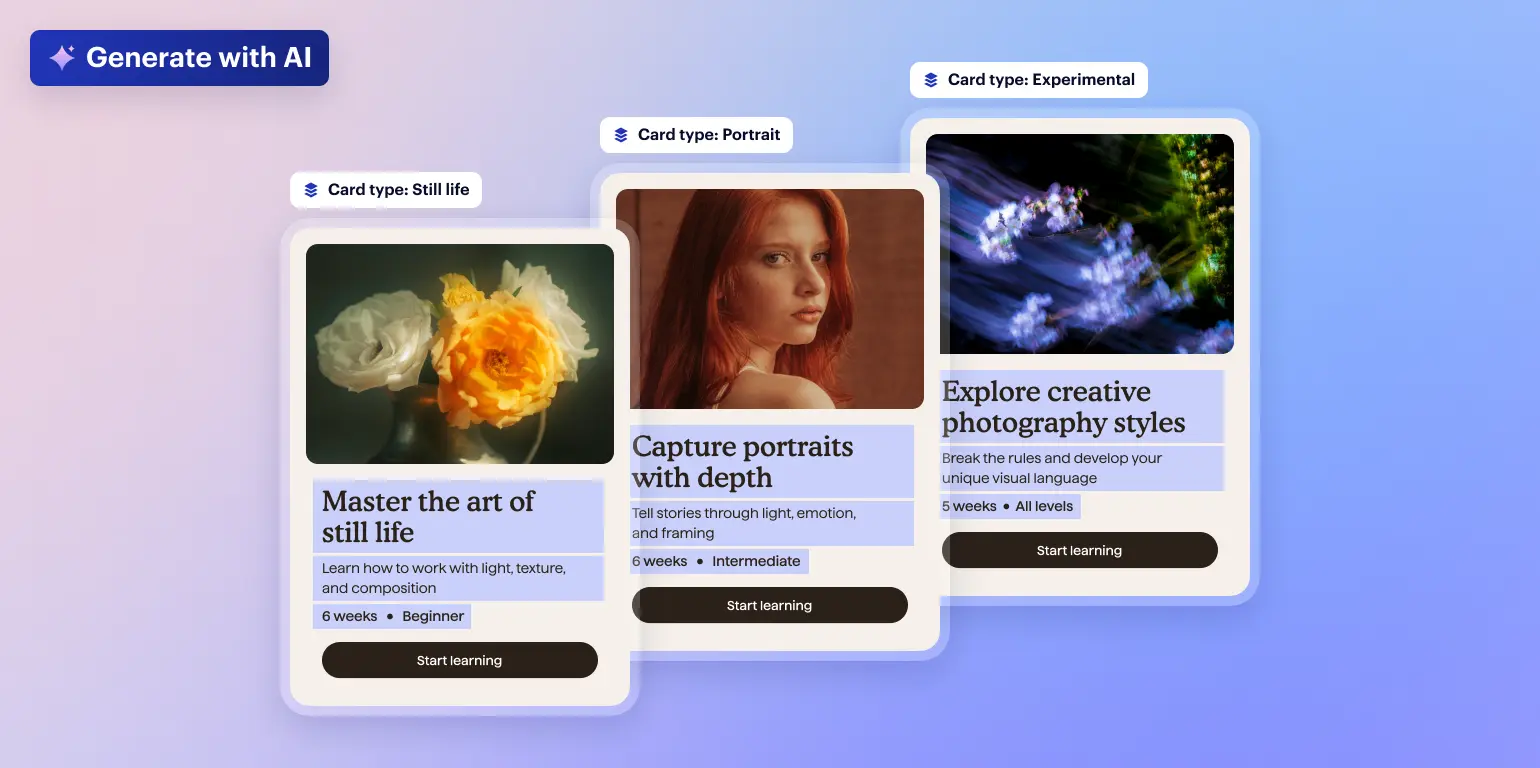
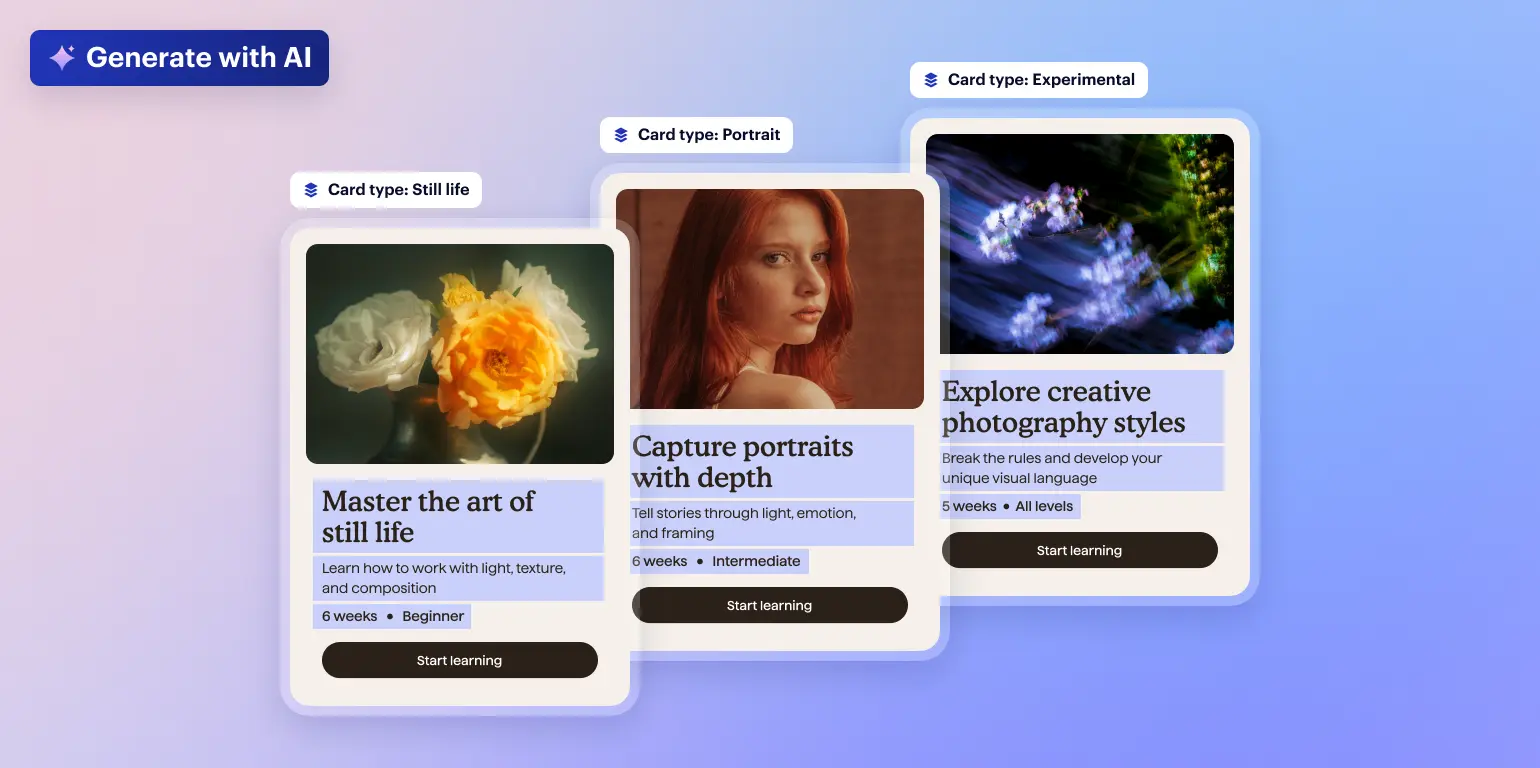
The digital marketing landscape has reached a critical inflection point where the demand for hyper-personalized consumer experiences has outpaced the manual capacity of even the most robust creative teams. In response to this operational bottleneck, Instapage, a leading landing page platform, has officially launched AI Collections, a sophisticated automation suite designed to streamline the creation and management of high-volume, personalized landing pages. The new feature aims to solve the "execution gap" in digital advertising, where the theoretical benefits of personalization—higher conversion rates and lower customer acquisition costs—are often neutralized by the labor-intensive processes required to implement them at scale.
According to internal performance data and preliminary user testing, the AI Collections framework allows marketing teams to deploy personalized pages up to three times faster than traditional manual methods. This development comes at a time when digital ad spend is under increased scrutiny, forcing organizations to maximize the efficiency of every click through more relevant post-click experiences.
The Personalization Paradox in Modern Marketing
For over a decade, the marketing industry has operated under the consensus that personalization is the primary driver of performance. Data from McKinsey & Company indicates that 71% of consumers expect companies to deliver personalized interactions, and 76% get frustrated when this does not happen. Furthermore, companies that excel at personalization generate 40% more revenue from those activities than average players.
Despite these statistics, the "Personalization Paradox" persists: while the value of personalization is undeniable, the complexity of execution often leads to its abandonment. Historically, creating personalized pages for different audience segments, geographic locations, or keyword groups required marketers to manually duplicate pages, edit copy line-by-line, and manage a sprawling architecture of individual URLs. This manual workload often results in "campaign fatigue," where teams revert to generic landing pages to meet launch deadlines, ultimately sacrificing potential ROI.
AI Collections is positioned as the technological bridge over this gap, shifting the workflow from manual duplication to programmatic generation.
Technical Architecture of AI Collections
The core innovation of AI Collections lies in its departure from the one-to-one page editing model, moving instead toward a "template-and-table" architecture. This system allows marketers to manage hundreds of unique landing pages from a single centralized dashboard.
The process begins with the creation of a master template. Within this template, the user defines "AI Placeholders." Unlike traditional dynamic text replacement (DTR) which often requires manual coding or complex integrations, the AI Collections system utilizes machine learning to analyze the page design and automatically suggest optimal locations for dynamic content. These placeholders act as anchors for the AI to insert tailored messaging based on specific parameters.
Once the template structure is established, the system generates a content table. In this environment, each row represents an individual landing page within the "Collection," while each column represents a specific content variable—such as headlines, body copy, images, or calls-to-action (CTAs). This spreadsheet-style interface allows for the bulk management of page data, providing a macro-view of an entire campaign’s messaging strategy.
Generative AI and Layout Fluidity
The integration of generative AI within the content table marks a significant shift in how copy is produced. Marketers can provide high-level prompts including target audience profiles, specific messaging goals, and brand tone guidelines. The AI then populates the table with publish-ready content tailored to each unique entry. For example, a single campaign targeting "SaaS Founders," "Enterprise CTOs," and "Small Business Owners" can have bespoke copy generated for all three segments simultaneously, ensuring that the value proposition resonates with the specific pain points of each persona.
To address the common issue of text-length variability—where a long AI-generated headline might break a carefully designed layout—Instapage has paired AI Collections with its proprietary "Fluid Grid" blocks. This technology ensures that the page layout automatically adjusts to accommodate varying content lengths. By maintaining visual integrity across hundreds of variations without manual intervention, the system removes one of the final hurdles in automated web design.
Historical Context and the Evolution of Landing Page Technology
The launch of AI Collections represents the fourth major era in the evolution of landing page optimization:
- The Static Era (Pre-2010): Landing pages were hard-coded and static. Changing a single headline required developer intervention, making A/B testing a slow and rare occurrence.
- The Drag-and-Drop Era (2010–2015): The rise of No-Code platforms allowed marketers to build pages without developers. This democratized page creation but led to "page bloat," where teams struggled to manage the sheer volume of pages they were now capable of building.
- The Dynamic Text Era (2015–2022): Basic scripts allowed for simple keyword insertion (e.g., matching a page headline to a Google Search query). While effective for SEO/SEM, it lacked the depth of true content personalization.
- The AI-Orchestration Era (2023–Present): With the advent of Large Language Models (LLMs), platforms like Instapage are moving toward orchestration, where the human marketer acts as a strategist and editor, while the AI handles the repetitive tasks of generation, placement, and layout adjustment.
Market Implications and Economic Impact
The implications of AI-driven page generation extend beyond mere convenience; they have a direct impact on the economics of digital advertising. In the current "Privacy-First" era of digital marketing, where tracking cookies are being phased out and third-party data is becoming less reliable, the "post-click experience" has become the most controllable lever for improving Return on Ad Spend (ROAS).
Industry analysts suggest that by reducing the time-to-market for personalized pages, brands can more effectively compete in high-cost auctions like Google Ads and Meta Ads. A highly relevant landing page improves the "Quality Score" in Google’s ecosystem, which can lead to lower costs-per-click (CPC) and better ad placements. By automating the creation of these relevant pages, AI Collections effectively lowers the barrier to entry for sophisticated, high-performance advertising strategies.
Furthermore, the shift toward AI-assisted workflows is expected to redefine roles within marketing departments. The "Creative Technologist" or "Conversion Rate Optimization (CRO) Specialist" will spend less time on the "how" of page building and more time on the "who" and "why" of audience strategy.
Industry Response and Future Outlook
While Instapage has not released a list of initial enterprise partners, early sentiment from the AdTech community suggests a strong appetite for these features. Digital agency leads have noted that the "manual labor" of personalization has long been a line item that clients are reluctant to pay for, yet it is essential for results. Automation tools like AI Collections allow agencies to offer higher-tier personalization services at a lower cost, improving their own margins while delivering better results for clients.
However, the rise of AI-generated content also brings challenges. Critics point to the potential for "content homogenization," where AI-generated pages across different brands might begin to sound similar. Instapage has addressed this by emphasizing the "human-in-the-loop" model, where marketers provide the prompts and review the output, ensuring that brand-specific nuances are preserved.
Looking forward, the roadmap for AI in the post-click space appears to be heading toward real-time adaptation. Future iterations of technology like AI Collections may not only generate pages in bulk beforehand but could potentially adjust content in real-time based on live user behavior and predictive analytics.
Strategic Implementation for Marketing Teams
For organizations looking to integrate AI Collections into their existing workflows, experts recommend a phased approach. The transition from manual page building to AI-driven collections requires a shift in how data is structured. Marketing teams must become proficient in managing "Content Tables" and refining "AI Prompts" to ensure the output aligns with brand standards.
Instapage has made the feature available to users through a 14-day free trial, signaling confidence that the efficiency gains will be immediately apparent to professional marketers. As the industry moves toward the end of the fiscal year, the adoption of such tools is expected to accelerate as teams look for ways to hit aggressive growth targets with leaner resources.
In conclusion, the introduction of AI Collections marks a significant milestone in the maturation of MarTech. By solving the execution challenges of personalization, Instapage is not just offering a new tool; it is proposing a new standard for how digital campaigns should be built and managed in an AI-augmented world. The move reinforces the idea that in the modern digital economy, the winner is not necessarily the one who spends the most on ads, but the one who can most efficiently deliver a relevant, personalized message to the individual user at the moment of intent.








