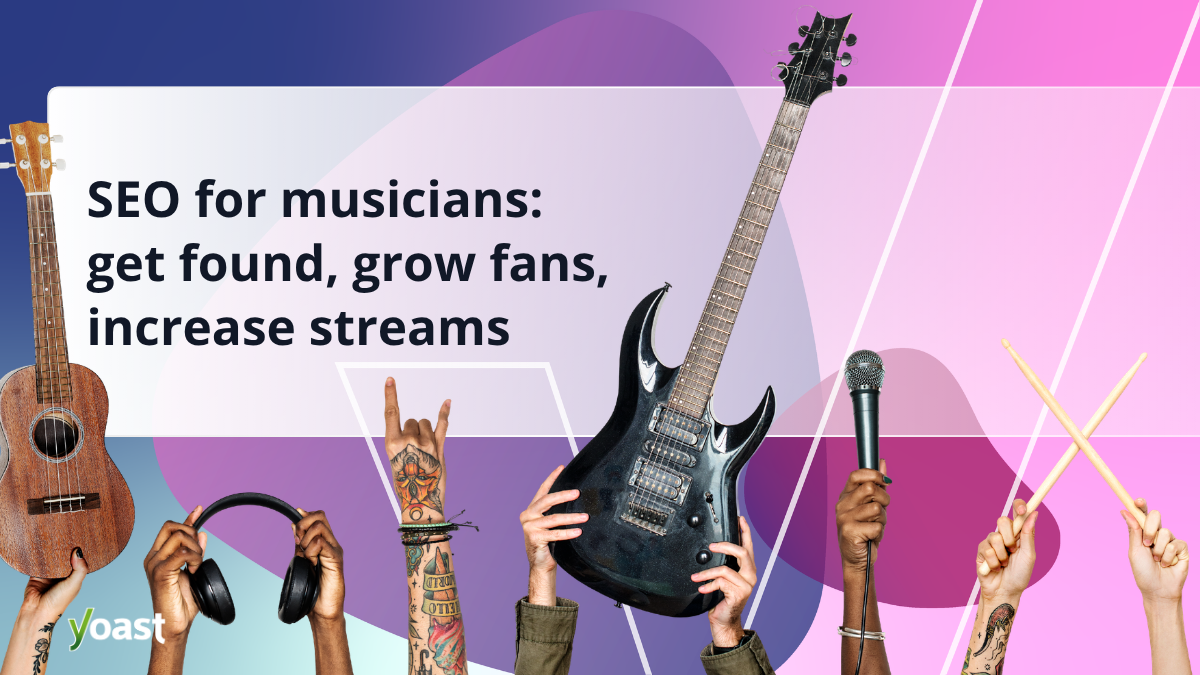
The contemporary music landscape presents a dichotomy for artists: unprecedented opportunities for global reach juxtaposed with fierce competition for listener attention. In an era where a captivating melody can quickly become a viral sensation on platforms like TikTok or Instagram, the challenge often lies not in creating the trend, but in ensuring the artist behind it is remembered, recognized, and subsequently supported. Musicians aspire to more than fleeting virality; they seek to cultivate lasting connections, drive engagement, and build sustainable careers, a goal increasingly reliant on effective discoverability. While streaming services and social media are undeniably crucial for initial exposure, a foundational element often overlooked yet increasingly vital is Search Engine Optimization (SEO).
The Evolving Landscape of Music Discovery
The journey of music discovery has undergone a profound transformation over the past two decades. The early 2000s saw the digital revolution take hold, transitioning from physical album sales to digital downloads via platforms like iTunes. This era marked the beginning of a shift in how music was consumed and monetized. By the late 2000s and early 2010s, streaming services such as Spotify and YouTube began to redefine accessibility, offering vast catalogs on demand. This "streaming revolution" democratized access to music, making it easier for independent artists to distribute their work without traditional gatekeepers. However, it simultaneously introduced a new challenge: oversaturation.
As the 2010s progressed, social media platforms like Facebook and Instagram became central to artist-fan interaction, offering direct channels for promotion and community building. More recently, TikTok has emerged as a powerhouse for music discovery, capable of catapulting songs and artists to global fame overnight through short-form video content. Yet, the ephemeral nature of social media trends means that while a song might dominate feeds for weeks, the artist’s name or broader discography can easily be forgotten once the trend passes. This transient engagement highlights a critical gap in many artists’ digital strategies: how to convert momentary interest into sustained fan loyalty.
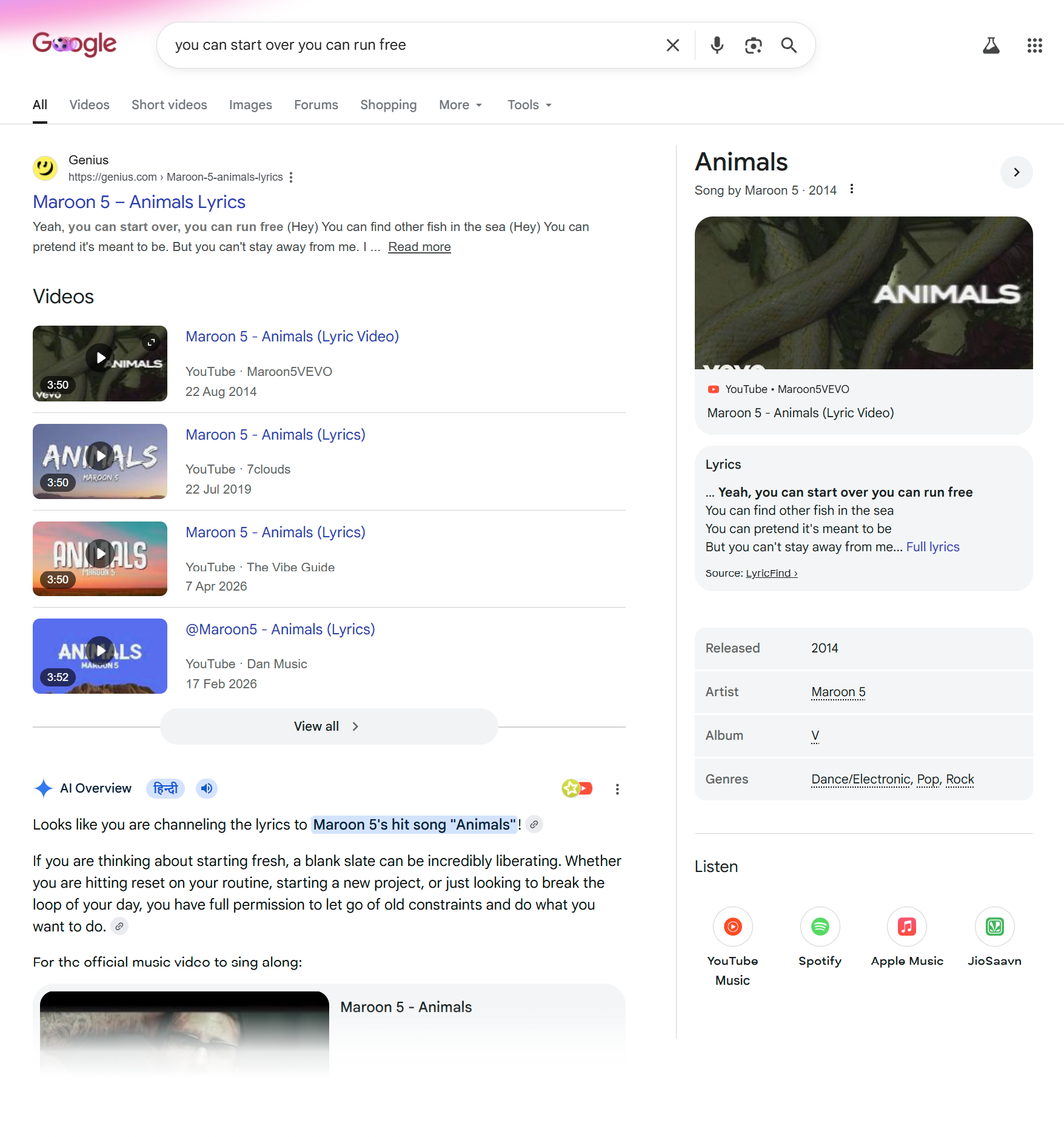
Amidst these dynamic shifts, search engines like Google have remained a constant, evolving alongside the digital world to become the primary gateway for information retrieval. Whether a listener hears a song on a streaming platform, encounters a snippet on social media, or simply seeks out music similar to a favorite artist, their next logical step is often to "Google it." This ubiquitous behavior underscores why optimizing an artist’s online presence for search engines is no longer a niche tactic but a core component of a comprehensive music marketing strategy.
Why Search Engine Optimization is Indispensable for Musicians
SEO, defined as the process of enhancing content visibility within search engine results, is about making it easier for various stakeholders—from potential listeners and promoters to venue owners, journalists, and even AI-powered tools—to discover an artist’s online presence. For musicians, this translates into ensuring that searches for artist names, song lyrics, album releases, tour dates, or genre-specific recommendations yield accurate and comprehensive information directly linking back to the artist.
Beyond the Algorithm Trap: Combating Saturation
The sheer volume of new music entering the market daily is staggering. Brand consultant Ava Rose Lynch previously highlighted that over 100,000 songs are uploaded to Spotify every single day. This statistic, while intimidating, does not render success impossible; rather, it emphasizes the imperative for artists to diversify their discoverability channels beyond the algorithmic whims of streaming platforms. While algorithms can introduce music to new audiences, they are also highly competitive and often prioritize established artists or specific trends. A strong SEO foundation provides an alternative, more controlled pathway for discovery, allowing artists to capture interest that extends beyond platform-specific recommendations.
Bridging Curiosity to Conversion: Guiding Fan Engagement
A critical function of SEO for musicians is its ability to convert initial curiosity into deeper engagement. Imagine a listener discovering an artist’s track on TikTok. Their subsequent actions might include searching for the artist’s name, looking up lyrics, exploring tour dates, or seeking out similar artists. Effective SEO ensures that these searches lead directly to the artist’s owned digital properties, such as their official website, where they can find comprehensive information, explore discography, watch videos, purchase merchandise, or sign up for newsletters. This transformation from casual listener to engaged fan is significantly bolstered when an artist’s online presence is easily navigable and rich with relevant information.
Long-Term Visibility: An Enduring Digital Footprint
Unlike social media posts, which typically have a short lifespan and quickly disappear from feeds, search visibility offers enduring benefits. A well-optimized artist page, a dedicated lyrics page, or a concert announcement on an artist’s website can continue to attract listeners and drive traffic months or even years after its initial publication. This long-term visibility represents a significant advantage, particularly for independent musicians, as every piece of optimized content can consistently work to promote their music without requiring continuous, active promotion. This "evergreen" aspect of SEO contrasts sharply with the constant demand for fresh content on social platforms.
Strategic SEO: Tailored Approaches for Artist Goals
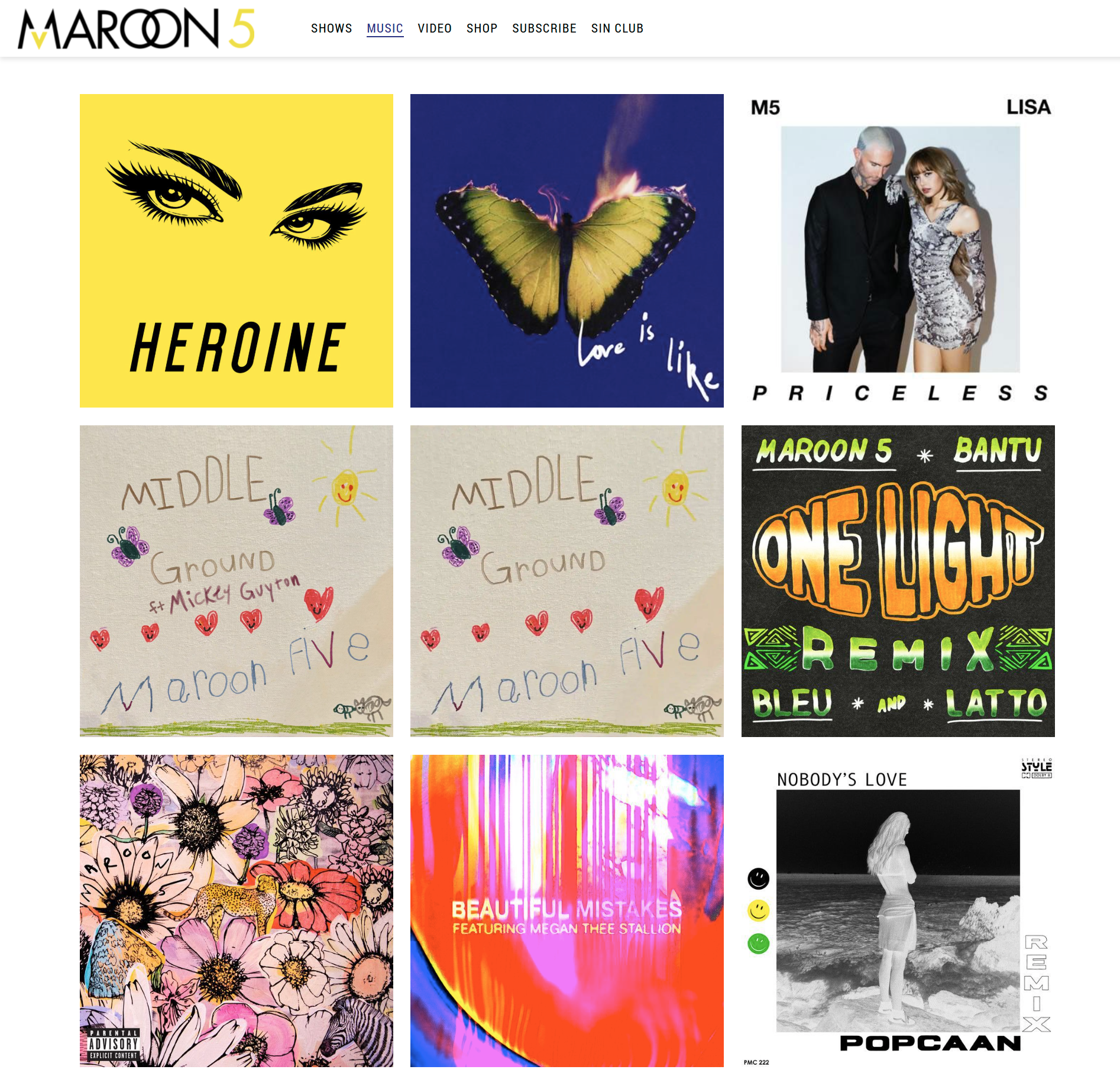
The implementation of SEO for musicians is not a one-size-fits-all strategy. It must be customized to align with an artist’s specific career objectives, whether that involves growing a fanbase, securing live performances, or boosting merchandise sales. Regardless of the goal, the foundation remains consistent: building a robust, owned online presence.
Building an Artist’s Digital Headquarters: The Official Website
The cornerstone of any musician’s SEO strategy is a dedicated, artist-owned website. While streaming profiles and social media accounts are essential, they are rented spaces with limited control. A personal website serves as the artist’s central digital headquarters, offering a comprehensive and controlled environment to tell their story, showcase their work, and engage with fans. This central hub should include:
- An engaging artist biography.
- A complete discography with links to streaming services.
- High-quality photos and videos.
- Upcoming tour dates and past performance archives.
- Merchandise store.
- Contact information for bookings and media inquiries.
- An email list signup.
When search engines crawl an artist’s website, they gain a holistic understanding of the artist’s identity, genre, and offerings, leading to more accurate and authoritative search results. Tools like Bluehost’s AI Website Builder can assist artists in creating professional sites without extensive technical expertise.
Maximizing Music Discoverability:
For artists focused on growing their audience and increasing streams, SEO efforts should center on making music easily discoverable across various digital touchpoints.

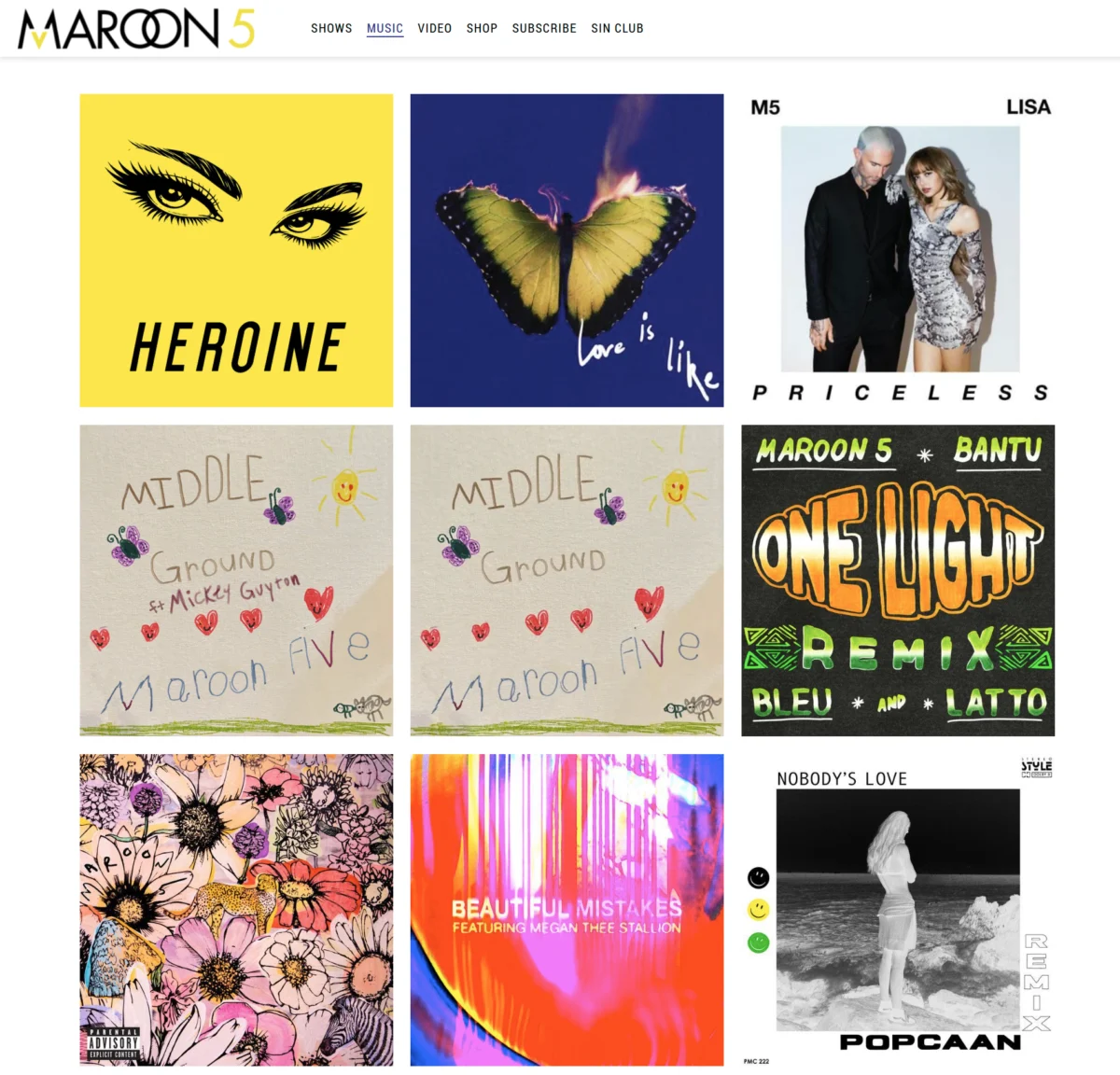
- Dedicated Release Pages: Every single, EP, or album merits its own dedicated page on the artist’s website. These pages should offer more than just streaming links, including: the story behind the music, lyrics, recording process insights, collaborators, and relevant genre tags. Such rich content provides search engines with context and answers common fan queries like "lyrics for [song name]" or "who produced [album name]."
- Repurposing Music into Engaging Content: Beyond the music itself, every song possesses a narrative. Artists can leverage a blog on their website to share these stories – the inspiration, creative challenges, and meanings behind their tracks. Content such as song breakdowns, tour diaries, studio insights, or even genre-specific articles not only deepens fan connection but also provides valuable keyword-rich content for search engines.
- Optimizing Video Content for Search: Music videos, lyric videos, live performances, and behind-the-scenes footage are powerful discovery tools. Effective video SEO involves optimizing titles, descriptions, tags, and thumbnails on platforms like YouTube, and critically, embedding these videos on dedicated pages on the artist’s website. Providing contextual information around embedded videos helps search engines understand the content, increasing its chances of appearing in video search results. WordPress plugins like Yoast SEO’s video feature can automate schema markup, making video content more discoverable.
- Cultivating Industry Mentions: Mentions, reviews, and features from respected music blogs, publications, and podcasts act as powerful signals of authority and trustworthiness to search engines. These backlinks and citations not only expose artists to new audiences but also build their E-E-A-T (Experience, Expertise, Authoritativeness, and Trustworthiness) score, a crucial ranking factor for Google and increasingly, for AI systems. Actively seeking out opportunities for interviews, album reviews, or guest appearances contributes significantly to an artist’s digital footprint.
Securing Live Performances and Bookings:
For musicians aiming to book more gigs, SEO strategy shifts towards connecting with event planners, venue managers, and potential clients actively searching for live entertainment.
- Local SEO for Event Planners: Event organizers typically search for services in specific geographical areas (e.g., "wedding bands in Nashville," "corporate entertainment Sydney"). Artists must explicitly state their service areas on their website, including relevant cities, regions, and types of events. Tools like Yoast SEO Premium’s local SEO feature can assist in adding critical business and location data, making bands more discoverable in local searches.
- Service-Specific Pages: Instead of a generic "Bookings" page, creating dedicated pages for different types of events (e.g., "Wedding Band Services," "Corporate Event Entertainment," "Festival Appearances") allows for highly targeted content. Each page can detail expectations, repertoire, experience, and specific booking instructions, directly addressing the needs of diverse clients.
- Showcasing Experience and Testimonials: Building trust is paramount for bookings. Websites should feature high-quality photos and videos from past performances, testimonials from satisfied clients, and a list of notable venues, festivals, or brands previously worked with. These elements not only reassure potential clients but also enhance the website’s authority in the eyes of search engines.
- Streamlining the Booking Process: A clear, intuitive booking process is vital. Each booking-related page should prominently display contact forms, email addresses, or inquiry buttons. Providing answers to frequently asked questions regarding availability, travel, pricing, and performance packages can significantly reduce friction and expedite the booking decision.
Driving Merchandise Sales:
An artist’s website is also a powerful platform for direct-to-fan merchandise sales, offering a controlled environment to support their work beyond streaming royalties.
- Dedicated Product Pages: Organize merchandise into clear categories (e.g., "T-Shirts," "Vinyl & CDs," "Posters," "Digital Downloads") with dedicated pages for each product. Detailed product descriptions, high-quality images, sizing information, and pricing are essential for both shoppers and search engines. This allows fans searching for "official [Artist Name] merch" or "signed vinyl" to land directly on relevant product pages.
- Connecting Music with Merchandise: Integrate merchandise promotion directly into music-related content. For instance, a new album release page should link to its vinyl edition, limited-edition apparel, or collector’s bundles. This creates a seamless shopping experience and helps search engines understand the relationship between an artist’s music and their products.
- Optimizing Product Descriptions for Search: Use descriptive product names and unique, keyword-rich descriptions that anticipate what fans might search for. For WordPress and WooCommerce users, plugins like Yoast WooCommerce SEO can optimize product pages with improved structured data and metadata, boosting their visibility in e-commerce search results.
Expert Perspectives and Practical Implementation
The practical application of SEO principles is consistently echoed by professionals across the music industry. John Bowman, host of "On Air with Johnny B," emphasizes treating a website as a "creative home base," advocating for comprehensive content that shares influences, processes, and stories beyond just releases. Anthony Pell, a guitar educator, stresses owning one’s digital space rather than relying solely on transient social media platforms. Ben Stringer, founder of SAM Music Service, advises leveraging available tools and not attempting to guess SEO strategies. Brent Robitaille, a musician and educator, highlights the importance of active interest in improving online presence and utilizing analytics. Chetan Shekar, DJ and founder of Piano Groove, recommends installing SEO plugins and focusing on details like image alt text.

These diverse experiences converge on a singular truth: SEO simplifies the complex task of discoverability. Tools like Yoast SEO are frequently cited for demystifying SEO, offering clear guidance on content optimization, metadata, site structure, and schema markup. This empowers artists to focus on their creative endeavors while ensuring their digital presence is understood and valued by search engines.
The Future of Artist Discovery: AI and Beyond
The ongoing evolution of artificial intelligence, particularly large language models (LLMs), is reshaping how information is sought and delivered. AI-powered search tools are becoming more sophisticated in understanding nuanced queries and providing synthesized answers, often directly incorporating information from authoritative websites. The Yoast Perspective Report indicates that 65% of SEO professionals believe optimizing for LLMs is either synonymous with or an extension of traditional SEO. This reinforces the idea that the fundamental principles of clear, relevant, well-structured content remain paramount.
For musicians, this means that having a website rich in accurate, authoritative information about their music, biography, and achievements will be increasingly crucial. When AI assistants are asked for artists similar to a particular genre or for details about an artist’s discography, a well-optimized online presence ensures that the artist is part of the informed response. The E-E-A-T principle—Experience, Expertise, Authoritativeness, and Trustworthiness—becomes even more critical in an AI-driven search environment, as AI systems rely on these signals to determine the credibility and relevance of information.

Conclusion
Great music, at its core, deserves to be discovered. While talent, songwriting, and captivating performances are irreplaceable, they are amplified by effective discoverability. SEO will not supplant the creative process or the profound connection between an artist and their audience. Instead, it serves as the essential framework that ensures these connections can be forged and sustained in an increasingly noisy digital world. By strategically optimizing their online presence, musicians can navigate the complexities of the modern music industry, ensuring that when curiosity strikes, listeners can find them, understand their story, and become long-term supporters. In an age of digital abundance, SEO transforms fleeting attention into lasting engagement, connecting artists with the audiences they deserve.