rifanmuazin
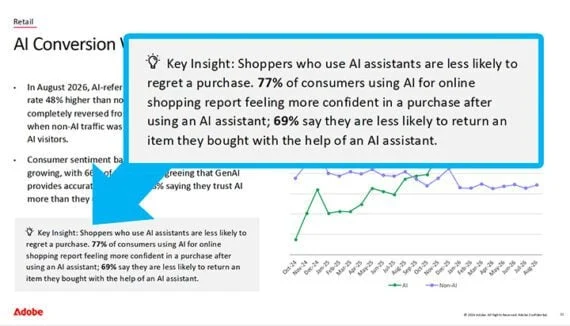
Forty-three percent of all e-commerce traffic originates from organic search, establishing it as the paramount channel for online retailers. This channel is not merely a source of traffic; it is directly responsible for a significant 23.6% of all online orders. The digital marketplace is in constant flux, and the strategies that once guaranteed success are rapidly being redefined. The current environment demands a strategic evolution, with e-commerce SEO emerging as a remarkably potent investment. A study by First Page Sage, analyzing 80 clients, revealed that e-commerce SEO delivers an impressive 317% return on investment (ROI) with an average break-even period of nine months. This performance significantly outshines paid advertising channels, with Google Ads yielding a 1.9x return and Meta Ads a 1.4x return. In this dynamic arena, capturing such substantial returns necessitates a keen focus on optimizing for emerging trends, including the burgeoning impact of AI-driven search. Notably, traffic referred from ChatGPT already demonstrates a 31% higher conversion rate than standard organic search traffic, underscoring the critical need to adapt to these advancements. To navigate this complex terrain, a comprehensive understanding of the available tools is crucial. This article explores a curated selection of twelve essential tools, spanning various functionalities and price points, to empower e-commerce businesses in their pursuit of organic search dominance.
The Indispensable Role of Organic Search in E-commerce
Organic search has long been the bedrock of online retail visibility. Unlike paid advertisements, which offer immediate but often transient exposure, organic search results are built on a foundation of relevance, authority, and user trust. For e-commerce businesses, this translates into a sustainable flow of qualified traffic that is actively seeking products and solutions. The statistic that 43% of all e-commerce traffic stems from organic search is not merely a number; it represents billions of potential customers actively engaging with search engines to find what they need. The direct link to 23.6% of all orders further emphasizes that organic search is not just about visibility but about tangible revenue generation. This persistent dominance highlights the enduring power of search engine optimization (SEO) as a core pillar of any successful e-commerce strategy.
The landscape of SEO has undergone a profound transformation, driven by evolving search engine algorithms, shifting consumer behavior, and the rapid integration of artificial intelligence. What once constituted effective SEO—keyword stuffing and simple link-building—is now obsolete. Modern SEO requires a holistic approach that encompasses technical optimization, high-quality content creation, a robust backlink profile, and an understanding of user intent. The increasing complexity of search algorithms means that staying ahead requires continuous learning and adaptation.
The High ROI of E-commerce SEO: A Data-Driven Perspective
The financial justification for investing in e-commerce SEO is compelling. The aforementioned First Page Sage study provides a concrete benchmark: a 317% ROI with a 9-month break-even. This implies that for every dollar invested in SEO, e-commerce businesses can expect to see over three dollars in return within less than a year. This is a remarkable financial outcome, especially when contrasted with the more immediate but less sustainable returns from paid channels. The 1.9x return from Google Ads and 1.4x from Meta Ads, while positive, pale in comparison to the long-term value generated by a well-executed SEO strategy. The sustained nature of organic traffic, coupled with its high conversion rates, means that SEO investments continue to pay dividends long after the initial optimization efforts.
The break-even period of nine months is also a critical factor. It suggests that while SEO is not an overnight solution, it is a strategic investment with a predictable and achievable return. This timeframe allows businesses to plan their budgets and marketing efforts effectively, understanding that the initial investment will yield substantial rewards over the medium term.
Emerging Trends: The Rise of AI in Search and its Impact on E-commerce
The emergence of artificial intelligence in search, particularly through generative AI models like ChatGPT, represents a significant shift in how users interact with search engines. The statistic that ChatGPT referral traffic converts 31% higher than standard organic traffic is a stark indicator of this trend’s importance. AI-powered search is not just about providing answers; it’s about offering personalized, context-aware recommendations and solutions. For e-commerce businesses, this presents both an opportunity and a challenge.
AI models are increasingly capable of understanding complex queries and providing direct product recommendations or synthesized buying guides. This means that the way products are presented and described in search results will become even more critical. Businesses that can optimize their content and structured data to be understood and leveraged by AI will be well-positioned to capture this high-converting traffic. The implication is that SEO strategies must evolve to incorporate AI-readiness, focusing on the clarity, accuracy, and structured nature of product information.
Essential Tools for E-commerce SEO: A Comprehensive Review
To effectively implement an e-commerce SEO strategy in this evolving landscape, businesses need access to robust and reliable tools. The following twelve tools have been evaluated across Shopify, WooCommerce, and BigCommerce platforms, categorized by their primary functions, ranging from enterprise-level suites to free, essential utilities.
1. Semrush: The Premier All-in-One SEO Suite for E-commerce
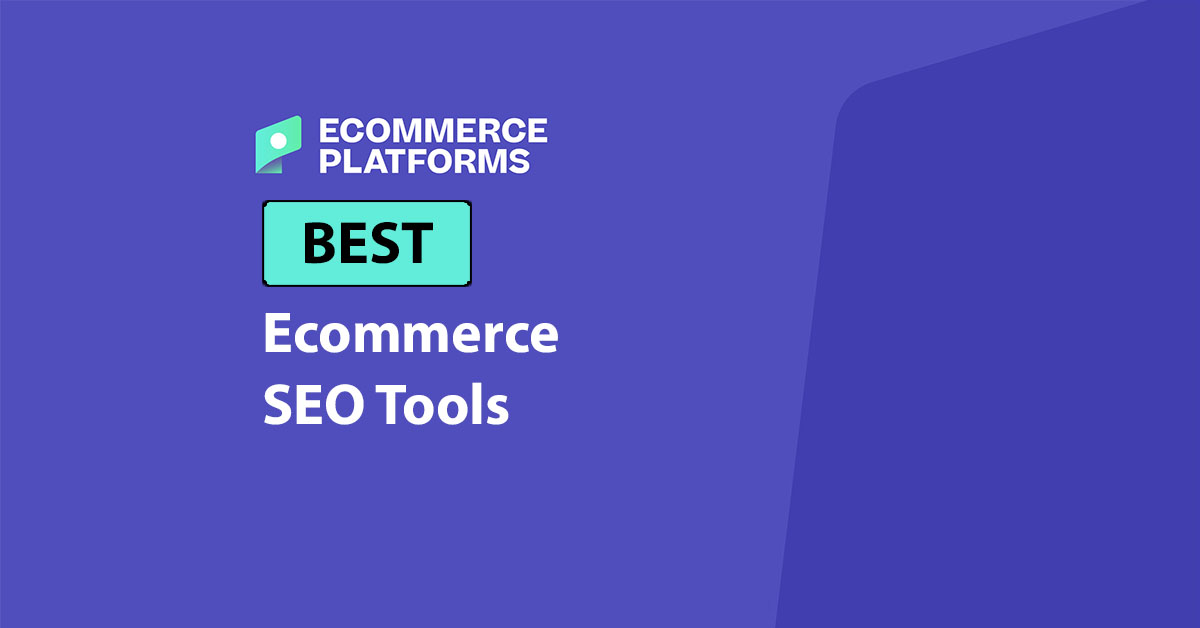
Semrush stands out as a comprehensive solution for e-commerce businesses seeking to consolidate their SEO efforts. The platform’s strength lies in its ability to integrate keyword research, backlink analysis, rank tracking, and site auditing into a single, unified dashboard. With access to an extensive keyword database, encompassing over 27 billion keywords across 217 countries, Semrush provides the depth needed to uncover valuable organic search opportunities.
For e-commerce operations, Semrush offers specific advantages:
- Product Listing SEO: The tool can analyze the on-page SEO of product pages, identifying areas for improvement in titles, descriptions, and keyword usage.
- Category Page Optimization: Semrush helps in optimizing category pages, which often serve as crucial entry points for customers. It provides insights into keyword targeting, content structure, and internal linking strategies for these high-traffic pages.
- Competitor Link Building: The platform’s robust backlink analysis tools allow e-commerce businesses to dissect their competitors’ link profiles, identify valuable link opportunities, and develop strategies to acquire similar or superior backlinks.
The AI SEO Toolkit add-on, priced at $99 per month, is particularly relevant in the current climate. It monitors brand visibility across emerging AI search interfaces such as ChatGPT, Perplexity, and Google AI Overviews. With AI Overviews now appearing in a significant portion of shopping queries, this data is no longer optional but essential for understanding and adapting to new search behaviors.
Semrush offers tiered pricing plans: Pro ($139.95/month), Guru ($249.95/month), and Business ($499.95/month). While a 7-day free trial is available, users are advised to carefully review the terms to avoid unexpected charges. The sheer breadth of Semrush’s features can be overwhelming for beginners, and smaller businesses may find themselves paying for functionalities they do not utilize.
2. Ahrefs: Unrivaled Backlink Index and Competitor Analysis
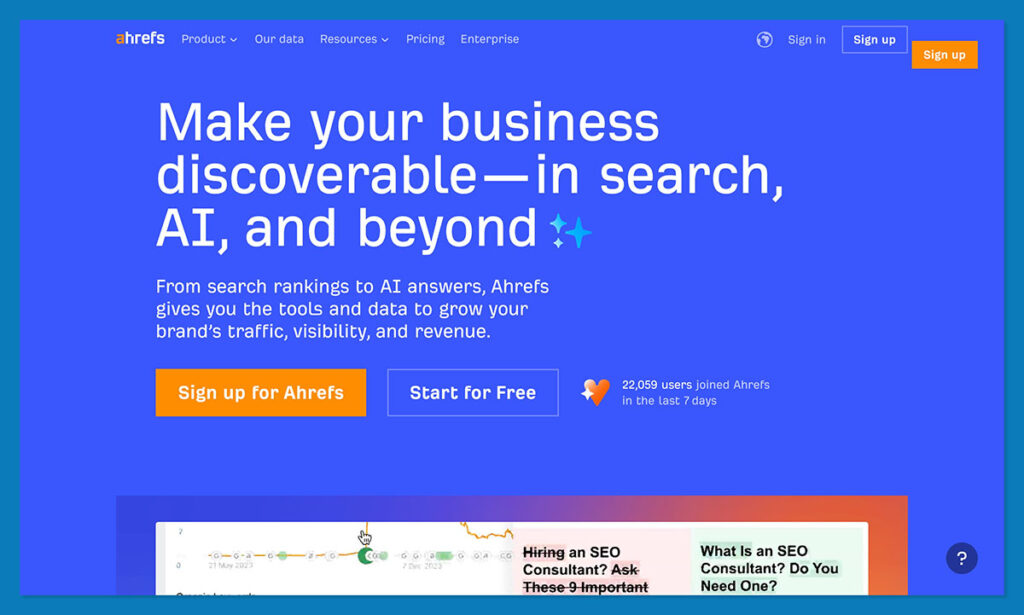
Ahrefs is widely recognized by SEO professionals for its unparalleled backlink index and sophisticated competitor analysis capabilities. Despite lacking a free trial and a refund policy, its dominance in link research makes it an indispensable tool for many. The platform boasts the industry’s largest backlink index and the fastest crawler, setting the standard for evaluating a website’s authority and link-building efforts.
Key modules within Ahrefs that benefit e-commerce teams include:
- Site Explorer: This tool provides a deep dive into a website’s backlink profile, keyword rankings, and organic traffic, offering invaluable insights into competitor strategies.
- Content Explorer: It helps identify top-performing content in a niche, which can inform content strategy for product descriptions, blog posts, and buying guides.
- Keyword Explorer: While not as expansive as Semrush’s database, Ahrefs’ Keyword Explorer offers accurate keyword difficulty scores and valuable suggestions for long-tail keywords relevant to product searches.
The Brand Radar add-on ($99/month per index) mirrors Semrush’s AI monitoring capabilities, tracking brand mentions and visibility across AI search platforms. However, it lacks the competitive positioning recommendations offered by Semrush.
Ahrefs offers tiered plans starting at $29/month for the Starter plan, with Lite at $129/month and Standard at $249/month. It’s important to note that daily rank tracking incurs additional costs, as the Lite and Standard plans only offer weekly tracking by default. A significant limitation for businesses with a physical presence is Ahrefs’ lack of local SEO tools.
Users should exercise caution regarding Ahrefs’ organic traffic estimates, as they can sometimes be significantly inaccurate. Cross-referencing with Google Search Console data is highly recommended. Despite these caveats, Ahrefs remains the top choice for in-depth backlink research and competitive analysis.
3. Google Search Console: The Essential Free Foundation
Before investing in any paid SEO tools, establishing a presence on Google Search Console (GSC) is a non-negotiable first step for every e-commerce store. This free tool, provided directly by Google, offers data that no third-party tool can replicate. It provides direct insights into how Google perceives a website, including the actual search queries that drive impressions and clicks, and the average position for every indexed page.
For e-commerce businesses, GSC is invaluable for:
- Understanding User Search Queries: Identifying the precise terms customers use to find products allows for targeted content and keyword optimization.
- Monitoring Indexing Status: Ensuring that all product and category pages are correctly indexed by Google is fundamental for visibility.
- Analyzing Click-Through Rates (CTR): GSC reveals which pages and search queries are performing best in terms of attracting clicks, enabling optimization of meta titles and descriptions.
- Identifying Technical Issues: The tool flags errors related to crawlability, mobile usability, and structured data, which can significantly impact search rankings.
Key reports within GSC for e-commerce include:
- Performance Report: Detailed insights into impressions, clicks, average CTR, and average position for queries and pages.
- Index Coverage Report: A crucial report for understanding which pages are indexed, which have errors, and which are excluded, along with the reasons.
- Experience Reports: Including Core Web Vitals, mobile usability, and HTTPS status, all critical for user experience and SEO.
While GSC offers unparalleled direct data, its limitations are apparent. It does not provide keyword difficulty scores, competitor analysis, or advanced backlink data. Therefore, it serves as an essential baseline, but it must be supplemented with other tools to achieve a comprehensive SEO strategy.
4. Screaming Frog SEO Spider: Technical Audits for Large Catalogs
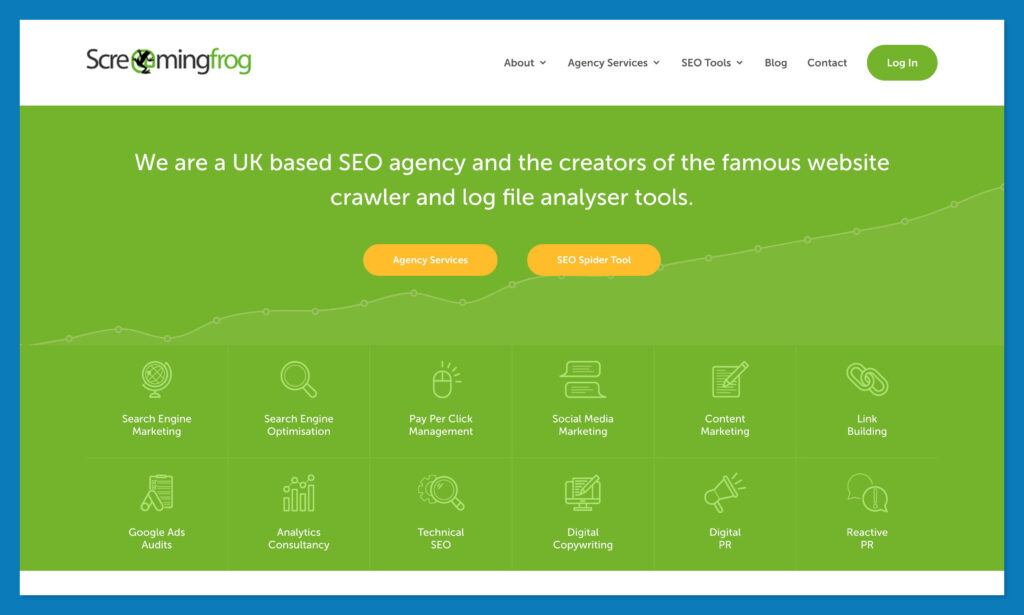
E-commerce stores, especially those with extensive product catalogs, are prone to accumulating technical SEO debt. Issues like duplicate titles, broken canonical tags, orphaned products, and missing schema can proliferate across thousands of pages, rendering manual audits impossible. Screaming Frog SEO Spider is a desktop-based crawler specifically designed to tackle this challenge.
The spider can identify over 300 SEO issues in a single crawl, including:
- Broken Links and Redirect Chains: Essential for maintaining a seamless user experience and crawlability.
- Duplicate Content: Identifying duplicate page titles, meta descriptions, and content that can dilute SEO value.
- Missing or Incomplete Meta Data: Ensuring that all pages have optimized title tags and meta descriptions.
- Schema Markup Issues: Crucial for e-commerce product pages to enable rich results.
- Orphaned Pages: Discovering products or content that are not linked from anywhere else on the site.
Its JavaScript rendering support is particularly valuable for modern, dynamic e-commerce platforms, such as headless Shopify implementations or React-based storefronts. The ability to segment crawls by product category aids in analyzing crawl budget allocation and identifying products that Google might be overlooking. Integrating Screaming Frog with Google Analytics and Search Console allows for the correlation of technical audit data with actual performance metrics, enabling prioritization of fixes based on their potential revenue impact.
Screaming Frog offers a free version capable of crawling up to 500 URLs, with the paid version costing $259 per year (approximately $22 per month) for unlimited crawls and JavaScript rendering. This annual cost represents exceptional value compared to monthly SaaS subscriptions. The primary downsides are its desktop-based nature, requiring local installation, and its steep learning curve for beginners.
5. Surfer SEO: AI-Powered Content Optimization for E-commerce Pages
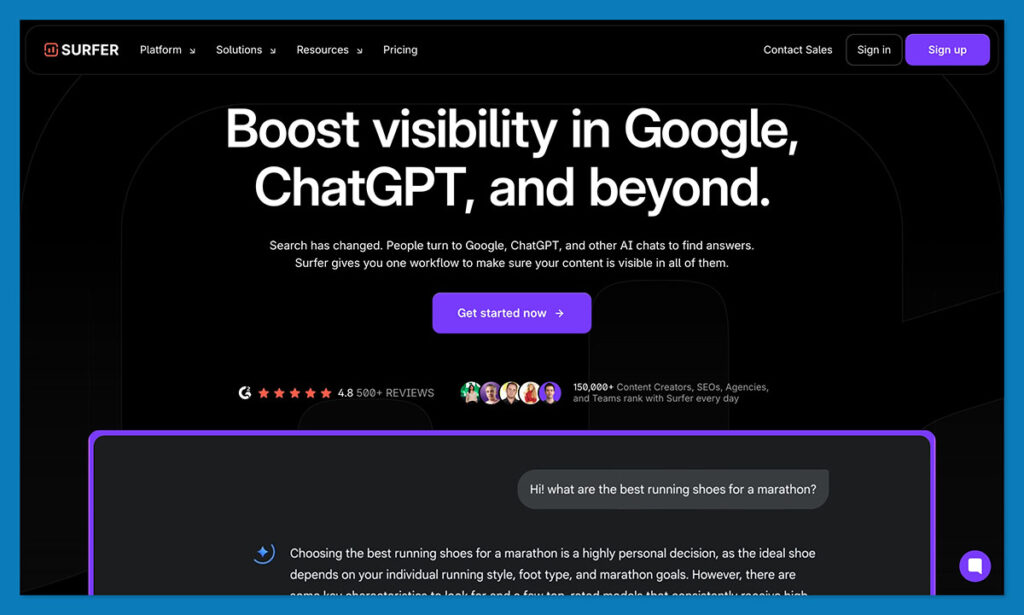
Crafting product descriptions and category page content that ranks requires more than just compelling copywriting. Top-ranking pages often share specific structural patterns, and Surfer SEO excels at reverse-engineering these elements in real-time. The platform’s Content Editor analyzes the top search engine results pages (SERPs) for any given keyword and assigns a content score from 0 to 100 based on various factors.
For e-commerce businesses, Surfer SEO is instrumental in optimizing:
- Product Descriptions: Ensuring that product descriptions incorporate relevant terms, target word counts, and cover essential entities and adjacent topics that top-ranking competitors address.
- Category Page Copy: Optimizing introductory text and product listings on category pages to align with search intent and competitor strategies.
- Buying Guides and Blog Content: Creating in-depth articles that answer user questions and establish topical authority.
The Content Editor’s scoring system is based on:
- Keyword Usage: Recommending the inclusion of relevant terms and their variations.
- Content Structure: Guiding on the optimal number of headings, paragraphs, and overall word count.
- SERP Similarity: Analyzing the common elements and topics present in top-ranking pages.
- Entity and Topic Coverage: Identifying related concepts and entities that users search for.
Surfer SEO also offers additional modules like the SERP Analyzer for in-depth competitor content analysis and a Content Planner for strategic content ideation. Pricing starts at $99 per month for the Essential plan, with the Scale plan at $219 per month. Annual billing provides a 20% discount. Integrations with Google Docs, WordPress, Jasper, and Semrush streamline the content optimization workflow.
6. SE Ranking: A Budget-Friendly All-in-One Alternative
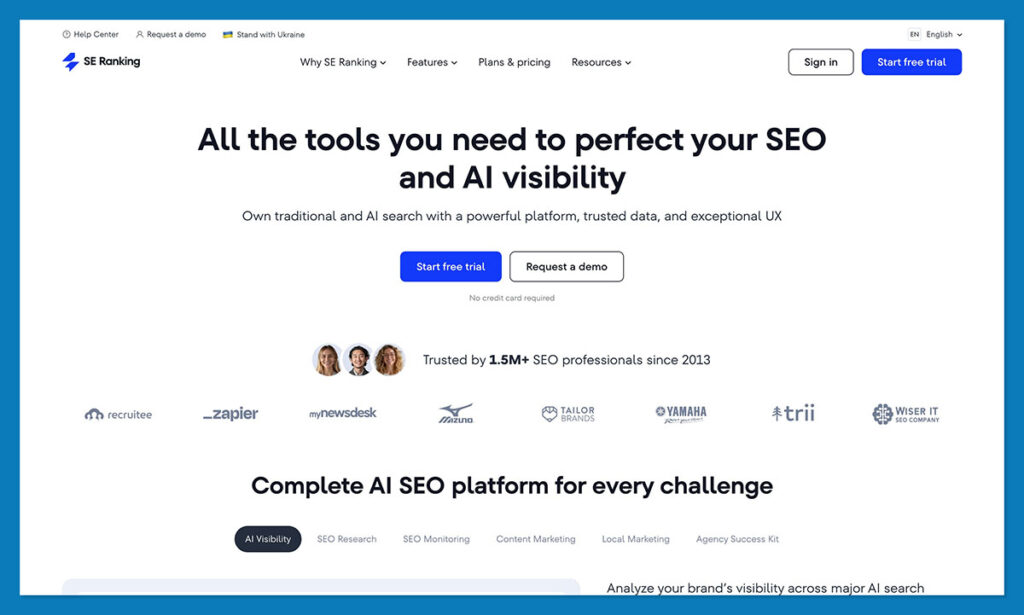
For e-commerce businesses operating with tighter budgets, SE Ranking presents a compelling all-in-one SEO solution that offers approximately 80% of the functionality of premium tools like Semrush and Ahrefs at a significantly lower price point. The platform covers the core SEO workflow, including:
- Keyword Research: Identifying relevant keywords with difficulty scores and search volume data.
- Rank Tracking: Monitoring keyword rankings across various search engines and geographic locations.
- Website Audits: Performing comprehensive technical audits to identify site-wide SEO issues.
- Backlink Monitoring: Analyzing a website’s backlink profile and identifying new link opportunities.
A standout feature for 2026 is SE Ranking’s AI Overview Tracker, which monitors visibility in generative search results. This feature is included in all plans at no additional cost, a significant differentiator compared to Semrush and Ahrefs, which charge extra for similar AI monitoring add-ons.
Furthermore, SE Ranking includes local SEO tools, covering:
- Local Rank Tracking: Monitoring rankings in local search results.
- Google Business Profile Management: Tools to optimize and manage Google Business Profile listings.
- Competitor Local Analysis: Insights into local competitor strategies.
These local SEO features are absent in Ahrefs, making SE Ranking a more comprehensive choice for businesses with both online and physical retail operations. Pricing starts at $65 per month for the Essential plan, with Pro at $119/month and Business at $259/month. The unlimited keyword rank tracking across all plans is a particular advantage for agencies and multi-brand operators, as premium tools often meter this feature.
7. Moz Pro: Beginner-Friendly SEO with Domain Authority Scoring
Moz is synonymous with the Domain Authority (DA) metric, a widely referenced score that evaluates a website’s overall strength and potential for ranking. Moz Pro’s tools are designed to make SEO accessible to teams without deep technical expertise, offering a gentler learning curve for e-commerce businesses new to the discipline.
Key strengths for e-commerce teams starting with SEO include:
- Keyword Explorer: Provides keyword suggestions, difficulty scores, and opportunity metrics.
- Rank Tracker: Monitors keyword positions and identifies trends over time.
- Site Crawl: Identifies technical SEO issues on a website.
- Link Explorer: Offers insights into a website’s backlink profile and competitive link data.
- Domain Authority: The foundational metric for assessing a site’s SEO health.
However, Moz Pro has notable gaps for advanced e-commerce needs:
- Limited AI Search Monitoring: Lacks dedicated tools for tracking visibility in generative AI search results.
- Less Granular Competitor Data: While useful, its competitor analysis may not be as in-depth as Semrush or Ahrefs.
- No Integrated Content Optimization Tools: Does not offer real-time content scoring or optimization recommendations like Surfer SEO.
Pricing for Moz Pro starts at $49 per month for the Starter plan, with Standard at $99/month and Large at $299/month. Annual billing offers a 20% discount. The 30-day free trial provides ample opportunity to explore the platform’s capabilities and assess its suitability. Moz Pro is an excellent choice for e-commerce businesses beginning their SEO journey, offering a clear path to understanding fundamental SEO principles.
8. Google Analytics 4: Connecting SEO to Revenue with Free Conversion Tracking
While SEO tools can report on rankings and traffic, they often fall short in directly attributing revenue to organic search efforts. Google Analytics 4 (GA4) bridges this critical gap at no cost. Its enhanced e-commerce reporting capabilities provide a comprehensive view of the entire purchase funnel, from initial product view to final conversion.
GA4’s enhanced e-commerce tracking allows businesses to monitor:
- Product Performance: Identifying which products are viewed, added to cart, and purchased most frequently.
- Conversion Funnel Visualization: Understanding where users drop off in the purchase process.
- Checkout Behavior: Analyzing the steps involved in the checkout process to identify friction points.
- Purchase Data: Tracking revenue, transaction details, and average order value.
This direct link between organic traffic and revenue is crucial, especially given the 8- to 9-month break-even window for SEO. Without accurate conversion data, demonstrating the ROI of SEO investments becomes challenging.
The event-based tracking model in GA4 captures micro-conversions that session-based analytics often missed. These signals, such as adding a product to a wishlist or initiating a checkout, provide valuable insights into user intent and help identify which organic landing pages are driving buying intent, even if the purchase occurs later. Audience segmentation within GA4 allows for the identification of high-converting organic segments based on device, location, and landing page, enabling more targeted optimization strategies.
Pairing GA4 with Google Search Console creates a powerful query-to-conversion pipeline, allowing businesses to track the entire journey from search query to completed purchase. The average conversion rate for organic search in e-commerce is 2.8%, outperforming many other channels. Despite a steep learning curve compared to its predecessor, Universal Analytics, properly configured GA4 data is indispensable for proving SEO effectiveness. Setting up Enhanced E-commerce tracking should be a priority before investing in any paid SEO tool.
9. Mangools (KWFinder): Affordable Keyword Research for Small Stores
For smaller e-commerce stores that do not require the extensive features of enterprise-level suites, Mangools offers an attractive and affordable suite of SEO tools. KWFinder, its flagship keyword research tool, along with rank tracking and SERP analysis, is available at a fraction of the cost of competitors like Semrush.
The core modules offered by Mangools include:
- KWFinder: Facilitates keyword research, providing search volume, keyword difficulty, and trend data.
- SERPChecker: Analyzes SERPs to understand competition and identify ranking factors.
- SERPWatcher: Tracks keyword rankings over time.
- LinkMiner: Assists in backlink analysis and identifying link-building opportunities.
- SiteProfiler: Offers a quick overview of a website’s SEO metrics.
Pricing for Mangools starts at $37.70 per month for the Entry plan, making it significantly more budget-friendly than comparable Moz, Semrush, or Ahrefs plans. However, the trade-offs include a smaller keyword database, less sophisticated backlink analysis, and limited historical data compared to premium tools.
10. Rank Math: The Best Free SEO Plugin for WooCommerce Stores
For WooCommerce store owners, Rank Math emerges as the leading free SEO plugin, offering a robust set of features that often come at a premium with other solutions. Its free tier includes essential functionalities such as WooCommerce product schema, over 20 schema types, and the ability to set up to five focus keywords per post. This significantly reduces the need for separate, paid schema plugins, which can cost upwards of $69-$178 annually with competitors like Yoast.
Rank Math automatically generates correct Product Schema for every WooCommerce product, incorporating critical data points like:
- Product Name: The official name of the product.
- Price: Current pricing information.
- Availability: Stock status.
- Image: A relevant product image.
- SKU: The Stock Keeping Unit.
- Brand: The manufacturer or brand of the product.
This structured data is directly displayed in Google search results as rich snippets, enhancing visibility and click-through rates. The impact of complete schema implementation is substantial, leading to more informative and visually appealing search listings.
The free version also includes over 20 schema types, such as Article, Event, FAQ, and Recipe, which are often locked behind paid plans elsewhere. Additional built-in features like a redirect manager, Google Search Console integration, and local SEO capabilities further enhance its value.
Compared to Yoast, which limits free users to one focus keyword per post, Rank Math’s allowance of five is a significant advantage for optimizing product and category pages. For Shopify or BigCommerce users, Rank Math is not applicable. Instead, platform-specific apps like Shopify’s Product SEO or BigCommerce’s built-in SEO features, alongside third-party schema apps, are recommended. For WooCommerce users, installing Rank Math’s free tier is a foundational step.
11. Jasper: AI Product Description Generator for Large Catalogs
Manually writing unique, SEO-optimized product descriptions for hundreds or thousands of items is a daunting and time-consuming task. Duplicate or thin descriptions can lead to products being filtered out by search engines, resulting in lost visibility. Jasper, an AI writing assistant, addresses this challenge by enabling the creation of product descriptions at scale.
Key capabilities of Jasper include:
- Product Description Templates: Pre-built templates designed to generate compelling and keyword-rich descriptions.
- Brand Voice Customization: Allows users to define a brand voice that Jasper can emulate.
- Content Expansion: Can expand on existing product information to create more detailed descriptions.
- Bulk Generation: Enables the creation of multiple descriptions simultaneously, ideal for large catalogs.
Jasper offers tiered pricing plans, with the Creator plan at $49 per month for 50,000 words and the Pro plan at $69 per month, which includes a 7-day free trial. Annual billing offers a 20% discount.
A critical caveat to using AI-generated content is the necessity of human oversight. As noted by marketing professionals, customer-facing content requires review before publication. Common issues with AI-generated descriptions can include inaccuracies, generic phrasing, or a lack of brand-specific nuance. Jasper should be used to create first drafts, which are then reviewed and edited by a human to ensure quality, accuracy, and brand consistency. The high conversion rates of ChatGPT referral traffic underscore the importance of having accurate and detailed product descriptions to capitalize on this emerging channel.
12. Google Rich Results Test: Free Schema Validation for Product Pages
The recent launch of Google’s Universal Commerce Protocol (UCP) in January 2026, which enables AI agents to autonomously find and purchase products using Schema.org data, highlights the critical importance of structured data for e-commerce. Broken product schema can render a business invisible to this new wave of AI-driven shopping. The Google Rich Results Test is a free, indispensable tool for validating the implementation of JSON-LD structured data.
This tool allows users to paste a URL and instantly see how their products will appear in Google search results, verifying the correct implementation of schema types such as:
- Product Schema: Essential for displaying product details like price, availability, and ratings.
- Offer Schema: Detailing pricing and sale information.
- AggregateRating Schema: Displaying user reviews and ratings.
- BreadcrumbList Schema: Showing navigation paths to product pages.
Any errors or warnings are presented with specific line references, facilitating quick and precise fixes. The current data indicates that schema-compliant pages are cited 3.1 times more frequently in AI Overviews, underscoring the immediate benefits of this optimization.
For schema generation, WooCommerce stores can leverage Rank Math, while Shopify users might consider apps like Webrex AI Schema ($9.99/month) or Ilana’s JSON-LD ($399/year). The Rich Results Test should be used in conjunction with these tools to ensure that the generated markup is accurate and functional. Combining this test with Google PageSpeed Insights offers a comprehensive, free technical audit of product pages, addressing two of the most impactful technical SEO factors for e-commerce. Running this test on top product pages is a low-effort, high-reward activity.
Navigating the E-commerce SEO Tool Landscape: Key Considerations
What is the Best Free SEO Tool for E-commerce?
Google Search Console stands out as the single most valuable free tool for e-commerce SEO. Its direct access to Google’s data—including actual search queries, click-through rates, and indexing status for every page—provides unparalleled insights. Building a free SEO stack around GSC is highly recommended. This stack can include Google Analytics 4 for conversion tracking, and for WooCommerce stores, the free tier of Rank Math for essential product schema.
Semrush vs. Ahrefs: Which is Better for E-commerce SEO?
The choice between Semrush and Ahrefs for e-commerce SEO hinges on specific priorities.
Semrush excels in breadth:
- Extensive Keyword Database: Over 27 billion keywords across 217 countries.
- Comprehensive Feature Set: Integrates keyword research, competitor analysis, site audits, content optimization, and AI monitoring.
- Strong for Content and On-Page SEO: Offers detailed insights for optimizing product and category pages.
Ahrefs excels in depth:
- Unmatched Backlink Index: The industry standard for link research and analysis.
- Superior Competitor Link Analysis: Provides granular detail on competitors’ link-building strategies.
- Powerful Site Explorer: Offers deep dives into organic traffic and keyword performance.
Pricing Comparison:
- Semrush: Starts at $139.95/month with a 7-day trial.
- Ahrefs: Starts at $129/month with no trial or refund policy.
For e-commerce businesses prioritizing a holistic SEO approach with robust content and keyword capabilities, Semrush may be the preferred choice. For those focused on aggressive link-building and deep competitive link intelligence, Ahrefs is the leader.
Determining Your SEO Tool Budget
A strategic approach to SEO tool investment begins with free resources. Google Search Console, GA4, and Rank Math (for WooCommerce) offer comprehensive keyword tracking, technical health checks, and schema implementation at no cost. Many e-commerce businesses can achieve significant results with this foundational stack.
- Small Stores ($0 to $100/month): Supplement the free tools with an affordable all-in-one solution like Mangools ($37.70/month) or SE Ranking ($65/month).
- Growing Stores ($100 to $300/month): Consider upgrading to Semrush Pro ($139.95/month) or Ahrefs Lite ($129/month), potentially combined with a content optimization tool like Surfer SEO ($99/month).
The substantial ROI of e-commerce SEO, with a 317% return and a 9-month break-even, justifies these investments. Stores in the $1M to $10M revenue range often see the highest returns, achieving up to 3.3x their investment.
Optimal SEO Tools for Shopify Stores
Shopify merchants can leverage Semrush, Ahrefs, and Screaming Frog for advanced SEO analysis. For in-platform solutions, Shopify’s native SEO features and apps are key.
- On-Page Optimization: Shopify’s built-in SEO fields for product and collection pages are essential. Apps like SEO Manager ($19/month) or Plug in SEO ($19.99/month) offer more advanced capabilities.
- Schema Markup: For rich results, apps like Webrex AI Schema ($9.99/month) or Ilana’s JSON-LD ($399/year) are effective.
- AI Product Descriptions: Shopify Magic, available on all plans, provides free AI-generated product descriptions.
Both platform-native and third-party apps can power rich results and enhance product discoverability.
Adapting to AI Search Optimization
With AI Overviews appearing on 14% of shopping queries—a 5.6x increase in four months—ignoring AI search visibility poses a significant risk to e-commerce revenue. Dedicated tools are emerging to track this:
- Semrush AI Toolkit: $99/month add-on.
- Ahrefs Brand Radar: $99/month per index.
- SE Ranking’s AI Overview Tracker: Included from $65/month.
SE Ranking offers the best value if AI monitoring is a primary concern. However, the most impactful action requires no paid tool: ensuring schema compliance. Pages with correct schema are cited 3.1x more in AI Overviews. Therefore, running the free Google Rich Results Test on top product pages should be the immediate priority for any e-commerce business looking to optimize for the future of search.