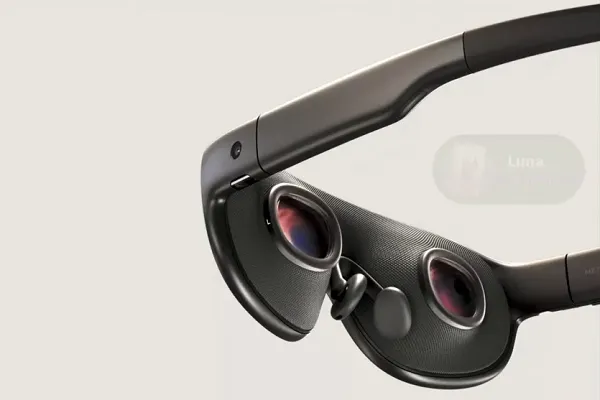
Meta Platforms, Inc., despite its current strategic emphasis on artificial intelligence-enabled smart glasses, continues to signal a resolute commitment to its long-term metaverse vision. A recent leak of an image depicting what is believed to be the company’s next-generation mixed reality (MR) headset, codenamed "Phoenix," offers compelling evidence that Meta has not abandoned its ambitious pursuit of immersive virtual and augmented realities. This development emerges as Meta navigates increasing demand for its AI-powered wearables alongside significant regulatory challenges and public privacy concerns surrounding their use. The forthcoming Meta Connect showcase later this month is anticipated to provide further official insights into these converging technological pathways.
The Phoenix Rises: A Glimpse into Meta’s Next-Gen VR
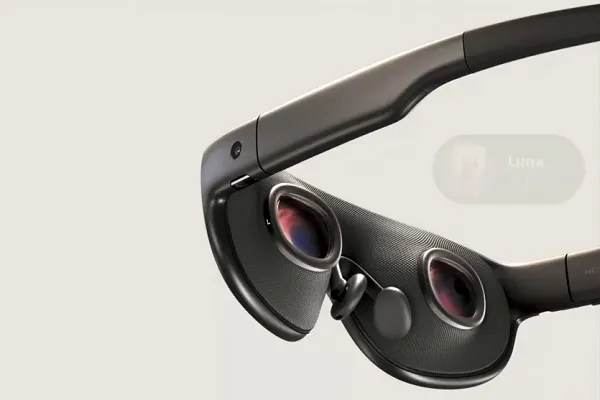
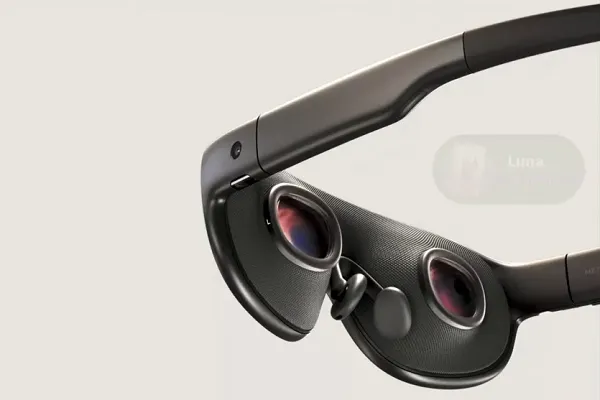
The revelation of the "Phoenix" headset image originated from VR researcher @Lunayian, who brought to light a short video embedded within the HorizonOS Prescription Lens firmware package. This firmware, designed to facilitate personalized vision correction for Meta’s XR devices, inadvertently contained a visual representation of an unreleased hardware unit. Industry publication Road to VR quickly identified the device as Meta’s "Phoenix" mixed reality headset, positioning it as a pivotal component in the company’s multi-pronged strategy for the future of spatial computing.
The term "mixed reality" is crucial here, signifying a device capable of seamlessly blending digital content with the real world, often through advanced passthrough video technology. While specifics about the Phoenix remain speculative given the nature of the leak, its designation as a mixed reality headset suggests a significant leap beyond purely virtual reality experiences offered by earlier Quest models. Expectations are high for enhanced visual fidelity, potentially featuring higher resolution displays, wider fields of view, and more accurate color passthrough than the current Quest 3. Improved ergonomics, a lighter form factor, and advanced tracking capabilities would also be logical progressions. The integration of artificial intelligence is also a strong possibility, leveraging Meta’s broader AI investments to power more intuitive user interfaces, context-aware applications, and intelligent virtual assistants within the immersive environment. The HorizonOS platform, Meta’s proprietary operating system for its VR/AR devices, would undoubtedly serve as the foundation for the Phoenix, providing the ecosystem for applications and user interactions. This leak specifically from the "Prescription Lens firmware package" implies that Meta is already far along in hardware development, addressing practical user needs like vision correction, which is a key barrier to adoption for many potential XR users.
Meta’s Enduring Metaverse Vision Amidst Shifting Priorities
The appearance of the Phoenix headset underscores Meta’s unwavering, albeit often costly, dedication to the metaverse. Mark Zuckerberg’s seminal announcement in October 2021 to rebrand Facebook as Meta Platforms, Inc., signaled a monumental pivot, shifting the company’s core identity and resources towards building an interconnected digital world. This strategic redirection was predicated on Zuckerberg’s belief that the metaverse represents the next major evolution of the internet, succeeding the mobile internet era. Since this declaration, Meta has invested tens of billions of dollars annually into its Reality Labs division, the segment responsible for developing its VR, AR, and metaverse technologies. These investments have consistently resulted in significant financial losses, reaching upwards of $40 billion since the rebrand, leading to skepticism from some investors and analysts regarding the immediate viability and profitability of the metaverse.
Despite these financial headwinds and a public narrative that has sometimes characterized the metaverse as a distant or even abstract concept, Meta has consistently maintained that its long-term vision remains intact. Zuckerberg himself has frequently reiterated that the development of a fully realized metaverse is a decade-long endeavor, requiring foundational technological breakthroughs in hardware, software, and networking. The strategy involves a two-pronged approach: developing advanced VR headsets for deeply immersive experiences and pioneering AR glasses for more seamlessly integrated digital overlays in the real world. The Phoenix, as a mixed reality device, represents a crucial convergence point, bridging the gap between pure VR and full AR, demonstrating Meta’s continued commitment to hardware innovation as the gateway to its metaverse ambitions. The company views these devices not merely as entertainment platforms but as future computing platforms that will redefine work, social interaction, and digital commerce.
A Portfolio of Future Devices: Hypernova, Aria, and the AI Evolution
The Phoenix leak does not exist in isolation but rather as part of a broader portfolio of advanced hardware Meta is actively developing. This portfolio includes the "Hypernova" AI glasses, anticipated to be the next iteration of Meta’s current AI-powered smart glasses developed in partnership with Ray-Ban. These devices are designed for immediate, practical utility, offering features like hands-free photography, video recording, live streaming, and AI assistance through voice commands. The Hypernova is expected to build upon the capabilities of its predecessors, potentially offering improved camera quality, longer battery life, enhanced audio, and more sophisticated AI integration, perhaps even incorporating multimodal AI capabilities that allow for more complex interactions and environmental understanding.
Complementing these consumer-facing devices is Project Aria, Meta’s ongoing research and development platform for truly augmented reality glasses. Unlike the current smart glasses which are essentially cameras with audio capabilities, Project Aria aims for full AR functionality – projecting persistent digital objects onto the real world. These devices, currently in a research prototype phase, feature chunky black frames necessary to house the array of cameras, sensors, and processing units required for spatial mapping, eye tracking, and holographic display technologies. Project Aria is critical for Meta to collect real-world data and solve fundamental engineering challenges associated with lightweight, all-day wear AR glasses.
The overarching theme connecting these diverse hardware initiatives is the pervasive integration of artificial intelligence. Meta envisions AI not just as a feature but as the fundamental intelligence underpinning all its future devices. For the Phoenix and other VR/AR headsets, AI could enable more realistic virtual characters, intelligent environmental understanding for better mixed reality overlays, and intuitive gesture or voice controls. For smart glasses like Hypernova, AI is central to its utility, providing proactive assistance, real-time translation, and context-aware information delivery. This strategic integration reflects Meta’s broader corporate focus on AI as a core technology that will unlock the potential of both its social platforms and its emerging spatial computing ecosystem.
Navigating Regulatory Scrutiny and Public Perception: The AI Glasses Precedent
While Meta pushes the boundaries of hardware innovation, it simultaneously confronts significant challenges related to regulatory scrutiny and public perception, particularly concerning its AI-enabled smart glasses. The current generation of Ray-Ban Meta Smart Glasses, while experiencing increasing demand, has also generated considerable backlash due to concerns over privacy and potential misuse of their recording capabilities. Reports of individuals discreetly recording others in public and private settings have fueled negative sentiment, prompting widespread debate about the ethics of ubiquitous wearable cameras.

This backlash has translated into tangible consequences for Meta. The company’s AI glasses are currently under investigation in several regions, including the UK and the US, by data protection authorities concerned about privacy implications. These investigations aim to assess whether the devices adequately protect the privacy of individuals being recorded and whether Meta has implemented sufficient safeguards. Furthermore, a growing number of businesses, entertainment venues, and even public spaces have banned the use of these recording-enabled glasses, citing privacy concerns for their patrons and staff. This unprecedented level of scrutiny and restriction could significantly impact device sales and adoption rates.
The implications for Meta are profound. The company may be compelled to implement significant changes to the device’s design or functionality, such as more prominent recording indicators, stricter usage guidelines, or even hardware limitations on recording in certain environments. Such changes, while addressing privacy concerns, could also diminish the devices’ appeal or utility for some users. This situation creates a crucial precedent for all future Meta wearable devices, including the Phoenix headset, particularly if they incorporate advanced cameras or sensors for mixed reality or environmental understanding. Meta must now balance innovation with a proactive approach to privacy-by-design, transparent communication with users and regulators, and robust educational campaigns to foster responsible usage. The company’s ability to overcome these privacy hurdles will be a critical factor in the widespread acceptance and success of its future hardware.
The Evolving XR Market Landscape and Competitive Pressures
The reveal of the Phoenix comes at a time of intense competition and rapid evolution within the extended reality (XR) market, encompassing VR, AR, and MR. Meta, through its Quest line, has historically dominated the consumer VR market, largely due to competitive pricing and a robust content ecosystem. However, the landscape is shifting dramatically with the entry of high-profile competitors. Apple’s Vision Pro, launched earlier this year, represents a significant challenge, positioning itself as a "spatial computer" rather than just a VR headset. While significantly more expensive, the Vision Pro has set a new benchmark for display quality, passthrough video, and intuitive interaction, albeit with a focus on productivity and high-fidelity media consumption.
Other players continue to innovate as well. Companies like HTC VIVE, Pico, and Sony (with PlayStation VR2) are actively developing and refining their VR offerings, catering to both consumer and enterprise segments. These competitors are pushing advancements in areas like eye-tracking, haptics, and wireless capabilities. The overall XR market is projected to experience substantial growth in the coming years, with analyst firms like Statista forecasting billions in revenue by the end of the decade. However, widespread consumer adoption remains a challenge. Barriers include high hardware costs, limited compelling content outside of gaming, comfort issues, battery life constraints, and the inherent social awkwardness sometimes associated with wearing headsets in public.
Meta’s strategy with devices like the Phoenix appears to be a direct response to this evolving market. By focusing on mixed reality, Meta aims to offer a versatile device that can provide both deep immersion and practical real-world integration, potentially bridging the gap between gaming and productivity applications. This approach could broaden the appeal of its hardware beyond traditional VR enthusiasts. The integration of AI into these devices is also a critical differentiator, aiming to make spatial computing more intuitive and useful, thereby addressing some of the friction points in user experience that currently hinder mass adoption.
Meta Connect: A Platform for Future Revelations
The timing of the Phoenix leak is particularly pertinent as Meta prepares for its annual Meta Connect showcase later this month. This event serves as Meta’s primary platform for unveiling its latest advancements in AR, VR, and AI technologies. Historically, Meta Connect has been the venue for major hardware announcements, including new Quest headsets, updates to the Horizon platform, and strategic insights into the company’s long-term vision.
Given the recent leaks and the ongoing developments, expectations for this year’s Meta Connect are exceptionally high. Attendees and observers anticipate official confirmation and detailed specifications for the Phoenix headset, along with potential demonstrations of its mixed reality capabilities. There is also significant anticipation for updates on the Hypernova AI glasses, including a clearer roadmap for their capabilities and release. Furthermore, Meta is expected to address the privacy concerns surrounding its current AI glasses, outlining measures taken or planned to mitigate future issues and rebuild public trust. Beyond hardware, Meta Connect will likely feature updates on the HorizonOS ecosystem, new developer tools, and advancements in AI that will power its future devices and metaverse experiences. The event will serve as a critical opportunity for Meta to articulate a coherent vision for its hardware strategy, demonstrating how its AI, AR, and VR initiatives converge to build the next computing platform.
Strategic Implications and the Path Forward
The development of devices like the Phoenix highlights Meta’s intricate and multi-faceted strategy to shape the future of computing. On one hand, the company is pursuing a pragmatic approach with AI-powered smart glasses, focusing on immediate utility and augmenting everyday life. On the other, it remains steadfast in its ambitious, long-term commitment to the metaverse, driven by advanced VR and MR headsets. The Phoenix represents a critical piece of this puzzle, signaling that Meta intends to continue pushing the boundaries of immersive technology, despite the considerable financial investments and market skepticism.
The necessity of hardware innovation to drive software adoption is paramount. Without compelling, comfortable, and capable devices, the metaverse remains an abstract concept. The challenge for Meta lies not only in technological prowess but also in balancing innovation with ethical considerations, particularly privacy. The public and regulatory backlash against the current AI glasses serves as a stark reminder that technological advancement cannot outpace societal acceptance and robust safeguards. Meta must demonstrate that it can learn from these experiences, integrating privacy-by-design principles into all its future hardware.
Ultimately, Meta’s goal is to make spatial computing accessible and ubiquitous. The integration of AI across its hardware ecosystem is key to achieving this, promising more intuitive interfaces, personalized experiences, and powerful new applications. The Phoenix headset, alongside Hypernova and Project Aria, represents Meta’s calculated bets on the future form factors of online connection. While the path is fraught with technical, financial, and societal hurdles, Meta’s continued investment and hardware development underscore its conviction that immersive, intelligent computing is not just a possibility, but an inevitable next frontier. The forthcoming Meta Connect will be a pivotal moment for the company to reaffirm this vision and demonstrate how it intends to lead the charge into the spatial computing era.