

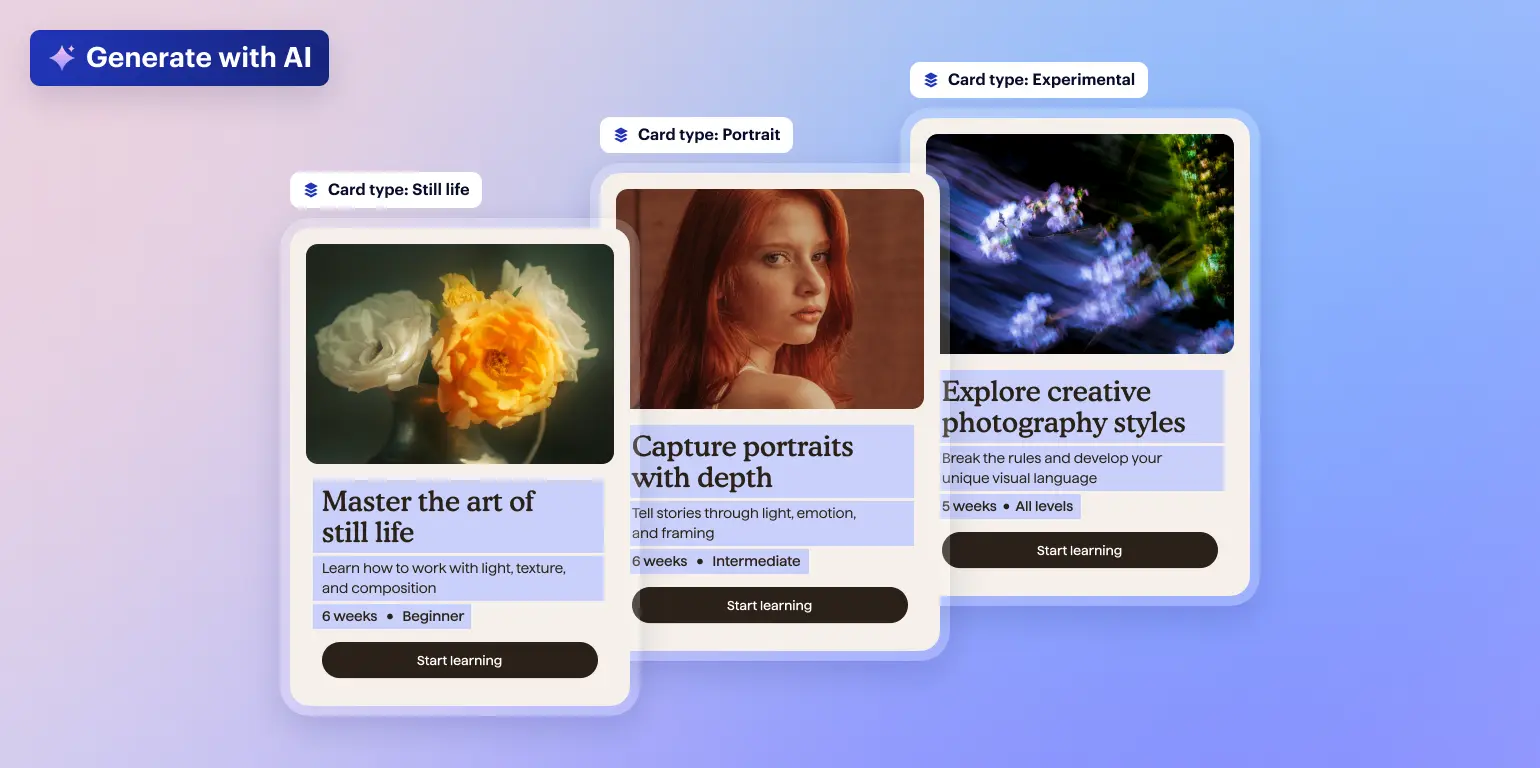
The digital marketing landscape is currently undergoing a fundamental shift as Instapage, a leading platform in landing page software, announces the release of AI Collections, a tool designed to solve the persistent execution gap in personalized marketing. While the marketing industry has long recognized that personalization is a primary driver of conversion rates and return on ad spend, the practical application of these strategies has historically been hindered by the labor-intensive nature of manual page creation. Instapage’s new feature seeks to bridge this gap by leveraging generative artificial intelligence to automate the production of dynamic, audience-specific landing pages, claiming to accelerate the workflow by up to 300% compared to traditional manual methods.
The Personalization Paradox in Modern Digital Marketing
For years, the marketing sector has grappled with what experts call the “personalization paradox.” On one hand, consumer data consistently shows a high demand for relevance. According to research from McKinsey & Company, 71% of consumers expect companies to deliver personalized interactions, and 76% get frustrated when this doesn’t happen. Furthermore, companies that excel at personalization generate 40% more revenue from those activities than average players. On the other hand, the operational reality of creating hundreds or thousands of unique landing pages for specific keywords, demographic segments, and geographic locations has remained a logistical nightmare for most growth teams.
Traditionally, achieving high-level personalization required marketing teams to manually duplicate pages, edit copy for each variation, and manage complex spreadsheets to track which content belonged to which URL. This process is not only prone to human error but is also prohibitively slow. As a result, many high-intent campaigns are often funneled toward generic landing pages, leading to lower conversion rates and wasted advertising budget. The introduction of AI Collections aims to transform this manual bottleneck into an automated pipeline, allowing marketers to focus on strategy rather than repetitive administrative tasks.
Technical Overview: How AI Collections Facilitates Scalable Design
At its core, AI Collections functions as a centralized management system for large-scale landing page deployments. Rather than treating each landing page as an isolated file, the system utilizes a “template and table” architecture. This structure allows marketers to design a single master page and designate specific areas as dynamic zones.
The process is governed by a built-in content table where each row represents a unique page within the collection and each column represents a specific content variable—such as headlines, body text, or images. By consolidating the management of dozens or even hundreds of pages into a single interface, Instapage eliminates the need for teams to search through folders and edit individual files. This architectural shift is significant because it moves landing page management closer to the “headless” CMS models used in enterprise web development, yet keeps it accessible for performance marketers who may lack deep technical coding skills.
The Role of AI in Placeholder Identification and Content Generation
One of the most innovative aspects of the AI Collections feature is the “AI Placeholders” tool. In traditional dynamic content setups, a designer must manually identify every element that needs to change and assign it a specific tag or variable name. Instapage’s AI simplifies this by analyzing the page layout and automatically identifying optimal locations for dynamic text. By scanning the design hierarchy, the AI suggests where headlines, sub-headlines, and calls-to-action should be placed to maintain visual harmony while maximizing the impact of personalized messaging.
Once the template structure is established, the generative AI engine takes over the content creation process. Marketers can provide a prompt describing the focus of the collection—such as “create variations for different professional industries” or “target users searching for specific competitor alternatives.” The AI then populates the content table with publish-ready copy tailored to each specific entry. This integration of generative AI directly into the production workflow represents a shift from AI as a standalone brainstorming tool to AI as a functional component of the marketing technology (MarTech) stack.
Integration with Fluid Grid Blocks for Layout Integrity
A common challenge in automated content generation is “text swell”—the phenomenon where personalized copy is significantly longer or shorter than the original template text, leading to broken layouts and poor user experiences. To combat this, Instapage has integrated AI Collections with its “Fluid Grid Blocks” technology.
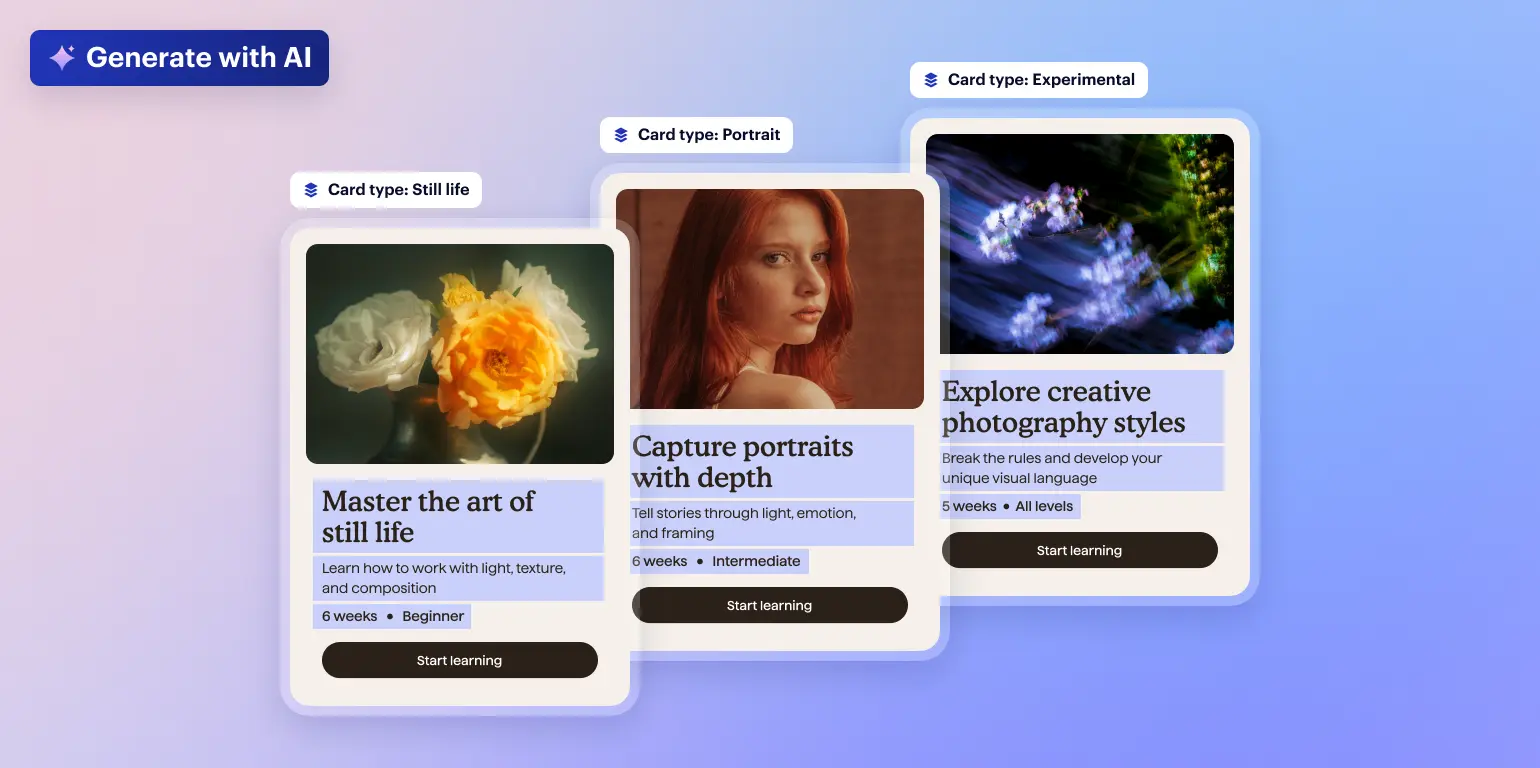
Fluid Grid Blocks utilize a responsive design engine that allows page elements to automatically adjust their positioning and spacing based on the volume of content generated by the AI. If the AI generates a longer headline for a specific segment, the surrounding elements shift accordingly to maintain the aesthetic integrity of the page. This ensures that the speed of AI generation does not come at the cost of design quality or mobile responsiveness, a critical factor given that mobile traffic now accounts for more than half of global web traffic.
A Chronology of Post-Click Automation
The launch of AI Collections is the latest milestone in the evolution of what Instapage calls “Post-Click Automation” (PCA). To understand the significance of this release, it is helpful to look at the timeline of landing page technology:
- The Static Era (Pre-2010): Landing pages were hard-coded by web developers. Changes took days or weeks, making personalization nearly impossible for fast-moving campaigns.
- The Drag-and-Drop Revolution (2010–2015): Platforms like Instapage and Unbounce empowered marketers to build pages without code. While this increased speed, managing large volumes of pages remained manual.
- The Dynamic Text Replacement Phase (2015–2020): Tools allowed for simple keyword insertion (e.g., putting a user’s search query into a headline). This offered basic personalization but lacked the nuance of tailored messaging.
- The AI-Driven Era (2023–Present): With the advent of Large Language Models (LLMs), the focus has shifted to full-scale content generation and automated layout management. AI Collections represents the maturation of this phase, moving beyond simple text replacement to holistic page generation.
Industry Implications and Market Reaction
Industry analysts suggest that the move toward AI-driven page collections will put pressure on other players in the MarTech space to offer similar automation features. “The bottleneck in digital advertising has shifted from the ‘ad’ to the ‘destination,'” says one independent marketing consultant. “We can generate thousands of ad variations using AI tools in Meta or Google Ads, but if we only have one landing page to send them to, the relevance is lost. Tools like AI Collections are finally allowing the landing page to keep pace with the ad creative.”
From an operational perspective, the implications are profound for Marketing Operations (MOps) teams. By reducing the time required to launch a campaign by 3x, companies can significantly lower their cost-per-acquisition (CPA). For agencies managing multiple clients, this efficiency translates directly into higher margins and the ability to test more variables in shorter timeframes.
However, the shift to AI-generated content also raises questions regarding brand voice and quality control. Instapage has addressed this by ensuring that the AI generation process is not fully autonomous; marketers must review the generated content table and can edit or refine any AI-produced text before the pages go live. This “human-in-the-loop” approach is currently the industry standard for enterprise AI applications, balancing speed with brand safety.
Data-Driven Justification for AI Personalization
The push for tools like AI Collections is backed by compelling data regarding the “Post-Click Experience.” According to internal data and industry benchmarks:
- Relevance Scores: Ad platforms like Google Ads and Meta reward high-relevance landing pages with lower costs-per-click (CPC) and better ad placements.
- Conversion Lift: Segmented landing pages can see conversion rate increases of up to 200% compared to generic pages.
- Operational Efficiency: Manual page creation often accounts for 40-60% of a digital marketer’s time during campaign setup. Reducing this by 3x reallocates hundreds of hours per year toward strategy and data analysis.
Future Outlook: The New Era of Relevance
As Instapage rolls out AI Collections to its user base, the broader impact on the digital marketing ecosystem will likely be a move toward “Hyper-Personalization.” This involves creating unique experiences not just for broad segments, but for micro-audiences based on real-time data.
The company is currently offering a 14-day free trial to allow teams to test the AI Collections workflow. As marketing teams become more comfortable with generative AI, the expectation for every click to lead to a perfectly tailored experience will become the baseline, rather than the exception. For brands, the challenge will no longer be “how do we personalize,” but “how fast can we iterate.”
In summary, AI Collections is more than just a feature update; it is a response to the increasing complexity of the digital ad market. By automating the most tedious aspects of landing page production, Instapage is positioning itself as an essential tool for high-performance teams who need to scale their relevance without scaling their headcount. The success of this tool will likely be measured by how effectively it helps brands turn fragmented traffic into cohesive, high-converting customer journeys.







