

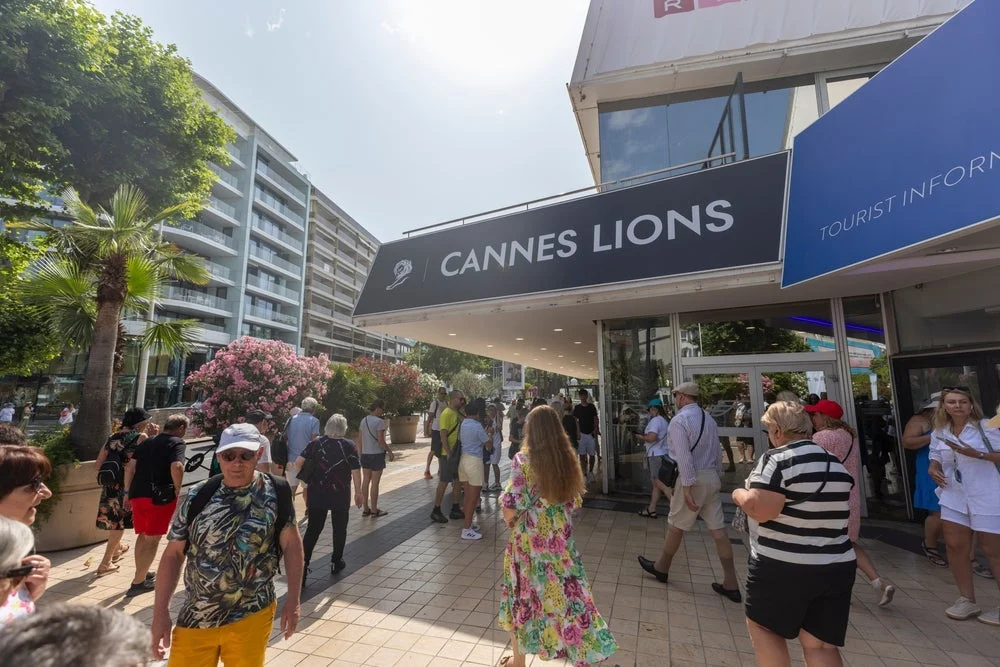
The Cannes Lions International Festival of Creativity, historically the exclusive domain of advertising executives and creative directors, has undergone a fundamental transformation into a critical nexus for the global communications and public relations industry. As the media landscape continues to fragment and the traditional boundaries between advertising, editorial, and organic influence blur, the festival has emerged as an essential venue for communicators. For modern public relations professionals, the gathering at the Palais des Festivals is no longer a luxury or a peripheral industry event; it is a strategic necessity for those seeking to navigate a world defined by rapid technological shifts and a crisis of consumer trust.
The core challenge facing PR professionals in the current era is the sheer velocity of the shifting media environment. With the proliferation of digital channels, the rise of the creator economy, and the integration of generative artificial intelligence into content production, the methods by which brands reach and engage audiences have multiplied exponentially. Understanding how to cut through this noise requires more than professional instinct; it necessitates an active presence in the global conversation where these trends are being debated and codified. Consequently, Cannes has evolved from a celebration of 30-second television spots into a laboratory for the future of brand storytelling and reputation management.
The Evolution of Cannes Lions: From Cinema Ads to Global Creative Hub
To understand the current significance of the festival for communicators, one must look at its historical trajectory. Founded in 1954 and inspired by the Cannes Film Festival, the International Advertising Film Festival—as it was then known—was originally focused on cinema advertisements. The first event took place in Venice before settling permanently in Cannes in 1984. Over the decades, the festival expanded its scope to include press, outdoor, and radio advertising. However, the most significant shift for the PR industry occurred in 2009 with the introduction of the PR Lions category.
The introduction of the PR Lions signaled a formal recognition by the global creative community that “earned media”—the heart of public relations—was becoming the most valuable currency in marketing. In the years following the 2008 financial crisis, brands increasingly sought ways to build authentic connections with consumers that didn’t rely solely on “interruptive” paid advertising. By the mid-2020s, the festival had fully transitioned into its current form: a multi-disciplinary gathering where technology giants, media conglomerates, and global consultancies converge.
The 2026 festival highlights this evolution, with a programming schedule that prioritizes the intersection of technology and human storytelling. For communicators, the value of the festival has shifted away from the “Main Stage” presentations at the Palais toward a more decentralized ecosystem of “side programming.” These smaller, more intimate gatherings—hosted by platforms, agencies, and media companies—have become the primary sites for genuine idea exchange and high-level networking.
Strategic Programming and the Rise of the Communications Track
A notable trend in recent years is the emergence of programming built specifically for the communications suite. In 2026, several high-profile partnerships illustrated this shift. Yahoo and Axios collaborated to host a specialized communicators brunch, which focused on a critical industry dilemma: how to reinforce storytelling principles that build trust in an environment increasingly dominated by artificial intelligence. Simultaneously, Fortune convened a luncheon focused on the “human edge,” exploring how PR professionals can maintain a sense of authenticity as automated content becomes the industry standard.
These events represent a new category of “rooms” at Cannes that did not exist a decade ago. Organizations such as MuckRack, Mixing Board, PRovoke Media, and the Page Society have established their own footprints at the festival, hosting dinners and roundtable discussions that address the specific pressures on Chief Communications Officers (CCOs). These discussions often center on the evolving role of communications as a driver of business strategy, rather than a mere support function for marketing.
The data supports this shift in focus. According to industry reports, the PR Lions category has seen a steady increase in entries from non-traditional PR firms, including digital agencies and internal brand teams, reflecting the universalization of PR tactics. Furthermore, the 2026 Grand Prix in the PR category was awarded to Burson for its work on “The KitKat Heist,” a campaign that exemplified the power of reactive, cultural storytelling—a hallmark of high-level PR strategy.
The “LinkedIn in Person”: The Value of Physical Presence
One of the most significant, yet frequently underrated, aspects of Cannes Lions is its ability to compress a year’s worth of relationship-building into a single week. Industry analysts often refer to the festival as “LinkedIn in person.” The density of influential figures on the Croisette—ranging from CMOs and CCOs to top-tier journalists, creators, and tech innovators—creates a unique environment for high-stakes networking.
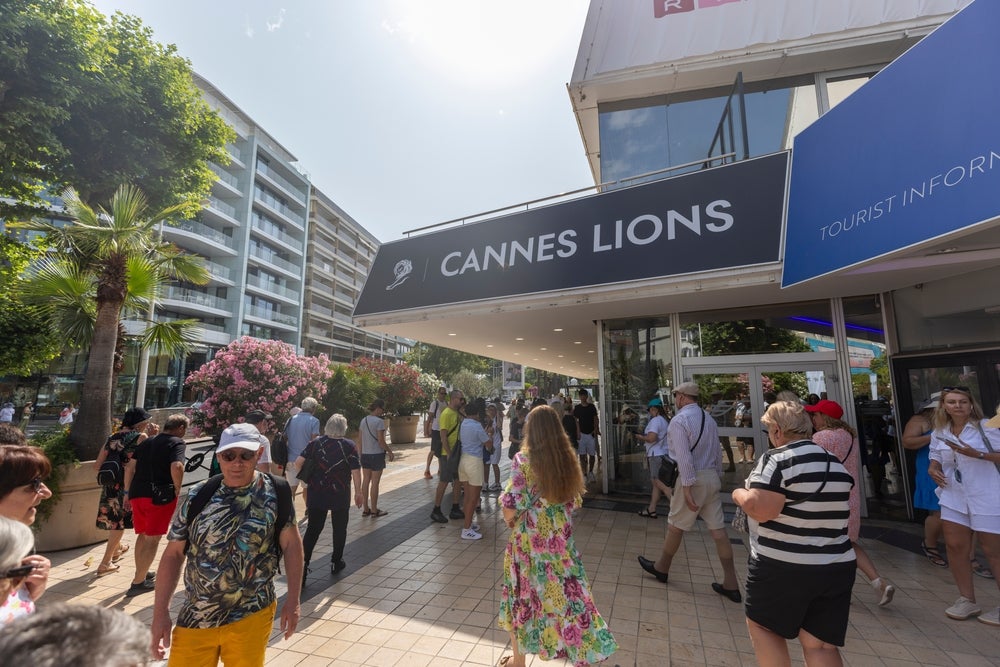
In a standard professional setting, arranging meetings with a dozen global stakeholders might take months of logistical planning and travel. At Cannes, these individuals are often accessible in a single afternoon. A conversation on the balcony of a beach club or a chance encounter at a media villa can unlock partnerships, secure media placements, or initiate collaborations that would otherwise remain stagnant in an email inbox.
For communicators, staying “plugged in” to what people are thinking in real-time is an essential component of the job. Public relations is, at its core, the management of perception and the navigation of cultural currents. Being physically present allows professionals to absorb the nuances of the industry’s evolution. They can witness which narratives are resonating with audiences, which digital formats are gaining traction, and which emerging technologies are being greeted with skepticism. This level of cultural and professional intelligence cannot be replicated through digital reports or post-event summaries.
Addressing the AI Transformation in Real-Time
Artificial Intelligence has become the dominant theme of the mid-2020s, and Cannes Lions has served as the primary forum for debating its implications. While much of the public discourse around AI focuses on efficiency and cost-cutting, the conversations at Cannes are more nuanced, focusing on the “bill” of AI transformation—both in terms of financial cost and the potential erosion of brand trust.
Communicators are at the front lines of this transformation. As AI reshapes the tools available for content creation and distribution, the PR professional’s role as a “guardian of truth” becomes more vital. The festival provides a venue to see how global brands are balancing the use of AI with the need for human-centric storytelling. By observing which AI-driven campaigns win awards and which are criticized for being “soulless,” communicators can refine their own strategies for the year ahead.
The 2026 briefing on AI transformation at Cannes emphasized that while AI can generate content, it cannot yet generate the “earned” credibility that comes from genuine human connection. This distinction is where the PR industry finds its greatest opportunity. Professionals who attend the festival are able to see the “mechanics” of these shifts in real-time, allowing them to advise their clients and organizations with a level of foresight that is impossible to achieve from a distance.
The ROI of Inspiration: Creativity as a Business Driver
While the business and networking aspects of Cannes are paramount, the element of inspiration remains a core component of the festival’s value proposition. PR professionals spend the majority of their time in execution mode—managing crises, pitching stories, and navigating internal politics. Cannes offers a rare opportunity to “look up” and engage with the highest level of creative output in the world.
The various activations, panels, and award-winning galleries are more than just entertainment; they are a window into how the world’s most successful brands are thinking about attention, emotion, and cultural relevance. For example, analyzing the success of “The KitKat Heist” provides insights into how a brand can successfully “hijack” a cultural moment to generate massive earned media value.
This exposure to global best practices makes communicators better at their craft. It challenges them to think beyond traditional press releases and toward integrated campaigns that command attention in a crowded marketplace. The “surprise and delight” moments found throughout the festival serve as a reminder that in an increasingly automated world, creativity remains the ultimate competitive advantage.
Conclusion: The Cost of Absence
In the current media climate, the cost of being absent from Cannes Lions is becoming increasingly high for communications leaders. The festival is where business, culture, and technology collide to set the agenda for the coming year. Decisions made on the Croisette often dictate the trends that will dominate the industry for the next twelve months.
For communicators, the festival represents a unique confluence of strategic intelligence, relationship building, and creative inspiration. Those who are not “in the room” risk falling behind as the industry’s narratives, formats, and technologies evolve. In an era where the lines between media types have all but disappeared, the ability to understand and influence the global creative conversation is no longer optional—it is the hallmark of a modern communications professional. As the media industry continues its rapid transformation, the Cannes Lions International Festival of Creativity remains the most important venue for those who wish to lead that change rather than merely react to it.









