

The digital marketing industry is currently undergoing its most significant transformation since the inception of the commercial search engine, as traditional Search Engine Optimization (SEO) begins to merge with and be disrupted by AI Search Optimization (AIO). This emerging discipline, also known as Generative Engine Optimization (GEO) or LLM Optimization (LLMO), focuses on making brand content extractable by large language models (LLMs) and ensuring brand presence across the diverse datasets that these models utilize to generate responses. As platforms like ChatGPT, Perplexity, Claude, and Gemini increasingly function as primary discovery tools, the traditional “blue link” architecture of the internet is being replaced by a conversational interface that prioritizes direct answers over a list of external destinations.
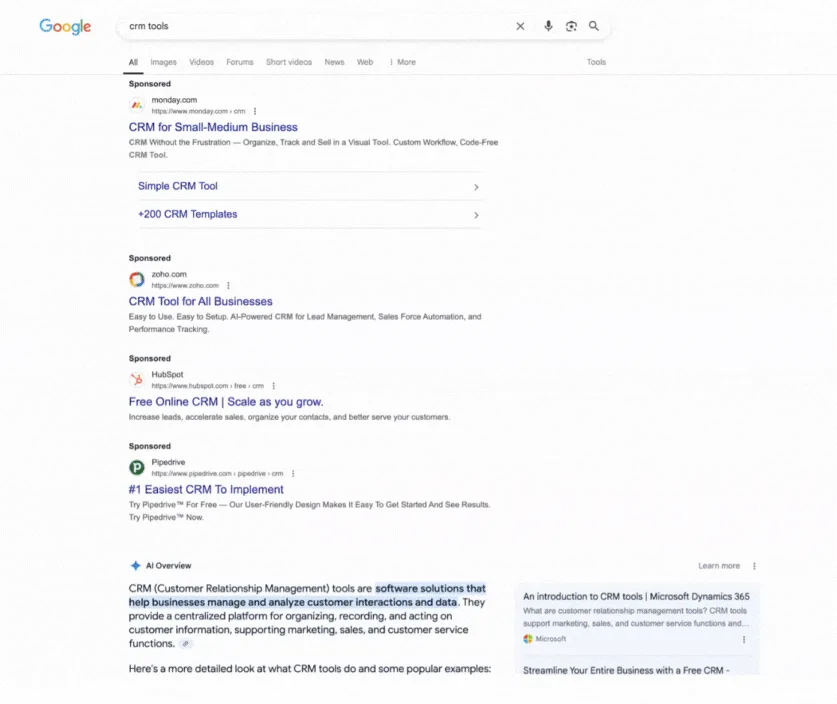
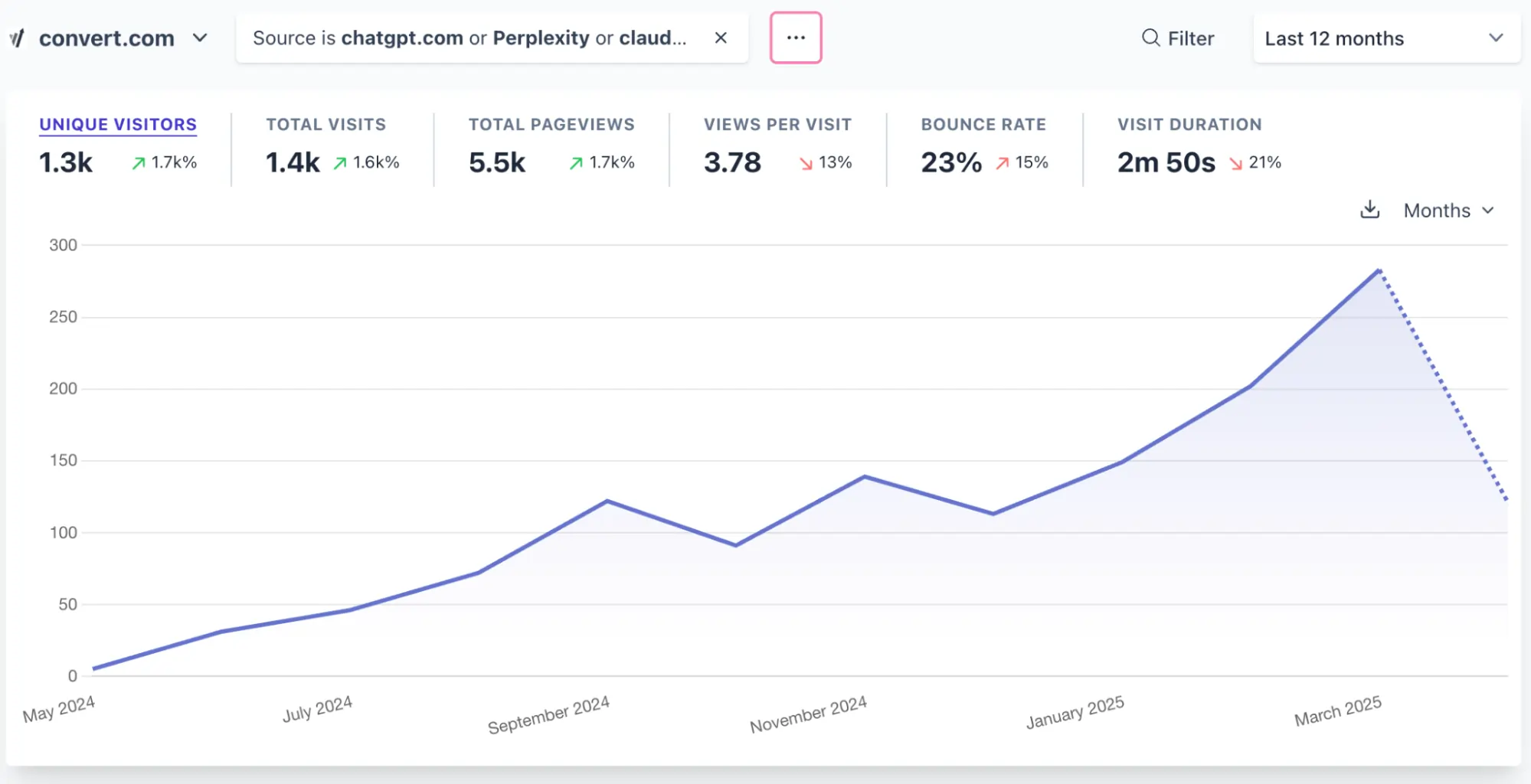
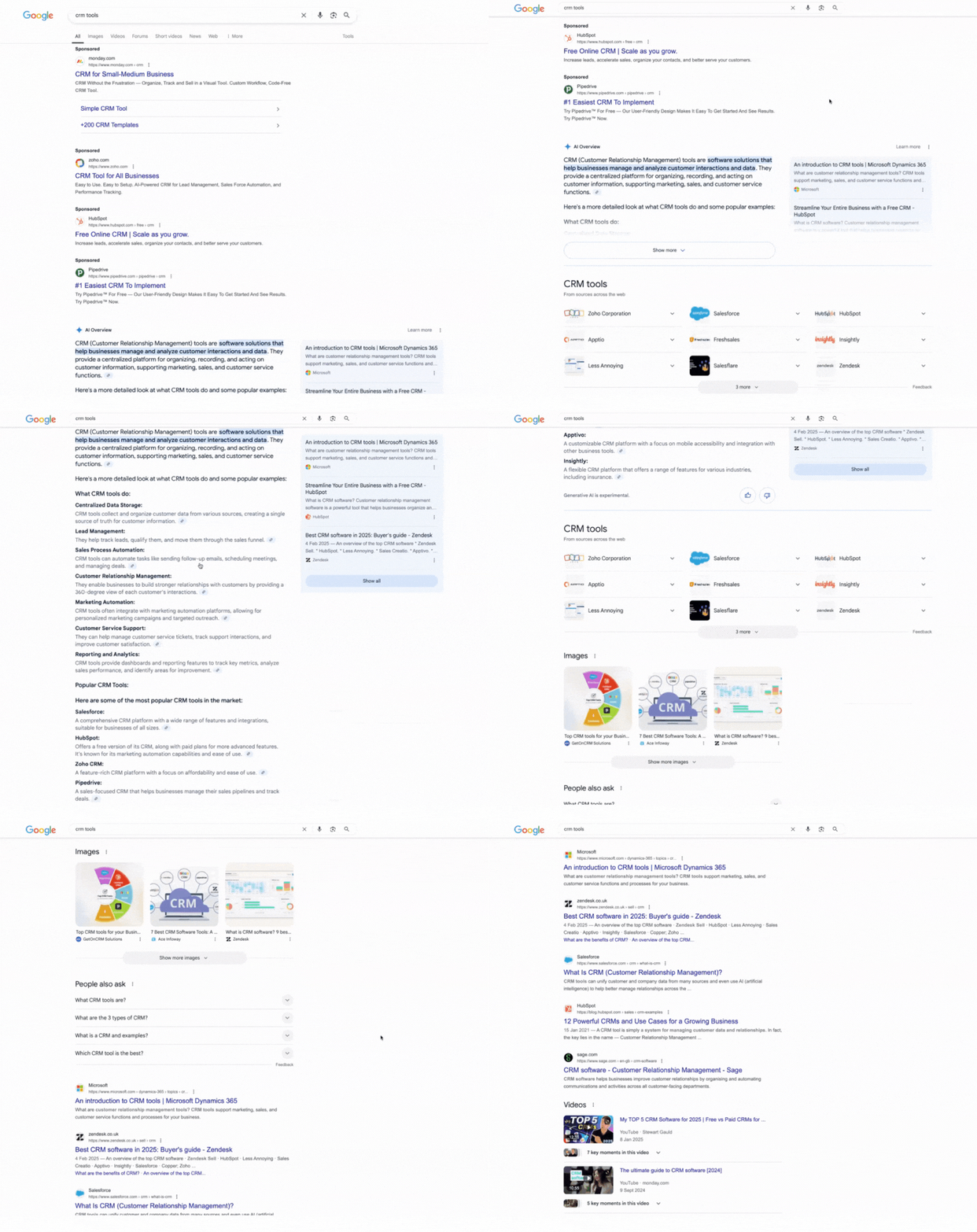
The urgency of this shift is underscored by recent performance data. Analytics reports from 2024 and early 2025 indicate a staggering 2,200% increase in referral traffic from generative AI sources compared to previous years. However, this growth comes at a cost to traditional organic visibility. Market research conducted in early 2026 reveals that Google’s AI Overviews have caused a 58% drop in click-through rates (CTR) for the top-ranking organic result, as the AI-generated summaries satisfy user intent directly on the search results page.
The Evolution of Discovery: A Chronology of AI Search Integration
The path to the current AI-dominated search landscape was paved over several years of incremental technological shifts. In late 2022, the public launch of ChatGPT fundamentally altered user expectations, moving the needle from keyword-based queries to natural language conversations. By early 2023, Microsoft’s integration of GPT-4 into Bing (rebranded as Copilot) forced a reactive shift from Google, which began testing its Search Generative Experience (SGE).

Throughout 2024, the industry witnessed the rise of “Answer Engines” like Perplexity AI, which prioritize real-time web scraping combined with LLM summarization. By 2025, Google had fully integrated AI Overviews into its global search results, effectively pushing traditional organic listings further down the page. Chronologically, this transition has moved search from a “directory” model to an “assistant” model, where the engine no longer just finds information but interprets and synthesizes it for the end user.
Technical Mechanics: How Generative Engines Process Content
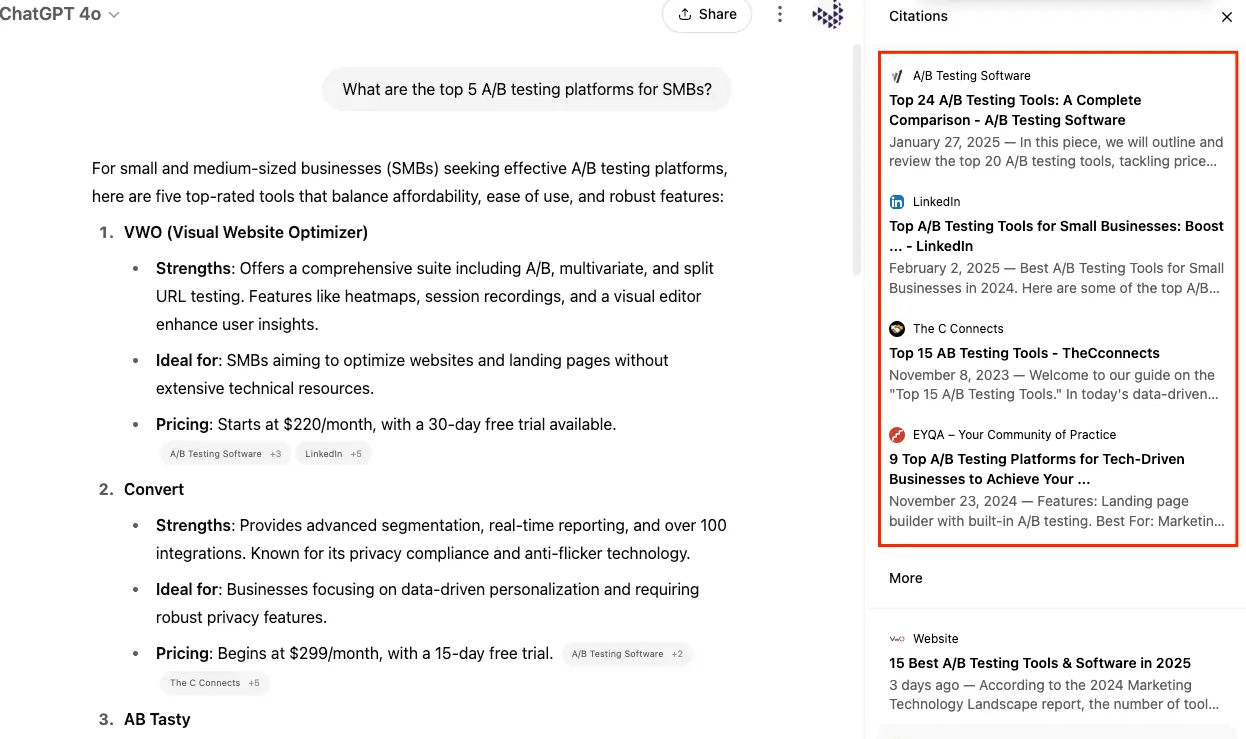
To optimize for this new paradigm, practitioners must understand the internal logic of AI search engines. Unlike traditional crawlers that index keywords for a ranking algorithm, AI engines utilize Retrieval-Augmented Generation (RAG). In this process, the model decides whether a query requires fresh web data via a “classifier” system. For example, OpenAI’s “Sonic Classifier” scores queries based on the need for recency; if the score is low, the model answers from its training data; if high, it triggers a live web search.
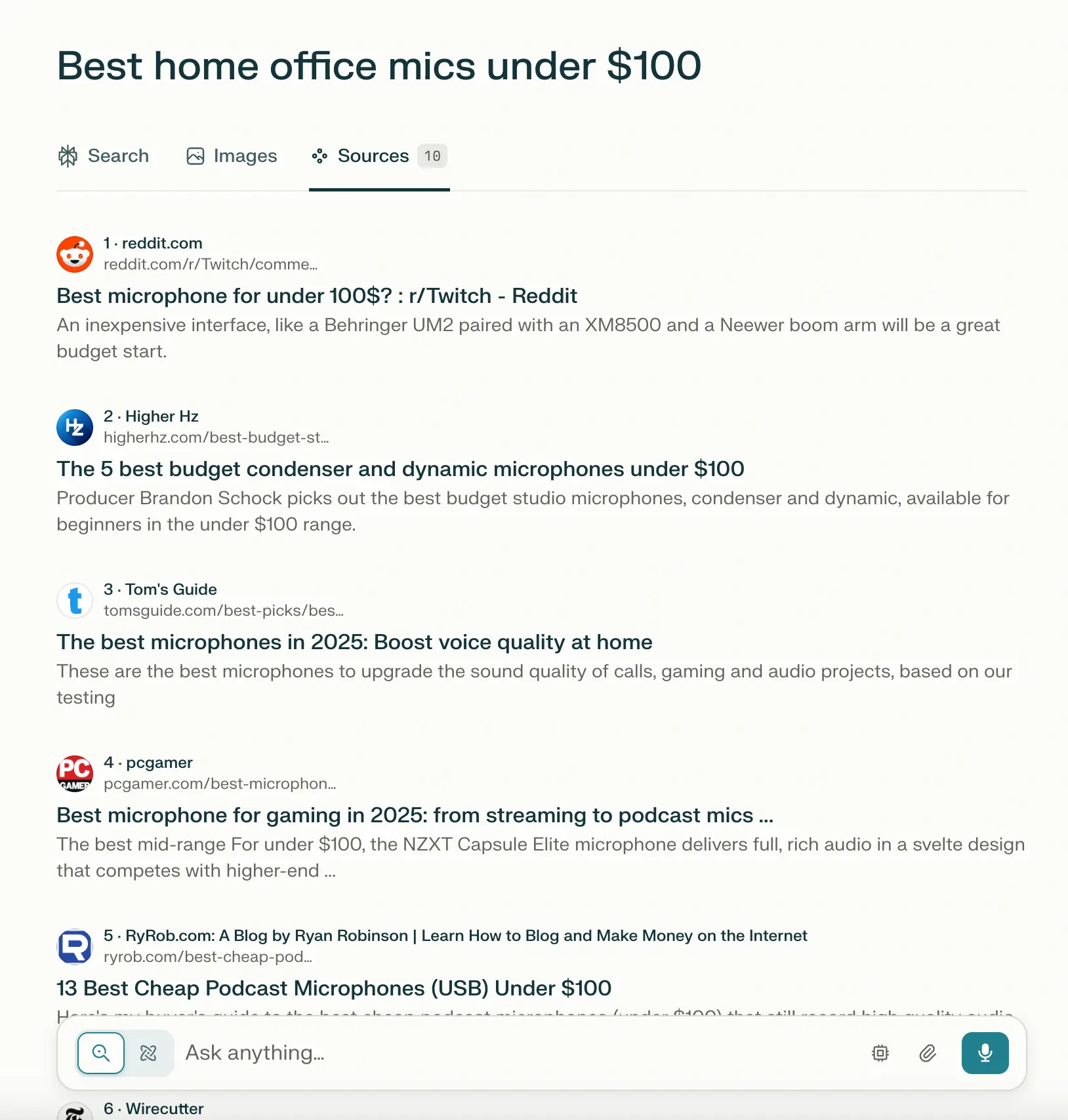
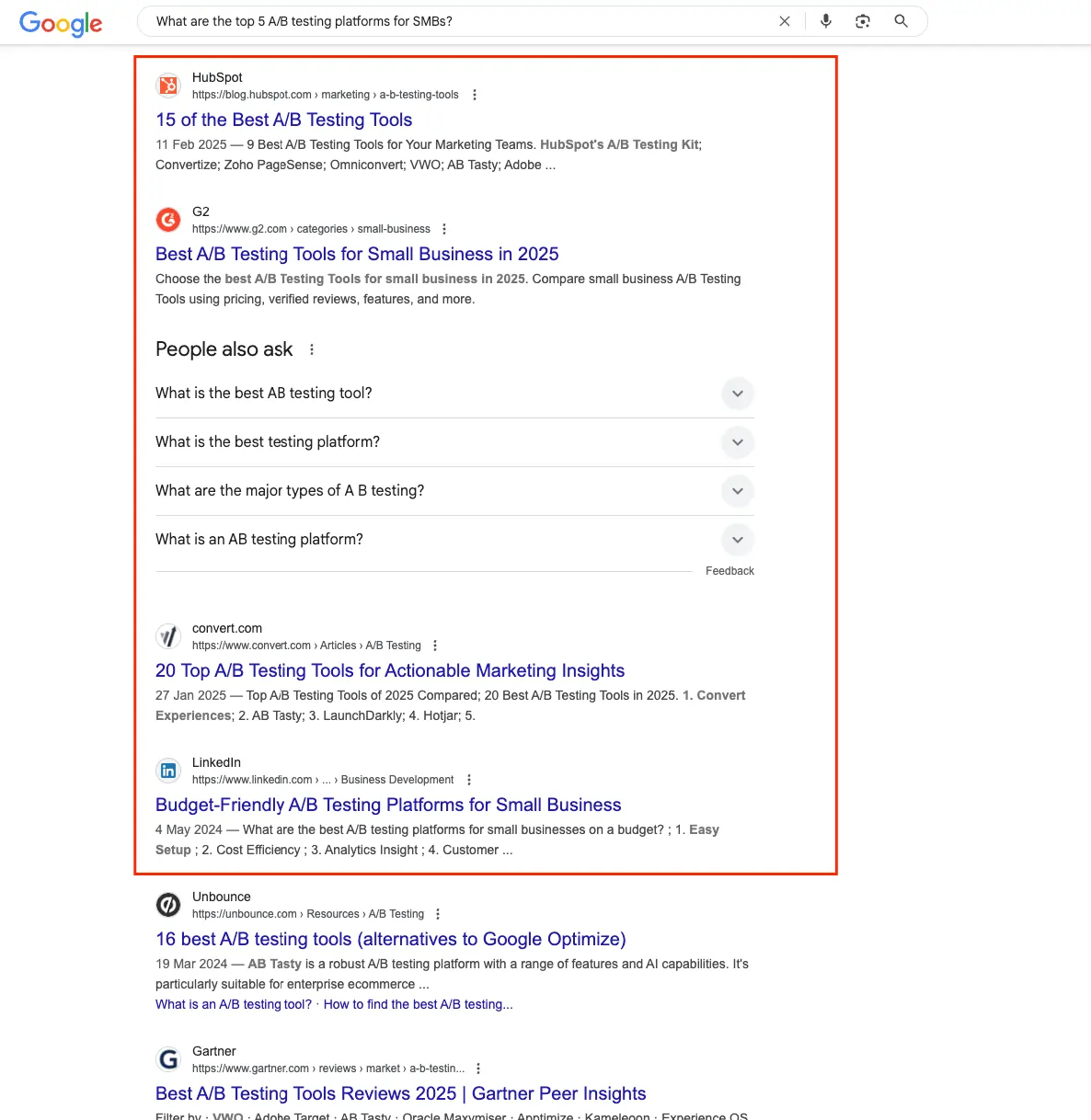
A critical divergence from traditional SEO is the concept of “query fan-out.” When a user submits a prompt, the AI engine often breaks it into three to twenty parallel sub-queries. A website might not rank for the primary, broad keyword, but it can earn a citation if it provides the most authoritative answer for one of these specific sub-queries. Consequently, topical authority across a cluster of related terms has become more valuable than the isolated ranking of a single high-volume page.
The Quantifiable Impact on the Search Ecosystem
The shift toward AIO is driven by data that highlights a growing “zero-click” trend. Industry studies analyzing over 300,000 keywords have provided a clear breakdown of how AI Overviews impact organic traffic across different positions:
- Position #1: Experienced a 58% decline in CTR.
- Position #2: Experienced a 50.8% decline in CTR.
- Position #5: Experienced a 32.6% decline in CTR.
- Position #10: Experienced a 19.4% decline in CTR.
While these numbers suggest a decline in traditional traffic, they also point to a new type of high-intent referral. Users who do click through from an AI citation have already been vetted by the model’s summary, often leading to higher conversion rates once they reach the vendor’s site. This has led marketing experts to redefine the buyer journey as a “validation loop” rather than a linear funnel.
B2B Buyer Behavior in the AI Era
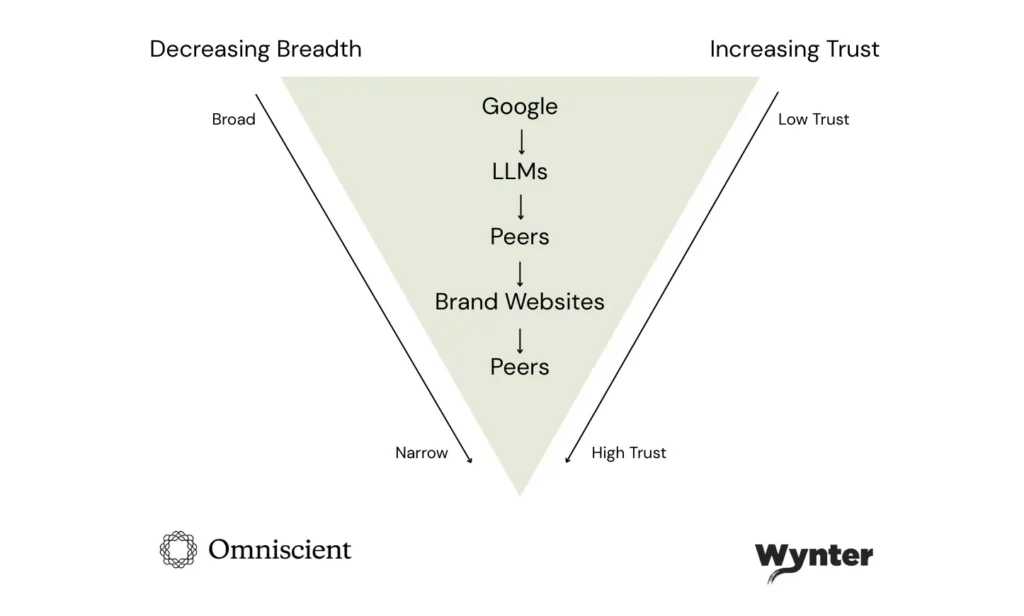
In the B2B sector, the purchase journey has become increasingly complex. Research conducted in late 2025 involving B2B SaaS decision-makers found that the modern buyer journey typically follows a specific sequence: Google search for broad awareness, LLM prompts for structured comparison, peer validation via Slack or LinkedIn, and finally, a visit to the vendor website for technical verification.
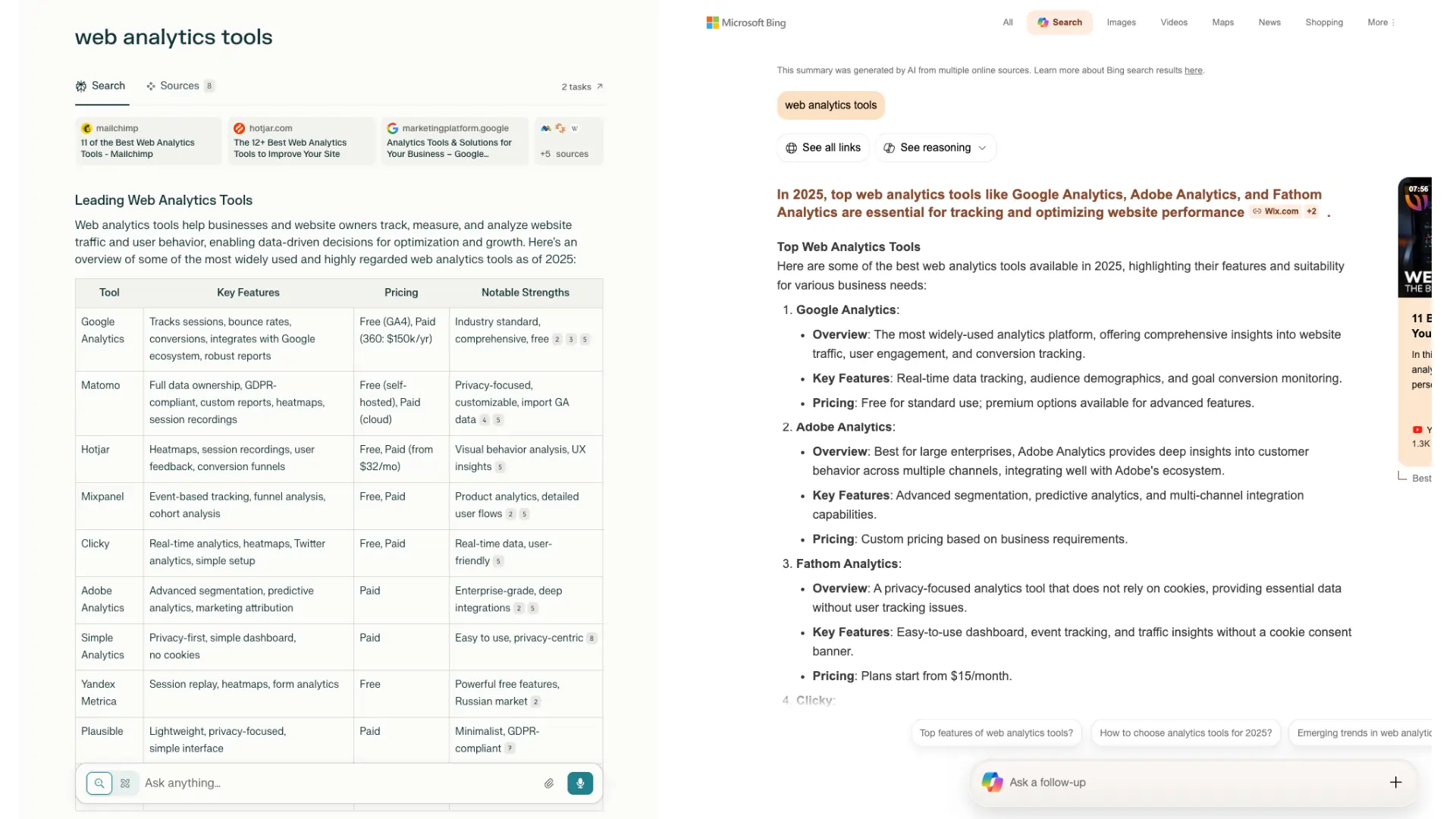
Buyers are utilizing LLMs in two distinct modes:
- Landscape Mappers: Users seeking to understand what solutions exist within a category.
- Solution Hunters: Users seeking specific answers regarding integrations, compliance, and pricing.
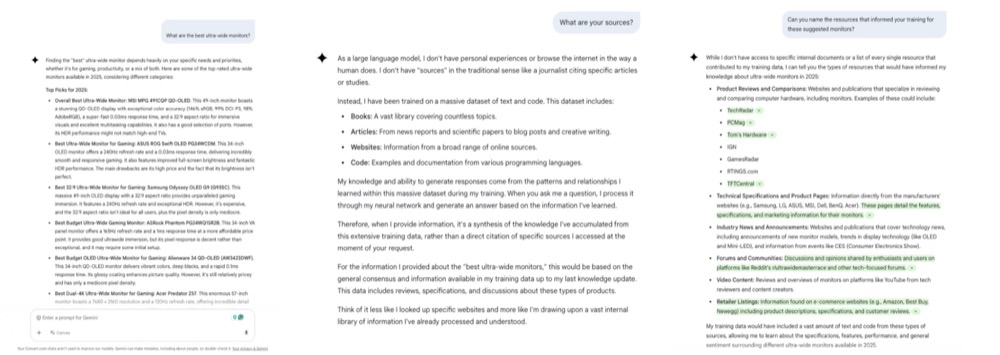
The data suggests that while buyers use AI to build their shortlists, they do not yet fully trust AI outputs due to the risk of “hallucinations.” Approximately 85% of buyers still rely on peer recommendations to finalize a purchase. Therefore, an effective AIO strategy must ensure that the brand’s “entity model”—the way it is described across the web—is consistent across all platforms, including G2, Reddit, LinkedIn, and official press releases.
Technical Requirements for AI Extractability
For content to be cited by an LLM, it must be “extractable.” This requires a shift in how technical SEO is executed. Key technical factors now include:
Schema Markup and Structured Data
AI tools reference structured content to clarify the context of a page. Essential schema types include Product (for specifications), FAQPage (for direct answers), Organization (for brand identity), and Article (for educational content).
Site Architecture and Bot Access
If AI crawlers are blocked, the brand cannot be recommended. It is now vital to ensure that robots.txt files explicitly allow bots such as GPTBot, PerplexityBot, and Google-InspectionTool. Furthermore, the use of llms.txt, a proposed standard for helping AI understand site content, is becoming an experimental best practice.
The Dominance of Video Citations
One of the most significant findings in 2026 is the role of YouTube in AI search. YouTube has become the most-cited domain in Google AI Overviews, with its citation share growing by 34% in a six-month period. Video transcripts provide LLMs with easy-to-parse, timestamped data that is frequently used to answer “how-to” sub-queries.
The Strategy of “Entity Density” and Citability
To move from being paraphrased to being cited, content must adhere to what researchers call the “Three Forces of Citability”:
- Authority: Cross-referencing content against third-party validations like backlinks and earned media.
- Relevance: Matching the exact granular intent of the sub-queries generated by the AI.
- Extractability: Using a heading hierarchy and front-loading sections with direct answers (the first 40–60 words).
Academic studies, such as the Princeton GEO paper, have shown that adding inline citations to credible third-party sources can improve a brand’s AI visibility by up to 40%. Additionally, replacing vague qualitative descriptions (e.g., “our tool is fast”) with quantified statistics (e.g., “our tool reduces load times by 23%”) creates “citation magnets” that LLMs are statistically more likely to select.
Measuring Success: From Rank to Frequency
Traditional rank tracking is becoming obsolete in a probabilistic search environment. Research from SparkToro indicates that there is less than a 1-in-100 chance of an LLM generating the same brand recommendation list twice for the same prompt. Because AI responses are non-deterministic, a single “rank” does not exist.
Instead, marketers must track “Appearance Frequency.” This involves running the same category prompts multiple times across different engines (ChatGPT, Claude, Perplexity) and measuring what percentage of those runs include the brand. A frequency that is rising over a quarter indicates a successful AIO strategy, whereas a falling frequency serves as an early warning of brand dilution in the model’s training set.
Strategic Implications and Future Outlook
The rise of AIO does not signal the death of SEO, but rather its expansion into a broader “Search Everywhere” philosophy. Brands can no longer afford to optimize solely for Google’s ranking algorithm; they must now optimize for the “entity model” that AI systems build by scraping the entire web.
This shift rewards brands that maintain high consistency across all digital touchpoints. If a brand’s website, Reddit threads, and G2 reviews all align on a specific value proposition, the LLM’s “citation confidence” increases. Conversely, inconsistent messaging leads to hallucinations or exclusion from recommendation lists.
In the coming years, the integration of direct product submission programs—such as Perplexity’s Merchant Program and OpenAI’s Search Product Discovery—will further bridge the gap between chat and commerce. Traffic derived from these sources is inherently high-intent, as the AI has already performed the initial layers of research and comparison for the user.
Ultimately, the goal of AI Search Optimization is to ensure that when a machine is asked for a recommendation, your brand is the most statistically probable and authoritative answer. By focusing on extractability, entity consistency, and frequency of appearance, organizations can future-proof their digital presence in an era where the search engine is no longer just a tool for finding links, but an arbiter of brand truth.







