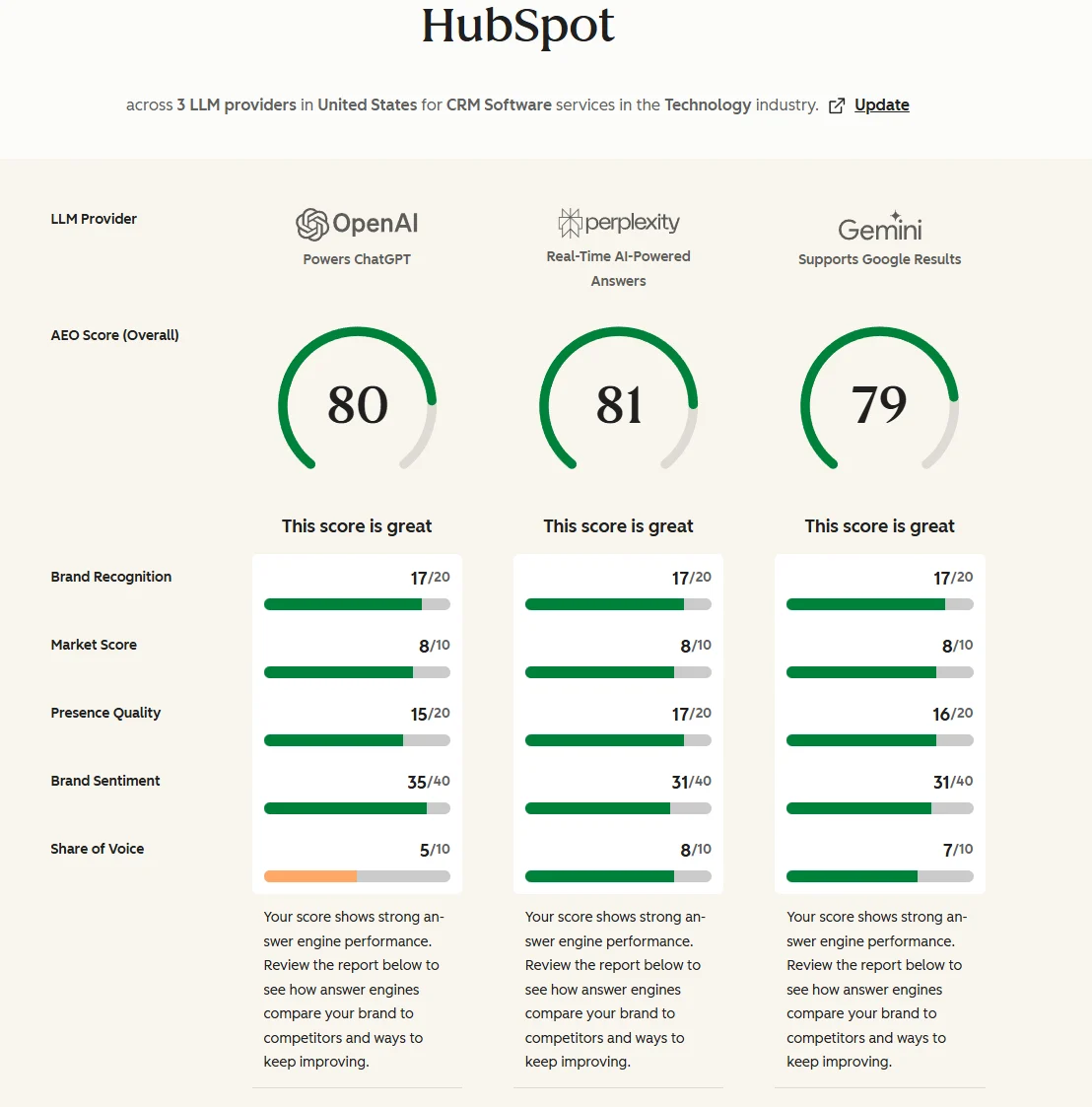
The bar for B2B SEO tools has dramatically shifted, moving beyond the traditional pursuit of page-one rankings to encompass a broader, more strategic imperative: driving tangible pipeline and demonstrating clear return on investment in an increasingly AI-driven search environment. Buyers are no longer solely reliant on traditional search engine results pages (SERPs) for vendor discovery; a growing segment is turning to AI-generated answers, fundamentally altering the initial touchpoints of the B2B buying journey. A strong Google ranking still holds considerable weight, but visibility within AI search interfaces has become equally critical. B2B marketing teams now require SEO strategies that not only attract traffic but also ensure that this traffic is genuinely qualified and likely to convert into valuable leads and, ultimately, revenue.

The Shifting Sands of B2B Search: From Rankings to Revenue and AI Visibility
For decades, the bedrock of Search Engine Optimization for businesses, B2B or B2C, was centered on achieving top organic rankings for relevant keywords. Success was often measured by traffic volume, keyword positions, and domain authority. However, the digital landscape is in constant flux, and B2B marketing, with its inherently complex sales cycles and multi-stakeholder decision-making processes, has been particularly impacted by recent technological advancements.

The B2B buyer’s journey has evolved significantly. Research indicates that modern B2B buyers undertake a substantial portion of their vendor evaluation independently, often engaging with sales representatives only after completing 60-70% of their research. This self-service research phase is increasingly being influenced by sophisticated AI models. Instead of sifting through numerous links, buyers are seeking synthesized answers, comparisons, and recommendations directly from AI chatbots or integrated search experiences. For instance, Google’s introduction of Search Generative Experience (SGE) in its testing phases signals a future where AI-powered summaries and direct answers will be prominent, potentially reducing clicks to traditional websites for initial queries. Similarly, platforms like ChatGPT, Perplexity, and Gemini are becoming de facto research assistants, providing curated information that can shape vendor shortlists long before a prospect visits a company’s website. This shift necessitates a new focus: Answer Engine Optimization (AEO), ensuring a brand’s authority and relevance are recognized and cited by these AI systems.
The distinct characteristics of B2B marketing – notably longer sales cycles (often spanning months or even years), the involvement of multiple decision-makers across different departments (e.g., IT, finance, operations, end-users), and the strategic importance of account-based marketing – mean that raw traffic figures alone are insufficient metrics for SEO success. What truly matters is the ability to map content to these complex buying journeys, attract high-intent prospects, and ultimately prove SEO’s direct contribution to the sales pipeline and closed-won deals. Industry analysts consistently emphasize that B2B marketing leaders are under increasing pressure to demonstrate quantifiable ROI, moving beyond vanity metrics to concrete business outcomes.
Essential Capabilities for Modern B2B SEO Tools
To navigate this intricate new environment, B2B SEO tools must offer a robust set of functionalities that extend far beyond traditional ranking trackers. The most effective platforms are those that integrate seamlessly into the broader marketing and sales ecosystem, providing actionable insights that drive revenue.
1. Intent-Filtered Keyword Research: Unlocking the Buyer’s Journey
B2B purchases are rarely impulsive; they are strategic decisions involving significant investment and risk. Therefore, SEO specialists must move beyond simple search volume data to deeply understand buyer intent at every stage of their journey. A superior B2B keyword tool will segment keywords by:
- Informational Intent: Queries like "what is cloud computing security?" indicating early-stage research into a problem or concept.
- Commercial Investigation Intent: Terms such as "best CRM for small business" or "Salesforce vs. HubSpot," where buyers are comparing solutions and exploring options.
- Transactional Intent: Searches like "request a demo project management software" or "pricing for enterprise ERP," signaling readiness to engage with vendors or make a purchase.
The ability to filter and prioritize keywords based on these intent layers empowers marketing teams to create targeted content that resonates with specific decision-makers (e.g., technical users, finance approvers, executive sponsors) and guides them effectively through the sales funnel. Without this granular understanding, content risks attracting irrelevant traffic that inflates metrics but fails to convert.
2. CRM Integration and Pipeline Attribution: Proving SEO’s Value
Perhaps the most critical feature for B2B SEO tools today is native integration with Customer Relationship Management (CRM) systems. In a B2B context, the sales cycle often involves numerous touchpoints over an extended period. Without a direct link between SEO activities and CRM data, marketing teams struggle to connect organic traffic to tangible business outcomes like qualified leads, sales opportunities, and closed revenue. This integration allows for robust pipeline attribution, enabling SEO teams to demonstrate precisely which content and organic channels influenced specific deals. This level of attribution is vital for securing stakeholder buy-in, justifying continued investment in SEO, and moving beyond the perennial challenge of manually stitching together disparate data points. As many B2B marketing leaders attest, being able to walk into a pipeline review and show concrete revenue contributions from SEO transforms the perception of the channel from a cost center to a profit driver.
3. Competitor and Content Gap Analysis: Strategic Market Positioning
In competitive B2B markets, understanding the landscape is paramount. Advanced SEO tools facilitate comprehensive competitor analysis, identifying keywords, content topics, and even technical strategies employed by rivals. More importantly, they pinpoint "content gaps"—areas where competitors are ranking for valuable keywords that your site is not addressing. This analysis is not merely about replicating competitor success but about strategically identifying opportunities to capture qualified traffic. By prioritizing topics with high buyer intent and significant competitive gaps, B2B content teams can develop a content roadmap that directly challenges rivals and attracts prospects actively seeking solutions that your business provides.
4. Technical SEO Monitoring: The Foundation of Site Health and Trust
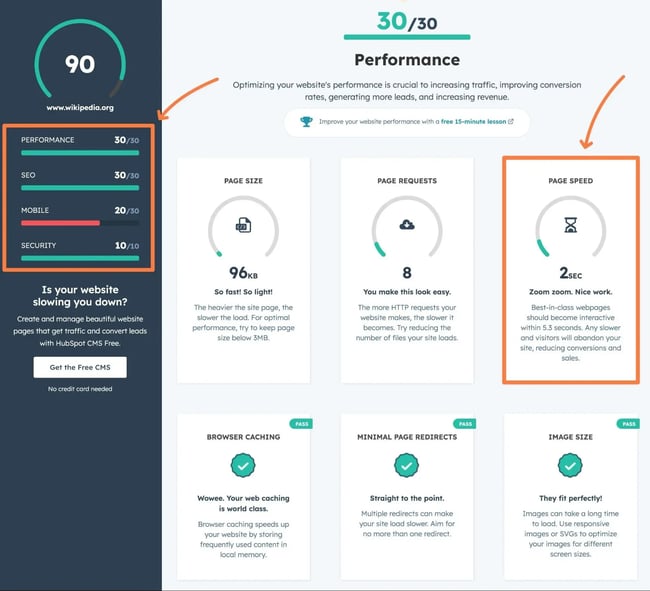
While often unseen, robust technical SEO is the bedrock of a high-performing B2B website. A slow, broken, or poorly structured site can silently hemorrhage potential conversions, especially in B2B where buyers are conducting rigorous evaluations. Essential tools provide continuous crawl monitoring, tracking Core Web Vitals (e.g., loading speed, interactivity, visual stability), and offering prioritized, actionable recommendations. Rather than just a list of errors, the best tools highlight issues with the greatest impact on user experience and search visibility, allowing marketing and development teams to focus their efforts where they matter most. A smooth, fast, and accessible website builds trust and reduces friction in the buyer’s journey, which is crucial when dealing with high-value B2B transactions. Data consistently shows that even marginal improvements in page load speed can lead to significant increases in conversion rates.
5. AI-Powered Content Optimization: Scaling Quality and Relevance
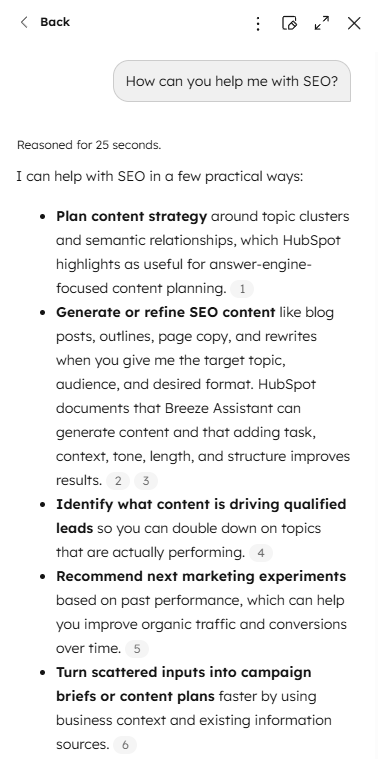
The sheer volume of content required to address the diverse needs of B2B buyers across their entire journey can be overwhelming. Modern B2B SEO tools increasingly integrate AI capabilities to streamline content creation and optimization workflows. These AI suggestions help teams optimize existing pages for both traditional and AI search, identify new content opportunities, ensure quality consistency at scale, and adapt content for consumption by generative AI models. This allows B2B marketers to maintain a competitive edge without proportionally scaling headcount, enhancing efficiency and effectiveness in a rapidly evolving content landscape.
Leading B2B SEO Tools for the AI Era: An In-Depth Analysis

The market offers a diverse array of B2B SEO tools, each with its unique strengths. The following selection highlights platforms distinguished by their ability to connect organic visibility to pipeline and adapt to the AI-driven search paradigm.
1. HubSpot’s Integrated Ecosystem: A Unified Approach to B2B Growth
HubSpot offers a powerful, AI-powered marketing platform through its Marketing Hub and Content Hub, designed specifically for B2B teams seeking to consolidate their SEO, content, and CRM workflows. HubSpot’s strength lies in its all-in-one approach, eliminating the need for multiple disparate tools and complex integrations.
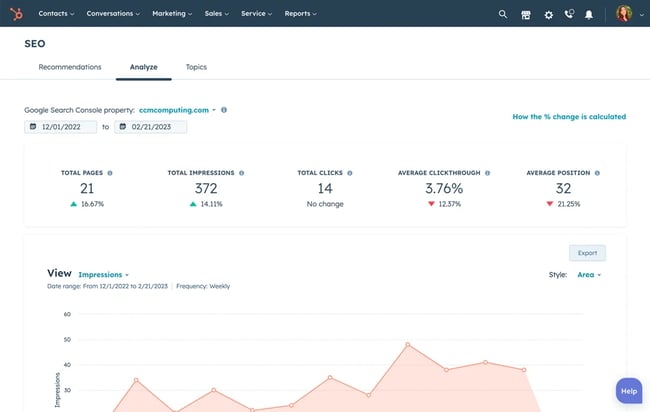
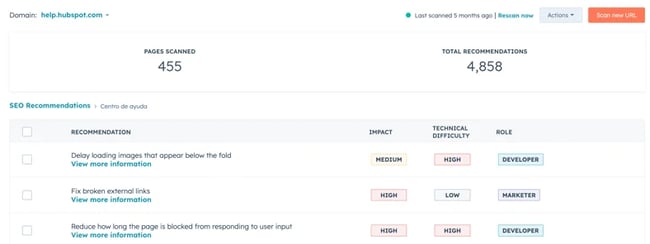
- Marketing Hub’s SEO Tools: These tools surface actionable recommendations across the entire content lifecycle, from initial topic planning to ongoing performance analysis. Its SEO recommendations feature scans an entire website (including pages hosted outside HubSpot), prioritizing issues by impact, difficulty, and the role responsible for resolution (e.g., developer, content creator). Crucially, Marketing Hub’s native integration with HubSpot’s Smart CRM enables direct SEO-to-pipeline attribution. This means SEO teams can track how organic search data directly links to contact and deal records, demonstrating how specific content influences open opportunities and closed revenue. This direct attribution capability addresses one of the most common pain points for B2B marketing leaders.
- Content Hub: As HubSpot’s CMS, Content Hub embeds SEO suggestions directly into the editing experience. Writers receive real-time feedback on optimization, structured data, and schema markup as they create content. This proactive guidance ensures content is optimized for both traditional search and Answer Engine Optimization (AEO), as AI crawlers can more effectively parse and cite structured information. The integrated AI content writer, Breeze Copilot, further accelerates content drafting and optimization, enabling B2B teams to scale output while maintaining quality. Breeze Copilot can assist with everything from generating content briefs to suggesting optimization improvements tailored to the account’s specific data.
2. Semrush: Comprehensive Research and Competitive Intelligence
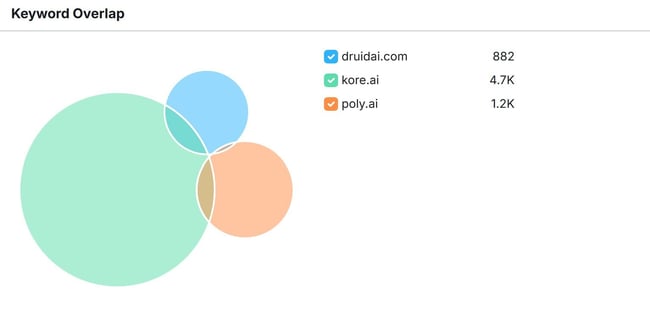
Semrush stands out as one of the most comprehensive all-in-one SEO platforms available for B2B teams. It offers extensive capabilities in keyword research, competitor analysis, content strategy, site auditing, and, increasingly, AI search insights. Ramona Joita, SEO Consultant and Founder of Marketez, highly rates Semrush for its integrated workflow, particularly highlighting the Keyword Overlap/Gap tool. This feature allows users to compare multiple competitors, identifying shared keywords and significant content gaps, which informs a data-backed content plan focused on high-intent topics that drive pipeline. Semrush has consistently adapted to the evolving search landscape, swiftly integrating AI features to help marketing teams navigate the complexities of AI search environments. Its decades of digital marketing and SEO experience make it a robust choice for B2B enterprises.
3. Contentsquare (formerly Hotjar): Decoding On-Page User Behavior
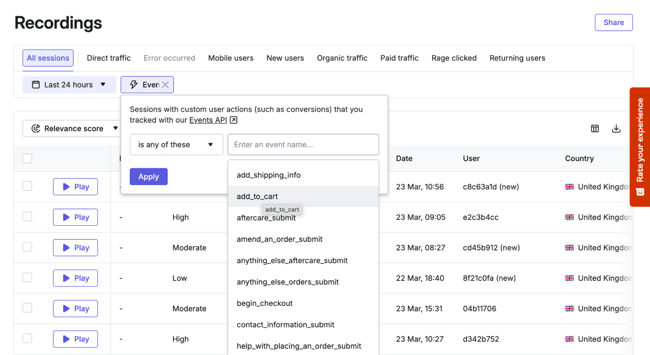
Contentsquare (following its acquisition of Hotjar) provides B2B teams with invaluable qualitative data by allowing them to understand user behavior on their websites through heatmaps, scroll depth analysis, click patterns, and session recordings. Emina Demiri-Watson, Head of Digital Marketing at Vixen Digital, emphasizes the power of combining tools like Contentsquare with analytics platforms (e.g., GA4) to move beyond traffic numbers and understand what users do once they land on a site. Her team’s experience with a B2B e-commerce client demonstrated how a single navigation label change, informed by Contentsquare’s insights, led to a 217% uplift in menu clicks, a 64% increase in revenue, and a 566% rise in new user engagement. This illustrates that pipeline-focused SEO is not just about attracting visitors but optimizing the on-page experience to remove friction and encourage conversion, especially for new visitors in early buying cycles. Contentsquare’s ability to filter session recordings by specific events (like "add to cart") provides direct visual evidence of user journeys, revealing opportunities to enhance user experience and accelerate conversions.
4. Lead Forensics: Direct Attribution from Visits to Deals
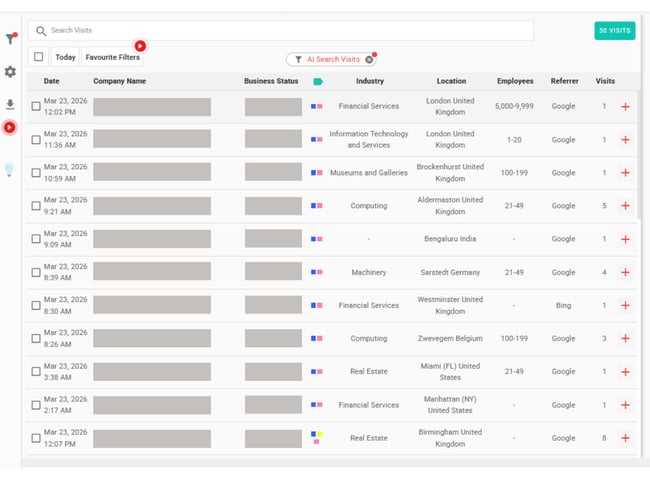
Lead Forensics is a powerful tool for B2B teams focused on connecting organic website visits directly to sales pipeline. It identifies the companies visiting a website, providing firmographic data and visitor behavior insights. Laura Nineham, Head of Organic Search and Content at Lead Forensics, highlights its core value in attribution, noting how it "can transform SEO attribution and help us get fair credit for how our activity influences pipeline." The tool is particularly effective for AEO and SEO use cases, enabling teams to identify companies arriving via organic search or AI referrals, confirm if they fit the ideal customer profile, and then track those leads through the sales cycle. Integration with CRMs like HubSpot allows for automated record creation or enrichment, providing sales teams with rich context on prospect engagement and channel attribution, thereby strengthening marketing’s position in revenue discussions.
5. Trendos: Tracking AI Search Presence and Brand Sentiment
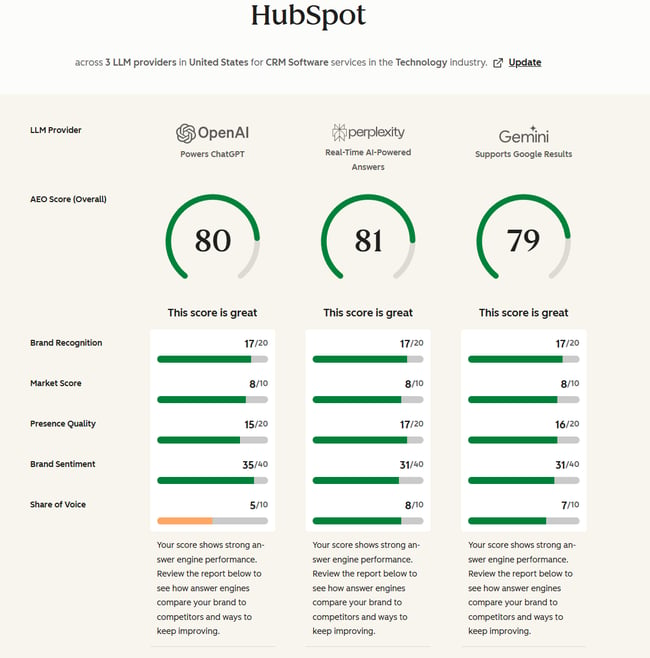
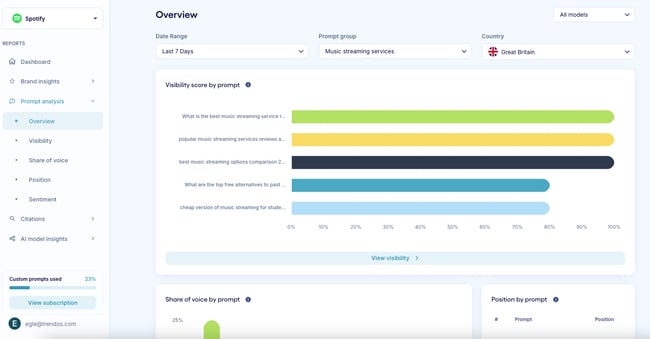
As AI-generated answers increasingly shape B2B buyer discovery, tools like Trendos become indispensable. Trendos monitors how a brand appears and is cited in AI-generated search results, tracking its presence and sentiment across various AI models (e.g., ChatGPT, Perplexity, Gemini) over time. Eglė Kliukevičienė, Marketing Lead at Trendos, frames AI search visibility as a critical pipeline issue, as these platforms influence vendor shortlisting. Trendos helps B2B marketers see not only current brand mentions but also how their presence and sentiment have evolved, enabling proactive AEO strategies. A key use case is tracking brand mentions in AI-generated "best tools" or "top platforms" lists, which are crucial for B2B buyer evaluations. The free tier offers immediate value, allowing brands to begin monitoring their AI search presence and benchmark against competitors.
6. Google Keyword Planner & Claude: A Free, Powerful Duo for Intent Analysis
For B2B teams seeking a cost-effective yet powerful approach to keyword intent analysis, pairing Google Keyword Planner with an advanced AI like Claude offers significant benefits. Google Keyword Planner provides foundational data on search volume and keyword variations, while Claude interprets the nuanced language to reveal deeper buyer intent. Laura I. Abreu, Lead Generation, Ads, and SEO Manager at Global and Search, champions this workflow, explaining that many B2B teams stop at search volume, missing the critical signals embedded in keyword phrasing. She cites the distinction between "SEO expert" (signaling a willingness to pay a premium for value) and "SEO specialist" or "SEO consultant" (which might imply a focus on price or task-specific roles) as an example of Claude’s ability to flag subtle yet impactful differences in buyer psychology. This free combination provides invaluable insights for crafting highly targeted content strategies.
Strategic Implications and Future Outlook for B2B SEO
The evolution of B2B SEO demands a fundamental shift in strategy and operational alignment. The future of B2B SEO is intrinsically linked to cross-functional collaboration. SEO teams must work hand-in-hand with sales, content creation, product marketing, and even customer success to ensure a unified message and seamless buyer experience. Understanding the sales team’s pipeline goals, the product team’s roadmap, and the customer success team’s insights on common pain points can profoundly inform SEO strategy, making it more effective at generating qualified leads.
The continuous advancement of AI means that search will remain a dynamic environment. B2B marketers must adopt an agile approach, constantly monitoring changes in AI search behavior, platform updates, and competitive landscapes. This necessitates investing in tools that are themselves adaptive and integrate AI capabilities, allowing teams to stay ahead of the curve rather than merely reacting to it. The ultimate goal is to move beyond mere metrics and focus squarely on business outcomes. Traffic and rankings are means to an end; pipeline, opportunities, and closed-won revenue are the true indicators of B2B SEO success.
Conclusion
The landscape of B2B SEO has undergone a profound transformation, driven by the emergence of AI in search and the intensified need for marketing to demonstrate clear revenue impact. The best B2B SEO tools are no longer just about improving rankings; they are about connecting organic visibility to the sales pipeline, integrating seamlessly with CRM systems, and ensuring a brand’s presence in both traditional and AI-generated search results. Whether it’s HubSpot’s Marketing Hub attributing a closed deal to a specific blog post, Lead Forensics identifying target accounts arriving via organic search, or Trendos tracking a brand’s visibility in AI answers, the common thread is a strategic focus on tangible business outcomes. For B2B companies looking to thrive in this new era, investing in a unified, intelligent, and pipeline-centric SEO stack is not just an advantage—it’s an imperative. HubSpot Marketing Hub, with its AI-powered capabilities and native CRM integration, offers a compelling solution for B2B teams aiming to streamline their operations and prove the real impact of their organic efforts.