

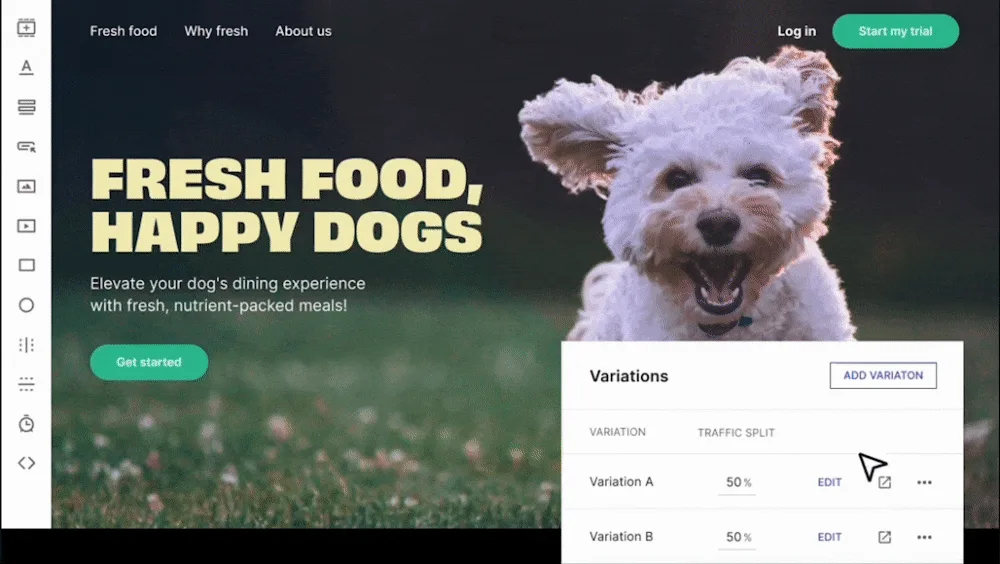
In the contemporary digital landscape, the acquisition of high-quality traffic has become an increasingly expensive endeavor for enterprises across all sectors. As customer acquisition costs (CAC) continue to climb, the efficiency of the landing page—the final destination for most paid advertising campaigns—has transitioned from a marketing preference to a financial necessity. Industry data suggests that while the average conversion rate across industries hovers between 2% and 5%, top-tier performers achieve rates as high as 11% or more. This disparity highlights a critical gap in optimization strategies, where even minor adjustments to page elements can result in significant revenue fluctuations.
The fundamental challenge of digital marketing lies in the alignment of three core components: ad-to-page relevance, offer resonance, and user experience (UX) design. When these elements fail to synchronize, visitors exit the page without taking the desired action, leading to wasted ad spend. To mitigate these losses, sophisticated marketing teams have turned to A/B testing, a scientific methodology designed to isolate variables and identify the specific drivers of user engagement. Rather than discarding underperforming campaigns, organizations are now utilizing data-driven experimentation to refine their existing assets, ensuring that conversion becomes the natural conclusion of the user journey.

The Evolution of Conversion Rate Optimization
The practice of A/B testing has undergone a significant technological evolution over the past decade. In the early 2010s, testing was largely a manual process, requiring significant developer intervention to hard-code variations and manage traffic split logic. As the "No-Code" revolution took hold, platforms began offering visual editors that allowed marketers to make changes without technical expertise.
Today, the industry is entering a third era: the AI-driven experimentation phase. Modern tools no longer just split traffic 50/50; they utilize machine learning algorithms to analyze visitor behavior in real-time and dynamically allocate traffic to the most successful variations. This shift has reduced the time required to achieve statistical significance and has allowed for a more granular approach to personalization.
A/B Testing Methodology and Statistical Rigor
At its core, A/B testing (or split testing) involves comparing two versions of a webpage to see which performs better. Version A is the control (the current design), while Version B is the variation containing one or more changed elements. These elements can range from macro-changes, such as a completely different layout or value proposition, to micro-changes, such as the color of a Call to Action (CTA) button or the phrasing of a headline.
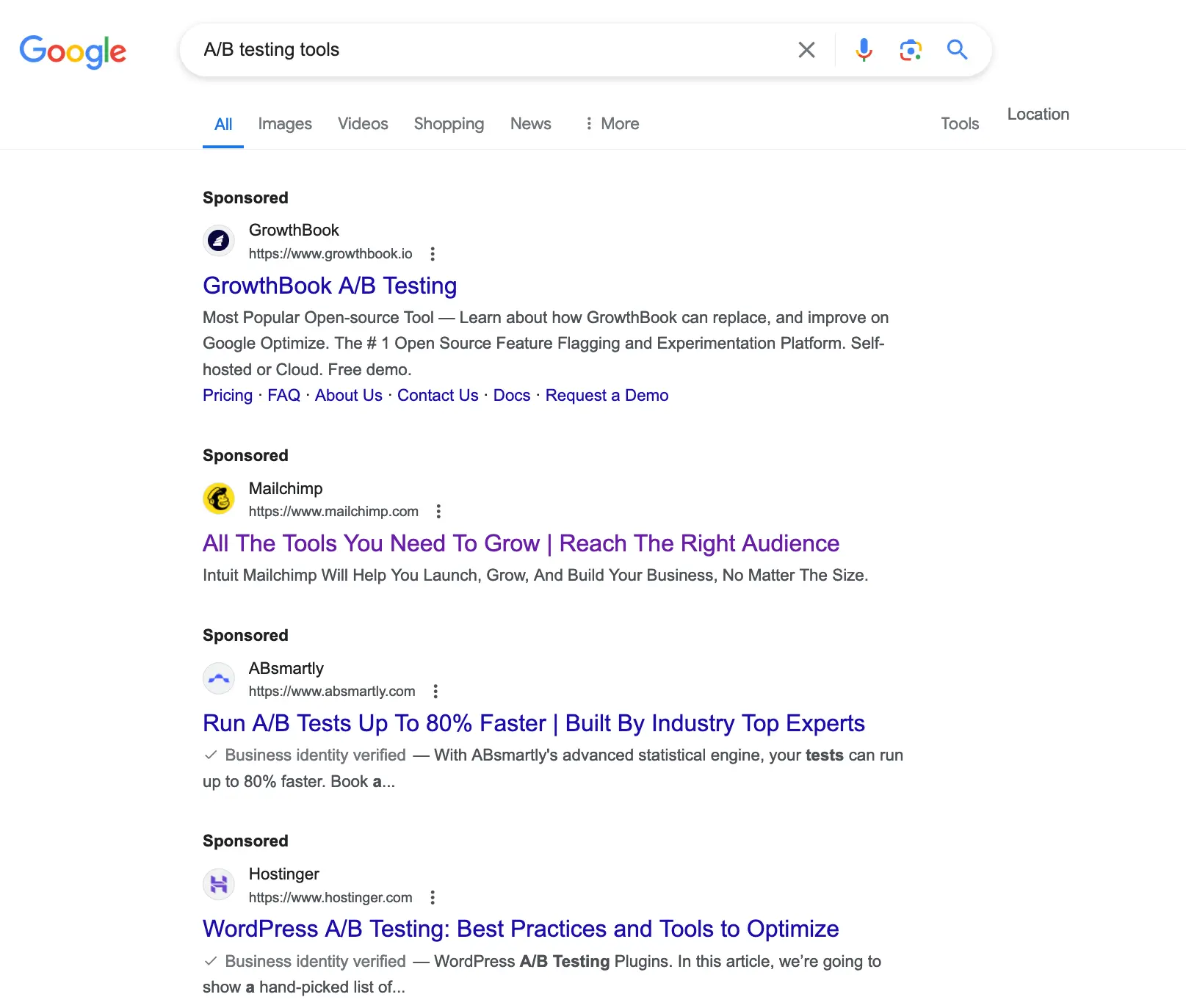
To ensure the validity of a test, marketers must adhere to several technical standards:
- Hypothesis Development: Every test must begin with a clear, data-backed hypothesis (e.g., "Changing the headline to focus on cost-savings will increase sign-ups by 10%").
- Traffic Allocation: Traffic must be split randomly and simultaneously to account for external variables like time of day or seasonal trends.
- Statistical Significance: A test must run until it reaches a confidence level—typically 95%—indicating that the results are not due to random chance.
- Metric Tracking: Beyond the primary conversion rate, secondary metrics such as bounce rate, time on page, and scroll depth provide a holistic view of user intent.
Analysis of Leading A/B Testing Platforms
As the market for optimization tools has matured, several platforms have emerged as leaders, each catering to different organizational needs, from small-scale startups to global enterprises.
1. Instapage: Integrating Design with Server-Side Experimentation
Instapage has positioned itself as a comprehensive solution for marketers who prioritize speed and integration. Unlike traditional tools that function as an overlay on top of existing pages, Instapage provides a unified environment where pages are built, tested, and optimized within the same ecosystem.
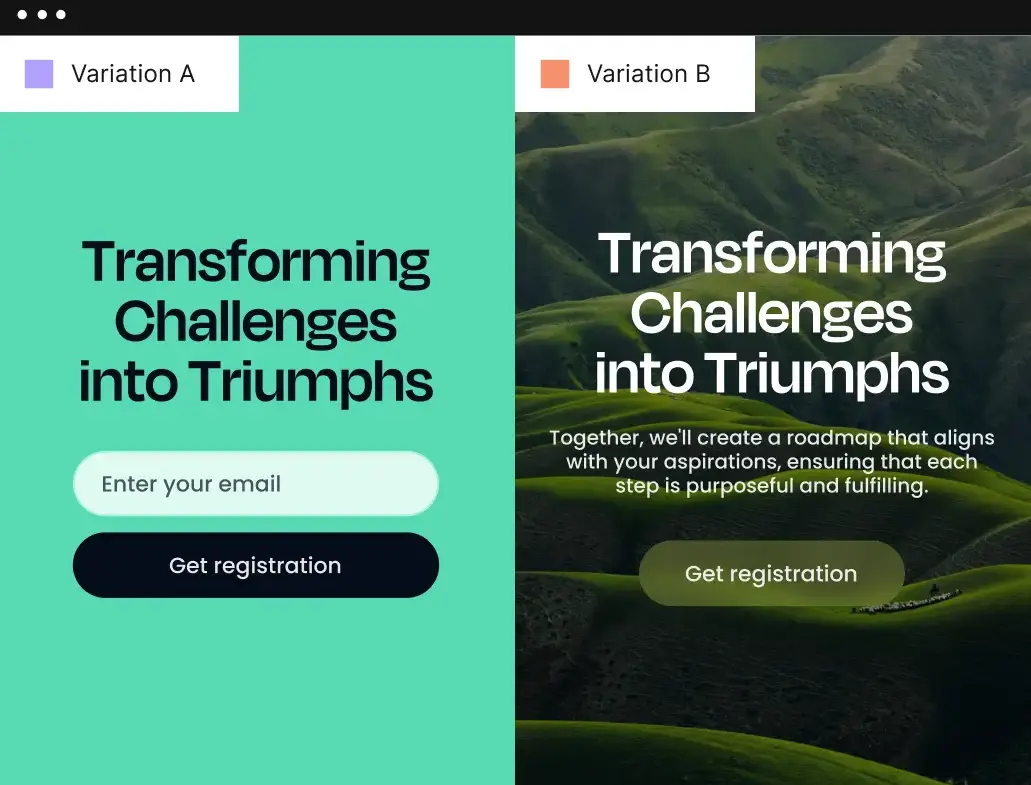
A standout feature of the platform is its "AI Experiments" functionality. This utilizes dynamic traffic allocation, a method that departs from the traditional 50/50 split. As the experiment progresses and the AI identifies a winning variation, it begins to direct a higher percentage of traffic to that version automatically. This minimizes the "regret" of sending potential customers to a lower-performing page during the testing phase.
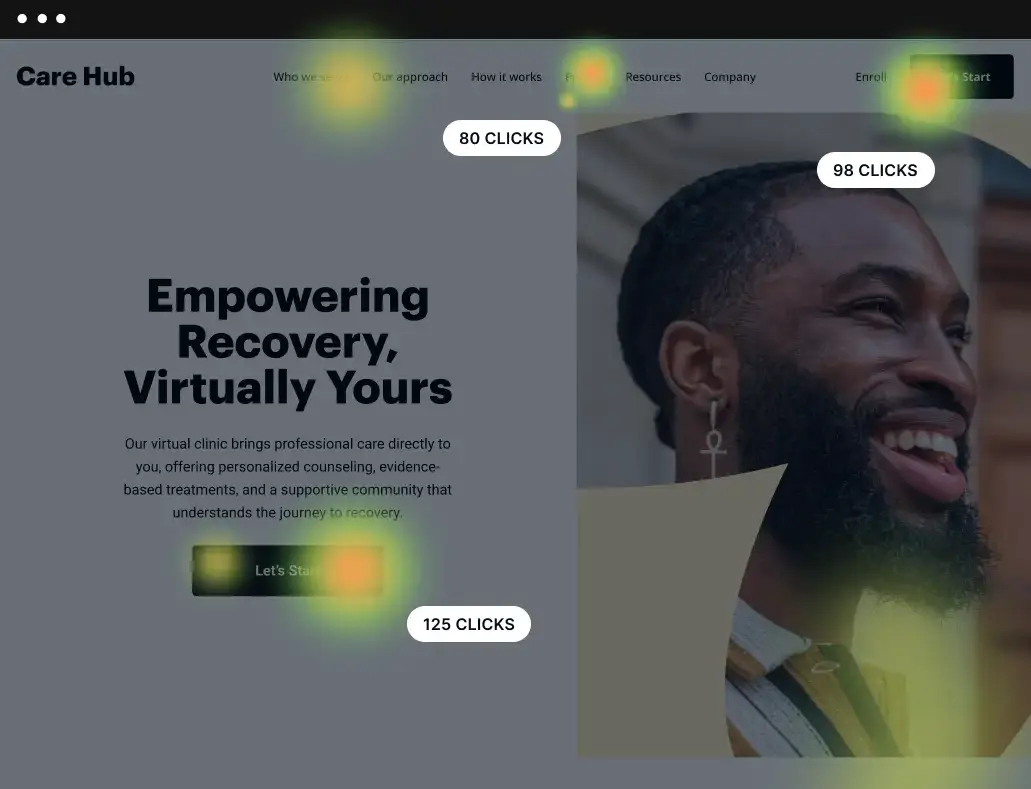
Furthermore, Instapage incorporates server-side experimentation. By conducting tests at the server level rather than the browser level (client-side), the platform eliminates the "flicker effect"—a common issue where the original page is visible for a fraction of a second before the variation loads. This leads to a more seamless user experience and more accurate data collection. The inclusion of heatmaps allows marketers to visualize mouse movements and click patterns, providing the "why" behind the conversion data.
2. VWO: Multi-Metric and Funnel-Wide Optimization
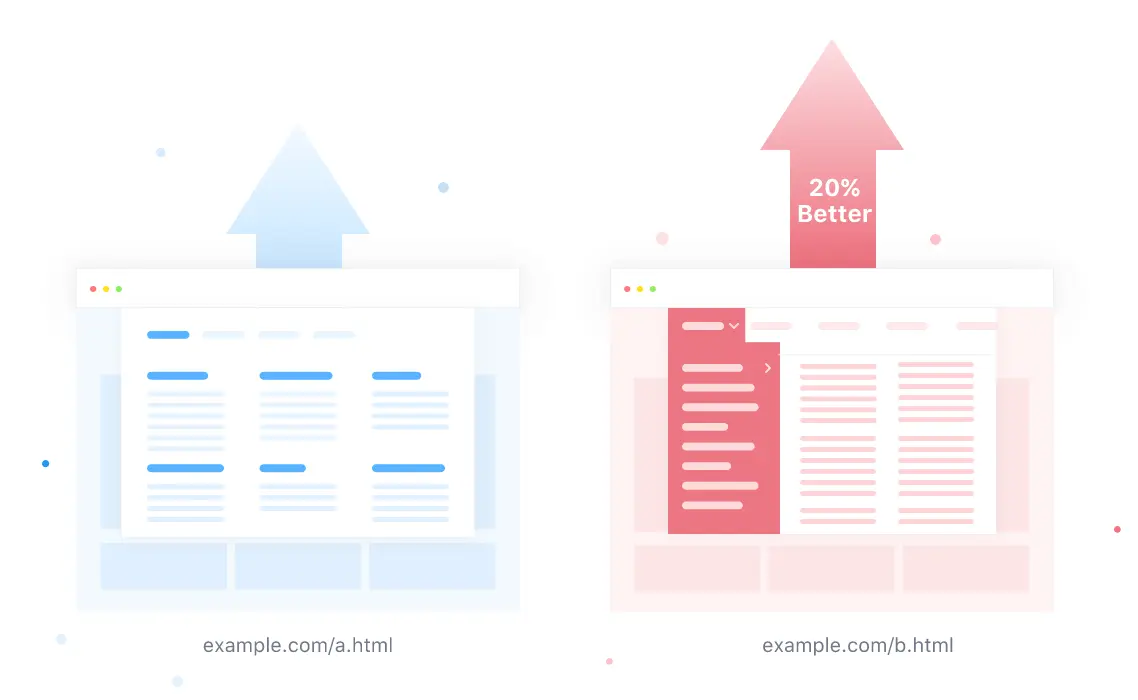
VWO (Visual Website Optimizer) is recognized for its ability to conduct complex split URL tests. This is particularly useful for radical redesigns where Version A and Version B are hosted on entirely different URLs. VWO’s platform is designed for deep funnel analysis, allowing marketers to track how a change on a landing page impacts downstream events, such as a completed purchase or a subscription renewal.
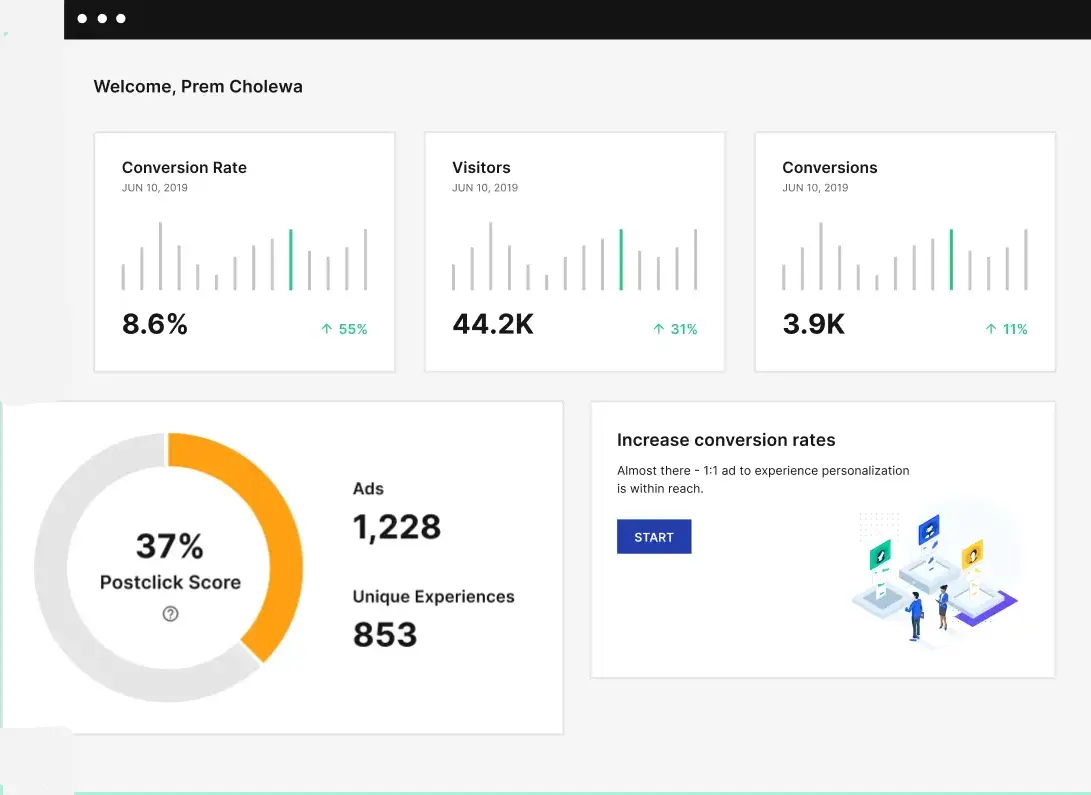
The platform’s Bayesian statistical engine provides a "probability to be best" metric, which simplifies the interpretation of results for non-technical stakeholders. By tracking multiple goals simultaneously, VWO ensures that an increase in one metric (e.g., clicks) does not come at the expense of another (e.g., lead quality).
3. Optimizely: Enterprise-Grade Experimentation and Low-Code Flexibility
Optimizely remains a dominant force in the enterprise sector, offering a high-performance experimentation platform that caters to both technical and non-technical users. Its visual editor is supplemented by extension templates, which allow teams to implement complex experiments without heavy reliance on engineering departments.
Optimizely’s "Web Experimentation" product is built for speed, operating from the network edge to ensure that experiments do not impact page load times—a critical factor in SEO and user retention. The platform also emphasizes "Personalization at Scale," allowing companies to deliver unique experiences to different audience segments based on historical data and real-time behavior.
4. GrowthBook: The Open-Source and Data-Warehouse Centric Approach
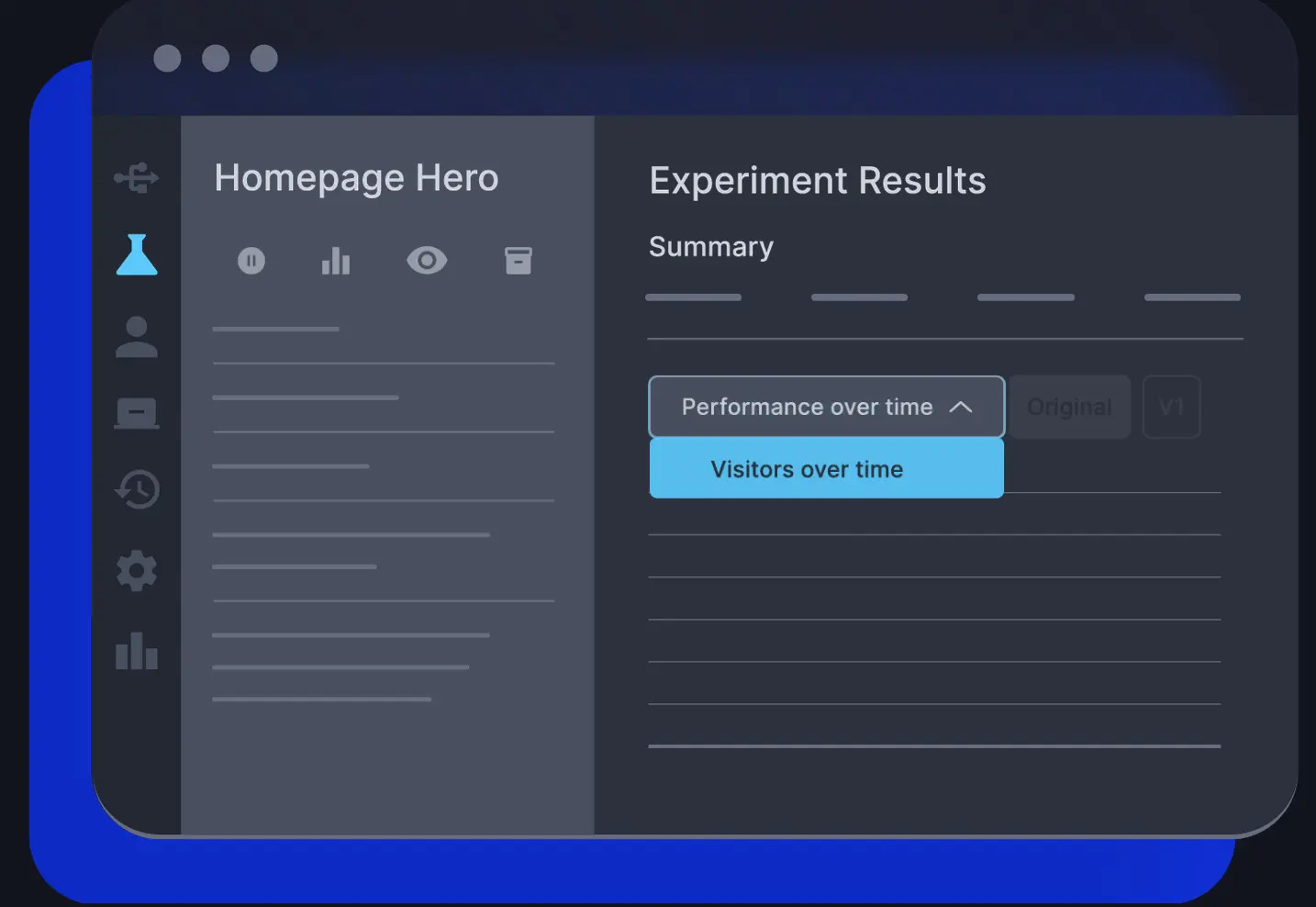
GrowthBook represents a shift toward data sovereignty and transparency. As an open-source platform, it allows companies to run unlimited tests without the per-visitor pricing models common among SaaS competitors. GrowthBook integrates directly with a company’s existing data infrastructure, such as SQL data sources, BigQuery, or Snowflake.
This approach allows data scientists and growth engineers to maintain full control over their experimentation logic. By avoiding "vendor lock-in," organizations can customize their testing frameworks to align with their specific internal KPIs and data privacy requirements.
Case Study: The Financial Impact of Systematic Testing
The efficacy of these tools is best illustrated through real-world applications. Verizon’s Digital Media Services (VDMS) utilized Instapage’s A/B testing features to validate page elements and monitor visitor behavior. By experimenting with multiple variations and leveraging real-time analytics, the team was able to identify high-performing layouts and copy.
The result was a documented reduction in cost-per-conversion of more than 50%. This case study underscores a broader industry truth: optimization is not merely about "polishing" a page; it is about the fundamental restructuring of the unit economics of a marketing campaign. When the cost to acquire a lead is halved, the scalability of the entire business model increases exponentially.
The Future of Optimization: AI and Predictive Analytics
Looking forward, the integration of generative AI is set to further disrupt the A/B testing landscape. Platforms are now incorporating AI-driven copy generation, where the system not only tests headlines but also writes them based on the specific psychographics of the target audience.
Predictive analytics will likely become a standard feature, allowing platforms to forecast the success of a page variation before a single visitor arrives. By analyzing millions of historical data points across various industries, these tools will provide "best-practice" baselines that reduce the initial guesswork in the testing process.
Strategic Implications for Marketing Leaders
For Chief Marketing Officers (CMOs) and digital strategists, the takeaway is clear: A/B testing is no longer a luxury for the "tech-savvy" few; it is a foundational pillar of modern business infrastructure. In an era of tightening budgets and increased competition, the ability to squeeze more value out of existing traffic is a primary competitive advantage.
Choosing the right tool depends on the specific needs of the organization—whether it is the all-in-one convenience of Instapage, the deep analytics of VWO, the enterprise scale of Optimizely, or the data-centric flexibility of GrowthBook. Regardless of the platform, the commitment to a culture of experimentation—where data outranks opinion—is what ultimately drives sustainable growth and higher conversion rates. By systematically identifying what works and, more importantly, what does not, businesses can ensure that every marketing dollar spent is an investment in a proven, optimized outcome.







