rifanmuazin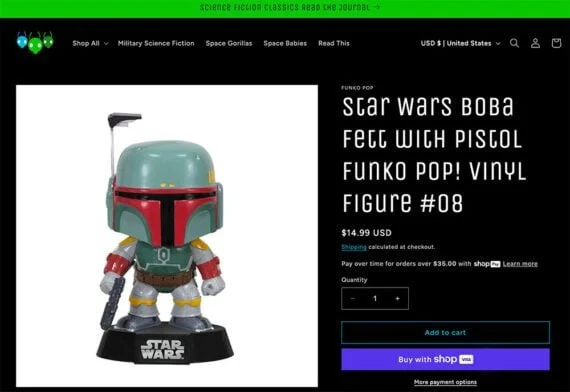
The landscape of e-commerce management is undergoing a profound transformation, driven by the burgeoning capabilities of artificial intelligence. For merchants navigating the complexities of competitive online marketplaces, the ability to automate repetitive tasks is no longer a luxury but a necessity. Among the most revolutionary AI-driven solutions emerging is "vibe coding," a paradigm shift that empowers business owners to create bespoke software applications simply by describing their needs in natural language. This innovation promises to democratize custom software development, offering a powerful alternative to traditional, time-consuming, and expensive methods.
The daily operations of an e-commerce business are inherently demanding. From the meticulous processing of orders and the strategic execution of marketing campaigns to the crucial delivery of customer service, a myriad of tasks requires constant attention. Interspersed within this operational rhythm are numerous repetitive yet vital activities, such as generating comprehensive reports, meticulously monitoring inventory levels, and diligently tracking competitor pricing. Historically, addressing these recurring challenges has presented merchants with a limited set of practical options, each with its own set of drawbacks.
Traditional Approaches to Automation
Before the advent of advanced AI, tackling these persistent, often mundane, tasks typically involved one of the following strategies: manual execution, subscription to third-party Software-as-a-Service (SaaS) solutions, or the significant investment in custom software development.
Manual execution, while seemingly straightforward, is inherently inefficient and prone to human error. For instance, a merchant selling popular collectibles like Funko Pops, where numerous competitors vie for market share, might resort to manually visiting multiple websites to monitor pricing. This process is not only tedious but also incredibly time-consuming, diverting valuable resources from strategic growth initiatives. The sheer volume of data to track and the frequency with which prices can fluctuate make manual monitoring an unsustainable strategy in a dynamic market.
The alternative of utilizing specialized price intelligence tools, such as Prisync, Price2Spy, or Competera, offered a more automated approach. These platforms are designed to aggregate and analyze competitor pricing data, providing merchants with valuable insights to inform their own pricing strategies. While effective, these solutions often come with recurring subscription fees that can add up, especially for smaller businesses. Furthermore, they may offer a standardized set of features, potentially lacking the granular customization that a specific business might require.

The most robust, yet also the most resource-intensive, option has traditionally been hiring a developer to build a custom tool from scratch. This approach offers the ultimate in customization, allowing for the creation of software precisely tailored to a business’s unique needs. However, the cost of hiring skilled developers, the time required for development and iteration, and the ongoing maintenance responsibilities present significant barriers to entry for many small and medium-sized enterprises (SMEs). As an example, a tutorial published in 2015 by Practical Ecommerce demonstrated how to monitor competitor prices using Python and Scrapy, a process that, while educational, required a degree of technical expertise and significant development effort.
The Dawn of AI-Powered DIY Development
The year 2026 has witnessed a dramatic acceleration in the accessibility of custom software development, largely driven by advancements in AI. The concept of building internal tools is not new; indeed, earlier articles have explored methods for achieving this. However, the process has been fundamentally democratized. A follow-up article in February 2026 highlighted how automation platforms and AI were making it "relatively easy to create internal software tools," using the example of competitive price automation on the n8n platform. Since then, platforms like n8n have continued to evolve, integrating more sophisticated web scraping capabilities, robust database functionalities for data storage, and critically, AI chat interfaces. These advancements now allow users to query their data, seeking insights into price changes and historical trends through natural language conversations.
This evolution has paved the way for "vibe coding," a term that encapsulates the process of generating functional software applications by articulating requirements to an AI tool using everyday language. The speed at which AI technology is progressing means that what was considered cutting-edge even a few months ago is now becoming standard. This has prompted a re-evaluation of how readily available and inexpensive tools can address a wide spectrum of retail and e-commerce software needs.
The potential of vibe coding is being realized across various industries. While not exclusively focused on e-commerce or retail, numerous examples of vibe-coded applications are already in production. These applications span diverse functionalities, demonstrating the versatility of this new development paradigm. Examples include:
- Automated Data Entry and Validation: AI tools can be prompted to create systems that automatically extract data from invoices or spreadsheets and populate databases, while also performing checks for accuracy and consistency.
- Custom Report Generation: Merchants can describe the specific metrics and formats they need, and AI can generate tools to produce bespoke reports on sales performance, customer demographics, or inventory turnover.
- Personalized Marketing Outreach: AI can be directed to build tools that segment customer lists based on purchasing behavior and generate personalized email templates or social media content.
- Workflow Optimization: Businesses can outline their internal processes, and AI can create applications to streamline workflows, automate approvals, or manage task assignments.
The "Vibe" of Competitive Pricing
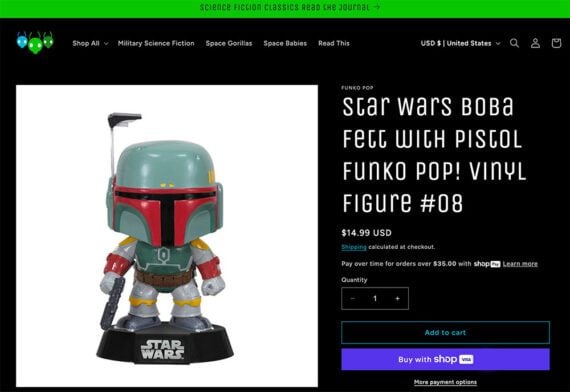
The practical application of vibe coding is perhaps best illustrated by its potential in solving the persistent challenge of competitive price monitoring for e-commerce merchants. Imagine a scenario where a seller specializes in high-demand items like Funko collectibles. The market for such items is intensely competitive, with numerous retailers offering similar products.
Traditionally, staying competitive meant manually checking competitor websites, a process that is both labor-intensive and prone to delays. While price intelligence tools offer a more automated solution, they often represent a recurring cost. Vibe coding offers a compelling alternative by enabling merchants to build their own, customized price intelligence tools with unprecedented ease and affordability.
The process can be initiated by interacting with readily available AI tools such as Claude, ChatGPT, or similar platforms. A merchant could begin by simply typing a prompt like, "Make me a price intelligence tool for e-commerce." What follows is an iterative conversation with the AI. The AI will then begin to generate and refine prototypes based on the merchant’s feedback, gradually molding the application to meet specific requirements. To optimize this process and potentially reduce the AI credits consumed, it is often beneficial to plan the application’s architecture and functionalities in advance, either with a separate AI or within a dedicated planning mode offered by some vibe coding platforms.
For a comprehensive example, the author utilized ChatGPT to develop a detailed and concise prompt for Replit, a platform recognized for its vibe coding capabilities. While Replit offers its own planning mode, using a separate AI like ChatGPT for initial prompt generation can lead to a more structured and well-defined input. The initial input provided to ChatGPT was extensive, encompassing critical details such as:
- Target Product: Clearly defining the product category, in this case, Funko collectibles.
- Competitor Websites: Specifying the key online retailers to monitor, such as Amazon, Walmart, Entertainment Earth, and Science Fiction Classics.
- Data Points to Track: Detailing the essential information to collect, including current price, historical pricing data (e.g., 90-day history), product availability, and links to product pages.
- Alerting Mechanisms: Defining conditions for price change alerts, such as a notification if a price deviates by more than 20% within a specified timeframe.
- User Interface Requirements: Outlining the desired layout and features of the application, including a dashboard for price history, a table for daily price comparisons, and a log for tracking scraping activities and errors.
- Technology Stack Preferences (Optional but helpful): While AI can often infer this, specifying preferred programming languages or frameworks can guide the AI’s output.
- Deployment and Hosting: Clarifying how the application should be deployed and hosted, whether as a web application or a desktop tool.
The Creation Process: From Prompt to Production
Based on this detailed initial input, ChatGPT generated a comprehensive vibe-coding prompt. This prompt was then reviewed, with specific questions asked and modifications requested to refine the plan. The finalized prompt was then fed into Replit, the vibe coding AI in this particular example.
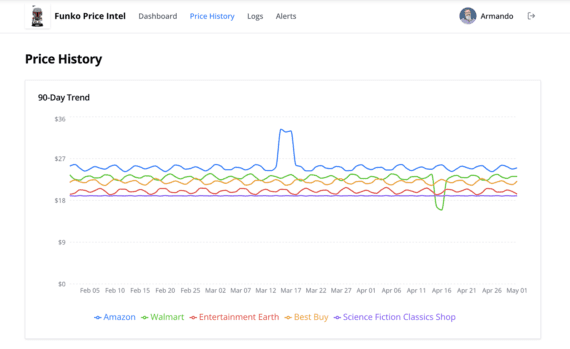
The results were remarkably swift. Replit took just 18 minutes to construct the initial version of the price-comparison application, aptly named "Funko Price Intel Tool." This tool was designed to provide a hypothetical 90-day price history for Funko collectibles across the specified e-commerce platforms.
The functionalities of the generated tool included:
- Price History Graph: A visual representation of price fluctuations over the past 90 days, offering a clear overview of pricing trends.
- Daily Price Table: A detailed table showcasing the price of each item at each monitored retailer during every data collection cycle. This provides granular insight into price movements.
- Price Fluctuation Alerts: A dedicated field within the interface to display a message if a product’s price moved more than 20% within a given period, drawing immediate attention to significant changes.
- Product Page Links: Direct links to the respective product pages on each competitor’s website, enabling quick access for further investigation or direct purchasing.
- Scraping Log: A dedicated tab meticulously recording each scraping event, including any errors encountered during the data collection process. This is crucial for troubleshooting and ensuring the reliability of the data.
Upon initial testing, the "Funko Price Intel Tool" proved to be functional and delivered on its intended purpose. This demonstration underscores the power of vibe coding: a merchant with a clear vision and the ability to articulate it can now create custom software solutions that were once the exclusive domain of professional developers. The implication is that nearly any merchant can replicate this process, tailoring tools to their specific operational needs.
The Broader Impact of Vibe Coding
While vibe coding does not negate the value of established SaaS tools or the expertise of professional developers, it significantly alters the landscape for automating routine, repetitive tasks. For mission-critical systems that demand the highest levels of reliability, security, and performance, traditional development and specialized SaaS solutions will likely remain the preferred choices. However, for the vast majority of day-to-day operational challenges that plague e-commerce businesses, vibe coding offers an accessible, cost-effective, and remarkably efficient solution.
The implications of this technological shift are far-reaching. It democratizes access to custom software, leveling the playing field for smaller businesses that may lack the financial resources to invest in traditional development. This empowers entrepreneurs to innovate more rapidly, adapt to market changes with greater agility, and gain a competitive edge through tailored technological solutions. The ability to quickly prototype and deploy custom tools means that businesses can experiment with new strategies, refine their operations, and respond to customer demands with unprecedented speed.
As AI continues its rapid evolution, the capabilities of vibe coding are only expected to grow. We can anticipate more sophisticated AI models that can handle even more complex requirements, generate more robust and scalable applications, and offer deeper insights into data. The future of e-commerce development is increasingly intertwined with the accessibility and power of AI, and vibe coding stands at the forefront of this exciting new era, transforming how businesses build and leverage technology to thrive in the digital marketplace.