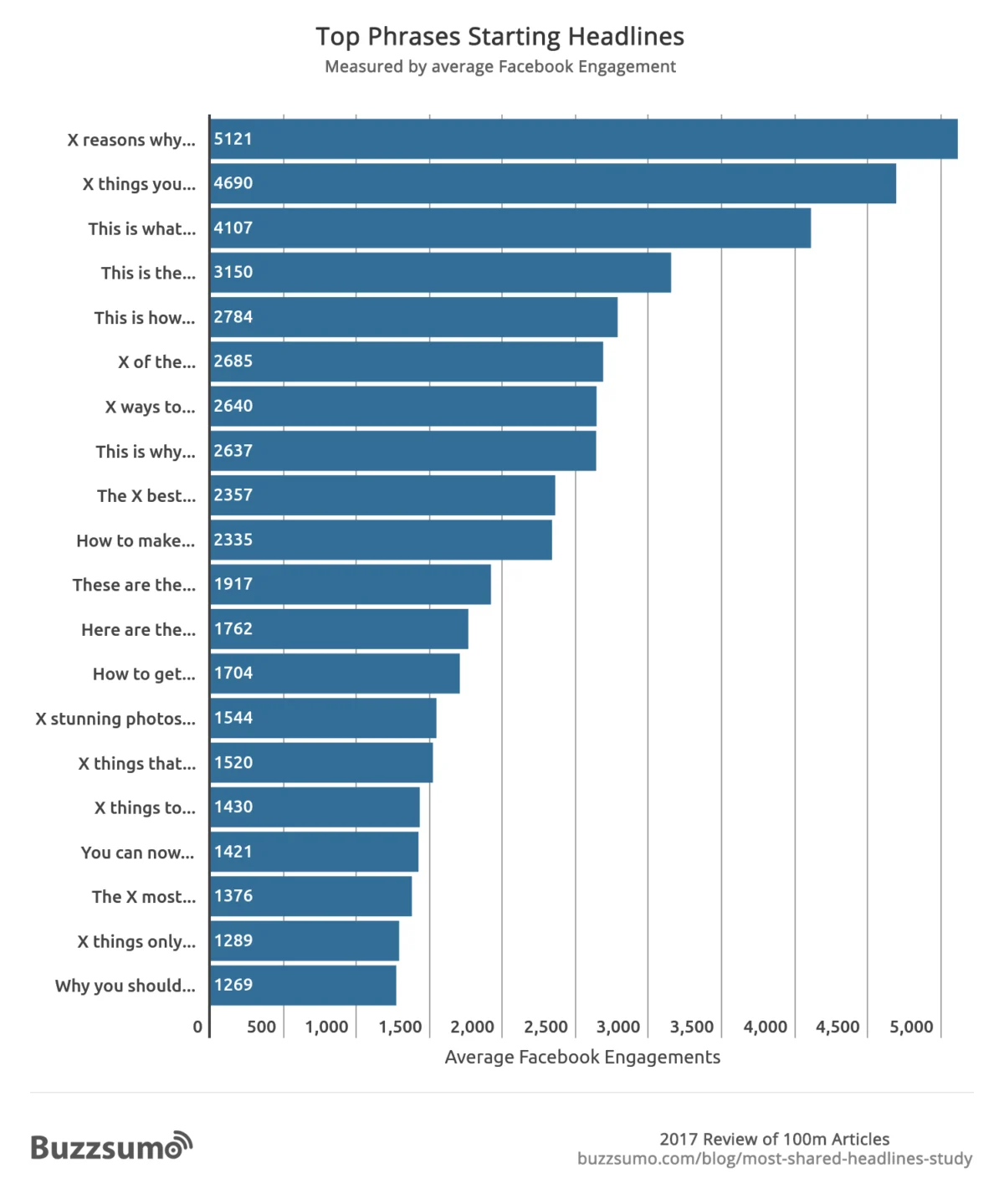
A comprehensive analysis of 100 million article headlines, spanning content from 2019-2020 and benchmarked against a similar 2017 study, reveals a dramatic evolution in what captures audience attention on major social media platforms like Facebook and Twitter. The research, conducted by BuzzSumo, underscores that a headline is far more than just a title; it is a critical engagement point, functioning as a subject line, tweet, video title, or H2, designed to connect with an audience. However, crafting an effective headline in today’s digital landscape is increasingly challenging due to the pervasive influence of algorithms, fierce competition for attention, and heightened audience expectations.
Methodology and Scope of the Study
Inspired by BuzzSumo co-founder Steve Rayson’s influential 2017 study on most-shared headlines, the latest research delved into the vast BuzzSumo index to analyze a staggering 100 million headlines from 2019-2020. This extensive dataset allowed for a robust comparison with the previous findings, illuminating significant shifts in audience preferences and platform dynamics. To provide further depth and practical insights, industry-leading marketing experts were consulted for their perspectives on the findings. The insights generated are particularly relevant for publishers and content creators aiming to optimize their content for maximum engagement on Facebook and Twitter.
The Modern Headline Formula: Length and Numbers
Contrary to outdated advice advocating for extremely short headlines, the 2019-2020 study found that the ideal headline length for top-performing content on Facebook and Twitter is 11 words and 65 characters. This marks a notable decrease from the 2017 study, which identified an optimal length of 15 words and 95 characters, indicating a trend towards snappier, more concise communication. This reduction by approximately four words and 30 characters reflects a broader societal demand for information that is both specific and quickly digestible in an era of content overload.
When it comes to incorporating numbers into headlines, the research highlights a "magic number": 10. Beyond this, single-digit numbers, particularly those between three and ten, consistently drive the most social media engagement. These numbers occupy the top seven positions for most-shared headlines on both platforms. Interestingly, the study found no strong preference for odd or even numbers, with both appearing frequently among the top five most shared headlines. The diminishing appeal of larger numbers like 15 and 20 suggests that audiences now prefer shorter lists, emphasizing speed to insight.
The Great Shift: From Emotional Appeals to Informative Directness (2017 vs. 2020)
One of the most profound revelations of the updated study is the dramatic shift in effective headline language since 2017. The previously dominant emotional and sensational phrases that fueled engagement on Facebook have largely vanished.
-
Demise of Emotional Clickbait: In 2017, phrases such as "will make you," "tears of joy," and "melt your heart" were highly effective, often preceding emotional promises like "This story will make you cry." The top phrase, "will make you," once garnered an average of 8,691 shares, with leading headlines achieving 1.7 million shares. In the 2019-2020 analysis, overtly emotional or sensational headlines were scarce. "In love with" was the only explicitly emotional trigram found in the top 60, ranking 55th with a mere 1,723 average shares. The "will make you" trigram, once king, now sees its top headlines achieving only 143,000 shares—a stark decline. While exaggerated phrases like "one of the most beautiful" can still work if they genuinely reference exceptional content, the era of explicit emotional manipulation in headlines appears to be over. This change is directly attributable to Facebook’s algorithm update on May 17, 2017, which began demoting clickbait content that exaggerated story details or withheld information.
-
Farewell to Quizzes and Tribal Content: Headlines centered around quizzes ("Can we guess your real age?") and tribal identity ("25 Things Only Teachers Will Understand") were also prominent in 2017. These formats, which appealed to a sense of inclusivity and self-discovery, have largely fallen out of favor. The 2019-2020 study found these types of headlines to be rare, signaling a more mature and discerning audience preference, coupled with algorithmic adjustments.
-
Near-Total Overhaul of Top Phrases: The extent of this transformation is striking: on Facebook, there is a 100% difference between the top 20 headline phrases in 2017 versus 2020. On Twitter, only two of the most popular headline phrases from 2017 remained relevant in the updated analysis. This radical change is primarily attributed to algorithmic maturity, evolving audience preferences, and shifts in the publisher landscape. Social media platforms have refined what content they promote, and audiences have, in turn, become more sophisticated in their consumption habits.
The Evolving Publisher Landscape and Content Trust
The dramatic shift in headline effectiveness also reflects significant changes in the digital publishing ecosystem. Facebook, in particular, has actively sought to combat misinformation and promote authoritative content. On January 19, 2018, Facebook announced it would prioritize news from "trustworthy sources." This was further refined on June 30, 2020, to emphasize original and authoritative news reporting.
This preferential treatment of established news publishers is evident in the analysis of top domains. While specific data for 2017 publishers isn’t detailed in the provided text, the 2019-2020 Facebook data highlights a dominance of traditional news outlets like cnn.com, dailymail.co.uk, nbcnews.com, washingtonpost.com, cbsnews.com, and time.com among the most shared headlines. This shift ensures that current headline findings are rooted in content from more reliable sources, instilling greater confidence for publishers looking to apply these research results.
Key Findings: The Modern Headline Formula (2019-2020) – In Detail
Facebook Engagement: Instructional and Hyperbolic Reigns
On Facebook, the analysis of three-word phrases (trigrams) revealed specific patterns for high engagement:
- "Of the year" and "in X years" topped the charts. "Of the year" headlines often pertained to rankings and awards (e.g., "Person of the Year"). "In X years" frequently appeared in phrases like "for the first time in X years," emphasizing newness or generating surprise at the duration of a rare event. This combination of the second, third, and fourth most popular trigrams ("in X years," "for the first," "the first time") showcases the power of novelty.
- Instructional Headlines: These proved to be exceptionally powerful. Phrases involving modal verbs and direct commands like "you need to," "you should," and "need to know" comprised 13 of the top 60 most engaging Facebook headlines. These phrases invoke a sense of FOMO (Fear Of Missing Out) and place direct responsibility on the reader, promising essential, concise information. Examples include "Everything you need to know about washing your hands…"
- Hyperbole: Exaggerated statements using superlatives like "one of the most," "of the most," and "of the best" continue to drive engagement. While distinct from the overtly emotional headlines of 2017, this hyperbole focuses on highlighting exceptional content. Phrases like "One of the most important" or "X of the greatest" are common.
- Other Themes: Ranking, Newness, Surprise, Curiosity (revealing, explaining, analyzing, listicles, questions), Guidance ("How to"), and Story (case study-like narratives) were also significant categories.
Starting and Ending Strong on Facebook:
- Starting Phrases: Listicles (headlines beginning with a number) are highly effective, offering specific information and actionable takeaways. Instructional phrases ("X things to," "everything you need") and curiosity-driven phrases ("X reasons why," "what is the") are also strong openers. When extending the analysis to the top 60 phrases, "how to" (guidance) headlines were the most popular starting type, indicating a strong audience desire to learn.
- Starting Words: Beyond the ubiquitous "The," words like "new" and "how" were highly engaging, reflecting the preference for fresh content and instructional guidance.
- Ending Phrases: Time-centric phrases dominated, particularly those related to "2020" and "2021," reflecting a focus on current events and recent developments, likely driven by the pandemic’s impact. Numbers ending headlines often induced surprise or highlighted speed to insight (e.g., "in just 5 minutes"). Furthermore, phrases related to "social media" were effective when turning trending conversations into widely shared content, creating a "content-conversation loop."
Twitter Engagement: Research, Reactivity, and the Future
Twitter audiences exhibit distinct preferences compared to Facebook:
- "Future of" Dominates: The phrase "future of" was the most engaging trigram on Twitter, averaging 45 shares. This indicates a strong interest in forward-looking analysis and predictions. This phrase also frequently started Twitter headlines.
- Research and Reports: Starting words like "study" and "report" were particularly effective, suggesting that Twitter is an ideal platform for sharing research-backed content.
- Immediacy and Reactivity: Ending phrases on Twitter were overwhelmingly time-centric, with "2020" and other date-specific terms appearing in the top eight. This highlights Twitter users’ appetite for current affairs and real-time developments. At least 13 of the top 20 ending bigrams emphasized immediacy.
Bridging the Platforms: Crossover Strategies
Despite their differences, some headline strategies successfully cross over. The study found eight of the top 20 headline phrases to be identical on both Facebook and Twitter, a significant increase from just one shared phrase in 2017. Similarly, 10 (25%) of the top starting phrases were effective on both platforms. This suggests that certain universal appeals, often instructional in nature (e.g., "need to know," "what to do"), can entice shares regardless of the network.
However, a critical distinction remains: the most shared headline phrase on Facebook garnered 590 times more average shares than the most shared phrase on Twitter. This vast difference underscores that while some overlap exists, a tailored approach to headline writing for each platform remains crucial.
Expert Perspectives on Headline Dynamics
Leading marketing experts weighed in on these transformative findings:
- Heidi Cohen, Chief Marketing Officer at Actionable Marketing Guide, emphasized that the research reflects three key customer behavior changes due to the pandemic: increased content consumption, a desire for "need-to-know" information, and a search for expert guidance. She advises marketers to focus on core marketing basics and continually engage with customers to understand their evolving needs.
- Rand Fishkin, Founder of SparkToro, highlighted the study’s value in contrasting past and present headline effectiveness. He noted that the research debunks myths around clickbait, emotional triggers, and quizzes, providing nuanced insights into what genuinely works today.
- Ross Simmonds, Founder of Foundation, found the success of instructional copy ("you need to," "you should") particularly fascinating, suggesting it reflects a broader adoption of "click-friendly" approaches and the human desire not to miss out on important information.
- Brian Dean, Founder of Backlinko, observed that the dominance of instructional headlines on Facebook marks a significant shift from the "BuzzFeed-style clickbait" of the past. He believes this indicates that Facebook users now expect content that teaches them something new.
- Amanda Milligan, Marketing Director at Fractl, connected the rise of instructional headlines to a growing desire to learn from experts. She posited that this language ("everything you need," "why you should") inherently demonstrates authority, encouraging brands to leverage their expertise.
Implications for Content Creators
The comprehensive data from 100 million headlines offers invaluable guidance for content creators in any field. The key takeaway is not simply to copy and paste popular phrases, but to understand the underlying principles of engagement.
To write more effective headlines:
- Be Specific and Detailed: Headlines should reveal enough detail to draw readers in, rather than being overly cryptic.
- Promise a Benefit: Clearly articulate what the reader will gain from clicking, whether it’s new knowledge, an emotional experience (within credible bounds), or a solution to a problem.
- Evoke Curiosity (Carefully): Spark intrigue without resorting to clickbait that withholds crucial information, as platforms actively demote such tactics.
- Consider the Platform: While some strategies overlap, tailor headlines to the distinct preferences of Facebook (instructional, hyperbolic, trustworthy news) and Twitter (research, current affairs, future-oriented).
- Embrace Numbers Strategically: Use numbers like 10, or single digits (3-10), for listicles, focusing on speed to insight. Avoid larger, more overwhelming lists.
- Leverage Authority: Employ instructional language and highlight expertise to build trust and demonstrate value.
- Test and Adapt: Continuously analyze what resonates with your specific audience, topics, and social networks, as the digital landscape remains in constant flux.
In an environment where content volume has increased by 64% since 2016, leading to significant content overload, snappier, more direct, and highly informative headlines are paramount. The ability to grab attention quickly and deliver on a clear promise is the cornerstone of effective digital communication today.
Methodology Note and Future Research
The BuzzSumo study meticulously cleaned its data, including only one headline trigram/phrase per domain to prevent popular sites from skewing results. It measured engagement by average median shares. The original 2017 research, led by Steve Rayson, and the painstaking data collection by Henley Wing Chiu, Co-Founder and CTO of BuzzSumo, laid the groundwork for this updated analysis. This research primarily focused on consumer content. BuzzSumo also conducts separate, more specialized research on B2B content marketing headlines, which has shown distinct differences, particularly for platforms like LinkedIn, where shorter headlines are generally more effective.