

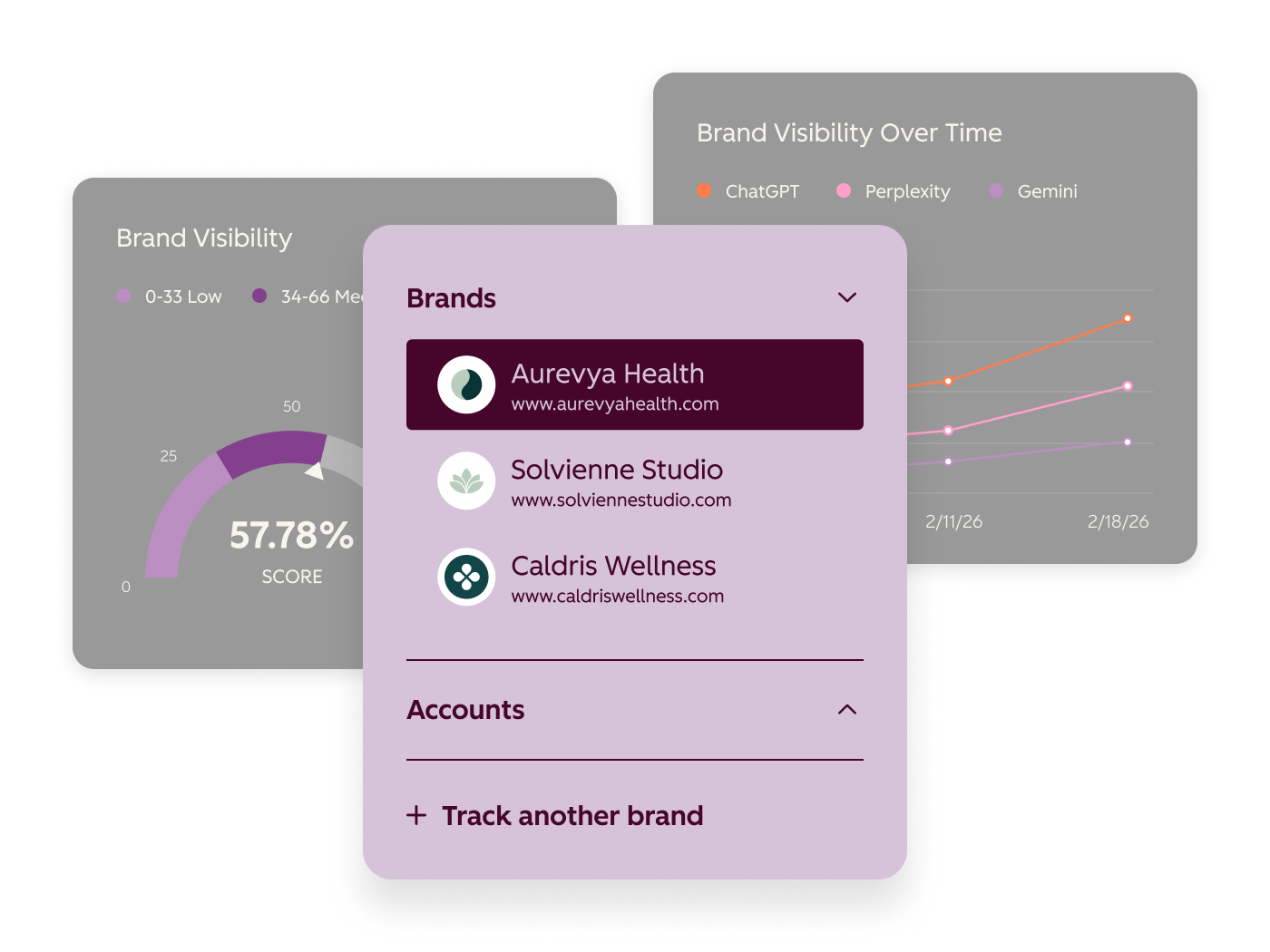
As the digital landscape undergoes a profound transformation, the way consumers discover information and make purchasing decisions is rapidly evolving. A growing number of buyers are now bypassing traditional search engines, opting instead to consult conversational AI platforms such as ChatGPT, Google Gemini, or Perplexity for direct recommendations and answers. This significant shift has compelled marketers to recognize the imperative for a new generation of tools capable of illustrating how their brand is represented in AI-generated responses and, crucially, what actions can be taken to optimize this presence. Leading this charge are HubSpot AEO and Ahrefs Brand Radar, two innovative solutions designed to address this emerging need. While both aim to provide visibility into brand performance within AI environments, their methodologies and integrated workflows diverge meaningfully, making the selection largely dependent on an organization’s specific post-data requirements.
The Paradigm Shift: From SEO to AEO
The advent of sophisticated large language models (LLMs) and their integration into public-facing platforms marked a pivotal moment in digital consumption. Following the widespread adoption of tools like ChatGPT, which launched in late 2022 and quickly amassed millions of users, the digital ecosystem began to recalibrate. Users found value in receiving concise, synthesized answers directly from AI, rather than sifting through numerous search results. This behavioral change heralded the rise of "Answer Engine Optimization" (AEO), a discipline distinct from traditional Search Engine Optimization (SEO). While SEO focuses on ranking content in web search results, AEO concentrates on ensuring a brand’s accurate, positive, and prominent representation within AI-generated answers.
For years, SEO has been the cornerstone of digital marketing, with tools like Ahrefs playing a critical role in analyzing backlinks, keywords, and organic traffic. However, the move towards AI-powered search introduces new variables: how AI models source information, the sentiment they convey about brands, and the directness of their recommendations. This necessitates specialized monitoring and optimization capabilities, prompting companies like HubSpot, known for its comprehensive marketing and CRM platform, and Ahrefs, a stalwart in SEO analytics, to develop bespoke solutions. The challenge for marketers today is not just to be found, but to be recommended by AI.
Emergence of Specialized Tools for AI Visibility
The rapid evolution of AI search engines created an immediate demand for tools that could track and analyze brand mentions within these new interfaces. Companies recognized that traditional web analytics or SEO tools were insufficient to gauge performance in a conversational AI context. This led to a swift development cycle for dedicated AEO platforms. HubSpot, leveraging its integrated Marketing Hub, introduced HubSpot AEO, emphasizing a seamless workflow from insight to content creation. Concurrently, Ahrefs, building upon its extensive data infrastructure, launched Brand Radar, positioning it as a comprehensive monitoring solution with broad platform coverage. This parallel development highlights the urgency and strategic importance placed on adapting to the AI search paradigm by industry leaders.
HubSpot AEO: The Integrated Workflow Champion
HubSpot AEO is engineered to track a brand’s visibility across key AI platforms—specifically ChatGPT, Gemini, and Perplexity—and critically, it integrates this data directly with HubSpot’s content creation and management tools. The primary differentiator lies in its workflow efficiency. When HubSpot AEO identifies a visibility gap or an opportunity, marketers are not required to export data or switch between multiple applications. Instead, the platform offers prioritized recommendations and facilitates immediate action within the HubSpot ecosystem. This could involve drafting a new blog post, updating existing web pages, or scheduling a LinkedIn update, all managed from a unified interface.
The integration with HubSpot’s Customer Relationship Management (CRM) system further enhances its utility. Rather than requiring manual input of prompts to monitor, HubSpot AEO intelligently suggests relevant prompts based on the business’s existing data, including customer interactions, competitive landscape, and product information. This CRM-driven approach ensures that the tracked queries are pertinent to the business’s strategic objectives from the outset, significantly reducing setup time and enhancing the relevance of insights. Industry analysts suggest that this deep integration is particularly appealing to marketing teams seeking to streamline operations and minimize tool sprawl, ensuring that AEO efforts are directly aligned with broader marketing campaigns and customer engagement strategies.
Ahrefs Brand Radar: Data Breadth and Monitoring Prowess
Ahrefs Brand Radar approaches AI visibility as a natural extension of Ahrefs’ established strengths: extensive data collection, broad platform coverage, and a monitoring-first philosophy. This tool boasts tracking capabilities across seven distinct AI platforms, including AI Overviews, AI Mode, ChatGPT, Perplexity, Microsoft Copilot, Gemini, and Grok—a wider array than many competitors. Its prompt database is exceptionally robust, comprising 406 million monthly queries derived from actual user searches, which provides a highly authentic representation of user intent and interaction with AI. This expansive data set allows brands to gain a thorough understanding of their mentions, competitive standing, and the specific sources influencing AI citations.
Ahrefs Brand Radar also incorporates visibility tracking on other significant digital surfaces, such as YouTube, Reddit, and TikTok (currently offered in beta), providing a more holistic view of brand presence beyond pure AI answer engines. This multi-surface tracking is invaluable for brand teams seeking to understand the complete ecosystem of content that might influence AI-generated responses. For teams deeply embedded in the Ahrefs suite, Brand Radar also offers an MCP server, enabling direct querying of Ahrefs data within conversational AI tools like Claude or ChatGPT, further enhancing data utility for those already accustomed to Ahrefs’ comprehensive data insights. Experts in SEO emphasize that Brand Radar’s strength lies in its ability to provide a panoramic, data-rich view for teams that prioritize extensive monitoring and integrate this data into their existing, often sophisticated, SEO workflows.
Feature Showdown: A Detailed Comparison
![HubSpot AEO vs. Ahrefs Brand Radar: Features compared [2026]](https://53.fs1.hubspotusercontent-na1.net/hubfs/53/hubspot-aeo-vs-ahrefs-brand-radar-1-20260805-255574.webp)
The choice between HubSpot AEO and Ahrefs Brand Radar often hinges on a granular comparison of their core features and how these align with an organization’s operational needs.
AI Engine and Prompt Coverage: This represents one of the most significant distinctions. HubSpot AEO focuses on the three dominant conversational AI platforms: ChatGPT, Gemini, and Perplexity, which collectively account for a substantial portion of current AI search volume. However, businesses operating in niches where Microsoft Copilot (prevalent in enterprise and productivity environments), Google AI Overviews, Google AI Mode, or Grok are critical may find HubSpot’s coverage limited. Ahrefs Brand Radar, conversely, offers tracking across all seven aforementioned platforms, providing a broader, more comprehensive view for brands requiring extensive reach. On the prompt front, HubSpot leverages its CRM data for intelligent prompt suggestions, offering a tailored starting point. Ahrefs, with its vast 406 million monthly prompt database derived from real queries, offers unparalleled breadth, though custom prompt limits vary by plan, from 5 on Lite to over 2,500 on Enterprise standalone.
Citations, Sources, and Sentiment Analysis: Both tools provide crucial citation analysis and sentiment tracking, but their presentation and depth vary. HubSpot AEO details which domains, URLs, and content types (e.g., owned content, competitor content, third-party, social, affiliate; blog, news, product) drive AI mentions. Its sentiment analysis provides a quantifiable score (-100 to +100), offering a clear indicator of the quality of mentions. Ahrefs Brand Radar extends its citation tracking to include YouTube, Reddit, and TikTok, providing a more complete picture of social and video mentions that can influence AI responses. For brand teams needing to understand every touchpoint impacting their AI presence, Brand Radar’s multi-surface tracking offers a distinct advantage.
Historical Data and Reporting Integration: Understanding trends is vital for strategic adjustments. HubSpot AEO tracks brand visibility scores over time across each AI engine and directly links this data to broader campaign metrics within its platform. This integrated approach allows marketers to directly correlate AEO improvements with specific content initiatives or marketing campaigns, providing a clear line of sight on impact. Ahrefs Brand Radar also provides historical trend data across its wider array of engines. Its integration with the broader Ahrefs suite allows users on full Ahrefs plans to layer AI visibility trends alongside traditional SEO metrics—such as organic traffic, backlinks, and keyword rankings—creating a unified dashboard for overall search performance.
Actionability and Content Workflow: From Insight to Shipped Content: This is arguably where the tools diverge most significantly and should heavily influence purchasing decisions. HubSpot AEO excels in translating insights into actionable steps. When a visibility gap is identified (e.g., a competitor frequently appears for a critical prompt where your brand is absent), the tool provides a prioritized recommendation, such as "write a blog post targeting this prompt," "update an existing page," or "publish a LinkedIn post." This direct path from data to a clear, executable next step is a core strength. Because HubSpot AEO is native to Marketing Hub, these actions can often be executed without leaving the platform, streamlining the content creation, publishing, and measurement cycle.
Conversely, Ahrefs Brand Radar provides the same critical visibility gap data, but the onus of translating that insight into action falls squarely on the user. Marketers will need to integrate this information into their existing content workflow, develop a brief, assign tasks, and track progress using their own separate systems. While this offers flexibility for teams with established, robust content workflows, it introduces friction for those seeking a more integrated solution or aiming to consolidate their tech stack. For teams still developing or refining their content operations, HubSpot’s integrated approach offers a significant time-saving advantage.
Strategic Considerations: Pricing and Ecosystem Fit
The pricing structures and intended ecosystem integrations of HubSpot AEO and Ahrefs Brand Radar cater to different organizational needs and existing tech stacks.
HubSpot AEO Pricing: HubSpot AEO starts at $50/month (or $45/month annually), offering coverage for ChatGPT, Gemini, and Perplexity, along with brand visibility, sentiment analysis, CRM-powered prompt suggestions, competitor analysis, and prioritized recommendations. A significant advantage is a free 28-day trial, allowing users to experience real data without a credit card commitment. For organizations already invested in the HubSpot ecosystem, AEO is also available as part of "HubSpot for Marketers" (Marketing Hub + Content Hub), starting at $900/month, integrating AEO capabilities with a comprehensive suite of marketing, content, and social tools. This model is attractive to businesses seeking an all-in-one marketing platform.
Ahrefs Brand Radar Pricing: Ahrefs Brand Radar offers both standalone and bundled pricing, without free trials or discounts. Standalone Brand Radar, which includes an Ahrefs Free account, ranges significantly, with higher tiers offering increased custom prompt limits and other features. When bundled with full Ahrefs plans (Lite, Standard, Advanced, Enterprise), Brand Radar is included, making the incremental cost minimal for existing Ahrefs subscribers. The pricing narrative clearly indicates that if a company is already deeply integrated into the Ahrefs ecosystem, adding Brand Radar is a logical and cost-effective extension. However, for a new entrant seeking a standalone AEO tool with comprehensive platform coverage, the higher entry price for standalone Brand Radar (e.g., $699/month for full coverage) stands in contrast to HubSpot AEO’s more accessible $50/month, albeit with fewer AI engine integrations.
Ease of Use and Time to Value
The user experience and speed at which value can be derived also differ between the two platforms. HubSpot AEO is designed for broad accessibility, catering to marketers regardless of their technical proficiency. Its CRM-powered prompt suggestions guide users, eliminating the initial challenge of identifying what to track. Most teams can begin analyzing real visibility data within a day of setup, underscoring its rapid time to value.
Ahrefs Brand Radar benefits from Ahrefs’ established user interface, familiar to experienced SEO professionals. However, for marketers without prior Ahrefs experience, there can be a steeper learning curve. While custom prompt setup offers granular control, it also demands more upfront configuration, particularly for standalone plans without existing Ahrefs context. For SEO veterans, the time to value is swift due to familiarity. For content marketers or general marketing professionals, HubSpot’s more guided setup often translates to quicker initial results.
Decision Framework for Marketers
![HubSpot AEO vs. Ahrefs Brand Radar: Features compared [2026]](https://no-cache.hubspot.com/cta/default/53/9dd5e54b-fbef-4dd0-bc44-1689feb1ea18.png)
The optimal choice between HubSpot AEO and Ahrefs Brand Radar depends heavily on an organization’s specific needs and existing technological infrastructure.
-
If the primary need is Monitoring Only: For teams solely focused on understanding brand appearance across AI platforms, tracking competitors, and gathering citation data, without immediate integration into content workflows, Ahrefs Brand Radar is often the stronger choice. Its extensive seven-platform coverage and vast 406 million-prompt database offer comprehensive monitoring, especially for existing Ahrefs users. While its standalone pricing is higher than HubSpot’s entry point, its breadth of visibility is unmatched.
-
If the need is Monitoring Plus Execution: When the requirement extends beyond mere data to include a direct, streamlined path from identifying an AI visibility gap to resolving it with new or updated content, HubSpot AEO becomes the preferred solution. Its integrated workflow—from CRM-driven prompt suggestions and in-platform content creation to connected campaign metrics—is specifically designed for this seamless transition from insight to action, proving invaluable for teams aiming to minimize operational friction and maximize efficiency.
-
If Managing Multiple Brands or Regions: For organizations overseeing multiple brands, potentially across different markets or with diverse competitive landscapes, the decision becomes more complex. HubSpot AEO’s pricing is typically per account, necessitating discussions with sales for multi-brand deployments. Ahrefs Brand Radar’s Enterprise plan, starting at $1,499/month, offers custom limits for such extensive use cases. In these scenarios, direct consultation with both vendors is advisable to tailor solutions to specific volume and complexity requirements.
Beyond the Duopoly: Alternative AEO Solutions
While HubSpot AEO and Ahrefs Brand Radar represent leading options, the rapidly expanding AEO market offers other specialized tools worth considering:
- Profound: Tailored for enterprise-level AEO, Profound provides deeper analytics and attribution tracking. It’s well-suited for larger organizations requiring executive-level AI visibility reporting across multiple markets, offering advanced features for complex environments.
- Semrush AI Toolkit: For existing Semrush users, this toolkit offers a low-friction path to integrating AI visibility into their established SEO workflows. While its coverage and depth are still evolving, it’s a convenient choice for teams already standardized on the Semrush suite.
- Otterly.ai: A lighter, standalone option for teams seeking prompt monitoring without the commitment to a full platform. Otterly.ai serves as an excellent entry point for organizations exploring the value of AEO before investing in more comprehensive solutions.
For a broader perspective on tools spanning both traditional SEO and emerging AI search, a comprehensive review of rank tracking tools can provide further insights into the evolving landscape.
Measuring Success in the AI Era: ROI and Operationalization
Measuring the Return on Investment (ROI) from AEO efforts is crucial for justifying investments and refining strategies. Typically, AEO ROI manifests through several key indicators: an improved brand visibility score over time, an increased share of voice relative to competitors, AI-driven traffic (which can be tracked via UTM parameters or referral data), and enhanced lead quality when AI-sourced leads are integrated into the sales pipeline. HubSpot AEO holds an advantage here due to its native integration of AEO data with campaign and CRM information, enabling direct correlation between visibility improvements, content changes, and downstream lead generation. Ahrefs Brand Radar users, while possessing rich data, would need to construct their attribution models independently.
Operationalizing AEO within an existing content workflow fundamentally involves three steps: tracking the right prompts, identifying visibility gaps, and assigning clear ownership for corrective action. For HubSpot users, the workflow is largely streamlined, with CRM-powered prompt suggestions, in-platform content creation, and integrated analytics. For Ahrefs users, operationalization necessitates a disciplined approach where Brand Radar data consistently informs content planning, perhaps through weekly reviews of visibility gaps or monthly sprints dedicated to citation building. Regardless of the tool, incorporating competitive intelligence is paramount. Understanding which sources drive competitor citations provides actionable insights into where to focus efforts, whether through developing owned content, securing third-party mentions, or enhancing social media presence.
The Future Landscape of Answer Engine Optimization
The landscape of AI search and Answer Engine Optimization is still in its nascent stages, undergoing rapid development and iteration. As AI models become more sophisticated and deeply integrated into various platforms, the importance of AEO will only grow. Marketers face a continuous challenge to adapt, understanding that brand visibility is no longer solely about ranking high in traditional search results but about being accurately and favorably recommended by intelligent systems. The strategic choices made today regarding AEO tools will significantly influence a brand’s ability to navigate this evolving digital frontier, ensuring relevance, reputation, and competitive advantage in the age of conversational AI.








