

Adalysis, a recognized leader in award-winning Pay-Per-Click (PPC) management software, has embarked on an extensive content series dedicated to the critical domain of PPC Key Performance Indicator (KPI) monitoring. This in-depth initiative, spanning several months, aims to provide advertisers and marketing professionals with a thorough understanding of how to effectively track, analyze, and optimize their PPC campaigns through meticulous KPI oversight. The series, which has garnered significant readership and attention within the digital advertising community, is being highlighted to ensure its valuable insights reach a wider audience.
The impetus behind this ambitious series stems from the ever-increasing complexity and competitive nature of the digital advertising landscape. As businesses allocate substantial budgets to PPC platforms like Google Ads and Microsoft Advertising, the ability to accurately measure and interpret performance data has become paramount. Inefficient monitoring can lead to wasted ad spend, missed opportunities, and ultimately, a failure to achieve critical business objectives. Adalysis, through its platform and its educational content, seeks to bridge this knowledge gap.
A Deep Dive into PPC KPI Monitoring: The Adalysis Approach
The core of Adalysis’s content series focuses on demystifying the multifaceted world of PPC KPIs. KPIs are the quantifiable measures used to evaluate the success of a PPC campaign in relation to its stated objectives. These can range from fundamental metrics like Click-Through Rate (CTR) and Cost Per Click (CPC) to more advanced indicators such as Conversion Rate, Return on Ad Spend (ROAS), and Customer Acquisition Cost (CAC). The series doesn’t just define these metrics; it delves into the practical application of monitoring them, providing actionable strategies for advertisers to leverage this data for continuous improvement.
One of the central themes explored within the series is the dynamic nature of PPC performance. Advertisers often face fluctuations in key metrics, and understanding the root causes of these changes is crucial for effective campaign management. Adalysis’s content tackles this challenge head-on, offering a structured approach to diagnosing performance shifts.
The Story So Far: A Foundation for Performance Analysis
While the complete list of articles published within the series is extensive, the underlying narrative has been carefully constructed to build a robust understanding of PPC KPI monitoring. Early installments likely laid the groundwork by:

- Defining Essential PPC KPIs: Explaining the significance of core metrics and how they directly impact campaign success. This would have involved detailing the calculation and interpretation of metrics such as impressions, clicks, CTR, CPC, conversion rate, and cost per conversion.
- Establishing Monitoring Frameworks: Introducing methodologies and best practices for consistently tracking these KPIs. This could have included discussions on setting up dashboards, utilizing reporting tools, and establishing regular review cycles.
- Understanding Data Sources and Integrity: Addressing the importance of accurate data collection and the various sources from which PPC data can be derived, emphasizing the need for data validation.
- Benchmarking Performance: Providing context for performance evaluation by discussing industry benchmarks and how to set realistic targets for campaigns.
This foundational knowledge is essential for any advertiser aiming to move beyond simply running ads to strategically managing and optimizing their PPC investments.
The Next Frontier: Unpacking Performance Fluctuations
The upcoming segment of the series, “KPI Monitoring & Diagnosis: Why Does the Number of Clicks You Receive Change Over Time?”, signifies a crucial progression in the educational journey. This specific topic directly addresses a common pain point for many PPC managers: the unpredictable ebb and flow of campaign traffic.
Understanding why click volume fluctuates requires a multi-faceted analytical approach. Adalysis’s exploration of this question is expected to cover a range of contributing factors, including but not limited to:
- Seasonality and Market Trends: External factors such as holidays, seasonal demand, and broader economic trends can significantly impact search interest and, consequently, the number of clicks an ad receives. For instance, a retailer selling winter clothing will naturally see a surge in clicks during the autumn and winter months, followed by a decline.
- Competitive Landscape: Changes in competitor bidding strategies, the introduction of new competitors, or the withdrawal of existing ones can directly affect ad visibility and click volume. If competitors increase their bids, your ads may be pushed to lower positions, resulting in fewer impressions and clicks.
- Budget Allocation and Pacing: In campaigns with daily or campaign-level budgets, the way spend is paced throughout the day or week can influence click volume. If a budget is exhausted early in the day, no further clicks can be generated until the budget resets.
- Ad Rank and Auction Dynamics: Google Ads and other platforms operate on an auction system where Ad Rank determines ad position. Ad Rank is influenced by a combination of bid amount and Quality Score. Changes in either of these factors can alter your ad’s position in the auction, thereby affecting the number of clicks.
- Keyword Performance and Search Query Changes: The relevance of your keywords to actual user searches is paramount. If search queries evolve or if your keyword targeting becomes less precise, the number of relevant searches (and thus potential clicks) can decrease. Similarly, changes in keyword bidding strategies can impact performance.
- Ad Creative and Messaging: The effectiveness of ad copy and creative elements plays a significant role in attracting user attention and encouraging clicks. If ad copy becomes stale or less compelling, or if competitor ads are more appealing, click volume can decline.
- Landing Page Experience: While not directly a KPI for clicks, a poor landing page experience can indirectly affect click-through rates over time if users learn to avoid ads leading to such pages. However, for click volume specifically, the immediate drivers are typically within the ad platform itself.
- Technical Issues and Account Settings: Errors in campaign setup, negative keyword mismanagement, or even platform-wide technical glitches can inadvertently suppress ad delivery and click volume.
By dissecting these elements, Adalysis aims to equip its audience with the diagnostic tools necessary to identify the specific reasons behind click volume changes and to implement targeted solutions.
Visualizing Depth: A Glimpse into Adalysis’s Analytical Power
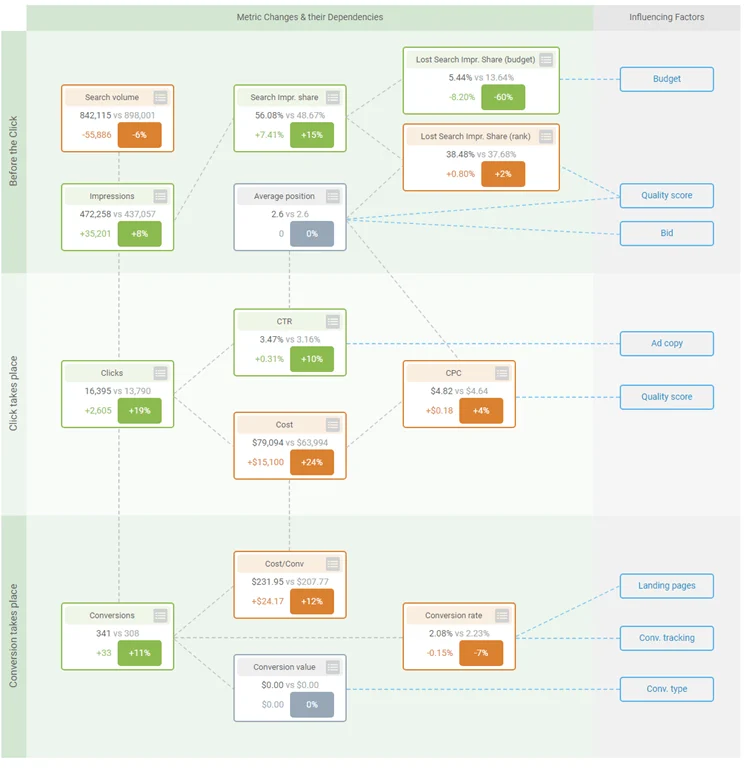
The inclusion of visual aids within the announcement of this series serves as a powerful testament to the depth and sophistication of Adalysis’s approach to PPC data analysis. The provided images, likely screenshots from the Adalysis platform or illustrative examples, showcase:
- Detailed Performance Dashboards: These visuals likely highlight customizable dashboards that provide a holistic view of key PPC metrics. The ability to see various KPIs in one place, organized logically, is fundamental for efficient monitoring.
- Trend Analysis and Historical Data Visualization: Charts and graphs that illustrate performance trends over time are invaluable for identifying patterns, anomalies, and the impact of strategic changes. Seeing how metrics have evolved allows for proactive adjustments.
- Diagnostic Tools and Reporting Features: Images might showcase specific tools within Adalysis designed to drill down into performance issues. This could include features for analyzing keyword performance, ad group effectiveness, or audience segmentation, helping users pinpoint the exact areas requiring attention.
- Comparative Analysis: The ability to compare performance across different campaigns, ad groups, or time periods is crucial for benchmarking and identifying best practices. Visual representations of such comparisons offer immediate insights.
These visual elements underscore Adalysis’s commitment to providing users with not just raw data, but with actionable insights derived from that data. The emphasis on “how in-depth we’re going” suggests a level of granular analysis that goes beyond superficial reporting, aiming to uncover the underlying drivers of campaign success or failure.

Accessing the Knowledge: A Call to Engage
For those seeking to enhance their PPC management capabilities, Adalysis provides clear pathways to access this valuable educational content. The entire series is readily available on the Adalysis blog, categorized under “PPC Management/Performance Analyzer.” This centralized location ensures that readers can navigate through the published articles chronologically or by topic.
Furthermore, to ensure that readers remain updated on future installments and other relevant industry insights, Adalysis offers a subscription option to their blog. This allows individuals and organizations to receive direct notifications when new content is published, fostering a continuous learning environment.
The initiative by Adalysis to create and disseminate such a comprehensive series highlights a broader trend in the marketing technology industry. Companies are increasingly recognizing the importance of not only providing powerful tools but also empowering their users with the knowledge and expertise to leverage those tools effectively. By investing in educational content, Adalysis is demonstrating its dedication to the success of its clients and the broader PPC community.
Implications for the Digital Advertising Ecosystem
The proliferation of such in-depth educational content has significant implications for the digital advertising ecosystem:
- Democratization of Advanced Strategies: By making sophisticated analytical techniques accessible through clear explanations and practical examples, Adalysis is helping to level the playing field. Smaller businesses and less experienced advertisers can gain insights previously only available to large, well-resourced agencies.
- Elevated Industry Standards: As more advertisers adopt best practices in KPI monitoring and performance diagnosis, the overall quality and efficiency of digital advertising are likely to improve. This can lead to more effective campaigns, better ROI for advertisers, and a more positive user experience for consumers.
- Innovation in PPC Management Software: The challenges and insights uncovered through such content series often inform the development of new features and functionalities within PPC management software. Adalysis’s commitment to this educational approach suggests that their platform will continue to evolve to meet the emerging needs of advertisers.
- Increased Accountability and Transparency: A greater emphasis on KPI monitoring naturally leads to increased accountability for campaign performance. Advertisers are better equipped to understand what is working, what is not, and why, fostering a more transparent and results-driven approach to digital marketing.
The ongoing PPC KPI Monitoring series from Adalysis represents a significant contribution to the knowledge base of digital advertisers. By focusing on practical application, diagnostic capabilities, and the underlying drivers of campaign performance, Adalysis is not just selling software; it is fostering a more informed and effective advertising landscape. The commitment to sharing this expertise, particularly on a topic as crucial as KPI monitoring, underscores Adalysis’s position as a thought leader in the PPC management space. As the series progresses, it is poised to offer even more valuable insights into the dynamic world of online advertising.









