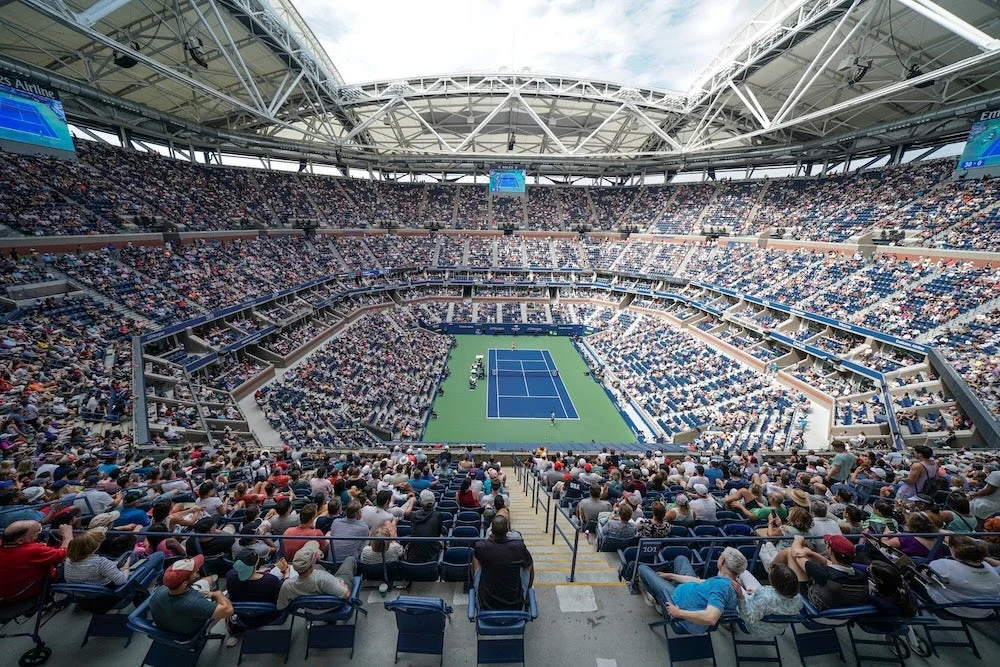
The 2026 U.S. Open served as a backdrop for a significant cultural and professional debate within the public relations and sports marketing industries following reports of "rowdy" behavior by a group of creators and influencers. The incident, which occurred during a high-stakes first-round match between four-time Grand Slam champion Naomi Osaka and Anastasia Zakharova, has sparked a national conversation regarding the integration of digital personalities into prestigious, tradition-bound sporting events. While brands increasingly rely on influencers to bridge the gap between legacy institutions and younger demographics, the backlash at the USTA Billie Jean King National Tennis Center highlights a growing disconnect between brand objectives, creator behavior, and audience expectations.
The controversy centered on a group of creators hosted in a luxury suite who were accused of disregarding the rigorous etiquette traditionally associated with professional tennis. Witnesses and social media commentators noted that the group’s focus on content creation—characterized by loud conversations, constant movement for camera angles, and a perceived lack of attention to the match—clashed with the silent, focused environment required during play. This friction has forced a reevaluation of how communications professionals manage "experiential activations" and whether the current model of influencer hosting is sustainable for events that demand a specific decorum.
Chronology of the 2026 U.S. Open Influencer Controversy
The integration of influencers into the U.S. Open did not happen in a vacuum but was the result of a multi-year strategy by the United States Tennis Association (USTA) and its corporate partners to modernize the sport’s image.
In the weeks leading up to the tournament, major sponsors in the fashion, beverage, and technology sectors finalized "rosters" of digital creators. These individuals were selected not necessarily for their knowledge of tennis, but for their reach in the lifestyle, "get ready with me" (GRWM), and luxury travel niches. By mid-August, these creators began teasing their attendance, often showcasing sponsored apparel from brands like Ralph Lauren or Wilson.
The tension reached a boiling point during the evening session of the tournament’s opening days. As Naomi Osaka made her highly anticipated return to Arthur Ashe Stadium, the atmosphere was electric but respectful. However, reports began to surface on social platform X (formerly Twitter) and among sports journalists in the press box about "disruptive" behavior emanating from several corporate suites. Fans in adjacent sections complained that the influencers were "treating a Grand Slam match like a Coachella VIP tent," prioritizing the filming of "vlogs" over the match’s pivotal moments.
By the following morning, the story had transitioned from niche tennis forums to national news outlets. The criticism was twofold: traditionalists decried the "degradation" of tennis culture, while marketing analysts questioned whether the brands hosting these creators had failed to provide adequate briefing on the sport’s unique social contract.
The Data Behind the Strategy: Why Brands Invite Creators
Despite the backlash, the data suggests that brands are unlikely to abandon influencer marketing at major sporting events. According to 2025 industry reports, the creator economy is projected to be worth nearly $480 billion by 2027. For a sport like tennis, which has historically struggled to capture the Gen Z and Alpha demographics, influencers provide a vital "distribution channel."
Market research indicates that 61% of consumers trust influencer recommendations more than brand-produced content. Furthermore, the U.S. Open has seen a 24% increase in social media engagement over the last three years, a metric heavily driven by non-traditional media coverage. The "Honey Deuce" cocktail, for example, became a viral sensation largely due to aesthetic posts by lifestyle influencers, leading to record-breaking beverage sales at the tournament.
However, the 2026 incident suggests a "diminishing return" on reach when it comes at the expense of brand reputation. A survey of luxury brand consumers conducted shortly after the controversy found that 40% of respondents felt that "overly disruptive" influencer presence made a brand feel "less premium." This highlights the delicate balance communicators must strike between visibility and brand alignment.
Bridging the Gap: Treating Creators Like Reporters
A central theme in the post-event analysis is the need for a shift in how PR agencies and brands onboard digital talent. Historically, members of the press undergo a rigorous credentialing process and are provided with a "media handbook" that outlines the rules of the venue. Creators, conversely, are often treated as "VVIP guests" with few restrictions or instructions.
Industry experts, including Ashley Stoney, Vice President of Public Relations at Curley Company, argue that the PR industry is setting creators up for failure by not providing the same level of context and guidance offered to journalists. Unlike beat reporters who understand the nuances of a "let" or a "quiet please" signal, many creators are generalists.
To mitigate future conflicts, agencies are now considering a "Reporter-Style Onboarding" model. This includes:
- Mandatory Briefing Calls: Moving beyond the "gift bag" to discuss the cultural nuances of the event.
- Etiquette Guides: Providing clear instructions on when it is appropriate to film, talk, or move within a stadium.
- Curated Content Windows: Setting aside specific times and locations for content creation to ensure that the live event remains undisturbed.
Official Responses and Industry Reactions
The USTA has remained diplomatic in its official stance, emphasizing its commitment to "growing the game" while maintaining the "integrity of the competition." In a brief statement, a spokesperson noted, "The U.S. Open is a celebration of sport and culture. We work closely with our partners to ensure that all guests, from our longest-tenured fans to our first-time visitors, can enjoy the world-class tennis on display."
Privately, however, the reaction among PR professionals has been more pointed. Many have noted that the "rowdy" label applied to the 2026 creators was a symptom of a larger "expectations problem."
"We invite these creators because they are loud, vibrant, and disruptive in the digital space," noted one anonymous agency executive. "Then we act surprised when they bring that same energy to a quiet tennis match. The fault lies with the organizers who didn’t set boundaries, not the creators who were just being themselves."
Conversely, some tennis purists have called for "influencer-free zones" or stricter enforcement of stadium rules in the luxury suites. The debate has highlighted a class divide within the stadium, where high-paying ticket holders in the "nosebleed" sections feel that those in the suites—who are often there on a complimentary basis—should show more respect for the game.
Strategic Implications for the Future of Experiential Marketing
The fallout from the 2026 U.S. Open is expected to lead to several long-term changes in how brands approach high-profile event activations.
1. Niche Over Reach
There is a growing movement toward "niche alignment." Instead of inviting a lifestyle influencer with five million followers who has no interest in sports, brands are beginning to prioritize "micro-influencers" who have a genuine passion for tennis or sports fashion. These creators are more likely to respect the event’s traditions because they are fans themselves, and their content often resonates more deeply with an authentic audience.
2. Pre-Event Content Capture
To minimize disruptions during the actual match, brands are exploring "pre-event activations." This allows creators to film their "outfit of the day" (OOTD) or brand-sponsored content in a controlled environment—such as a mock-up court or a dedicated studio space—before the gates even open. By the time the match begins, the "work" of content creation is finished, allowing the influencer to engage with the event as a spectator.
3. Redefining the "Influencer" Role
The industry may see a shift from "influencers" to "advocates." While influencers are often viewed as temporary distribution channels, advocates have a long-term relationship with a brand or a sport. By cultivating year-round partnerships rather than one-off event invites, brands can ensure that the creators representing them are well-versed in the brand’s values and the expectations of the venues they visit.
Conclusion: A Turning Point for the Creator Economy
The 2026 U.S. Open will likely be remembered as a turning point in the relationship between professional sports and the creator economy. The "rowdy" headlines served as a necessary wake-up call for an industry that has prioritized "clout" over "context."
As brands, leagues, and institutions continue to navigate this new landscape, the focus must shift from simply "getting people in the room" to ensuring those people understand the room they are in. The goal is not to exclude new voices, but to integrate them in a way that respects the history of the institution while still allowing for the innovation and reach that digital creators provide.
Ultimately, the success of future influencer partnerships will depend on whether PR professionals can successfully treat creators as professional partners rather than just high-profile guests. If the industry can bridge this gap, the U.S. Open—and events like it—can continue to be a melting pot of sport, fashion, and digital culture without compromising the quiet, focused intensity that makes professional tennis unique.

 Laily UPN