
 rifanmuazin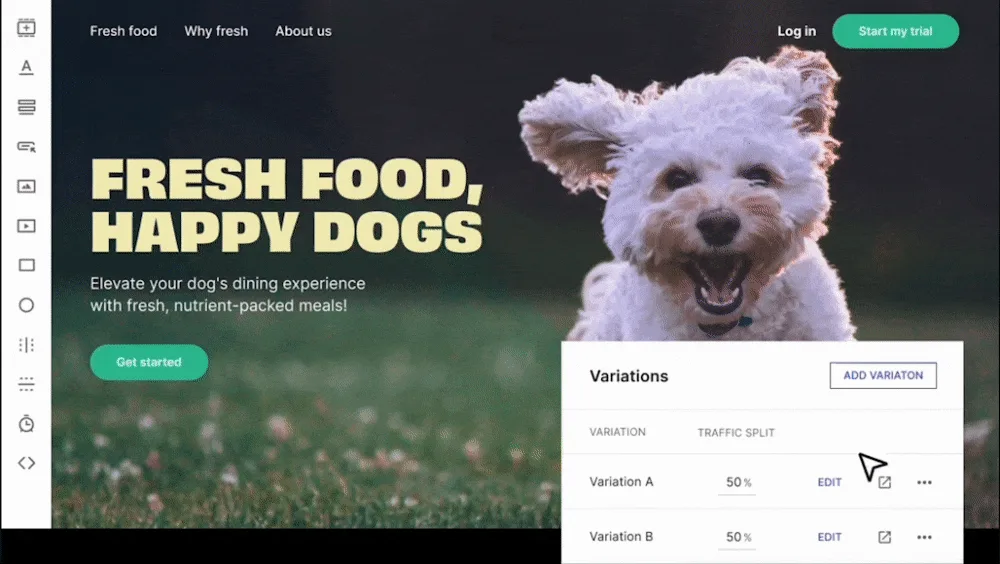
Digital marketing has entered an era where the cost of customer acquisition is at an all-time high, making the efficiency of landing pages a critical factor in business survival. While generating traffic through organic search, social media, or paid advertising is a significant hurdle, the real challenge lies in what happens once a visitor arrives at the destination. Industry data suggests that the average conversion rate across all industries hovers between 2% and 5%, meaning that for every 100 visitors, up to 98 depart without taking action. This reality has catalyzed the growth of the Conversion Rate Optimization (CRO) industry, turning A/B testing from a niche technical practice into a cornerstone of the modern marketing arsenal.
The Strategic Necessity of Conversion Rate Optimization
Creating a landing page is a complex exercise in psychological alignment and technical precision. Marketers must establish immediate ad-to-page relevance to reduce bounce rates, present an offer that resonates with the specific needs of the visitor, and orchestrate various design elements—headlines, imagery, social proof, and call-to-action (CTA) buttons—to guide the user toward a conversion. However, even when a page adheres to best practices, it often fails to meet performance benchmarks. This discrepancy is rarely a sign that the entire campaign should be scrapped; rather, it indicates a need for granular investigation into user behavior.

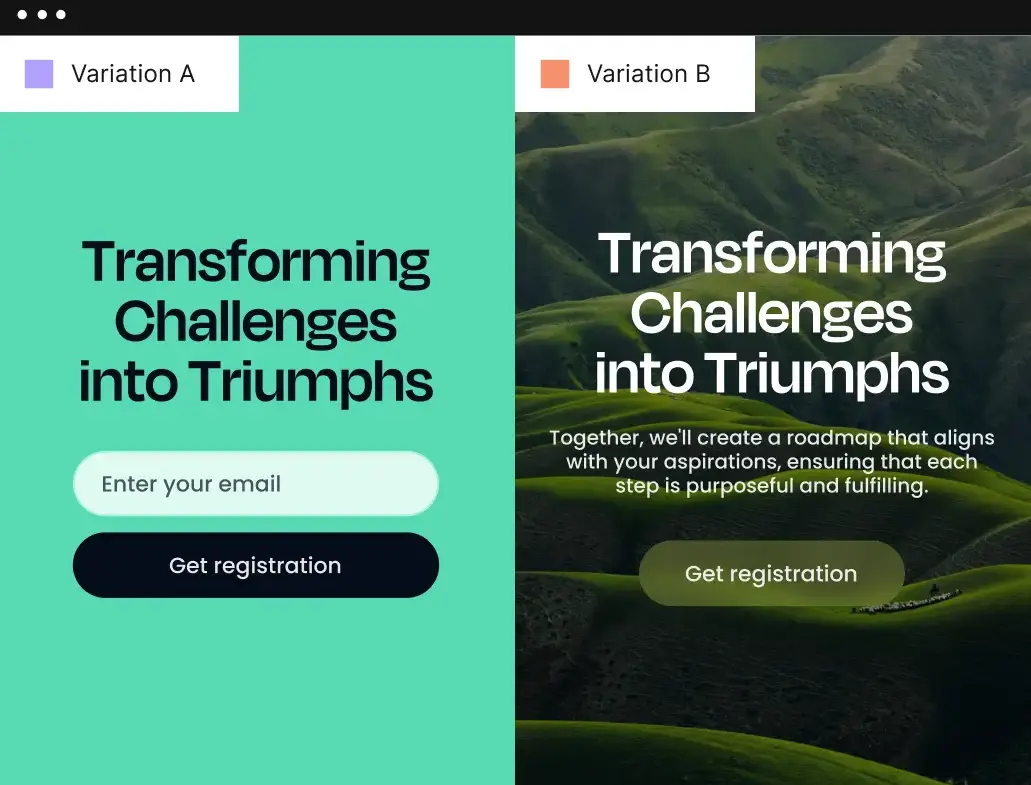
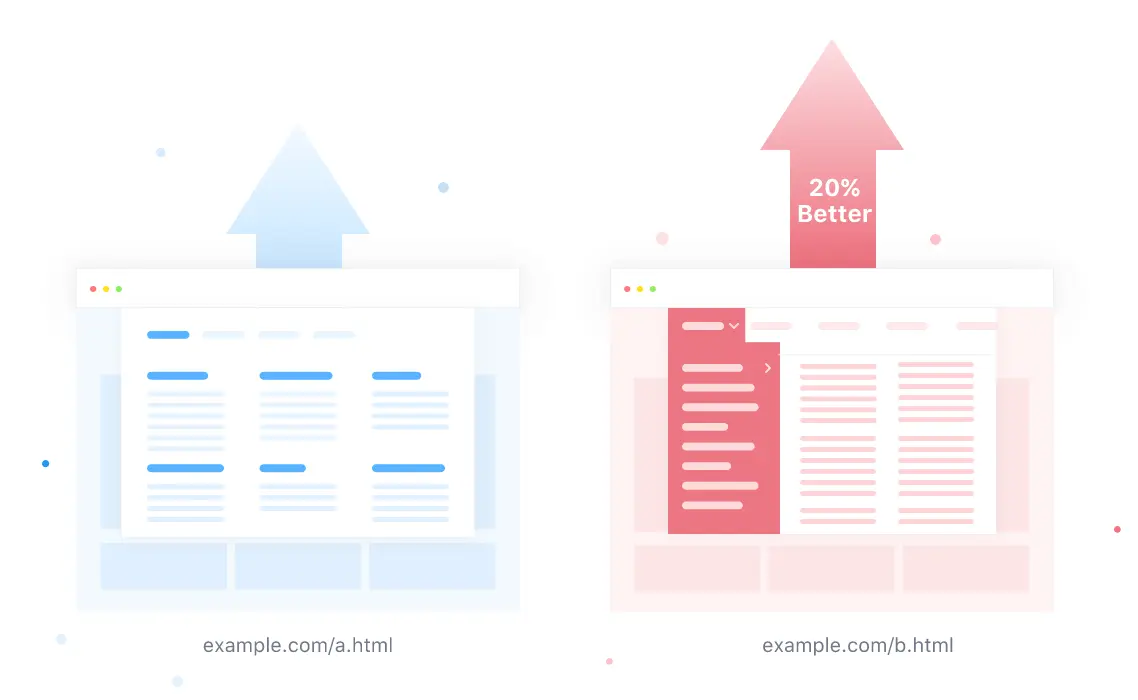
A/B testing, or split testing, serves as the primary diagnostic tool in this investigation. By creating multiple variations of a page and distributing traffic between them, marketers can isolate variables and determine which specific elements drive engagement. This data-driven approach replaces subjective "gut feelings" with empirical evidence, allowing brands to incrementally improve their return on investment (ROI).
A Chronology of Experimentation in Digital Marketing
The history of A/B testing in the digital space has evolved through several distinct phases. In the early 2000s, testing was a manual, developer-heavy process. Google introduced "Google Website Optimizer" in 2006, which democratized basic testing for the masses. By the 2010s, "What You See Is What You Get" (WYSIWYG) editors emerged, allowing non-technical marketers to change headlines and button colors without writing code.
The current era, beginning around 2020, is defined by the integration of Artificial Intelligence (AI) and server-side experimentation. Modern tools no longer just report which version won; they use machine learning to predict which version will win for a specific user segment and can even shift traffic in real-time to the higher-performing variation. This evolution reflects a broader shift in the industry toward hyper-personalization and automated optimization.
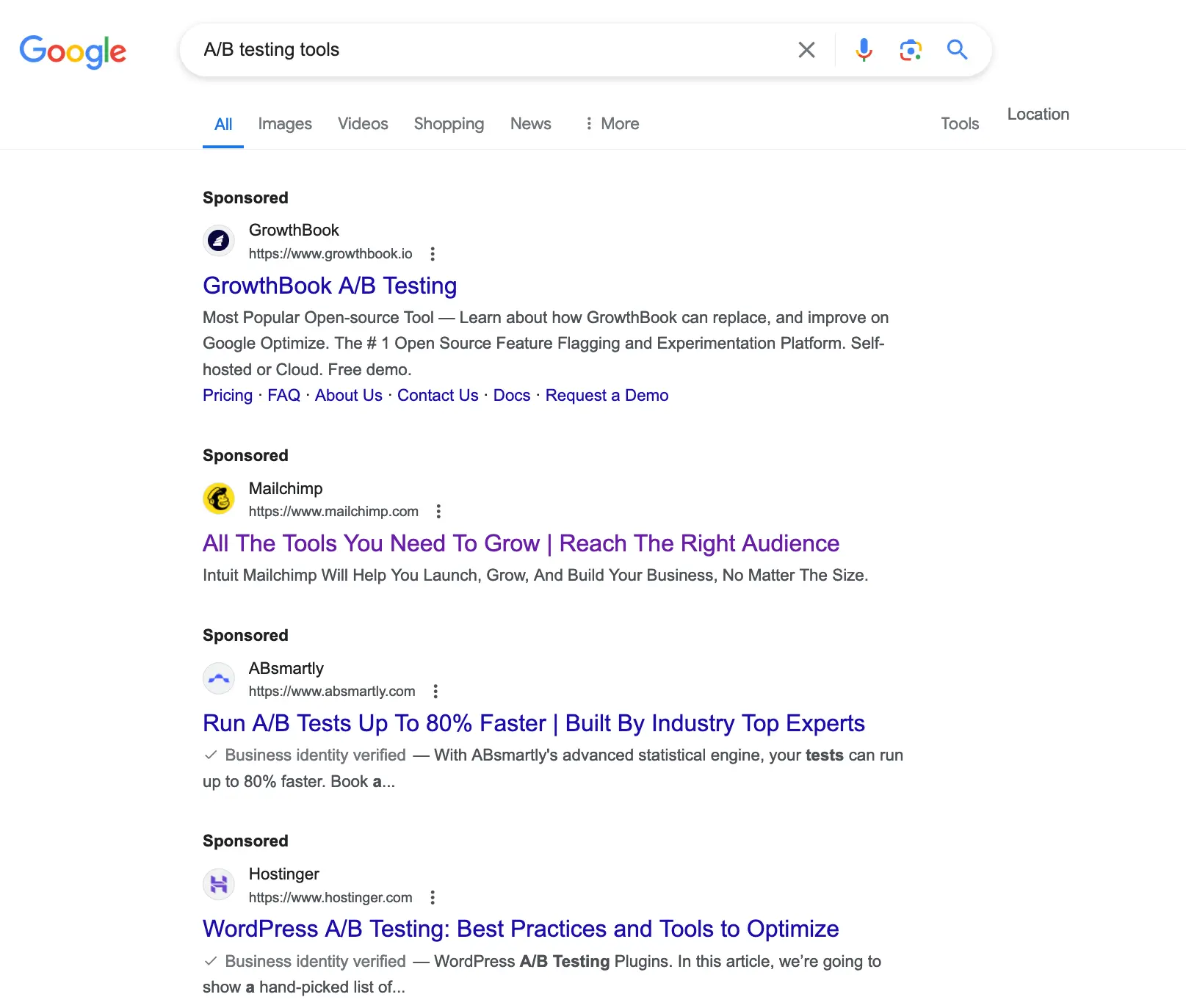
Criteria for Evaluating Modern Testing Platforms
As the market for CRO tools has expanded, the criteria for selection have become more rigorous. Enterprises and mid-market companies now evaluate platforms based on several key performance indicators:
- Ease of Integration: How well the tool connects with existing CRM, analytics, and advertising stacks.
- Performance Impact: The extent to which the testing script affects page load speeds (latency), which is itself a conversion factor.
- Statistical Robustness: The use of frequentist or Bayesian statistical models to ensure results are not due to random chance.
- No-Code Capability: The ability for marketing teams to launch experiments without placing a burden on engineering resources.
- Data Transparency: Whether the tool allows for deep-dive analysis into user segments or keeps data in a "black box."
Market Leaders in Landing Page Experimentation
1. Instapage: The Integration of Creation and Optimization
Instapage has positioned itself as a comprehensive solution by bridging the gap between landing page construction and server-side experimentation. Unlike tools that are added as a layer over an existing website, Instapage allows users to build and test within the same environment.
A significant advancement in their platform is the introduction of AI Experiments. Traditional A/B testing requires a "burn-in" period where traffic is split 50/50 until statistical significance is reached. During this time, 50% of the traffic is directed to what might be a losing variation, resulting in "regret" or lost potential conversions. Instapage’s AI Experiments utilize dynamic traffic allocation, which identifies early winners and begins skewing traffic toward the better-performing page before the test is even concluded.
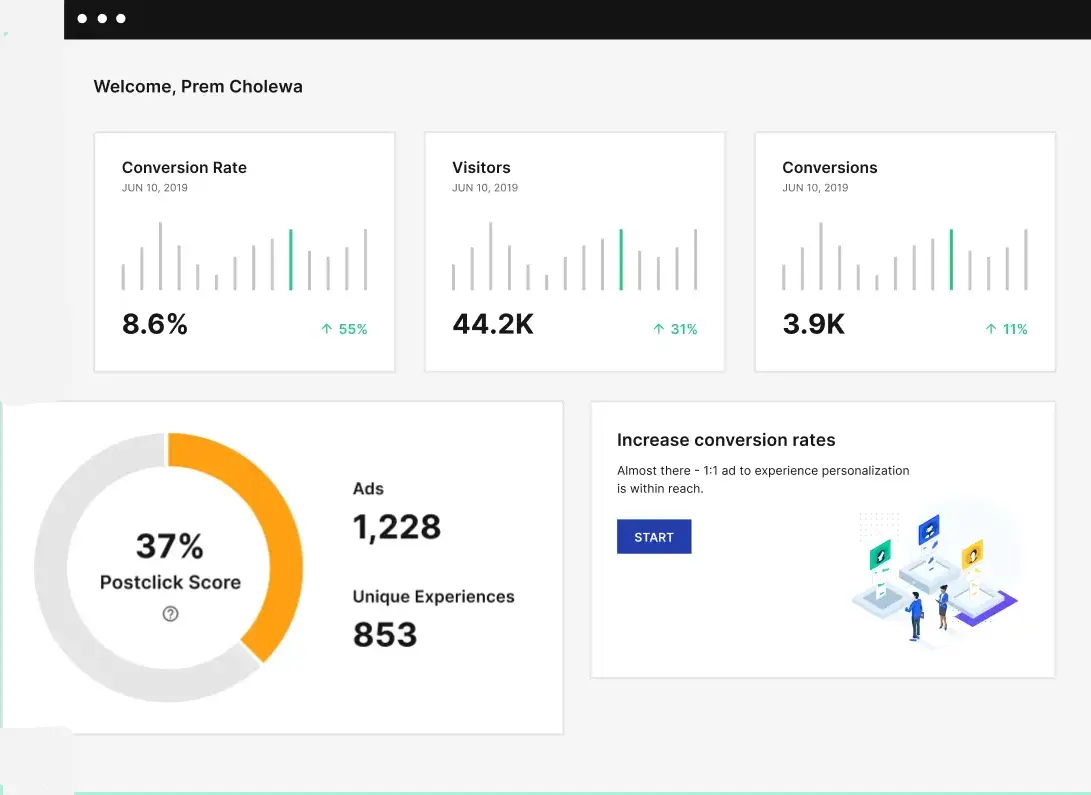
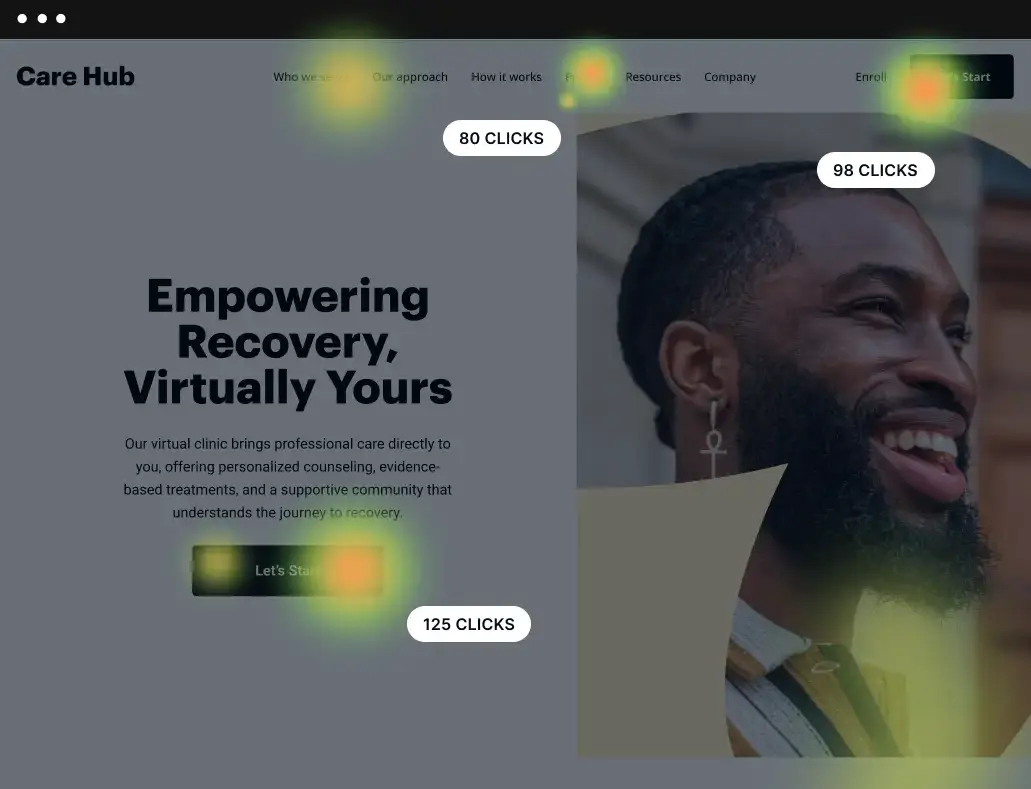
Furthermore, the inclusion of native heatmaps allows marketers to visualize user friction. If a test shows a low conversion rate on a long-form page, the heatmap might reveal that users are not scrolling far enough to see the CTA, providing a clear hypothesis for the next experiment. In one notable case study involving Verizon Digital Media Services (VDMS), the team utilized these features to cut their cost per conversion by more than 50% by validating which specific elements resonated with their enterprise audience.
2. VWO (Visual Website Optimizer): Funnel-Wide Intelligence
VWO has remained a dominant player by focusing on the entire visitor journey rather than isolated pages. Their platform excels in split URL testing, which is essential when a marketer wants to test two entirely different design philosophies or page architectures rather than just changing a headline.
VWO’s strength lies in its ability to track multiple metrics across a funnel. For instance, a change on a landing page might increase initial sign-ups but decrease long-term retention. VWO allows businesses to monitor these downstream effects, ensuring that they are not optimizing for "vanity metrics" at the expense of bottom-line revenue.
3. Optimizely: Enterprise-Grade Edge Experimentation
Optimizely, often considered the gold standard for large-scale enterprises, focuses on minimizing the technical debt associated with testing. Their "Web Experimentation" product runs at the network edge, meaning the changes are applied before the page even reaches the user’s browser. This eliminates the "flicker effect"—where the original page shows for a split second before the test variation appears—which can skew results and hurt user trust.
Optimizely has also heavily invested in AI-driven copy suggestions, allowing teams to generate hundreds of variations of a call-to-action to find the perfect linguistic trigger for different demographic segments. Their platform is designed for high-velocity testing environments where multiple experiments run simultaneously across different parts of a global site.
4. GrowthBook: The Open-Source and Data-Native Alternative
GrowthBook represents a newer philosophy in the CRO space: the "warehouse-native" approach. While many platforms store testing data on their own servers, GrowthBook integrates directly with a company’s SQL data source (such as Snowflake or BigQuery). This allows data scientists and analysts to maintain full control over the experimentation logic and combine testing data with other internal business intelligence.
GrowthBook offers a no-code visual editor similar to its competitors but caters to organizations that want to avoid "vendor lock-in" and require the ability to add custom metrics to past experiments retroactively.
Industry Implications and the Impact of AI
The shift toward AI-driven experimentation is not merely a technical upgrade; it is a fundamental change in marketing strategy. In the past, a "failed" test was seen as a loss of time and resources. With AI and dynamic allocation, the "cost of learning" is significantly reduced because the system automatically mitigates the impact of poor-performing variations.
However, industry experts warn that tools are only as effective as the hypotheses they test. The "garbage in, garbage out" principle applies to CRO; if a marketer tests two equally poor headlines, the "winner" will still result in suboptimal performance. Therefore, the rise of these tools has increased the demand for skilled "Conversion Strategists" who can interpret qualitative data from heatmaps and user recordings to develop high-impact test ideas.
Broader Business Impact and Future Outlook
The implications of robust A/B testing extend beyond marketing departments. In an era of economic uncertainty, businesses are prioritizing efficiency over raw growth. Optimization allows a company to extract more value from their existing traffic, effectively lowering their customer acquisition cost (CAC) and improving their lifetime value (LTV) to CAC ratio—a metric closely watched by investors and stakeholders.
Looking forward, the industry is bracing for a "cookieless" future. As privacy regulations like GDPR and CCPA tighten, and as browsers phase out third-party cookies, A/B testing tools are evolving to rely more on first-party data and server-side tracking. This transition ensures that experimentation remains accurate without compromising user privacy.
In conclusion, the selection of an A/B testing tool is no longer a secondary consideration but a primary strategic decision. Whether through the integrated build-and-test environment of Instapage, the funnel-wide analytics of VWO, the high-performance edge computing of Optimizely, or the data-native flexibility of GrowthBook, the goal remains the same: transforming the landing page from a static digital flyer into a dynamic, evolving engine for business growth. Companies that fail to adopt these rigorous testing methodologies risk being left behind in an increasingly competitive and expensive digital landscape.








