

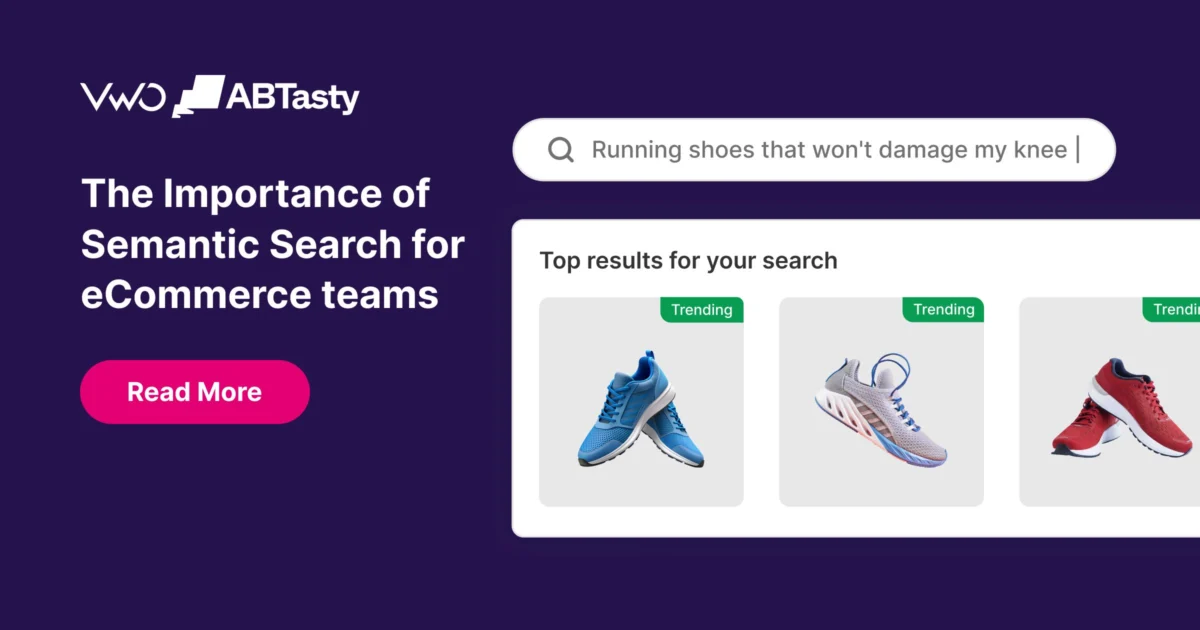
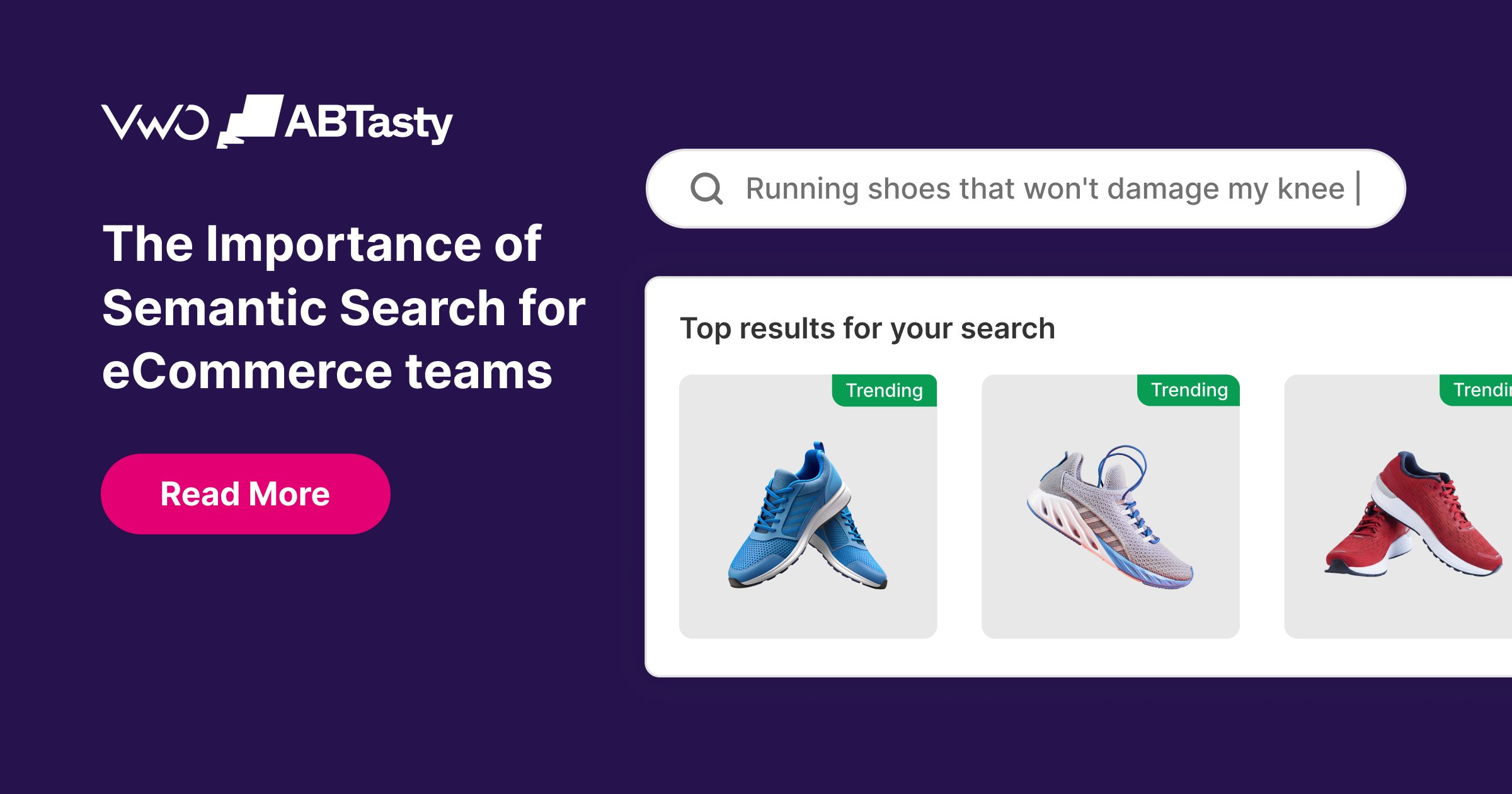
The traditional digital storefront is undergoing a fundamental structural transformation as retailers move away from the rigid constraints of keyword-based indexing toward the nuanced capabilities of semantic understanding. For over two decades, the standard for online shopping was defined by a simple, literal mechanic: a search engine would scan a product catalog for the exact characters a user typed into a search bar. If a shopper searched for "shoes," the system delivered results containing that specific string of text. However, as consumer behavior shifts toward conversational language and complex intent-based queries—such as "what should I wear to a beach wedding"—traditional keyword engines are increasingly failing to bridge the gap between human desire and product availability. This friction is driving a multi-billion dollar industry shift toward semantic-first search architectures.
The Historical Context of Keyword-Based Search
To understand the current shift, one must look at the historical trajectory of eCommerce technology. In the early 2000s, search technology was built on lexical matching, primarily powered by open-source frameworks like Lucene, Solr, and later, Elasticsearch. These systems operated on the principle of frequency and proximity; they counted how many times a word appeared in a product description and used that as a proxy for relevance.
During this era, the burden of relevance fell entirely on the shoulders of merchandising and search teams. To make these systems functional, retailers had to manually build and maintain massive libraries of synonyms, keyword rules, and "thesaurus" entries. If a shopper typed "sneakers" but the product was listed as "trainers," the search team had to manually link those two terms. This approach, while functional for small catalogs, has become increasingly unsustainable. As global eCommerce catalogs grew from thousands to millions of SKUs, the "manual tuning" model reached a breaking point. The labor cost of maintaining relevance rules began to outpace the incremental revenue generated by those improvements.
The Breaking Point: Why Keywords are Failing Modern Shoppers
The limitations of keyword search are most apparent when faced with the "long tail" of search queries. Industry data from the Baymard Institute suggests that nearly 70% of eCommerce search engines fail to return relevant results for "thematic" queries—searches that describe a use case or a vibe rather than a specific product name.
Several factors have accelerated the decline of keyword efficacy:
- The Rise of Mobile and Voice: Mobile-first browsing and voice-activated assistants like Siri and Alexa have conditioned users to speak to their devices in full sentences. Shoppers no longer type "waterproof hiking boots size 10"; they ask for "boots that won’t get my feet wet in the rain." Keyword engines struggle to parse the intent behind these natural language phrases.
- The "Zero Results" Crisis: When a keyword engine encounters a word it doesn’t recognize or a combination of words that don’t appear together in the catalog, it frequently returns a "Zero Results Found" page. In the modern retail environment, a zero-results page is a primary driver of "bounce" rates, with many shoppers immediately exiting the site to visit a competitor.
- Language Evolution: Slang, regional dialects, and evolving fashion trends mean that the "correct" word for a product changes constantly. A keyword system cannot keep up with these shifts without constant human intervention.
Understanding the Semantic-First Paradigm Shift
Semantic search represents a move from "strings to things." Instead of looking for character matches, a semantic-first engine utilizes Natural Language Processing (NLP) and machine learning to understand the underlying meaning, context, and relationships between concepts.
At the heart of this technology are vector embeddings. In a semantic system, every product and every search query is converted into a multi-dimensional mathematical vector. Products with similar meanings are mapped closer together in this "vector space." For example, the system understands that "sandals," "flip-flops," and "espadrilles" are conceptually related to "beach footwear" even if those specific words are never explicitly linked in a synonym list.
When a shopper searches for "something to wear to a beach wedding," a semantic engine doesn’t just look for those words. It understands the "intent" of the query: the user needs formal or semi-formal clothing, likely in light fabrics like linen or silk, suitable for an outdoor, sandy environment. It then identifies products in the catalog that mathematically align with that intent.
Comparative Analysis: Keyword-First vs. Semantic-First
The operational differences between these two methodologies are profound, impacting everything from the user experience to the workload of the internal IT department.
| Feature | Keyword-First Approach | Semantic-First Approach |
|---|---|---|
| Primary Logic | Exact term matching and Boolean rules | Intent, context, and conceptual meaning |
| Optimization Method | Manual synonym lists and ranking weights | Machine learning models and vector space |
| Maintenance Requirements | High; requires constant rule updates | Low; the system learns from data patterns |
| Handling Vague Queries | Often fails or returns irrelevant results | High success rate with natural language |
| Best Use Case | Technical catalogs (SKUs, part numbers) | Fashion, lifestyle, and discovery-driven retail |
The Broader Impact on Product Discovery and Merchandising
The transition to semantic search is not an isolated upgrade to the search bar; it is a foundational change that ripples through the entire customer journey. When a search engine can truly "understand" what a shopper is looking for, it provides a higher quality of "signal" to other parts of the eCommerce ecosystem.
For instance, product recommendations become significantly more accurate. If a system understands that a user is searching for "minimalist home office decor," the recommendations can be curated based on style and aesthetic rather than just suggesting more "office chairs." Similarly, category pages and filters can be dynamically adjusted based on the detected intent, reducing the number of clicks required for a shopper to reach a purchase decision.
Industry analysts suggest that retailers who successfully implement semantic discovery see an average increase in conversion rates of 10% to 30%. This is largely attributed to the reduction in "search friction"—the frustration a user feels when they know what they want but cannot find the right words to trigger the correct result.
Implementation Challenges and the Hybrid Future
Despite the clear advantages of semantic search, the transition is not without challenges. Technical leaders note that semantic engines require significant computational power and high-quality data to function effectively. Furthermore, there are still instances where keyword matching is superior. In B2B environments or technical industries (such as automotive parts or electronics), shoppers often search by exact model numbers or SKUs. In these cases, the "fuzzy" logic of semantic search can actually be a hindrance.
As a result, the industry is moving toward a "Hybrid Search" model. This approach uses semantic logic as the primary engine for discovery and natural language, while layering keyword-based precision on top for technical or specific queries. This ensures that a shopper looking for "black dress" gets the benefit of intent-based discovery, while a shopper looking for "Part #45X-90" gets the exact match they require.
Industry Reactions and Market Trajectory
The shift toward semantic-first search has sparked a wave of innovation among eCommerce platform providers. Companies like VWO and AB Tasty, through their integrated commerce platforms, are leading the charge by embedding semantic capabilities directly into their search and merchandising tools. By unifying search, recommendations, and personalization under a single semantic "brain," these platforms allow retailers to create a cohesive experience that feels intuitive to the shopper.
Market analysts predict that within the next three to five years, keyword-only search engines will be considered a legacy technology, much like the dial-up modem. The rise of Generative AI (GenAI) is further accelerating this trend, as consumers become accustomed to the conversational interfaces of tools like ChatGPT and Gemini. Shoppers will soon expect to interact with every retail site through a dialogue, asking complex questions and receiving curated, intelligent responses.
Implications for the Future of Digital Commerce
The move to semantic search marks the end of the era where shoppers had to "learn" how to use a website’s search bar. For decades, the onus was on the consumer to use the right keywords to get what they wanted. In the new era of semantic intent, the onus is on the technology to understand the human.
For retailers, the implications are clear: those who continue to rely on manual, keyword-based systems will face rising operational costs and declining customer loyalty. Conversely, those who embrace semantic-first architectures will be better positioned to capture the growing segment of shoppers who value speed, intuition, and a "human-like" digital shopping experience. As the boundary between search and conversation continues to blur, the ability to interpret intent will become the most valuable currency in the digital marketplace.







