
 rifanmuazin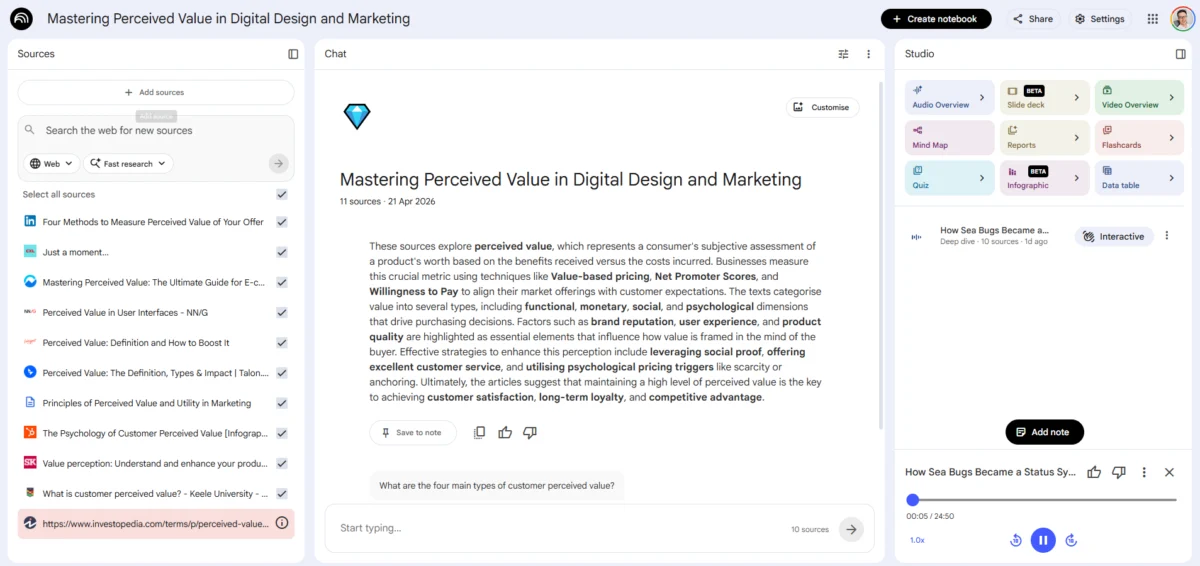
The landscape of digital marketing is currently undergoing a seismic shift as generative artificial intelligence (AI) matures from a novelty into a core operational tool. According to a recent comprehensive study by Semrush, approximately 70% of marketers now utilize AI primarily to accelerate content production and reduce overhead costs. However, a significant disparity remains in how these tools are applied: only 19% of practitioners leverage AI specifically to enhance the qualitative depth of their output. This divide highlights a growing tension in the industry between “AI-generated slop”—high-volume, low-value content—and sophisticated, AI-assisted journalism that maintains high editorial standards.
As search engines like Google refine their algorithms to prioritize “Helpful Content” and E-E-A-T (Experience, Expertise, Authoritativeness, and Trustworthiness), the methodology for integrating AI into the writing workflow has become a critical factor for brand survival. The following framework outlines a professional-grade process for utilizing Large Language Models (LLMs) to produce high-impact blog content that satisfies both human readers and search engine requirements.
The Foundation: Constructing a Comprehensive Brand Context
The primary failure point in AI-assisted writing is the “genericism trap,” where the lack of specific context leads the AI to produce bland, repetitive prose. To circumvent this, the first stage of a high-quality workflow involves the creation of a “Brand Kit” or a comprehensive brand profile. This profile serves as the “source of truth” for all subsequent AI interactions.
A professional brand kit must extend beyond simple style guides. It should encompass:
- Target Audience Personas: Detailed breakdowns of demographics, psychological triggers, and specific pain points.
- Product Positioning: A clear articulation of the unique selling propositions (USPs) and how they solve the aforementioned pain points.
- Tone of Voice (ToV) Parameters: Specific instructions on sentence structure, vocabulary preferences, and emotional resonance.
- Competitive Analysis: Data on how the brand differs from market rivals.
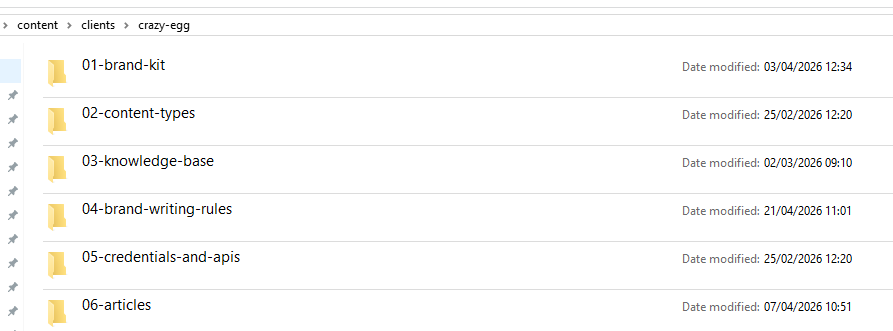
To automate this, advanced practitioners utilize tools like Claude Code to scrape a client’s existing high-performing assets, including whitepapers, landing pages, and case studies. This data is then synthesized into Markdown (.md) files that can be fed into the context window of an LLM. Experts warn that relying on AI-generated summaries of web pages is often insufficient; instead, scraping raw data ensures that the nuances of the brand’s original voice are preserved.
Advanced Research: Multi-Source Intelligence Gathering
Research is the phase where AI offers the most significant competitive advantage. While it may not necessarily reduce the total time spent on a project, it dramatically increases the breadth and depth of the insights gathered.
Multimodal Topic Immersion
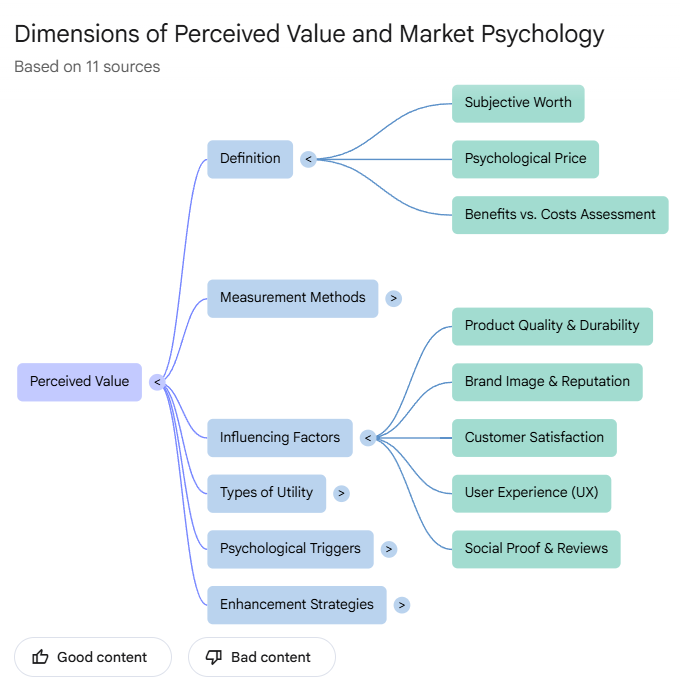
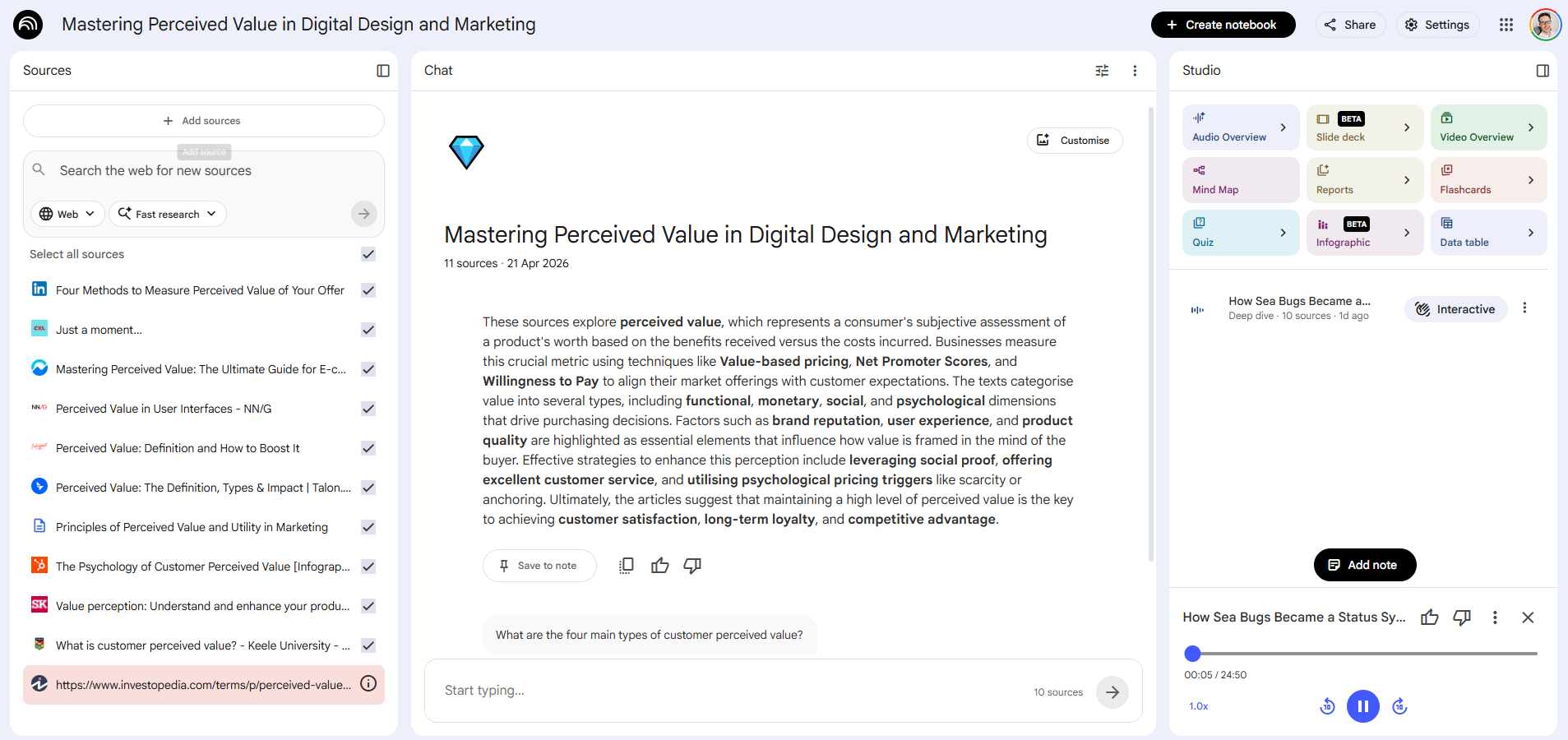
Tools such as Google’s NotebookLM allow writers to upload a corpus of top-ranking articles and primary sources to generate “Audio Overviews.” These AI-generated discussions simulate a podcast format, enabling the writer to absorb the core themes and controversies of a topic during “dead time,” such as commuting. This is often supplemented by AI-generated mind maps that visualize the relationships between complex concepts, ensuring the final article covers all necessary semantic subtopics.
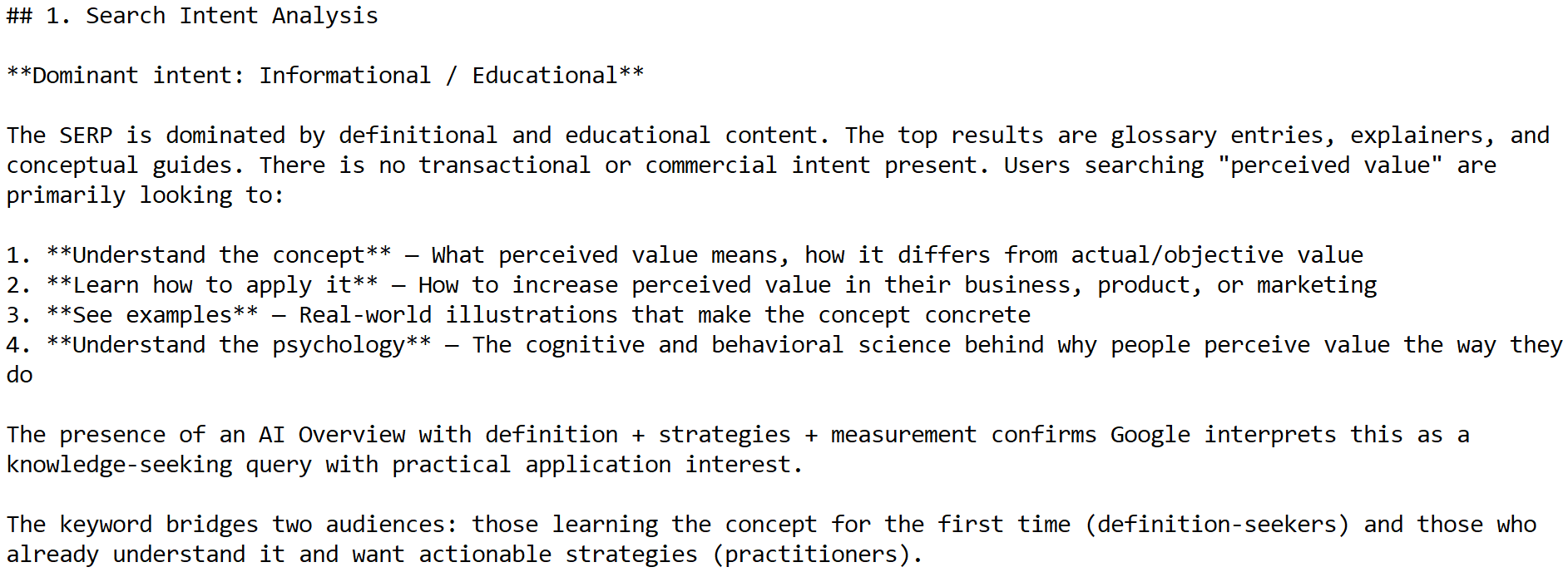
SERP and Search Intent Analysis
Before writing begins, a technical analysis of the Search Engine Results Page (SERP) is required. Specialized AI skills can be programmed to analyze the top 10 results for a target keyword, identifying:
- Search Intent: Is the user looking for information, a commercial comparison, or a navigational link?
- Content Gaps: What are the competitors missing?
- Technical Requirements: Average word counts, heading structures, and the presence of rich media.
Fact-Checking and Academic Rigor
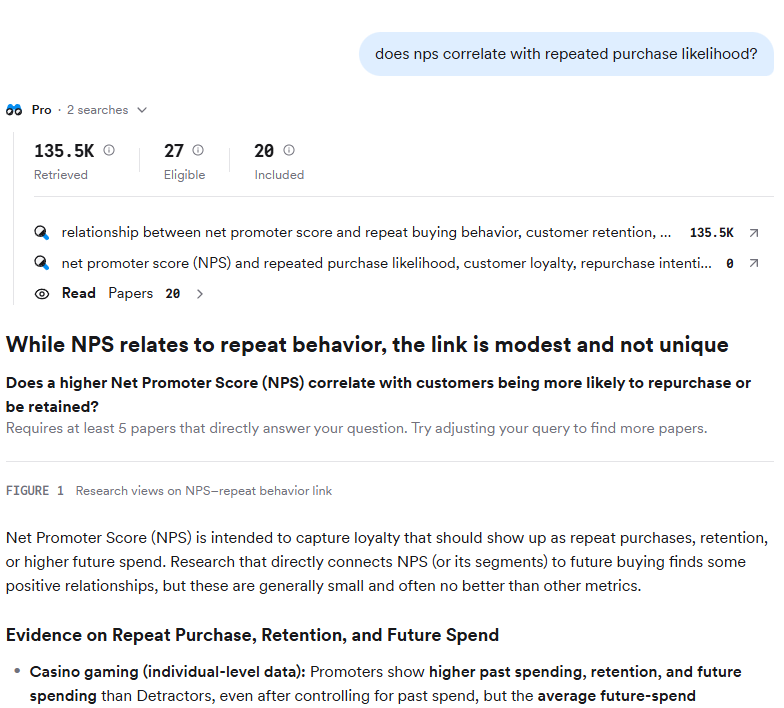
The “hallucination” problem—where AI confidently presents false information—remains a significant hurdle. To mitigate this, professional workflows now include “Deep Research” agents using platforms like Perplexity or ChatGPT in Agent mode. These tools are often programmed with a “fact-check loop” that cross-references every claim against primary sources. Furthermore, tools like Consensus allow writers to query peer-reviewed academic journals, ensuring that the blog post is grounded in scientific or statistical reality rather than marketing conjecture.
The Intellectual Core: Manual Outlining with AI Feedback
A common pitfall in automated content creation is allowing AI to dictate the structure of an article. AI models tend to follow predictable, linear patterns that often mirror the existing top-ranking content on Google, leading to a lack of originality. To maintain a “unique information gain”—a factor increasingly rewarded by search algorithms—the outlining phase must remain human-led.
Human writers are better equipped to:
- Introduce Counter-Intuitive Ideas: Challenging the status quo in an industry.
- Strategic Sequencing: Ordering information based on a specific conversion goal.
- Creative Framing: Using metaphors or narratives that an AI would not naturally generate.
However, AI can serve as a “structural editor.” Once a human has created a granular outline, the AI can be prompted to find logical gaps, identify sections that lack sufficient evidence, or suggest where internal links to a client’s case studies would be most effective.
Drafting: The Case for Human-Centric Writing
While LLMs like Claude 3.5 Sonnet and GPT-4o are capable of generating coherent drafts, the highest-tier content marketing still relies on manual drafting for high-impact pieces. The rationale is rooted in “cognitive offloading”—a phenomenon where over-reliance on AI leads to a degradation of the writer’s own critical thinking and stylistic flair.
For organizations that must use AI for drafting due to volume requirements, the process requires a “Rules-Based Architecture.” This involves two distinct sets of instructions:
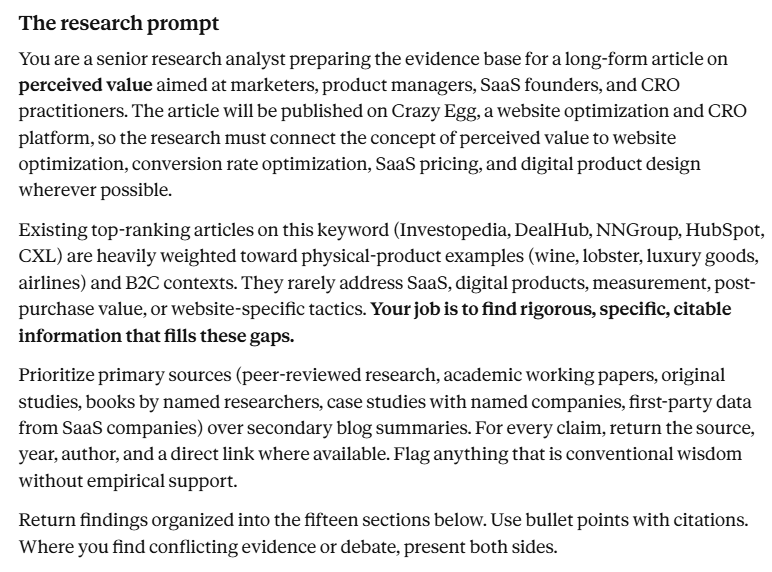
- Global Writing Rules: Universal principles such as “avoid the passive voice,” “eliminate corporate jargon,” and “ensure every paragraph introduces a new idea.”
- Section-Specific Instructions: Contextual prompts that tell the AI exactly which data point to use in a specific paragraph.
The goal is to move away from “Write a blog post about X” toward a highly orchestrated series of prompts that guide the AI through a structured narrative.
The Quality Loop: Multi-Agent Editing and Final Sign-Off
The final stage of the process involves a sophisticated editing workflow that mimics a professional newsroom. Rather than a single pass, many experts now use “Agentic Loops.”
In this setup, “Agent A” performs an initial edit based on the brand kit and style guide. “Agent B” then acts as a rigorous auditor, checking the work against a 20-point checklist and sending it back to Agent A for corrections. This iterative process can reduce human editing time by up to 80% while maintaining a high level of consistency.
Despite this automation, the final “sign-off” must be performed by a human editor. AI lacks “taste”—the subjective judgment required to know if a joke lands, if a transition feels forced, or if the overall tone aligns with the current cultural zeitgeist.
Broader Impact and Industry Implications
The transition toward AI-integrated content production has profound implications for the digital economy. As the cost of producing “average” content drops to near zero, the market value of “exceptional” content is expected to rise.
SEO and the “Information Gain” Requirement
Google’s recent patent filings and algorithm updates suggest that the search giant is focusing on “information gain.” If an AI-generated article merely summarizes what already exists on the web, it provides no new value and is unlikely to rank long-term. The process outlined above—focusing on deep research, academic sources, and internal client data—is designed specifically to satisfy this requirement.
The Future of the Content Professional
The role of the “writer” is evolving into that of a “content strategist and AI orchestrator.” Success in this new era requires a dual skill set: the traditional editorial judgment of a journalist and the technical proficiency to build and manage AI workflows.
In conclusion, the data from the Semrush study serves as a warning: those using AI merely for speed are participating in a “race to the bottom.” Conversely, the 19% of marketers using AI to augment quality are setting a new standard for digital authority. By combining human strategic oversight with the computational power of AI research and editing, brands can produce content that is not only faster and cheaper but demonstrably better than what was possible in the pre-AI era.








