rifanmuazin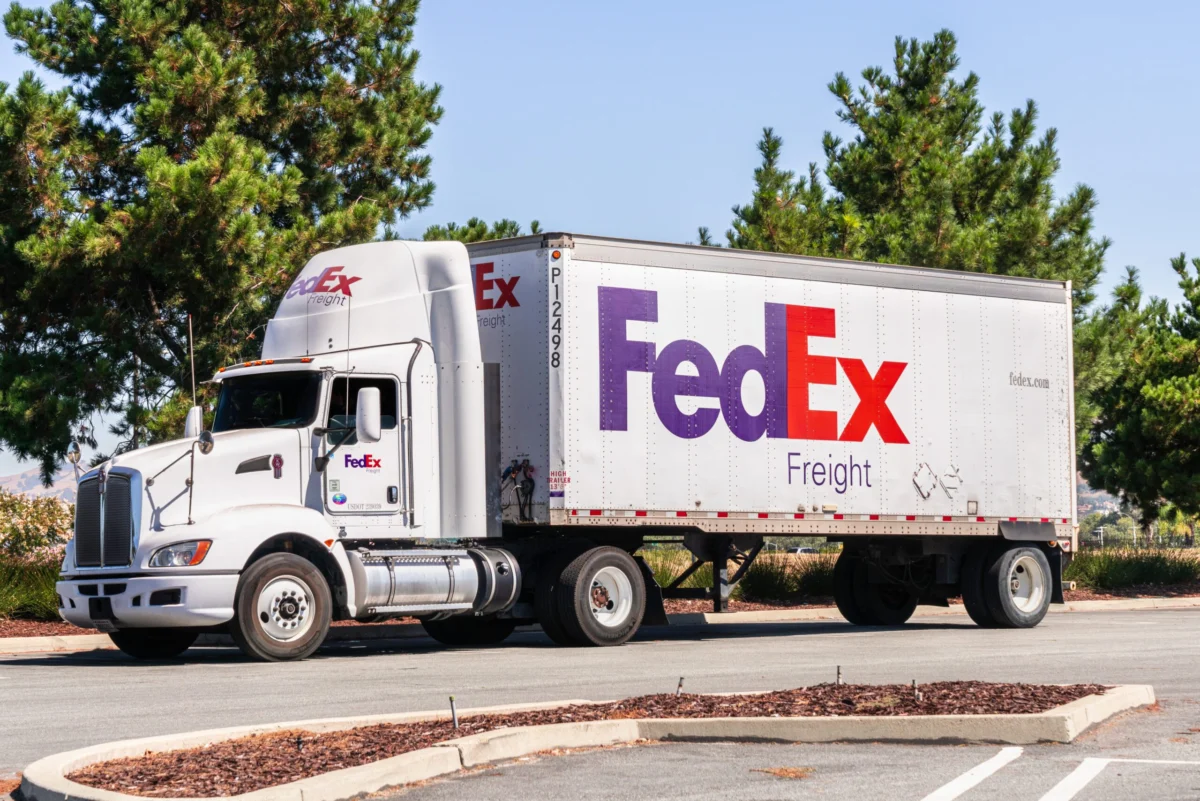
FedEx Corp. announced that its Chief Financial Officer (CFO), John Dietrich, will be stepping down from his role, a move intricately linked with the company’s planned spin-off of FedEx Freight into a new, publicly traded entity. This significant leadership transition is slated to occur on June 1, 2026, coinciding with the expected completion of the FedEx Freight separation. Dietrich will continue to serve the company in his current capacity until July 31, providing a substantial period for a smooth handover and transition.
The timing of Dietrich’s departure underscores a pivotal moment for FedEx, as the global logistics giant navigates a comprehensive strategic transformation and a major operational restructuring. The spin-off of FedEx Freight, a dedicated less-than-truckload (LTL) carrier, is a key component of FedEx’s broader strategy to optimize its portfolio and enhance shareholder value. This separation aims to allow both FedEx and the new Freight entity to pursue more focused growth strategies and capitalize on their respective market opportunities.
A Deeper Look at the FedEx Freight Spin-Off and its Strategic Rationale
The decision to spin off FedEx Freight marks a significant strategic pivot for FedEx. For years, FedEx Freight has been an integral part of the company’s integrated network, offering specialized LTL services. However, the evolving logistics landscape, characterized by increasing specialization and the growing demand for tailored solutions, has prompted a re-evaluation of FedEx’s corporate structure.
The spin-off is expected to unlock several benefits. For the new, independent FedEx Freight company, it will provide the agility and focus to concentrate solely on the LTL market, potentially leading to enhanced operational efficiencies, targeted investments, and a more responsive approach to customer needs within this segment. This could involve greater flexibility in pricing, service offerings, and technological adoption specific to LTL operations.
For FedEx, the separation will allow it to streamline its operations, focusing its resources and strategic vision on its core express, ground, and e-commerce delivery services. This sharpened focus is crucial as FedEx continues to invest in innovation, expand its global reach, and adapt to the dynamic demands of the e-commerce sector. The company has been actively pursuing initiatives to enhance its service offerings, including faster delivery options and more sustainable shipping solutions, all of which will likely receive greater strategic emphasis post-separation.
John Dietrich’s Tenure and Contributions
John Dietrich has been a key figure in FedEx’s financial leadership, serving as CFO during a period of considerable growth and strategic evolution. His tenure has been marked by his contributions to navigating complex financial landscapes, managing large-scale investments, and supporting the company’s overarching strategic objectives. The company’s announcement acknowledged Dietrich’s significant contributions, with FedEx CEO Raj Subramaniam specifically thanking him for his role in helping FedEx "successfully navigated a significant company transformation." This suggests Dietrich played a crucial part in the financial planning and execution of the company’s ambitious restructuring efforts.
Dietrich’s role in the financial stewardship of FedEx has been critical, particularly as the company has undertaken significant investments in technology, infrastructure, and service enhancements. His departure, while planned and tied to a specific corporate event, marks the end of an era for his direct financial leadership.
The Transition: Claude Russ Steps In as Interim CFO
In anticipation of Dietrich’s departure, FedEx has appointed Claude Russ, enterprise vice president of finance, to serve as interim CFO, effective June 1. Russ brings a wealth of experience to this role, having spent 24 years with FedEx. His current responsibilities include leading the FedEx Global Financial Planning and Analysis team and overseeing finance initiatives within the company’s “DRIVE” strategic transformation program. This background positions him well to ensure continuity and maintain momentum during the search for a permanent successor.
FedEx has initiated a "comprehensive internal and external search for a successor," indicating a thorough process to identify the best candidate to lead the company’s financial operations. The company has also reaffirmed its fiscal 2026 outlook, signaling confidence in its financial trajectory and strategic plans despite the leadership change.
Russ’s familiarity with FedEx’s intricate financial operations and its ongoing transformation initiatives provides a stable bridge during this period. His leadership in financial planning and analysis, coupled with his involvement in the DRIVE program, means he is deeply immersed in the company’s current financial strategy and future objectives. The company’s statement that a "bench of highly experienced and capable leaders" will further support the finance team suggests a robust internal capacity to manage financial affairs effectively during the transition.
CEO Raj Subramaniam expressed confidence in Russ’s ability to ensure “seamless continuity and commitment to advancing our strategy,” highlighting the collaborative strength of FedEx’s finance department.
FedEx’s Evolving Service Landscape and Market Position
The leadership transition at FedEx occurs amidst a backdrop of significant innovation and strategic partnerships aimed at solidifying its position in the competitive logistics market, particularly in e-commerce. Digital Commerce 360 data provides a compelling perspective on FedEx’s market penetration and economic impact. According to the data, nearly half of the Top 2000 retailers in North America, representing the largest online businesses by annual e-commerce sales, rely on FedEx as their primary shipping carrier. These retailers collectively generated a staggering $789.51 billion in e-commerce sales in 2025, underscoring FedEx’s critical role in the digital economy.
FedEx has been proactively adapting its service portfolio to meet the rapidly evolving demands of this market. In March 2026, the company announced the launch of its "SameDay Local" initiative, designed to offer two-hour delivery services. This move directly addresses the growing consumer expectation for immediate gratification and ultra-fast shipping, particularly for local and time-sensitive deliveries.
Furthermore, in the same month, FedEx solidified a significant partnership with Amazon, expanding their collaboration on free returns options. This strategic alliance leverages FedEx’s extensive network to facilitate smoother and more convenient returns for Amazon customers, a crucial aspect of the online shopping experience that significantly influences consumer purchasing decisions and loyalty.
In another forward-looking move, FedEx also introduced reusable shipping boxes for business-to-business (B2B) shipments in March 2026. This initiative aligns with the increasing corporate and consumer demand for sustainable business practices and highlights FedEx’s commitment to environmental responsibility within its operational framework. These efforts collectively demonstrate FedEx’s commitment to innovation, customer-centric solutions, and sustainability, all while navigating significant corporate restructuring.
Broader Implications and Future Outlook
The spin-off of FedEx Freight and the CFO transition are not isolated events but rather integral parts of FedEx’s broader strategic vision. The separation of the LTL business is expected to create a more agile and focused FedEx, better equipped to compete in the fast-paced express and e-commerce delivery sectors. This restructuring could lead to enhanced operational efficiencies, a more streamlined cost structure, and a sharpened focus on innovation and service differentiation.
For investors, the spin-off offers the potential for increased transparency and focused investment opportunities in both FedEx and the newly formed Freight entity. Each company can now pursue strategies tailored to its specific market dynamics and capital allocation priorities without the complexities of a diversified conglomerate.
The leadership transition, with an experienced interim CFO at the helm and a thorough search for a permanent successor, suggests a commitment to stability and continuity. The reaffirmation of the fiscal 2026 outlook further bolsters confidence in FedEx’s ability to execute its strategic plans effectively.
The ongoing advancements in service offerings, such as SameDay Local delivery and expanded returns options with key partners like Amazon, coupled with a growing emphasis on sustainability through reusable packaging, signal FedEx’s proactive approach to market demands. These initiatives are crucial for maintaining its competitive edge and capturing growth opportunities in an ever-evolving global logistics landscape. As FedEx navigates these significant changes, its ability to execute its strategic vision, manage its financial resources effectively, and adapt to market dynamics will be critical to its long-term success. The company’s commitment to a comprehensive search for a new CFO and its ongoing service innovations suggest a forward-looking strategy designed to enhance shareholder value and solidify its position as a global leader in logistics.