Neng Nana
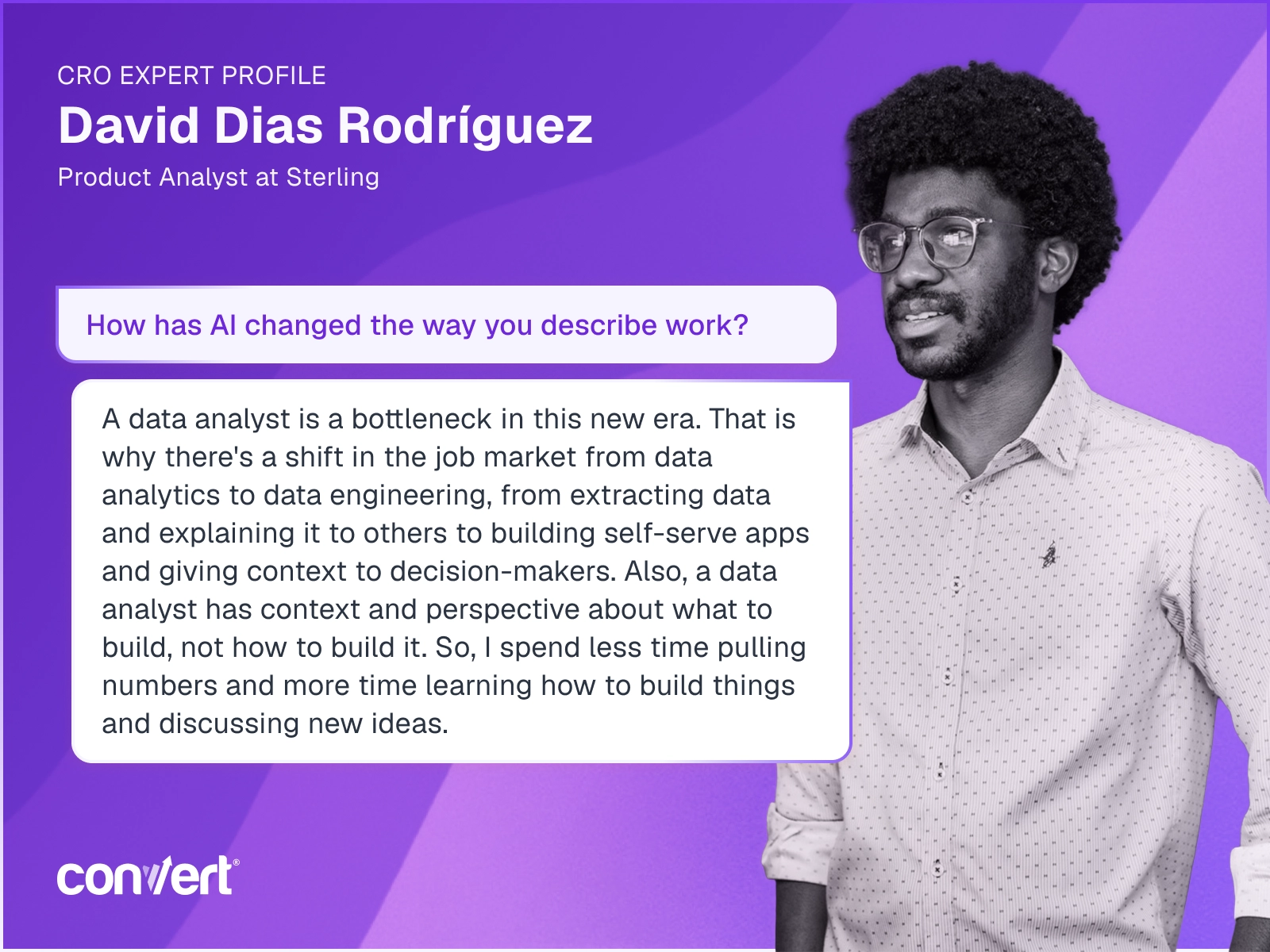
The landscape of digital product development is undergoing a fundamental transformation as the reliance on gut-feeling decision-making gives way to rigorous experimentation frameworks. This shift is being spearheaded by professionals like David Dias Rodríguez, a Product Analyst at Sterling, whose career trajectory reflects the broader industry movement toward evidence-based validation. As part of the ongoing Testing Mind Map series, Rodríguez recently shared insights into the daily realities of experimentation, the transition from data extraction to data engineering, and the profound impact of generative artificial intelligence on professional workflows. The current era of product management is no longer defined merely by the ability to execute changes, but by the capacity to validate those changes against objective user behavior and market demands.
The Shift from Intuition to Evidence-Based Validation
The genesis of Rodríguez’s commitment to experimentation began in the high-stakes environment of the online betting industry. In such sectors, where user engagement and conversion metrics directly dictate financial solvency, the traditional model of product updates—proposing an idea and moving straight to production upon managerial approval—presented significant systemic risks. This "pitch and release" model often lacked the necessary guardrails to prevent negative impacts on key performance indicators (KPIs). Rodríguez noted that this approach felt inherently risky, characterized by a lack of process and a deficiency in validation protocols.

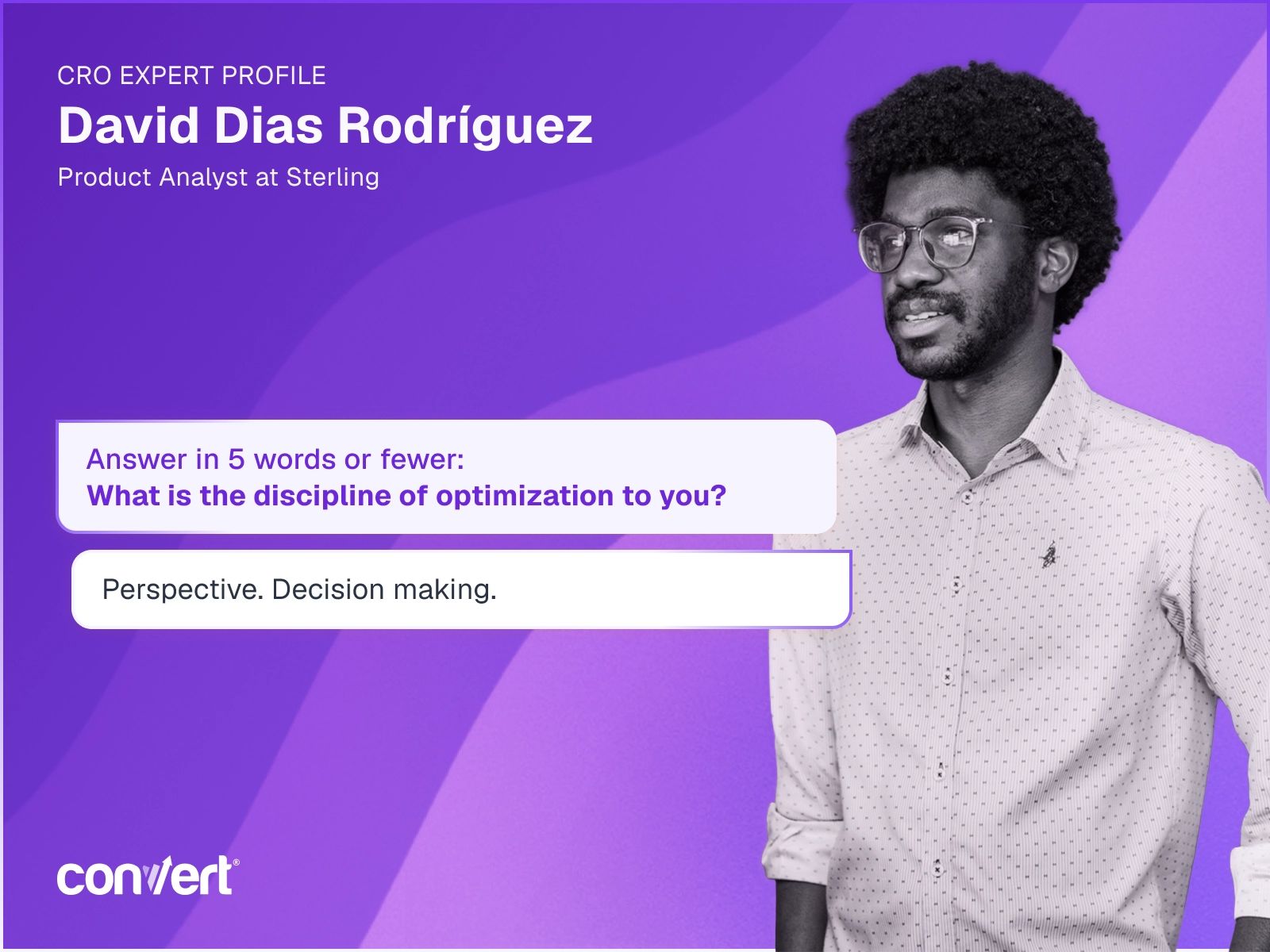
To mitigate these risks, Rodríguez began exploring the methodologies popularized by global technology leaders such as Duolingo, Spotify, and Netflix. These organizations have famously documented their experimentation cultures, showing how even minor adjustments to user interfaces or recommendation algorithms are subjected to rigorous A/B testing. By adopting these methods, product teams can move away from subjective debates over design and toward a culture where data dictates the roadmap. For Rodríguez, this transition was more than a professional requirement; it became a core philosophy, leading him to describe the discipline of optimization as the most rewarding aspect of his career.
Chronology of AI Adoption in the Experimentation Workflow
The integration of artificial intelligence into the testing and optimization field has followed a rapid and distinct timeline. In early 2023, many practitioners, including Rodríguez, viewed AI with a degree of skepticism. While the technology showed promise in image generation, its utility in complex data analysis and technical development appeared limited compared to human expertise. However, by late 2023, the rapid advancement of Large Language Models (LLMs) and automated coding assistants forced a reevaluation of this stance.
This chronological shift marked the transition of AI from a niche curiosity to a core component of the product analyst’s toolkit. For Rodríguez, the adoption of AI initially served as an educational accelerant, allowing him to gain proficiency in disciplines such as Search Engine Optimization (SEO) and web development in a fraction of the time traditionally required. This democratization of technical skill sets has allowed product analysts to bridge the gap between data insights and technical execution, effectively reducing the friction between identifying a problem and testing a solution.

Technical Applications and Case Studies in Automation
In his current work with Tably.es, Rodríguez has implemented AI-driven workflows that illustrate the practical application of automation in modern product management. These applications span several critical business functions:
- CMS and Web Development: AI is utilized to automate the creation of artist profiles within Content Management Systems (CMS). The technology cross-references official social media profiles on platforms like Facebook, Instagram, and TikTok to ensure data accuracy. Furthermore, AI assists in generating server-side code once a feature has been validated, significantly shortening the development lifecycle.
- Content Verification and Metadata: In the music industry, accurate attribution is essential for royalty payouts. Rodríguez’s team employs automated pipelines to cross-reference catalog metadata, ensuring that rights holders are correctly identified during the onboarding of verified artists.
- Search Analytics: By using AI to analyze large-scale logs from Google Search Console, the team can identify high-intent, long-tail keywords. This data-driven approach to content strategy ensures that educational resources, such as sheet music, are discoverable by the users who need them most.
- AI-Native Features: The team is currently testing features where the end-product itself is generated by AI, marking a shift from AI as a supportive tool to AI as a primary product offering.
These use cases demonstrate that AI is no longer just a tool for generating text; it is a sophisticated engine for data verification, code production, and strategic market analysis.
Validating Value Propositions: The Physiotherapy Experiment
A central tenet of Rodríguez’s approach is the use of experimentation to validate entire business models rather than just cosmetic changes. One of the most notable experiments in his portfolio involved a physiotherapy company seeking to expand into AI-driven online consultations. In 2021, the company proposed a new vertical dedicated to digital therapy.
Rather than investing heavily in the infrastructure for an unproven service, Rodríguez ran a test to measure actual user interest. The experiment tracked how many users selected the online option, the subsequent purchase rate, and the ratio of digital versus in-person sales. The results were definitive: at that time, users overwhelmingly preferred in-person treatment. This experiment saved the company from a potentially costly misstep into a market that was not yet ready for digital-only physical therapy. Rodríguez noted that while the 2021 results were negative, a similar test conducted in the post-pandemic, AI-saturated market of today might yield a different outcome, highlighting the necessity of re-testing hypotheses as cultural and technological contexts evolve.
The Structural Shift: From Data Analytics to Data Engineering
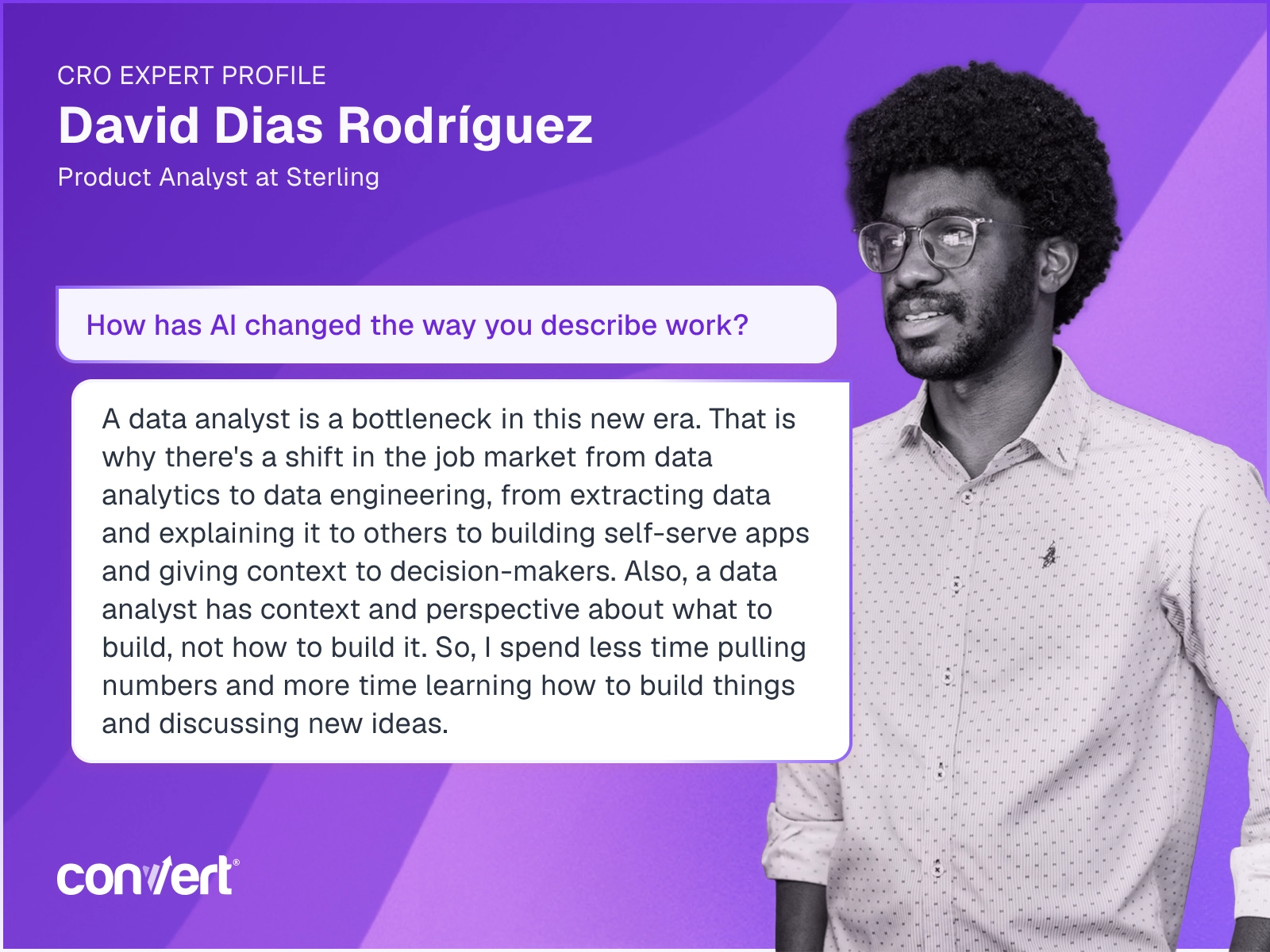
The rise of automated execution has led to a significant shift in the job market for data professionals. Historically, the data analyst often acted as a "bottleneck" within an organization—responsible for manually pulling numbers and explaining them to stakeholders. As AI takes over these repetitive, manual tasks, the role is evolving toward data engineering and strategic decision support.
Modern organizations are increasingly moving away from centralized data extraction and toward the creation of self-serve applications. In this new paradigm, the analyst’s value lies not in their ability to write a SQL query, but in their ability to provide the context and perspective necessary for decision-makers to act on data. Rodríguez emphasizes that he now spends less time "pulling numbers" and more time discussing strategic ideas and learning how to build the tools that empower others to find their own answers. This shift represents a maturation of the field, where the focus is on the "why" and the "so what" rather than just the "what."
Broader Impact and the Future of the Product Analyst
The implications of these changes extend far beyond the daily routine of a single analyst. The commoditization of execution means that the competitive advantage of a firm no longer rests solely on its ability to build features, but on its ability to choose the right features to build. In an environment where AI can generate code and content at scale, the human element—judgment, ethics, and strategic vision—becomes more valuable than ever.
The "Written by Human" movement, evidenced by the certification badges appearing on professional content, underscores a growing demand for authentic human insight in an AI-dominated landscape. For professionals like Rodríguez, the goal is to use AI to handle the "commodity" work—the repetitive, predictable tasks—so that human intelligence can be applied to the "high-variance" work of innovation and complex problem-solving.
As the Testing Mind Map series continues to document the playbooks of industry experts, a clear theme emerges: the most successful product teams are those that treat every feature as a hypothesis. By combining the speed of AI with the rigor of the scientific method, analysts are transforming from support staff into strategic architects of the user experience. The future of optimization lies in this synergy, where data-driven evidence and human-led conviction work in tandem to build products that are not just functional, but essential.

Conclusion and Industry Outlook
The insights provided by David Dias Rodríguez highlight a pivotal moment in the evolution of digital products. The transition from the high-risk betting industry practices to the sophisticated experimentation frameworks used at companies like Sterling and Tably.es reflects a broader professionalization of the tech sector. As AI continues to simplify execution, the role of the product analyst will likely continue its migration toward data engineering and high-level strategy.
For organizations looking to thrive in this environment, the message is clear: validation is the only hedge against the inherent risks of innovation. Whether testing the viability of online physiotherapy or automating the metadata of digital music, the commitment to evidence-based growth remains the gold standard for sustainable product development. The discipline of optimization, once a niche sub-field of marketing, has officially moved to the center of the modern business strategy.

 Nana Muazin
 Laily UPN