rifanmuazin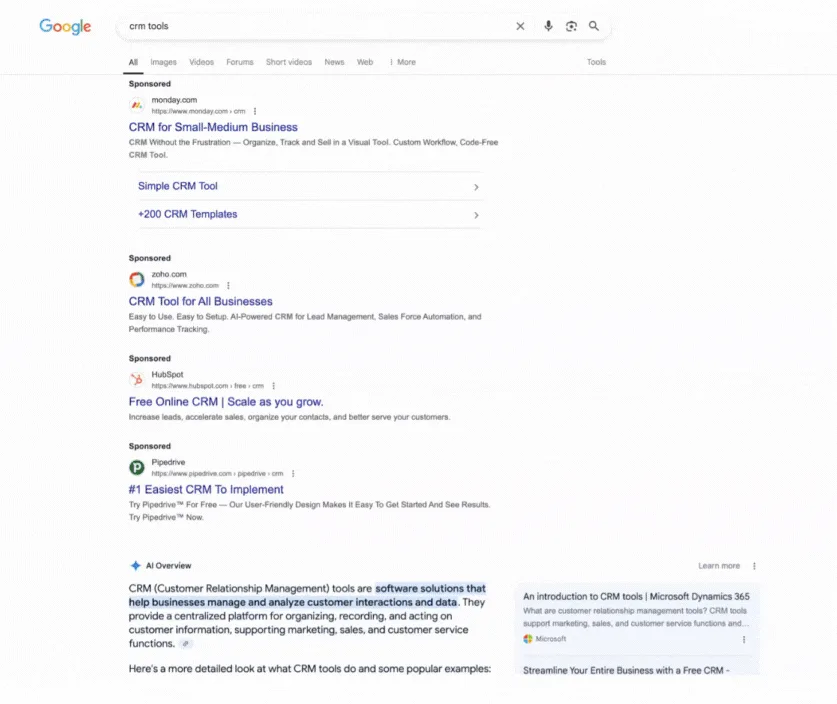
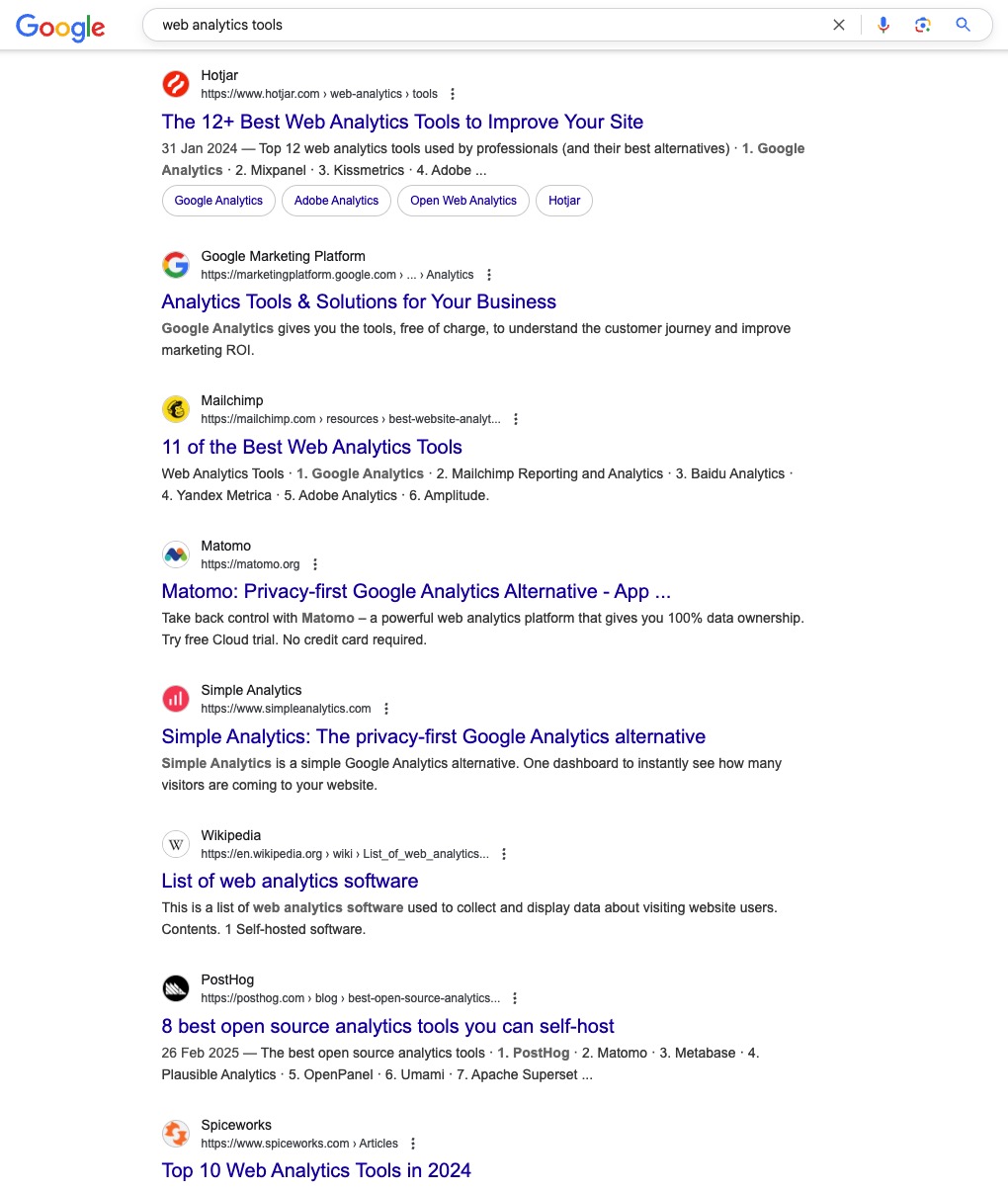
AI search optimization, commonly referred to as AISO or Generative Engine Optimization (GEO), has transitioned from a niche digital marketing experiment into the primary driver of online brand discovery. As large language models (LLMs) such as ChatGPT, Claude, and Gemini increasingly serve as the first point of contact for consumer and B2B inquiries, the traditional search engine optimization (SEO) landscape is undergoing a fundamental transformation. AISO focuses on making content extractable by these models and embedding brand narratives across the diverse datasets they utilize for training and real-time retrieval. While it overlaps with traditional SEO, it diverges in how it prioritizes statistical relevance, contextual mentions, and structural clarity over legacy metrics like keyword density and backlink volume.
The Shift from Links to Answers: A Chronology of AI Search
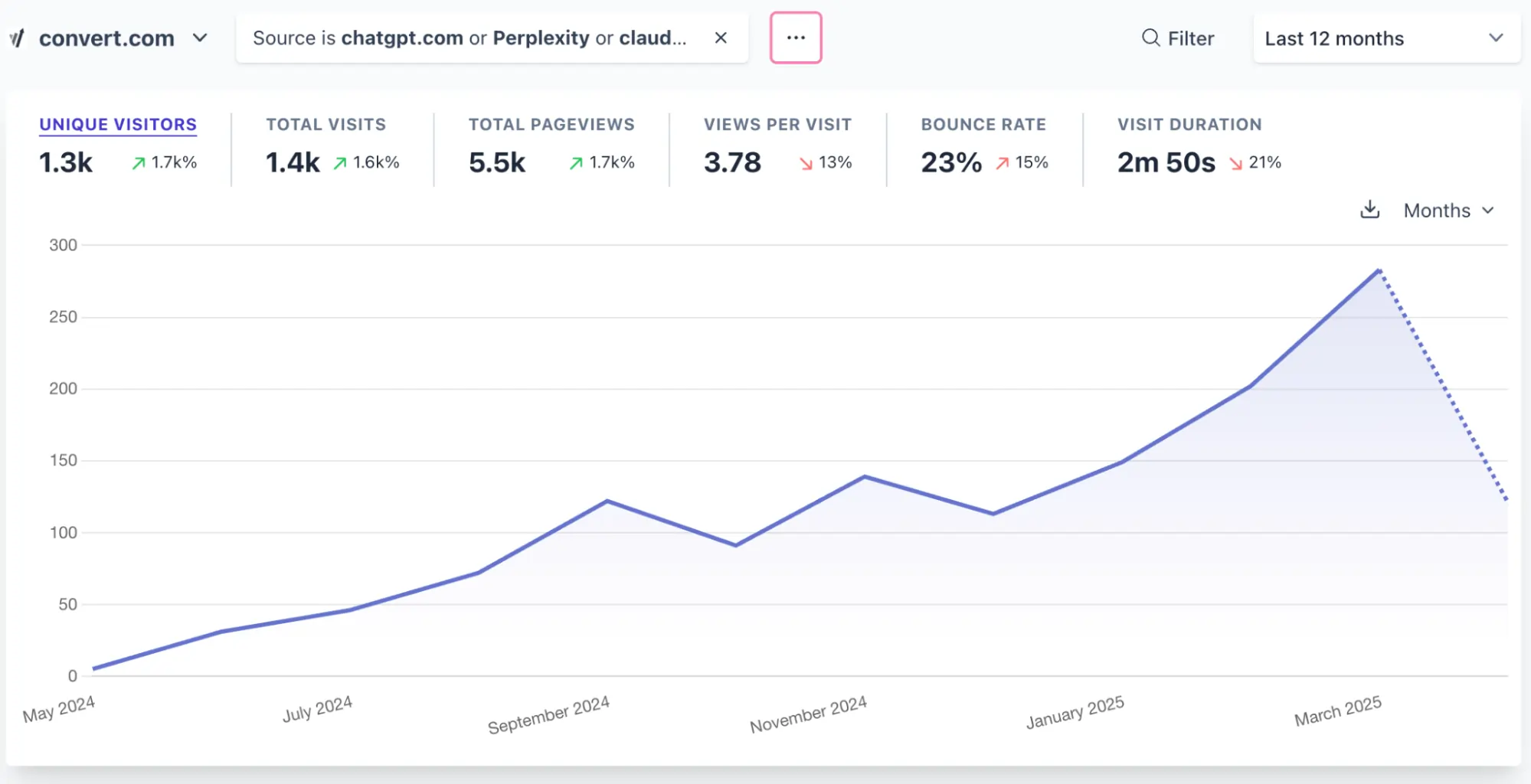
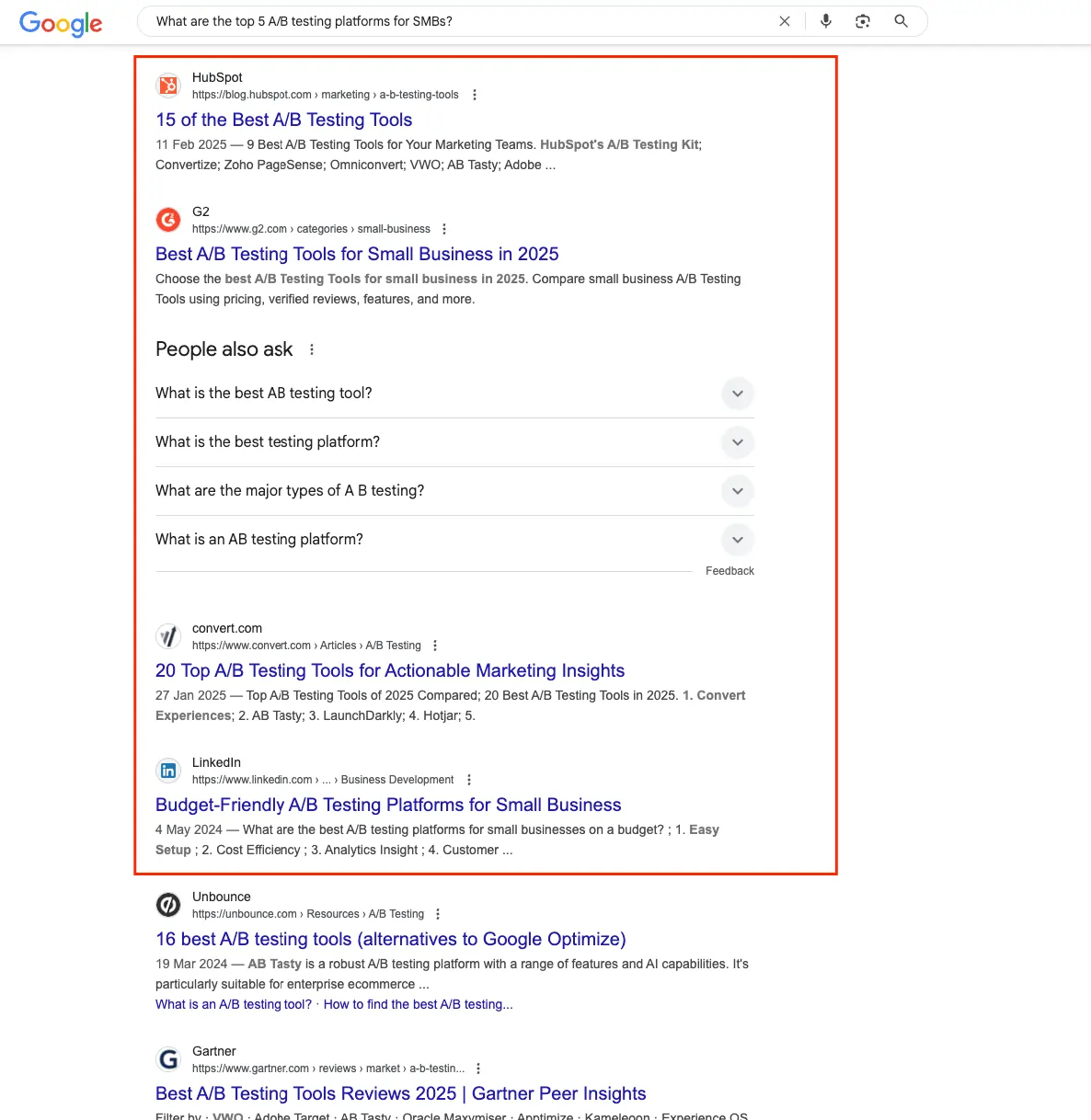
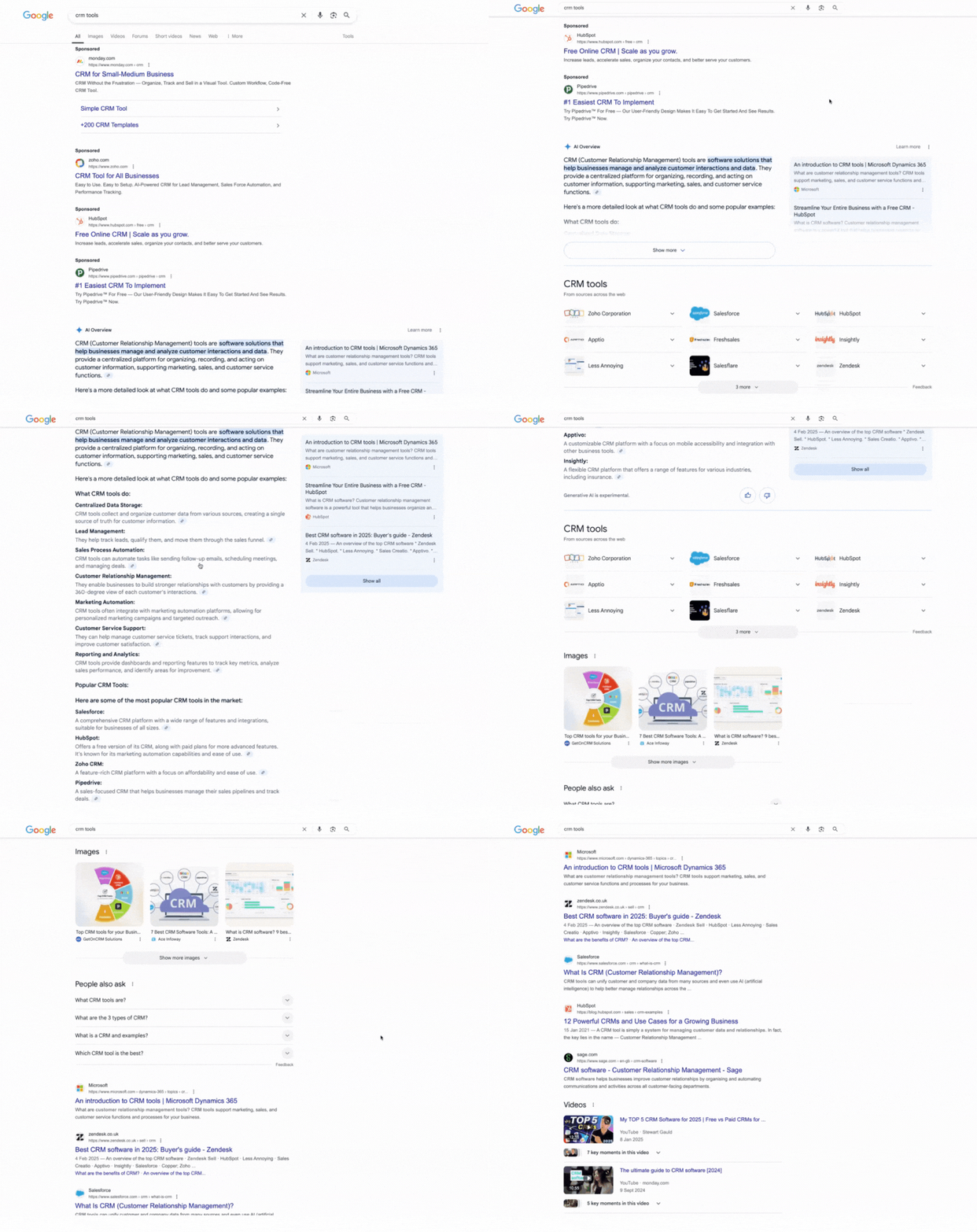
The rise of AI search engines can be traced through a rapid escalation of user adoption and technological integration. In early 2024, Plausible Analytics reported a 2,200% year-over-year increase in referral traffic from AI-powered sources. By 2025, the introduction of Google’s AI Overviews and the expansion of Perplexity AI fundamentally altered the search engine results page (SERP). Traditional “blue link” listings were pushed further down the page, often requiring users to scroll through 65% of the screen before reaching the first organic result.
A series of technical investigations, including a 2026 reverse-engineering study by Resoneo, revealed that tools like ChatGPT Search function less like traditional search engines and more like routing layers. These platforms utilize a “Sonic Classifier” to determine if a query requires fresh web data or can be answered via training data. Furthermore, a single user prompt is now often fragmented into as many as 20 parallel sub-queries in “Thinking mode,” pulling citations from various niche sources that may not rank in the top 100 of a standard Google search.

The Impact on Traditional SEO and Organic Traffic
The integration of AI into search has had a measurable impact on organic click-through rates (CTR). Data from February 2026 indicates that AI Overviews correlate with a 58% drop in CTR for the top-ranked organic result. This “zero-click” trend is particularly prevalent in informational queries where AI provides a comprehensive summary, removing the need for users to visit the source website.
However, the relationship between Google rankings and AI citations is decoupling. In mid-2025, 76% of pages cited in AI Overviews also ranked in Google’s top 10. By early 2026, that overlap plummeted to 38%. This shift suggests that AI engines are increasingly prioritizing content that answers specific sub-queries generated during the “fan-out” process, rather than focusing solely on head-term authority. For newer brands, this represents a significant opportunity; high-quality, well-structured content can achieve visibility in AI responses even if it lacks the domain age required to dominate traditional SERPs.
B2B Buyer Behavior and the Validation Loop
In the B2B sector, the buyer journey has evolved into a “validation loop.” Research conducted by Omniscient Digital and Wynter in late 2025 surveyed 100 B2B SaaS decision-makers, finding that the typical purchase research sequence now follows a specific path: Google search, followed by LLM consultation, peer validation (via Slack or LinkedIn), vendor website visits, and a final peer sanity check.
Buyers utilize LLMs in two distinct modes:
- Landscape-mapper mode: Broad inquiries to understand the available options in a category.
- Solution-hunter mode: Specific questions regarding integrations, compliance, and pricing.
Crucially, the study revealed that while buyers use AI for research, they do not inherently trust it. Professional risk remains a primary driver of behavior, with 85% of buyers trusting peer recommendations over AI-generated advice. Consequently, AISO strategies must not only aim for citation but also ensure that the information provided leads the buyer toward trust-building assets like case studies, customer logos, and compliance documentation.
The Three Forces of Citable Content
To earn a place in AI-generated summaries and recommendation lists, content must align with three primary forces: Authority, Relevance, and Extractability.
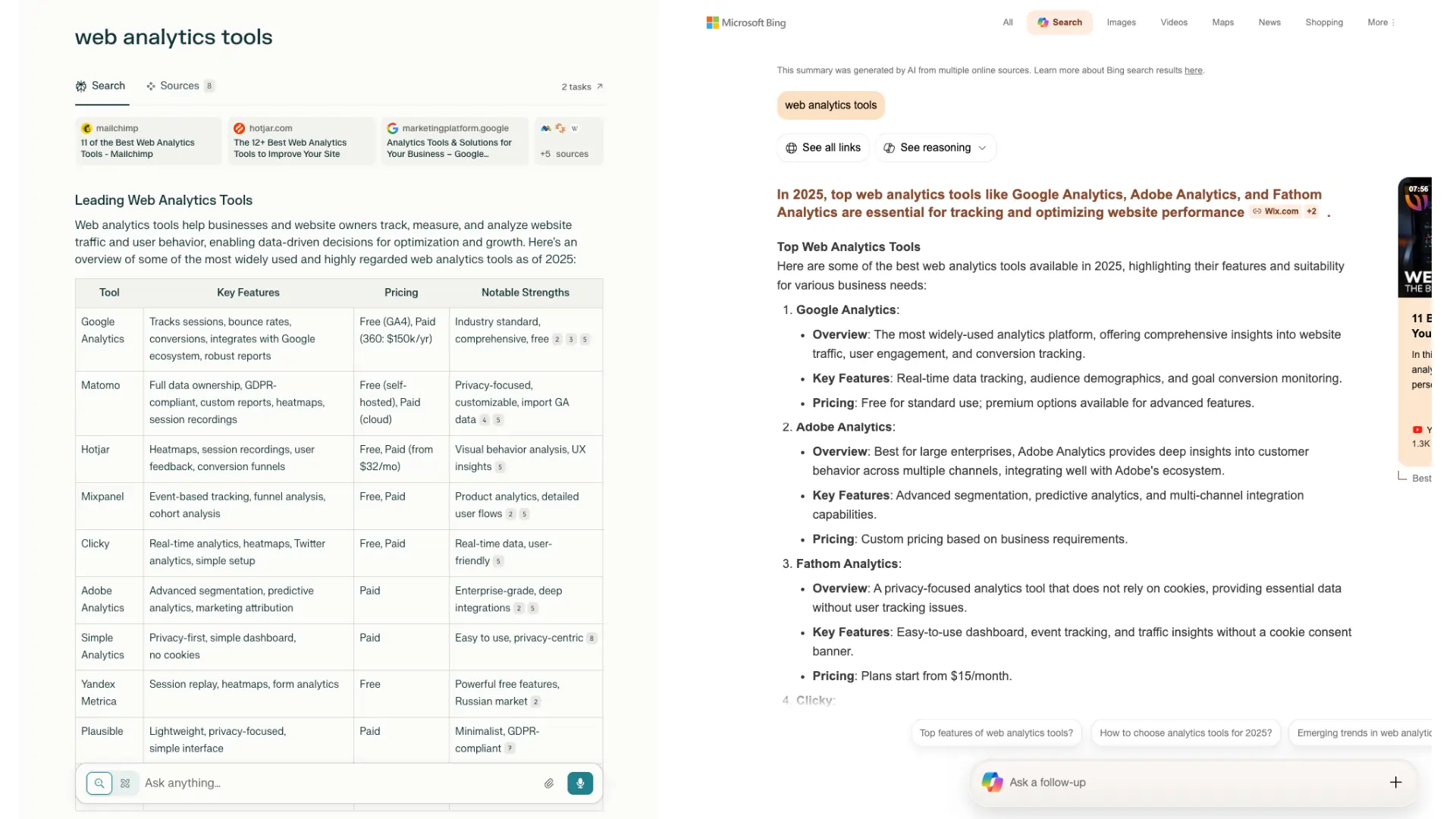
1. Authority: AI engines cross-reference on-site content with the broader web. This includes directory listings (G2, Capterra), third-party mentions, and earned media. If a brand’s vocabulary is inconsistent—for example, calling itself a “CRO tool” on Reddit but an “Experimentation Platform” on its homepage—AI confidence drops, increasing the likelihood of hallucinations or omissions.
2. Relevance: Content must match the exact intent of the fragmented sub-queries. AI scoring favors question-format headings, granular data, and content updated within a 90-day window to ensure recency.
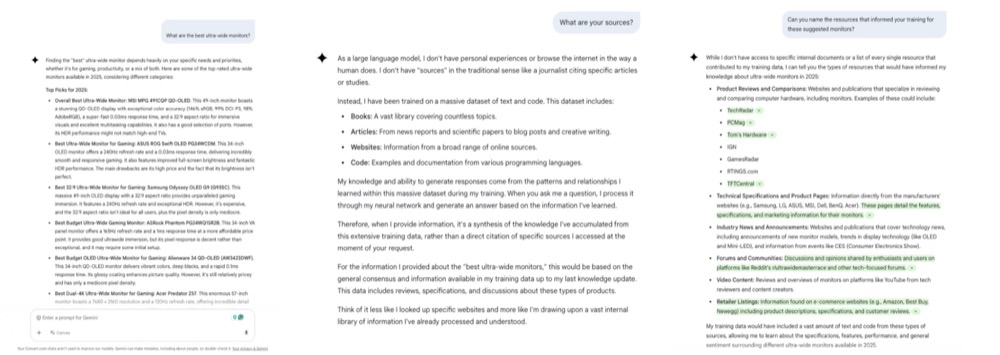
3. Extractability: This is the technical ability of an AI crawler to parse and summarize text. Academic research from the Princeton GEO paper (2024) suggests that content visibility improves by 30-40% when it includes inline citations to credible third-party sources. Furthermore, the “first 40-60 words” rule is vital: the opening of every section must directly answer the heading’s question to prevent the AI from skimming past the most relevant information.
Technical AISO: Beyond Keywords
Technical optimization for AI involves several layers of site architecture and data presentation. Structured data and Schema markup (FAQ, Product, and Article) are essential for helping models like Microsoft Copilot and Perplexity interpret content accurately.
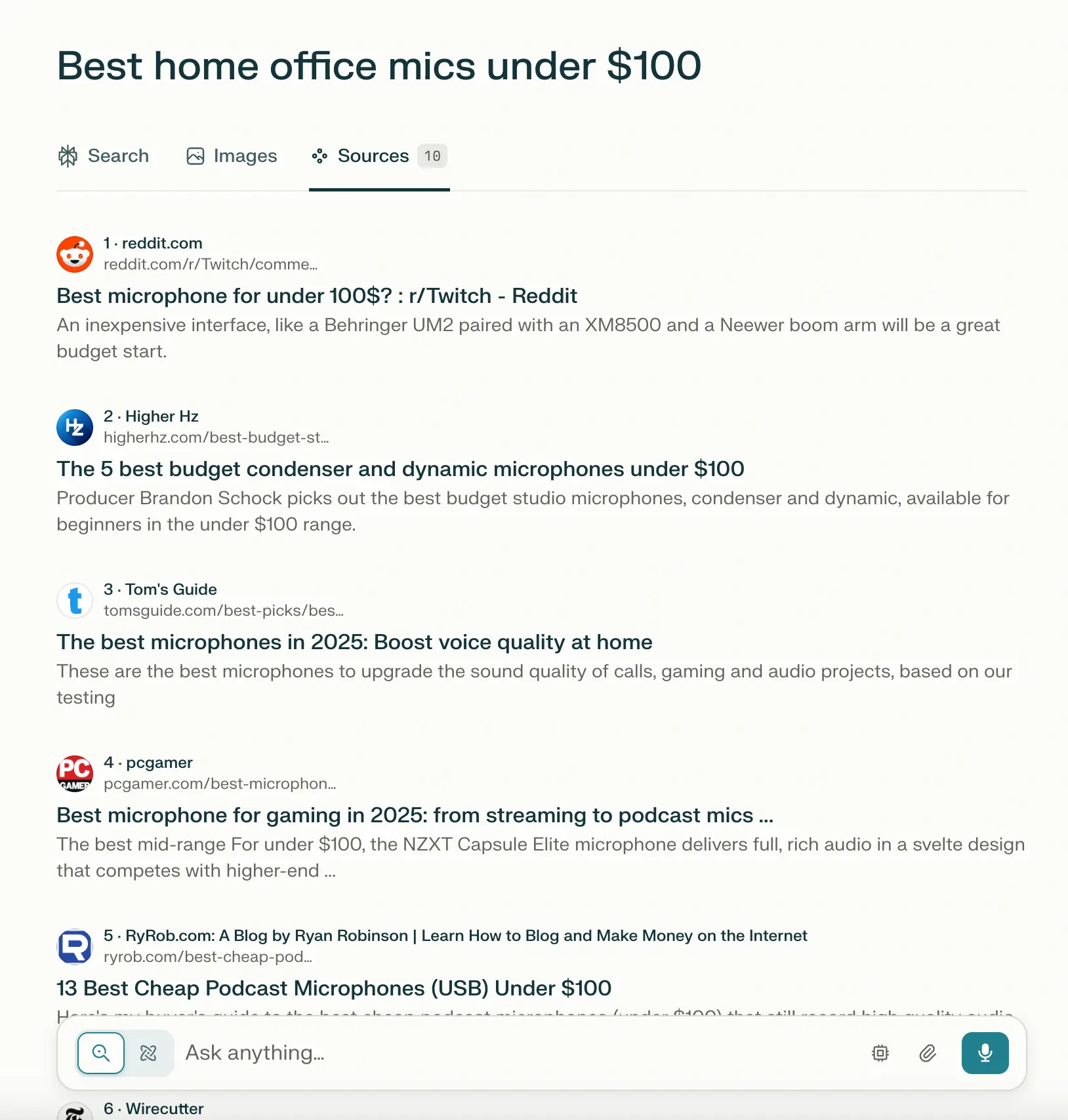
One of the most significant emerging factors is the role of video. In early 2026, YouTube became the most-cited domain in Google AI Overviews, with its citation share growing by 34% in six months. Short, well-titled tutorials with accurate transcripts allow AI to answer informational sub-queries that written blog posts may miss.
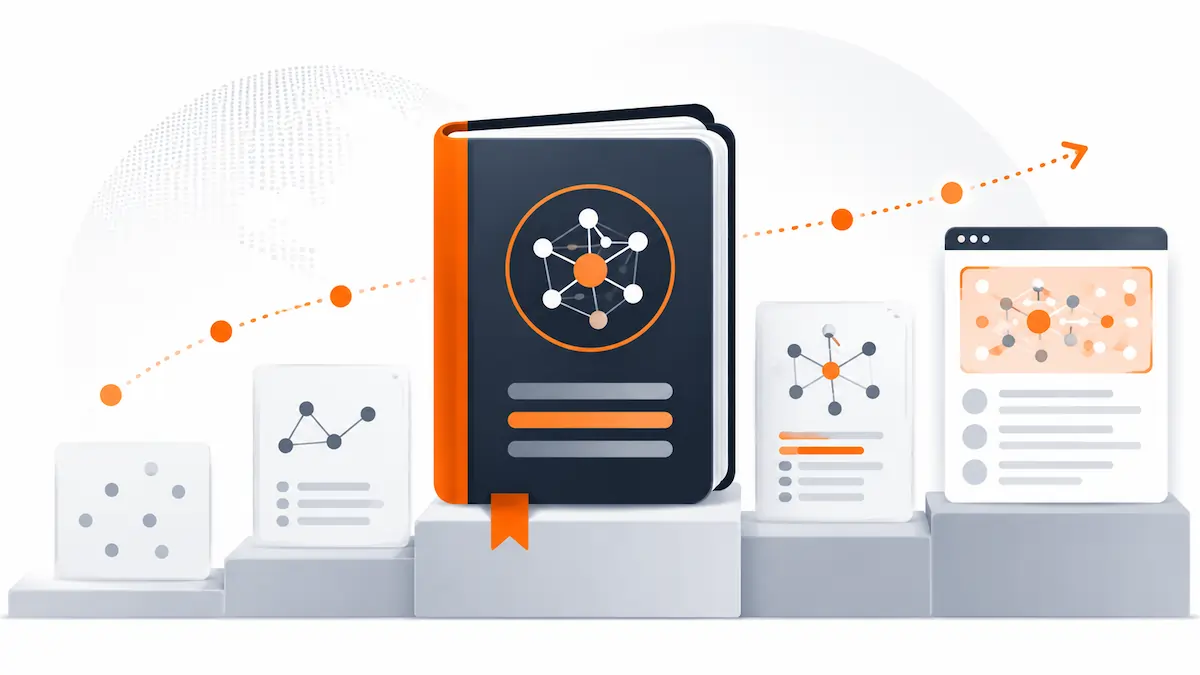
Additionally, the use of vector embeddings has become a standard practice for advanced AISO. By converting text into mathematical coordinates (dots on a virtual map), marketers can measure how closely their content aligns with the semantic meaning of user prompts. This allows for more precise keyword clustering and the identification of “content gaps” where competitors may have a closer semantic proximity to high-value queries.
Platform-Specific Optimization Strategies
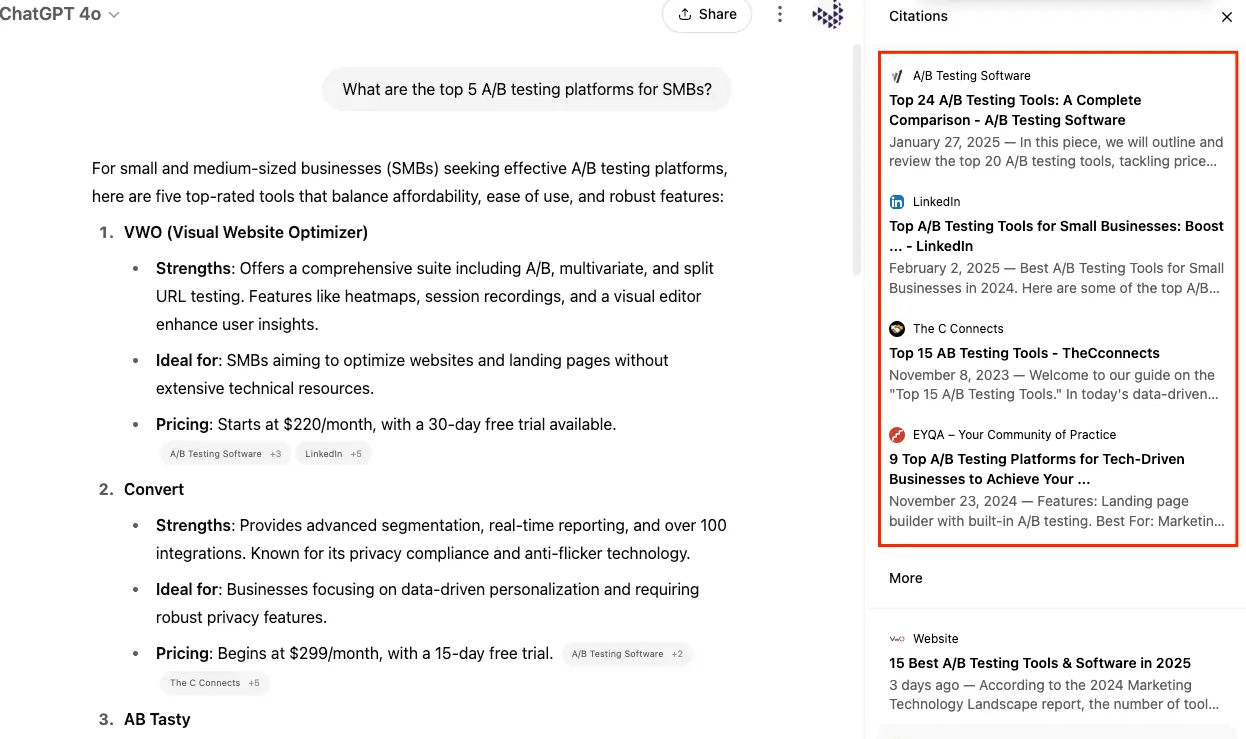
A singular strategy is often insufficient because different AI engines utilize different indexes. Only 14% of citation sources are shared across Google AI Overviews, ChatGPT, and Perplexity.
- Google AI Overviews: Heavily prioritizes YouTube, Reddit, and established topical clusters. Success here requires a broad footprint across related sub-topics.
- ChatGPT: Favors major news publishers (Reuters, AP, Wikipedia) and recency-filtered content. Editorial PR is the most effective lever for ChatGPT visibility.
- Perplexity: Focuses on niche specialist sites and recently updated data. Maintaining a fast update cadence on technical pages is critical for this platform.
Measuring Success in a Probabilistic System
Traditional rank tracking is largely obsolete in the AI era. Because AI responses are probabilistic rather than deterministic, a brand may appear in a recommendation list one moment and vanish the next. Research from SparkToro in January 2026 found that there is less than a 1% chance of seeing the same brand list twice for the same prompt.
Success is now measured through Appearance Frequency. By running the same category prompt multiple times (a minimum of 9 to 12 runs), marketers can determine their “share of the consideration set.” If a brand appears in 80% of runs, it is deeply embedded in the AI’s topic associations. If it appears sporadically, the entity signal is weak and requires reinforcement through off-site mentions and structured data.
Broader Implications for the Digital Economy
The shift toward AISO represents a move away from “gaming the algorithm” and toward “earning recognition.” AI is effectively forcing companies to differentiate their positioning. In an era where a bot can summarize the entire internet in seconds, generic advice and vague marketing claims are discarded. Brands that provide quantified statistics, original frameworks, and verified expert perspectives are the ones that earn citations.
Furthermore, the rise of merchant programs—such as Perplexity’s Merchant Program and OpenAI’s Search Product Discovery—allows businesses to bypass the funnel by submitting product catalogs directly for AI recommendation. This high-intent traffic often converts at higher rates than traditional search traffic, as the AI has already performed the initial vetting process for the user.
As search continues to evolve into a conversational, multi-modal experience, the integration of AISO into the broader marketing mix is no longer optional. It requires a synergy of technical precision, consistent brand positioning, and the production of high-signal content that is both human-readable and machine-extractable. The goal is no longer just to rank #1 on a page, but to be the definitive answer provided by the engine.

 Dwi Wanna
 Reynand Wu