

Email marketing continues to stand as a cornerstone of digital strategy, offering an unparalleled channel for direct audience engagement and revenue generation. In an increasingly fragmented online landscape, the ability to cultivate a dedicated subscriber base remains a critical asset for businesses of all sizes. Traditionally, this process relied heavily on embedding signup forms within a dedicated website. However, a significant development in marketing technology, spearheaded by innovations like AWeber’s AI Signup Form Builder, is democratizing list building, enabling even those without a conventional website to effectively gather subscribers and nurture their audience.
The concept of an email list can be vividly imagined as a carefully curated room, filled with individuals who have willingly chosen to hear what a brand has to say. Within this metaphorical space, engaged subscribers evolve from passive listeners to active participants. They pose questions, express interest, and ultimately, a significant portion will invest in products or services. Crucially, a dedicated segment transcends mere customers, transforming into fervent advocates who champion the brand, drawing new individuals into this valuable "room." This direct connection fosters loyalty and provides a resilient channel for communication, insulated from the volatile algorithms and policy shifts of third-party platforms.
The Enduring Value of Email in a Digital Age
Despite the proliferation of social media and instant messaging platforms, email marketing consistently demonstrates its superior return on investment (ROI). According to various industry reports, including those from Litmus and the Data & Marketing Association (DMA), email marketing routinely yields an average ROI of $42 for every dollar spent, far surpassing other digital channels. This efficacy stems from several key factors: email is a permission-based channel, meaning recipients have opted in, indicating a pre-existing interest. It offers a direct, personal line of communication, allowing for tailored messaging and segmentations that resonate deeply with individual subscribers. Furthermore, email lists represent an "owned" audience, providing businesses with a stable and controllable asset, unlike "rented" audiences on social media platforms that are subject to external control and reach limitations.
For many aspiring entrepreneurs, small businesses, creators, and solopreneurs, the initial hurdle of establishing a comprehensive website can be daunting. The perceived cost, technical expertise required, and time investment often delay or even prevent them from launching crucial digital marketing efforts. This is where hosted signup forms emerge as a pivotal solution, effectively lowering the barrier to entry for robust audience building.
Hosted Signup Forms: A Standalone Solution for Audience Growth
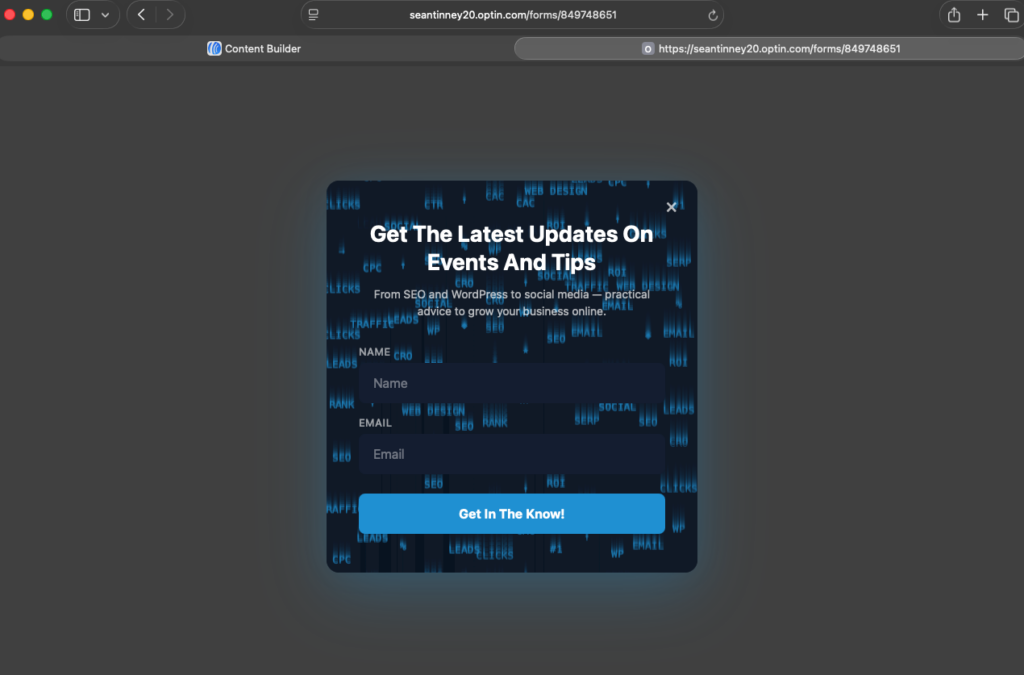
A hosted signup form is a self-contained web page designed with a singular purpose: to collect email addresses and add subscribers to a mailing list. Unlike embedded forms that require an existing website, a hosted form lives on its own unique URL. This standalone nature means it can be shared effortlessly across a multitude of digital and even physical channels, making it an incredibly versatile tool for nascent businesses or those operating on a lean digital footprint. From a direct link shared on social media platforms like Facebook, Instagram, X (formerly Twitter), LinkedIn, and TikTok, to integration within text messages or even printed materials like business cards, the hosted form offers ubiquitous accessibility.
Beyond its utility for those without a website, a hosted signup form also serves as a valuable asset for businesses that do possess a traditional online presence. It acts as a crucial backup, ensuring that list building efforts can continue uninterrupted even if a primary website experiences technical difficulties or downtime. Moreover, when the objective is to direct potential subscribers to a dedicated sign-up experience without the distractions of website navigation or other content, the hosted form provides a clean, focused pathway to conversion. This strategic use case underscores its value as a versatile component within a broader digital marketing toolkit.

The AI Revolution in Form Creation: AWeber’s Pioneering Approach
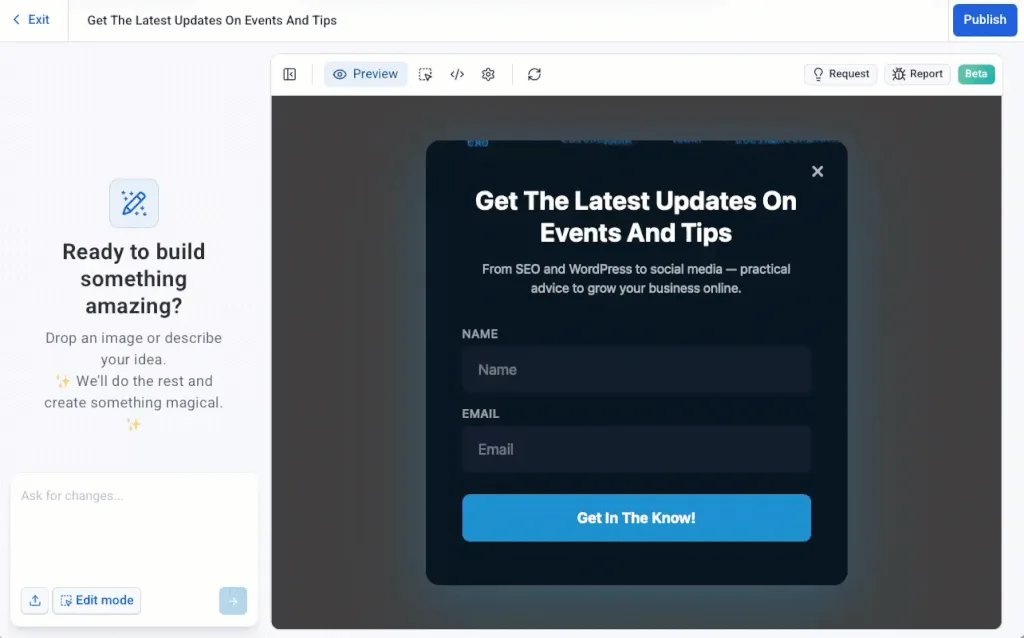
The process of creating these essential hosted forms has been significantly streamlined and enhanced by the integration of artificial intelligence. AWeber, a long-standing player in email marketing, exemplifies this innovation with its AI Signup Form Builder. Launched on June 10, 2026, this tool marks a significant leap forward, enabling users to generate a complete, professionally designed hosted signup form from a simple, single-sentence prompt. This eliminates the need for extensive design skills, coding knowledge, or even lengthy content creation processes, democratizing access to high-quality lead generation tools.
The operational simplicity of AWeber’s AI Signup Form Builder is a testament to its user-centric design. The process unfolds in a few intuitive steps:
- Accessing the Builder: Users navigate to the "Pages & Forms" section within their AWeber account and select "AI Signup Forms."
- Describing the Business: The core of the AI’s functionality lies in this step. Users input a concise description of their business, its offerings, or the purpose of the email list. For example, "A weekly newsletter for aspiring chefs featuring quick, healthy recipes," or "Updates on sustainable fashion trends and exclusive discounts."
- Review and Customization: Based on the prompt, the AI instantly generates a complete form, including a compelling headline, a descriptive text, and a design scheme that aligns with the described brand. Users then have the flexibility to review the generated form, making minor adjustments to colors, fonts, layout, or text to perfectly match their brand identity. Alternatively, they can accept the AI’s initial draft and proceed directly to publication.
- Grabbing the Hosted URL: Once published, AWeber provides a unique, shareable URL for the newly created hosted signup form. This link becomes the primary tool for audience acquisition, ready to be deployed across various channels.
This entire process is designed to be completed in less than five minutes, marking a substantial reduction in the time and effort traditionally associated with creating effective signup forms. The AI handles the initial conceptualization and design, providing a robust first draft that users can refine as needed, making professional-grade list building accessible to individuals and businesses regardless of their technical proficiency or design background. This innovation is particularly impactful for the rapidly growing segment of solopreneurs and small business owners who often wear multiple hats and have limited resources.
Strategic Deployment: Three Pillars of Email Collection Without a Website
Possessing a hosted signup form is merely the first step; strategic deployment is key to maximizing its potential. The effectiveness of this tool lies in its versatility, allowing businesses to integrate list building into various existing audience touchpoints:
-
Leveraging Social Media Platforms: In today’s digital landscape, social media platforms are often the primary point of contact between businesses and their potential audience. Hosted signup forms seamlessly integrate into this ecosystem.
- Direct Link Sharing: The unique URL can be posted directly on timelines, in stories, or as pinned posts on platforms like Facebook, X, and LinkedIn. For visual platforms like Instagram and TikTok, the "link in bio" feature becomes an invaluable asset. Businesses can consistently direct their followers to this link, encouraging them to subscribe for exclusive content, early access, or special offers.
- Compelling Calls to Action: Simply dropping a link is often insufficient. Effective social media promotion involves a clear, value-driven call to action. For instance, instead of just "Sign up here," a business might post: "Unlock exclusive weekly baking tips and ingredient guides – no spam, just pure deliciousness! Sign up via the link in our bio." The preview text generated from the hosted form’s name also plays a crucial role in attracting clicks, emphasizing the importance of a well-chosen form title.
- Content Integration: Mentions in live streams, video descriptions, and interactive stories further amplify the reach of the hosted form link, embedding the call to subscribe within engaging content.
-
Guest Posts and Collaborations: Expanding reach through strategic partnerships and content contributions on other platforms is a proven growth hack. Hosted signup forms amplify the effectiveness of these collaborations.
- Author Bios and Content Integration: When contributing guest articles to industry blogs, online publications, or collaborating with other creators, the hosted form link can be naturally integrated. Including it within the author’s biography section or strategically placing it within the article itself (where relevant and permitted) provides a clear pathway for readers interested in more content from the author to subscribe directly.
- Value Proposition: The messaging should highlight the benefit to the reader, such as "If you enjoyed this insight, subscribe to my weekly newsletter for deeper dives and exclusive tips." This leverages the established audience of the collaborating platform to acquire new, highly engaged subscribers.
-
In-Person Engagement via QR Codes: The resurgence and widespread adoption of QR codes have opened up powerful new avenues for offline-to-online conversion, making them an ideal partner for hosted signup forms.
- Physical Marketing Materials: Businesses can generate a QR code linking directly to their hosted signup form and print it on a variety of physical materials. This includes business cards, flyers distributed at events, product packaging, point-of-sale displays, or signage at physical locations like pop-up shops, market stalls (e.g., farmer’s markets), or retail spaces.
- Seamless Subscriber Acquisition: The convenience is unparalleled. A potential customer at a market can simply scan the QR code with their smartphone, be instantly directed to the mobile-optimized signup form, and join the mailing list within seconds, all without needing to remember a URL or navigate a complex website. This method effectively bridges the gap between physical interactions and digital engagement, ensuring no lead is lost due to friction. The growth in QR code usage, particularly post-pandemic, indicates a high level of consumer familiarity and comfort with this technology, making it a highly effective tool for in-person list building.
The Natural Progression: When to Consider a Full Website
While hosted signup forms and dedicated landing pages provide an exceptionally robust foundation for audience building and initial business operations, there comes a point in a business’s growth trajectory where a full-fledged website becomes a strategic necessity. This transition is a natural evolution, not a replacement, for the initial lean approach.
Key indicators that signal the readiness for a website upgrade include:
- Long-Form Content Strategy: When a business is ready to publish extensive long-form content, such as detailed blog posts, comprehensive guides, or in-depth articles that require dedicated hosting and categorization, a website offers the optimal platform.
- Direct Online Sales: If the business intends to sell multiple products or services directly online, manage inventory, process transactions, and offer a robust e-commerce experience, a dedicated online store within a website is essential.
- Complex Information Architecture: As a business expands, it often requires multiple dedicated pages beyond just a signup form. This includes "About Us" sections, detailed service descriptions, client testimonials, comprehensive contact pages, and portfolios, all of which are best housed within a structured website.
- Enhanced Brand Authority and Search Engine Visibility: A professional website significantly boosts brand credibility and plays a critical role in search engine optimization (SEO). As an audience grows and begins searching for the brand by name or for specific offerings, a website ensures discoverability and establishes a central hub for all brand-related information.
Until these advanced needs materialize, hosted signup forms, often complemented by simple landing pages for lead magnet delivery or basic service descriptions, serve as a perfectly capable "home base." They efficiently collect emails, automate the delivery of lead magnets (such as e-books or free guides), and trigger automated email workflows, providing all the necessary tools to cultivate a thriving audience from the ground up.
Implications for the Future of Entrepreneurship
The advancements in tools like AWeber’s AI Signup Form Builder carry significant implications for the broader landscape of entrepreneurship and digital marketing. By dramatically lowering the technical and financial barriers to entry, these innovations empower a wider array of individuals to launch and grow businesses. Solopreneurs, side-hustlers, freelancers, and small businesses in emerging markets can now leverage sophisticated marketing tools that were once exclusive to larger, more established entities. This democratization fosters greater economic participation and innovation.
As the digital world becomes increasingly crowded, the ability to forge direct, meaningful connections with an audience will remain paramount. Email marketing, enhanced by user-friendly, AI-driven tools, ensures that this essential capability is accessible to everyone, cementing its status not just as a marketing tactic, but as a fundamental pillar of modern business communication. For those poised to cultivate their audience and amplify their message, the path forward is clearer and more accessible than ever before.








