rifanmuazin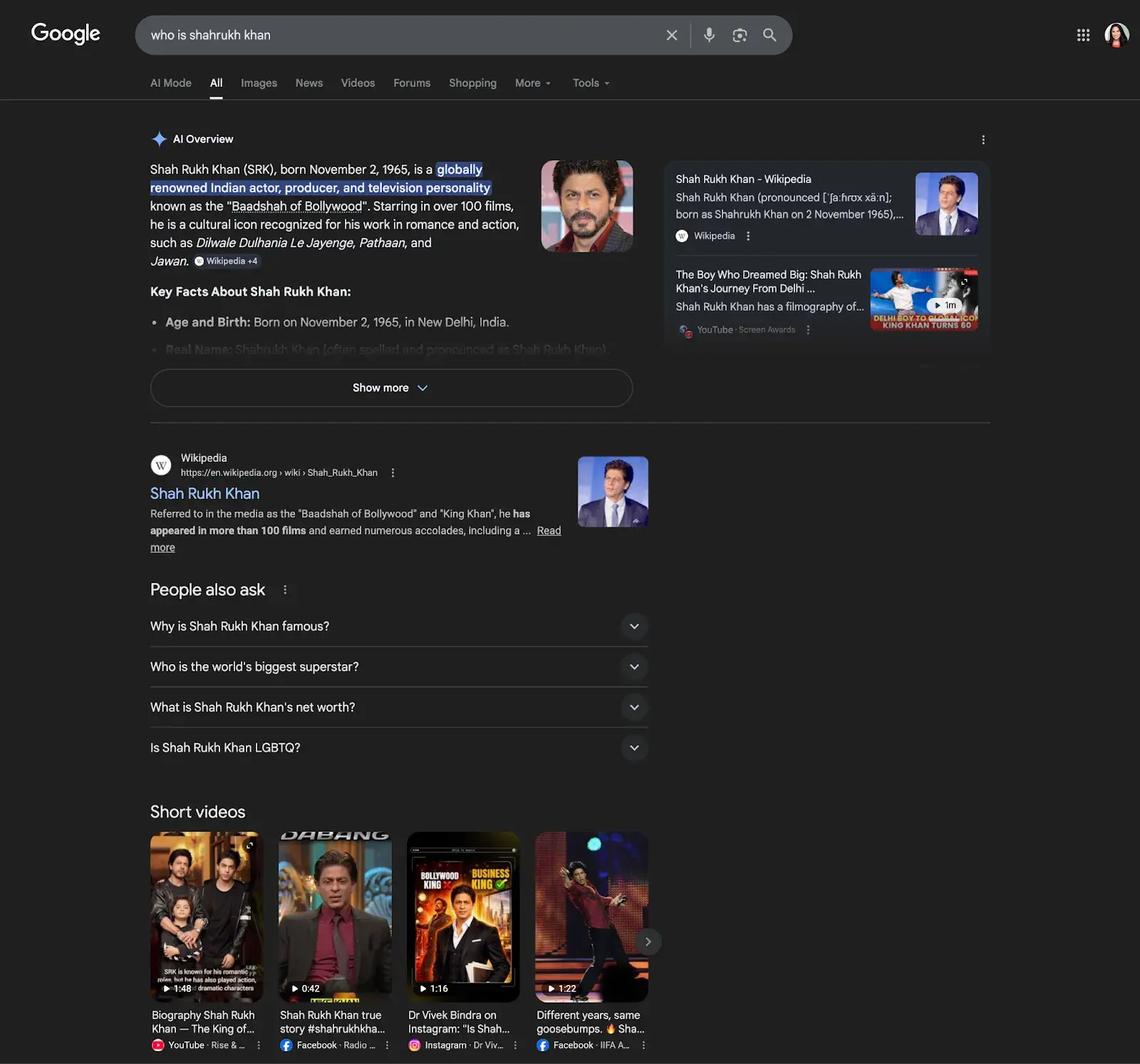
For years, the marketing world has been accustomed to sensational headlines proclaiming the demise of established foundational strategies—first email, then blogging, then search engine optimization itself. Now, with the unprecedented ascent of artificial intelligence, a new and pertinent question has emerged: Is AI truly killing web traffic, or is it merely orchestrating a significant redistribution? The curiosity surrounding this query is not only warranted but critical, as recent data and evolving user behaviors indicate a seismic shift in how information is accessed and consumed online.
The Dawn of AI-Powered Search: A Chronology of Disruption
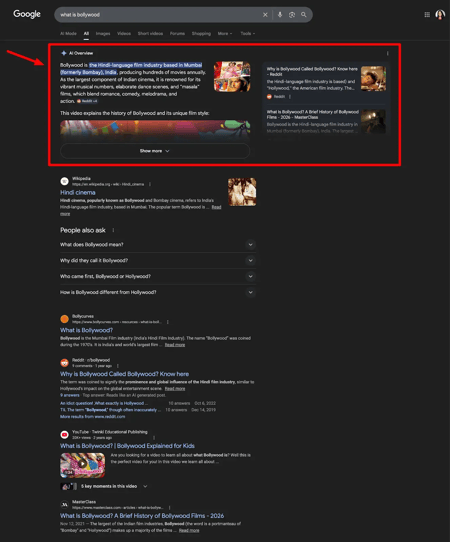
The narrative of search has always been one of continuous evolution, from rudimentary keyword matching to sophisticated semantic understanding. However, the integration of generative AI into search engines marks an inflection point, fundamentally altering the dynamic between users, search platforms, and content creators. Google, a dominant force in information retrieval, has been at the forefront of this change with the introduction and rapid expansion of its AI Overviews, initially rolled out as part of its Search Generative Experience (SGE). These AI-powered summaries appear prominently at the top of search results pages, often above traditional organic listings and even paid advertisements.
This strategic placement means that for a growing number of queries, users receive direct, concise answers without needing to click through to a website. This shift is not isolated to Google; a burgeoning segment of internet users is bypassing traditional search engines altogether, opting instead for dedicated AI answer engines such as ChatGPT and Perplexity for their informational needs. This dual trend—AI Overviews intercepting clicks on search result pages and the rise of direct AI queries—collectively exerts downward pressure on the traffic search engines traditionally direct to websites. The implications for marketers and content teams across virtually every industry are profound, necessitating a rapid adaptation to these new rules of engagement.
Quantifying the Shift: Data and Trends Reshape Expectations
The impact of AI on web traffic is not speculative; it is quantifiable and already significantly affecting click-through rates (CTR). As of December 2025, robust analytics from platforms like Ahrefs reveal that AI Overviews have slashed the organic click-through rate for position-one content by an alarming average of 58%. This drastic reduction is far from coincidental; it reflects a deliberate transformation in how search engines fulfill user intent. McKinsey’s analysis further underscores this trend, reporting that as much as half of Google’s search results already incorporate AI-powered features like these overviews, with projections indicating this figure could climb to 75% by 2028. Such rapid adoption highlights the permanence of this shift.
Beyond Google’s direct intervention, a broader change in user behavior is underway. A study by Seer Interactive observed a 61% drop in organic CTR for queries featuring AI Overviews between June 2024 and September 2025. Crucially, the same study noted a 41% decline in CTR for queries without AI Overviews during the identical period. This secondary finding suggests a systemic behavioral change, where users are generally becoming less reliant on traditional search engine clicks, possibly due to increased engagement with social media for discovery, direct AI answer engines, or a general expectation of immediate answers. For businesses tracking their traffic reports, a noticeable decline in website visitors often leads to the question, "Why did my website traffic drop after AI search?" The answer lies largely in this "zero-click" reality, where the user’s journey often concludes directly on the search results page or within an AI chatbot interface.

Discerning Impact: Measuring AI Overviews’ Influence
One of the most pressing challenges for digital marketers and SEO professionals is accurately measuring the specific impact of AI Overviews on web traffic. Traditional tools, such as Google Search Console, currently lack the granularity to isolate and filter data specifically for AI Overview interactions. All performance metrics, including impressions and clicks derived from AI Overviews, are aggregated within standard web search data, making precise attribution elusive. For instance, if a brand’s content is cited within an AI Overview, Search Console may record the impression and any subsequent clicks, but it does not explicitly differentiate this from a standard organic listing.
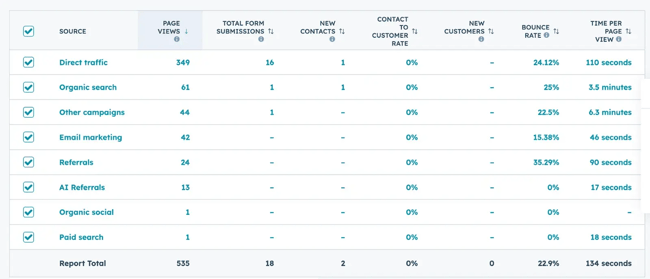
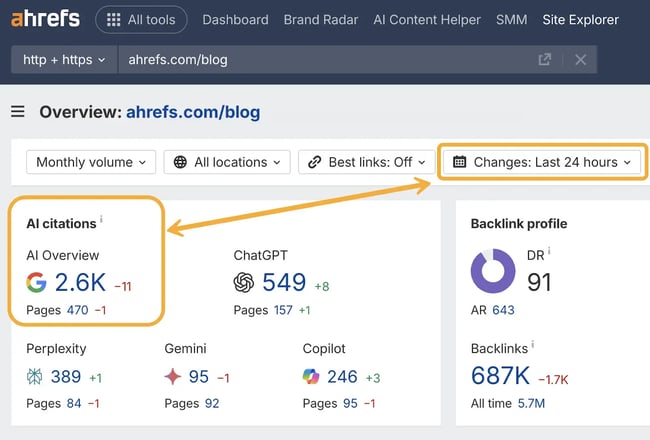
In response to this analytical gap, innovative solutions are emerging. Platforms like HubSpot have integrated "AI Referrals" into their traffic source analytics, encompassing traffic originating from AI assistants and chatbots such as ChatGPT, Claude, and Perplexity, as well as clicks from links embedded in AI-generated responses. For more advanced insights, specialized AEO (Answer Engine Optimization) features within tools like HubSpot Marketing Hub Pro and Enterprise offer a more direct lens into content performance within AI-powered search environments, enabling teams to track visibility and identify optimization opportunities across various answer engines. Furthermore, third-party SEO tools like Ahrefs provide estimated data on which keywords trigger AI Overviews, whether a specific brand was cited, and the approximate traffic implications.
Forecasting traffic under these new conditions demands sophisticated methodologies. Amanda Sellers, HubSpot’s blog growth manager, advocates for combining traditional linear regression with dynamic scenario planning. While linear regression can project future trends based on historical data, it often fails to account for disruptive events like significant algorithm updates or the sudden proliferation of AI Overviews. Sellers emphasizes the necessity of continuously monitoring AI Overview exposure through tools like Ahrefs and conducting CTR curve analysis using Google Search Console data. This allows for the creation of multiple forecast scenarios, such as "what if AI Overviews increase by 20%" or "what if an algorithm update negatively impacts us," providing a more resilient and realistic traffic outlook.
Attributing performance changes accurately is further complicated by seasonality. Linear regressions can help quantify historical seasonal patterns, allowing marketers to establish seasonality modifiers that adjust baseline traffic forecasts. For example, if December historically sees a 65% drop in traffic compared to November due to holiday seasonality, this can be factored in. Any performance anomalies then indicate that factors beyond seasonality are at play. However, as Sellers points out, the real-world attribution is far more intricate, with keywords fluctuating, AI Overviews appearing and disappearing, and algorithm updates constantly shifting the landscape. The interplay between these factors can make it challenging to pinpoint the exact cause of a traffic change. For instance, a tough algorithm update might coincide with an increase in AI Overviews for certain keywords, making it difficult to differentiate traffic loss due to lower SERP positioning versus cannibalization by AI Overviews. To navigate this complexity, a data-driven approach involving segmenting keywords based on their performance and AI Overview presence, and then comparing their respective CTRs, can provide a more accurate estimation of AI’s specific impact.
Targeted Vulnerabilities and Enduring Opportunities
Crucially, not all web traffic is equally susceptible to the influence of AI Overviews. Research from Semrush in 2025 indicated that nearly 95% of keywords triggering AI Overviews possessed little to no paid ad presence or direct commercial value. This suggests a strategic deployment by Google, primarily targeting informational searches. Consequently, the website traffic most at risk typically pertains to top-of-funnel educational content, which traditionally plays a vital role in building brand awareness and attracting a broad audience. Simple, fact-based queries—such as "what is [concept]," "how to" explainers, definition queries, and single-source informational questions—are prime candidates for zero-click results, as AI Overviews can provide immediate, comprehensive answers. For example, a query like "Who is Shahrukh Khan?" can be entirely resolved within an AI summary, obviating the need for further clicks.
Conversely, certain query types continue to drive robust website traffic. The same Semrush study highlighted that transactional keywords, including terms like "buy," "compare," and "near me," consistently exhibit higher CTRs. This is largely because AI, while capable of providing information, typically cannot complete direct transactions or offer the nuanced, detailed comparisons and validations that users seek for purchasing decisions. For instance, searching "Buy Shahrukh Khan DVD" will invariably lead to e-commerce sites, as the AI cannot fulfill the transaction. Similarly, comparison queries (e.g., "X vs. Y for [use case]") and queries demanding local, real-time, or highly specific information (e.g., "best Italian restaurant near me open now") continue to generate clicks because users require depth, reviews, specific product details, or immediate service fulfillment that a brief AI summary cannot provide. Overall, content focused on the bottom of the marketing funnel—such as pricing pages, detailed comparison guides, in-depth case studies, local service listings, niche technical explanations, and, most importantly, original research—is proving to be more resilient to AI Overview cannibalization. Such unique, proprietary information cannot be merely synthesized by AI from existing sources, thus preserving its value as a click-driver.
Navigating the New Landscape: Strategies for Adaptation
In this evolving digital landscape, marketers must pivot their strategies from merely "ranking" to ensuring "visibility" and "citation" within AI-powered search. The ultimate goal is not to avoid queries covered by AI but to become the authoritative source that AI cites.
Answer Engine Optimization (AEO): AEO is the new frontier of SEO, focusing on optimizing content specifically for AI-driven responses. Key strategies include:
- Original Research: Developing unique studies, surveys, and proprietary data makes content invaluable, as AI models seek authoritative, novel information that cannot be replicated from other sources. This significantly improves the likelihood of citation.
- Structured Data Implementation: Utilizing schema markup helps search engines and AI models better understand the context and relationships within a page’s content, improving its machine readability and making it easier for AI to extract and present accurate information.
- Concise Q&A Sections: Structuring content with clear, direct answers to common questions in dedicated Q&A sections or FAQ blocks facilitates AI extraction and increases the chances of direct citation.
- Clarity and Authority: Ensuring content is exceptionally clear, authoritative, and trustworthy is paramount. AI models prioritize reliable sources, making brand reputation and expertise more critical than ever.
- Content Hubs and Topic Clusters: Organizing content into comprehensive topic clusters helps establish topical authority, signaling to AI that a brand is a definitive source for a particular subject. Tools like HubSpot Content Hub assist in templatizing these patterns and maintaining editorial governance at scale.
Diversifying Traffic Sources: Over-reliance on non-branded organic search traffic exposes businesses to significant risk in the AI era. A strategic shift towards diversifying traffic channels is imperative:
- Owned Channels: Investing heavily in owned channels—such as email lists, subscriber communities, newsletters, and direct audience relationships—creates distribution channels immune to the whims of AI Overviews or algorithm updates. These direct relationships foster loyalty and provide a stable, predictable source of traffic. Publishers with strong direct traffic, like the Daily Mail (which reports over 60% direct traffic), have demonstrated significantly greater resilience to AI Overview disruptions.
- Paid Media: While organic reach is challenged, targeted paid advertising can secure visibility for critical queries, ensuring a presence even when organic listings are pushed down by AI Overviews.
- Social Media Engagement: Building strong social media presence and fostering communities can drive referral traffic and brand awareness, complementing traditional search efforts.
- Video and Multimedia Content: As AI models evolve, optimizing for video, audio, and interactive content formats can open new avenues for visibility and engagement.
Redefining Success Metrics: The traditional focus solely on organic click volume needs to evolve. Marketers must embrace a broader set of metrics to gauge success in the AI era:
- Share of Voice (SOV): Tracking how frequently a brand is mentioned or cited by AI Overviews and answer engines.
- Citation Frequency: Directly measuring the number of times a brand’s content is sourced by AI.
- Branded Search Growth: An increase in branded searches indicates growing brand awareness and trust, which can be an indirect positive outcome of AI citations.
- Qualified Traffic and Conversions: Focusing on the quality of traffic, rather than just volume. Data suggests AI-referred traffic often converts at a significantly higher rate, making these visitors highly valuable.
The Future of Web Traffic: Reincarnation, Not Demise
The notion that AI is "killing" web traffic is an oversimplification. Rather, AI is orchestrating a profound "reincarnation" and redistribution of traffic. While clicks for generic informational queries are undeniably declining, particularly for non-branded content, the traffic generated from AI citations for brands that earn them appears to be of a dramatically higher quality, converting at rates that often surpass traditional organic search. This structural change is not temporary; it represents a permanent evolution in the digital ecosystem.
The marketers and organizations poised to thrive in this new environment are those who move beyond measuring success purely in terms of raw click volume. Instead, they will embrace a more holistic view, experimenting with new metrics like visibility, citation frequency, and the cultivation of owned audience relationships. Adapting to AI-driven search experiences is no longer optional; it is an imperative. Tools like HubSpot AEO are designed precisely to assist marketers in navigating this paradigm shift, making answer engine visibility measurable and empowering teams to optimize not just for clicks, but for the presence, influence, and authoritative citations that will define success in the AI-powered future of search. The choice is clear: adapt and innovate, or risk being left behind in the wake of this digital revolution.