Neng Nana
The spam complaint rate, defined as the percentage of delivered emails that recipients mark as spam or junk, stands as a pivotal metric for email marketers and a critical indicator of sender reputation. Across the digital communication landscape, acceptable thresholds are rigorously enforced by major mailbox providers and email automation platforms alike, underscoring the severe implications of non-compliance. Gmail, a dominant force in email services, advises senders to maintain their complaint rate below 0.1% and strictly warns against exceeding 0.3%. Similarly, Yahoo recommends a ceiling of 0.3%. Email service providers (ESPs) often impose even stricter limits; for instance, Omnisend flags accounts when spam levels surpass 0.08%, highlighting the collective responsibility in maintaining a healthy email ecosystem.
Understanding the Core Drivers of Complaints
Analysis reveals three primary, yet fixable, habits that consistently drive elevated spam complaint rates: poor audience targeting, dispatching emails to disengaged subscribers, and employing misleading content or subject lines. These issues, if left unaddressed, not only diminish marketing effectiveness but also pose a significant threat to long-term email deliverability and sender reputation. This guide delves into the mechanisms of calculating and monitoring spam complaint rates, outlines industry benchmarks, explores the profound impact of high rates, dissects common causes, and offers strategic solutions for remediation.
Calculating and Interpreting the Spam Complaint Rate
The spam complaint rate is a straightforward calculation: the number of complaints is divided by the total number of delivered emails, with the result then multiplied by 100 to express it as a percentage. For example, if an email campaign sees 20 recipients report spam out of 10,000 delivered emails, the complaint rate would be 0.2% ((20 / 10,000) * 100 = 0.2%).
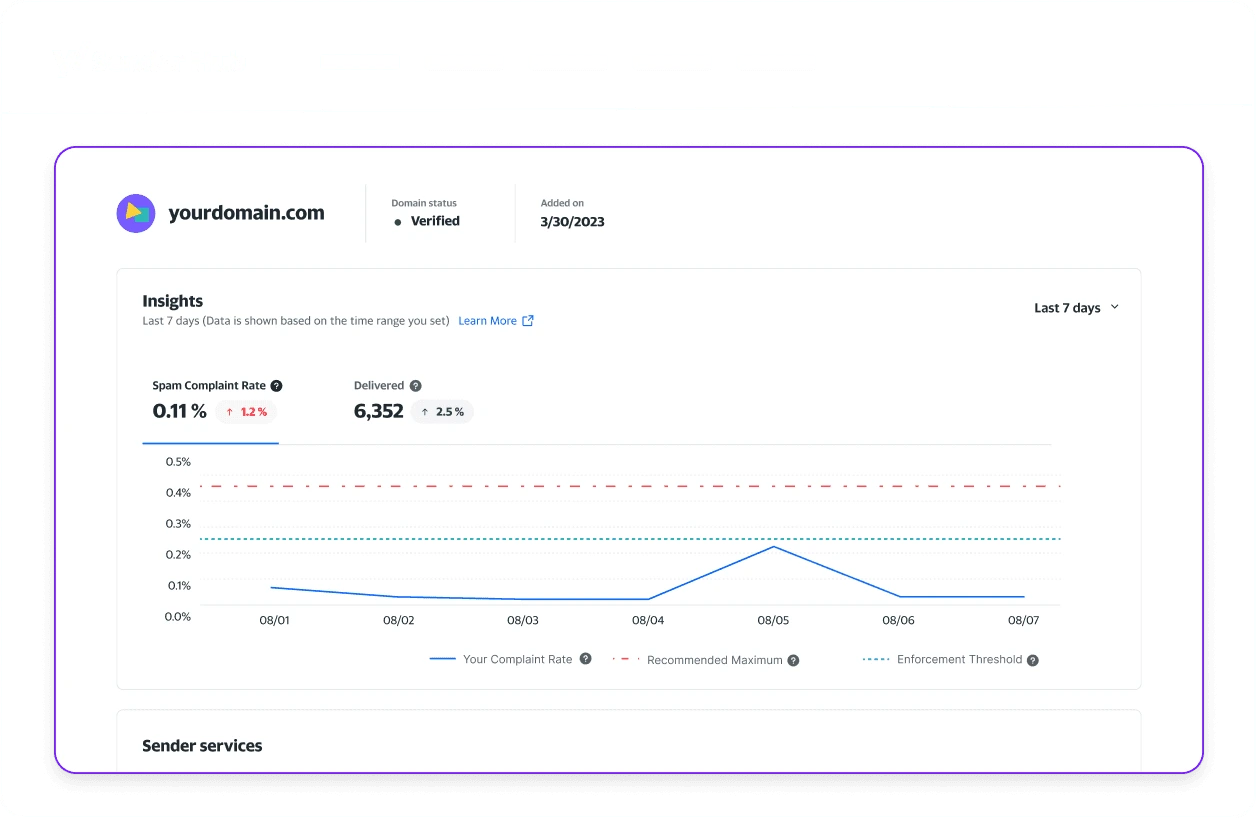
It is crucial to recognize that a complaint is recorded only when a recipient actively marks an email as spam or junk. However, not every complaint registers directly in a sender’s marketing platform report. Mailbox providers like Gmail and Yahoo utilize feedback loop (FBL) systems to report aggregated spam-rate data to senders, rather than individual complaint numbers. Google Postmaster Tools, for instance, provides this aggregated data for Gmail traffic. This distinction means that the reported rate often represents a subset of actual complaints, emphasizing the need for a holistic view of email performance metrics. The quantitative figure, while important, often matters less than the qualitative ‘why’ behind the complaints. A 0.2% rate resulting from a single poorly executed campaign demands a different solution than the same rate caused by chronic over-emailing or perpetual content irrelevance.
Industry Benchmarks and Thresholds
What constitutes a "good" spam complaint rate can vary by platform and reporting mechanism. Omnisend’s internal reports suggest a target of 0.08% or lower, while Google Postmaster Tools advises staying below 0.1% and never reaching 0.3%. These varying thresholds reflect the differing roles of ESPs and mailbox providers. ESPs, operating shared infrastructure, must implement stricter limits to protect their collective sending reputation, as a high complaint rate from one client can negatively impact all senders using that platform.
Thresholds also fluctuate among mailbox providers due to their proprietary reputation systems, engagement signals, and filtering algorithms. While precise figures may differ, the underlying principle remains consistent: mailbox providers prioritize senders whose emails are consistently anticipated and valued by recipients. This commitment to positive user experience is paramount for protecting long-term email deliverability and maintaining a robust sender reputation.
The Genesis of Email Spam and Evolving Defenses
The phenomenon of email spam is as old as commercial email itself, emerging in the mid-1990s as a low-cost, high-reach marketing tactic. Early internet users were inundated with unsolicited messages, leading to a demand for better filtering and regulatory frameworks. This historical context underpins the current stringent policies of mailbox providers. Over the decades, spam filters have evolved from simple keyword matching to sophisticated AI-driven algorithms that analyze sender reputation, email content, recipient engagement, and authentication protocols (SPF, DKIM, DMARC). This continuous arms race between spammers and email providers means that marketers must remain vigilant and adaptive to maintain inbox placement. The rise of AI-generated phishing, as reported by Hoxhunt, further intensifies the need for senders to build and maintain unquestionable trustworthiness.
Why a Healthy Spam Complaint Rate is Paramount
Maintaining a healthy spam complaint rate is not merely a best practice; it is foundational to email deliverability, sender reputation, and overall marketing efficacy. A high rate is typically a symptom of underlying issues such as poor timing, excessive frequency, or low relevance. Even a marginal increase in complaints can trigger a cascade of negative consequences, primarily reducing inbox placement. When emails are routed to spam or junk folders, fewer subscribers see campaigns, directly translating into lost opportunities for engagement and conversion.
The financial implications can be substantial. For marketers, a drop in inbox placement directly translates to revenue at risk. This risk can be roughly estimated using a formula: Revenue at Risk = (List Size x Inbox Placement Drop %) x Conversion Rate x Average Order Value. For instance, a brand with a 500,000-subscriber list, experiencing a modest 5% drop in inbox placement, a 2% conversion rate, and an average order value of $75, stands to lose $37,500 per campaign. This illustrates the tangible, quantifiable impact of poor email health.
Sender reputation, a numerical score assigned by mailbox providers, is intrinsically linked to complaint rates. A low spam rate fosters trust, leading to emails consistently landing in the primary inbox. Conversely, a high rate damages this trust, resulting in emails being directed to spam, throttled, or even temporarily blocked. This can trigger spam filtering mechanisms, which are designed to protect users but penalize legitimate senders for poor practices. The ultimate impact on business performance is stark: high complaint rates lead to lower opens, clicks, and purchases, while healthy rates drive superior engagement and revenue.
Common Causes of Elevated Spam Complaint Rates
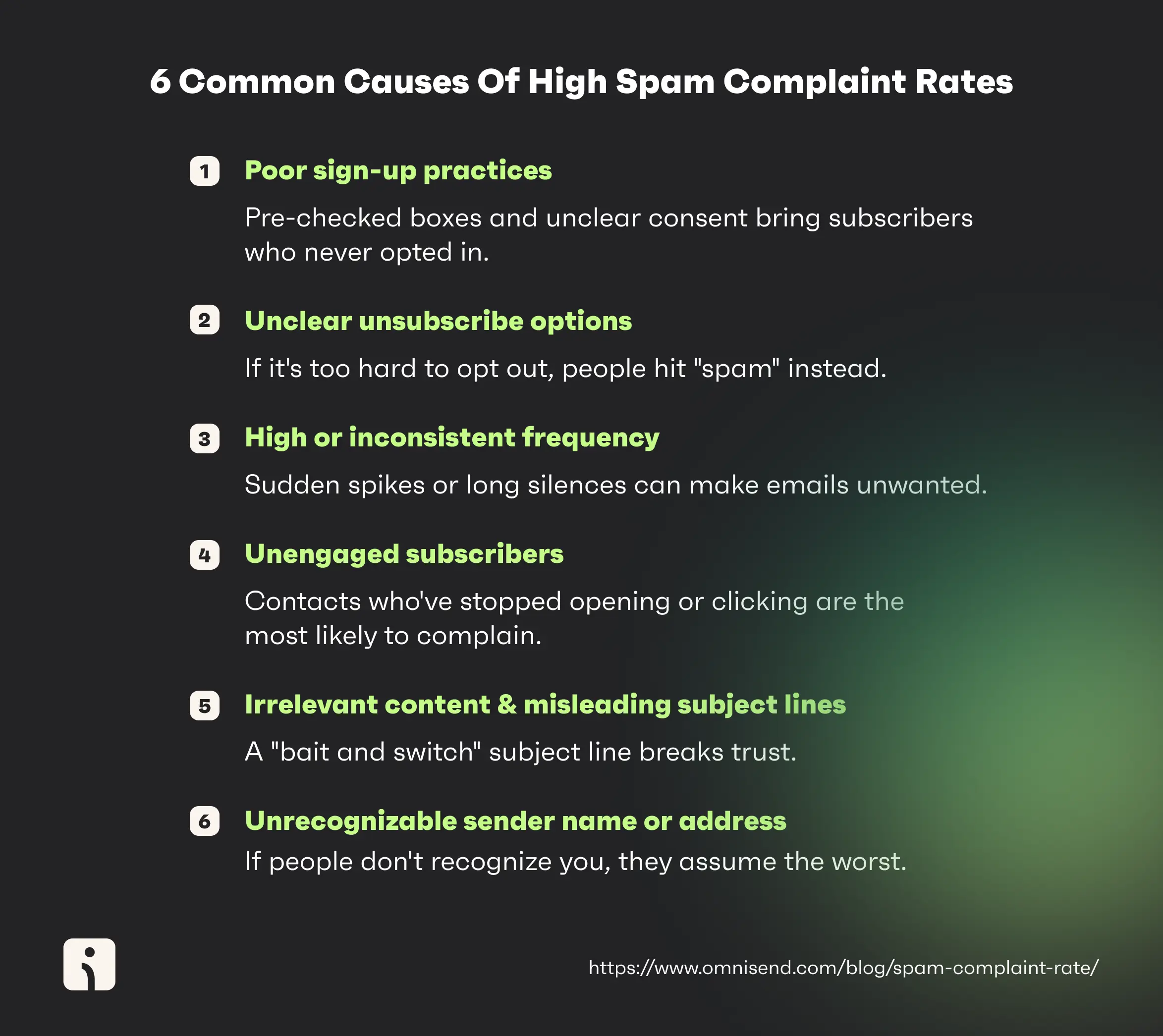
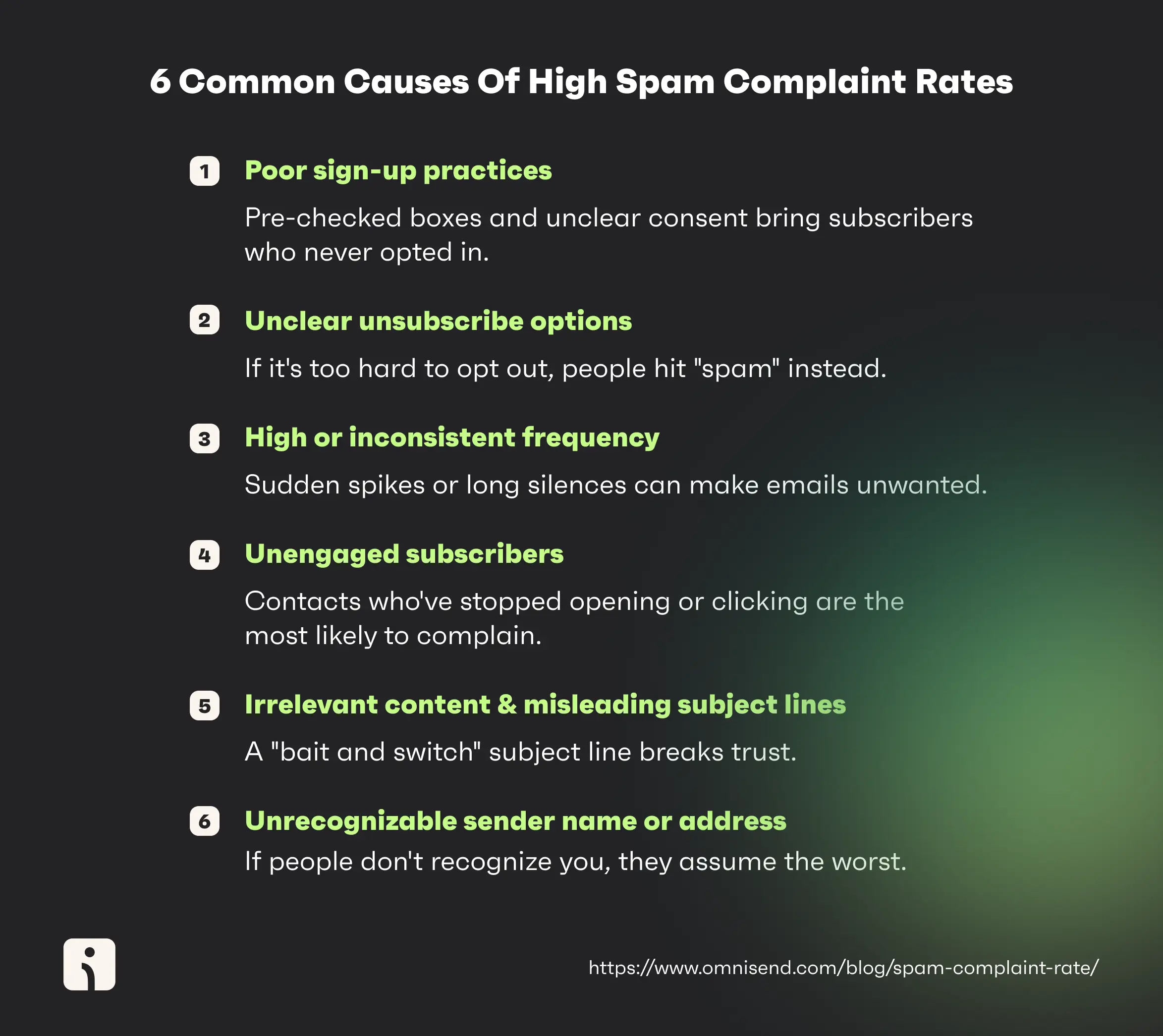
High spam complaint rates rarely stem from a single factor but are typically the confluence of several interconnected issues. Understanding these root causes is the first step towards effective remediation.
-
Poor Sign-Up Practices: The foundation of a healthy email list is explicit consent. Practices like pre-checked consent boxes, vague or misleading offers, or forced opt-ins can inflate subscriber counts with individuals who have little genuine interest. These low-quality acquisition tactics attract disengaged contacts who are prone to marking future emails as unwanted. Prioritizing clear opt-in language and transparent expectations for email frequency and content is crucial.
-
Unclear Unsubscribe Options: A hidden, difficult-to-find, or multi-step unsubscribe process can exasperate recipients, driving them to use the spam button as the path of least resistance. When opting out becomes a frustrating ordeal, users will choose the quickest method to cease unwanted communications. Senders must ensure a highly visible unsubscribe link in every email, ideally requiring one or two clicks for completion, followed by immediate confirmation.
-
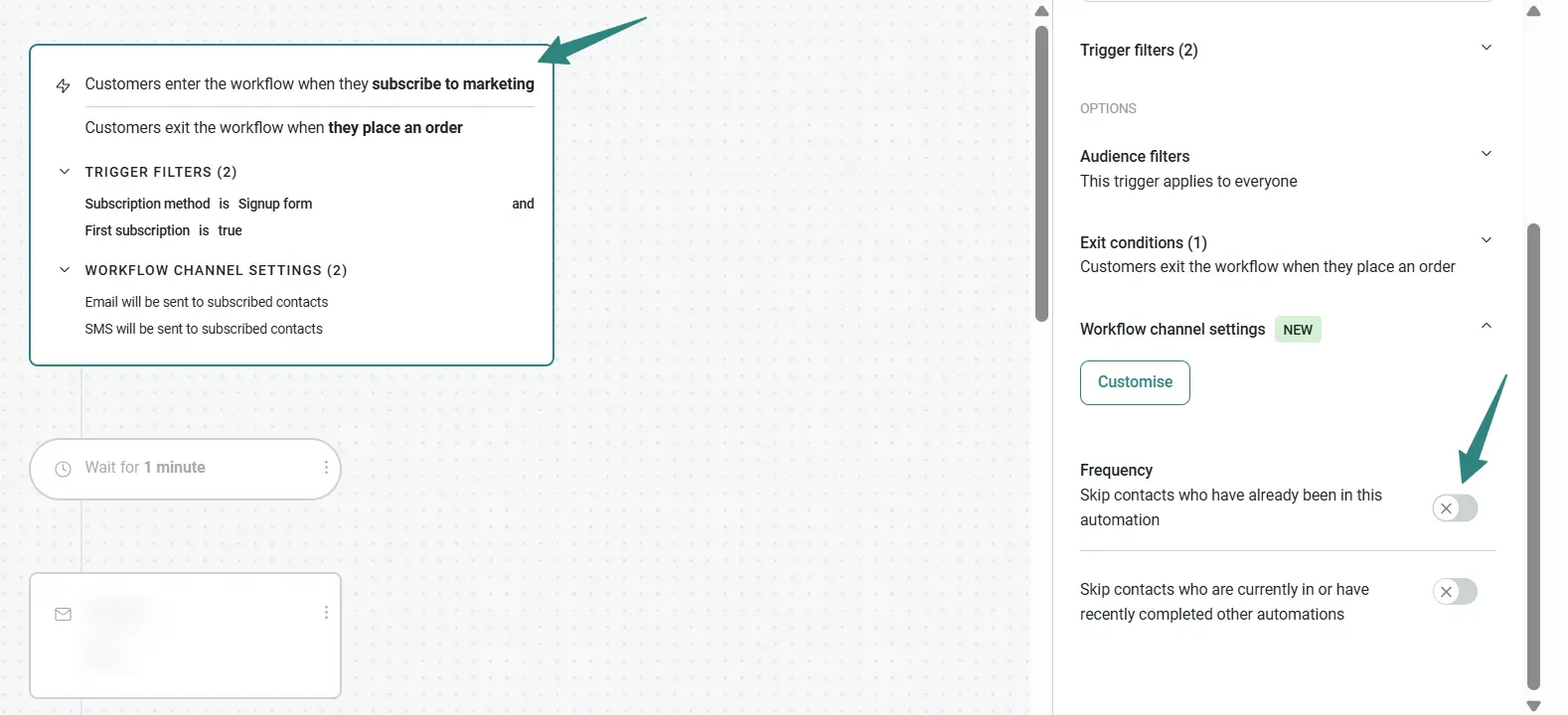
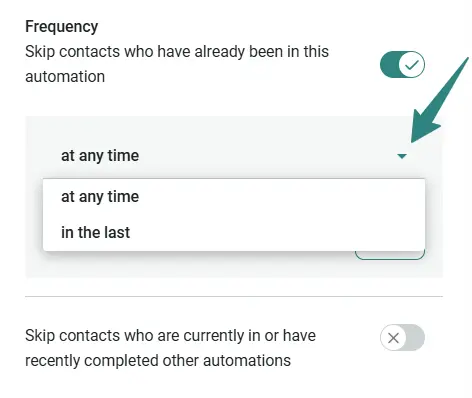
High or Inconsistent Email Frequency: Subscriber fatigue is a common precursor to spam complaints. Sudden, unexplained increases in email volume, especially without corresponding segmentation or frequency caps, can overwhelm even engaged subscribers. For example, a subscriber accustomed to a weekly newsletter might react negatively to receiving daily promotional emails and SMS reminders during a holiday sale. Conversely, prolonged gaps in communication can also lead to complaints, as recipients may forget they ever subscribed, perceiving a sudden influx of emails as unsolicited. Lifecycle-based segmentation, suppression rules post-purchase, and maintaining a predictable sending cadence are vital. Omnisend’s frequency settings, for instance, allow control over how often contacts can re-enter automation flows, preventing message overload.
-
Sending to Unengaged Subscribers: Continuously emailing subscribers who exhibit consistent low or no engagement (e.g., no opens or clicks in 30-90 days) is a direct pathway to higher complaint rates and diminished list quality. These individuals are unlikely to respond positively and are prime candidates for reporting emails as spam. Implementing appropriate suppression rules and re-engagement strategies is essential. Subscribers showing no activity should be moved to reactivation workflows. If win-back attempts fail, complete suppression from marketing emails is advisable to protect sender reputation and list hygiene. Recent e-commerce data indicates that optimizing for purchase intent over mere engagement volume is key; fewer clicks can still yield stronger results if messaging is highly relevant and timely.
-
Irrelevant Content and Misleading Subject Lines: Deceptive subject lines, often characterized by clickbait or exaggeration, create a mismatch between expectation and reality. If a subject line promises a significant offer but the email delivers something irrelevant or of negligible value, recipients feel misled and are likely to report it as spam. Examples include fake "Re:" or "Fwd:" prefixes, excessive use of all caps, false urgency, baseless exclusivity claims, or vague promotional promises. Such practices erode trust, reduce engagement, and severely damage sender reputation. Subject lines must accurately reflect email content and align with recipient interests, prioritizing honesty and value delivery.
-
Unrecognizable Sender Name or Address: In an era of sophisticated phishing attacks, a consistent and clearly identifiable sender identity is crucial. An unfamiliar or frequently changing "From" name or domain raises suspicion, increasing the likelihood of emails being marked as spam. Using a consistent sender name and a recognizable, branded domain (e.g., "YourBrand" from "[email protected]") builds trust and familiarity. The increase in AI-generated phishing attacks underscores the need for senders to be immediately recognizable and trustworthy.
Strategic Solutions for Reducing Spam Complaints
Proactive management of spam complaint rates involves a multi-faceted approach focused on subscriber quality, sender reputation, list hygiene, and content relevance.
1. Acquiring Quality Subscribers:
The most effective long-term strategy is to build a list of genuinely interested subscribers.
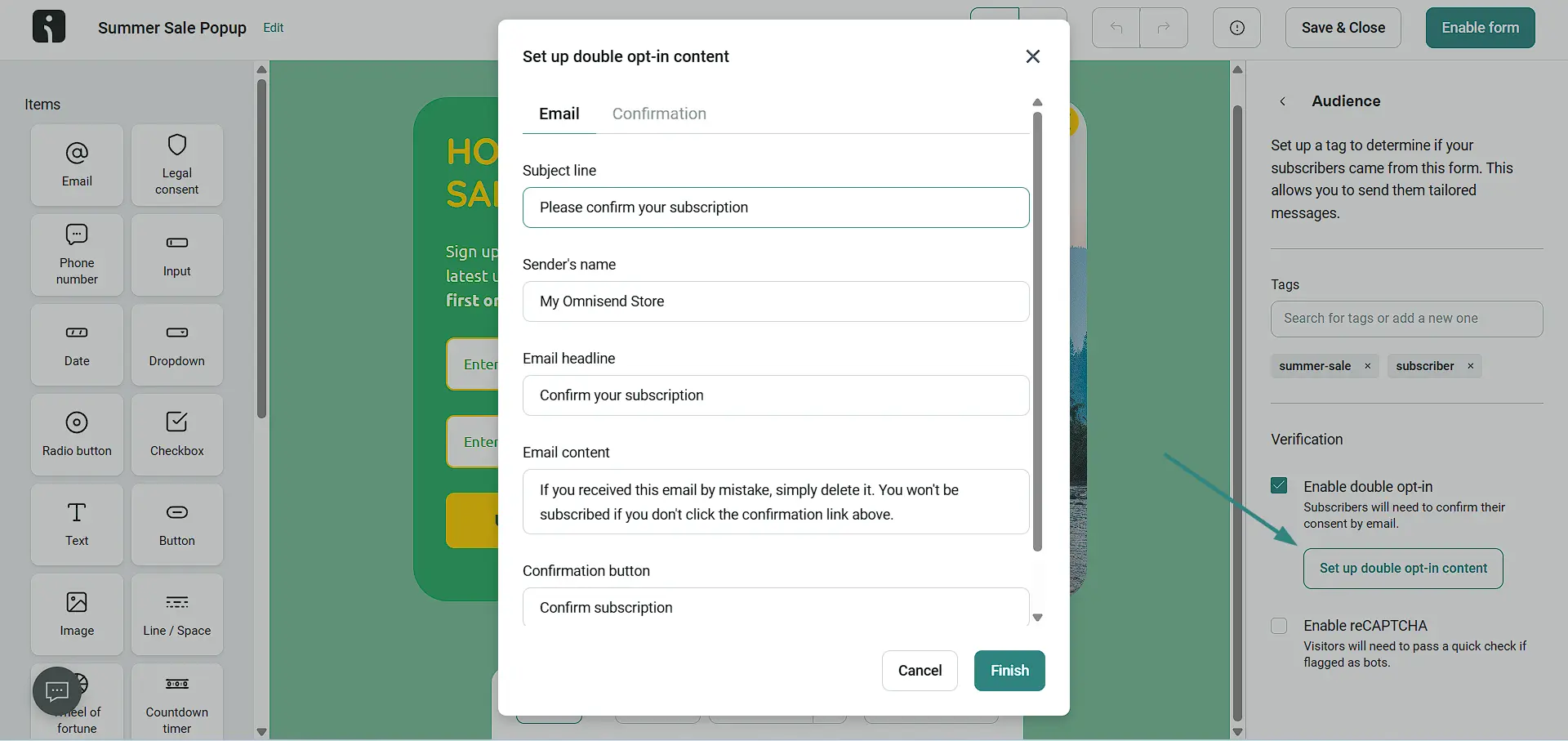
- Double Opt-In: Implement double opt-in for all sign-up forms. This two-step process, where subscribers confirm their email address after initial sign-up, ensures explicit consent and filters out mistyped addresses, bots, and low-intent contacts. Tools like Omnisend’s customizable forms include built-in double opt-in features to streamline this process.
2. Protecting Sender Reputation:
A strong sender reputation is a shield against spam filters.
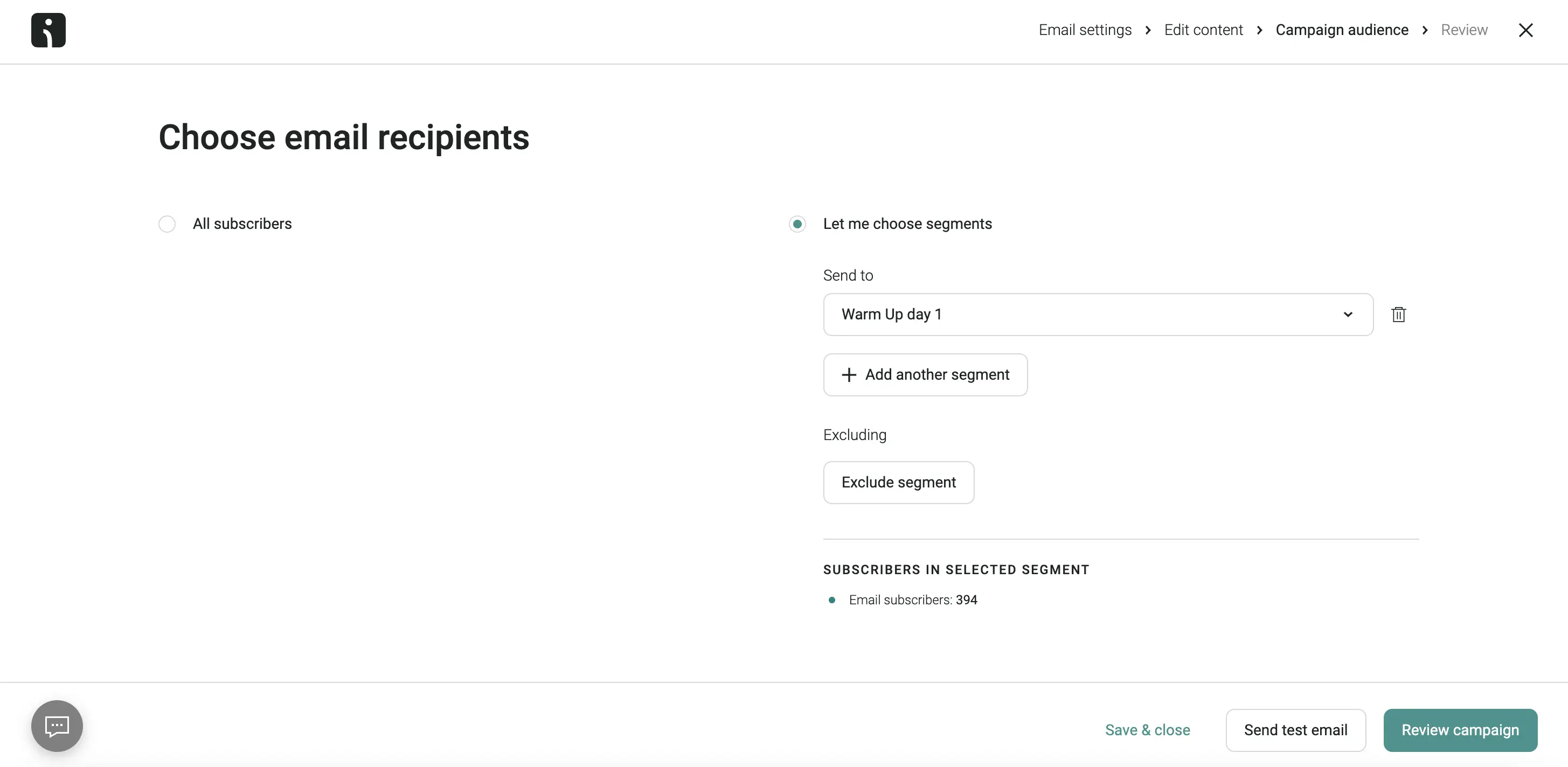
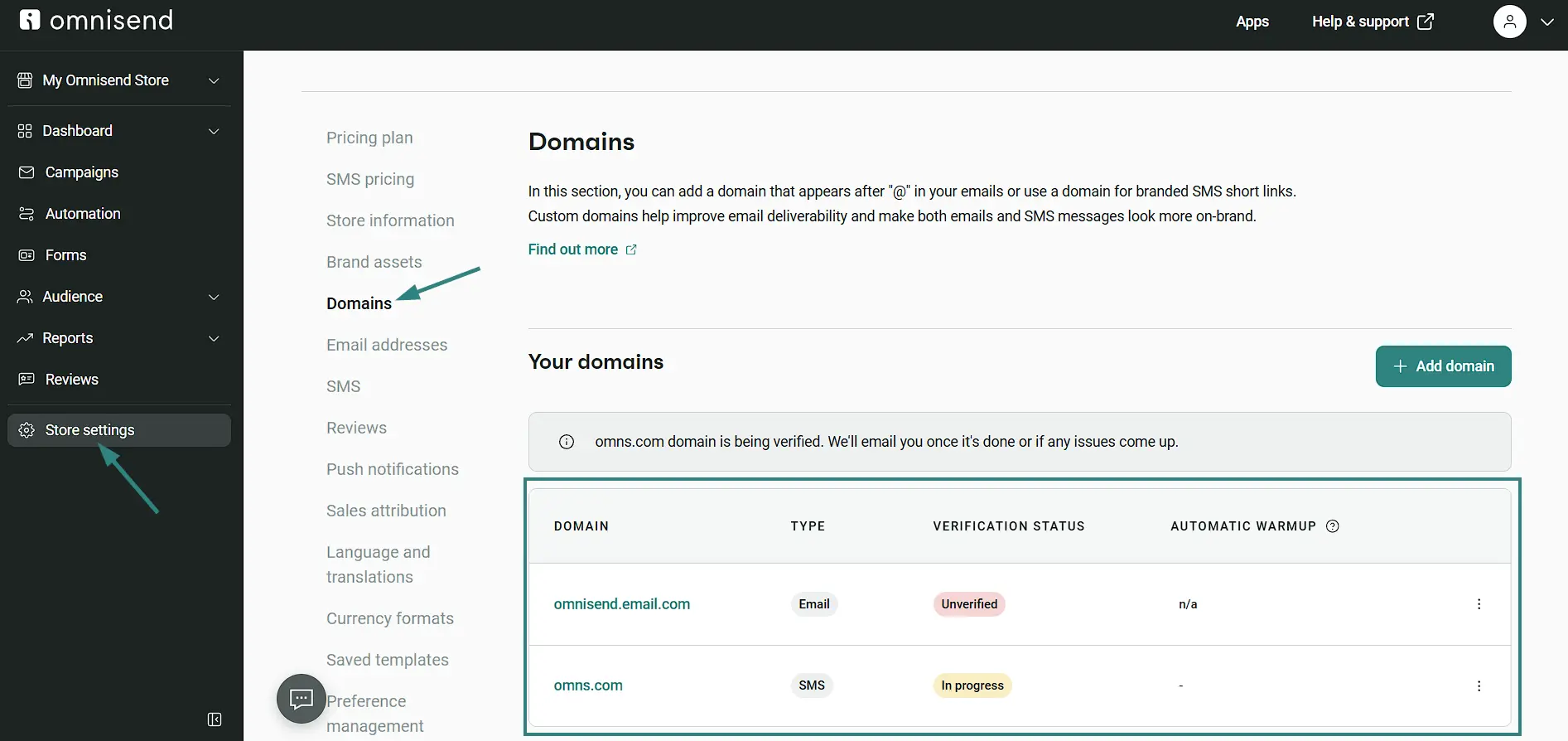
- Gradual Domain Warm-Up: For new or inactive sending domains, gradually increase email volume to establish trust with mailbox providers. Starting with highly engaged segments and progressively expanding the audience allows providers to assess sending behavior positively. Omnisend’s manual domain warm-up features support this controlled scaling.
- Transparent and Visible Unsubscribe Options: Make unsubscribing effortless. Place a clear, prominent unsubscribe link in every email (often in the footer), ensure the process is one or two clicks, and provide immediate confirmation. This reduces frustration and discourages spam complaints as an alternative to opting out.
- Custom Email Domain and Authentication: Configure a custom email domain (e.g., yourbrand.com) and implement robust email authentication protocols: SPF (Sender Policy Framework), DKIM (DomainKeys Identified Mail), and DMARC (Domain-based Message Authentication, Reporting, and Conformance). These protocols verify sender legitimacy, making it harder for spammers to spoof your domain and easier for mailbox providers to trust your emails. For bulk senders, all three, with DMARC set to at least p=none, are essential.
3. Intelligent Audience Management:
Sending emails to the right people at the right time is paramount.
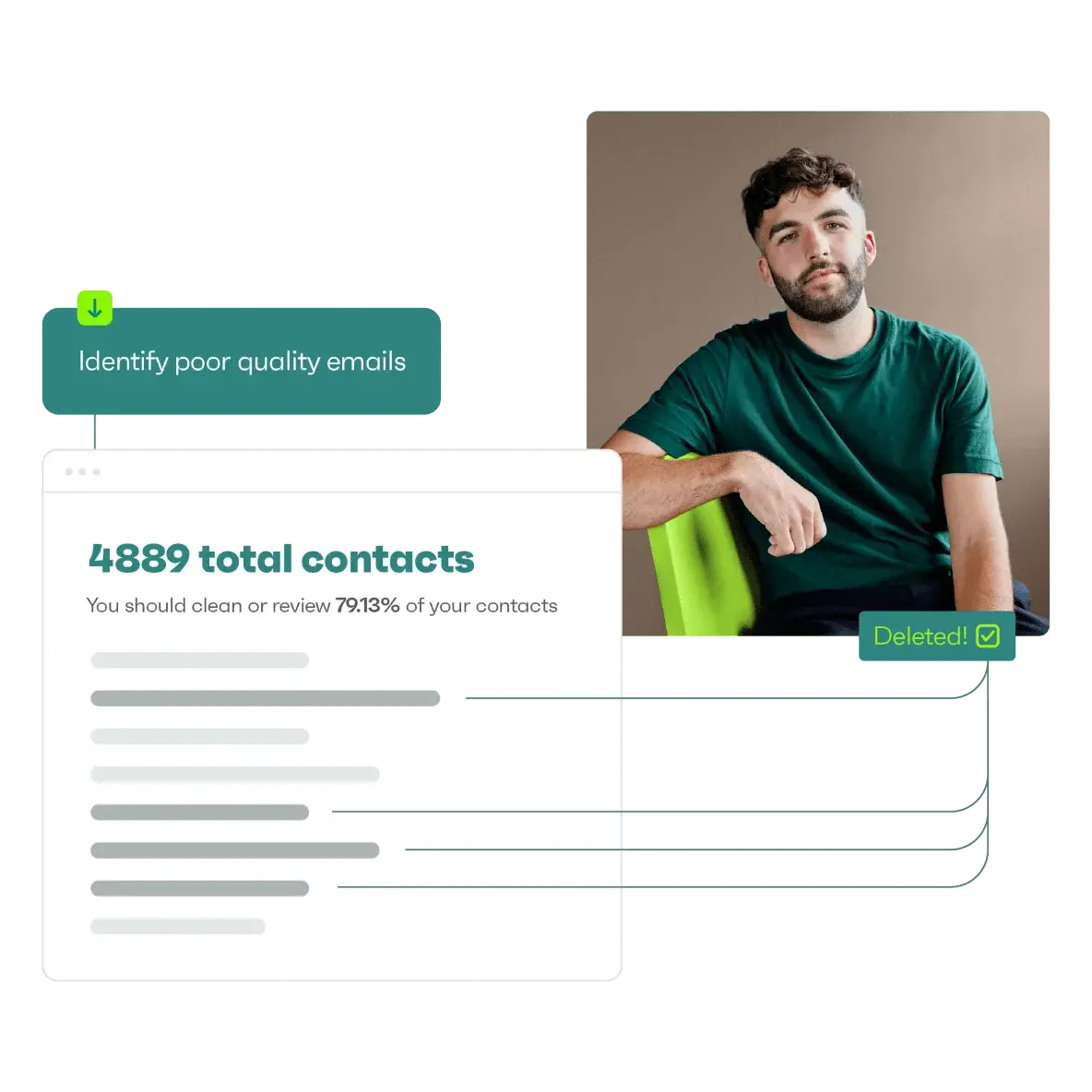
- Regular List Cleaning and Segmentation: Proactively remove invalid, disposable, role-based, or inactive contacts. This reduces bounce rates and ensures emails reach engaged recipients. Omnisend’s list cleaning tools automate this process. Implement email sunset policies to remove subscribers with zero engagement over a defined period (e.g., 90-180 days).
- Lifecycle-Based Suppression Rules: Apply dynamic suppression rules to prevent irrelevant messages. For example, automatically suppress recent purchasers from general promotional blasts for 14 days, allowing transactional messages to pass through.
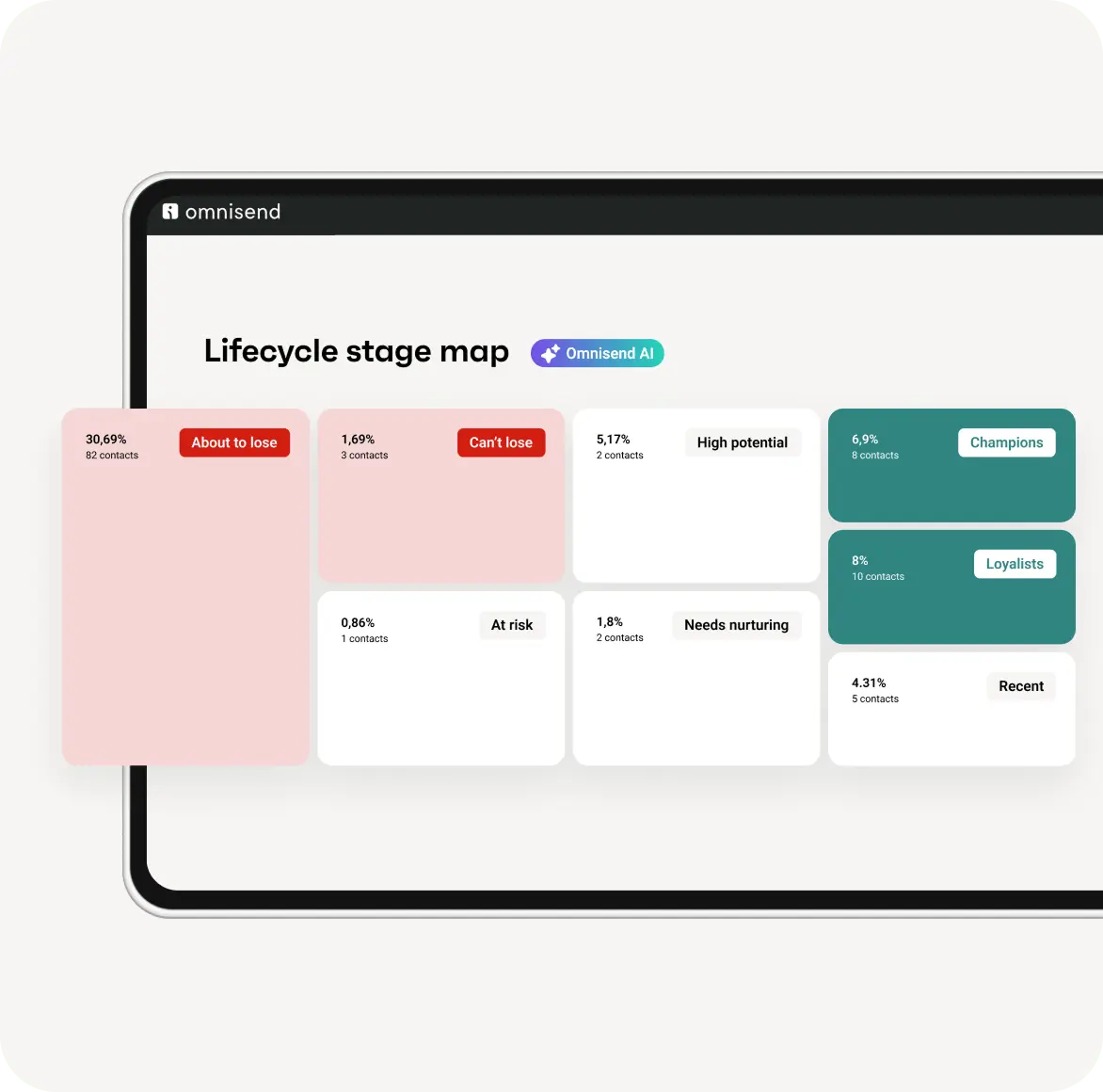
- AI-Powered Audience Segmentation: Utilize advanced segmentation tools to categorize subscribers based on behavior, engagement, and purchase patterns. Omnisend’s AI-powered segmentation can identify specific customer groups, allowing for highly targeted campaigns. As noted by an Omnisend Head of Deliverability & Compliance, mixing engaged and unengaged contacts in a campaign, while favoring the engaged, can protect sender reputation while offering inactive contacts a chance to re-engage.
- Strategic Re-engagement Campaigns: For recently lapsed subscribers (inactive for 60-90 days) with a history of engagement, deploy targeted win-back campaigns with personalized offers. However, for long-term inactive subscribers (90-180+ days) or those who were never active, suppression is often more beneficial than attempts to re-engage, protecting overall list health. Omnisend’s AI-assisted customer lifecycle segmentation and reactivation automation workflows help identify and target these segments effectively. Our research indicates that automations, triggered by real behavior, generate a significant portion of email-driven revenue, highlighting the power of timely, relevant messaging.
4. Increasing Content Relevance:
Personalized, valuable content fosters engagement and trust.
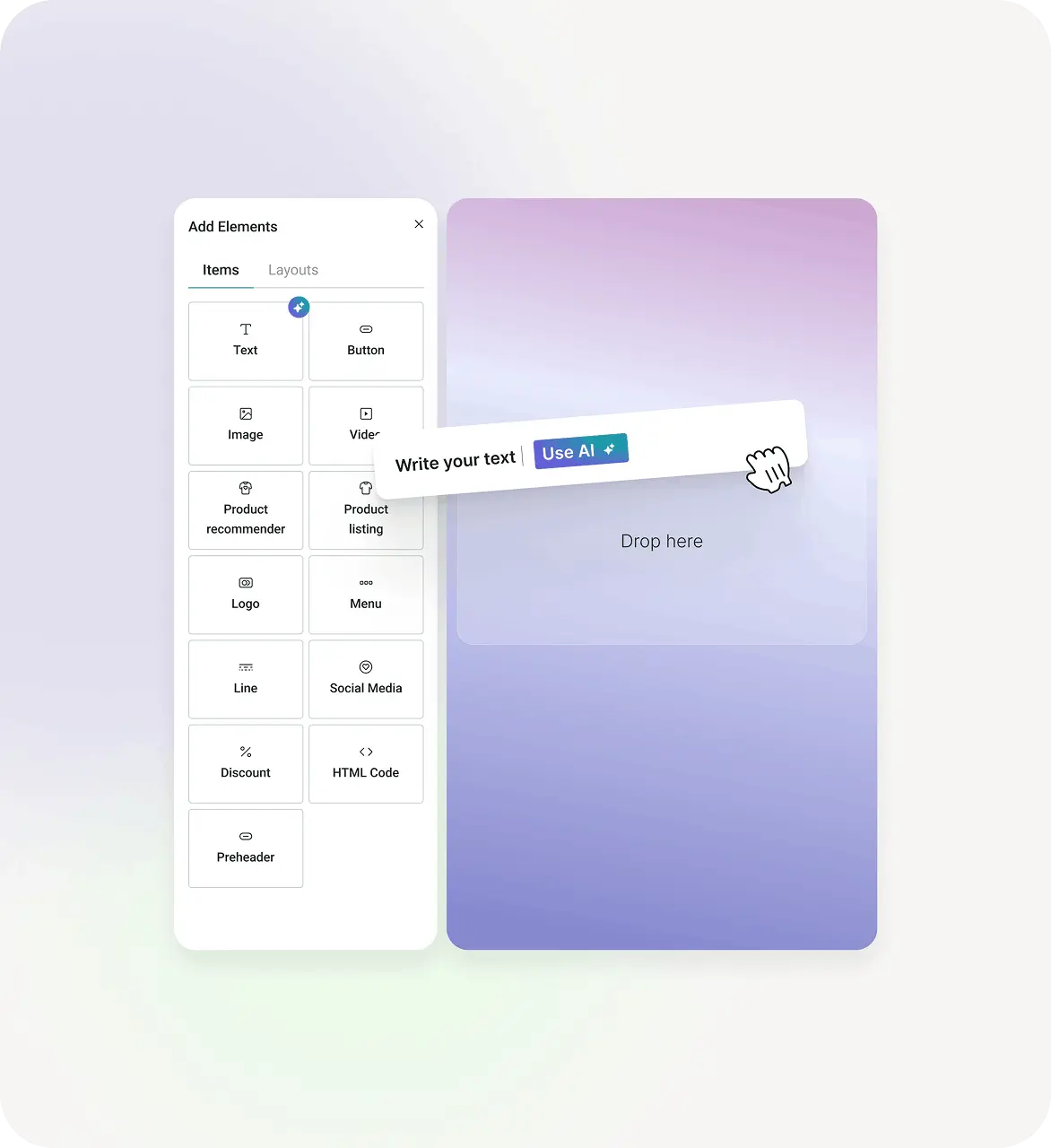
- Personalize Email Content: Leverage subscriber data to personalize email content, including product recommendations, offers, and messaging. AI tools, such as those integrated into Omnisend, can assist in generating personalized copy, subject lines, and even product suggestions based on browsing and purchase history. This ensures that recipients receive content that genuinely matches their interests, increasing positive engagement and reducing the likelihood of complaints.
Monitoring Your Spam Complaint Rate
Consistent monitoring is non-negotiable for maintaining email health.
- Mailbox Provider Monitoring Tools: Utilize tools like Google Postmaster Tools and Yahoo Sender Hub to gain direct insights into how major email platforms view your sending reputation and spam rates. These tools provide aggregated data, domain reputation, and authentication error reports, crucial for timely intervention.
- Feedback Loops (FBLs): While ESPs typically manage FBLs on behalf of their clients (automatically unsubscribing complainers), understanding their function is important. FBLs notify senders when recipients report emails as spam, allowing for immediate list hygiene adjustments.
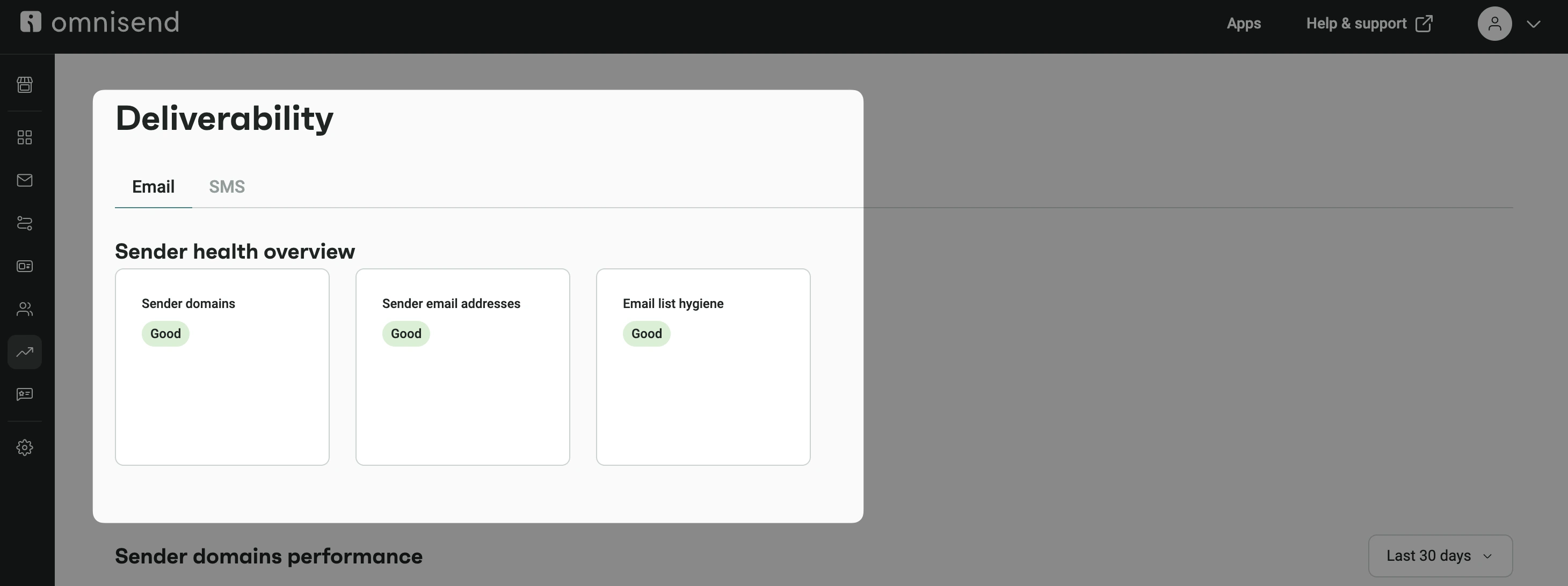
- Regular Deliverability Reports: Consistently review deliverability reports provided by your ESP. Metrics such as bounce rates, spam complaints, open rates, and click-through rates offer a comprehensive view of how recipients and mailbox providers are interacting with your emails. Tools like Omnisend’s reporting features provide real-time insights, enabling marketers to identify warning signs early and adjust strategies proactively. Reviewing these metrics after every major campaign and at least weekly for ongoing programs is a best practice.
Broader Implications and Future Outlook
The diligent management of spam complaint rates extends beyond mere marketing performance; it has significant legal and ethical dimensions. Compliance with anti-spam regulations such as CAN-SPAM in the US, GDPR in Europe, and CCPA in California is implicitly tied to low complaint rates. A pattern of high complaints can signal non-compliance, potentially leading to substantial fines and legal repercussions. Furthermore, it speaks to a brand’s commitment to respecting user privacy and preferences. In an increasingly privacy-conscious digital environment, respecting a subscriber’s inbox is not just good business; it’s a fundamental expectation.
As AI and machine learning continue to advance, mailbox providers will likely become even more sophisticated in identifying and filtering unwanted emails. This future landscape demands that marketers move beyond simply avoiding spam filters and instead focus on cultivating genuine relationships with their audience, ensuring every email sent is genuinely anticipated and valued.
Conclusion
Effective spam complaint rate management is far more nuanced than simply sending fewer emails. It is a strategic imperative that centers on delivering highly relevant messages to an authentically engaged audience. By prioritizing quality subscriber acquisition, diligently protecting sender reputation through robust authentication and transparency, intelligently managing audience segments, and crafting personalized, value-driven content, brands can significantly reduce complaint rates. This proactive approach not only safeguards inbox placement and bolsters sender reputation but also cultivates enduring subscriber trust, ultimately driving superior marketing performance and sustained revenue growth.
Building a healthier email list is an ongoing journey that requires continuous vigilance and adaptation. By embracing the tools and strategies available, marketers can transform a potential vulnerability into a powerful competitive advantage, ensuring their messages consistently reach the right audience at the right time.


 Layla Zulfa
 Evan Lee Salim