Nana Wu
The global Software as a Service (SaaS) market is projected to reach unprecedented valuations by the end of 2026, driven by a fundamental shift in how enterprises and consumers consume technology. However, as the ecosystem matures, the margin for error in subscription management has narrowed significantly. For modern SaaS teams, data is no longer a luxury but a survival requirement. SaaS analytics tools serve as the diagnostic instruments for these businesses, revealing the health of recurring revenue, the rate of customer attrition, the efficacy of product features, and the friction points within marketing funnels. Because no single tool can master the entire spectrum of data—ranging from deep financial auditing to behavioral session recording—most successful firms now employ a multi-layered "stack" approach to visibility.

The Evolution of SaaS Measurement and the Multi-Tool Strategy
The history of software measurement has transitioned from simple "hit counters" in the 1990s to the sophisticated, event-based tracking of the mid-2020s. The industry reached a pivotal milestone in July 2023 with the mandatory transition to Google Analytics 4 (GA4), which replaced the legacy Universal Analytics. This shift signaled a move away from cookie-based session tracking toward a more holistic, privacy-centric event model. In 2026, the challenge for SaaS founders is no longer a lack of data, but the "fragmentation of truth." Financial data lives in billing systems like Stripe; user behavior lives inside the application; and marketing data lives on the front-facing website.
Market analysis suggests that the average mid-market SaaS company now utilizes at least two to four distinct analytics platforms to maintain a 360-degree view of operations. These tools generally fall into four critical categories: revenue and churn management, product usage and adoption, website and marketing conversion, and centralized reporting dashboards. By understanding which tool excels in which category, leadership teams can avoid "data bloat" and focus on the metrics that drive valuation.
The Core Framework: What Modern SaaS Analytics Measures
To evaluate the 19 tools currently leading the market, it is necessary to categorize the metrics they track into three primary pillars:
1. Revenue and Financial Health
This pillar focuses on the "P&L" of the subscription world. Key metrics include Monthly Recurring Revenue (MRR), Annual Recurring Revenue (ARR), and Average Revenue Per User (ARPU). Perhaps most critically, these tools track Net Revenue Retention (NRR), which measures a company’s ability to grow revenue from existing customers through upsells and expansions, even after accounting for churn.

2. Customer Retention and Churn
SaaS success is built on the "compounding interest" of retained customers. Analytics tools in this category monitor the churn rate (the percentage of customers leaving) and Customer Lifetime Value (LTV). They also segment users into cohorts to identify if customers who joined in a specific month are more or less likely to stay than those from previous periods.
3. Product Engagement and Marketing Conversion
These metrics bridge the gap between the marketing site and the application. They track the "Trial-to-Paid" conversion rate, feature adoption (which features are actually being used), and "activation" points—the moments when a user first realizes the value of the software.

Comprehensive Review of the Top 19 SaaS Analytics Tools
1. Crazy Egg: Optimizing the Conversion Funnel
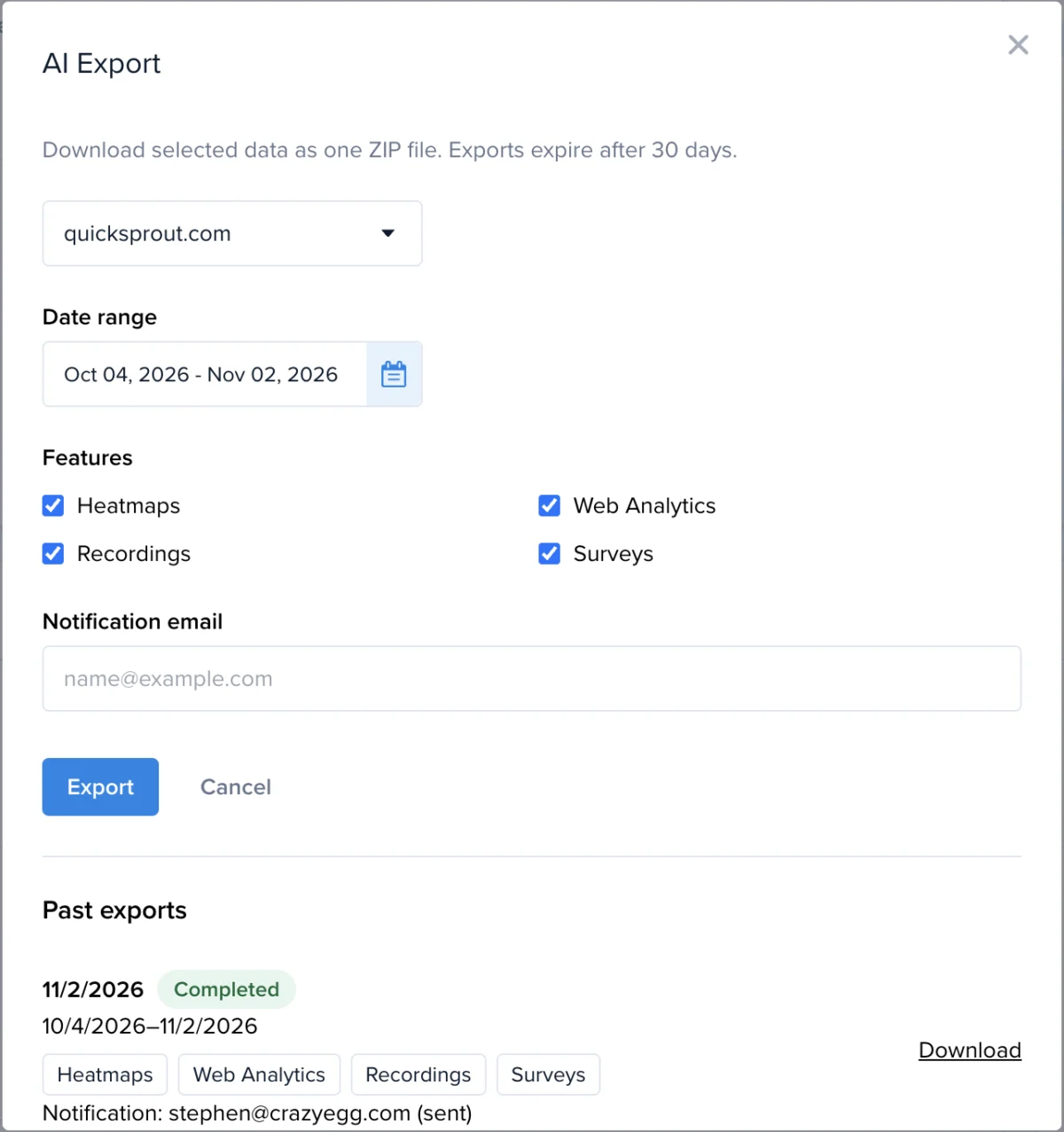
Crazy Egg remains a leader in behavioral analytics, specifically for identifying why visitors fail to convert on pricing and signup pages. Unlike standard traffic trackers, it utilizes heatmaps and scroll maps to visualize user frustration. In 2026, its "Web Analytics" suite remains free, providing a low-barrier entry for startups to see exactly where their homepage or signup flow is losing potential revenue.
2. Google Analytics 4 (GA4): The Industry Standard for Traffic
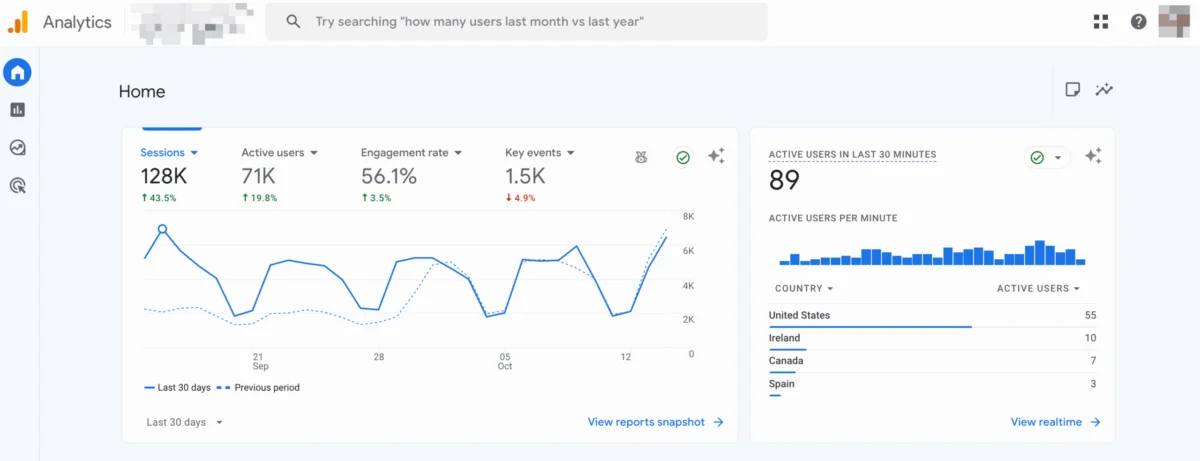
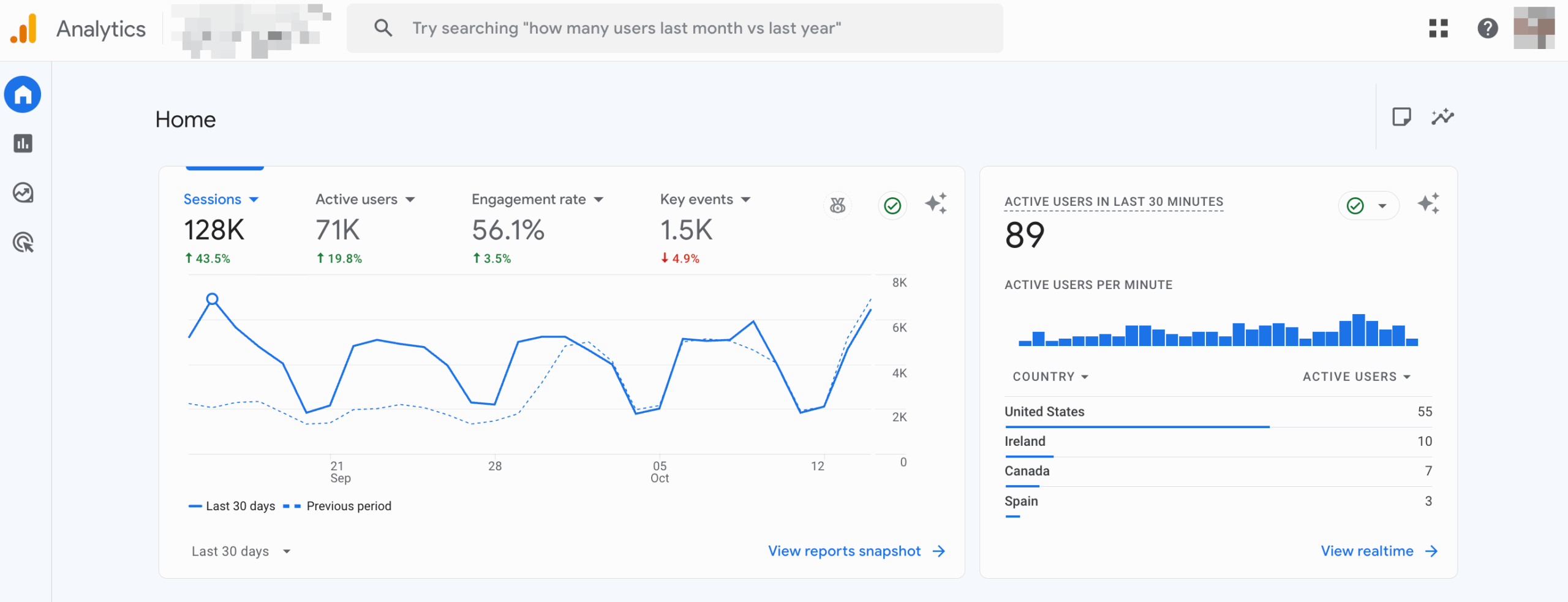
As the most widely used free analytics tool, GA4 is essential for tracking traffic sources and attribution. While complex to configure for subscription-specific metrics, it is unparalleled for understanding which marketing channels (SEO, PPC, Social) are driving the highest volume of sessions and key events.

3. ProfitWell Metrics by Paddle: Financial Transparency
Acquired by the payments giant Paddle, ProfitWell Metrics offers what many consider the "gold standard" for free MRR and churn reporting. By integrating directly with billing systems, it provides a clean, executive-level view of financial health, including benchmarks that compare a company’s performance against thousands of other SaaS peers.
4. Userpilot: Driving Product Adoption
Userpilot specializes in the "after-signup" experience. It tracks how users interact with specific features and allows teams to build automated onboarding flows based on that behavior. For SaaS companies struggling with low "activation" rates, Userpilot provides the data needed to nudge users toward value.

5. Baremetrics: Subscription Insights with Recovery Tools
Baremetrics focuses on the financial nuances of subscription businesses. Beyond tracking MRR and LTV, it includes built-in "dunning" tools to recover failed payments—a significant source of "involuntary churn" for B2B and B2C SaaS alike.
6. ChartMogul: The Centralized Billing Hub
For companies using multiple billing systems (e.g., Stripe, PayPal, and Apple App Store), ChartMogul acts as a unifying layer. It cleanses and normalizes data to provide a single, accurate version of a company’s ARR and customer growth.

7. Heap: The Power of Autocapture
Heap’s primary advantage is "autocapture," which records every click, swipe, and pageview without requiring manual tracking code for every event. This allows teams to analyze past behavior retroactively, even if they didn’t know they wanted to track a specific button six months ago.
8. Mixpanel: Event-Based Product Analysis
Mixpanel is designed for product teams who need to understand the "why" behind user retention. Its powerful funnel analysis and cohort tools allow teams to see exactly where users drop off in a multi-step process, such as a complex software setup.

9. Pendo: Experience Management at Scale
Pendo combines product analytics with user feedback and in-app guides. It is particularly popular among enterprise SaaS companies that need to manage large-scale digital transformations and ensure that employees or customers are actually adopting new software features.
10. HockeyStack: The AI-Driven Attribution Assistant
A newer entrant that has gained rapid traction, HockeyStack uses artificial intelligence (branded as "Odin") to connect marketing touches to actual pipeline revenue. It solves the "dark social" and multi-touch attribution problem, showing how a LinkedIn post three months ago might have contributed to a demo request today.

11. Woopra: End-to-End Journey Mapping
Woopra is one of the few tools that attempts to track the entire customer lifecycle, from the first visit to the marketing site through to support tickets and product usage. This "identity-based" tracking provides a granular view of individual customer health.
12. Fullstory: Eliminating Digital Friction
Fullstory is the leader in "session replay," allowing teams to watch a DVR-like recording of a user’s experience. This is vital for identifying bugs or UI "rage clicks" that numbers alone cannot explain.

13. Qrvey: Embedded Analytics for Customers
Unlike other tools that are for internal use, Qrvey allows SaaS companies to build analytics dashboards into their own products. This "analytics-as-a-service" feature is a major selling point for B2B software that needs to provide reporting to its end-users.
14. Churn Buster: Specialized Revenue Recovery
Churn Buster focuses exclusively on the "leaky bucket" of involuntary churn. By optimizing credit card retry schedules and automated outreach for expired cards, it directly impacts the bottom line by preventing unnecessary cancellations.

15. Amplitude: Scaling with Data Experiments
Amplitude is favored by high-growth teams for its ability to handle massive data volumes and run A/B tests within the product. It helps teams determine if a new feature release actually improved retention or if it was merely a temporary spike in interest.
16. Coupler.io: The Data Bridge
Coupler.io acts as a connector, automating the export of data from over 60 sources into destinations like Google Sheets, Looker Studio, or BigQuery. It is the preferred tool for teams that want to build their own custom reports without manual data entry.

17. Quantcast: Audience Demographics
Quantcast provides a "lookalike" analysis of a website’s audience. For SaaS marketing teams, this is essential for understanding the demographics and interests of their visitors to better refine their advertising personas.
18. Cyfe: The All-in-One Dashboard
Cyfe is a "command center" tool. It uses pre-built widgets to pull data from social media, marketing, and finance into a single screen, making it ideal for founders who need a quick, daily pulse check on the business.

19. Klipfolio: Custom Visual Reporting
Klipfolio offers deep customization for teams and agencies that need to present data to stakeholders. While it has moved toward a trial-based model for its PowerMetrics suite in late 2025, it remains a powerhouse for live, visual data storytelling.
Analysis of Implications: The Future of the SaaS Stack
The proliferation of these tools suggests a move toward "specialization over consolidation." Industry experts note that the "all-in-one" analytics dream has largely been replaced by the "best-of-breed" reality. For an early-stage SaaS company in 2026, the recommended strategy is to start lean: a free revenue tool (like ProfitWell) for financial accuracy, a free traffic tool (like GA4 or Crazy Egg) for marketing, and an event-based tool (like Mixpanel or Amplitude) for product health.

Furthermore, the integration of AI, as seen in platforms like HockeyStack, indicates that the next phase of SaaS analytics will not just be about reporting what happened, but predicting what will happen. Predictive churn modeling and automated conversion optimization are becoming standard features, allowing businesses to intervene before a customer decides to cancel.
In conclusion, the health of a subscription business is directly tied to the clarity of its data. By selecting a combination of tools that address revenue, product, and marketing, SaaS leaders can transition from reactive management to proactive growth. As the cost of customer acquisition continues to rise, the ability to retain and expand existing accounts through data-driven insights will be the primary differentiator between the market leaders and the defunct startups of the late 2020s.


 Raul Delapena Setiawan
 Reynand Wu