Reynand Wu
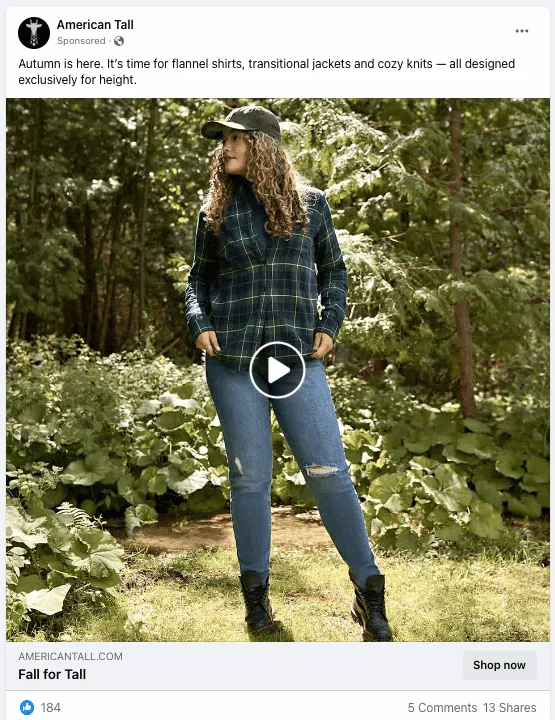
A sponsored post on social media represents a pivotal element in modern digital marketing, defined as any piece of content for which a brand or individual pays to amplify its reach to a broader audience. This encompasses a wide array of strategies, from direct platform promotions to sophisticated collaborations with content creators and publishers, all united by the exchange of money to ensure a message reaches those who would not encounter it through organic means alone. This dynamic realm continues to expand, with advertisers projected to invest over $121 billion in U.S. social networks by 2026, signaling its undeniable impact on brand visibility and consumer engagement.
The Genesis and Evolution of Paid Social Content

The concept of sponsored content is not new, tracing its roots back to traditional media advertorials and infomercials. However, its translation to the digital sphere, particularly social media, began to take distinct shape in the early 2010s. Initially, platforms like Facebook introduced "boosted posts," allowing businesses to pay a nominal fee to extend the reach of their organic updates beyond their immediate followers. This marked a significant shift, as brands recognized the diminishing organic reach on increasingly crowded news feeds.
As social media platforms matured, so did their advertising capabilities. The mid-2010s saw the rise of sophisticated ad managers, offering granular targeting options based on demographics, interests, behaviors, and even custom audience lists. Concurrently, the burgeoning creator economy gave birth to influencer marketing, where individuals with engaged followings became conduits for brand messages. This period also witnessed the formalization of "branded content," where publishers and creators collaborated with brands to produce editorial-style content that was funded but maintained a level of journalistic integrity or authentic creative expression. This chronology highlights a continuous innovation cycle driven by technological advancements, evolving consumer behaviors, and the relentless pursuit of effective audience engagement.
Categorizing Sponsored Posts: A Multifaceted Approach

The umbrella term "sponsored post" encompasses three primary categories, each with distinct characteristics regarding content creation, distribution, and labeling:
-
Promoted or Boosted Posts: These are the most straightforward form of paid advertisement. Brands directly pay social media platforms like Instagram, Facebook, or LinkedIn to publish native ads. These ads leverage platform data to target specific audiences based on location, age, interests, and other attributes. The ad money flows directly to the social media platform, which then algorithmically distributes the content. Boosted posts are typically identified by "Sponsored" or "Promoted" labels displayed prominently near the account username. They often feature clear calls-to-action (CTAs) such as "Shop Now" or "Download," aiming for direct response and measurable conversions. This category is particularly effective for scaling reach, testing various creative iterations, and driving traffic or sales.
-
Influencer Partnerships: In this model, advertisers engage specific social media users, often termed "influencers," to endorse or promote their brand. Influencers, ranging from nano-creators with a few thousand followers to macro-influencers with millions, offer brands access to their highly engaged and often niche audiences. The perceived authenticity of an influencer’s opinion lends significant weight to these posts, generating valuable social proof and word-of-mouth marketing. Platforms mandate clear disclosure for these partnerships, often through "Paid partnership with [brand]" tags or explicit hashtags like #ad. The content itself usually mirrors the influencer’s regular style, making it blend seamlessly into their feed, which contributes to its effectiveness but also necessitates strict adherence to disclosure guidelines.

-
Branded or Sponsored Content: This category involves editorial-style content funded by a brand but typically created and hosted by a publisher or creator on their own channels. Examples include sponsored articles on news websites, dedicated podcast segments, or video series produced in collaboration with a media outlet. The brand receives credit as the sponsor, but the creative direction and execution often reside with the publisher’s or creator’s team, leveraging their editorial authority. On social media, this appears as content published from the partner’s handle, accompanied by a branded content tag. Platforms like Meta, TikTok, and LinkedIn provide tools for creators to tag business partners, granting brands access to performance data and the option to further amplify the content with ad spend. Branded content is primarily designed for building brand awareness, enhancing credibility, and fostering long-form storytelling rather than immediate conversions. Its payoff is often seen in brand recall and consideration.
Regulatory Frameworks and Disclosure Imperatives
The proliferation of sponsored content has necessitated stringent regulatory oversight to maintain transparency and consumer trust. In the United States, the Federal Trade Commission (FTC) plays a crucial role through its Endorsement Guides. These guidelines mandate that any material connection between an endorser (creator/publisher) and an advertiser (brand) must be clearly and conspicuously disclosed. A "material connection" is broadly defined to include monetary payments, free products, discounts, or any other benefit.

The FTC emphasizes that disclosures must be:
- Clear: Easy to understand, avoiding vague terms.
- Conspicuous: Easy to notice, placed where people will actually see them before engaging with the content. This means disclosures should be near the top of a caption, not buried after hashtags, and remain visible for the duration of a video.
Vague tags such as #sp, #collab, #partner, or #thanks are generally deemed insufficient. Acceptable disclosures include "Ad," "Sponsored," or "Paid partnership with [brand]." The responsibility for disclosure rests with both the brand and the individual creator or publisher. The FTC has demonstrated its commitment to enforcement, issuing warnings to hundreds of marketing companies for unsupported claims and improper endorsements. For instance, in December 2025, the FTC sent warning letters to 10 companies regarding potential violations of its fake-reviews rule, underscoring the ongoing scrutiny of deceptive practices.
Beyond the U.S., other regions have their own regulatory bodies, such as the Advertising Standards Authority (ASA) in the UK or the Australian Competition and Consumer Commission (ACCC), each with specific guidelines that brands operating internationally must adhere to. Platform-specific tools, like Instagram’s paid partnership label or TikTok’s branded content toggle, are designed to facilitate compliance, but brands and creators are often advised to layer explicit written disclosures on top of these built-in features for maximum transparency.
Platform-Specific Strategies and Costs
Each major social media platform offers unique tools and targeting capabilities for sponsored posts, influencing strategy and cost.
-
Instagram: With 50% of U.S. adults using the platform, Instagram offers two main avenues. Quick boosts of existing posts are suitable for simple goals. For more complex campaigns, Meta Ads Manager provides comprehensive control over objectives, placements, audience targeting, and A/B testing. Influencer collaborations are prominent, with creators using the paid partnership label to grant brands access to performance data and ad amplification options. Costs can range from a few dollars a day for boosted posts to five or six figures for collaborations with mega-influencers, depending on reach and engagement.

-
Facebook: Operating on Meta’s ad system, Facebook’s sponsored posts function similarly to Instagram’s. Boosting an existing post is ideal for extending the life of high-performing organic content. For precise targeting and conversion tracking, Meta Business Suite and Ads Manager are indispensable. Facebook’s extensive user data allows for highly refined audience segmentation, driving higher efficiency in campaigns.
-
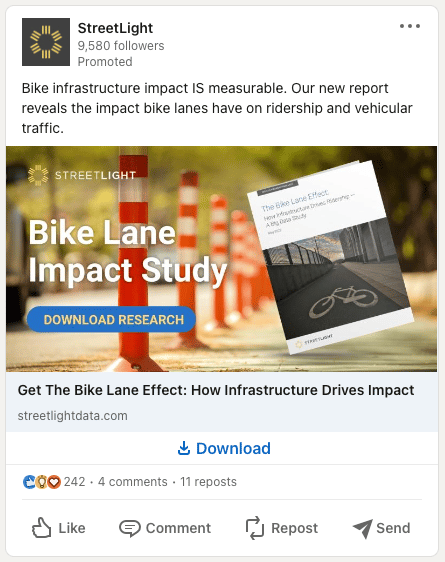
LinkedIn: LinkedIn’s Sponsored Content is designed for professional audiences, marked "Promoted." Managed through LinkedIn Campaign Manager, it allows brands to promote existing page posts or create new ads. Unique formats include document ads (interactive PDFs) and thought leader ads (promoting employee posts). LinkedIn’s key advantage is its granular targeting by job title, seniority, company size, and industry, which often results in higher costs per click but also higher quality leads for B2B marketers.
-
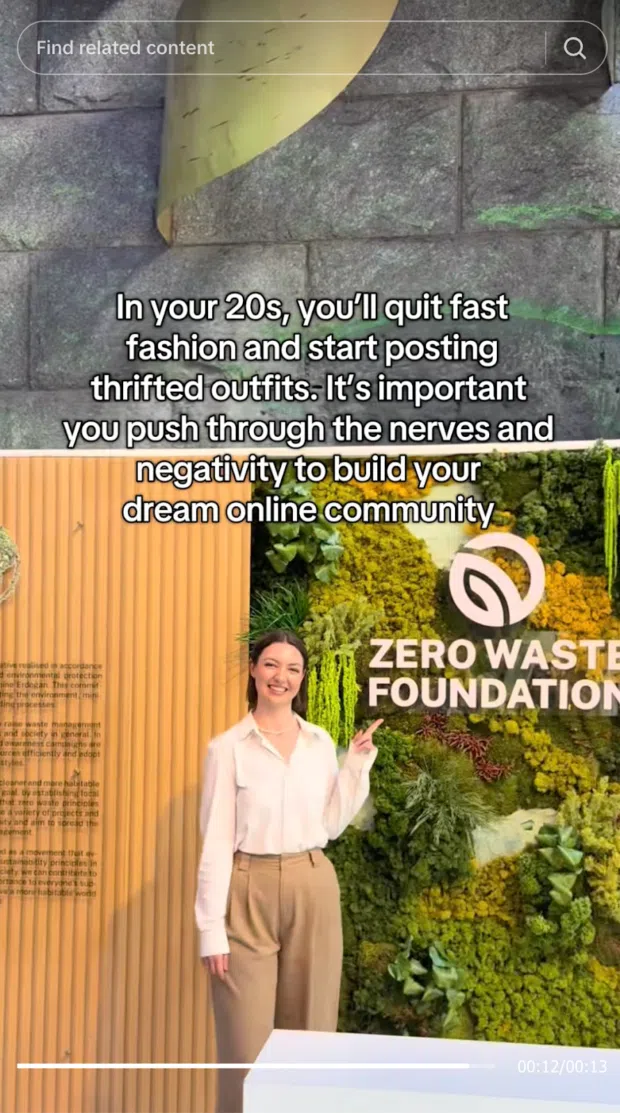
TikTok: The platform’s version of a boosted post is Spark Ads, enabling brands to amplify existing organic videos (either their own or a creator’s with permission). Engagement from Spark Ads rolls up to the original post, centralizing metrics. TikTok Ads Manager facilitates these campaigns alongside standard In-Feed Ads. Creators are encouraged to use the branded content toggle for automatic disclosure. TikTok’s algorithm-driven feed and highly engaged Gen Z and millennial audience make it a powerful channel for viral campaigns and brand awareness.

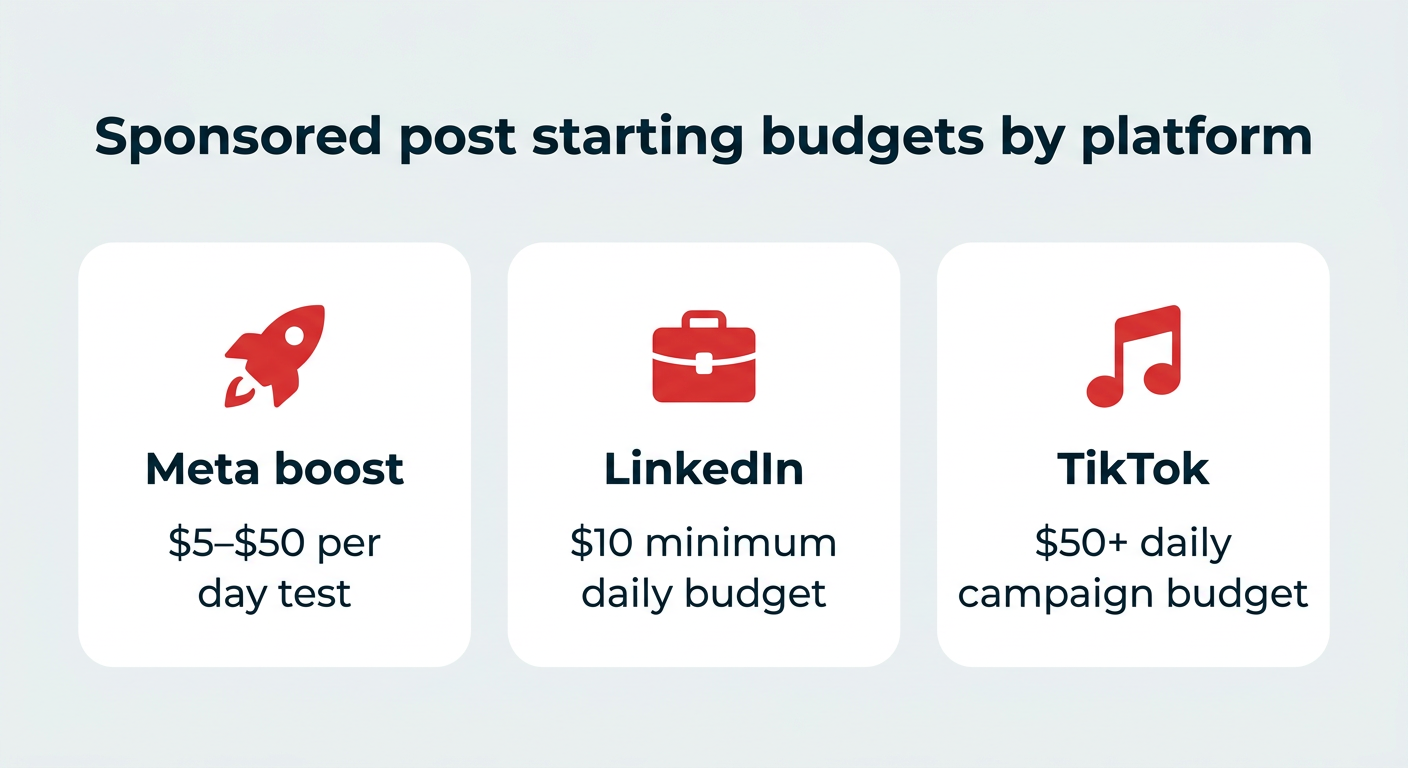
The cost of sponsored posts varies significantly based on platform, campaign objectives, audience competitiveness, and chosen format. While a boosted Instagram post might start at $5-10 per day, a sophisticated LinkedIn campaign could begin at $200-500, and a comprehensive influencer partnership could run into thousands or even hundreds of thousands of dollars. These are planning ranges; actual costs are determined by bidding dynamics and campaign performance. A social media ROI calculator can assist in modeling budget allocations and potential returns.
Measuring Effectiveness and Return on Investment (ROI)
Beyond vanity metrics like likes and comments, effective measurement of sponsored posts requires a strategic approach to tracking and attribution.

-
UTM Parameters: These tracking codes added to URLs allow marketers to pinpoint the source, medium, campaign, and content of traffic, providing granular data on which sponsored posts are driving website visits, leads, or sales. Creating unique UTMs for each influencer or campaign segment enables precise ROI attribution.
-
Unique Discount Codes: Providing distinct discount codes to each influencer or campaign segment allows for direct tracking of sales generated by specific sponsored posts. Post-campaign analysis of code usage offers clear insights into conversion rates.
-
Platform Analytics and Hootsuite: Each social media platform provides robust analytics dashboards (e.g., Meta Business Suite, TikTok Business Center) that offer detailed performance data on reach, engagement, and conversions. Requesting comprehensive reports from creator partners is also crucial for mid-campaign optimization. Tools like Hootsuite consolidate data from multiple platforms into a single dashboard, providing a holistic view of campaign performance and simplifying reporting across diverse sponsored content initiatives. Advanced analytics, including brand lift studies and multi-touch attribution models, offer deeper insights into the overall impact on brand perception and the customer journey.

Best Practices for Maximizing Impact
To navigate the complex landscape of sponsored posts effectively, brands and creators should adhere to several best practices:
- Define Clear Objectives: Every campaign must have measurable goals, whether it’s brand awareness, lead generation, website traffic, or sales.
- Understand Your Audience: Deep audience insights are crucial for effective targeting and content creation.
- Prioritize Authenticity: Sponsored content should align with the brand’s voice and the creator’s style to resonate genuinely with the audience.
- Adhere to Disclosure Rules: Transparency is paramount for maintaining trust and avoiding regulatory penalties.
- Focus on High-Quality Creative: Engaging visuals and compelling narratives are essential for cutting through the noise.
- Test and Optimize Continuously: A/B testing different creatives, CTAs, and targeting parameters helps refine campaigns for better performance.
- Foster Long-Term Relationships: Building enduring partnerships with creators can lead to more authentic and effective campaigns over time.
- Integrate Paid and Organic Strategies: A cohesive approach where sponsored content amplifies organic efforts yields superior results.
- Monitor Competitors and Trends: Staying abreast of industry benchmarks and emerging content formats can inform future strategies.
The Future of Sponsored Content
The trajectory of sponsored social media posts points towards even greater sophistication and integration. The rise of AI and machine learning will further refine targeting capabilities, allowing for hyper-personalization of ad content. The creator economy is expected to continue its expansion, with an increasing emphasis on niche communities and micro-influencers who often boast higher engagement rates. Video content, particularly short-form formats like Reels and TikToks, will remain dominant, pushing brands to invest in dynamic and immersive storytelling.
However, challenges persist. Consumers are becoming more discerning, demanding greater authenticity and transparency, which will necessitate stricter adherence to disclosure guidelines and more creative approaches to native advertising. The balance between commercial messaging and genuine connection will be a constant tightrope walk for brands and creators. Regulatory bodies will likely continue to adapt their guidelines to keep pace with technological advancements and evolving marketing tactics.
In conclusion, sponsored social media posts are no longer an ancillary marketing tactic but a fundamental component of digital strategy. Their multifaceted nature, stringent regulatory requirements, and profound impact on brand perception and revenue underscore the need for a comprehensive, data-driven, and ethically sound approach. As the digital landscape continues to evolve, adaptability and a commitment to transparency will be key determinants of success for brands and creators alike.


 Nila Kartika Wati
 Sagoh