Sagoh
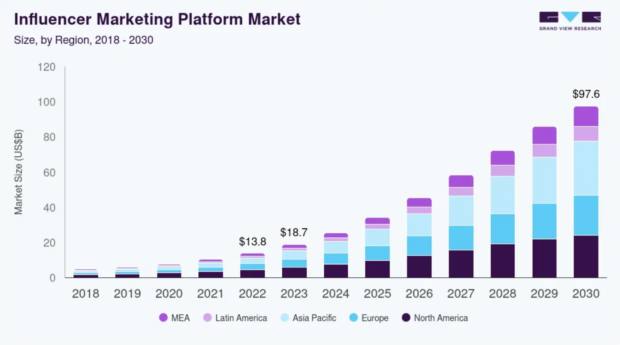
Influencer marketing has cemented its position as a transformative force in the contemporary digital advertising landscape, evolving from niche online endorsements into a sophisticated, multi-billion-dollar industry. This strategic approach involves brands collaborating with content creators to leverage their established trust and engaged audiences for product and service promotion. What began as rudimentary digital word-of-mouth has blossomed into a projected $12.17 billion market in the U.S. alone, underpinning the media plans of almost every major brand. Globally, the influencer marketing platform market, valued at $25.44 billion in 2024, is on an impressive trajectory, anticipated to reach $34.25 billion in 2025 and a staggering $97.55 billion by 2030, according to Grand View Research. This exponential growth underscores a fundamental shift in how brands connect with consumers, prioritizing authentic, trust-based engagement over traditional advertising models.

The Genesis and Rapid Ascent of a Marketing Phenomenon
The roots of influencer marketing can be traced back to traditional celebrity endorsements, where public figures lent their credibility to products. However, the advent of social media platforms revolutionized this concept, democratizing influence and giving rise to a new breed of content creators. Early bloggers and forum participants, often reviewing products or sharing experiences, inadvertently laid the groundwork for what would become a formalized marketing channel. As platforms like Instagram, YouTube, and later TikTok gained prominence, individuals with specialized knowledge or compelling personalities began cultivating highly engaged communities. This era marked a pivotal shift: consumers, increasingly skeptical of overt brand messaging, started placing greater trust in recommendations from individuals they followed and admired. Research from Edelman indicates that 60% of consumers now trust what a creator says about a brand more than the brand’s own claims, a phenomenon often dubbed the "friend factor." This erosion of trust in traditional advertising, coupled with the rising authenticity of creator content, has been a primary catalyst for influencer marketing’s explosive growth.

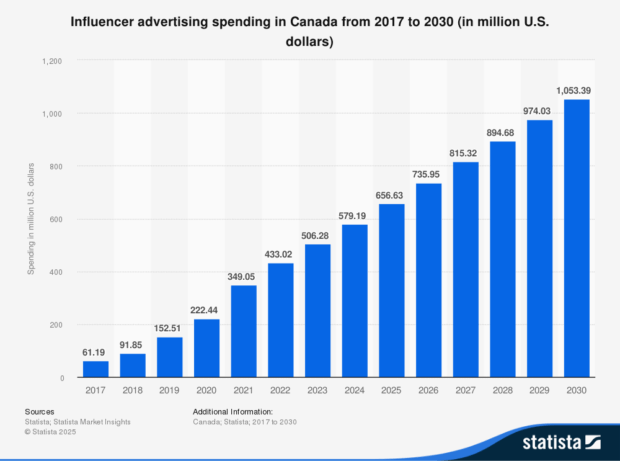
The trajectory of this strategy, as noted in Hootsuite’s latest Social Media Trends survey, shows an impressive annual increase in organizations partnering with creators. This trend is not confined to the U.S.; regional data confirms a similar expansion. For instance, annual influencer ad spend in the UK is projected to reach $1,442.78 million in 2025, demonstrating a robust investment in creator partnerships across major markets. Eileen Kwok, former Social Media & Influencer Marketing Strategist at Hootsuite, observes this evolution: “When influencer marketing was first starting out, it was all about one-off sponsored posts. Since then, we’ve seen a lot of brands get creative with PR boxes, brand trips, IRL activations, and more.” Looking towards 2026, the industry is moving towards more integrated, multi-platform campaigns, with brands experimenting across TikTok, Instagram, LinkedIn, and YouTube, fostering what Kwok describes as "ecosystems of influence online." This signifies a departure from isolated campaigns to sustained, multi-touchpoint collaborations with thought leaders.
Understanding the Pillars of Influence: Benefits for Brands
The compelling advantages of influencer marketing are multifaceted, primarily centered around building trust, reaching highly targeted audiences, and significantly increasing brand visibility and return on investment (ROI).
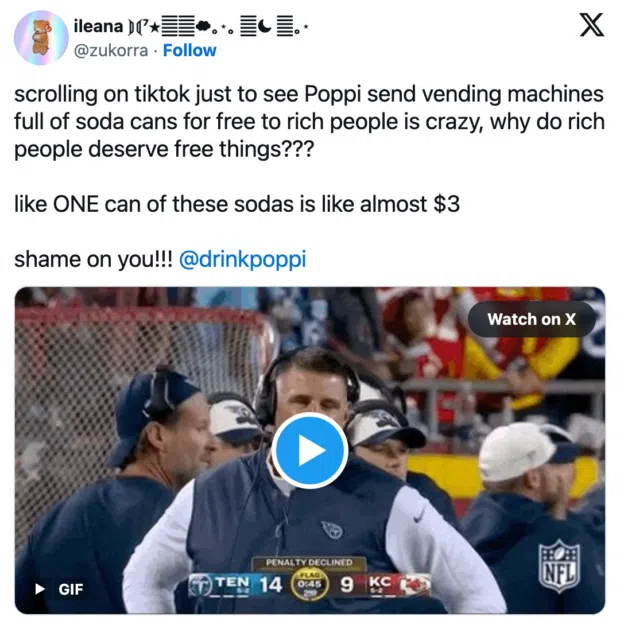
Firstly, authenticity and trust are paramount. The sustained engagement creators foster with their audiences builds a rapport akin to personal relationships, making their recommendations feel more like trusted advice than direct advertising. However, this relies heavily on genuine content. The backlash faced by prebiotic soda brand Poppi during its Super Bowl campaign serves as a cautionary tale. By sending extravagant vending machines to high-profile influencers like Alix Earle and Jake Shane, the brand alienated a segment of its community who perceived the move as out of touch and overly lavish, highlighting that effective influencer marketing requires aligning campaigns with audience values and ensuring inclusivity. As Rachel Karten succinctly puts it, “Good marketing doesn’t exist in the context of bad sentiment.”
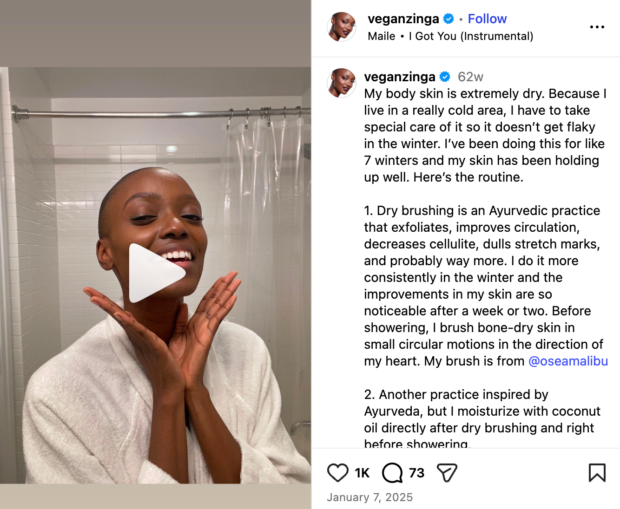
Secondly, influencer partnerships facilitate precision targeting. Unlike the broad reach of traditional advertising, influencers connect brands directly with niche communities. A vegan skincare brand, for instance, can partner with plant-based creators, ensuring its message reaches consumers already predisposed to its values and lifestyle. This audience alignment significantly enhances conversion potential and reduces wasted ad spend.
Finally, influencers provide enhanced brand exposure and ROI. In a saturated digital environment, influencers act as vital conduits, enabling brands to penetrate conversations they might otherwise miss. Eileen Kwok emphasizes, “With so much chatter online, influencers are one of the best ways to break the noise and capture the attention of your audience.” This increased visibility translates into improved brand recall, heightened engagement, and ultimately, measurable revenue growth.
The Distinction: Influencer vs. Affiliate Marketing
While often conflated, influencer marketing and affiliate marketing operate on distinct payment models and primary objectives. Influencer marketing typically involves a flat fee payment to a creator for promoting a brand, package, or retainer, focusing on brand awareness, consideration, and association. Affiliate marketing, conversely, is performance-based, compensating creators with a commission on sales or sign-ups generated through tracked links or codes. This shifts the risk, with affiliate marketing guaranteeing payment only upon results, while influencer marketing pays for reach and content irrespective of direct conversions.
Comparison of Influencer vs. Affiliate Marketing
| Feature | Influencer Marketing | Affiliate Marketing |
|---|---|---|
| Payment Model | Flat fee per post, package, or retainer | Commission per sale or qualified action |
| Relationship | Negotiated partnership with agreed deliverables | Open or invite-only program, often self-serve |
| Primary Goal | Awareness, consideration, brand association | Direct conversions and revenue |
| Typical Content | Briefed posts, Reels, videos, events | Links, discount codes, review and roundup content |
Many mature marketing programs strategically integrate both approaches. Paid partnerships introduce the brand and build initial credibility, while an overlaid affiliate program incentivizes top-performing creators to drive sustained sales beyond the initial campaign window.
A Spectrum of Impact: Classifying Influencer Tiers
Influencers are typically categorized by their follower count, though their impact is often more nuanced, reflecting engagement rates, niche authority, and content quality.

-
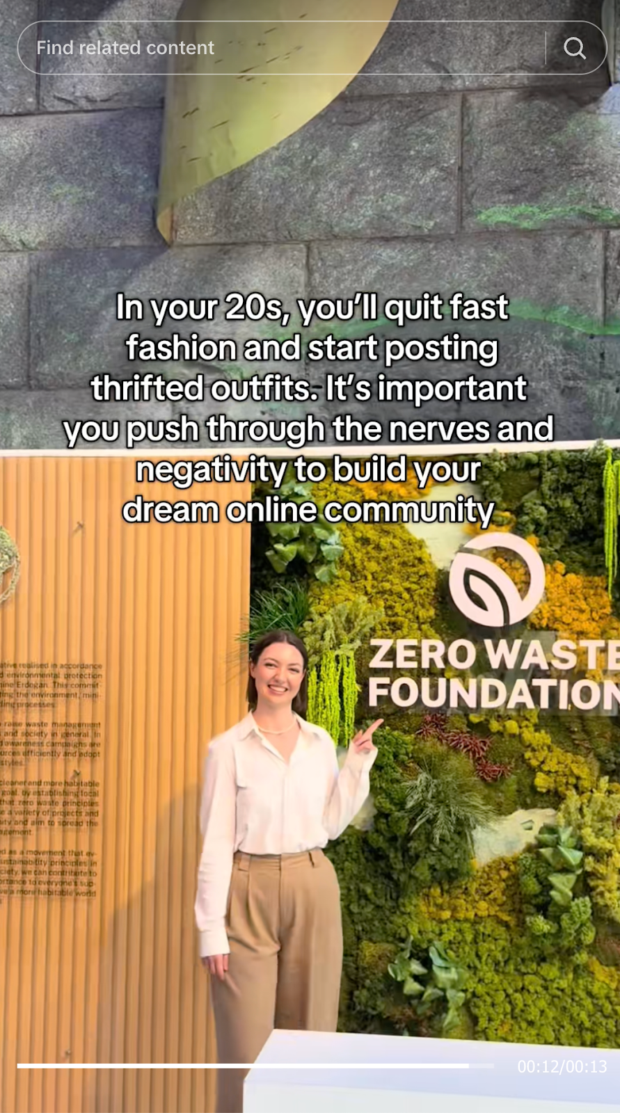
Nano-influencers (1K to 10K followers): These creators possess small but highly engaged audiences, often cultivating strong personal connections with their followers. They boast the highest engagement rates on platforms like Instagram, at 6.23% according to eMarketer, making them ideal for local businesses, niche products, and campaign testing. Their authenticity and budget-friendliness (average cost per post: $20-$200) offer significant value. An example is @sustainable_sarahb (8.1K TikTok followers), whose eco-friendly lifestyle content aligns perfectly with brands promoting sustainability.
-
Micro-influencers (10K to 100K followers): Representing a sweet spot, micro-influencers offer a balance of growing reach and strong niche authority. They are effective for targeted campaigns and growing brands, maintaining high engagement at reasonable rates (average cost per post: $200-$2,000). @jmillydg (10.6K Instagram followers), a disc golf enthusiast, exemplifies a micro-influencer perfectly matched for brands in his specialized field.
-
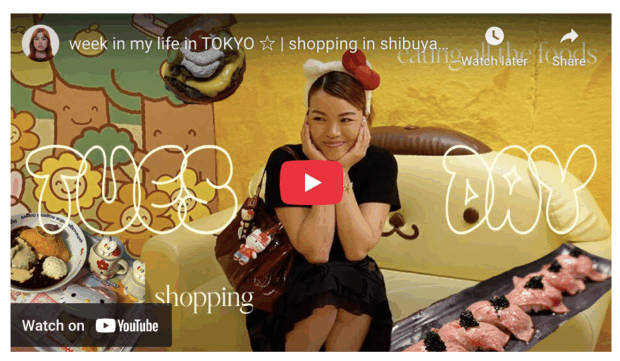
Macro-influencers (100K to 1M followers): These creators have transitioned into full-time content creation, often with professional management and media kits. They provide significant reach and professional content quality, making them suitable for national campaigns and product launches (average cost per post: $5,000-$15,000). @yourgirlneens (182K YouTube followers), known for her lifestyle content, illustrates the polished output of this tier.
-
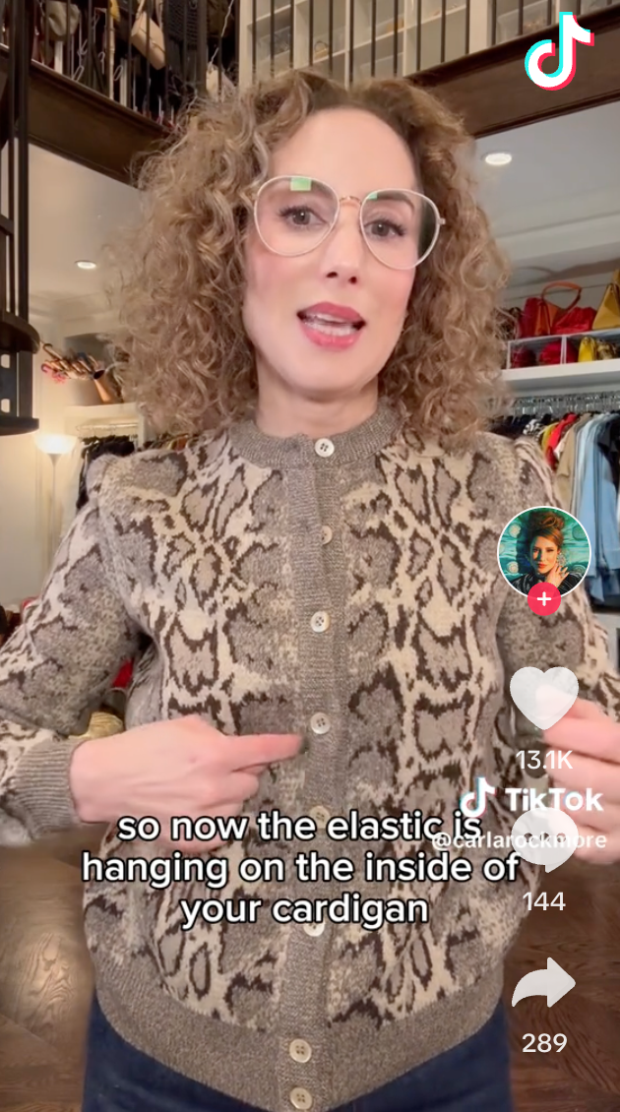
Mega-influencers (1M+ followers): At this tier, creators often rival traditional celebrities in reach and influence, capable of driving massive sales and generating instant credibility. They are typically reserved for global campaigns and major product launches, commanding high rates (average cost per post: $15,000-$50,000+). Figures like @carlarockmore (1.3M TikTok followers), dubbed the "real-life Carrie Bradshaw," demonstrate the broad appeal and fashion authority of this segment.
Emerging Categories: Beyond these traditional tiers, several new influencer types are shaping the future landscape:
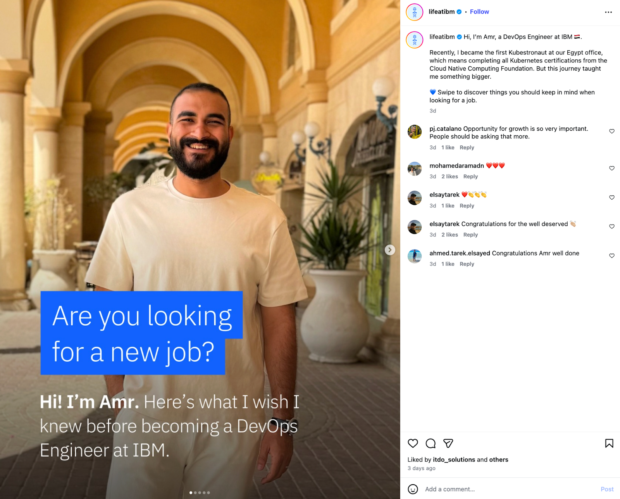
- Employee Influencers: Employees who advocate for their company on personal social accounts or in branded content. Companies like Microsoft and IBM regularly feature employees to humanize their brand. Eileen Kwok notes, "Employee advocacy helps build trust, since people trust other people more than brands. It’s also cost-effective, since you don’t have to rely entirely on paid media. Plus, advocacy boosts your brand’s reputation."
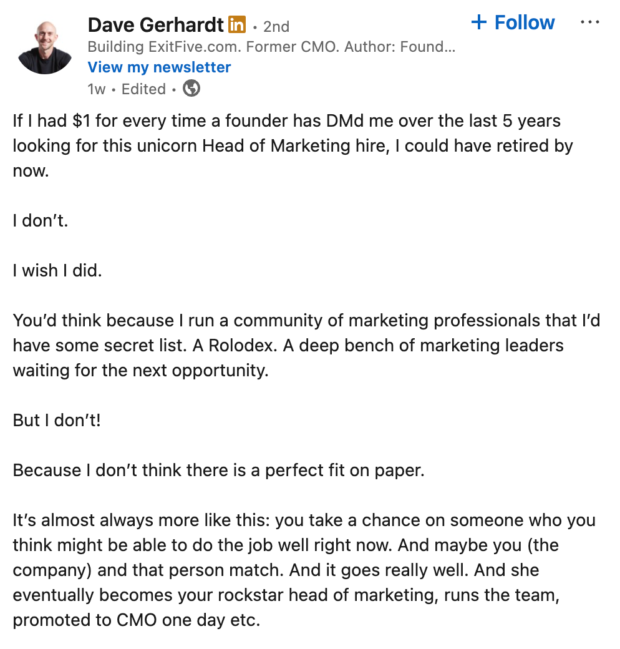
- B2B Influencers: Industry experts who sway business decisions, predominantly on platforms like LinkedIn. 85% of B2B marketers engage with them. Credibility, rather than follower count, is key here; a 5,000-follower analyst can be more impactful than a general business creator with a larger audience. Dave Gerhardt (177K LinkedIn followers) is a prime example, influencing marketing leadership decisions.
- Virtual and AI Influencers: Computer-generated characters designed for social media engagement, possessing realistic appearances and personalities. Lil Miquela, with her extensive Instagram following, is a prominent example. As generative AI tools advance, more brands are creating their own virtual personas. This trend introduces critical considerations regarding disclosure (audiences and regulators expect clarity on synthetic personas) and brand safety (full control also means full accountability for any missteps).
Navigating the Digital Arenas: Top Platforms for Influencer Marketing in 2026
The optimal platform for influencer marketing is dictated by where a brand’s target audience resides and the specific campaign objectives. Each major network offers distinct advantages:
- Instagram: Remains the default for influencer marketing, particularly for beauty, fashion, food, fitness, and travel. Its diverse formats—Reels for discovery, Stories for time-sensitive offers, and carousels for product details—make it versatile. Nano-influencers, with their 6.23% engagement rate, often outperform single macro deals for the same budget.
- TikTok: A rapidly evolving platform where reach is content-driven, not solely follower-dependent. A creator with 15,000 followers can achieve millions of views, making it ideal for concept testing. Short-form video excels for product demonstrations, and TikTok Shop provides a direct path to purchase. Brands should, however, consider the platform’s shifting regulatory status and diversify their media mix.
- YouTube: The go-to for long-form, evergreen content. Detailed reviews and tutorials offer sustained visibility through search results, reducing the cost per view over time. Shorts cater to top-of-funnel reach, while longer videos drive consideration for higher-priced or technical products. Expect higher production values and corresponding rates.
- LinkedIn: The dominant platform for B2B creator partnerships. Eileen Kwok notes, “LinkedIn provides a fresh way to partner with credible industry leaders, business owners, and educators that are seen as true experts in niche industries. If you’re looking to roll out conversion ads and speak directly to decision makers, LinkedIn is the best platform to do so.” Formats here lean towards text posts, carousels, newsletters, and co-hosted live sessions.
Crafting a Winning Strategy: A Step-by-Step Guide
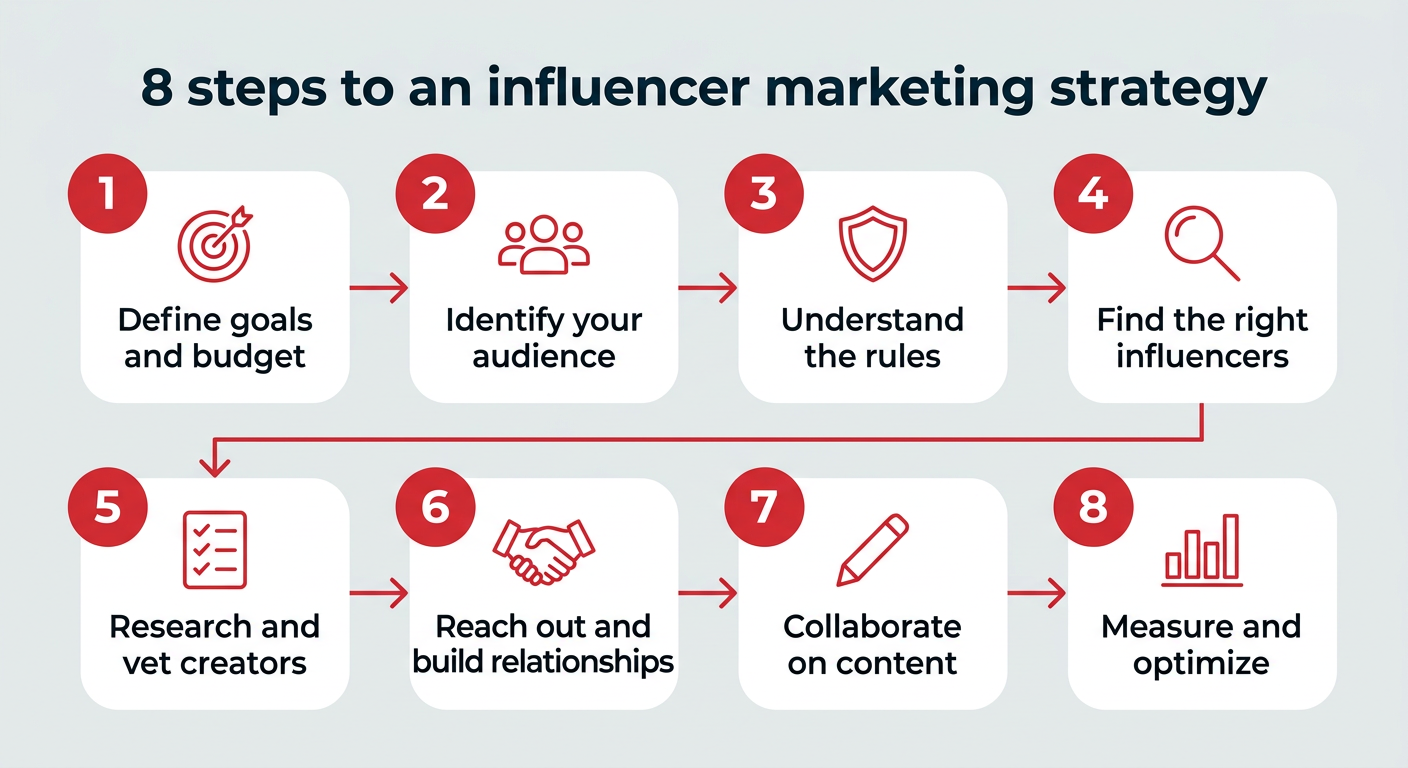
Developing an effective influencer marketing strategy requires a methodical approach:
- Define Your Goals and Budget: Clearly articulate campaign objectives (e.g., brand awareness, lead generation, sales, community engagement). Goals will dictate influencer choice and content. Set a realistic budget, focusing on smaller creators for limited funds.
- Identify Your Target Audience: Develop detailed audience personas to understand who you’re trying to reach. The ideal influencer’s audience should align perfectly with your target market.
- Understand Rules and Regulations: Familiarize yourself with regulatory bodies like the Federal Trade Commission (FTC) in the U.S. and similar global bodies. Disclosure of sponsored content is paramount to avoid legal repercussions for both brand and creator. Integrate disclosure requirements into contracts and creative briefs.
- Find the Right Influencer: Look beyond follower count to relevance, engagement, and audience alignment. eMarketer reports that 43.9% of marketers struggle with this. Social listening tools are invaluable for identifying creators already discussing your brand or industry.
- Research and Vet Creators: Scrutinize their recent posts, the balance of sponsored versus organic content, and audience response. Authenticity is key; creators who blend paid and organic content tend to resonate more genuinely. Shawn Johnson, an Olympian and "momfluencer," demonstrates the importance of understanding a creator’s full context.
- Reach Out and Build Relationships: Personalize your outreach. Engage organically with their content beforehand to build rapport. Clearly outline your brand, collaboration hopes, offerings, and expectations. Importantly, content creators often prefer to be called "creators" rather than "influencers," viewing the latter as diminishing their craft.
- Collaborate on Campaign Content: Provide a comprehensive creative brief outlining campaign goals, key messages, deliverables, and timelines, but grant creative freedom. Influencers are experts in their craft; allowing them to showcase their unique style, as demonstrated by Vicki Duong’s collaborations or @heyfreesamples’ comedic integrations, yields the most authentic results.
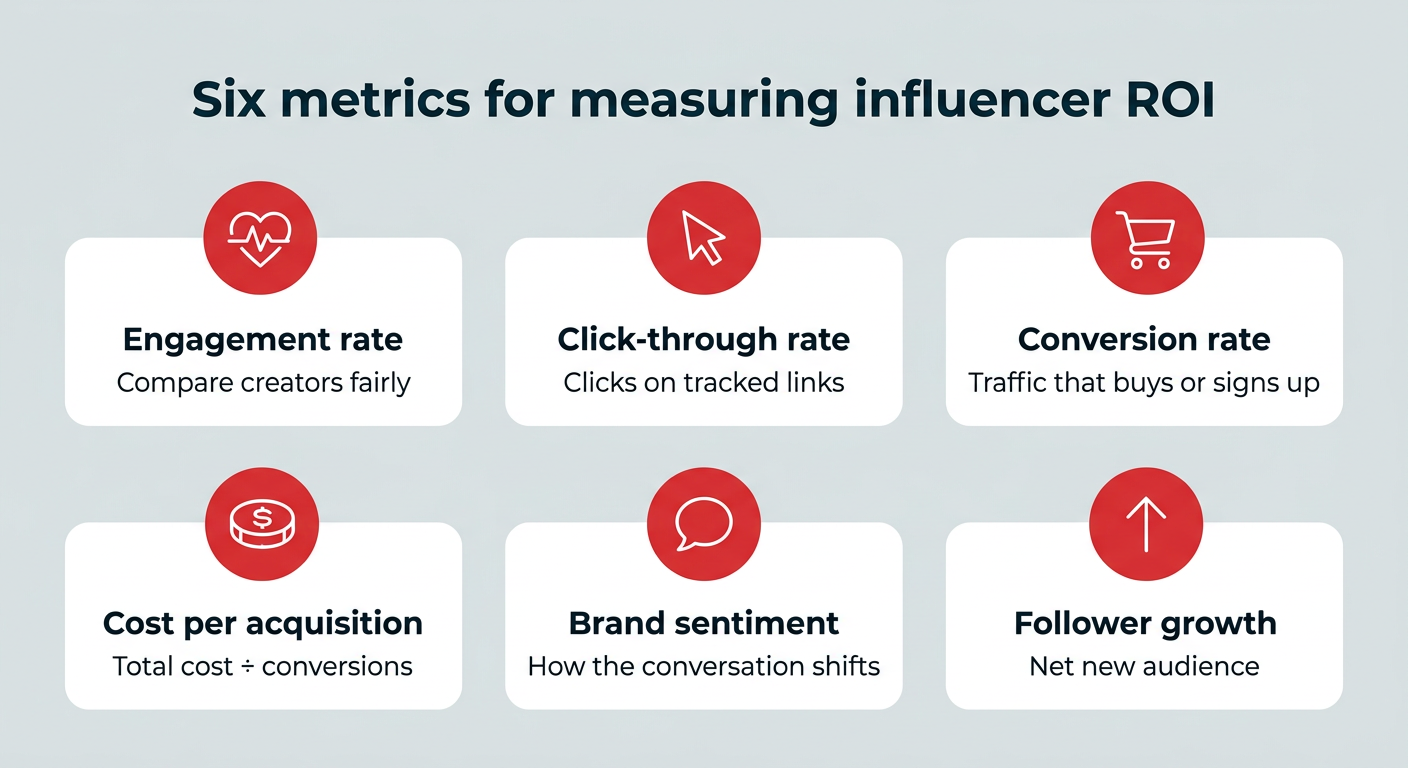
- Measure Results and Optimize: Utilize a social media ROI calculator and tracking tools to monitor key performance indicators (KPIs) like engagement, reach, traffic, conversions, brand sentiment, and cost per acquisition. Compare results against benchmarks to continuously refine your strategy.
Quantifying Success: Measuring Influencer Marketing ROI

Measuring ROI is crucial for demonstrating campaign effectiveness. Beyond vanity metrics, focus on business outcomes by tracking:
- Engagement Rate: Likes, comments, shares, saves relative to follower count.
- Reach and Impressions: Total unique viewers and total views.
- Website Traffic: Clicks from tracked links (UTM parameters).
- Conversions: Sales, sign-ups, downloads attributed to influencer content (discount codes, unique landing pages).
- Brand Sentiment and Mentions: Changes in perception and discussion volume using social listening.
- Cost Per Acquisition (CPA): Campaign cost divided by new customers acquired.
Contextualizing these numbers is vital; a 5% engagement rate on TikTok, for instance, is significantly above the 1.5% industry average, indicating strong performance.
Navigating the Pitfalls: Challenges in Influencer Marketing
Despite its immense potential, influencer marketing is not without its risks:

- Finding the Right Fit: Identifying creators whose audience and values genuinely align with the brand remains a significant hurdle.
- Authenticity Concerns: The risk of content appearing inauthentic or overly commercialized can erode consumer trust, as seen in the Poppi example.
- Measuring ROI: Accurately attributing sales or brand lift to specific influencer campaigns can be complex without robust tracking mechanisms.
- Regulatory Compliance: Non-compliance with disclosure regulations (e.g., FTC guidelines) can lead to fines and reputational damage.
- Brand Safety and Reputation Risk: Influencer misbehavior or association with controversial content can negatively impact a brand’s image.
Future-Proofing Influence: Advanced Best Practices
To maximize impact and mitigate risks, advanced strategies include:

- Whitelisting Influencer Content: Running high-performing organic content as paid ads directly from the creator’s account, combining authenticity with targeted reach.
- Layering Affiliate Incentives: Integrating affiliate programs alongside flat fees encourages sustained promotion and performance-driven results.
- Running Always-On Campaigns: Shifting from one-off posts to long-term partnerships fosters consistent, natural-feeling content.
- Thinking Beyond a Single Post: Developing multi-platform, multi-format campaigns that may even extend to offline experiences, such as curated in-store collections.
- Repurposing Creator Content: Maximizing the value of high-quality creator content by using it across various channels—as paid ads, product page assets, email headers, or retail displays—ensuring usage rights are secured contractually from the outset.
Case Studies: Lessons from the Field
- IBM: Employee Influencers at Scale: The @lifeatibm account effectively humanizes the brand by featuring employees discussing their work, demonstrating the power of internal advocacy.
- Dave Gerhardt: B2B Thought Leadership on LinkedIn: Gerhardt’s partnerships succeed because his credibility within the marketing and startup community directly influences specific buying decisions, proving that in B2B, relevance often trumps sheer reach.
- Niche Creator Partnerships: @jmillydg and Disc Golf: A micro-influencer hyper-focused on a single sport provides a near-perfect alignment for brands within that category, illustrating the effectiveness of highly specialized targeting.
- Poppi: What a Misread Audience Costs: Despite generating enormous conversation, much of the sentiment surrounding Poppi’s Super Bowl campaign was negative, highlighting that reach without positive sentiment does not equate to a win.
Tools for Seamless Campaign Management

Effective influencer marketing relies on robust tools for discovery, vetting, content management, and performance analytics. Platforms like Hootsuite Social OS, with its AI layer Wisdom for trend surfacing, Lumen for social listening and insights, and the Upfluence integration for dedicated creator discovery and campaign management, offer comprehensive solutions to streamline these complex processes.
The Horizon of Influence
The influencer marketing landscape is a dynamic ecosystem, constantly reshaped by technological advancements like AI influencers and evolving consumer behaviors. However, the core tenets remain steadfast: prioritizing authenticity, developing clear strategies, and diligently tracking results are paramount. As brands continue to navigate this evolving terrain, building genuine relationships with creators and aligning budgets with ambitious, well-defined goals will be key to unlocking sustained success.


 Nana Wu
 Iffa Jayyana