Reynand Wu
The period spanning from Black Friday through Cyber Monday marks the zenith of the retail year, yet the holiday shopping frenzy extends well beyond this critical weekend, persisting through the final days of December. For businesses, every email dispatched during this extended season holds the potential to significantly influence sales, with its fate often sealed by a single, meticulously crafted subject line. This critical element serves as the primary gateway, determining whether a message is opened, engaged with, or relegated to the digital void of an ignored inbox.
The Escalating Challenge of Inbox Clutter
During the holiday season, consumers are inundated with an unprecedented volume of commercial emails—often hundreds, if not thousands, per individual subscriber. In this fiercely competitive environment, a compelling subject line is not merely an advantage; it is an absolute necessity for cutting through the noise. It is the decisive factor in capturing a recipient’s fleeting attention and prompting an open. To truly succeed, marketers must delve into the psychology of consumer behavior, understanding what motivates an open and what leads to immediate deletion.
Industry experts and internal marketing teams consistently advocate for a strategic approach that transcends simple discount announcements. This includes leveraging psychological triggers, implementing advanced segmentation, and ensuring robust deliverability to guarantee that these carefully constructed messages actually reach their intended audience. The journey from crafting a potent subject line to securing an inbox placement is complex, requiring a holistic understanding of email marketing dynamics.
The Anatomy of an Effective Subject Line: Beyond the Basics
While the subject line is paramount, its efficacy is inextricably linked to the broader "inbox envelope." This encompasses the sender name and the preview text, both of which play crucial roles in a subscriber’s initial assessment of an email. During peak shopping periods, consumers often scan sender names first. Therefore, clarity and recognition are vital: businesses should consistently use their official brand name rather than a personal name or extraneous keywords that could cause confusion.
Furthermore, integrating Brand Indicators for Message Identification (BIMI) is becoming an increasingly important best practice. Verifying an email program with BIMI before the holiday rush not only enhances deliverability by signaling authenticity to mailbox providers but also places a verified brand logo directly beside the subject line in the inbox, significantly boosting brand recognition and trust in a crowded digital space.
Strategic Pillars for Holiday Email Success
Effective holiday email marketing hinges on several foundational strategies that address both consumer psychology and technical execution.
-
Understanding the Subscriber Mindset: Fear vs. Fun
The principle of Fear Of Missing Out (FOMO) is a potent motivator, and phrases like "LAST CHANCE" or "Deal Ends Soon!" proliferate during Black Friday and Cyber Monday. However, consumers have grown increasingly sophisticated. They understand that another deal is often just around the corner. Over-reliance on heavy-handed urgency tactics can erode trust and fail to foster a genuine connection with a brand. Conversely, injecting whimsy and creativity into subject lines can evoke a more positive emotional response, making an email feel less like a sales pitch and more like a welcome communication. This approach builds rapport, encouraging long-term engagement rather than just transactional opens. -
Leading with Story, Not Just Sales
While the holiday season is undeniably sales-driven, successful marketing extends beyond simply broadcasting discounts. Marketers must remember the core reason subscribers are interested in their brand in the first place. Subject lines that hint at a broader narrative, offer value beyond a price cut, or tap into the aspirational aspects of a brand can resonate more deeply. This means weaving in elements that speak to the brand’s unique value proposition, product benefits, or the joy of the holiday season, rather than solely focusing on the percentage off. -
Navigating Personalization in Gift-Giving Season
The conventional wisdom of email personalization often emphasizes leveraging zero- and first-party data to tailor messages to individual preferences. However, the holiday season presents a unique challenge: many shoppers are buying gifts for others, meaning their personal purchasing history might not be directly relevant to their current needs. As email marketing expert Chad S. White has pointed out, holiday gift-buying can limit the direct applicability of standard personalization data. While basic "First Name" personalization can still be effective, marketers should not overemphasize "just for you" messaging when the primary intent is gift-giving. Instead, subject lines should pivot to gift-centric language for segments of the list likely purchasing for others.It is crucial to note that this nuance does not negate the overall power of personalization. Marketers consistently report significant revenue increases (e.g., 20%) from personalized subject lines, and segmented campaigns can dramatically outperform unsegmented ones (e.g., 760% more revenue). The key is to apply personalization intelligently, adapting it to the specific context of holiday shopping—focusing on gift-giving cues where appropriate, while maintaining deeper personalization for self-purchase-oriented segments.
Tactical Best Practices for Subject Line Crafting
Beyond the strategic considerations, several tactical best practices ensure optimal performance for holiday subject lines.
- Conciseness and Clarity: In a crowded inbox, brevity is king. Subject lines should ideally be no more than nine words and approximately 60 characters to ensure full visibility across various devices and email clients. Short, punchy subject lines are more likely to cut through the clutter and convey the core message instantly.
- Creating Genuine Urgency and Intrigue: While avoiding heavy-handed FOMO, genuine scarcity or limited-time offers can still be effective. The key is authenticity; if a deal truly ends, communicate that clearly. Intrigue, on the other hand, can be generated through questions, curiosity-inducing statements, or hints of exclusive content, prompting opens without resorting to aggressive sales tactics.
- The Nuance of Emojis: Emojis can be powerful visual tools to make an email stand out. However, their use requires discernment. Overusing common emojis (like the red siren or alarm clock) can make a message blend in rather than stand out. Marketers should select emojis that align with their brand’s voice and message, limiting their use to one or two per subject line. Crucially, emojis should complement, not replace, words to maintain accessibility and ensure the message is understandable even if emojis don’t render correctly.
- Creative Differentiation: The holiday season is when creativity truly shines. Marketers must resist the temptation to rely on AI-generated clichés that lack originality. Differentiation is paramount; a unique, brand-specific voice in the subject line is far more likely to capture attention than generic, overused phrases. Front-loading the most important information is also critical, as subscribers scan differently during high-volume periods.
The Holiday Email Marketing Chronology: A Phased Approach
Successful holiday campaigns are not isolated events but rather a meticulously planned chronology of engagements.
- Anticipation and Early Access (Early November): Deals often begin as early as November 1st. Preparing subscribers by teasing offers in advance is a highly effective strategy. Subject lines like "Early Access Coming Soon!" or "Something Big is Brewing…" create anticipation and give subscribers a reason to actively look out for your brand when the Black Friday email deluge begins. Dynamic content can also be used to keep these pre-season emails timely and relevant.
- The Black Friday & Cyber Monday Rush (Late November): This is the peak period for direct sales messaging. Subject lines should clearly communicate the promotion type (e.g., "50% Off Everything!"), audience relevance (e.g., "Gifts for Everyone on Your List"), and timing (e.g., "Black Friday Starts NOW!"). The original article highlights a variety of these, from percentage-off deals to free shipping and flash sales, all emphasizing clarity and immediate value.
- Mid-Season Engagement and Last-Minute Buys (Early to Mid-December): As the initial rush subsides, the focus shifts to gift guides, extended offers, and addressing procrastinators. Subject lines for this phase might emphasize themes like "Holiday Gift Guide," "Still Time to Shop!" or "Need a Last-Minute Gift?" The "anti-Black Friday" or deal-free messaging also finds a niche here, allowing brands to build trust by focusing on values or unique offerings rather than just discounts.
- Post-Holiday Opportunities (Late December – Early January): Even after Christmas, opportunities abound. Post-holiday sales, gift card redemptions, and exchanges provide reasons to engage. Subject lines should balance attention-grabbing offers with a recognition that subscribers might be experiencing email fatigue. Phrases like "Your Holiday Hangover Cure" or "New Year, New Savings" can be effective, subtly shifting focus to the upcoming year or clearing inventory.
Deliverability: The Unseen Gatekeeper of Your Holiday Campaigns
Even the most ingeniously crafted subject line is worthless if the email never reaches the inbox. Email deliverability—the ability for an email to land in a subscriber’s primary inbox rather than being flagged as spam or blocked entirely—is a critical, often overlooked, determinant of email marketing ROI.
- Why Every Inbox Counts: A poor sender reputation signals to mailbox providers (like Gmail, Outlook, Yahoo) that a sender might be engaging in spammy behavior. Once emails start consistently landing in spam folders, a vicious cycle ensues: damaged reputation leads to more spam placements, further degrading reputation. This directly impacts engagement metrics, brand perception, and, ultimately, revenue. During the high-stakes holiday season, every missed inbox represents a lost sales opportunity. Data consistently shows that deliverability rates can significantly impact overall campaign performance, with even small percentage drops costing businesses substantial revenue.
- Key Factors Influencing Deliverability: Several factors contribute to a sender’s deliverability score:
- Sender Reputation: Built over time based on IP address history, domain history, and engagement metrics (opens, clicks, unsubscribes, spam complaints).
- Email Content: Spam filters analyze content for suspicious keywords, excessive capitalization, image-to-text ratio, and broken links.
- List Hygiene: Sending to unengaged or invalid email addresses (spam traps) severely harms reputation. Regular list cleaning is essential.
- Authentication Protocols: Implementing SPF (Sender Policy Framework), DKIM (DomainKeys Identified Mail), and DMARC (Domain-based Message Authentication, Reporting & Conformance) verifies sender identity, making it harder for spammers to spoof a domain. BIMI, as mentioned, further enhances this.
- Engagement Metrics: High open and click rates, combined with low bounce and spam complaint rates, signal to mailbox providers that subscribers value the content, thus improving deliverability.
- Leveraging Technology for Optimal Reach: Monitoring and managing deliverability effectively requires specialized expertise and advanced technological solutions. Platforms like Validity Engage provide crucial tools for testing, monitoring, and optimizing email programs. These solutions allow marketers to:
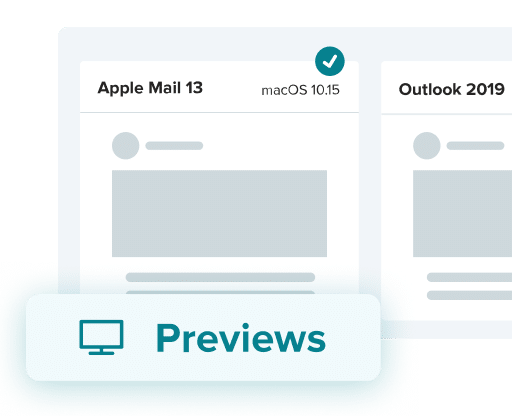
- Pre-flight Test Emails: See how emails render across 100+ email clients, identify potential dark mode issues, and check for accessibility fails before sending.
- Monitor Blacklists and Spam Traps: Proactively identify and address issues that could negatively impact sender reputation.
- Analyze Performance Data: Gain insights into inbox placement rates, complaint rates, and engagement, enabling data-driven adjustments to strategy.
- Ensure Authentication Compliance: Verify that SPF, DKIM, and DMARC are correctly configured, strengthening email security and trustworthiness.
The Broader Impact: Revenue, Reputation, and Customer Loyalty
The meticulous crafting of holiday email subject lines and the diligent management of deliverability extend far beyond immediate sales figures. These efforts contribute significantly to a brand’s overall health and long-term success.
- Revenue Generation: Optimized subject lines directly drive higher open rates, which in turn lead to increased clicks, conversions, and ultimately, revenue. During the holiday season, this impact is magnified, with a successful email campaign potentially accounting for a substantial portion of annual sales.
- Brand Reputation: Consistent delivery of valuable, relevant, and engaging emails fosters a positive brand image. Conversely, emails that frequently land in spam folders or employ overly aggressive tactics can damage brand trust and lead to unsubscribes, negatively impacting future marketing efforts.
- Customer Loyalty and Lifetime Value: Beyond the transactional aspect, effective holiday email marketing strengthens customer relationships. By providing value, anticipating needs (e.g., gift ideas), and communicating transparently, brands can cultivate loyalty. This translates into repeat purchases, higher customer lifetime value, and positive word-of-mouth referrals—assets far more enduring than a single holiday sale.
In conclusion, the holiday season presents both immense opportunity and formidable challenges for email marketers. Success hinges on a sophisticated approach that marries psychological insight with technical precision. By prioritizing a holistic inbox experience, crafting compelling and relevant subject lines, adapting personalization strategies, and rigorously ensuring deliverability, businesses can transform the crowded holiday inbox from a battlefield into a pathway for sustained engagement and substantial growth. The investment in mastering these elements is not just for the holiday season but for building a resilient and thriving email marketing program year-round.

 Sagoh

 Siti Muinah