
 rifanmuazin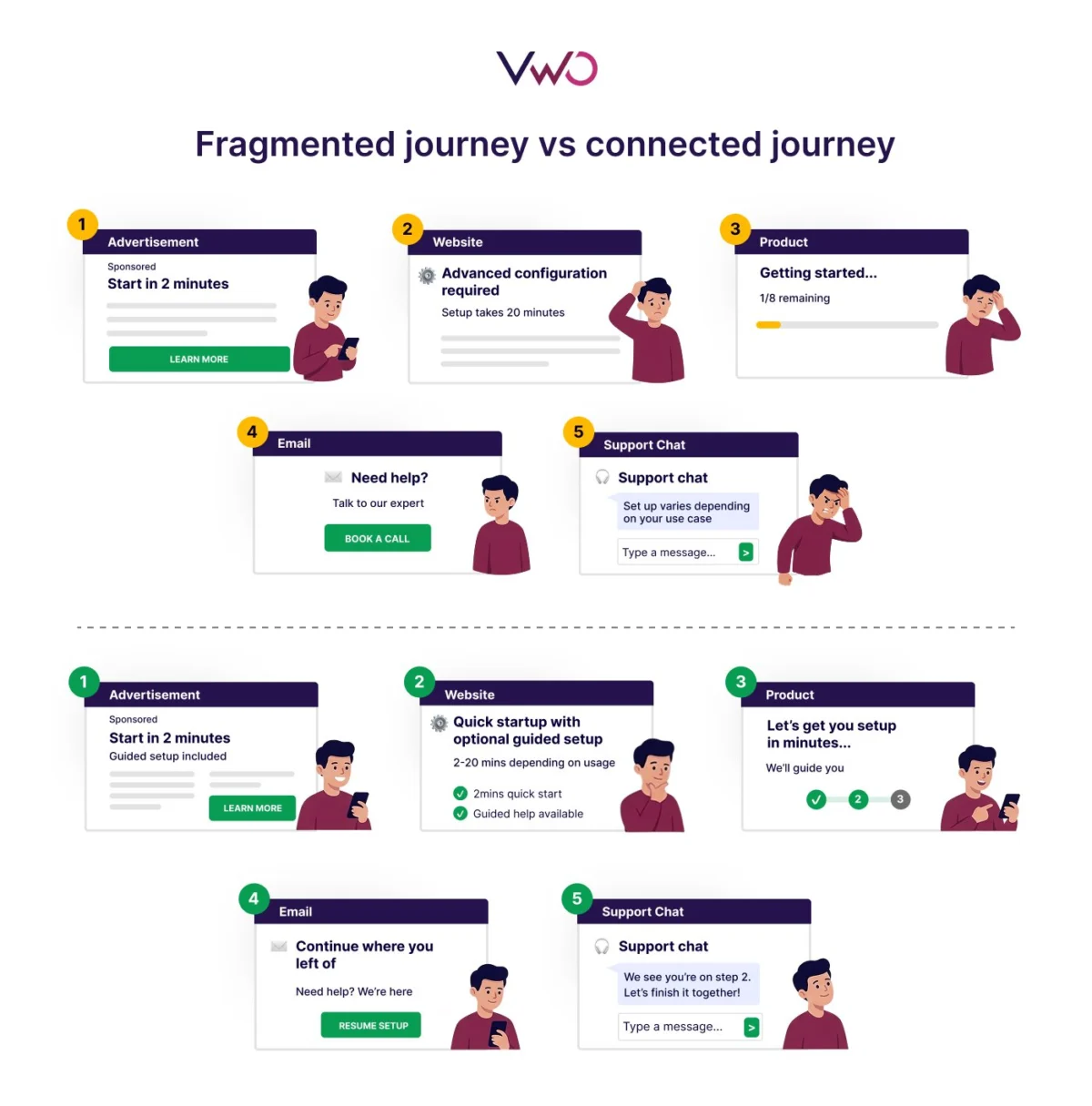
The global digital landscape is currently undergoing a fundamental transformation as businesses pivot from traditional Conversion Rate Optimization (CRO) tactics toward a more integrated philosophy known as experimentation-led decision-making. This shift, highlighted by strategic consultant and marketing director Andres Pinate, marks the end of the era where CRO was confined to isolated website-level A/B testing. Instead, modern enterprises are beginning to treat experimentation as a core "operating model" designed to improve the quality of business strategies rather than just the performance of individual landing pages. As organizations grapple with increasing customer acquisition costs and the complexities of "zero-click" user journeys, the focus has moved toward building robust revenue systems that compound organizational intelligence over time.
The Chronological Evolution of Conversion Rate Optimization
To understand the current state of the industry, one must look at the trajectory of digital optimization over the last two decades. In the early 2010s, CRO was primarily viewed through a tactical lens, often referred to as "the button color era." Businesses focused on superficial changes to drive incremental gains in click-through rates. However, by the mid-2010s, the rise of sophisticated analytics tools allowed for a more data-driven approach, moving the needle toward user experience (UX) and funnel optimization.

By 2020, the pandemic-induced acceleration of digital transformation forced companies to confront the limitations of tactical testing. As markets became saturated, the "win" was no longer found in a single test but in the speed and accuracy of an organization’s decision-making process. Today, in 2024 and looking toward 2026, the discipline has evolved into "Decision Design." This contemporary phase integrates consumer psychology, behavioral data, and commercial logic to create a structured system for growth. Andres Pinate’s recent insights emphasize that the goal of modern experimentation is not to run more tests, but to build a reusable asset of organizational learning that reduces uncertainty in high-stakes business moves.
Structural Divergence: B2B versus B2C Experimentation Frameworks
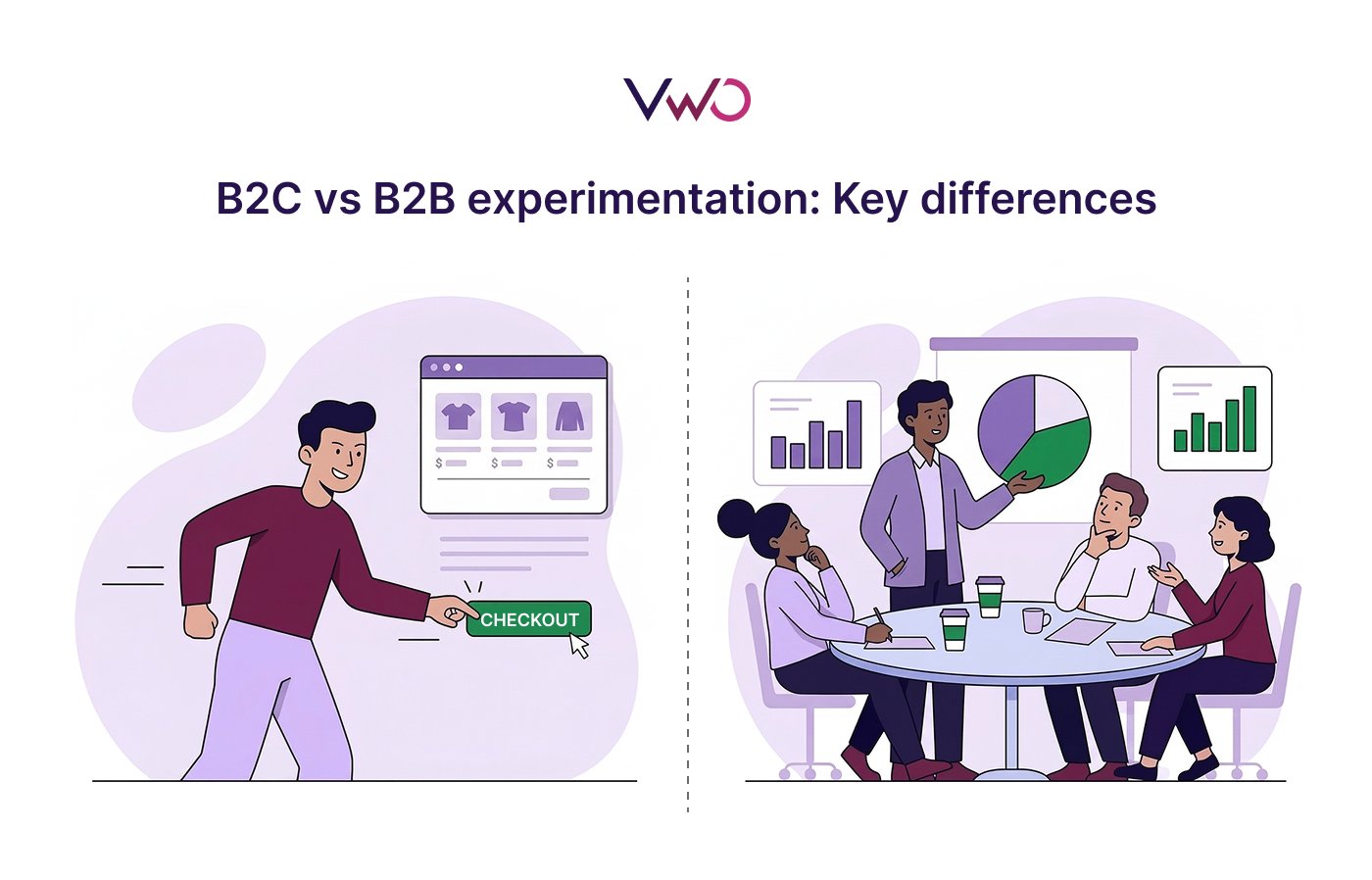
One of the most critical distinctions in modern growth strategy lies in the differing decision-making architectures of B2B and B2C sectors. According to Pinate, B2C experimentation typically rewards immediacy, emotional clarity, and the removal of friction. In this sector, the feedback loop is short, and the primary objective is often a faster path to purchase. Industry data supports this, showing that B2C consumers are significantly more influenced by "nudge" psychology and simplified checkout flows.
In contrast, B2B experimentation is governed by trust, consensus, and the mitigation of perceived risk. Recent studies from Gartner indicate that the average B2B buying group now consists of six to ten stakeholders, each equipped with different sets of information. Consequently, Pinate argues that B2B experiments should not merely aim to move a metric but should illuminate how decisions are truly made within a complex organizational structure. The challenge in B2B is layered; internal politics and a high tolerance for research mean that experimentation frameworks must be more patient and more closely aligned with the commercial logic of the business. The focus shifts from "converting a user" to "validating a solution" for a collective group of decision-makers.

The Zero-Click Phenomenon and Trust Density
The rise of "zero-click" behavior—where users find the information they need directly on search engine results pages (SERPs) or social media feeds without clicking through to a website—has fundamentally altered the user’s arrival point. Data from SparkToro suggests that over 50% of Google searches now end without a click. This reality has forced a rethink of the website’s role in the marketing funnel.
Pinate suggests that because users now arrive at a site with pre-formed context and partial answers, the website is no longer a place for basic information. Instead, it must serve as a platform for "trust density." The brand’s primary challenge is no longer to explain "what" the product is, but "why" the user should trust it over competitors. In this environment, content and UX must offer nuance, proof, and conviction. Organizations that successfully adapt to zero-click trends are those that stop measuring success solely through traffic and start focusing on the depth of the reassurance they provide to an already-informed visitor.
Building an Experimentation Operating Model
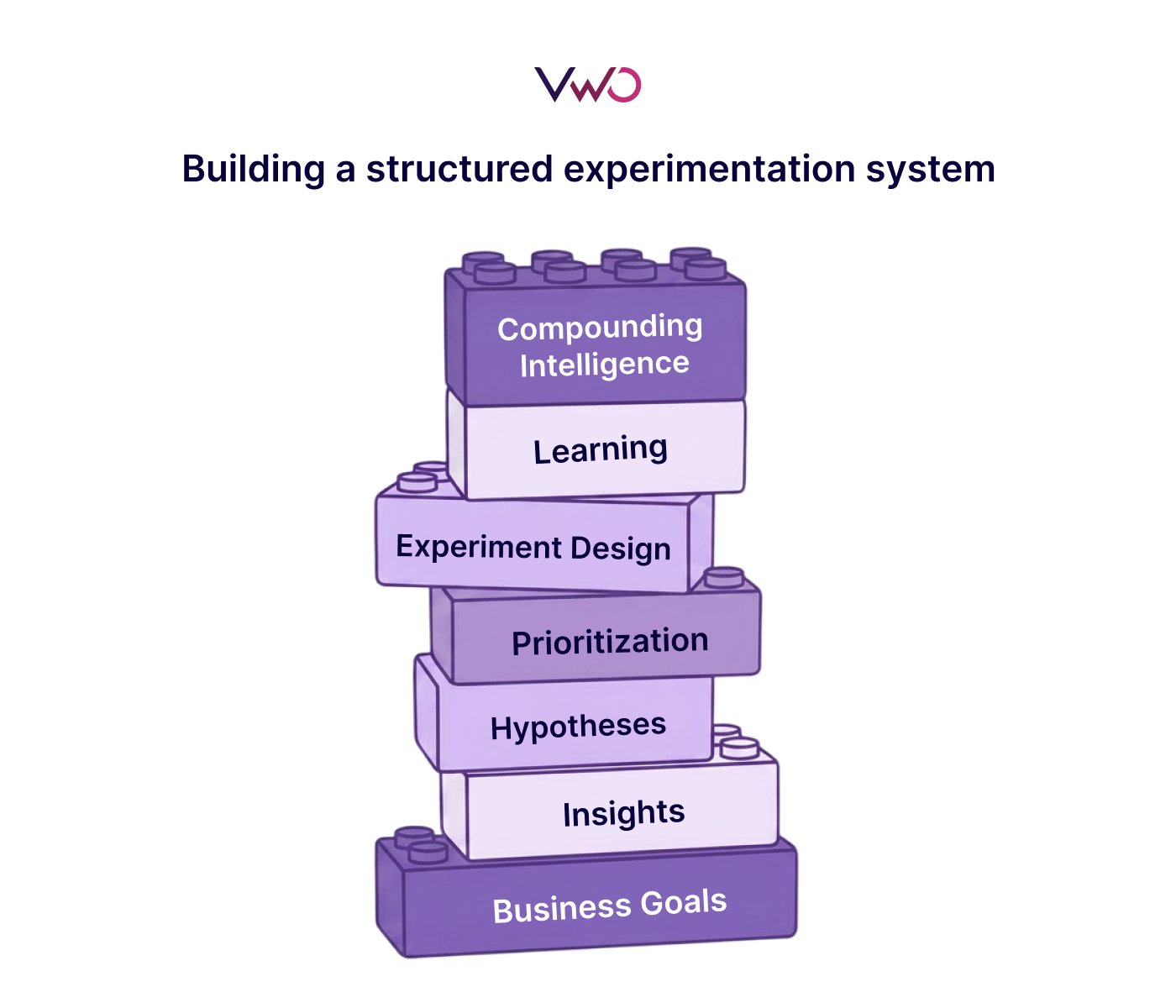
For a system to be effective, it must move beyond being a collection of tests and become a structured operating model. This requires a clear business thesis and a disciplined approach to hypothesis generation. Pinate outlines a layered approach to building this system from scratch:
- Strategic Alignment: The business must first agree on the primary objective—whether it is revenue growth, retention, or acquisition efficiency.
- Idea Intake Layer: Insights must be gathered from a variety of sources, including quantitative analytics, qualitative UX research, customer feedback, and direct input from sales and support teams.
- Prioritization: Not all ideas are equal. A mature system uses frameworks that blend impact, confidence, and effort with "strategic timing."
- The Learning Asset: Every experiment, regardless of whether it "wins" or "fails," must contribute to the organization’s collective intelligence.
Industry analysts note that companies with a highly developed experimentation culture see a significantly higher return on investment (ROI) from their digital spend. However, the barrier to entry remains high; it requires a shift in leadership mindset from "knowing the answer" to "having a process to find the answer."
The Integration of Artificial Intelligence and Human Judgment
The role of Artificial Intelligence (AI) in experimentation is a subject of intense debate among industry leaders. While AI is delivering value in pattern recognition, speed of analysis, and content variation, Pinate cautions against the dangers of "scale without judgment." The true power of AI lies in its ability to amplify high-quality human thinking rather than replacing it.
Strategic accountability remains a human domain. While AI can surface patterns in behavioral data faster than any human team, it lacks the ability to understand the emotional context or the "story" behind the numbers. For example, a heatmap may show a drop-off at a specific point in a funnel, and an AI might suggest five variations to fix it. However, it takes human intuition to understand that the drop-off might be caused by a lack of trust in the brand’s security credentials rather than a poorly placed button. The future of the field belongs to organizations that can successfully combine machine-scale data processing with human-led interpretation.
Regional Trends: The Maturation of the Spanish Market
The landscape of CRO in Spain serves as a microcosm for broader European trends. Historically, many Spanish firms viewed experimentation as a secondary project or a tactical tool for marketing teams. However, the market is currently entering a more mature phase. There is a growing recognition that CRO is a cultural capability rather than a software toolset.
In Spain, the most significant progress is occurring where business strategy, data analytics, and UX design are treated as a single, unified conversation. As the Spanish market becomes more sophisticated, the competitive advantage is shifting toward companies that can make better decisions faster. This evolution is reflected in the increasing demand for "Strategic Consultants" who can bridge the gap between technical execution and high-level business goals.
Broader Implications for Revenue Systems and KPIs
The shift toward experimentation-led decision-making has profound implications for how teams are evaluated. There is a visible move away from vanity marketing metrics—such as impressions and clicks—toward revenue-driven Key Performance Indicators (KPIs). When marketing teams take ownership of revenue, they are no longer seen as a support function but as a core component of the company’s economic engine.
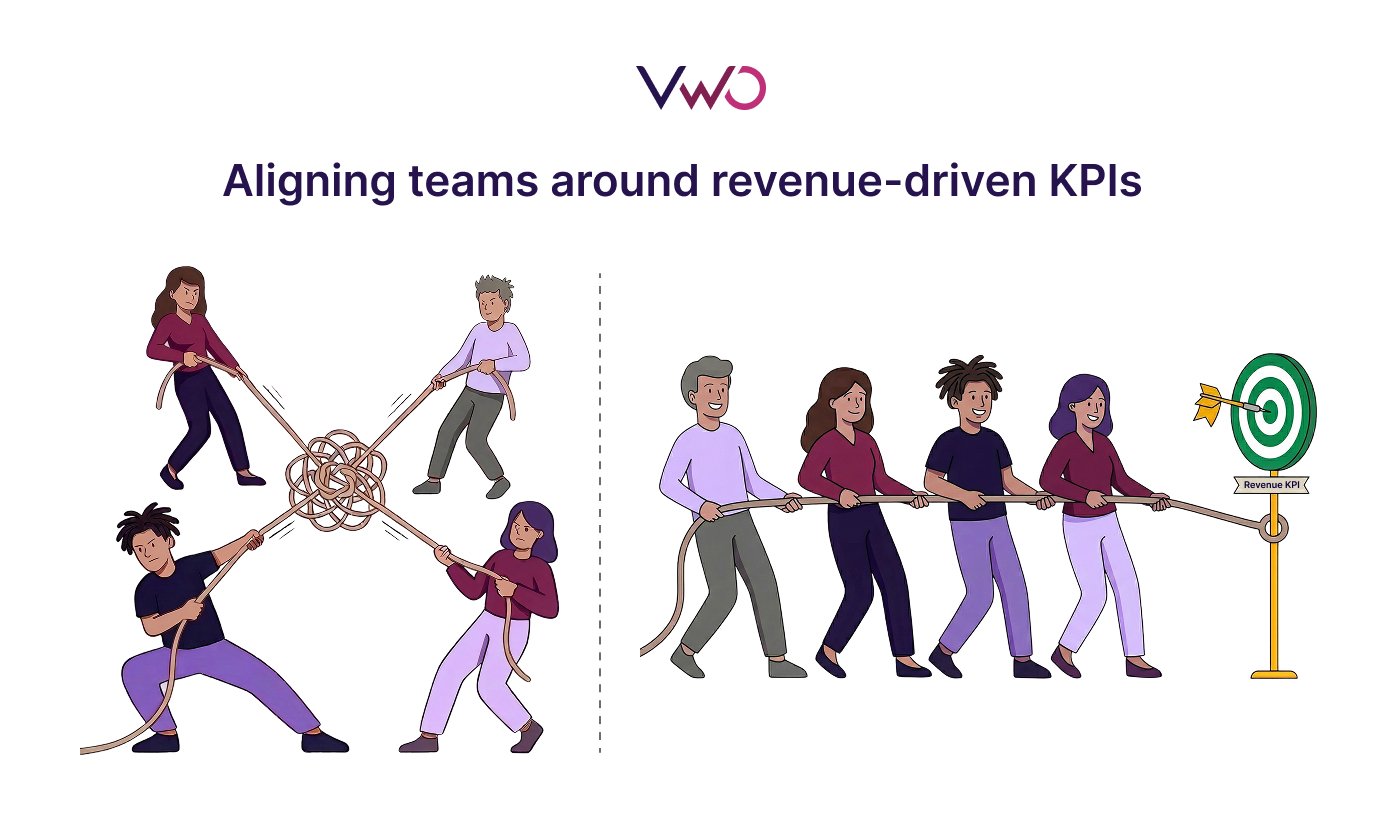
This alignment requires a unified view of the entire customer journey, from acquisition and activation to retention and expansion. Pinate highlights that "revenue is not owned by a team; it is built by a system." To achieve this, organizations must define a shared chain of causality: understanding exactly what drives acquisition quality and how that correlates with long-term customer lifetime value.
Conclusion: The Future of Competitive Advantage
As digital markets continue to fragment, the ability to create a connected customer journey will become a primary differentiator. Fragmented journeys are often a symptom of fragmented organizational thinking. To create coherence, brands must ensure that every touchpoint—whether it is an ad, a website, or a customer service interaction—feels like it belongs to a single narrative.
The insights provided by Andres Pinate suggest that the next frontier of growth will not be found in running a higher volume of tests, but in the precision of those tests. By focusing on decision design, consumer psychology, and structured experimentation, businesses can move beyond tactical gains and build resilient systems capable of navigating an increasingly complex commercial landscape. In a world of infinite data, the ultimate competitive advantage is the ability to turn that data into faster, more accurate business decisions.








