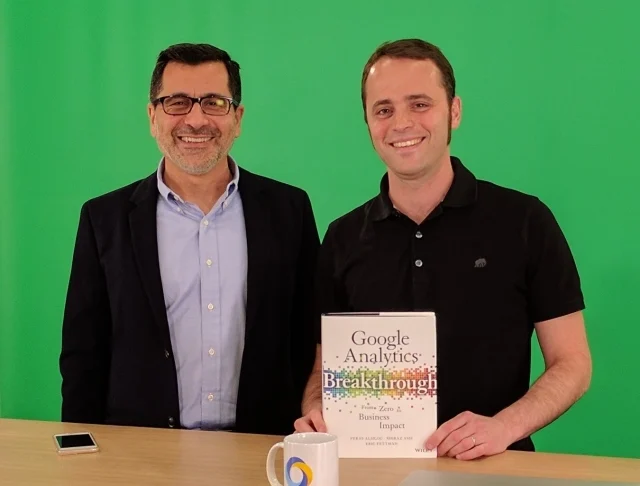
The digital marketing landscape has undergone a radical transformation over the last decade, shifting from a linear, single-channel model to a complex, multi-device ecosystem. In a recent professional exchange at the Google Analytics studio, industry veterans Daniel Waisberg and Feras Alhlou, Co-Founder and Principal Consultant at E-Nor, discussed the evolving role of data in business strategy. Alhlou, a co-author of the seminal text Google Analytics Breakthrough, emphasized that the modern enterprise must view analytics not merely as a technical requirement, but as a core business process essential for sustainable growth.
The conversation highlighted a critical shift in how organizations perceive data. While the early 2010s focused heavily on the collection of “big data,” the current era demands a more refined approach centered on measurement strategy and actionable insights. This transition marks the move from passive data gathering to active optimization, where data informs every level of the corporate decision-making hierarchy.
The Evolution of Digital Analytics: A Decade of Change
The partnership between Waisberg and Alhlou spans nearly ten years, a period that mirrors the most significant growth phase of the digital analytics industry. In the early years of this partnership, the primary challenge for marketers was simply tracking web traffic. Today, the challenge has shifted to data fragmentation. Consumers now interact with brands across mobile applications, social media platforms, desktop websites, and offline touchpoints, creating a disparate trail of information that must be unified to provide a coherent view of the customer journey.
According to industry data, the average consumer now uses more than three connected devices. This multi-device reality has forced a reimagining of the traditional analytics framework. Alhlou noted that the simplicity of the past—where one device and a few channels sufficed—has been replaced by an environment where data is ubiquitous but often siloed. To combat this, E-Nor and other leading consultancies have developed structured frameworks designed to bridge the gap between technical data collection and business-centric outcomes.
The E-Nor Optimization Framework: A Four-Stage Methodology
Central to Alhlou’s approach is the E-Nor Optimization Framework, a systematic process designed to turn raw data into business value. This framework is structured into four distinct phases: audit, reporting, analysis, and testing.
The first phase, the audit, is divided into two segments: technical and business. The technical audit ensures that tracking codes are correctly implemented and that data integrity is maintained across all platforms. Simultaneously, the business audit involves deep engagement with stakeholders to identify the Key Performance Indicators (KPIs) that matter most to the organization. This dual-pronged approach ensures that the data being collected is both accurate and relevant to the company’s strategic goals.
Once the foundation is set, the process moves to the reporting layer. The objective here is to transform complex datasets into digestible reports that can be utilized by non-technical stakeholders. Alhlou argues that reporting is the bridge that allows an organization to see its performance clearly. However, reporting alone is insufficient.
The third phase is analysis. This is where analysts move beyond the “what” and begin to explore the “why.” By examining trends, anomalies, and user behaviors, organizations can find actionable insights—specific findings that can be used to improve performance.
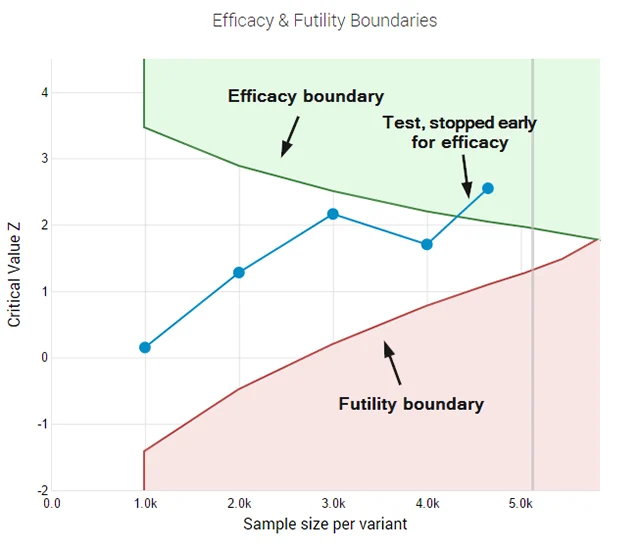
The final and most impactful stage of the framework is testing and personalization. At this level, data-driven insights are used to run A/B tests and deliver personalized experiences to users. Industry research indicates that companies using advanced personalization see an average increase of 10% to 15% in revenue. By reaching this stage, a business moves from observing data to using it as a direct engine for growth.
Navigating the Data Roadmap: From Owned Assets to Market Research
For organizations looking to mature their analytics capabilities, Alhlou recommends the implementation of a comprehensive data roadmap. This roadmap serves as a strategic guide for incremental improvement, preventing the “analysis paralysis” that often occurs when companies attempt to tackle all data challenges simultaneously.
The recommended starting point is “owned data”—specifically, web and mobile analytics. By mastering the data generated on their own properties, companies can establish a baseline of user behavior. Following this, the roadmap suggests augmenting reports with basic social media data. This integration allows for a broader understanding of brand sentiment and reach.
A significant addition to the modern data roadmap is the integration of qualitative data. While quantitative data (the “what”) is vital, qualitative data provides the “voice of the customer.” Alhlou pointed to tools such as Google Surveys as a transformative development in this area. Traditionally, market research was an expensive and time-consuming endeavor reserved for large corporations with massive budgets. However, modern survey tools allow businesses of all sizes to perform targeted research on their own properties or across the wider web, facilitating a deeper understanding of consumer intent and satisfaction.
The Strategic Importance of Context in Data Analysis
One of the primary themes discussed was the necessity of context. In an era of data abundance, the volume of information can often obscure the truth rather than reveal it. Alhlou emphasized that understanding the context around data is the only way to make it meaningful for marketers.
Contextual analysis involves looking at data through the lens of external factors, such as seasonal trends, market shifts, and competitive actions. It also involves understanding the specific nuances of different platforms. For instance, user behavior on a mobile app often differs significantly from behavior on a desktop site; treating them as identical can lead to flawed strategic decisions. By focusing on context, marketers can prioritize the data that has the highest impact on the bottom line, rather than getting lost in vanity metrics that do not drive growth.
Implications for the Future of Business Intelligence
The insights shared by Alhlou and Waisberg have broader implications for the future of business intelligence. As artificial intelligence and machine learning become more integrated into analytics platforms, the role of the human analyst is shifting from data processing to strategic interpretation.
The “Analytics as a Business Process” philosophy suggests that the most successful companies of the future will be those that integrate data into their organizational culture. This requires breaking down silos between marketing, IT, and executive leadership. When data is accessible and understood across the organization, it becomes a shared language that facilitates more agile and accurate decision-making.
Furthermore, the emphasis on testing and personalization highlights a move toward “proactive analytics.” Instead of looking back at what happened last month, businesses are increasingly using predictive models to anticipate what will happen next and how they can influence that outcome. This shift represents the pinnacle of digital maturity, where data is used to create a competitive advantage that is difficult for rivals to replicate.
Conclusion and Professional Analysis
The dialogue between Daniel Waisberg and Feras Alhlou serves as a reminder that while the tools of the trade—such as Google Analytics—are more powerful than ever, the strategy behind the tools remains the most critical factor. The E-Nor Optimization Framework provides a clear path for organizations to move from basic data collection to high-level business impact.
From a journalistic perspective, the trends identified in this discussion reflect a wider industry movement toward accountability and ROI. In a tightening economic environment, marketing budgets are under increased scrutiny. The ability to demonstrate a clear link between data-driven insights and financial performance is no longer a luxury; it is a necessity for survival.
The integration of qualitative tools like Google Surveys further democratizes the field, allowing smaller players to compete with larger enterprises by gaining a better understanding of their target audience. As we look toward the next decade of digital analytics, the focus will likely continue to shift toward privacy-centric data collection and the ethical use of consumer information, making the frameworks discussed by Alhlou even more relevant for maintaining consumer trust while driving business results.
The 10-year professional relationship between these two experts underscores the value of long-term collaboration in a field that changes as rapidly as digital analytics. Their shared history provides a unique perspective on how far the industry has come and where it is headed, offering a blueprint for the next generation of data professionals. As businesses continue to navigate the complexities of the modern digital landscape, the principles of technical integrity, business alignment, and a commitment to testing will remain the cornerstones of success.