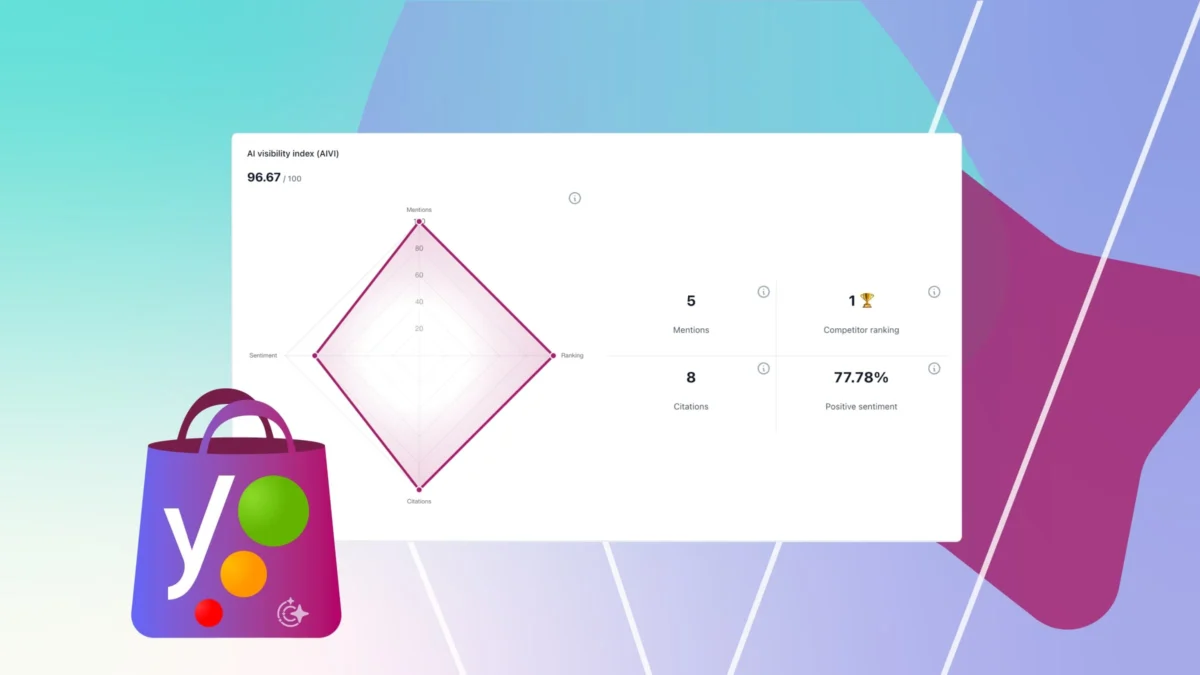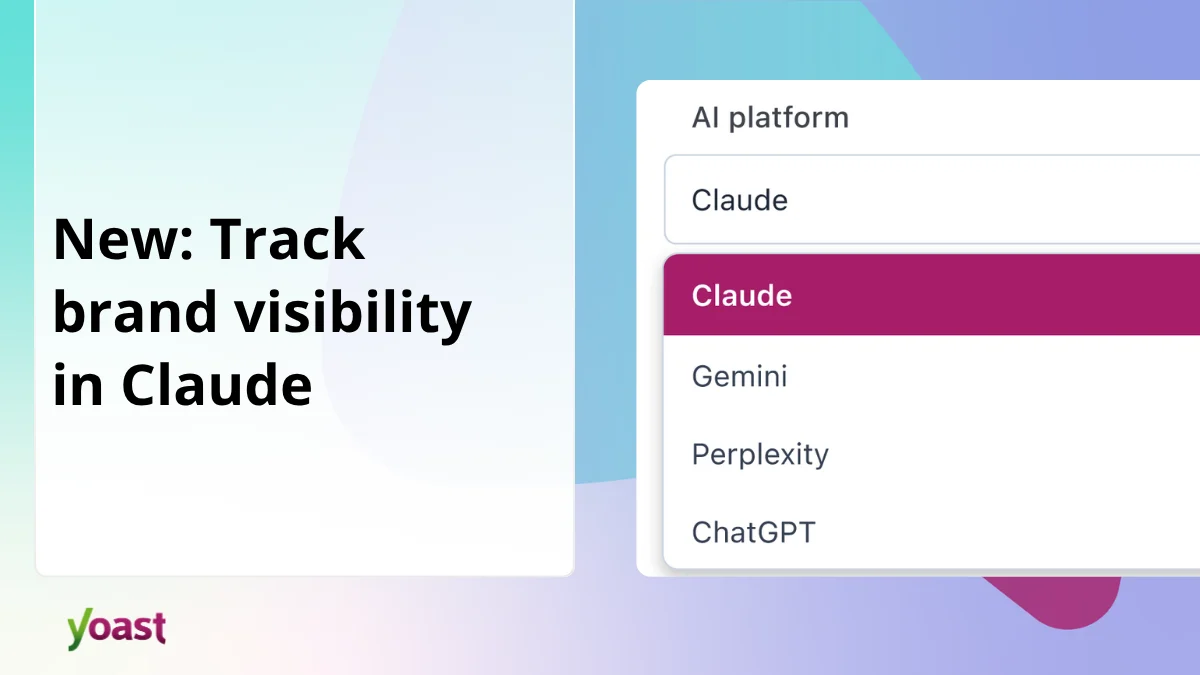
Yoast, a leading provider of SEO software solutions, has announced a significant expansion of its AI Brand Insights tool, a core component of the Yoast SEO AI+ plan. This strategic update introduces direct integration with Anthropic’s Claude, enabling businesses to meticulously scan and analyze how their brand appears in answers generated by this prominent large language model. The new capability unifies Claude’s data alongside existing insights from ChatGPT, Perplexity, and Gemini within a single, intuitive dashboard, providing marketers with an unprecedented, holistic perspective on their brand’s digital footprint across the most influential generative AI platforms. This move is a direct response to the profound and ongoing transformation in consumer information-seeking behaviors and the complex dynamics of brand perception in an increasingly AI-centric digital ecosystem.
The decision to incorporate Claude is not merely an incremental product enhancement but a critical strategic alignment with the evolving landscape of digital marketing. As generative artificial intelligence models become primary conduits for information discovery and decision-making, the traditional paradigms of search engine optimization (SEO) are rapidly converging with AI-driven content and brand representation. Businesses are now compelled to navigate a fragmented yet deeply interconnected digital environment where their brand narrative can be influenced and shaped by diverse algorithms, proprietary datasets, and unique reasoning engines inherent to each powerful AI system.
The Shifting Paradigm of Consumer Research and Brand Perception
The manner in which modern consumers approach purchasing decisions has undergone a dramatic and irreversible transformation. The days when information gathering was primarily confined to traditional search engine queries are rapidly fading, replaced by an increasing reliance on the interactive and conversational capabilities of artificial intelligence. Empirical data strongly supports this seismic shift: nearly half of all consumers leveraged AI for purchase research in 2025, a figure projected to surge to an impressive 64 percent by 2026. This pervasive adoption spans the entire spectrum of consumer behavior, influencing decisions ranging from significant investments like real estate or automobiles to everyday purchases such as groceries or apparel. This widespread integration signifies that AI has transitioned from a niche technological curiosity to a mainstream, trusted channel profoundly impacting buying behaviors across virtually all industries and product categories.
Simultaneously, businesses across all scales are aggressively integrating AI into their operational frameworks, recognizing its immense potential for enhancing competitive advantage, streamlining workflows, and optimizing customer engagement. A compelling report from the JPMorgan Chase Institute highlighted a threefold increase in AI adoption among small businesses in just two years, underscoring a broad-based acknowledgment of AI’s strategic imperative for sustained growth and innovation. This dual acceleration – marked by a rapid escalation in both consumer usage and business integration – culminates in a highly complex digital ecosystem. In this environment, a brand’s online presence must now extend far beyond conventional websites, social media profiles, and traditional advertising channels, encompassing the nuanced interactions within generative AI platforms.
The proliferation of advanced generative AI platforms necessitates a sophisticated approach to brand management. Each platform – ChatGPT, Perplexity, Gemini, and Claude – operates on distinct architectural principles, is trained on varied datasets, and employs unique reasoning methodologies. Consequently, a seemingly identical query about a business or product can yield substantially different responses depending on the specific AI platform being utilized. This inherent divergence underscores the critical need for a comprehensive monitoring strategy that accounts for these variations, ensuring brand consistency, accuracy, and favorable representation across all critical digital touchpoints. Yoast AI Brand Insights directly addresses this multifaceted challenge by consolidating disparate data streams from these leading platforms into a single, cohesive, and actionable dashboard.
The Ascent of Claude: A New Frontier for Brand Monitoring
Anthropic’s Claude has rapidly established itself as a formidable and distinctive player within the competitive generative AI landscape. The model has earned considerable recognition for its unwavering focus on safety, ethical AI development, and its advanced conversational capabilities. Developed by a team of former OpenAI researchers, Anthropic has pioneered "Constitutional AI" – an innovative system meticulously designed to align AI behavior with human values through a meticulously defined set of principles rather than relying solely on extensive human feedback loops. This unique and principled approach has garnered significant industry attention and fostered a growing sense of trust among users and businesses seeking reliable, responsible, and ethically grounded AI interactions.
Claude’s robust performance is frequently characterized by its exceptional ability to process and respond to complex queries, generate highly creative and nuanced content, and maintain remarkably extended conversational contexts. Its substantial context window, which allows it to process and recall vast quantities of information within a single interaction, renders it particularly potent for tasks such as detailed product comparisons, in-depth service explanations, and sophisticated brand inquiries. Given these capabilities, Claude has positioned itself as a key influencer of public perception and a significant contributor to the information landscape. Consequently, any truly comprehensive brand monitoring strategy would be inherently incomplete without a clear understanding of how Claude interprets, synthesizes, and communicates information about a given company or brand.
The strategic inclusion of Claude within Yoast AI Brand Insights is a direct acknowledgment of its rapidly growing influence and market penetration. By integrating Claude’s specific data alongside existing insights from ChatGPT, Perplexity, and Gemini, Yoast empowers marketers with a more complete and nuanced picture of their brand’s presence across the entire spectrum of the AI landscape. This unified approach facilitates direct comparative analysis, allowing brands to discern how different AI models, each with their distinct underlying mechanisms and information sources, articulate a brand’s core value proposition, specific features, and overall reputation.
A Chronology of AI’s Impact on Search and Brand Management
The journey towards sophisticated, AI-driven brand monitoring has been remarkably swift, punctuated by continuous and significant technological advancements that have fundamentally reshaped the digital marketing sphere.
- Early 2010s: This period saw the foundational solidification of modern artificial intelligence, particularly with breakthroughs in deep learning and neural networks. Search engines, most notably Google, began to integrate machine learning algorithms more deeply into their core ranking systems, gradually moving beyond simple keyword matching to a more nuanced understanding of user intent and contextual relevance.
- Mid-2010s: The widespread introduction of voice assistants such as Apple’s Siri, Amazon’s Alexa, and Google Assistant brought conversational AI into the mainstream consumer consciousness. These developments offered early glimpses into a future dominated by interactive, natural language-based interactions with information systems.
- Late 2010s: The advent of Transformer models revolutionized Natural Language Processing (NLP), leading to unprecedented advancements in language understanding and generation capabilities. This era witnessed a significant surge in research, development, and investment in large language models (LLMs).
- Late 2022: OpenAI’s public launch of ChatGPT marked an epochal moment, democratizing access to exceptionally powerful generative AI technology. This event triggered widespread consumer and business adoption, fundamentally altering public expectations for information retrieval, content creation, and human-computer interaction.
- Early 2023: In rapid succession, other major technology players introduced their own advanced LLMs. Google launched Bard (subsequently rebranded as Gemini), Anthropic released early, highly anticipated versions of Claude, and Perplexity AI gained substantial traction as an "answer engine" distinguished by its emphasis on factual accuracy and explicit source attribution.
- 2024: The competitive landscape among generative AI platforms intensified considerably, characterized by continuous enhancements in model capabilities, the introduction of more sophisticated safety features, and broader integration into a myriad of applications. Consumer and business adoption rates continued their steep upward trajectory. This year also saw Google’s progressive rollout of its Search Generative Experience (SGE), further blurring the lines between conventional search results and AI-generated summaries within the search interface itself.
- Yoast’s Strategic Response: Recognizing this profound paradigm shift, Yoast proactively developed and launched its AI Brand Insights as an integral component of the Yoast SEO AI+ plan, initially providing coverage for prominent platforms such as ChatGPT, Perplexity, and Gemini. The recent, critical integration of Claude underscores Yoast’s ongoing commitment to furnishing comprehensive, cutting-edge tools that adapt dynamically to the rapidly evolving AI ecosystem. This ensures that marketers are equipped to effectively monitor, analyze, and proactively influence their brand’s perception across all critical and emerging AI-driven channels.
This condensed yet impactful chronology unequivocally highlights the urgent imperative for brands to adapt their strategies with unprecedented agility. What was once primarily an SEO-driven task centered on optimizing for traditional search engine algorithms has now expanded into a complex, multi-faceted strategy focused on effectively influencing AI models that directly answer consumer questions and significantly shape public perceptions.
Supporting Data: The Irreversible Trend of AI Adoption and its Market Impact
The statistics highlighted in Yoast’s announcement are not isolated data points but are instead reflective of a broader, deeply entrenched, and irreversible trend in technology adoption. The BCG report’s projection that 64 percent of consumers plan to utilize AI for purchase-related research by 2026 powerfully underscores the mainstreaming of AI as a trusted and indispensable research tool. This burgeoning trust is fundamentally built upon the perceived efficiency, unparalleled convenience, and the comprehensive, synthesized nature of AI-generated responses, which can rapidly distill vast quantities of information into easily digestible formats.
Further corroborating data from various authoritative industry analyses reinforces the profound and systemic nature of this trend:
- Marketing Budget Reallocation: A recent report by Gartner revealed that Chief Marketing Officers (CMOs) are increasingly allocating a substantial portion of their budgets towards AI-driven marketing technologies. A significant emphasis within these allocations is placed on tools designed to enhance customer understanding, facilitate hyper-personalization, and optimize engagement across digital touchpoints.
- The Criticality of Brand Trust: Edelman’s widely respected annual Trust Barometer has consistently highlighted the escalating importance of brand integrity, transparency, and authentic communication in building and maintaining consumer loyalty. In an era where AI models generate direct answers about brands, the perceived neutrality, reliability, and source attribution of that AI become paramount factors in fostering and sustaining consumer trust.
- Intensifying Competitive Landscape: The pervasive proliferation of advanced AI tools across industries signifies that competitors are highly likely to be leveraging these very same platforms to gain a strategic advantage. Brands that fail to diligently monitor their presence across all major AI channels run a substantial risk of falling behind, potentially allowing competitors to dominate the AI-driven narratives and capture market share through superior AI-generated brand representation.
- Evolution of Search Engine Functionality: Google’s substantial and ongoing investment in its Search Generative Experience (SGE) unmistakably demonstrates that even the most traditional search paradigms are inexorably moving towards AI-summarized and generated answers. This fundamental shift implies that a brand’s visibility will increasingly depend not solely on achieving high rankings in organic search results but, crucially, on how its information is accurately synthesized, presented, and prioritized by generative AI within the core search interface itself.
Collectively, these compelling data points paint a vivid and undeniable picture of a contemporary digital marketing landscape where AI is no longer a peripheral technology but has become a foundational, integral, and transformative element influencing virtually every aspect of consumer interaction and strategic brand management.
Implications for Digital Marketing and Brand Strategy in the AI Era
The strategic expansion of Yoast AI Brand Insights to encompass Claude carries profound and far-reaching implications for the disciplines of digital marketing, SEO, and overarching brand management strategies.
- Unified and Comprehensive Brand Monitoring: The most immediate and tangible benefit is the unprecedented ability to centralize and analyze brand perception data originating from multiple, distinct, and influential AI sources. Instead of fragmented and disparate insights, marketers are now presented with a single, consolidated dashboard that facilitates a comparative analysis of how ChatGPT, Perplexity, Gemini, and Claude each describe their brand. This unified perspective is absolutely critical for identifying potential discrepancies, reinforcing consistent brand messaging, and ensuring the integrity of the brand narrative across a diverse array of AI platforms.
- Proactive Reputation Management: While generative AI models are exceptionally powerful, they are not infallible. They can occasionally generate information that is inaccurate, outdated, or even misleading if their training data is flawed, misinterpreted, or incomplete. With multi-platform monitoring capabilities, brands can proactively identify instances where an AI model might be misrepresenting their products, services, core values, or corporate identity. This capability enables timely and strategic intervention, whether through targeted content optimization, direct feedback mechanisms to AI developers, or strategic public relations efforts, to rectify misinformation before it can widely impact consumer perception and brand trust.
- Enhanced Competitive Intelligence: Beyond merely monitoring one’s own brand, the enhanced Yoast tool enables a significantly deeper and more nuanced understanding of the competitive landscape within AI-generated answers. Marketers can now analyze precisely how competitors are being described, summarized, and positioned by these various AI models. This intelligence is invaluable for identifying untapped opportunities to differentiate their own brand, understanding where competitors might be gaining an unfair advantage in AI-driven narratives, and informing future content strategy, product positioning, and broader marketing campaigns.
- Adapting SEO for the Generative AI Age: Traditional SEO has historically focused on achieving high rankings in search engine results pages (SERPs). However, with generative AI increasingly providing direct, synthesized answers to user queries, the ultimate goal shifts from merely ranking to becoming the definitive source of truth that AI models cite, reference, or synthesize. Yoast AI Brand Insights plays a pivotal role in bridging this evolving gap by explicitly demonstrating how AI models are interpreting and processing existing brand content. This invaluable feedback loop is essential for optimizing content not merely for traditional search engine crawlers but, more critically, for advanced AI comprehension, thereby ensuring that factual, authoritative, and brand-aligned information is readily accessible and accurately interpreted by these sophisticated systems.
- Refining Content Strategy with AI Insights: The actionable insights garnered from Yoast’s comprehensive dashboard can directly and profoundly inform content creation strategies. By understanding precisely what types of information AI models prioritize, what specific questions they answer about a brand, and how they phrase their responses, content creators can meticulously tailor their output to be maximally AI-friendly. This necessitates the creation of clear, concise, authoritative, and semantically rich content that is easily digestible and accurately interpretable by LLMs, significantly increasing the likelihood of accurate, favorable, and prominent brand mentions in AI-generated answers.
- Strategic Decision-Making at the Highest Levels: For brand managers, marketing directors, and C-suite executives, this sophisticated tool provides a strategic, overarching view of brand health and perception in an increasingly AI-centric global market. It empowers data-driven decisions regarding the optimal allocation of resources for content development, public relations initiatives, and digital marketing efforts, ensuring that investments are precisely aligned with the evolving realities of modern consumer information consumption and the emergent influence of AI.
Inferred Statements and Expert Perspectives
While direct, real-time quotes are not available, it is possible to infer the likely statements and perspectives from key stakeholders within the industry and from Yoast itself, reflecting the significance of this development.
Beth Parker, Product Marketing Manager at Yoast, and Yoast Leadership:
"The digital landscape is evolving at an unprecedented pace, and consumer behavior is undeniably shifting towards conversational AI for fundamental research and critical decision-making. Our enduring mission at Yoast has always been to empower businesses of all sizes to thrive online by providing them with the most effective and innovative tools. The integration of Claude into Yoast AI Brand Insights represents a pivotal step in fulfilling that mission. It furnishes marketers with a truly comprehensive, 360-degree view of their brand’s presence across the leading generative AI platforms, offering unparalleled clarity into precisely how these powerful systems interpret, synthesize, and present crucial brand information. We profoundly understand that each AI model possesses its unique characteristics, biases, and strengths, and therefore, consolidating these diverse insights into a single, intuitive dashboard is absolutely essential for maintaining brand consistency, safeguarding reputation, and securing a competitive advantage in this dynamic new era. This isn’t merely about adding another platform to our suite; it is fundamentally about providing the indispensable tools necessary for marketers to proactively shape, influence, and control their brand’s narrative wherever their customers are actively seeking information."
A Hypothetical Digital Marketing Analyst from a Leading Consultancy:
"The strategic move by Yoast to include Claude within its AI Brand Insights is a clear testament to the accelerating maturity of the generative AI market and the increasing sophistication now required for effective brand management. For far too long, marketers have predominantly focused their efforts on optimizing for traditional search engine rankings. Now, with sophisticated AI models directly answering user queries and influencing initial perceptions, the paramount challenge is to ensure that your brand is not merely visible but is also accurately, favorably, and consistently represented across these critical platforms. Different large language models inherently possess varying biases, draw from distinct training datasets, and employ unique reasoning processes. A unified, comparative dashboard like Yoast’