The global effort to mitigate the effects of climate change has reached a critical juncture, characterized not only by record-breaking temperatures and failing policy targets but by a fundamental breakdown in how the crisis is communicated to the public. For decades, the primary tools of climate advocacy have been fear, guilt, and the imposition of moral pressure. The underlying assumption was that if the public were sufficiently frightened by the prospect of ecological collapse, they would be moved to demand radical systemic change. However, as 2026 unfolds, empirical data suggests that this "dread-based" strategy has not only stalled but may be contributing to a dangerous period of public apathy and corporate "greenhushing."
Earlier this month, a landmark report from the United Nations confirmed a milestone many scientists had long feared: the international community has officially failed to limit global warming to the 1.5 degrees Celsius threshold established by the Paris Agreement. This failure has been mirrored by a lack of substantive progress at recent Conference of the Parties (COP) summits, where agreements on rapid decarbonization have been replaced by incrementalism and non-binding pledges. As the physical environment worsens—marked by more frequent heatwaves and intensifying storm systems—the psychological environment surrounding climate action is becoming increasingly fractured.
Recent research conducted by the Purpose Center of Excellence at Allison Worldwide has sought to decode this disconnect. By analyzing approximately 75,000 pieces of content across 20 distinct climate-related topics over an 85-day period, researchers identified a significant misalignment between the stories being told and the emotional drivers that actually motivate human behavior. The findings suggest that the era of "climate doomism" as a persuasive tool is effectively over, replaced by a need for communications rooted in trustworthiness, accountability, and, most importantly, fairness.
The Decline of Climate Visibility and the Rise of Greenhushing
The shift in communication efficacy is reflected in a measurable decline in public engagement. According to data from GlobeScan, the percentage of consumers who report seeing sustainability messaging from brands and organizations dropped from 49% in 2023 to just 36% by 2025. This trend is compounded by findings from the Potential Energy Coalition, which noted that global news coverage of climate change fell by 38% from its peak in 2021.
This "visibility gap" is driven in part by a phenomenon known as greenhushing. Fearing accusations of "greenwashing" or facing political and legal scrutiny, many corporations have opted to stop publicizing their environmental initiatives altogether. This retreat from the public square is further exacerbated by the shifting regulatory landscape in the United States. Following several years of legal challenges, the Environmental Protection Agency (EPA) has seen its authority to regulate greenhouse gas emissions significantly curtailed, leading to a fractured national strategy and a news cycle dominated by other immediate crises, such as economic instability and geopolitical conflict.
In this crowded and often hostile information environment, climate practitioners are finding that traditional methods of engagement are no longer breaking through. The Allison Worldwide study suggests that the "more of the same" approach—increasing the volume of disaster reporting—is actually yielding diminishing returns.
Deconstructing the Failure of Dread
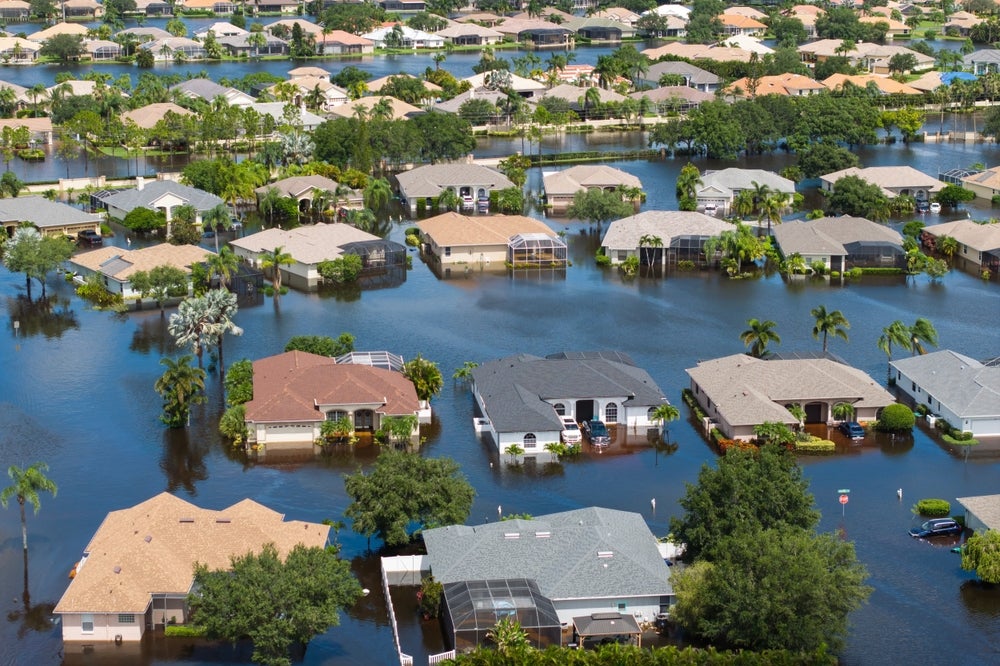
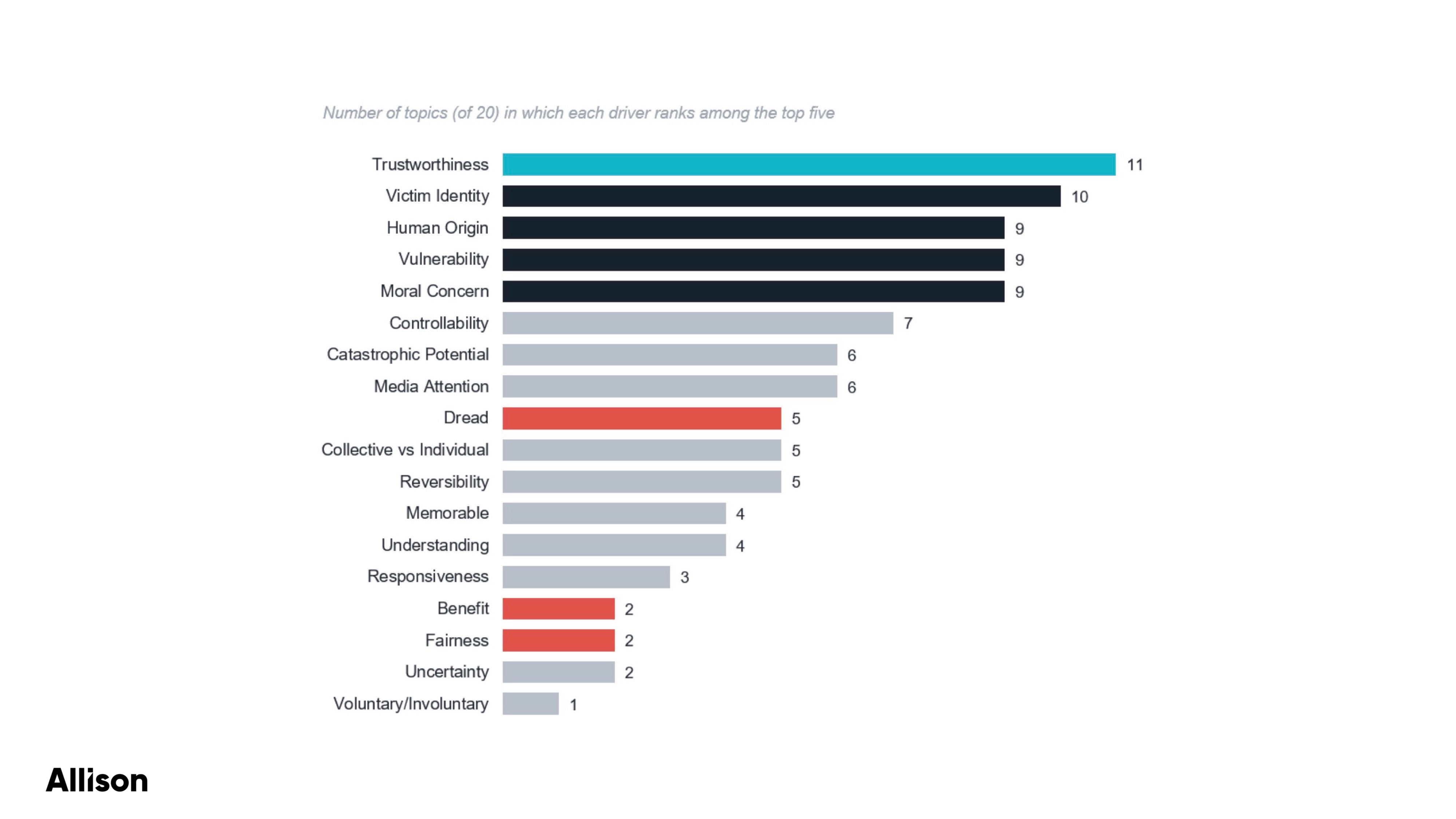
For years, "dread" was considered the most potent weapon in the climate communicator’s arsenal. The logic was simple: a terrifying future requires a terrified response. However, the Allison Worldwide analysis of 18 emotional drivers revealed that dread is remarkably ineffective at sustaining long-term engagement. Out of the 18 drivers studied, dread ranked exactly in the middle—ninth overall. Of the 20 specific climate topics analyzed, dread appeared as a top-five motivator in only five instances.
Psychologists suggest that constant exposure to catastrophic narratives often leads to "amygdala hijack," where the brain’s fear center becomes overwhelmed, resulting in a "freeze" response rather than "fight or flight." When individuals feel that a threat is both imminent and insurmountable, they are more likely to disengage as a coping mechanism. This emotional exhaustion explains why, despite summers getting hotter and storms becoming more destructive, the public’s emotional response to these events has remained largely flat.
Instead of fear, the research identified four key drivers that significantly outperform dread in terms of inspiring care and action:
- Trustworthiness: The degree to which the audience trusts the institution or source of the information.
- Victim Identity: The presence of specific, identifiable individuals or groups who are being harmed.
- Human Origin: A clear connection between human actions and the resulting environmental risk.
- Moral Concern: Framing the issue as a matter of fundamental ethics and right versus wrong.
The Saturation Paradox: Why Weather News Fails to Move the Needle
One of the most striking findings of the recent research is the disconnect between news volume and emotional intensity. Currently, the "new school" of climate communication focuses heavily on linking everyday weather events—such as heatwaves, droughts, and floods—directly to climate change. The goal is to make the crisis feel immediate and personal.
However, the data shows that this approach may be backfiring. While coverage of heatwaves and floods accounts for approximately 80% of all climate-related media, these topics consistently rank in the bottom five for emotional intensity. For example, during the first week of July 2026, media coverage of heatwaves surged by nearly 800%. Despite this massive spike in reach, the emotional intensity of the audience remained stagnant, hovering within a low "9 to 11" band on the researchers’ scale.
In contrast, topics with significantly lower media visibility—such as biodiversity loss, environmental justice, and climate tipping points—recorded an average emotional intensity score of 16.6. These topics represent a 36-to-1 coverage disparity compared to weather events. This suggests a "saturation effect": when the public is bombarded with repetitive reports of weather disasters, they become numbed. Conversely, the "scarcity" of high-emotion topics like biodiversity loss serves to sharpen the public’s focus when they are actually covered.
The insight for communicators is clear: reach does not equal resonance. While reporting on a heatwave provides "reach," the "feeling" and subsequent drive for accountability come from highlighting human responsibility and the vulnerability of specific victims.
The Success of the ‘Science Moms’ Model
To understand how to successfully pivot away from dread, analysts point to the "Science Moms" Super Bowl commercial as a gold standard in modern climate communication. The campaign avoided the typical imagery of melting glaciers or abstract statistics. Instead, it utilized two of the most powerful emotional drivers identified in the research: trustworthiness and victim identity.
The messengers were not faceless bureaucrats or distant celebrities, but nonpartisan climate scientists who were also parents. This dual identity established immediate credibility and trust. The messaging focused on a specific victim—their own children—and used a tangible timeline: “By the time she takes her first breath, 9 billion more tons of carbon pollution will be in the air.”
By humanizing the data and centering the narrative on the protection of the next generation, the campaign bypassed the political polarization that often plagues climate discourse. It transformed a global atmospheric problem into a local, personal matter of parental responsibility.
Fairness: The Untapped Emotional Lever
Perhaps the most significant discovery in the Allison Worldwide study is the power of "fairness." According to the data, fairness carries the highest emotional intensity (14.6) of all 18 drivers, yet it is currently one of the least utilized themes in climate communications, appearing in only two of the 20 major topics examined.
Fairness-based framing focuses on concepts of injustice, equity, and the identification of who is bearing the disproportionate weight of environmental degradation. It asks: Is it fair that those who contributed the least to global emissions are suffering the most? Is it fair that future generations will inherit a depleted planet?
When communication shifts from "the world is ending" to "this is an issue of fundamental fairness and accountability," it taps into a deep-seated human drive for justice. This shift moves the conversation away from a passive observation of a disaster toward an active demand for rectification. It changes the role of the citizen from a helpless spectator to an advocate for equity.
Strategic Implications for the Future of Climate Advocacy
As the world navigates the post-1.5°C era, the strategies of the past decade must be retired. The research suggests three evidence-based principles for the future of climate communications:
First, practitioners must lead with trust and accountability. In an era of declining institutional confidence, the messenger is as important as the message. Communications should highlight human origin and moral concern, moving away from "acts of God" narratives toward stories of human choice and responsibility.
Second, there must be a shift from volume to value. Simply increasing the amount of climate news does not guarantee a more informed or engaged public. Communicators should focus on "high-intensity" topics like biodiversity and environmental justice, even if they garner less immediate "clicks" than weather-related disaster stories. These topics have a higher probability of creating lasting emotional resonance.
Third, the industry must harness the power of fairness. By framing climate action as a matter of justice and equity, communicators can reach audiences that have become immune to fear-based messaging. Fairness is a universal value that transcends political boundaries, offering a path toward a more inclusive and effective climate movement.
The failure to meet global temperature targets is a sobering reminder of the stakes involved. However, the Allison Worldwide research offers a glimmer of hope. It suggests that the public has not stopped caring about the planet; rather, they have stopped responding to the way the story is being told. By trading dread for trustworthiness and fear for fairness, climate communicators can move beyond mere awareness and finally drive the collective action necessary to navigate the challenges of the 21st century. The data has provided the roadmap; the move now lies with those tasked with telling the most important story of our time.