rifanmuazin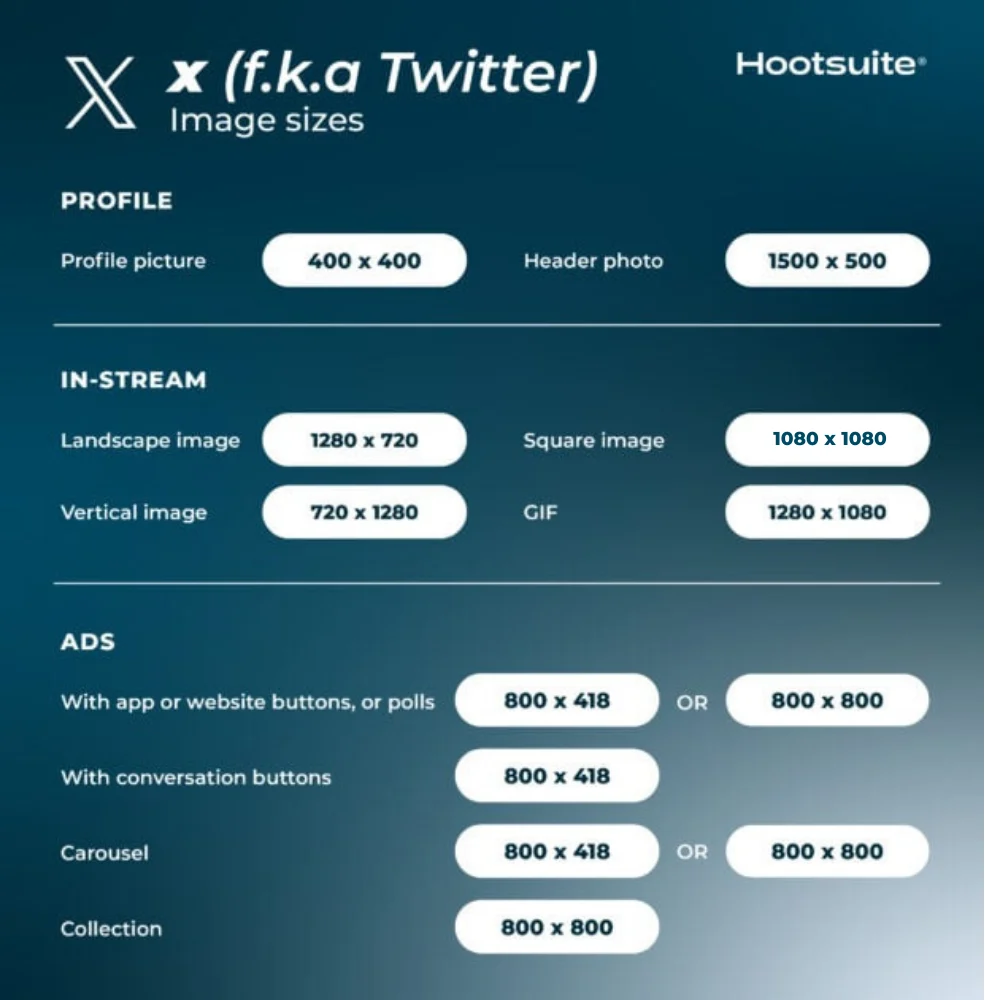
The digital marketing sphere is in a perpetual state of flux, with social media platforms constantly recalibrating their visual standards to enhance user experience and engagement. As we enter 2026, a comprehensive understanding of the precise image dimensions for each major network is no longer merely advantageous but a critical strategic imperative for brands, marketers, and content creators. Failure to adhere to these specifications can lead to distorted visuals, reduced visibility, and ultimately, a diluted brand presence in an increasingly competitive online environment.
The Shifting Sands of Visual Content Optimization
![Social media image sizes for all networks [June 2026]](https://blog.hootsuite.com/wp-content/uploads/2023/01/Social-Media-Image-Sizes-2023.png)
The ubiquity of smartphones and the dominance of visual content have transformed how information is consumed online. Platforms like Instagram, X (formerly Twitter), Facebook, LinkedIn, TikTok, Pinterest, Snapchat, YouTube, and emerging players like Bluesky and Threads are continuously refining their algorithms and user interfaces. These changes often necessitate adjustments to recommended image and video dimensions to ensure optimal display across diverse devices and screen sizes. For marketers, keeping pace with these dynamic requirements is a formidable task, yet one that directly impacts reach, engagement metrics, and the overall coherence of a brand’s visual identity. The emphasis on high-quality, perfectly optimized visuals stems from the platforms’ drive to retain user attention and provide a seamless, aesthetically pleasing scroll.
Platform-Specific Imperatives: A Detailed Look at 2026 Standards
![Social media image sizes for all networks [June 2026]](https://blog.hootsuite.com/wp-content/uploads/2025/12/Social-media-image-sizes-for-all-networks-December-2025-556x556.png)
The nuances of image sizing vary significantly across networks, reflecting each platform’s unique content focus and user interaction patterns. A one-size-fits-all approach is a recipe for digital mediocrity.
Instagram: Crafting a Visually Pristine Narrative
Instagram, inherently a visual-first platform, demands meticulous attention to image dimensions. While it accommodates various orientations in the feed, including horizontal, vertical, and square, a crucial consideration for 2026 is the vertical crop applied to all images displayed on a user’s profile grid. This means careful composition is paramount to maintain a cohesive overall aesthetic.
![Social media image sizes for all networks [June 2026]](https://blog.hootsuite.com/wp-content/uploads/2025/12/Social-media-image-sizes-for-all-networks-January-2026-1-620x465.png)
- Profile Picture: While displayed at 110 x 100 pixels, upload a minimum of 320 x 320 pixels. Remember, it’s cropped to a circle, so centralize key elements.
- Feed Posts:
- Square: 1080 x 1080 pixels (1:1 aspect ratio). This remains a classic and safe choice.
- Landscape: 1080 x 566 pixels (1.91:1 aspect ratio). While accepted, be mindful of how it appears on the grid.
- Vertical: 1080 x 1350 pixels (4:5 aspect ratio). This format maximizes screen real estate and often yields higher engagement.
- Stories & Reels: Both benefit from a full-screen, vertical orientation.
- Stories: 1080 x 1920 pixels (9:16 aspect ratio).
- Reels: 1080 x 1920 pixels (9:16 aspect ratio). Instagram recommends leaving significant top (14%), bottom (35%), and side (6%) margins clear of critical text or logos to prevent cropping by interface elements.
- Ads: Follow similar guidelines to organic posts and Stories, with specific recommendations for various ad types to ensure maximum impact and legibility. For instance, 1080 x 1080 pixels for square feed ads and 1440 x 2560 pixels for Story and Reel ads.
X (formerly Twitter): Engaging with Brevity and Visual Impact
X’s evolving multimedia focus means images play a crucial role in breaking through the noise of text-heavy feeds. Optimal sizing ensures your visuals command attention and are not inadvertently cropped.
- Profile Photo: Recommended 400 x 400 pixels.
- Header Photo: Recommended 1500 x 500 pixels.
- In-Stream Photos:
- Single image: Recommended 1600 x 900 pixels (16:9 aspect ratio).
- Multiple images: X automatically crops, but uploading a consistent 16:9 or 1:1 ratio is best.
- Ads: Image ad specifications typically align with in-stream photos, with card images often requiring 800 x 418 pixels (for website cards) or 800 x 800 pixels (for app cards).
Facebook: Catering to Diverse User Experiences
Facebook’s vast and varied user base, spanning both desktop and mobile, presents a unique challenge. Images must render effectively across different viewing environments.
![Social media image sizes for all networks [June 2026]](https://blog.hootsuite.com/wp-content/uploads/2025/04/Social-media-image-sizes-Instagram-620x558.jpg)
- Profile Picture: Recommended 320 x 320 pixels.
- Cover Photo (Pages): Recommended 851 x 315 pixels. It displays differently on desktop (820 x 312 pixels) and mobile (640 x 360 pixels), so keep essential content centered to avoid cropping.
- Timeline Photos & Posts:
- Square: 1200 x 1200 pixels for optimal display, though 1080 x 1080 is also common.
- Landscape: 1200 x 630 pixels (1.91:1 aspect ratio).
- Stories & Reels: Like Instagram, these thrive on vertical, full-screen visuals.
- Stories: 1080 x 1920 pixels (9:16 aspect ratio).
- Reels: 1080 x 1920 pixels (9:16 aspect ratio).
- Ads: Ad image sizes vary significantly by placement (feed, Stories, Reels, right column) but generally mirror organic content dimensions, with 1200 x 628 pixels being a common standard for link ads.
LinkedIn: Professional Branding Through Visuals
For the professional network, image clarity and professionalism are paramount for personal profiles and company pages alike.
- Personal Profile Photo: Recommended 400 x 400 pixels.
- Personal Background Photo: Recommended 1584 x 396 pixels.
- Company Logo: 300 x 300 pixels.
- Company Cover Image: Recommended 1128 x 191 pixels.
- Post Images:
- Square: 1200 x 1200 pixels.
- Link Preview: 1200 x 627 pixels.
- Ads: Single image ads typically use 1200 x 627 pixels, while carousel ads require square images of 1080 x 1080 pixels.
TikTok: Mastering the Vertical Video Ecosystem
TikTok’s explosive growth is built on short-form, vertical video. While primarily video-focused, image carousels and profile pictures still require specific attention.
![Social media image sizes for all networks [June 2026]](https://blog.hootsuite.com/wp-content/uploads/2025/12/Social-media-image-sizes-for-all-networks-January-2026-1-1-620x629.png)
- Profile Photo: Recommended 200 x 200 pixels.
- Video/Carousel Size: Recommended 1080 x 1920 pixels (9:16 aspect ratio).
Pinterest: Inspiring Discovery with Vertical Imagery
Pinterest is a visual search engine where vertical, high-resolution images dominate. Pins are designed for discovery and saving, making optimal dimensions crucial for visibility.
- Profile Image: Recommended 280 x 280 pixels.
- Profile Cover Photo: Minimum 800 x 450 pixels.
- Standard Pin: Ideal 1000 x 1500 pixels (2:3 aspect ratio). Pinterest favors taller, but not excessively tall, images.
- Collection Pins: Require a 1000 x 1000 pixel (1:1) main image and 1000 x 1000 pixel (1:1) secondary images.
- Ads: Generally follow standard Pin dimensions, ensuring prominence in the feed.
Snapchat: Ephemeral Visuals and Full-Screen Engagement
Snapchat’s focus on ephemeral content and augmented reality means full-screen, mobile-first images are the standard.
![Social media image sizes for all networks [June 2026]](https://blog.hootsuite.com/wp-content/uploads/2025/12/Social-media-image-sizes-for-all-networks-January-2026-3-620x753.png)
- Profile Picture: Recommended 320 x 320 pixels.
- Banner Image: Recommended 375 x 278 pixels.
- Ads: Recommended 1080 x 1920 pixels (9:16 aspect ratio).
YouTube: Thumbnails as Click Magnets
For the world’s largest video platform, static images primarily serve as powerful calls to action for video content.
- Profile Photo: Recommended 800 x 800 pixels (displays as a circle).
- Banner Image: Recommended 2560 x 1440 pixels. This is a critical branding element, with safe areas to ensure visibility across devices. The minimum safe area for text and logos is 1546 x 423 pixels.
- Video Thumbnail: Recommended 1280 x 720 pixels (16:9 aspect ratio). These are vital for click-through rates.
- Podcast Playlist Thumbnail: Recommended 1280 x 1280 pixels.
Emerging Platforms: Bluesky and Threads
Newer players are rapidly gaining traction, and understanding their visual requirements is essential for early adopters.
![Social media image sizes for all networks [June 2026]](https://blog.hootsuite.com/wp-content/uploads/2025/04/Social-media-image-sizes-LinkedIn-620x651.jpg)
- Bluesky:
- Profile Picture: 1000 x 1000 pixels.
- Banner Image: 3000 x 1000 pixels.
- Post Image: A minimum of 1000 pixels in either height or width, with an aspect ratio of 1:1 (square) or 16:9 (landscape) being common.
- Threads: Leveraging its close ties to Instagram, Threads shares many visual principles.
- Profile Image: 640 x 640 pixels.
- Post Image: Recommended 1440 x 1920 pixels (4:5 aspect ratio) for vertical posts, with square (1080 x 1080) also common.
The Broader Implications: Why Pixel Perfection Matters
The importance of correct social media image sizing extends far beyond mere aesthetics. In 2026, the stakes are higher than ever:
![Social media image sizes for all networks [June 2026]](https://blog.hootsuite.com/wp-content/uploads/2025/04/Social-media-image-sizes-Pinterest-620x517.jpg)
- Algorithm Favoritism: Social media algorithms are designed to prioritize high-quality, properly formatted content that contributes to a positive user experience. Incorrectly sized images can lead to automatic compression, pixelation, or awkward cropping, which algorithms may interpret as low-quality, potentially reducing organic reach and visibility.
- Brand Consistency and Professionalism: Every visual asset contributes to a brand’s identity. Consistent, polished imagery reinforces brand recognition and conveys professionalism. Distorted or poorly cropped images undermine this effort, eroding trust and perceived quality.
- Engagement Rates: Studies consistently show that visually appealing content garners significantly higher engagement. A compelling image, perfectly framed, captures attention and encourages users to stop scrolling, read captions, and interact. Conversely, a visually compromised image is often scrolled past without a second glance.
- Mobile-First Experience: With the vast majority of social media consumption happening on mobile devices, responsive and optimized visuals are non-negotiable. Images that look good on desktop but poorly on a smartphone fail to serve the primary audience.
- Wasted Resources: Producing high-quality visual content requires time, effort, and often financial investment. If that content is then compromised by incorrect sizing, the investment is partially wasted, failing to deliver its intended impact.
Digital marketing strategists consistently highlight the direct correlation between visual optimization and campaign performance. “In a visually saturated digital world, precision in image sizing isn’t just a technical detail; it’s a fundamental aspect of effective communication,” states a leading industry analyst. “Brands that prioritize this ensure their message is delivered clearly, beautifully, and without compromise, ultimately driving better ROI.”
Staying Ahead: Strategies for Enterprise and Marketers
![Social media image sizes for all networks [June 2026]](https://blog.hootsuite.com/wp-content/uploads/2025/04/Social-media-image-sizes-Snapchat-620x325.jpg)
Given the dynamic nature of social media platforms, how can brands and marketing teams effectively manage these ever-changing requirements?
- Continuous Monitoring: Regularly consult official platform guidelines and reputable marketing resources that track updates.
- Standardized Templates: Develop a library of pre-designed templates for various content types (e.g., Instagram Story, Facebook Feed Post, LinkedIn Banner) using the recommended dimensions.
- Content Governance: Establish clear internal guidelines for image creation and approval, ensuring all visual assets meet current specifications before publication.
- Leverage Social Media Management Tools: Many enterprise-grade social media management platforms, such as Hootsuite, integrate tools that automatically detect and recommend optimal image sizes or allow for in-platform editing and resizing, significantly streamlining the workflow and minimizing errors. These tools provide a crucial layer of automation and expertise, ensuring content is always publication-ready.
- Focus on Aspect Ratios: While specific pixel dimensions may change, aspect ratios (e.g., 1:1, 4:5, 9:16) tend to be more stable. Designing content with these core ratios in mind offers greater flexibility.
In conclusion, the meticulous management of social media image sizes is a cornerstone of effective digital strategy in 2026. As platforms continue to evolve, adaptability and precision in visual content delivery will be key differentiators for brands striving to capture attention, foster engagement, and build a strong, consistent presence across the diverse and ever-expanding social media ecosystem.


 Suro Senen
 Pevita Pearce