
 rifanmuazin
This comprehensive review of Klaviyo, conducted by the team at Omnisend – a prominent e-commerce-focused alternative – offers a practical, benchmarked perspective on one of the leading e-commerce marketing platforms. By meticulously testing features, scrutinizing pricing models, and analyzing hundreds of user reviews, this report aims to provide a clear, objective assessment of Klaviyo’s strengths and limitations against the standards of serious e-commerce marketing tools.
Klaviyo: From Data Tool to E-commerce Powerhouse
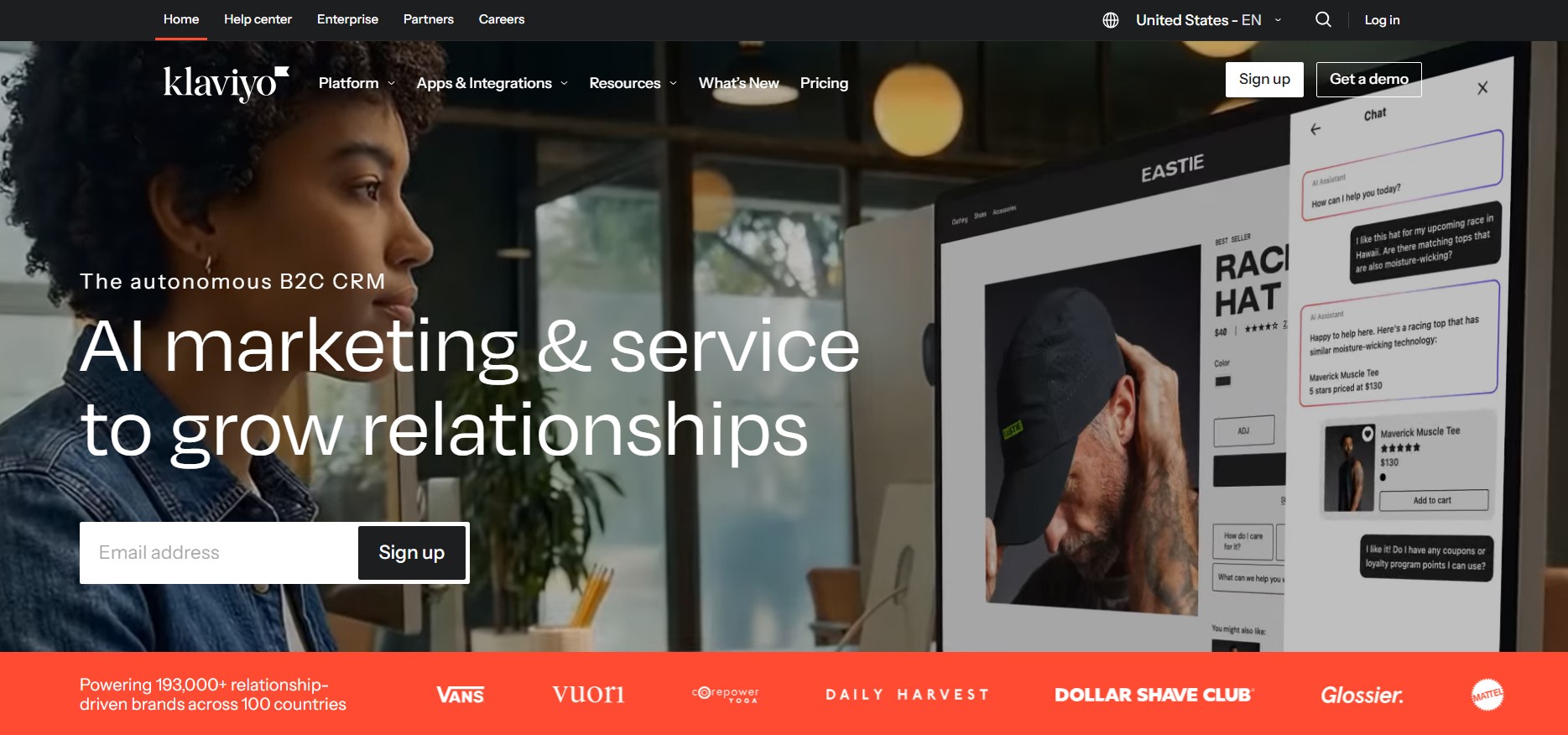
Klaviyo emerged in 2012, founded by Andrew Bialecki and Ed Hallen in Boston, initially focusing on customer data solutions for online retailers. Over the past decade, it has evolved into a cornerstone of the e-commerce marketing landscape, now serving over 193,000 paying customers globally, including major brands like Mattel, Glossier, and Liquid Death. The company’s significant growth is underscored by its public trading on the NYSE under the ticker KVYO, reporting a full-year 2025 revenue of $1.2 billion, marking a substantial 32% year-over-year increase.
Klaviyo’s strategic alliance with Shopify, which holds approximately 11% ownership, has cemented its position within the e-commerce ecosystem. Shopify’s recommendation of Klaviyo as the default email platform for Shopify Plus merchants highlights this deep integration. Beyond its initial email focus, Klaviyo has expanded its offerings, now positioning itself as a robust B2C Customer Relationship Management (CRM) system. It consolidates data across email, SMS, web, and mobile channels into unified customer profiles, enabling brands to craft highly personalized marketing strategies driven by real-time customer behavior. This data infrastructure is a significant draw for e-commerce businesses seeking intelligent, actionable insights.
Omnisend’s Review Methodology and Initial Verdict
Omnisend’s approach to this review stems from its position as a direct competitor, offering an "inside-out" understanding of what truly matters in e-commerce marketing platforms. The methodology involved extensive hands-on testing of Klaviyo’s features, a detailed analysis of its pricing tiers, and the aggregation of feedback from over 4,600 user reviews across platforms like G2, Capterra, Trustpilot, and the Shopify App Store. This multi-faceted approach allowed for a balanced perspective, identifying both Klaviyo’s genuine strengths and its inherent trade-offs.
The overarching verdict is that Klaviyo is undeniably a strong, capable email and SMS marketing platform tailored for e-commerce. Its segmentation and automation capabilities are frequently cited as industry-leading. However, this power comes with considerations, primarily concerning its pricing model, which escalates rapidly with list growth, and a notable learning curve that smaller teams may find challenging.
Core Strengths and Identified Trade-offs
Klaviyo excels in several critical areas, making it particularly suitable for specific market segments. It is best suited for mid-market e-commerce brands, especially those operating on Shopify, that require sophisticated segmentation and have a dedicated marketing team to manage the platform’s advanced functionalities. Its ability to transform Shopify store data into granular customer intelligence and build targeted marketing campaigns around it is a unique selling proposition.
Conversely, Klaviyo may not be the ideal solution for solopreneurs, B2B businesses, or brands operating on tight budgets with rapidly expanding contact lists. The pricing structure, which is heavily tied to active profile count, can quickly become a significant overhead.
An evaluation across key performance indicators provides a snapshot:

- Ease of Use: Moderate, reflecting a learning curve for advanced features.
- Features: Strong, particularly in automation and segmentation.
- Value for Money: Moderate, impacted by scaling costs.
- Customer Support: Variable, with limitations on lower-tier plans.
- E-commerce Fit: Excellent, designed explicitly for online retail.
Voice of the User: Patterns from Thousands of Reviews
Analyzing user feedback across various platforms reveals consistent patterns, albeit with some divergence depending on the user segment. G2 and Capterra, with ratings around 4.6/5, often reflect the experiences of "power users" who leverage Klaviyo daily. The Shopify App Store mirrors this positive sentiment at 4.5/5. However, Trustpilot presents a stark contrast, with a significantly lower rating of 1.8/5, where complaints frequently revolve around billing issues and customer support frustrations. Both perspectives are crucial for a complete understanding.
Small Business Owners: Many small businesses initially find Klaviyo appealing due to its straightforward Shopify integration and readily available automation flows for essential campaigns like welcome series and abandoned carts. However, as their operations scale, frustrations tend to emerge. Reviewers often point to the significant jump in monthly costs as contact lists grow and a potentially cluttered interface that can overwhelm beginners.
Mid-Market E-commerce Teams: This segment generally reports a more positive experience. Mid-market businesses often possess the internal resources and data volume necessary to maximize Klaviyo’s advanced segmentation and automation capabilities. They frequently cite strong performance and a clear return on investment (ROI) through effective campaigns. Integrations with their existing e-commerce tool stack are also praised for seamless operation, though the initial learning curve remains a common observation.
Shopify Plus Merchants: Among all user groups, Shopify Plus merchants are consistently the most satisfied. The native integration between Klaviyo and Shopify Plus is a standout feature, allowing for an unparalleled sync of customer profiles, order history, and real-time behavioral data. This deep integration provides a holistic view of the customer journey, enabling highly personalized and effective marketing strategies.
Common Reasons for Switching from Klaviyo
Despite its strengths, several recurring themes emerge from user reviews detailing reasons for migrating away from Klaviyo:
- Rapidly Escalating Costs: The primary driver for switches, especially as contact lists grow, leading to unpredictable and often higher-than-anticipated expenses.
- Steep Learning Curve: The complexity of advanced features can be a barrier for teams without dedicated e-mail marketing specialists.
- Customer Support Limitations: Frustrations with support availability and responsiveness, particularly on lower-tier plans.
- Attribution Discrepancies: Concerns over Klaviyo’s default broad attribution window, which can inflate reported revenue figures if not carefully configured.
Omnisend is frequently cited as a platform users migrate to when seeking alternatives, often highlighting its more predictable pricing and comprehensive feature set at various growth stages. For instance, Vagari Bags, a travel accessories brand, successfully transitioned to Omnisend, finding its previous platform too restrictive. By leveraging Omnisend’s integrated email and SMS tools, Vagari Bags implemented targeted automation flows, achieving stronger customer engagement and measurable revenue growth from campaigns that were previously unfeasible.
Klaviyo’s Feature Set: An In-Depth Look
Klaviyo’s feature suite is designed to cater to the nuanced needs of e-commerce businesses.
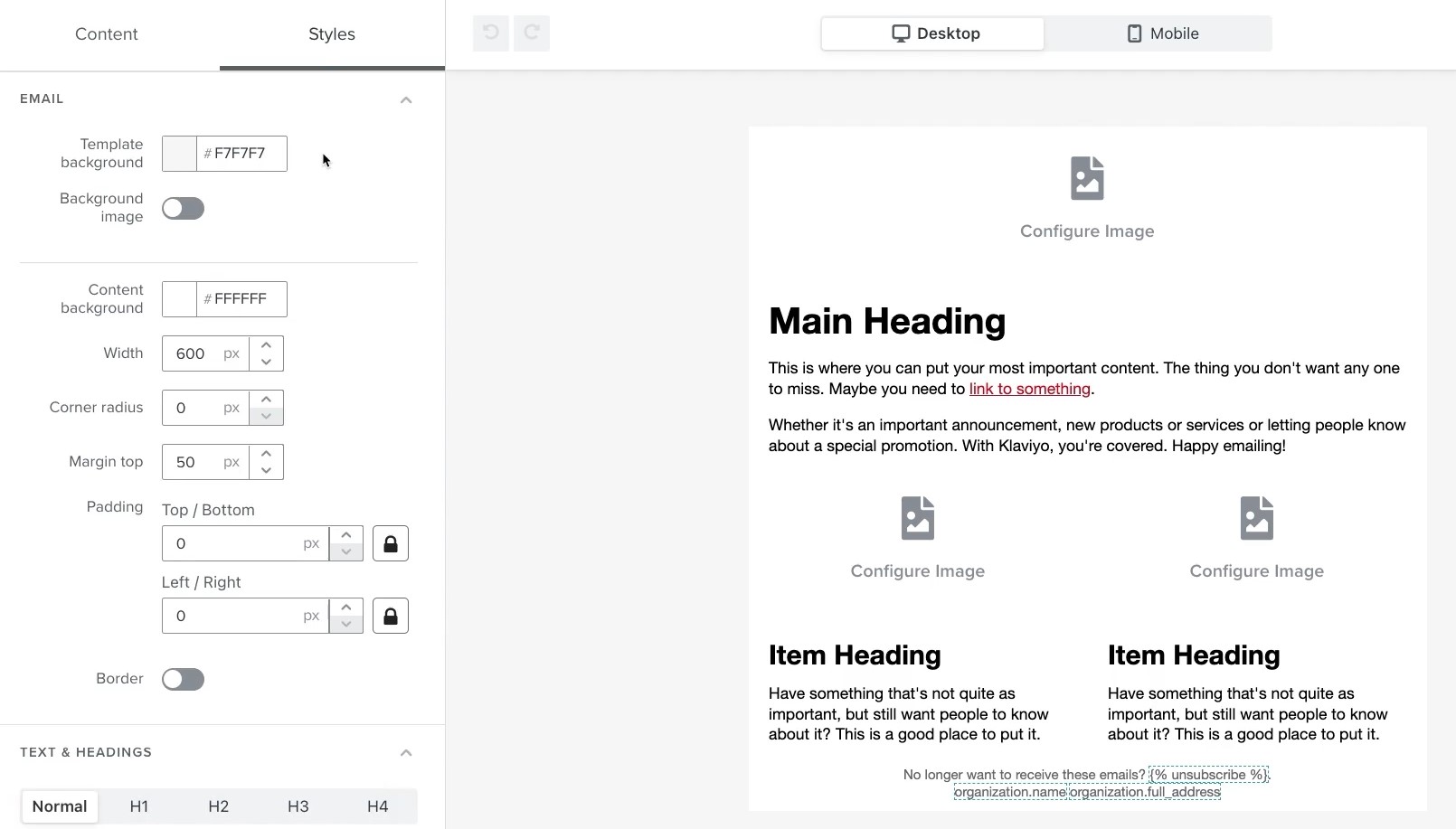
Email Editor and Templates: The email editor is functional, offering dynamic product blocks, conditional content, and mobile rendering previews. An HTML editing option provides full design control, and the platform boasts a library of over 350 templates covering diverse e-commerce use cases. While robust, some non-designers may find certain layout options less intuitive compared to competitor tools.
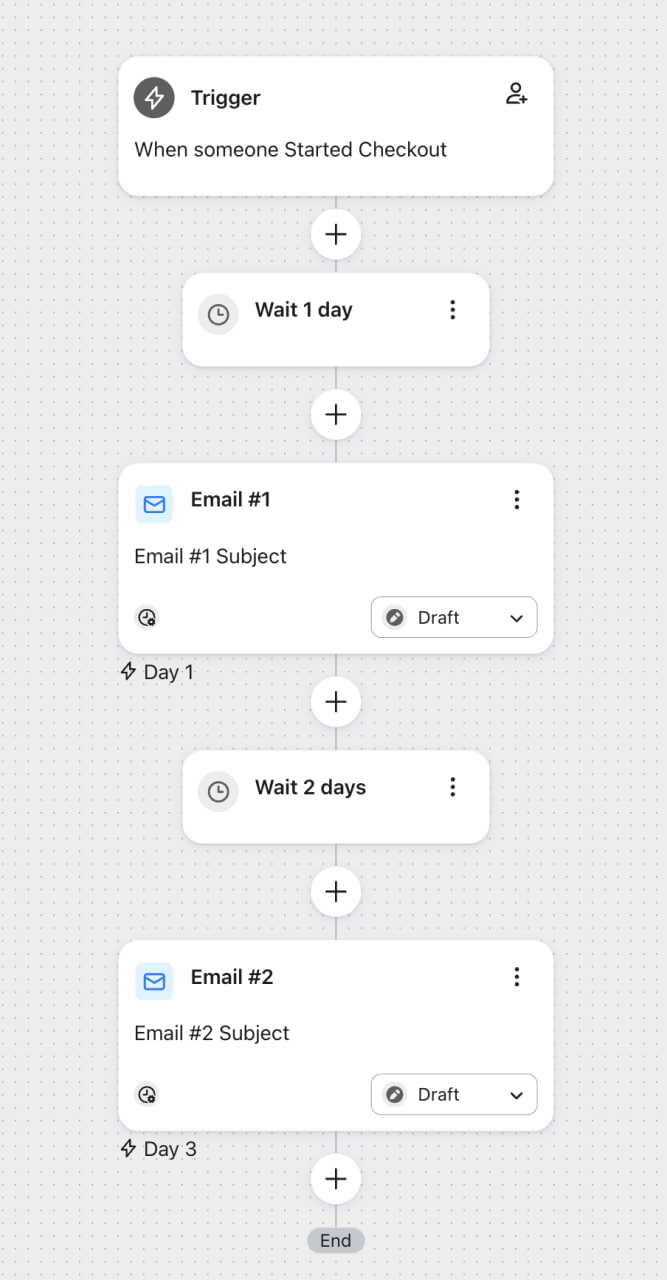
Marketing Automation and Flows: This is a cornerstone of Klaviyo’s offering. The visual drag-and-drop flow builder allows for the creation of multi-step, multi-channel automations, incorporating conditional splits, time delays, and various trigger options. Over 60 pre-built templates simplify the setup of essential sequences like welcome series, abandoned cart reminders, and post-purchase flows. The depth of logic available, enabling splits based on purchase history, predicted lifetime value, or channel preference, is truly impressive.
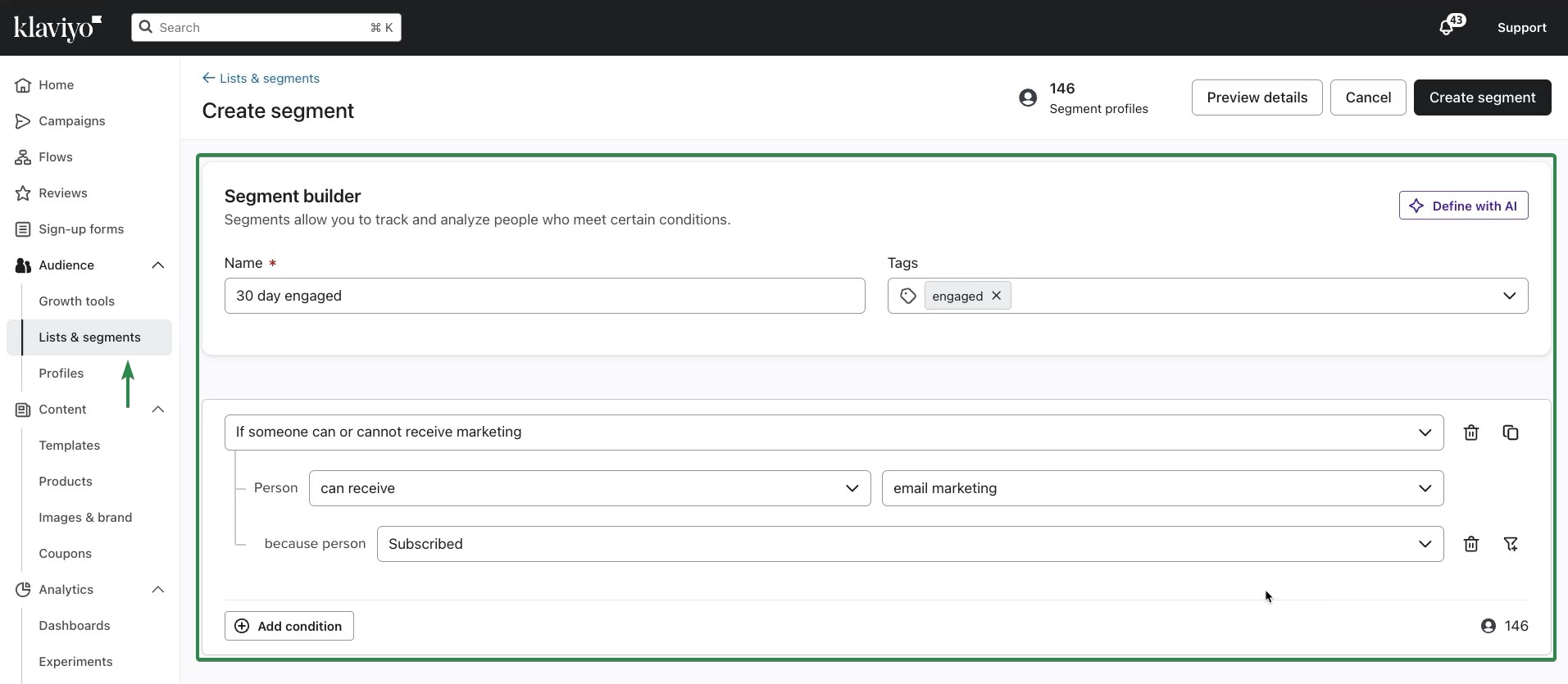
Segmentation: Klaviyo’s segmentation capabilities are widely recognized as best-in-class for e-commerce. Users can build highly specific segments using real-time behavioral data, historical purchases, predicted customer lifetime value (CLV), churn risk, and custom properties. An AI-powered segment builder further simplifies the process, allowing users to describe their target audience in plain language for automatic logic generation. While powerful, mastering complex segmentation rules requires a solid understanding of Klaviyo’s underlying logic.
SMS Marketing: The integration of SMS marketing within Klaviyo is seamless, allowing for coordinated email and SMS campaigns, shared segmentation, and centralized revenue tracking. Klaviyo supports two-way SMS in over 19 countries, complete with compliance tools for consent management and opt-out handling. However, its primary focus on the USA, UK, Canada, and Australia may limit its utility for brands running extensive global SMS campaigns.
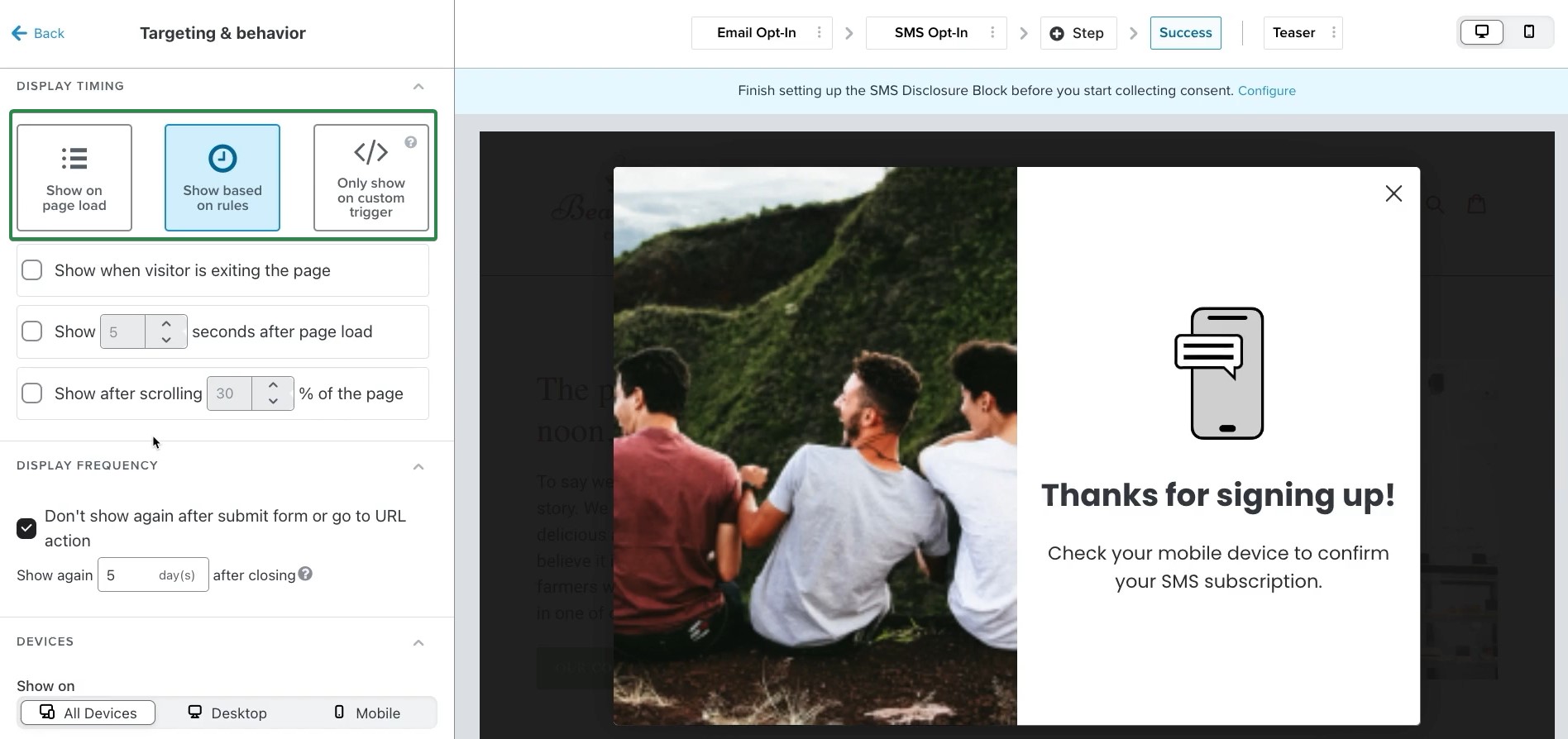
Signup Forms and Popups: Klaviyo’s form builder supports various lead capture mechanisms, including embedded forms, popups, flyouts, and teaser forms. Customizable targeting rules, such as exit intent, time on page, and scroll depth triggers, are available, along with A/B testing for optimization. While a basic landing page feature was introduced in February 2026, it remains limited, suggesting that brands requiring advanced landing page functionalities for paid traffic may still need third-party solutions.
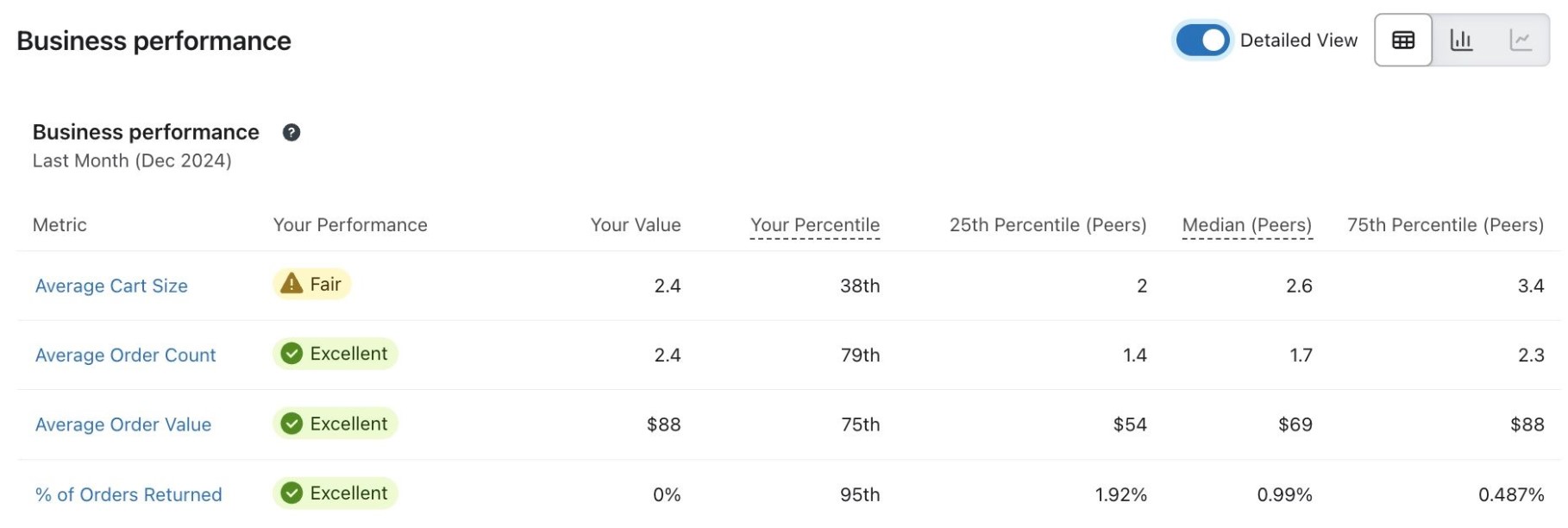
Reporting and Analytics: Klaviyo’s reporting goes beyond basic metrics, offering campaign and flow dashboards with detailed revenue attribution. Its benchmark report allows businesses to compare their performance against industry averages. A critical point of consideration is Klaviyo’s default broad attribution window (up to five days for email clicks, 24 hours for opens), which can potentially inflate reported revenue. Users are strongly advised to review and tighten these settings and enable bot click filtering for accurate data.
AI-Powered Features: Klaviyo has made significant investments in artificial intelligence. Its predictive analytics suite provides insights into predicted customer lifetime value, churn risk, and next expected order dates. The Marketing Agent feature can construct entire campaigns and flows from a single natural language prompt. Send time optimization further refines delivery, ensuring messages reach individual subscribers when they are most likely to engage. Access to the most advanced AI features is often tiered, with limited availability on free plans.
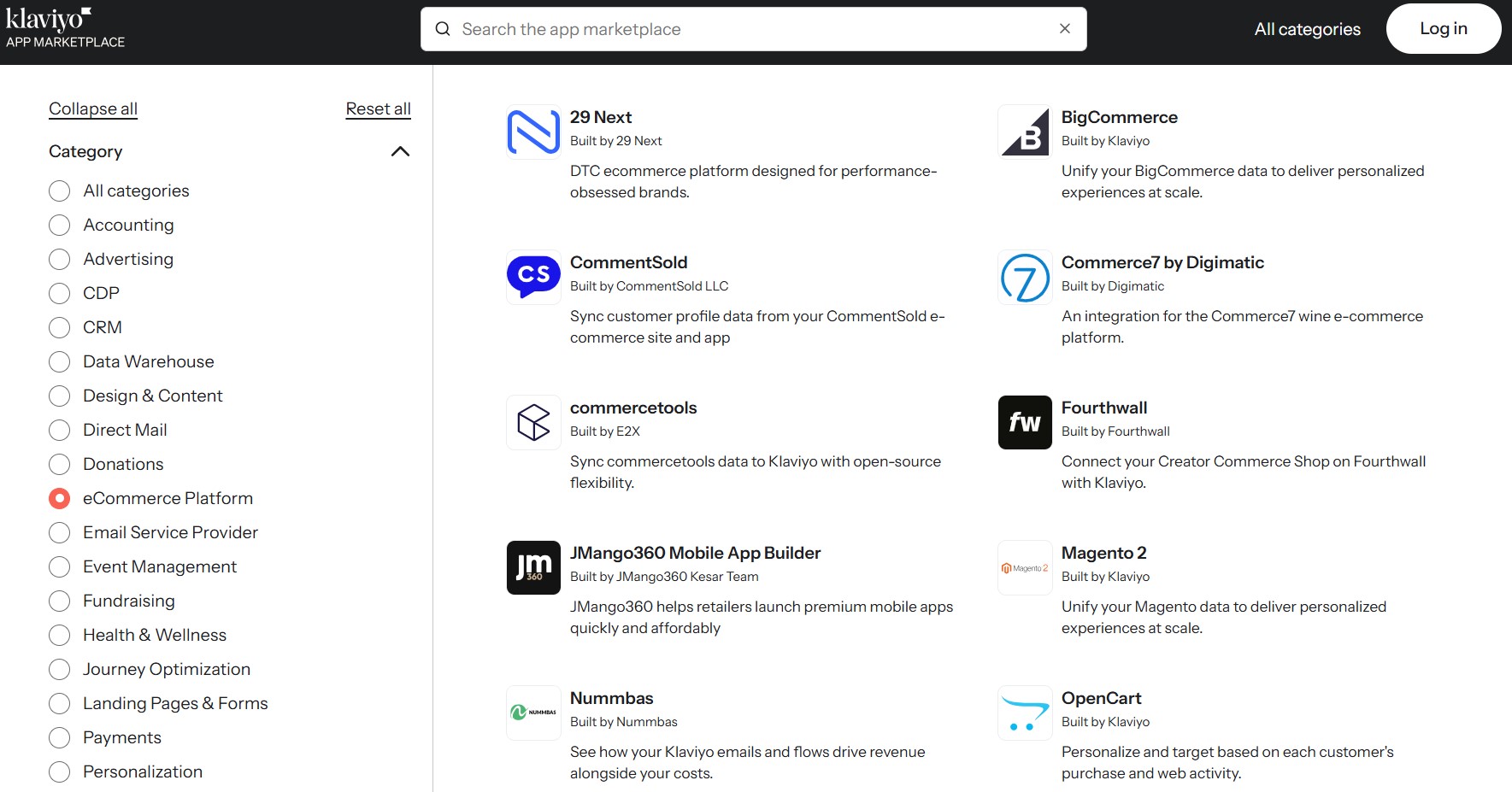
Integrations: With over 350 integrations across the e-commerce ecosystem, Klaviyo offers extensive connectivity. Its Shopify integration is particularly deep, synchronizing customer profiles, order history, and real-time behavioral events. Native support extends to WooCommerce, BigCommerce, Magento, Salesforce, Gorgias, Recharge, and many others. For Shopify merchants, the integration supports Shopify Flow, pulls live product and inventory data into emails, and triggers flows based on checkout events in near real-time.
Klaviyo Pricing Review: The Cost of Scale
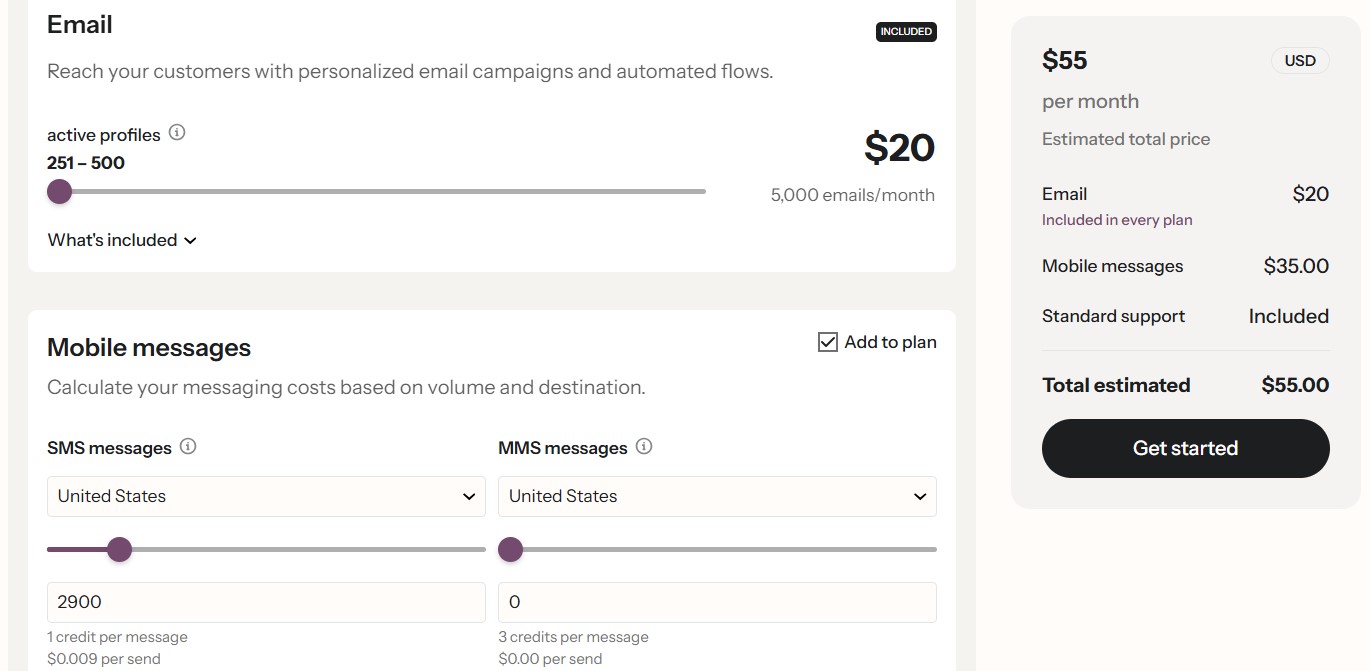
Klaviyo’s pricing model is primarily driven by a single variable: the number of active profiles in an account. Since February 2025, this includes all contacts that can receive email, regardless of their recent engagement. Plans automatically upgrade when a threshold is crossed, without an overage option, meaning costs can rise quickly and sometimes unexpectedly, particularly for fast-growing lists or those that haven’t been regularly cleaned.
Free Plan: The free tier supports up to 250 active profiles and 500 email sends per month, along with 150 SMS/MMS credits. While it offers access to most core features, including automation and basic segmentation, active e-commerce stores typically outgrow this tier within weeks. Email support is limited to the first 60 days, after which users rely on the help center and community.
Email Plan: Starting at $20/month for up to 500 active profiles (including 5,000 monthly email sends), the Email plan scales significantly. For instance, it costs $60/month for 2,500 profiles, $100/month for 5,000 profiles, and $150/month for 10,000 profiles. The increases are not always linear, with each tier jump potentially adding $10 to $50 per month. Importantly, all tiers within this plan offer the same features; the additional cost is purely for increased scale.
Email + SMS Plan: This combined plan starts at $35/month for up to 500 profiles, including 1,250 SMS/MMS credits monthly. This typically adds $15–$30 more per month than the email-only plan for equivalent list sizes. SMS credits are separate from the base subscription, reset monthly, and do not carry over. While integrating both channels simplifies workflow, international messaging can quickly accrue higher costs per send.
Klaviyo vs. Omnisend: A Pricing Comparison
A direct comparison of monthly costs at various growth milestones (as of April 2026) highlights the financial implications:
| Active Profiles | Klaviyo Email Plan | Klaviyo Email + SMS | Omnisend Standard | Omnisend Pro |
|---|---|---|---|---|
| 500 | $20/month | $35/month | $16/month | $59/month |
| 2,500 | $60/month | $75/month | $44/month | $59/month |
| 5,000 | $100/month | $115/month | $81/month | $90/month |
| 10,000 | $150/month | $175/month | $132/month | $150/month |
| 25,000 | $400/month | $430/month | $282/month | $400/month |
This comparison reveals that while cost differences may be minor at lower tiers, they compound significantly as lists expand. At 25,000 profiles, Klaviyo’s email-only plan is approximately $118 more expensive per month than Omnisend Standard, translating to over $1,400 annually for the same contact volume. This escalating cost structure is a primary reason why many brands explore Klaviyo alternatives, particularly Omnisend, which boasts a reported $79 return for every $1 spent, positioning it as a strong value proposition for e-commerce businesses seeking results without unpredictable price hikes.
Setting Up Klaviyo: A Structured Approach
Despite its reputation for complexity, setting up Klaviyo can be a structured process. Following five key steps ensures proper configuration from day one.
Step 1: Connect Your E-commerce Store
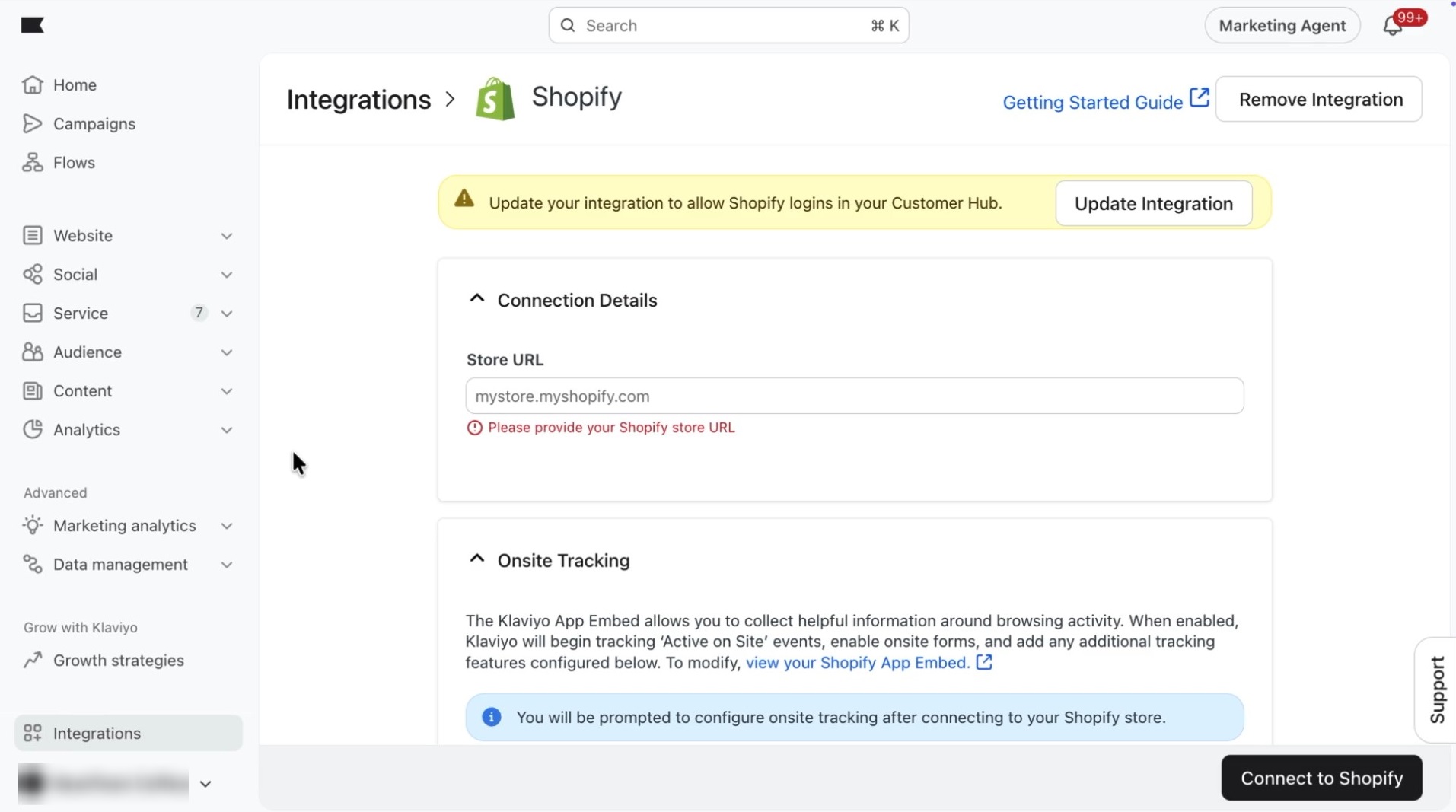
The initial and most crucial step is linking Klaviyo to your online store. Integrations with Shopify, WooCommerce, or BigCommerce typically take around 15 minutes and require no custom development. Once connected, Klaviyo automatically pulls existing customer and order data, maintaining near real-time updates for:
- Customer profiles
- Order history
- Product catalog
- Real-time behavioral events (e.g., viewed product, added to cart)
Step 2: Set Up Sending Domain, Authentication, and BIMI
Before sending any emails, proper domain authentication is vital for deliverability. This involves configuring three DNS records:
- SPF (Sender Policy Framework): Klaviyo handles SPF automatically via CNAME or NS records. A critical caveat is that a root domain can only have one SPF TXT record; existing records must be merged to avoid failure.
- DKIM (DomainKeys Identified Mail): Klaviyo generates CNAME records for DKIM. Common issues include selector name mismatches, where the record name in DNS doesn’t exactly match Klaviyo’s provision. Accurate copying and allowing up to 48 hours for DNS propagation are essential.
- DMARC (Domain-based Message Authentication, Reporting & Conformance): This policy is set up as a TXT record in your DNS. DMARC alignment requires the "Friendly From" address to match your branded sending domain. It’s recommended to start with a
p=nonepolicy for monitoring, gradually progressing top=quarantineand thenp=reject. - BIMI (Brand Indicators for Message Identification): This optional step displays your brand logo next to your sender name in the inbox, enhancing trust. It requires a strict DMARC policy and a Verified Mark Certificate (VMC).
A common technical pitfall for Cloudflare users is leaving email-related CNAME records on the "orange cloud" (proxied) setting. These should always be set to "DNS only" (gray cloud) to prevent DKIM validation failures.
Step 3: Build Your First Three Flows
Once the store is connected and the domain authenticated, prioritize building these foundational automation flows:
- Welcome Series: To greet new subscribers and introduce your brand.
- Abandoned Cart: To recover potential sales from shoppers who leave items in their cart.
- Browse Abandonment: To re-engage visitors who viewed products but didn’t add them to a cart.
Klaviyo’s library of over 60 pre-built templates significantly streamlines this process, allowing for easy customization.
Step 4: Configure Your Segmentation Strategy
Begin by establishing four core dynamic segments that automatically update with customer behavior:
- Engaged Users: Active customers who interact with your communications.
- VIP Customers: High-value customers with significant purchase history.
- At-Risk Customers: Those showing signs of reduced engagement or potential churn.
- Lapsed Customers: Buyers who haven’t purchased in a defined period.
Enabling Klaviyo’s Extended ID feature early is crucial, as it extends cookie tracking from seven days to 365 days, improving the platform’s ability to identify anonymous visitors and trigger flows.
Step 5: Calibrate Attribution Settings and Bot Click Filtering
Before launching campaigns, review and adjust Klaviyo’s default attribution settings. The default window—five days for email clicks and 12 hours for SMS deliveries—is broad and can inflate reported revenue. Tightening these windows to align with actual customer purchase behavior provides more accurate data. Additionally, enable bot click filtering in account settings to prevent security scanners from skewing engagement and revenue metrics.
Klaviyo Alternatives and Market Comparisons
While Klaviyo is a powerful platform, it’s not a universal fit. Several alternatives cater to different business needs and budgets.
Klaviyo vs. Omnisend: This is the most direct comparison for e-commerce brands. Both offer robust email and SMS marketing with deep e-commerce integrations. Omnisend often stands out for its predictable pricing model, 24/7 customer support available on all plans (including free), a full native landing page builder, and global SMS coverage. Omnisend’s reported ROI of $79 for every $1 spent also highlights its value proposition, particularly for brands seeking powerful features without the rapid cost escalation often seen with Klaviyo.
Klaviyo vs. Braze: These platforms serve vastly different audiences. Braze is an enterprise-grade solution, with contracts typically starting around $60,000 annually, requiring significant developer resources for setup. Klaviyo, conversely, targets SMB to mid-market e-commerce businesses, is self-serve, and highly e-commerce focused. For the vast majority of e-commerce brands, Klaviyo is the more appropriate and accessible choice.
Yotpo Reviews vs. Klaviyo Reviews: This comparison focuses specifically on product review functionalities. Yotpo is a dedicated platform for reviews, loyalty, and user-generated content, having discontinued its email and SMS products to focus exclusively on these areas. It offers advanced features like photo/video reviews, on-site Q&A, Google Shopping syndication, and AI-powered moderation. Klaviyo Reviews, on the other hand, is a paid add-on within the Klaviyo platform, allowing merchants to collect and display reviews with native integration into Klaviyo’s email flows. For brands prioritizing a comprehensive, feature-rich review solution, Yotpo remains a stronger contender, while Klaviyo Reviews offers a more consolidated, basic option within its ecosystem.
Other Notable Klaviyo Alternatives:
- Mailchimp: Best for beginners and non-e-commerce businesses, offering a user-friendly interface for basic email marketing.
- MailerLite: Ideal for budget-conscious small businesses, known for its affordability and ease of use.
- Brevo (formerly Sendinblue): Strong for transactional email and well-suited for European markets due to its comprehensive feature set and compliance focus.
- Attentive: A specialized platform for brands prioritizing SMS as their primary marketing channel, offering advanced SMS functionalities.
Conclusion
Klaviyo stands as a genuinely capable and powerful platform for e-commerce brands, particularly those leveraging Shopify and requiring advanced segmentation and automation. Its flow builder, deep segmentation capabilities, and AI-powered features are among the best available for online retailers, enabling highly personalized and effective marketing campaigns.
However, the platform is not without its limitations. The rapidly escalating pricing model as contact lists grow, documented frustrations with customer support on lower-tier plans, and a steep learning curve for smaller teams without dedicated marketing specialists are significant considerations. Furthermore, the default broad revenue attribution settings require careful configuration to ensure accurate performance metrics.
The optimal choice of marketing platform ultimately hinges on a business’s specific size, budget, technical resources, and strategic priorities. For e-commerce brands that align with Klaviyo’s strengths and have the capacity to leverage its advanced features, it remains a strong contender. For others, particularly those mindful of budget constraints or seeking a more streamlined experience with predictable costs and robust support across all tiers, exploring capable Klaviyo alternatives such as Omnisend before committing is highly recommended.
FAQ
Is Klaviyo any good?
Yes, Klaviyo is a highly effective email and SMS marketing platform for e-commerce businesses. Its segmentation, automation, and Shopify integration are widely regarded as best-in-class, enabling powerful, data-driven marketing. However, potential drawbacks include its pricing model at scale and variable customer support on lower-tier plans.
What are the cons of Klaviyo?
Common drawbacks include a pricing structure that escalates rapidly as contact lists grow, a steep learning curve for mastering its advanced features, limited customer support for lower-tier subscribers, and a default revenue attribution setup that can overstate campaign performance if not manually configured.
Is Klaviyo owned by Shopify?
No, Klaviyo is an independent, publicly traded company listed on the NYSE under the ticker KVYO. Shopify holds an approximately 11% ownership stake resulting from a strategic investment made in 2022 and recommends Klaviyo as its preferred email platform for Shopify Plus merchants.
Which is better, Klaviyo or HubSpot?
The choice between Klaviyo and HubSpot depends on a business’s core needs. Klaviyo is purpose-built for e-commerce, excelling in email and SMS automation driven by store data. HubSpot, conversely, is generally a better fit for B2B businesses, offering a comprehensive CRM, sales pipeline management, and a broader suite of marketing channels.
How much does Klaviyo cost per month?
Klaviyo offers a free plan for up to 250 contacts. Paid plans for email marketing start at $20/month for up to 500 active profiles. Costs scale with list size, reaching approximately $150/month for 10,000 profiles and $400/month for 25,000 profiles. Combined Email + SMS plans incur additional charges.
What is the best alternative to Klaviyo?
Based on this review, Omnisend is considered the most direct and compelling alternative for e-commerce brands. It provides powerful email and SMS marketing, 24/7 customer support across all plans (including free), and a more predictable pricing structure. Omnisend customers report an average return of $79 for every $1 spent, highlighting its strong value proposition. Other alternatives include Mailchimp for beginners, MailerLite for budget-conscious businesses, Brevo for transactional email and European markets, and Attentive for SMS-primary strategies.









