rifanmuazin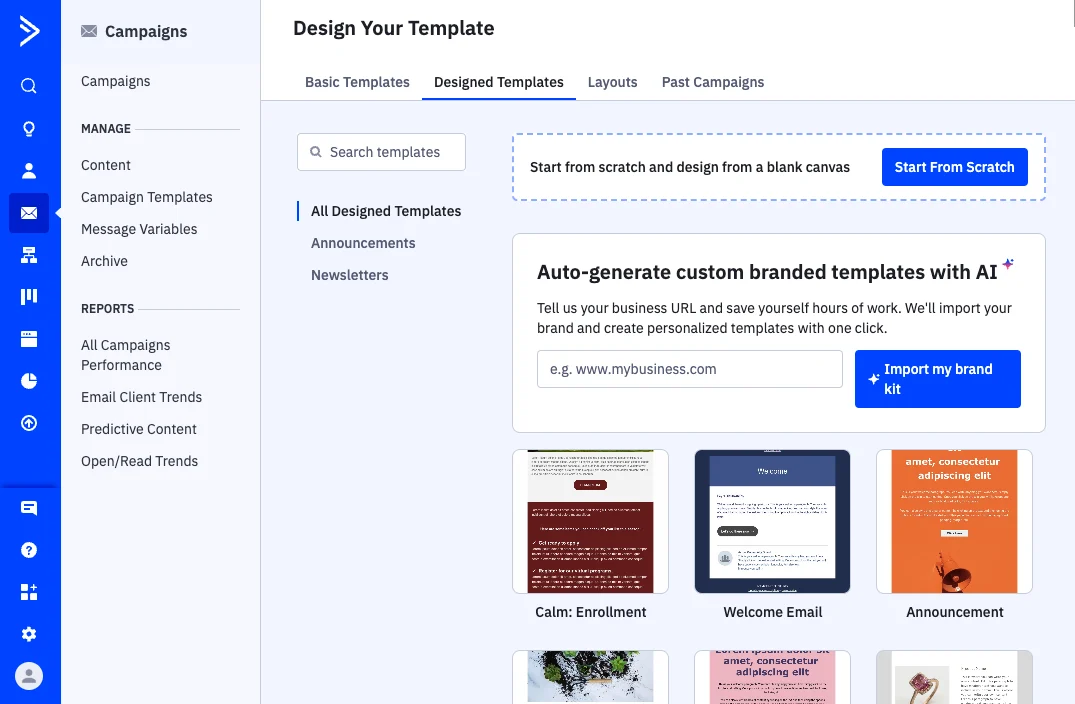
Published on May 6, 2026, email remains an indispensable cornerstone of business communication, offering a direct and owned channel to customers unlike many other marketing avenues. This enduring relevance is underscored by its versatility, serving critical functions from product announcements and welcome sequences to targeted newsletters and promotional campaigns. In an increasingly fragmented digital landscape, the ability to control and cultivate a direct relationship with one’s audience via email stands out as a strategic imperative.
Data from Mailjet’s comprehensive 2024 email engagement report vividly illustrates this preference, revealing that a substantial 75.4% of consumers across the U.S., UK, France, Germany, and Spain favor email for receiving promotional messages. Furthermore, 74% choose email for transactional communications, such as order confirmations and shipping updates, over all other available channels. These figures emphatically reinforce email’s continued dominance in consumer preference, highlighting its critical role in both proactive marketing and essential customer service.
However, navigating the vast ecosystem of email marketing platforms can be a daunting task. The market is saturated with solutions, each tailored to different business sizes, operational complexities, and strategic priorities. From agile tools designed for nascent startups to robust systems built for multinational enterprises, and from automation-heavy platforms to those prioritizing simplicity, the sheer breadth of options can quickly overwhelm decision-makers. This guide, informed by years of rigorous testing and analysis of leading marketing technologies, aims to demystify the selection process, providing a clear pathway for businesses to identify the email marketing tool best suited to their operational rhythm and growth ambitions.
The Enduring Power of Email in the Digital Age
The journey of email marketing from its rudimentary beginnings to its current sophisticated state reflects the broader evolution of digital commerce and customer engagement. What started as a simple method for direct communication has transformed into a powerful, data-driven channel capable of highly personalized interactions. Early email campaigns were often broad and untargeted, but technological advancements have enabled granular segmentation, behavioral triggers, and dynamic content, allowing businesses to deliver messages that resonate deeply with individual recipients. This evolution has solidified email’s position not just as a communication tool, but as a strategic asset for customer relationship management, sales generation, and brand loyalty. The shift from mass communication to personalized engagement represents a significant chronology in marketing, with email platforms at the forefront of this transformation.
Defining Excellence: What Constitutes a "Best" Email Marketing Platform?

In constructing this authoritative list, extensive hours were dedicated to meticulously evaluating dozens of email marketing tools. This involved setting up diverse campaigns, configuring intricate automation workflows, testing a multitude of templates, and thoroughly exploring integration capabilities. Each platform’s inclusion is solely based on its performance in real-world testing scenarios and its ability to address genuine business use cases, entirely independent of any commercial influence.
Modern email marketing transcends the simple act of sending messages. Today’s premier platforms offer advanced functionalities such as sophisticated segmentation, intelligent trigger-based messaging, and dynamic personalization, all operating automatically when the right system is in place. Yet, a common challenge in the market is the dichotomy between platforms that are excessively complex for small to medium-sized businesses and those that lack the necessary depth for serious growth initiatives. To cut through this complexity, five essential criteria were established to identify truly outstanding email marketing platforms:
-
Intuitive Usability for All Skill Levels: A paramount requirement is ease of use. Businesses should not be compelled to engage external agencies or invest significant time in documentation just to initiate their email marketing efforts. The recommended tools are characterized by their straightforward dashboards, simplifying list building, campaign creation, and automated sends. Platforms that presented clunky interfaces or confusing workflows were excluded.
-
Robust and Reliable Built-in Automations: From essential welcome sequences for new subscribers to critical post-purchase follow-ups, automation features must be both simple to configure and consistently reliable in operation. Every tool on this list facilitates the effortless automation of customer journeys, eliminating the need for coding expertise.
-
Seamless Integration with Existing Business Ecosystems: An email marketing platform should operate harmoniously within a business’s broader tech stack, connecting effortlessly with e-commerce platforms, booking software, CRM systems, and other vital applications. The selected tools boast robust native integrations or offer reliable fallback options via services like Zapier, ensuring streamlined workflows and interconnected data.
-
Sensible Pricing Models for Growing Businesses: Financial accessibility is key for small businesses and developing teams. The platforms chosen offer affordable entry-level plans or flexible pay-as-you-go structures, avoiding expensive long-term commitments or prohibitive minimum volume requirements. This ensures that businesses, whether managing 100 or 10,000 contacts, can commence small and scale their operations economically.
-
Scalability Designed for Future Growth: Expanding a subscriber list should not automatically translate into being forced into an exorbitantly priced enterprise plan. Each platform featured here supports the scalable expansion of campaigns, contact lists, and automation without incurring unexpected cost escalations. These tools are ideal for businesses seeking a solution that adapts to their current needs while providing ample room for future expansion.
Understanding the Financial Landscape: Email Marketing Platform Pricing
For small businesses and marketing teams operating under budgetary constraints, a thorough understanding of the cost structures associated with various email marketing platforms is as vital as evaluating their feature sets. While numerous services provide free plans for initial ventures, these often come with inherent limitations that can impede growth as a subscriber base expands. Industry analysts often highlight that underestimating future scaling costs is a common pitfall for emerging businesses.
When comparing pricing across platforms, it is crucial to consider the prevalent pricing structures and tiers:
- Free Plans (Freemium): Many platforms offer a free tier, typically supporting a limited number of contacts (e.g., 500-2,000) and/or a capped number of emails per month. While excellent for getting started, these plans often restrict advanced features like automation, A/B testing, and comprehensive analytics.
- Contact-Based Pricing: This is a common model where the monthly fee increases based on the number of subscribers in your list. While straightforward, it can become expensive as lists grow, especially if many contacts are inactive.
- Email Send-Based Pricing: Some platforms charge based on the total volume of emails sent per month, irrespective of the number of contacts. This model can be advantageous for businesses with large but infrequently engaged lists, or for those with highly active smaller lists.
- Feature-Based Tiers: Most platforms offer multiple paid tiers (e.g., Basic, Standard, Premium, Enterprise), with each tier unlocking progressively more advanced features like sophisticated automation, CRM integration, dedicated support, and custom reporting.
- Pay-as-You-Go/Credit Systems: A less common but flexible option, where businesses purchase credits that are consumed with each email sent or contact managed. This is ideal for irregular sending patterns.
When evaluating pricing, it is paramount to strike a balance between current operational needs and long-term strategic objectives. An initially attractive lower-priced plan may prove to be a false economy if the platform cannot adequately scale with the business’s evolving subscriber list and increasingly complex email marketing requirements, potentially necessitating costly and disruptive migrations in the future. Experts advise projecting subscriber growth and email volume for at least 1-3 years to make an informed decision.
Featured Email Marketing Platforms: A Detailed Review
Best for Budget-Conscious Teams: Mailjet
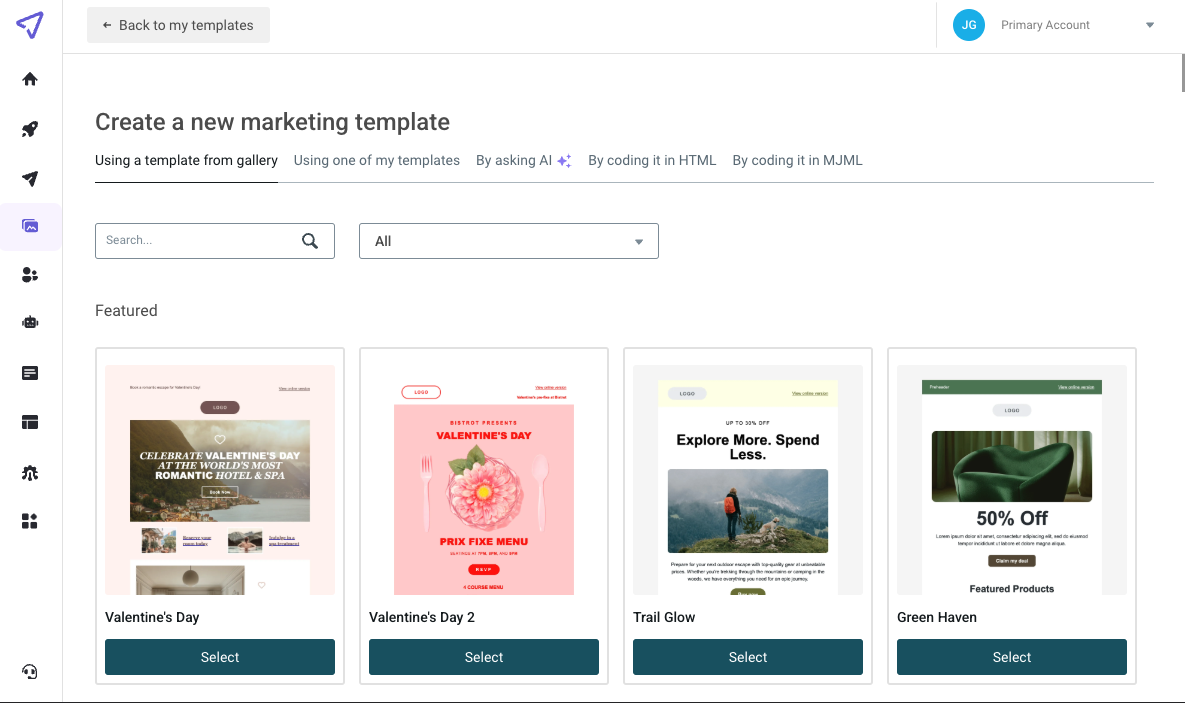
Mailjet distinguishes itself not only through its cost-effectiveness but also by its rich array of practical features. Every plan provides access to a clean, intuitive platform designed for creating and dispatching both marketing and transactional emails, constructing forms, and launching landing pages with minimal learning overhead. A key differentiator for Mailjet is its pricing model: unlike many competitors, Mailjet does not levy charges based on the number of contacts. Instead, businesses only pay for the volume of emails sent, ensuring predictable costs even as subscriber lists expand. This transparent and straightforward UI and pricing structure makes Mailjet an ideal choice for startups and growing teams seeking robust email tools without a prohibitive financial commitment.

- Key Features: User-friendly drag-and-drop editor, comprehensive template gallery, advanced segmentation capabilities, email automation workflows, A/B testing, API access for developers, integrated SMS marketing, and robust deliverability tools.
- Drawbacks: Some users report that advanced CRM integrations can be less seamless compared to more specialized platforms; the reporting dashboard, while functional, might lack the depth of analytics offered by higher-tier enterprise solutions.
- Pricing: Offers a free plan for up to 6,000 emails/month (200 emails/day), a Basic plan starting at around $15/month for 15,000 emails, and Premium plans for higher volumes and advanced features. Custom enterprise solutions are also available.
Best for Getting Started: Mailchimp
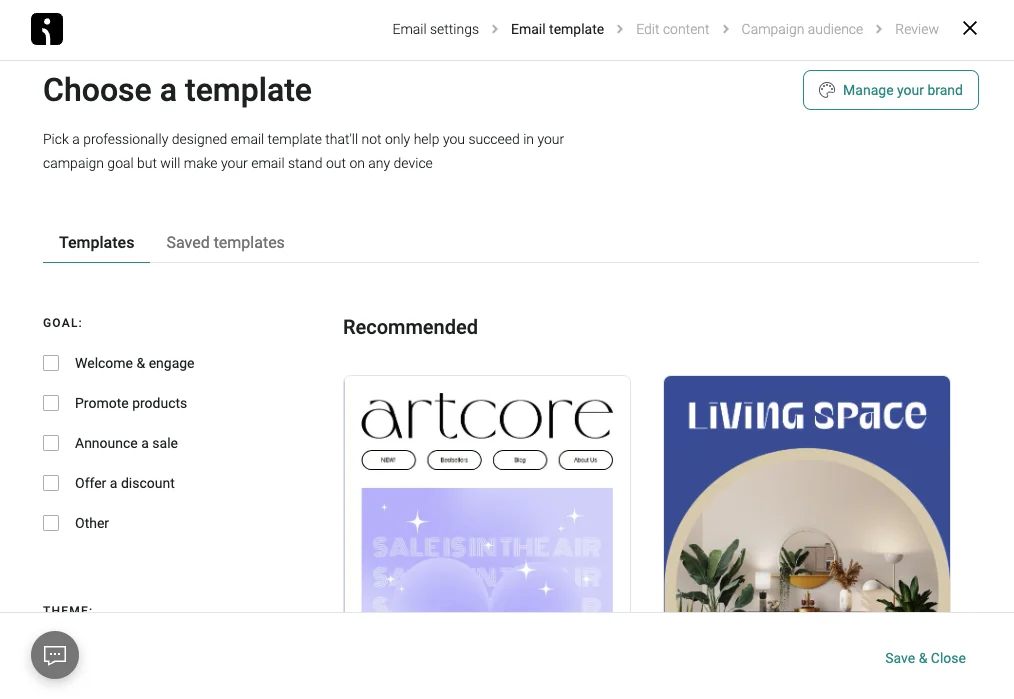
Mailchimp is frequently the first name that comes to mind for those new to email marketing, and for valid reasons. It boasts an exceptionally beginner-friendly interface, provides a robust free plan (supporting up to 500 contacts and 1,000 sends per month), and simplifies the process of launching initial campaigns. Its user experience is often lauded for its accessibility. However, as marketing strategies mature and become more complex, users may encounter limitations, particularly concerning advanced automation capabilities and deep customization options.
- Key Features: Intuitive drag-and-drop builder, extensive template library, basic email automation, audience segmentation, landing page builder, and a powerful free plan.
- Drawbacks: Pricing can escalate quickly with growing contact lists, automation features on lower tiers are less sophisticated than competitors, and some users find its reporting to be somewhat basic for in-depth analysis.
- Pricing: Free plan (up to 500 contacts), Essentials plan starting around $13/month (based on contacts), Standard and Premium tiers for more advanced features.
Best for Digital Creators: Kit (formerly ConvertKit)
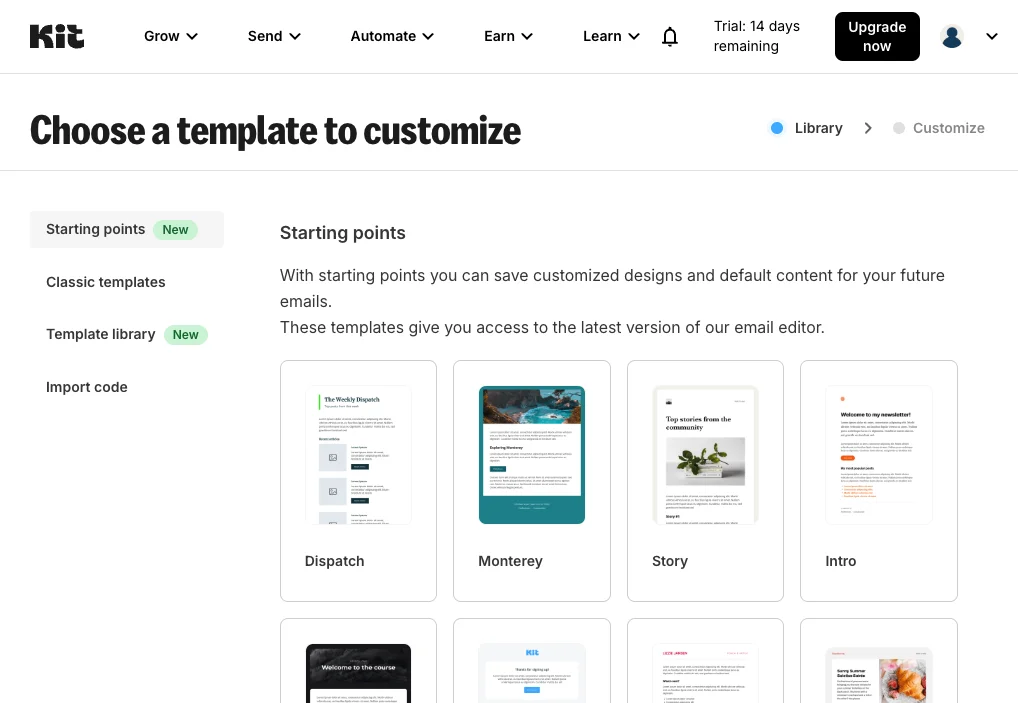
Kit, previously known as ConvertKit, is meticulously designed for the digital creator economy, specifically catering to bloggers, YouTubers, podcasters, and solo entrepreneurs. Its core strength lies in its ability to facilitate list growth and automate follow-up sequences, even on its generous free plan. The free version supports an impressive 10,000 subscribers, making it a compelling option for creators focused on audience expansion. However, more sophisticated tools, such as multi-sequence automation and advanced marketing funnels, necessitate an upgrade to a paid plan.
- Key Features: Creator-focused landing pages and forms, robust email sequence builder, subscriber tagging and segmentation, integrations with e-commerce platforms like Gumroad, and a highly generous free tier for subscriber count.
- Drawbacks: Email template customization can be somewhat limited, focusing on plain-text emails for deliverability, and its advanced features might have a steeper learning curve for absolute beginners.
- Pricing: Free plan (up to 10,000 subscribers, limited features), Creator plan starting around $29/month (for 1,000 subscribers), and Creator Pro for more advanced functionality.
Best for Social-Savvy Brands: Constant Contact
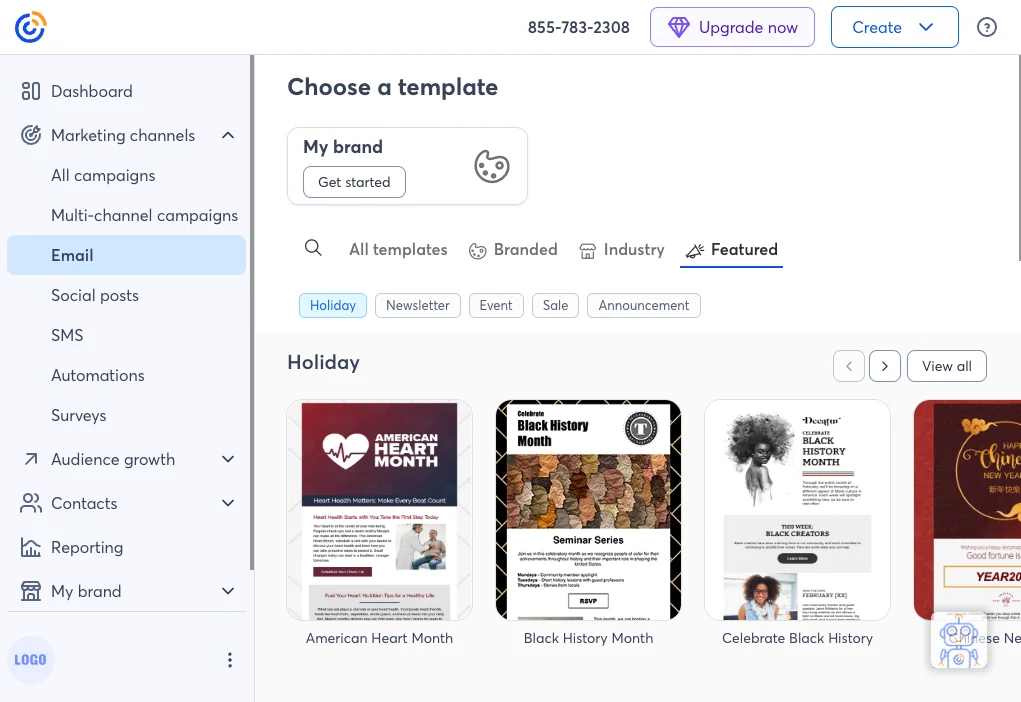
For businesses aiming to tightly integrate their email campaigns with their social media strategy, Constant Contact offers a compelling solution. Its drag-and-drop editor is remarkably user-friendly, and the platform consistently delivers solid email delivery rates, ensuring messages reach their intended recipients. It is particularly well-suited for brands with a strong presence on platforms like Facebook and Instagram, facilitating seamless cross-channel promotion. However, the more powerful, feature-rich plans might present a considerable cost for smaller teams with limited budgets.
- Key Features: User-friendly drag-and-drop editor, robust event management tools, social media integration, email automation, comprehensive reporting, and strong customer support.
- Drawbacks: The pricing model can become expensive as contact lists grow, especially compared to some competitors, and its advanced automation capabilities are not as sophisticated as dedicated marketing automation platforms.
- Pricing: Core plan starting around $12/month (for 500 contacts), Plus plan for more features, and Premium for advanced marketing tools.
Best for Long-Standing Reliability: AWeber
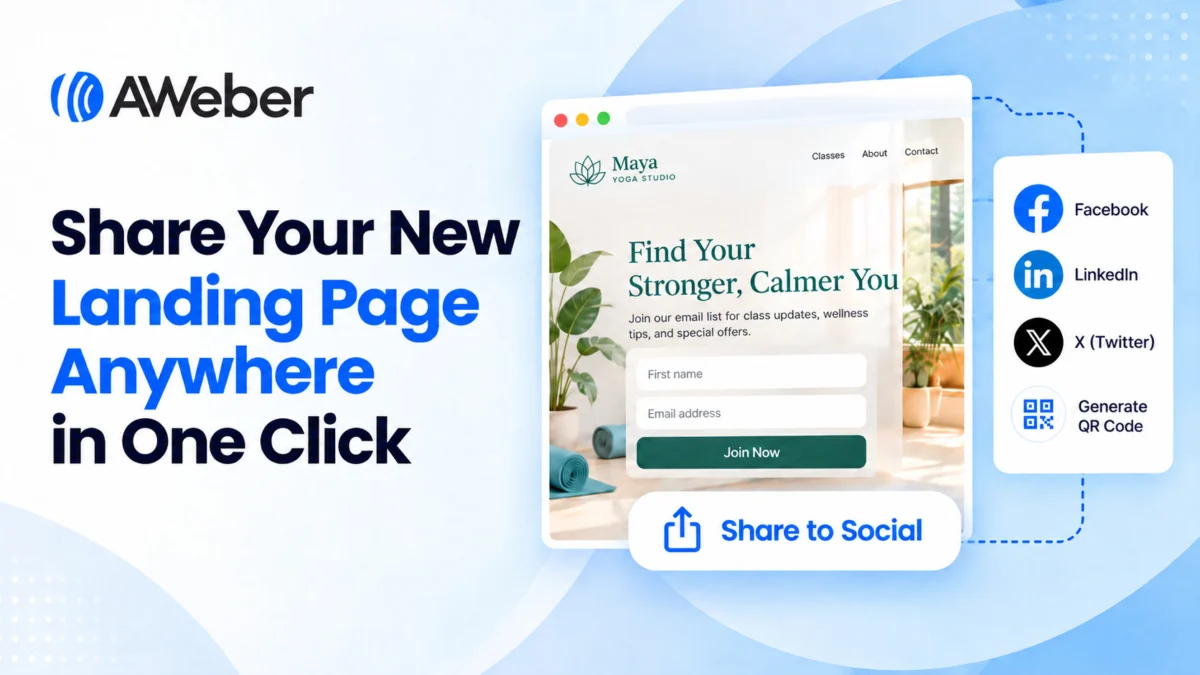
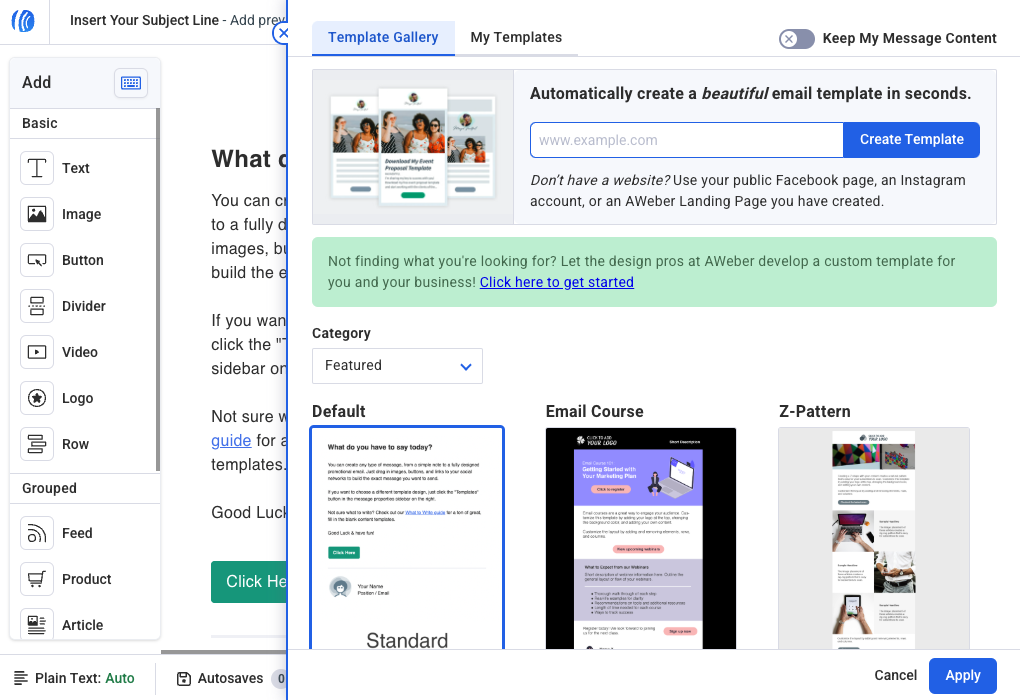
With a legacy spanning over two decades, AWeber has cultivated a reputation for long-standing reliability, earning the trust of solo entrepreneurs and small business owners alike. Its platform is straightforward and accessible, offering a suite of essential features including pre-built templates, automation capabilities, and integrations with popular platforms such as Etsy and YouTube. While AWeber may not boast the most cutting-edge or advanced features in the market, it excels at delivering core functionalities, complemented by solid analytics and testing tools that empower users to optimize their campaigns effectively.
- Key Features: Easy-to-use email builder, extensive template library, email automation, list segmentation, landing page builder, and robust integrations with popular apps.
- Drawbacks: Its interface can sometimes feel a bit dated compared to newer platforms, and its automation workflows, while functional, may not offer the same depth or complexity as more advanced solutions.
- Pricing: Free plan (up to 500 subscribers), Lite plan starting around $14.99/month (for 500 subscribers), and Plus plan for higher subscriber counts and additional features.
Best for All-in-One Marketing: HubSpot
HubSpot transcends the traditional definition of an email marketing tool; it functions as a comprehensive CRM and marketing suite. This integrated approach allows businesses to manage contacts, construct automated email workflows, and meticulously track performance, all within a unified dashboard. The free tier is surprisingly generous, offering substantial functionality for emerging businesses. However, unlocking HubSpot’s more advanced automation and CRM features entails a significant price increase, positioning it as a more substantial investment for scaling operations.
- Key Features: Full CRM integration, marketing automation, email marketing, landing page builder, ad management, live chat, and comprehensive analytics.
- Drawbacks: Can be significantly more expensive than other platforms, especially for higher tiers, and its extensive feature set can lead to a steeper learning curve for new users.
- Pricing: Free tools available, Marketing Hub Starter plan starting around $20/month, with Professional and Enterprise tiers escalating significantly in price.
Best for Online Stores: Omnisend
Omnisend is meticulously crafted for the specific needs of e-commerce brands, providing a powerful omnichannel marketing toolkit. It integrates essential features like SMS and push notifications directly out of the box, even within its free plan, making it an attractive option for online retailers seeking diversified customer engagement. While Omnisend is feature-rich, it is worth noting that some users report that its email deliverability might not always match the industry’s absolute best, and its template library, though functional, may lack the visual diversity offered by some competitors.
- Key Features: E-commerce specific automation (abandoned cart, product recommendations), SMS and push notifications, robust segmentation, dynamic content, and integrations with major e-commerce platforms like Shopify and WooCommerce.
- Drawbacks: Some users report occasional issues with deliverability compared to dedicated email-only platforms, and template customization, while good, may not be as extensive as some design-focused builders.
- Pricing: Free plan (up to 250 contacts, 500 emails/month), Standard plan starting around $16/month, and Pro plan for advanced features and higher volumes.
Best for Multi-Channel Campaigns: Brevo (formerly Sendinblue)
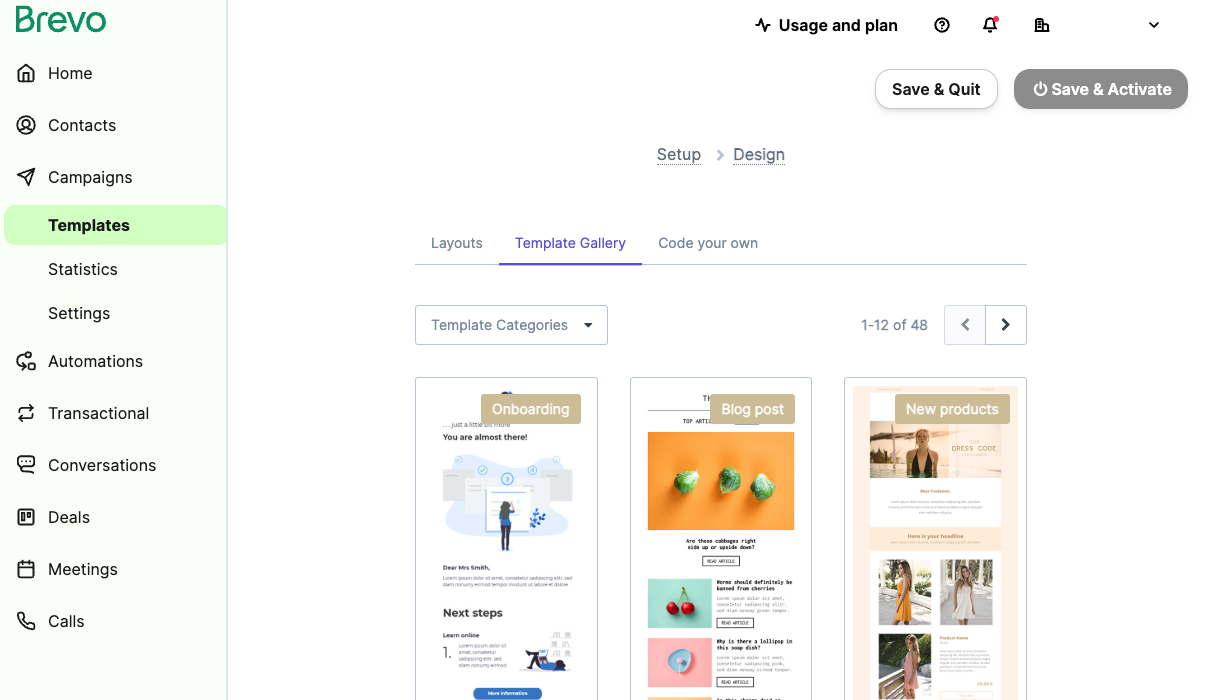
Brevo, formerly known as Sendinblue, offers a streamlined approach to integrating email, SMS, and live chat functionalities into a single, cohesive platform. This makes it an ideal choice for businesses that prioritize a unified view of customer interactions across multiple channels. Its user interface is lauded for its cleanliness and ease of navigation, contributing to a smooth user experience. However, businesses seeking in-depth analytics and advanced reporting will find that these capabilities are largely restricted to its higher-tier plans, potentially limiting the insights available to users on more basic subscriptions.
- Key Features: Email, SMS, and chat integration, marketing automation, transactional email API, CRM functionality, and a user-friendly drag-and-drop editor.
- Drawbacks: Advanced analytics and lead scoring are often locked behind higher-priced plans, and some users report that the free plan’s daily sending limit can be restrictive for growing lists.
- Pricing: Free plan (up to 300 emails/day), Starter plan starting around $25/month, Business plan for advanced features, and custom Enterprise solutions.
Best for Serious Automation: ActiveCampaign
ActiveCampaign stands as a formidable powerhouse for businesses that aim to transcend basic email blasts and engage in sophisticated customer journey orchestration. It seamlessly integrates advanced marketing automation with a built-in CRM, affording users comprehensive control over every stage of the customer lifecycle. From intricately designed workflows and dynamic content personalization to intelligent segmentation, ActiveCampaign is engineered for teams demanding depth and precision. This advanced capability, however, comes with a steeper learning curve and a commensurately higher price point, reflecting its robust feature set.
- Key Features: Advanced marketing automation, integrated CRM, sales automation, lead scoring, dynamic content, deep segmentation, site tracking, and a wide array of integrations.
- Drawbacks: Can be significantly more expensive as contact lists grow and features are unlocked, the extensive feature set can be overwhelming for beginners, and dedicated customer support may vary by plan tier.
- Pricing: Lite plan starting around $29/month (for 1,000 contacts), Plus, Professional, and Enterprise plans offering progressively more advanced features and higher price points.
For businesses requiring intricate automations and integrated sales tools, ActiveCampaign represents a solid investment, provided they are prepared for the necessary learning commitment and budgetary allocation.
Strategic Alignment: Which Platform is Right for Your Business and Use Case?
The selection of an appropriate email marketing tool is fundamentally dependent on a business’s unique identity and strategic objectives. The needs of a lean small business differ significantly from those of an expansive online store or a mission-driven nonprofit. Understanding these distinctions is crucial, as the most effective platforms are often those that intrinsically align with specific operational contexts.
Small Businesses: For small businesses operating with limited teams or even solo entrepreneurs, the primary considerations typically revolve around simplicity, affordability, and efficiency-enhancing tools. Such businesses should prioritize platforms featuring intuitive dashboards, responsive customer support, and automation capabilities that do not demand specialized marketing expertise. Platforms that offer scalable pricing, allowing costs to grow proportionally with the business without becoming exorbitant, are particularly advantageous.
E-commerce Brands: For online retailers, email marketing transcends mere communication; it serves as a direct driver of revenue. This necessitates platforms equipped with advanced e-commerce specific features, including automated abandoned cart recovery emails, intelligent product recommendation engines, and seamless integrations with leading e-commerce platforms such as Shopify or WooCommerce. Behavioral triggers and highly personalized automations are critical for maximizing conversion rates and enhancing customer lifetime value.
Nonprofits: Non-profit organizations operate with a mandate to maximize the impact of every dollar. Consequently, email tools that provide discounted pricing or dedicated free plans for nonprofits can be transformative. Essential features include highly customizable templates for diverse campaigns, robust donor segmentation capabilities, and seamless integrations with fundraising platforms to effectively engage and inform supporters while minimizing the administrative burden on lean teams.
B2B Companies: In the B2B sector, email strategies are primarily focused on nurturing leads and propelling deals through the sales pipeline. Platforms that integrate seamlessly with existing CRM systems, support sophisticated lead scoring models, and offer tools for account-based marketing (ABM) are invaluable. The deeper the integration between the email platform and the broader sales and marketing technology stack, the more effective it will be in driving qualified leads and accelerating sales cycles.
Making an Informed Choice: Deciding on the Best Email Marketing Platform
Choosing the optimal email marketing service for your business demands a meticulous evaluation of unique needs, strategic goals, and available resources. By systematically assessing core features, pricing structures, use case alignment, integration potential, scalability, advanced capabilities, and analytics and reporting tools, businesses can effectively narrow down their options and select a platform poised to support their sustained success.
The "best" email newsletter service for any given business is ultimately one that achieves an ideal equilibrium between comprehensive functionality, intuitive ease of use, and financial viability, while simultaneously offering the necessary flexibility to scale and adapt as requirements evolve. As businesses embark on this critical email marketing journey, several key takeaways should remain at the forefront of their decision-making process:
- Prioritize User Experience: An intuitive interface drastically reduces the learning curve and increases team efficiency.
- Evaluate Automation Depth: Match the platform’s automation capabilities to the complexity of your desired customer journeys.
- Consider Integration Ecosystem: Ensure seamless connections with your existing CRM, e-commerce, and other critical business tools.
- Analyze Pricing Models: Understand how costs scale with subscribers and email volumes to avoid future budget shocks.
- Assess Deliverability Reputation: A platform’s ability to consistently land emails in inboxes is non-negotiable.
- Scalability is Key: Choose a platform that can grow with your business without requiring disruptive migrations.
- Support and Resources: Look for robust customer support, documentation, and community resources.
- Compliance Features: Ensure the platform assists with data privacy regulations like GDPR and CCPA.
- Mobile Responsiveness: Confirm that emails created are optimized for all devices.
- A/B Testing Capabilities: Essential for continuous optimization of campaign performance.
- Reporting and Analytics: Detailed insights are crucial for understanding campaign effectiveness and making data-driven decisions.
By adhering to these guidelines and diligently evaluating the available options, businesses can confidently select an email marketing service that will serve as a powerful engine for driving engagement, nurturing invaluable customer relationships, and achieving overarching business objectives. Equipped with the right platform, businesses will be well-prepared to navigate the dynamic digital landscape and construct an email marketing strategy that distinctly positions their brand for success.
Finalizing Your Selection: Finding the Right Email Platform for Your Business
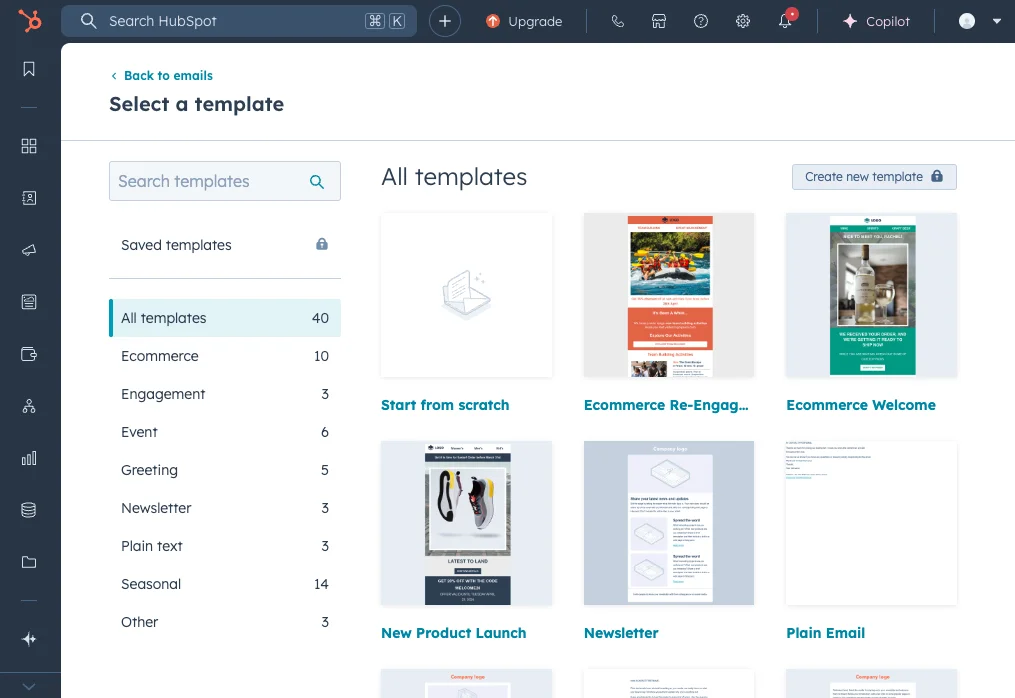
The quest for the ideal email marketing tool is not about identifying the platform with the most dazzling array of features; rather, it is about discovering the solution that perfectly aligns with your specific business, strategic goals, and budgetary parameters. Once these foundational elements are clearly defined, the selection process becomes considerably more manageable.
Begin by concentrating on the core essentials:
- Ease of use: Can your team quickly learn and operate the platform?
- Automation capabilities: Does it support the level of automated communication you need?
- Integration options: Will it connect with your existing software ecosystem?
- Pricing structure: Is it affordable now and scalable for future growth?
- Scalability: Can the platform accommodate your anticipated expansion?
Furthermore, it is crucial to consider your specific use case. Are you operating an online store, a non-profit organization, or a service-based enterprise? Different platforms excel in distinct scenarios, and aligning your choice with your operational model will mitigate future complications and maximize efficiency.
Integration functionality is also paramount. Your chosen email tool should interact seamlessly with your CRM, e-commerce setup, analytics dashboards, and any other critical applications you currently rely on. For businesses poised to delve into more advanced functionalities—such as sophisticated deliverability optimization, highly personalized content delivery, or robust compliance support—it is imperative to ensure the selected platform is architecturally designed to handle such depth and complexity.
To provide a comprehensive framework for your decision-making process, consider this final checklist:
- Core Features: Does it meet your fundamental needs for sending, managing, and automating emails?
- User Interface (UI): Is it intuitive and easy for your team to navigate and use daily?
- Automation Workflows: Can you build the specific customer journeys and sequences you envision?
- Segmentation: Are its audience segmentation capabilities granular enough for your targeting needs?
- Customization: Does it offer sufficient flexibility for email templates and landing pages?
- Integrations: Does it connect seamlessly with your CRM, e-commerce platform, and other essential tools?
- Analytics & Reporting: Does it provide clear, actionable data on campaign performance?
- Deliverability: What is the platform’s reputation for ensuring emails reach the inbox?
- Support & Resources: Is reliable customer support and comprehensive documentation readily available?
- Pricing Model: Is the cost transparent, predictable, and aligned with your budget and growth trajectory?
- Scalability: Can the platform grow with your business without becoming a bottleneck or financial burden?
- Security & Compliance: Does it adhere to data privacy regulations (e.g., GDPR, CCPA)?
- A/B Testing: Are there tools to optimize subject lines, content, and send times?
- Mobile Optimization: Are email templates inherently responsive across devices?
- Overall Value: Does the platform offer a strong return on investment for your specific business context?
The right email platform will do more than simply facilitate sending messages; it will empower you to forge genuine connections with your audience, drive meaningful engagement, and catalyze sustainable business growth. Therefore, allocate sufficient time for research, experiment with a few promising options, and ultimately select the platform that feels custom-tailored for your business’s unique aspirations.
Frequently Asked Questions About Choosing an Email Service
For those new to the realm of email marketing, or for seasoned professionals seeking to optimize their current setup, this FAQ addresses common inquiries regarding email marketing services, their features, pricing, integrations, and broader strategic implications.
What is an email marketing service, and how does it work?
An email marketing service (EMS), often referred to as an email service provider (ESP), is a specialized platform designed to assist businesses in sending various types of emails—from marketing campaigns to transactional messages—to their subscriber lists. These platforms typically offer a suite of core features, including intuitive drag-and-drop editors for email creation, robust automation workflows, customizable signup forms, sophisticated list segmentation tools, and detailed performance reports. This comprehensive functionality allows businesses to manage and execute email campaigns efficiently, even without dedicated design or development expertise. The underlying technology handles sending infrastructure, deliverability, and tracking, simplifying a complex process.
How many emails can I send per month?
The number of emails you can send per month is directly tied to your specific plan type. Some providers, particularly on higher-tier or business-level plans, offer unlimited email sends. Conversely, many platforms implement a set limit on monthly emails, or even daily email volumes, especially on free or entry-level plans. It is crucial to meticulously review the email send limits associated with each monthly plan, particularly if your business manages a substantial subscriber list or plans to dispatch frequent bulk email communications. Overages can lead to unexpected costs.
What are transactional emails, and do I need them?
Transactional emails are automated, system-triggered messages that are essential for facilitating customer interactions and providing critical information. Examples include order confirmations, password reset links, shipping notifications, and abandoned cart reminders. If you operate an e-commerce store, transactional emails are not merely beneficial; they are absolutely essential for customer service, operational efficiency, and even revenue recovery (e.g., through abandoned cart sequences). Many modern email marketing software solutions integrate these into their automation workflows or offer dedicated APIs for seamless connection with third-party e-commerce and CRM systems.
Are there affordable email marketing services for small businesses?
Absolutely. The market is replete with affordable email marketing tools, many of which provide generous "forever-free" plans or cost-effective basic plans. These entry-level offerings typically include essential features such as email sequences, core automation capabilities, and access to a library of pre-made email templates. Platforms like Mailjet, Brevo, or MailerLite are frequently cited as popular choices for budget-conscious users, enabling small businesses to establish a professional email presence without significant upfront investment.
What kind of advanced features should I look for?
If your business has progressed beyond the fundamental requirements of email marketing, prioritize tools that offer a more sophisticated feature set. These might include:
- Advanced Segmentation: The ability to segment audiences based on deep behavioral data, purchase history, or custom attributes.
- Dynamic Content: Personalizing email content blocks based on recipient data for hyper-relevance.
- CRM Integration: Seamless synchronization with customer relationship management systems for a unified customer view.
- A/B/n Testing: Testing multiple variations of emails (not just two) for optimal performance.
- Lead Scoring: Automatically ranking leads based on engagement and demographic data.
- Omnichannel Integration: Combining email with SMS, push notifications, or live chat for a holistic approach.
- Advanced Analytics: In-depth reporting on conversion funnels, revenue attribution, and customer lifetime value.
These advanced email marketing features are particularly valuable for e-commerce customers, content creators selling digital products, and businesses focused on sophisticated lead nurturing.
Do email marketing tools integrate with my existing tech stack?
The vast majority of popular email marketing platforms are designed with interoperability in mind, offering a broad spectrum of third-party integrations. These connections extend to widely used business tools such as Shopify (e-commerce), Salesforce (CRM), Google Analytics (web analytics), and Zapier (automation connector). When selecting a platform, look for "deep integrations" if your needs include intricate CRM syncing, direct ads integration, or comprehensive conversion funnel tracking, as these ensure seamless data flow and enhanced operational efficiency.
What are some good platforms for e-commerce email marketing?
For businesses running an online store, it is highly recommended to seek out tools purpose-built with e-commerce brands in mind. Omnisend, Drip, and Klaviyo are consistently highlighted as strong contenders in this niche. These platforms excel in providing commerce revenue attribution, sophisticated abandoned cart email sequences, product-based segmentation capabilities, and sales automation workflows that are specifically tailored to the unique demands of online retailers, helping to drive sales and customer retention.
How important is email deliverability?
Email deliverability is of paramount importance—it is the bedrock of effective email marketing. Poor deliverability rates mean that your carefully crafted emails are likely to end up in spam folders, or worse, fail to arrive in the recipient’s inbox altogether. This directly impacts engagement, conversions, and ROI. Therefore, when choosing a platform, prioritize those with a strong reputation for high deliverability, alongside offering deliverability tools (like SPF/DKIM authentication) and, for high-volume senders, options like dedicated IP addresses to maintain sender reputation and ensure consistent inbox placement.
Can I use email marketing software if I’m a content creator or blogger?
Unequivocally, yes. Many email marketing tools are exceptionally well-suited for bloggers, advanced content creators, and digital marketers.