Sagoh

The digital marketing landscape is currently undergoing a structural transformation as brands pivot from traditional affiliate models toward high-touch creator ecosystems. Impact.com, a long-standing leader in the partnership automation space, has historically dominated this sector by offering a comprehensive suite of tools designed to manage a diverse array of partners, from traditional publishers to strategic B2B alliances. However, as the creator economy matures, many organizations are discovering that the "all-in-one" approach may introduce unnecessary complexity for teams specifically focused on influencer-driven commerce. This shift has catalyzed a growing market for specialized alternatives tailored to the unique workflows of creator management, product seeding, and real-time revenue attribution.
The Strategic Shift: Why Brands are Evaluating Impact.com Alternatives
Impact.com established its market position as a robust partnership automation platform, catering primarily to the needs of affiliate managers and large-scale publishers. In August 2020, the company made a significant move to capture the burgeoning influencer market by acquiring ACTIVATE, an influencer marketing platform. While this acquisition integrated creator tools into the Impact ecosystem, the core architecture of the platform remains rooted in traditional partnership contracts and conversion tracking.
For many marketing teams, the daily operational reality of managing creators differs fundamentally from managing traditional affiliates. While affiliate marketing often involves long-term contracts with established websites, creator marketing is characterized by high-volume outreach, shipping physical products for "seeding," and a rigorous content approval process. When a brand’s partner revenue begins to shift heavily toward individual creators, the administrative overhead of a system built for large-scale publishers can become a bottleneck.
Industry analysts point to two primary drivers for this migration. First, the "creator-as-an-add-on" model often prioritizes tracking over the relationship-building phase of the campaign. Second, the setup complexity required for Impact’s multi-module system—which includes modules for Discovery, Contracting, Tracking, Engagement, Protection, and Optimization—can be prohibitive for lean teams managing a focused roster of creators through a single e-commerce storefront like Shopify.
The Economic Case for Creator-Centric Platforms
The financial incentive to optimize creator programs is backed by significant performance data. A comprehensive study conducted by Upfluence, analyzing 1.1 million affiliate-linked posts between June 2025 and April 2026, revealed that creator-driven content matched organic engagement rates across almost every follower tier. More importantly, the study found that creator affiliate content cost between 20% and 33% less than traditional paid social advertising.

Despite these advantages, the efficiency of these programs is often hampered by manual reporting. Marketing departments frequently report spending dozens of hours each month exporting data from disparate tools to calculate return on investment (ROI). Consequently, the demand for platforms that offer native e-commerce integrations and automated revenue attribution has surged.
Chronology of the Partnership Automation Market
To understand the current competitive landscape, one must look at the timeline of how these platforms evolved:
- 2010–2015: The "Network Era." Platforms like Awin and ShareASale dominated the market by providing brands access to vast networks of publishers.
- 2013–2018: The "SaaS Emergence." Platforms like Impact.com and Upfluence launched, offering brands the ability to manage their own partnerships directly rather than relying on a closed network.
- 2020: The "Creator Consolidation." Impact.com acquires ACTIVATE, signaling that the creator economy had become too large for traditional affiliate platforms to ignore.
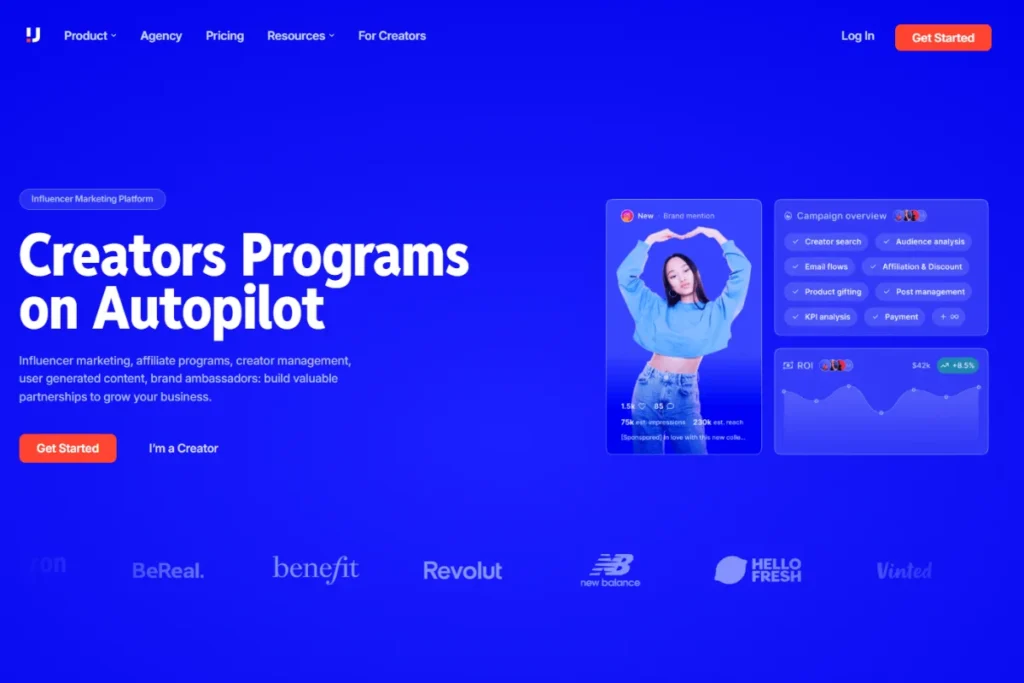
- 2023–Present: The "Integration Era." The market has split into enterprise-grade partnership suites (Impact.com, CreatorIQ) and e-commerce-native creator platforms (Upfluence, Grin, Aspire) that prioritize deep integration with the merchant’s tech stack.
Comparative Analysis of Leading Alternatives
As brands seek to replace or supplement Impact.com, the market offers several distinct paths based on the organization’s size, industry, and primary sales channel.
1. Upfluence: The E-commerce Integration Specialist
Upfluence is positioned as an end-to-end solution for brands where creators are the primary drivers of affiliate revenue. Unlike platforms that added creator tools later, Upfluence was built for this purpose from its inception in 2013. Its primary differentiator is its ability to turn a brand’s own customers into influencers through "Live Capture" tools and its use of AI agents to automate the tedious follow-up and content approval stages. It is particularly favored by mid-market e-commerce brands for its flat-fee model, which avoids taking a percentage of the creator’s sales.
2. Grin: The In-House Operations Powerhouse
Grin has become a staple for Shopify-centric Direct-to-Consumer (DTC) brands. Its philosophy centers on the idea that influencer marketing should be an in-house function rather than an outsourced one. By removing the "middleman" network, Grin allows brands to own the direct relationship with the creator while automating the logistics of product gifting and commission payouts.
3. Aspire: The Community and UGC Engine
Formerly known as AspireIQ, this platform excels in managing inbound applications and brand ambassador programs. It is designed for brands that already have an active community and need a system to manage user-generated content (UGC) at scale. Aspire’s strength lies in its marketplace and its ability to handle complex creative workflows.

4. Awin: The Global Affiliate Network
For organizations that value reach above all else, Awin remains the most direct alternative to Impact.com’s traditional affiliate features. As one of the world’s largest affiliate networks, Awin provides immediate access to a global base of publishers. It is the preferred choice for retail and travel brands that need to scale quickly across international borders.
5. CreatorIQ: The Enterprise Governance Suite
Large-scale enterprises with multiple sub-brands often require a level of governance and measurement that smaller platforms cannot provide. CreatorIQ offers advanced security, approval chains, and multi-region tracking, making it the logical successor for companies that have outgrown Impact’s partnership-first focus but still require enterprise-grade infrastructure.
Technical Considerations: Store Connections and Attribution
A critical factor in choosing an alternative is the "store connection." Industry experts suggest that any platform failing to offer native, bi-directional integration with Shopify, Amazon, WooCommerce, or BigCommerce should be disqualified. The goal is to ensure that sales data flows back into the marketing dashboard in real-time, allowing teams to rank partners by Average Order Value (AOV) and Customer Lifetime Value (LTV).
Furthermore, the method of attribution is evolving. While unique promo codes and affiliate links remain the standard, they often undercount total impact. Modern platforms are increasingly incorporating "mention tracking" and post-purchase surveys to capture "view-through" sales—instances where a consumer sees a creator’s post but later searches for the brand independently.
Compliance, Safety, and Global Regulations
As the creator economy expands, so does the regulatory scrutiny. Brand safety now encompasses two distinct risks: the behavioral history of the creator and the authenticity of their audience. High-end alternatives now include "fake follower" audits and historical content scanning to protect brand reputation.
On the legal front, transparency is no longer optional. The Federal Trade Commission (FTC) in the United States, the Competition and Markets Authority (CMA) in the UK, and the European Union’s various consumer protection directives all require clear disclosure of paid partnerships. Leading platforms have begun automating these disclosures, ensuring that every piece of content generated through the system meets local legal requirements.
Impact Analysis: The Future of Marketing Workflows
The migration away from generalist platforms like Impact.com toward specialized creator tools suggests a broader shift in corporate marketing structures. Marketing teams are moving away from being "contract administrators" and toward becoming "community managers."
The data indicates that when the administrative burden is reduced through automation, teams can manage 3x to 5x more creators without increasing headcount. This efficiency allows brands to move away from high-cost "mega-influencers" and toward a more sustainable model of "nano" and "micro-influencers." Analysis of 10.9 million profiles in 2026 showed that while mega-influencers (1M+ followers) have a median engagement of 0.8%, nano-influencers (under 10K followers) boast an engagement rate of 2.5%.
Conclusion: Matching the Tool to the Model
The decision to switch from Impact.com ultimately depends on the brand’s growth engine. For organizations managing a diverse portfolio of B2B partners, traditional publishers, and software resellers, Impact.com remains a formidable and capable choice. However, for the modern e-commerce brand where growth is increasingly synonymous with creator partnerships, the move toward specialized platforms is more than a trend—it is a strategic necessity. By prioritizing platforms that offer deep e-commerce integration, automated workflows, and transparent pricing, brands can transform their creator programs from a cost center into a predictable, scalable revenue driver.


 Laily UPN

 Jia Lissa