In an increasingly digitized global economy, establishing a robust online presence is paramount for businesses of all sizes, particularly for small and medium-sized enterprises (SMEs) and independent entrepreneurs. A fundamental challenge often faced by those venturing into the digital realm is discerning the optimal tools for their online representation: specifically, whether to deploy a comprehensive website, a targeted landing page, or a strategic combination of both. This common dilemma reflects a broader strategic question concerning digital asset deployment, goal-oriented communication, and resource allocation in competitive online environments. Understanding the distinct functionalities, advantages, and limitations of each is crucial for building an effective digital marketing strategy that drives engagement and conversions.
The Evolution of Digital Presence: A Brief Chronology
The journey of digital presence began in the early 1990s with rudimentary websites serving primarily as online brochures, offering static information about companies and their services. These early sites were often text-heavy, with limited interactivity, and their primary goal was simply to establish an online footprint. As internet penetration grew and web technologies advanced through the late 1990s and early 2000s, websites evolved into more dynamic platforms, incorporating multimedia, e-commerce capabilities, and basic interactive features. This era saw the rise of content management systems (CMS) like WordPress, democratizing website creation and allowing businesses to manage their own online content.
By the late 2000s and early 2010s, with the explosion of social media, mobile computing, and increasingly sophisticated digital advertising, the focus shifted from mere presence to performance. Marketers began to realize that while a comprehensive website was essential for brand building and information dissemination, a more specialized tool was needed for specific campaign objectives: thus, the landing page gained prominence. This chronological development underscores a continuous refinement in digital strategy, moving towards more targeted, measurable, and conversion-focused online interactions. Today, the landscape is characterized by integrated marketing stacks, where various digital tools work in concert to achieve diverse business objectives, often leveraging artificial intelligence and advanced analytics for optimization.
Defining the Digital Pillars: Websites and Landing Pages
At their core, both websites and landing pages are digital interfaces designed to engage users. However, their structural design, strategic intent, and user experience paradigms diverge significantly.
The Website: A Digital Ecosystem for Exploration and Brand Building
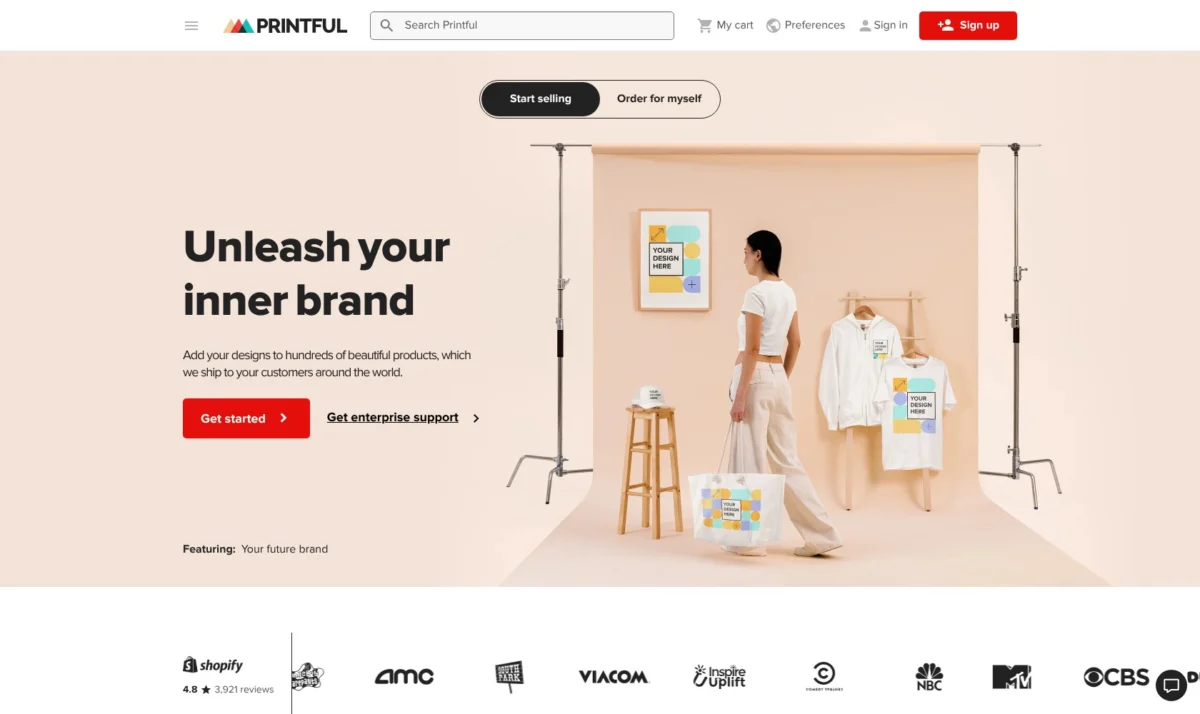
A website serves as the central hub of an organization’s digital identity, typically comprising multiple interconnected web pages accessible via a unified domain name. Its structure is designed for extensive exploration, offering visitors a comprehensive overview of a business, its offerings, ethos, and contact points. Key components often include:
- Homepage: The primary entry point, providing an overview and navigation.
- About Us/Company: Detailing the organization’s history, mission, values, and team.
- Services/Products: In-depth descriptions of offerings, often with dedicated sub-pages for each.
- Blog/Resources: A content library for thought leadership, industry insights, and SEO benefits.
- Contact Us: Essential information for direct communication.
- Portfolio/Case Studies: Showcasing past work and client successes.
- E-commerce (if applicable): For direct sales of products or services.
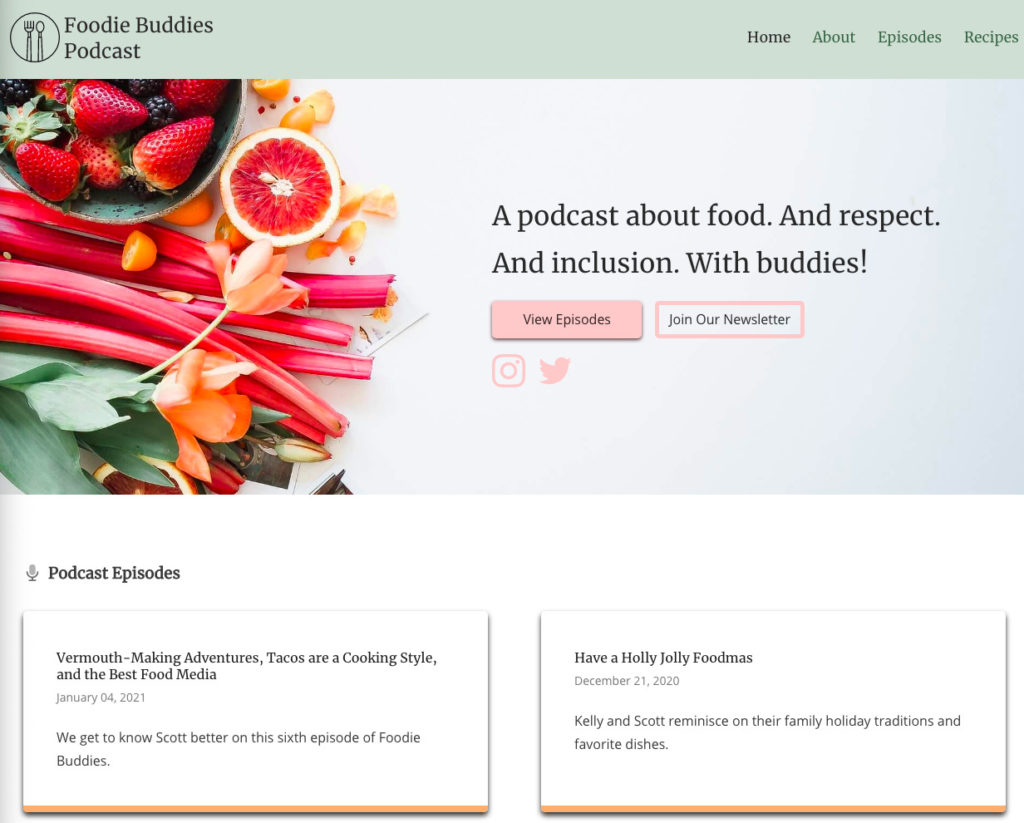
The overarching goal of a website is education, brand familiarity, and long-term engagement. It acts as a comprehensive repository of information, allowing visitors to browse at their leisure, find answers to diverse questions, and build trust over time. From a search engine optimization (SEO) perspective, a well-structured website with rich, regularly updated content is invaluable for establishing organic visibility and attracting passive search traffic. However, this completeness comes with inherent trade-offs: websites demand substantial initial investment in design and development, ongoing maintenance, content creation, and often, higher hosting costs. The complexity of multiple navigation paths can also dilute a specific call to action, leading to lower direct conversion rates compared to highly focused alternatives. For instance, a visitor to a podcast’s website, like the fictional "Foodie Buddies," can effortlessly navigate between episode listings, recipes, and information about the hosts, fostering a holistic understanding of the brand.
The Landing Page: A Precision Tool for Conversion
In stark contrast, a landing page is a standalone web page meticulously crafted with a singular objective and a highly focused call to action (CTA). It is intentionally designed with minimal or no external navigation, preventing visitors from straying and ensuring their attention remains on the intended action. When a user "lands" on this page, typically after clicking an advertisement, an email link, or a social media post, they are presented with specific content engineered to guide them towards one predetermined conversion goal.
Common objectives for landing pages include:
- Lead Generation: Capturing contact information through forms for newsletters, e-books, or webinars.
- Product Launches: Announcing and driving early adoption or pre-orders for new offerings.
- Event Registrations: Facilitating sign-ups for webinars, conferences, or workshops.
- Special Promotions: Highlighting limited-time offers or discounts.
- Sales Conversion: Directing users to purchase a specific product or service.
- Link Directories (Link-in-Bio): Consolidating multiple links for social media profiles.
Because every element on a landing page — from the headline and imagery to the copy and the CTA button — is aligned towards a single action, they typically achieve significantly higher conversion rates than general website pages. Industry data consistently shows that dedicated landing pages can convert at rates upwards of 10-15%, sometimes even higher for well-optimized campaigns, whereas general website pages (like homepages) often hover around 2-3%. The simplicity and directness of a landing page streamline the user journey, eliminating decision fatigue and maximizing the likelihood of conversion. The Foodie Buddies podcast, for example, might use a landing page as a "link directory" in their social media bio, offering followers a quick, focused way to access their latest episode, subscribe, or visit their merchandise store, all from a single, conversion-optimized page.
Comparative Analysis: A Strategic Duality
To fully appreciate the strategic utility of websites and landing pages, a side-by-side comparison of their core attributes is illuminating:
| Feature | Landing Page | Website |
|---|---|---|
| Number of Pages | One | Typically five or more |
| Navigation | None or highly minimal (e.g., social links) | Full menu facilitating exploration across multiple pages |
| Primary Goal | One specific, measurable action/conversion | Comprehensive information, brand building, exploration, long-term engagement |
| Calls to Action | Singular and prominent | Multiple, distributed across various pages and sections |
| Time to Launch | Minutes to hours (with templates) | Days to weeks, sometimes months (depending on complexity) |
| Cost Implication | Low; often included with marketing tools | Higher; encompassing design, development, hosting, and ongoing maintenance |
| Best For | Specific campaigns, lead generation, product launches, A/B testing, single-item sales, social media link-in-bio | Established businesses, extensive product/service catalogs, content marketing, long-term SEO, comprehensive brand presence |
| SEO Potential | Limited (focused on specific keywords/campaigns) | High (can rank for numerous keywords, build domain authority over time) |
| User Experience | Directed, streamlined, single-purpose | Exploratory, informative, multi-path |
The fundamental distinction lies in behavioral intent: a landing page compels a visitor towards a single action, while a website invites them to explore a broader narrative. This duality is not mutually exclusive; rather, it often forms the basis of a sophisticated digital strategy.
Strategic Deployment: When to Choose Which
The decision between a website and a landing page is not an "either/or" proposition but a "when and why" strategic choice, driven by specific business objectives, available resources, and the stage of business development.
Optimizing with Landing Pages:
Landing pages are indispensable for campaigns requiring sharp focus and measurable outcomes. They are the go-to solution for:
- Marketing Campaigns: Driving traffic from paid ads (Google Ads, social media ads) to a highly relevant page designed for conversion. Data from Statista indicates that global digital ad spending continues to rise, making efficient conversion mechanisms like landing pages crucial for maximizing ROI.
- Lead Magnet Distribution: Offering free resources (e-books, whitepapers, webinars) in exchange for contact information, effectively growing an email list.
- Product Launches: Creating buzz and capturing early interest or pre-orders for new products or services.
- A/B Testing: Rapidly testing different headlines, copy, images, and CTAs to optimize conversion rates without altering the main website.
- New Business Validation: Testing the viability of a new idea or offer before committing significant resources to a full website build. A simple landing page can gauge market interest efficiently.
- Social Media Bio Links: Providing a consolidated hub for followers to access various important links.
For startups, solo entrepreneurs, and creators with limited budgets, a landing page can serve as an immediate and effective online presence, enabling them to start collecting leads or selling a single product today, often leveraging built-in landing page functionalities within email marketing platforms.
Building Authority with Websites:
A website becomes essential when a business reaches a stage where a single page cannot adequately represent its depth and breadth. It is the ideal platform for:
- Established Businesses: Requiring a comprehensive online presence to showcase multiple product lines, extensive services, a content library, team profiles, and investor relations.
- Long-Term SEO Strategy: Building domain authority and ranking for a multitude of keywords through a robust blog, detailed service pages, and consistent content updates. According to HubSpot, businesses that blog regularly generate significantly more leads than those that don’t.
- Brand Storytelling: Communicating a rich brand narrative, values, and differentiating factors through various mediums and content formats.
- Customer Support and FAQs: Providing a dedicated space for customer queries, knowledge bases, and support resources.
- E-commerce Stores: Hosting an entire catalog of products, managing inventory, and facilitating complex purchasing processes.
Critically, even businesses with comprehensive websites should still employ landing pages for their specific marketing campaigns. Directing ad traffic or email promotions to a generic homepage, with its numerous navigation options and competing calls to action, invariably leads to lower conversion rates than sending them to a dedicated, conversion-optimized landing page. The homepage serves exploration; the landing page serves action.
The "Both/And" Approach: Synergy in Digital Strategy
The most effective digital strategies often integrate both websites and landing pages. A robust website acts as the foundational brand presence, the authoritative information hub, and the engine for organic search visibility. Landing pages then serve as agile, high-performance satellites, orbiting the main site, capturing specific campaign conversions, and feeding valuable data back into the overall marketing intelligence system.
For example, a company might use its main website to host its product catalog, "About Us" page, and blog for SEO. Concurrently, it would run targeted digital ad campaigns promoting a new product feature, directing users to a specific landing page designed solely to convert interest into sign-ups for a demo or a free trial. This symbiotic relationship ensures that both broad brand objectives and narrow conversion goals are met efficiently.
Can a Business Thrive Solely on Landing Pages?
For many creators, coaches, consultants, and solo entrepreneurs, the answer is a resounding yes, particularly in the initial stages. A business can operate entirely on a collection of strategically linked landing pages: one for email sign-ups, another for selling a digital product, and perhaps a third as a "link-in-bio" hub for social media. This model is particularly effective when coupled with a strong email marketing strategy. The landing page captures the initial subscriber or customer, and subsequent email sequences then handle the education, trust-building, and ongoing promotion that a website might typically provide. This approach allows businesses to launch quickly, validate ideas, and iterate with minimal overhead. Modern marketing automation platforms offer integrated solutions that include landing page builders, email marketing, and analytics, making this streamlined approach highly accessible.
Addressing Common Queries: Landing Page vs. Website FAQ
What is the fundamental difference between a landing page and a website?
A landing page is a single, standalone web page engineered for one specific action (e.g., lead capture, purchase), featuring minimal navigation. A website is a multi-page digital platform designed for broad exploration, comprehensive information sharing, and long-term brand building, characterized by extensive navigation menus.
How does a microsite compare to a landing page?
A microsite is a small, distinct cluster of web pages (typically 2-5) created for a particular campaign, product launch, or event, often with its own unique domain or subdomain, separate from the main corporate website. A landing page is even more focused, being a single page with a singular call to action. Microsites are chosen when a campaign requires more depth than a single page but less breadth than a full website.
Is a website always necessary if I have landing pages?
No, not always. For new businesses, solo ventures, or specific campaign-driven models, a business can effectively operate using a series of landing pages, especially when integrated with a robust email marketing strategy. Many businesses successfully start with landing pages and only build a full website once their content offerings, product lines, or brand complexity warrant it.
Is building a landing page more cost-effective than building a website?
Generally, yes. Developing a custom, multi-page website can entail significant costs for design, development, hosting, and ongoing maintenance, potentially running into thousands of dollars. Landing pages, by contrast, are often quicker to build and more affordable, frequently included as a feature within email marketing or website builder platforms, providing hosting and SSL certificates as part of a subscription.
Can a landing page effectively replace a traditional homepage?
For nascent or niche businesses focused on a singular offering, a highly optimized landing page can indeed serve as a more effective "homepage" than a traditional multi-page site. Its directness can lead to better initial conversion rates. However, as a business expands its offerings and requires a broader informational hub, a conventional homepage with clear navigation becomes more beneficial for guiding visitors through diverse content.
Conclusion: A Holistic Digital Strategy
The choice between a website and a landing page is not about identifying a superior tool, but rather about understanding their distinct strategic advantages and deploying them appropriately. The modern digital landscape demands flexibility, precision, and efficiency. A comprehensive website builds long-term brand equity and provides a foundational information hub, while agile landing pages deliver immediate, measurable conversions for specific campaigns. By strategically integrating both, businesses can create a powerful and cohesive digital presence that effectively engages audiences, drives conversions, and fosters sustainable growth in the competitive online arena. The key lies in aligning each digital asset with clear business objectives, ensuring every online interaction serves a defined purpose within the broader marketing ecosystem.


 Ammar Sabilarrohman
 Asro
Asro