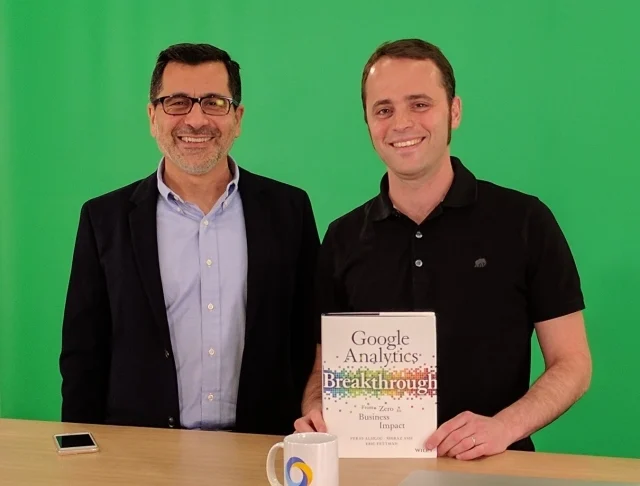
In an era defined by the rapid proliferation of digital touchpoints, the methodology behind data collection and interpretation has transitioned from a technical niche to a fundamental pillar of corporate strategy. Industry veterans Feras Alhlou, Co-Founder and former Principal Consultant at E-Nor, and Daniel Waisberg, a prominent figure in the search and analytics space, recently converged at the Google Analytics studio to dissect the complexities of the modern measurement landscape. Their discussion underscored a critical shift in the industry: the move away from viewing analytics as a mere reporting tool toward treating it as a holistic, integrated business process. As organizations grapple with an unprecedented volume of information from mobile, social, and backend systems, the insights shared by Alhlou provide a blueprint for navigating the "data-everywhere" reality through structured frameworks and strategic roadmaps.
The Foundation of Modern Analytics: A Business-Centric Approach
The core philosophy presented by Alhlou posits that analytics is not a standalone IT function but a cyclical business process. This perspective challenges the traditional "set-it-and-forget-it" mentality that many enterprises adopted during the early days of web tracking. According to the E-Nor optimization framework, the journey toward data maturity begins with a dual-layered audit. This phase involves a technical assessment of existing tracking implementations alongside a rigorous business audit. The latter is designed to engage stakeholders directly, ensuring that the metrics being tracked align with the overarching objectives of the organization.
Industry data supports this emphasis on alignment; reports from McKinsey & Company suggest that organizations that leverage customer behavioral insights outperform peers by 85% in sales growth and more than 25% in gross margin. By identifying "what matters most" before deploying code, businesses avoid the common pitfall of data silos and "vanity metrics" that offer no actionable value. Once the technical and strategic foundations are laid, the process moves into the reporting layer, where raw data is transformed into digestible formats. However, Alhlou emphasizes that reporting is merely a precursor to true analysis. The ultimate goal is to move beyond "what happened" to "why it happened" and "how to improve it," culminating in a phase of continuous testing and personalization.
A Chronology of Digital Measurement Evolution
To understand the current state of analytics, it is necessary to examine the timeline of its evolution. The industry has moved through several distinct phases over the last two decades:
- The Log File Era (Late 1990s): Measurement was largely restricted to server-side log files, providing basic counts of "hits" and "page views."
- The Rise of JavaScript Tagging (Early 2000s): The introduction of client-side tracking, popularized by tools like Urchin (the precursor to Google Analytics), allowed for better understanding of user behavior and session-based data.
- The Multi-Screen Revolution (2010–2015): As smartphones became ubiquitous, the industry shifted from tracking "visits" to tracking "users" across multiple devices. This period saw the introduction of Universal Analytics and the beginning of the "data everywhere" challenge mentioned by Alhlou.
- The Era of Integration and Privacy (2016–Present): Modern analytics now requires the integration of disparate data sources, including CRM systems, social media platforms, and offline transactions, all while navigating a complex regulatory environment (GDPR, CCPA) and the phasing out of third-party cookies.
Alhlou notes that "life used to be simple for marketers" when the consumer journey was linear and restricted to a single device. Today, the complexity of the "messy middle"—the space between awareness and purchase—requires a more sophisticated approach to context and attribution.
Navigating the "Data Everywhere" Landscape
The sheer volume of data generated by modern consumers presents both an opportunity and a significant hurdle. Alhlou identifies four key areas of focus for marketers trying to make sense of this landscape: mobile, social, web, and backend data. The integration of these sources is no longer optional. According to a 2023 survey by Gartner, nearly 70% of marketing leaders report that their biggest challenge is the inability to effectively link data across different channels to form a unified view of the customer.
To address this, Alhlou advocates for the development of a comprehensive data roadmap. This strategic document serves as a guide for organizational growth, preventing the haphazard adoption of tools without a clear purpose. The recommended progression begins with "owned" data—specifically web and mobile analytics. This provides a baseline of user behavior on properties controlled by the brand. The second phase involves augmenting these reports with social data, which adds a layer of qualitative sentiment and external engagement metrics.
By starting with foundational data and gradually layering in more complex sources, organizations can build a sustainable measurement infrastructure. This prevents "analysis paralysis," a condition where teams are overwhelmed by too much information and fail to make any meaningful decisions.
Bridging the Quantitative-Qualitative Gap: The Voice of the Customer
While quantitative data (the "what") is essential, Alhlou highlights the increasing importance of qualitative data (the "why"). One of the most significant advancements in this area is the democratization of market research through tools like Google Surveys. Historically, conducting large-scale market research was a cost-prohibitive endeavor reserved for Fortune 500 companies with massive budgets. The process often took months and involved complex logistics.
The introduction of agile survey platforms has shifted this dynamic. Organizations can now run targeted surveys on their own properties to capture the "voice of the customer" in real-time. This qualitative feedback is vital for understanding intent. For example, while analytics might show a high bounce rate on a checkout page, a survey can reveal that users are frustrated by a specific shipping cost or a technical glitch. Furthermore, these tools allow for broader market research and targeting, enabling brands to test concepts or brand awareness among specific demographics with speed and precision.
Broader Implications and Industry Analysis
The insights shared by Alhlou and Waisberg reflect a broader trend in the global economy: the professionalization of data strategy. As artificial intelligence and machine learning become more integrated into analytics platforms, the quality of the underlying data becomes even more critical. AI-driven insights are only as good as the data they are fed; therefore, the "audit" and "measurement strategy" phases of the E-Nor framework are more relevant than ever.
The move toward personalization, the final stage of the framework, represents the "holy grail" of digital marketing. However, achieving true personalization requires a level of data maturity that many organizations still struggle to reach. It requires not just the data itself, but the organizational agility to act on that data in real-time.
Furthermore, the conversation touches on the changing role of the analyst. The modern analyst is no longer just a "reporter" of numbers but a strategic consultant who bridges the gap between technical implementation and business outcomes. This shift is reflected in the success of publications like Google Analytics Breakthrough, co-authored by Alhlou, which emphasizes the need for a comprehensive understanding of the platform to drive business results.
Conclusion: The Future of Measurement
As the digital ecosystem continues to evolve, the principles of structured measurement, stakeholder engagement, and strategic roadmapping will remain constant. The transition from simple tracking to complex, multi-channel business intelligence is a journey that requires both technical expertise and a deep understanding of business goals.
The discussion between Alhlou and Waisberg serves as a reminder that despite the technological advancements and the overwhelming amount of data available, the core of successful analytics remains the same: measuring what matters most. For businesses looking to thrive in the coming years, the message is clear: stop looking at data as a byproduct of digital activity and start treating it as the engine of business growth. By following a structured framework—from audit to testing—and balancing quantitative metrics with the voice of the customer, organizations can turn the "data everywhere" challenge into a significant competitive advantage.
As the industry moves toward a more privacy-centric and AI-driven future, the foundations laid by early pioneers and the frameworks developed by firms like E-Nor will continue to provide the necessary structure for navigating the complexities of the digital world. The focus on actionable insights over raw data will distinguish the leaders of the next decade from those who are simply collecting information without a map.