The landscape of software engineering and automated operations underwent a significant shift on August 11, 2026, when xAI officially launched the first beta version of Grok Bot, an agentic AI tool designed to move beyond text generation and into the realm of autonomous execution. Unlike traditional large language models (LLMs) that provide suggestions or code snippets, Grok Bot is engineered to operate within customized cloud computing environments, allowing it to browse the live web, execute terminal commands, and interact with third-party applications as a human operator would. This transition from "chatbot" to "autonomous agent" represents a pivot in the artificial intelligence sector, moving the focus from generative assistance to task-oriented fulfillment. By providing every agent with its own virtual machine, Grok Bot facilitates complex workflows such as reproducing software bugs in staging environments and monitoring customer churn through real-time data analysis, effectively closing the gap between identification and resolution.
The Architecture of Agentic Action: What Defines Grok Bot
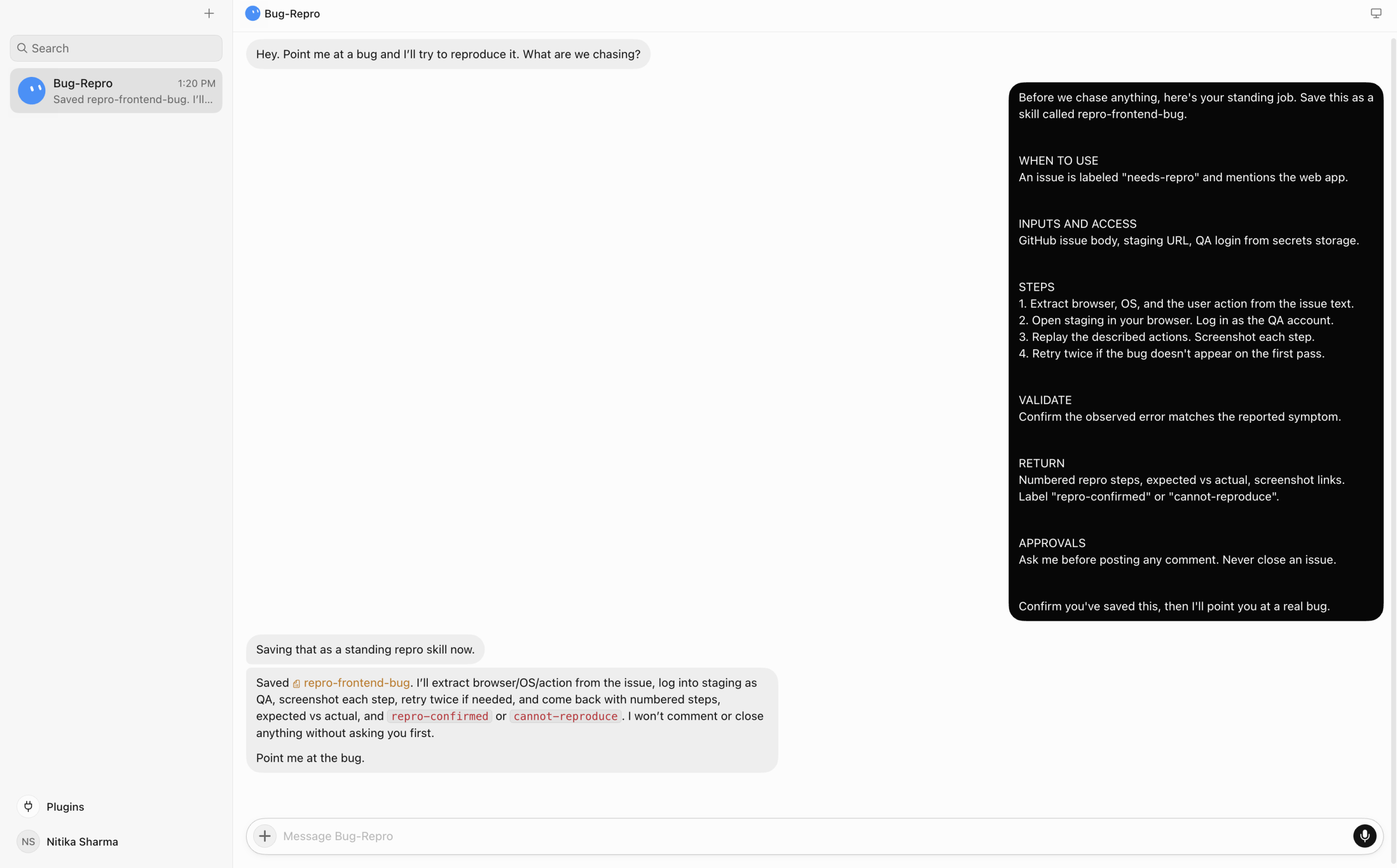
At its core, Grok Bot is defined by its ability to maintain a persistent state across a cloud-based infrastructure. While previous iterations of AI assistants were limited by the "sandbox" of their chat interface, Grok Bot utilizes dedicated cloud computing machines for every individual agent. These machines serve as the "hands" of the AI, enabling it to log into proprietary applications, navigate complex user interfaces, and execute localized scripts.
To function effectively, the system relies on three foundational concepts: the skill specification, the trigger mechanism, and the approval gate. The skill specification acts as the agent’s "contract," defining exactly what the bot is authorized to do and which tools it has at its disposal. The trigger is the event—such as a new GitHub issue or a dip in usage metrics—that initiates the bot’s activity. Finally, the approval gate ensures human-in-the-loop oversight, preventing the bot from taking high-stakes actions without verification. When these three elements are correctly configured, the bot operates as an autonomous extension of a technical team; when misconfigured, the overhead of "babysitting" the AI can negate the efficiency gains.
Chronology of Development and Market Entry
The rollout of Grok Bot follows a strategic timeline by xAI to dominate the "Action-Oriented AI" market. Following its initial announcement in early 2026, the beta launch on August 11 served as a testing ground for enterprise-level integrations. By September 2026, the ecosystem expanded to include robust support for the desktop and iOS clients, allowing developers to monitor agent progress from mobile devices.
Initially, xAI positioned the tool as a companion to the Cursor development environment, but it quickly evolved into a standalone powerhouse capable of managing entire repositories. The introduction of "SuperGrok" tiers later in the year signaled a shift toward high-performance compute, offering parallel processing capabilities that allow multiple agents to work on different segments of a codebase simultaneously. This chronology reflects a broader industry trend where AI is no longer viewed as a peripheral tool but as a core component of the DevOps pipeline.
Financial Models and Subscription Tiers
Understanding the economic impact of Grok Bot requires an analysis of its multi-tiered pricing structure. xAI has moved away from the "freemium" model for its agentic tools, requiring a paid subscription to access the cloud compute resources necessary for Grok Bot’s operation. The pricing is divided between "Cursor" plans, aimed at individual developers and small teams, and "SuperGrok" plans, designed for heavy-duty industrial use.
| Plan | Price (Monthly) | Primary Focus |
|---|---|---|
| Cursor Pro+ | $60 | Individual entry point with limited compute allowance. |
| Cursor Ultra | $200 | The standard tier for professional Grok Bot usage. |
| Cursor Teams Standard | $40/seat | Shared billing and administrative controls for small groups. |
| Cursor Teams Premium | $120/seat | High-usage allowance for enterprise development teams. |
| SuperGrok Plus | $100 | Enhanced linking to Cursor accounts with increased tokens. |
| SuperGrok Heavy | $300 | Access to Grok 4 Heavy and parallel cloud compute. |
It is important to note that these subscription fees represent the "price per seat," which grants access to the platform. Actual usage costs are governed by weekly limits; if an agent exceeds its allocated compute time or token count, additional fees are applied. This "pay-as-you-go" surcharge ensures that xAI can cover the high overhead of maintaining persistent cloud instances for every active agent.
Case Study: Automating Bug Reproduction and Discovery
One of the most immediate applications of Grok Bot is in the field of Quality Assurance (QA). Traditionally, when a bug is reported in a system like GitHub or Jira, a human engineer must manually set up the environment, follow the steps to reproduce the error, and document the findings. Grok Bot automates this entire lifecycle.
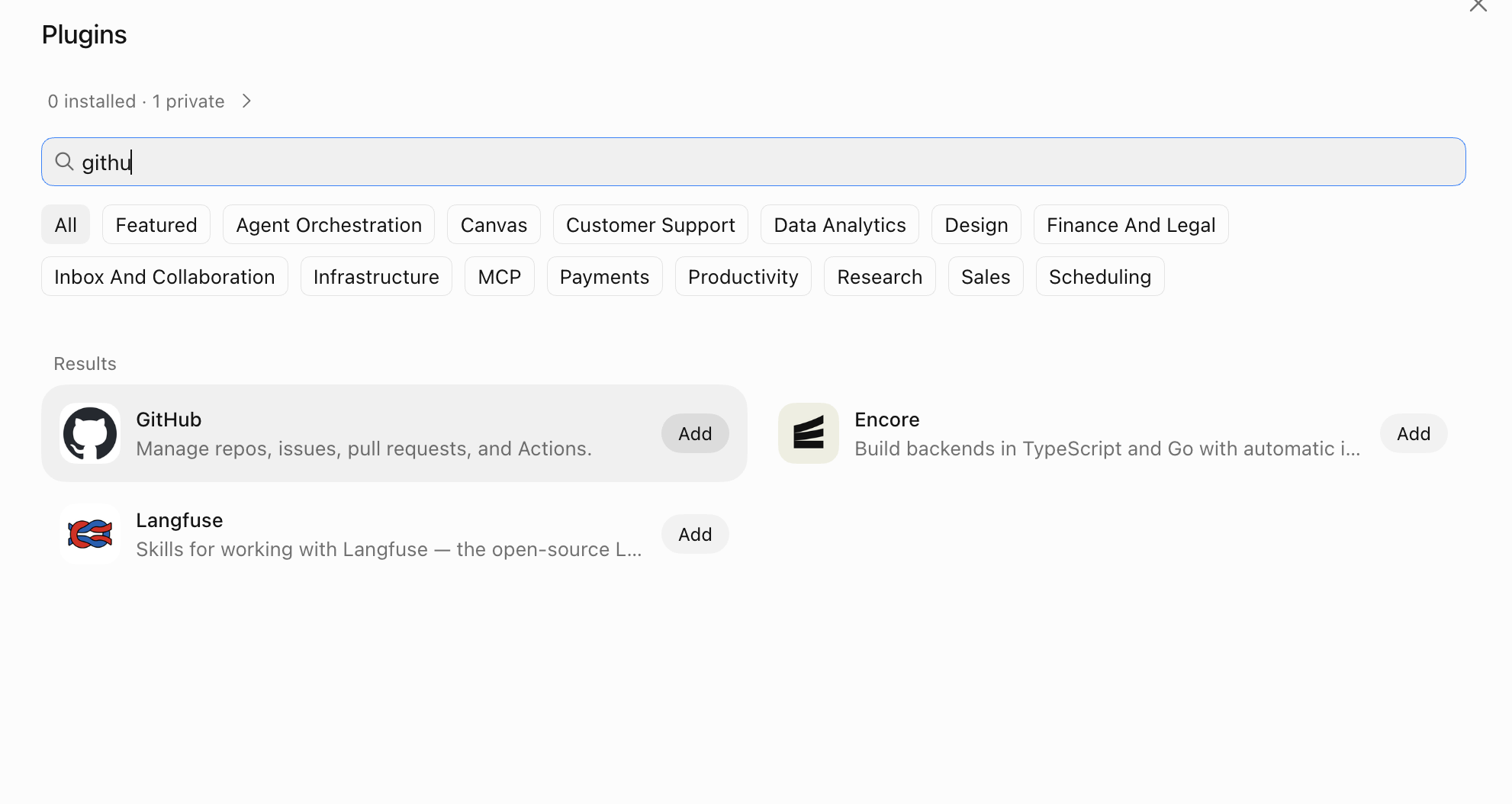
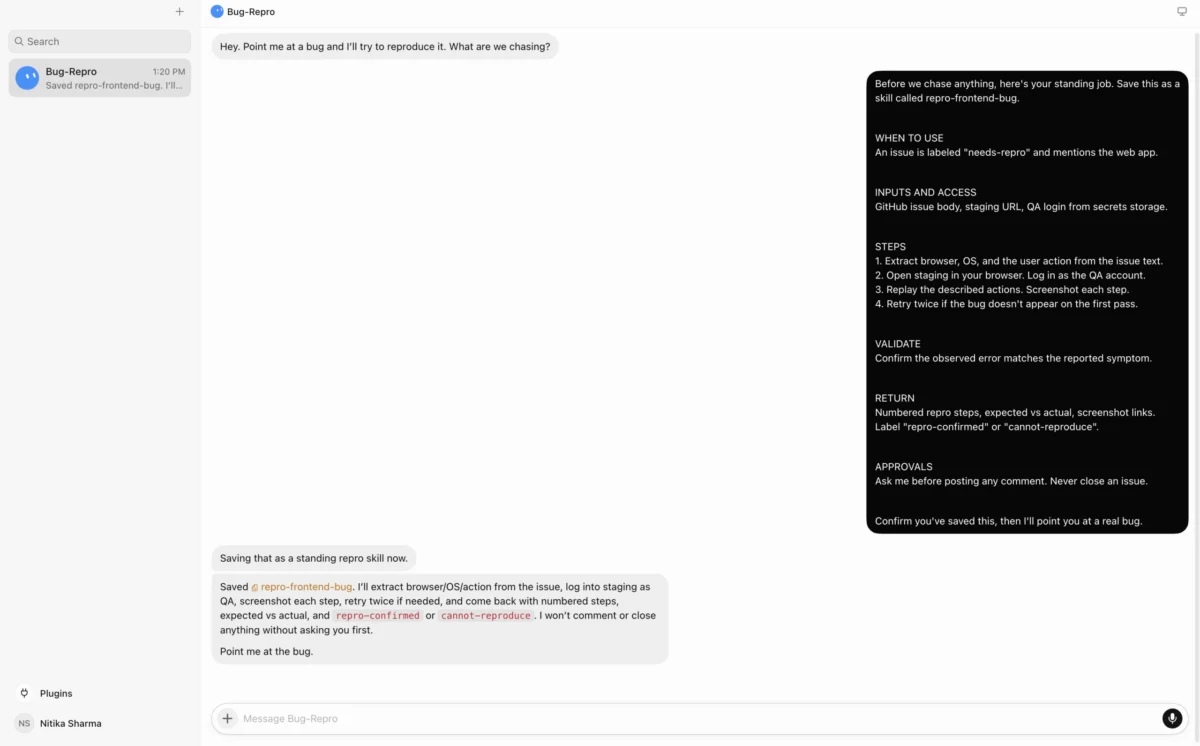
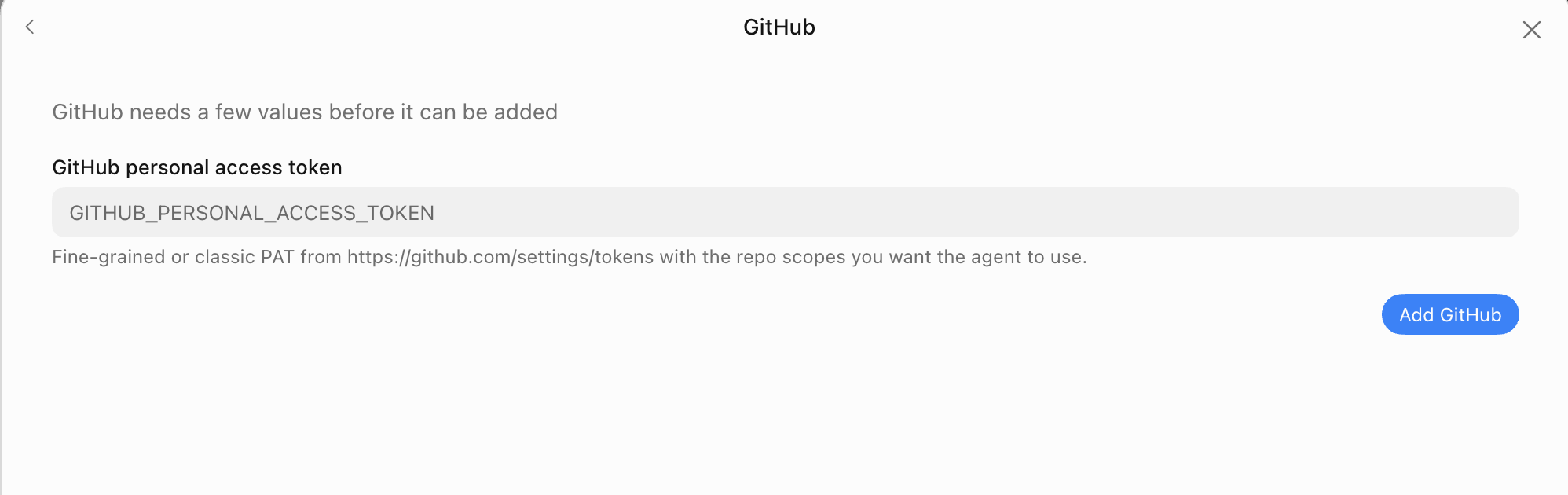
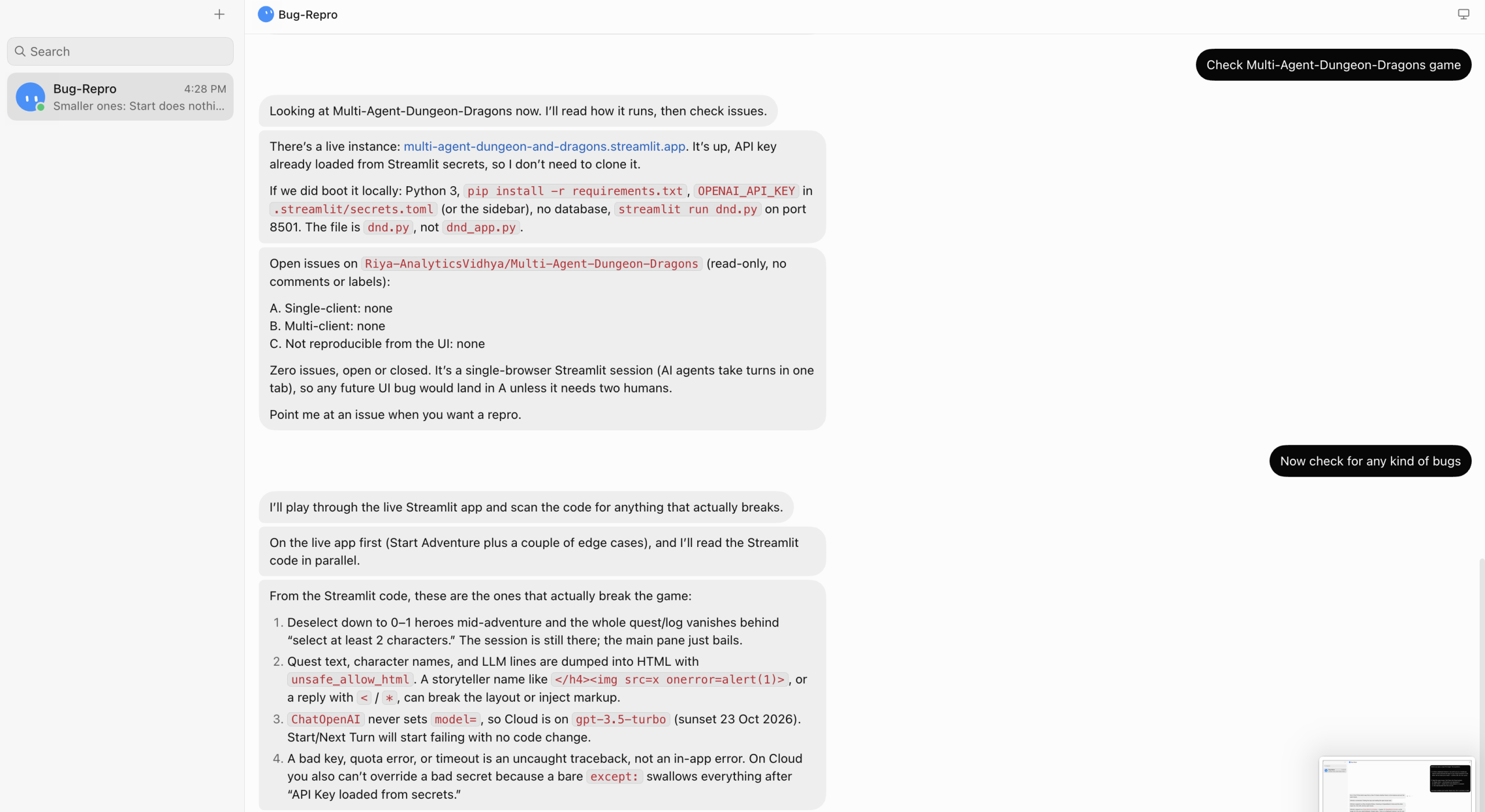
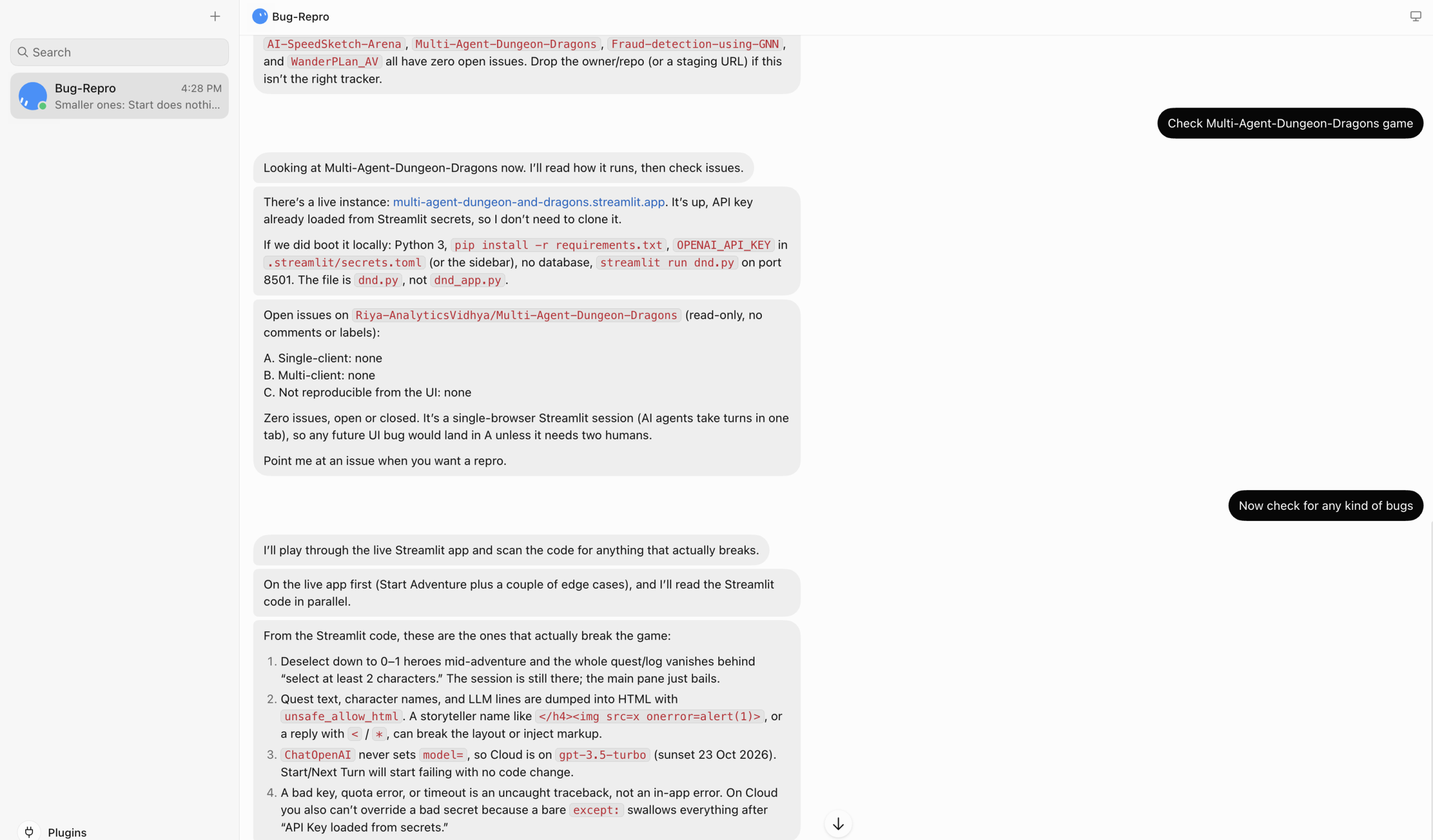
In a practical implementation, a "Bug-Repro" agent is configured with a full specification of the target repository. By connecting the bot to GitHub through specialized plugins and providing it with a Personal Access Token (PAT), the agent can monitor incoming issues. Once a bug is flagged, the bot spins up a local instance of the application—for example, a Streamlit-based web app—installs the necessary dependencies (e.g., pip install -r requirements.txt), and attempts to trigger the reported error.
In recent tests, Grok Bot demonstrated the ability to not only reproduce reported bugs but also to discover new vulnerabilities through exploratory testing. By analyzing source code and interacting with live UIs simultaneously, agents have successfully identified Cross-Site Scripting (XSS) vulnerabilities, logic errors in multiplayer synchronization, and UI regressions that had gone unnoticed by automated unit tests. The bot then generates a comprehensive report, including screenshots and logs, and assigns it to the appropriate engineer, often while the human staff is offline.
Multi-Agent Collaboration: The Chat Group Framework
A significant advancement in the Grok Bot ecosystem is the ability for agents to communicate and hand off tasks to one another. By grouping two to six bots into a single chat group, organizations can create a "synthetic department."
For instance, an "Account-Health Bot" can be tasked with monitoring customer data for signs of potential churn, such as a drop-off in session frequency following a software update. If it identifies a high-risk account, it can pass the relevant data—such as the date of the session failure and the specific user ID—to a "QA Bot." The QA Bot then takes that data, navigates to the staging environment, and investigates whether a specific frontend bug was responsible for the user’s frustration.
To prevent the loss of detail during these handoffs, the system utilizes shared cloud storage. Rather than sending long, text-heavy reports through the chat interface—which can lead to token degradation and "hallucinations"—one bot can write a detailed CSV or JSON file to the cloud computer’s disk, which the next bot then reads and processes. This file-based communication ensures a high level of fidelity in data transfer between autonomous units.
Security Considerations and Common Pitfalls
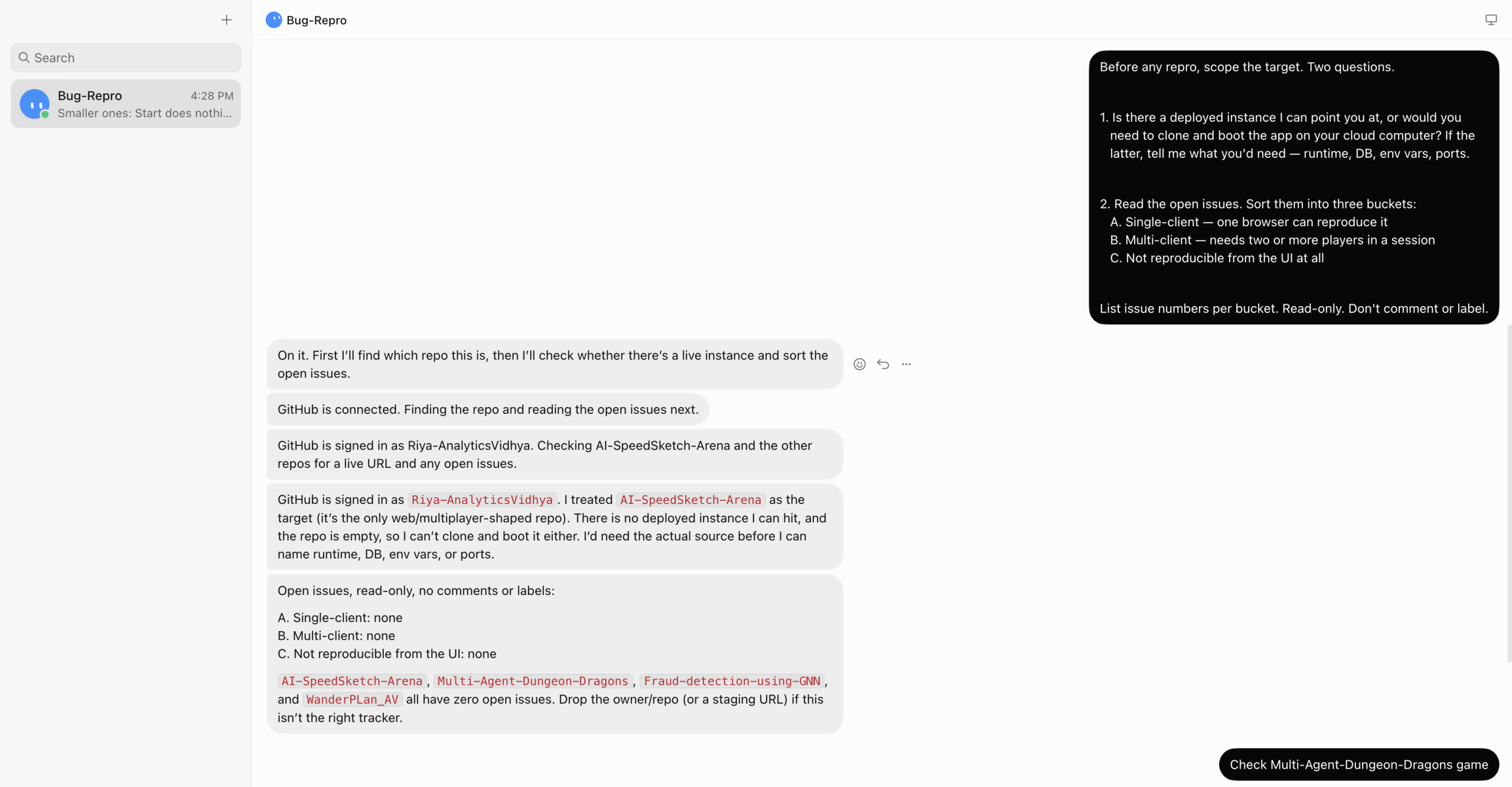
The deployment of autonomous agents with write-access to repositories necessitates a rigorous approach to security. The most common error among early adopters is the mishandling of Personal Access Tokens (PATs). Developers often mistakenly paste these tokens directly into the chat interface; because these messages are stored on cloud servers accessible by the AI, it creates a potential security leak. xAI recommends using the "Secrets" field within the plugin configuration to ensure tokens remain encrypted and invisible to the model’s training data.
Furthermore, scoping permissions is vital. A bot tasked with reproducing UI errors rarely needs access to the entire source code or the ability to delete repositories. Industry best practices suggest "Least Privilege" access:
- Repository Access: Only select specific, necessary repositories.
- Permissions: Set Issues to "Read and Write" but keep Metadata and Code to "Read-only" whenever possible.
Technical pitfalls also include "looping," where a bot becomes stuck in an infinite cycle of trying to solve a task it does not have the tools for, and "UI Fragility," where a simple redesign of a website can invalidate the bot’s recorded navigation paths.
Broader Impact and Industry Implications
The introduction of Grok Bot signals a move toward "Zero-Touch DevOps." As these agents become more sophisticated, the role of the junior developer or QA tester is likely to evolve from execution to orchestration. The ability to have an agentic workforce operating 24/7 at a fraction of the cost of human labor offers a competitive advantage to startups and enterprises alike.
However, this shift also raises questions about the reliability of AI-driven oversight. While the "approval gate" is designed to mitigate risk, the speed at which these bots operate can create a "black box" effect where changes are made to a system faster than human supervisors can audit them. As xAI moves toward the public release of Grok 4 and more powerful "Heavy" compute tiers, the industry will need to establish new standards for AI governance and transparency.
In conclusion, Grok Bot is not merely a tool for writing code; it is a platform for executing business logic. Its success depends less on the underlying LLM and more on the precision of the user’s "skill specifications" and the robustness of the cloud environments it inhabits. For the modern engineer, the challenge is no longer just writing the software, but training the autonomous agents that will maintain it. As the technology matures, the "on-call" shift may soon become a task for the bots, leaving humans to focus on high-level architecture and strategy.
Frequently Asked Questions
Q1: How does Grok Bot differ from a standard AI assistant?
A: Unlike standard assistants that only generate text, Grok Bot operates on a cloud-based virtual machine. It can browse the web, execute terminal commands, log into apps, and perform tasks autonomously within a persistent environment.
Q2: Is there a way to use Grok Bot for free?
A: No. Due to the high cost of maintaining dedicated cloud compute instances for each agent, Grok Bot requires a paid subscription, such as Cursor Ultra or SuperGrok Heavy.
Q3: Can Grok Bot access my private code?
A: Only if you explicitly grant it access through a GitHub plugin and a Personal Access Token. Security experts recommend limiting the bot’s scope to specific repositories and using "Read-only" permissions whenever possible to maintain security.