
 rifanmuazin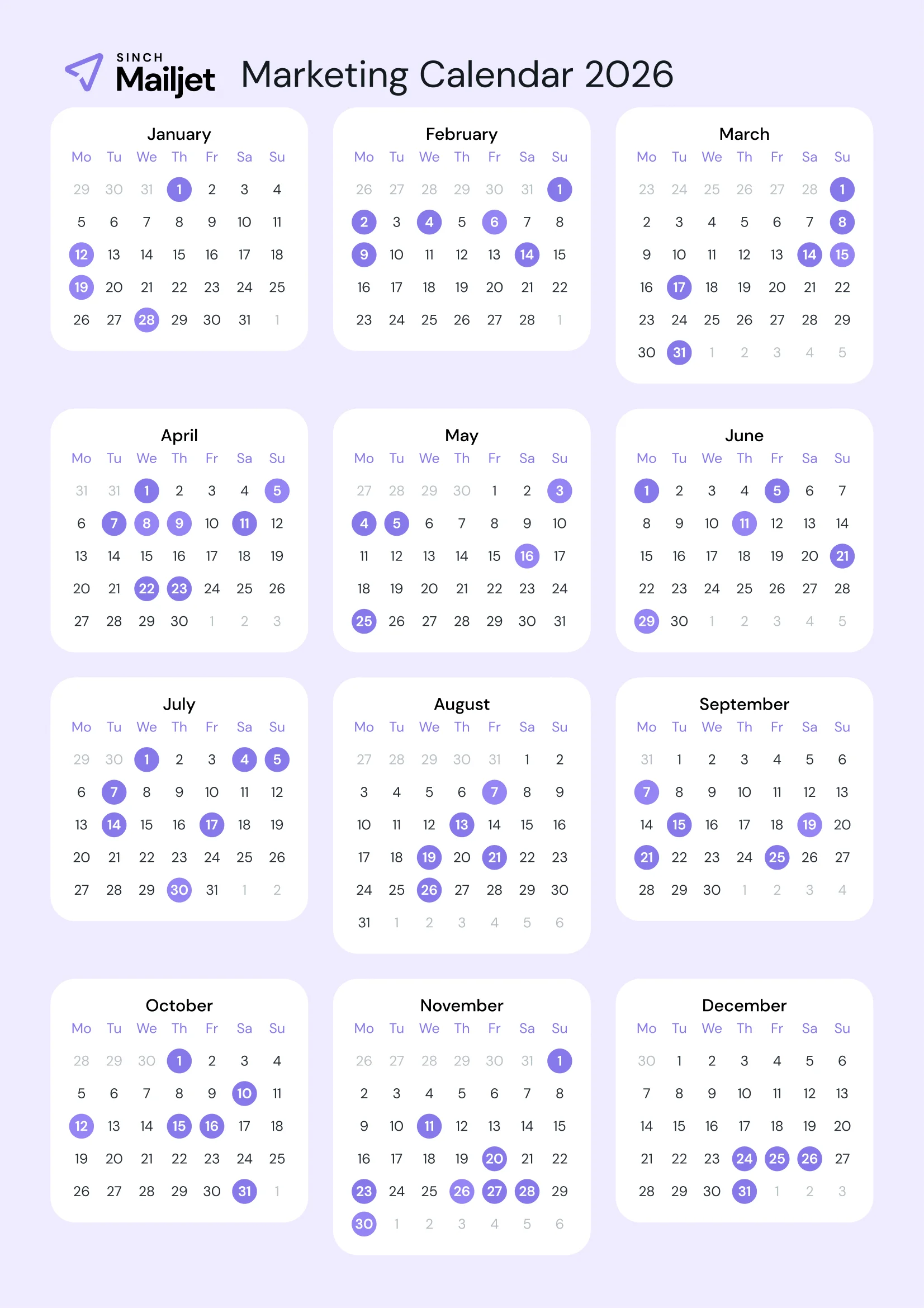
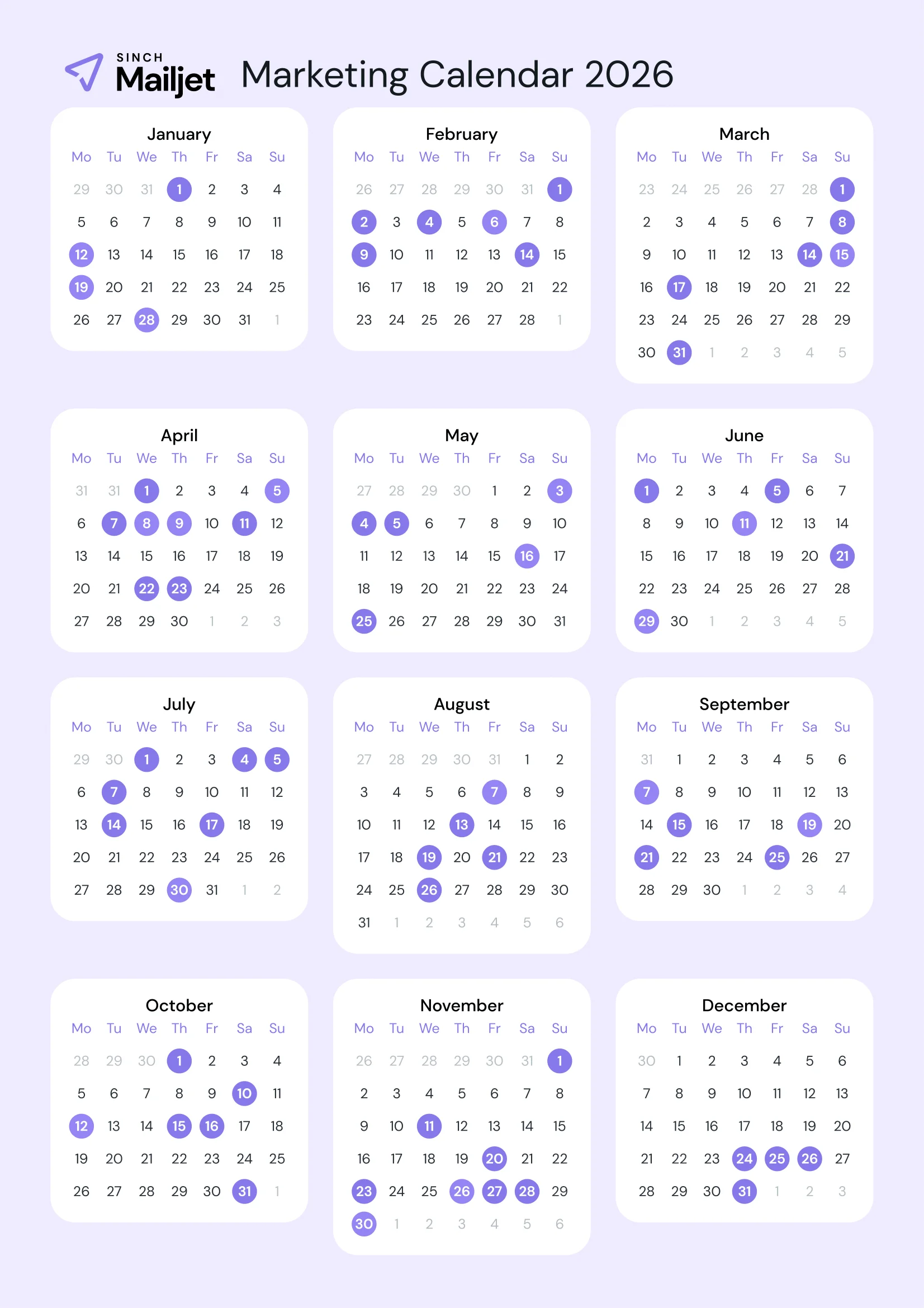
As the final weeks of 2025 draw to a close, marketers globally are already looking ahead, meticulously planning for the strategic opportunities and challenges that 2026 will undoubtedly present. The transition into a new year, particularly after what has been a period of significant market flux and evolving consumer behaviors, underscores the critical importance of a well-defined and agile marketing strategy. For those aiming to kickstart 2026 with impactful campaigns, the cornerstone of success lies in proactive planning, leveraging key dates and cultural moments to forge deeper connections with target audiences. This comprehensive guide, accompanied by a complimentary 2026 Marketing Calendar, is designed to empower brands to navigate the upcoming year with precision, ensuring every marketing effort resonates and delivers measurable results.
The Imperative of a Strategic Marketing Calendar for 2026
The notion that the implementation of a marketing strategy is the most arduous phase of the process is a common misconception. In reality, the true heavy lifting occurs long before any campaign goes live, in the meticulous stages of goal setting, audience identification, and strategic prioritization. A well-constructed marketing calendar is not merely a list of dates; it is a dynamic blueprint that facilitates foresight, minimizes potential pitfalls, and ensures that marketing initiatives are consistently aligned with overarching business objectives.
In an increasingly unpredictable global landscape, marked by rapid technological advancements and shifting consumer expectations, brands must demonstrate an unparalleled ability to adapt their communication strategies. This agility is only achievable through robust planning, enabling marketers to engage effectively with their target audience, optimize resource allocation, and maximize the return on their marketing investments. Industry analysts consistently highlight the efficiency gains from integrated planning, with studies frequently reporting higher conversion rates and improved customer loyalty for brands employing structured calendars.
Crafting a Robust Marketing Strategy and Marketing Plan
Before delving into the specific dates of 2026, a fundamental step involves introspective questioning to define the core tenets of your marketing approach. What are your primary business goals for the year? Who is your ideal customer, and what are their evolving needs and preferences? What unique value proposition does your brand offer? Answering these questions provides the foundational clarity required to build an effective strategy.

The 2026 calendar is replete with special dates, holidays, and significant cultural moments. Recognizing which of these align with your brand’s mission and target audience is paramount. The decision to center marketing activities around specific promotions—whether seasonal sales, product launches, or brand awareness campaigns—must be directly informed by your established strategic goals. Misaligned promotional efforts can swiftly undermine key performance indicators (KPIs), leading to wasted resources and missed opportunities.
Effective promotional planning, particularly for holiday or special day campaigns, should always follow a multi-stage approach:
- Pre-launch Anticipation: Building excitement and awareness through teaser campaigns, early bird offers, or content marketing that sets the stage for the upcoming event.
- Launch Phase: Executing the core campaign with compelling calls to action, clear messaging, and accessible offers.
- Sustained Engagement: Maintaining momentum through follow-up communications, extended offers, or complementary content that reinforces the campaign message.
- Post-campaign Analysis: Evaluating performance against KPIs, gathering customer feedback, and identifying lessons learned for future initiatives.
Optimizing Marketing Channels for Omnichannel Engagement
Once the strategic framework and promotional calendar are established, the next critical step involves selecting the most effective channels to disseminate your marketing messages. For promotions tied to specific dates, an omnichannel approach is increasingly recognized as the gold standard. This strategy, which seamlessly integrates various communication channels such as in-store experiences, online platforms, social media, SMS marketing, and email, allows for a holistic and consistent customer journey.
Omnichannel campaigns foster deeper engagement by reaching customers across their preferred touchpoints, offering a unified brand experience regardless of the channel. This integrated approach also presents numerous opportunities for upselling and cross-selling, as customer data can be leveraged across platforms to offer personalized recommendations. While a vast array of channels exists, the key is judicious selection, focusing on those that genuinely resonate with your target demographic and align with your brand’s voice. For instance, while TikTok might be ideal for Gen Z-focused brands, a B2B enterprise might find LinkedIn and email more effective.
Email marketing consistently stands out as a high-ROI channel, often generating between $35 and $40 for every dollar spent, according to various industry reports. Its enduring effectiveness stems from its capacity for deep personalization, sophisticated segmentation, and detailed performance analytics. Crucially, email messages remain in a contact’s inbox, providing a persistent touchpoint for promo codes, store information, or product details, unlike ephemeral social media posts.
Leveraging Technology for Calendar Organization and Execution
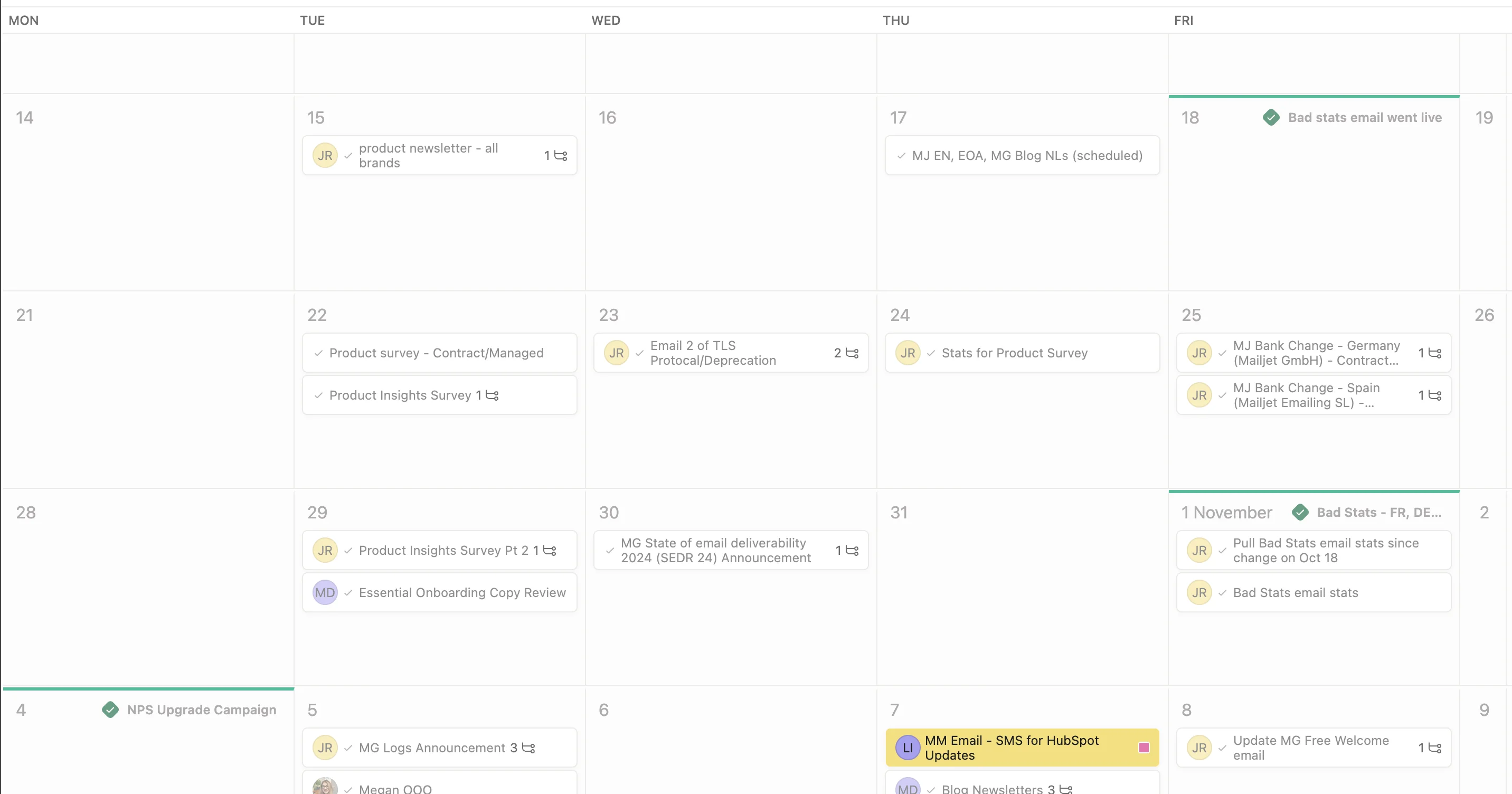
The complexity of modern marketing necessitates the adoption of robust organizational and project management tools. Relying solely on memory for a year’s worth of campaigns is neither practical nor efficient. Tools like Asana, Trello, Monday.com, and Jira enable marketing teams to streamline workflows, assign tasks, set deadlines, track progress, and foster seamless collaboration. These platforms provide a centralized hub for all campaign-related activities, ensuring that creative assets are developed on time, messaging is approved, and launches are coordinated flawlessly.
Furthermore, marketing automation platforms play a pivotal role in scheduling and executing email campaigns, social media posts, and other digital interactions precisely when they are most effective. By automating repetitive tasks, marketers can free up valuable time to focus on strategic thinking, content creation, and performance analysis. Customer Relationship Management (CRM) systems are also indispensable, allowing for granular audience segmentation and personalized outreach, ensuring that the right message reaches the right person at the right time.
Key Dates in the 2026 Marketing Calendar: A Month-by-Month Guide
A detailed exploration of 2026’s pivotal dates offers marketers a roadmap for crafting timely and impactful campaigns.
January: New Beginnings and Resolutions
January is synonymous with fresh starts, New Year’s resolutions, and the post-holiday transition. Marketers can capitalize on this by offering deals on products and services that support personal growth, wellness, financial planning, or skill development.
- January 1: New Year’s Day. A universal opportunity to send celebratory messages, thank customers for their loyalty, and introduce new products or initiatives for the year ahead. Campaigns can focus on aspirational themes.
- Early January: Winter Sales. Many European countries initiate significant winter sales, presenting a chance for retailers to clear inventory and attract budget-conscious consumers.
- Third Monday in January: Blue Monday. Often cited as the most depressing day of the year, this date presents an opportunity for brands to offer uplifting content, mood-boosting products, or special discounts to brighten customers’ spirits.
- Other Dates: Martin Luther King Jr. Day (US), Data Privacy Day (Jan 28).
February: Love, Sport, and Heritage
February is a month packed with high-engagement events, offering diverse marketing avenues.
- February 1: Black History Month (begins). A crucial period for brands to demonstrate commitment to diversity, equity, and inclusion. Campaigns should focus on education, celebrating Black voices, supporting Black-owned businesses, and showcasing internal initiatives.
- February 2: Groundhog Day. A lighthearted cultural moment for playful, weather-themed content.
- Mid-February: Super Bowl. A massive cultural and sporting event in the US. In 2025, consumers spent an estimated $18.6 billion on food, decorations, and team apparel, with an average spend of $91.58 per person. Marketers can engage with watch party themes, food and beverage promotions, or creative ad campaigns.
- February 14: Valentine’s Day. A significant retail holiday. In 2025, US gift-givers were projected to spend $27.8 billion. Campaigns can target couples, friends (Galentine’s Day), or self-care, and should consider an opt-out option for sensitive audiences.
- Other Dates: Mardi Gras/Shrove Tuesday (varies), President’s Day (US).
March: Empowerment, Culture, and Spring
March celebrates women’s achievements and marks significant religious and seasonal shifts.
- March 1: Women’s History Month (begins). An extended opportunity to highlight women’s contributions, promote gender equality, and feature female leaders within your organization.
- March 8: International Women’s Day. A focal point for campaigns advocating for women’s rights and empowerment.
- Early March (Varies): Ramadan (begins). A holy month for Muslims worldwide, representing a quarter of the global population. Marketing during Ramadan requires cultural sensitivity, focusing on community, reflection, and family. Campaigns often involve evening promotions or charitable initiatives.
- March 17: St. Patrick’s Day. A festive occasion for themed promotions, particularly for food, beverage, and travel industries.
- March 20: Spring Equinox. Marks the beginning of spring, inspiring themes of renewal, growth, and outdoor activities.
- March 31: International Transgender Day of Visibility. An important day for promoting awareness and celebrating transgender people and their contributions.
- Other Dates: World Wildlife Day (March 3), Daylight Saving Time begins (US/EU).
April: Renewal, Responsibility, and Lightheartedness
April brings Easter, environmental awareness, and playful traditions.
- April 1: April Fools’ Day. An opportunity for brands to showcase personality with lighthearted, humorous content, but always with caution to avoid misleading customers.
- Early April (Varies): Easter. A significant religious and cultural holiday, often involving family gatherings and gift-giving (especially chocolate). Marketers can run themed promotions, digital egg hunts, or spring-related campaigns. Be mindful of diverse interpretations of the holiday.
- April 22: Earth Day. A crucial date for promoting sustainability initiatives, eco-friendly products, and corporate social responsibility. Consumers are increasingly valuing brands with strong environmental commitments.
- Other Dates: National Pet Day (April 11), Tax Day (US, April 15).
May: Heroes, Mothers, and Melodies
May features pop culture celebrations, appreciation for mothers, and global musical events.
- May 1: May Day/International Workers’ Day. A day for acknowledging labor rights and workers’ contributions.
- May 4: Star Wars Day (“May the 4th be with you”). A major social media event for fan engagement, themed promotions, and merchandise.
- Second Sunday in May: Mother’s Day. A key retail event for expressing appreciation for mothers and mother figures. Campaigns should offer thoughtful gift guides but also provide an optional opt-out for subscribers who may find the day difficult.
- Mid-May: Eurovision Song Contest Final. A massive European cultural event with a highly engaged audience, offering opportunities for playful, internationally-themed marketing.
- Other Dates: Memorial Day (US), Mental Health Awareness Month (begins).
June: Pride, Fathers, and Summer Solstice
June marks the start of summer and important observances for diverse communities.
- June 1: Pride Month (begins). A critical period for brands to authentically support the LGBTQ+ community, advocate for equality, and showcase diverse representation. Superficial “rainbow washing” should be avoided in favor of genuine commitment.
- Third Sunday in June: Father’s Day. Similar to Mother’s Day, an opportunity for gift-focused campaigns, with careful consideration for opt-out options.
- Late June: Summer Solstice. The longest day of the year, signaling the peak of summer and outdoor activities.
- Late June/Early July: Wimbledon (begins). A prestigious tennis tournament offering sports marketing opportunities.
- Summer Slump Strategy: While many consumers focus on vacations, June can also be an opportune time to stand out from competitors. Adjust email marketing strategies to cater to summer interests, offer travel-related products, or run engagement campaigns that don’t rely on immediate purchases.
July: Independence, Sports, and Holidays
July is dominated by national celebrations and major sporting events, especially in the Northern Hemisphere.
- July 4: Independence Day (US). A significant national holiday for patriotic promotions, outdoor goods, and food and beverage brands.
- Early July: Wimbledon Final. The culmination of the tennis tournament, drawing significant viewership.
- July 14: Bastille Day (France). A national holiday with cultural significance, particularly for French brands or those with a European market.
- July 17: World Emoji Day. A fun, lighthearted day for engaging content and leveraging visual communication in marketing.
- Mid-July: FIFA Club World Cup Final. A major international football event, attracting global attention and offering sports marketing opportunities.
- Throughout July: Tour de France. A world-renowned cycling event with a dedicated global audience.
August: Summer Wind-Down and Re-engagement
August, traditionally a slower month, presents unique opportunities for re-engagement as vacations end.
- Mid-to-Late August: Back-to-School anticipation builds. Marketers can target parents and students with promotions for school supplies, electronics, and educational services.
- Re-engagement Strategy: As consumers return from holidays, this is an ideal time for targeted campaigns. Utilize email segmentation to identify contacts who have been less active during the summer and re-engage them with special offers or summaries of missed promotions. This can be done effectively by analyzing past behavior (e.g., unopened emails).
- Other Dates: International Youth Day (Aug 12).
September: Back-to-School, Autumnal Shifts, and Q4 Prep
September often feels like a “second January,” marked by new goals and the start of the academic year.
- Early September: Labor Day (US) / Back-to-School Season. A significant retail period. Beyond traditional school supplies, focus on office essentials, professional development courses, and autumnal fashion.
- September 22: Autumn Equinox. Marks the official start of autumn, inspiring campaigns with seasonal themes, comfort products, and cozy aesthetics.
- Q4 Preparation: September is critical for finalizing plans for the lucrative Q4 holiday season. Marketers should focus on re-engaging customers after the summer slump with incentives, sweepstakes, and exclusive offers. Don’t forget targeted campaigns for abandoned online carts.
- Other Dates: International Literacy Day (Sept 8).
October: Spooky Season and Holiday Season Kick-off
October is the “scariest” month but also the unofficial start of the year-end holiday marketing blitz.

- October 1: Breast Cancer Awareness Month (begins). An opportunity for brands to support a vital cause through awareness campaigns, fundraising, or pink-themed product promotions.
- Early October: Indigenous Peoples’ Day (US) / Thanksgiving (Canada). Culturally significant dates for respective regions.
- October 31: Halloween. A major consumer holiday for costumes, decorations, candy, and themed events. Marketers can leverage spooky themes, interactive content, and festive promotions.
- Q4 Strategy: October marks the beginning of Q4, the most critical period for many brands. This is the time to finalize holiday strategy, launch initial festive campaigns, and inject creativity into marketing efforts.
- Other Dates: World Mental Health Day (Oct 10).
November: Peak Retail and Gratitude
November is the powerhouse month for B2C sales, driven by major shopping events.
- November (Varies): Diwali. A significant Hindu festival of lights, offering opportunities for celebratory campaigns, particularly in markets with large Indian diasporas.
- Fourth Thursday in November: Thanksgiving (US). A time for gratitude, family, and the official start of the holiday shopping season. Campaigns can focus on thank-you messages and pre-Black Friday deals.
- Day after Thanksgiving: Black Friday. One of the biggest shopping days of the year, known for massive discounts.
- Saturday after Thanksgiving: Small Business Saturday. An important day for supporting local and independent businesses.
- Monday after Thanksgiving: Cyber Monday. The largest online shopping day, featuring digital-exclusive deals.
- November 29: Giving Tuesday. A global day of generosity, offering brands an opportunity to engage in charitable giving campaigns and promote social impact.
- Strategy: These dates should be prominently marked in red on every marketing calendar. Prepare special promotions, exclusive offers, and dedicated email and social media campaigns well in advance. Consider using updated Black Friday and Cyber Monday email templates for maximum impact.
December: Festive Celebrations and Year-End Reflections
December is the culmination of the year, filled with festive cheer, last-minute shopping, and year-end reflections.
- Early December: Hanukkah (Varies). The Jewish Festival of Lights, offering opportunities for culturally sensitive celebratory campaigns.
- December 24/25: Christmas Eve / Christmas Day. The peak of the holiday season, driving significant last-minute online shopping. Marketers can run final promotional pushes, offer gift guides, and create festive content.
- December 26: Kwanzaa (begins). An African-American celebration of family, community, and culture.
- December 31: New Year’s Eve. A celebratory end to the year, offering a chance for reflective content, thank-you messages, and promotions for upcoming 2027 initiatives.
- Beyond Sales: While December is crucial for sales, it’s also a prime time for brand building. Engage with customers through festive content, run holiday competitions on social media, or send personalized year-end messages to express gratitude. Creative campaigns, like a team singing carols in a Merry Christmas newsletter, can foster deeper connections.
Building Your Own Bespoke Marketing Calendar for 2026
Creating an effective marketing calendar extends beyond merely listing dates; it requires a strategic alignment with long-term business objectives, a deep understanding of your target audience, and careful consideration of product launches and seasonal trends. The process, while seemingly daunting, can be broken down into manageable steps:
- Define Your Core Business Objectives for 2026: What are your overarching goals? (e.g., increase sales by X%, expand into a new market, improve brand awareness, boost customer retention). Every campaign should contribute to these objectives.
- Identify and Segment Your Target Audience: Understand who you are trying to reach. Develop detailed customer personas, considering their demographics, psychographics, pain points, and preferred communication channels.
- Research Key Dates and Trends: Go beyond the major holidays. Consider industry-specific events, local festivals, cultural observances relevant to your audience, and emerging social media trends. Global holidays might be irrelevant if your market is local, and vice-versa.
- Brainstorm Campaign Ideas and Themes: For each relevant date, conceptualize creative angles, content types (blogs, videos, social posts, emails), and specific promotions. Think about how your brand’s unique voice can shine through.
- Allocate Resources and Set Budgets: Determine the financial, human, and technological resources required for each campaign. This includes content creation, advertising spend, and personnel.
- Schedule and Plan Content Production: Establish a detailed editorial calendar. Account for lead times for content creation, design, approvals, and platform scheduling. A typical email campaign might require weeks of preparation.
- Implement, Monitor, Analyze, and Adapt: Launch campaigns as scheduled, but continuously monitor their performance using analytics. Be prepared to A/B test elements, review KPIs, and adapt your strategy in real-time based on data insights. Agility is key to capitalizing on unexpected opportunities or mitigating unforeseen challenges.
Developing a robust marketing calendar for 2026 is an investment in strategic foresight. It allows brands to move from reactive responses to proactive engagement, ensuring that every message, every campaign, and every interaction is purposeful, timely, and aligned with a clear path to success. By embracing this structured approach, businesses can navigate the complexities of the modern market, foster stronger customer relationships, and achieve their growth ambitions in the year ahead.









