

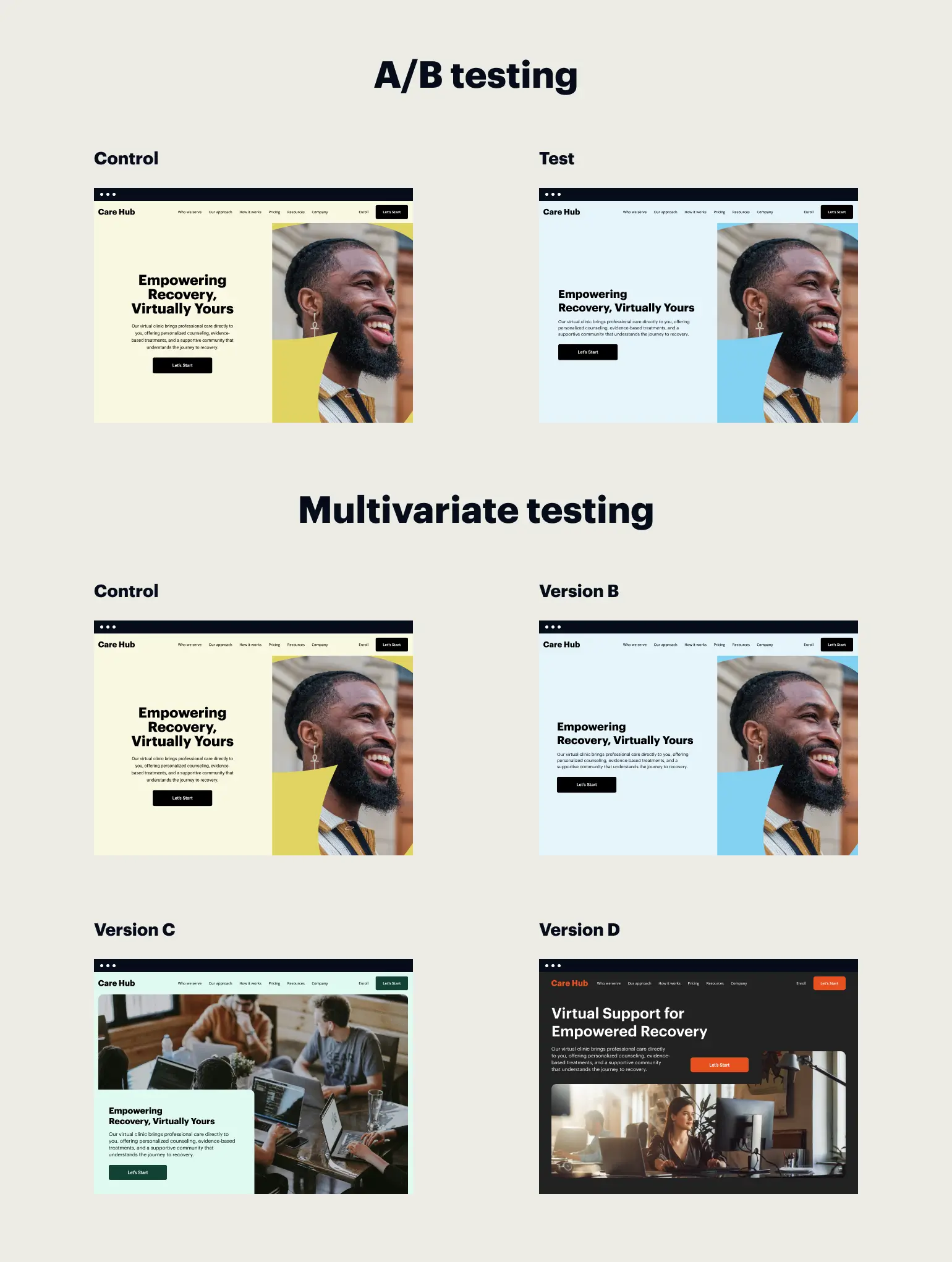
In the increasingly competitive landscape of digital commerce, the ability to discern precisely which elements of a marketing campaign resonate with users has become the cornerstone of sustainable growth. While intuition and creative vision remain essential, the modern marketer relies on rigorous experimentation to validate hypotheses and refine user experiences. Among the various methodologies available for web optimization, multivariate testing (MVT) has emerged as a sophisticated tool for those seeking to understand the complex interplay between multiple variables on a single webpage. Unlike traditional A/B testing, which focuses on isolated changes, multivariate testing offers a comprehensive view of how different elements—such as headlines, imagery, and call-to-action buttons—work in concert to drive user behavior and maximize conversion rates.

The Foundational Principles of Multivariate Testing
Multivariate testing is defined as a technique for testing a hypothesis where multiple variables are modified simultaneously to determine which combination of these variations performs best. The primary objective is to identify the specific interaction effects between elements. For instance, a specific headline might perform exceptionally well when paired with a blue "Sign Up" button but fail to convert when paired with a red one. MVT allows marketers to map these relationships with mathematical precision.
The elements typically subjected to MVT include headlines, subheadings, hero images, web forms, call-to-action (CTA) buttons, and the placement of links. By systematically modifying these components, organizations can move beyond the "one-element-at-a-time" limitation of split testing. The ultimate goal of this approach is conversion rate optimization (CRO), a discipline that has seen a significant surge in investment as customer acquisition costs (CAC) continue to rise across digital advertising platforms.
A Comparative Analysis: Multivariate vs. A/B Testing
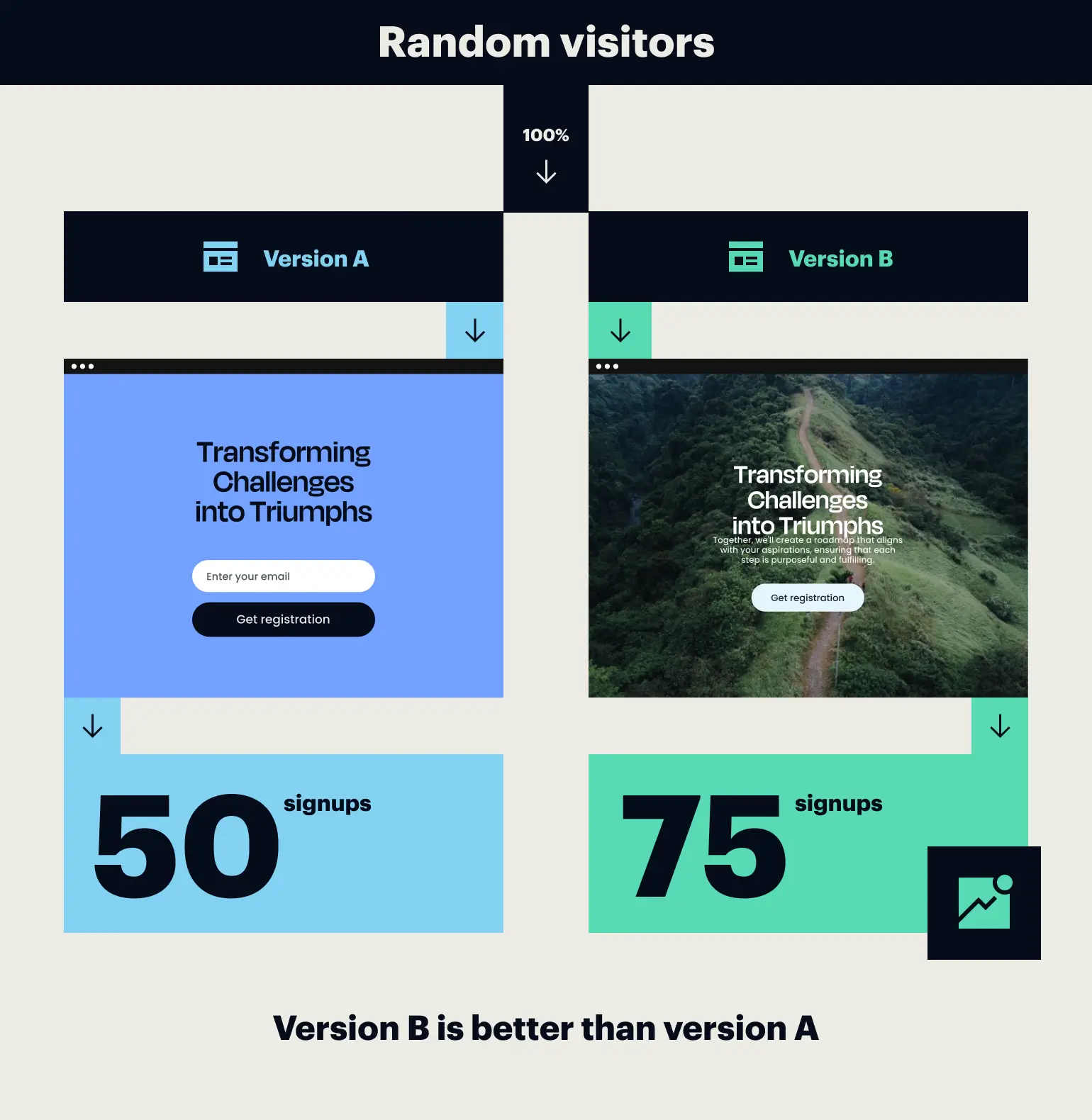
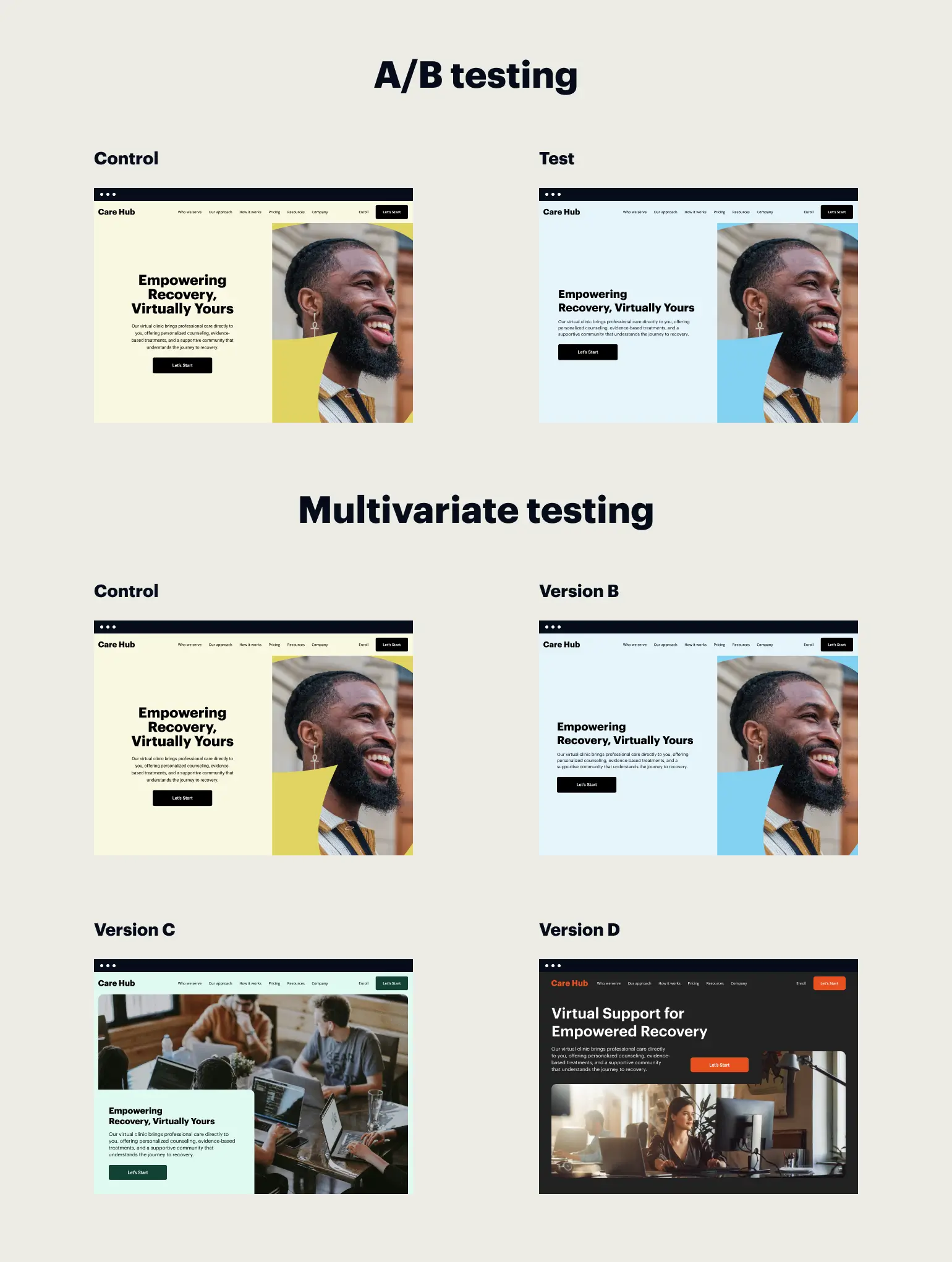
To understand the strategic value of MVT, one must first distinguish it from A/B testing, also known as split testing. A/B testing is the process of comparing two versions of a single variable to see which one performs better. It is a linear approach: Version A (the control) is tested against Version B (the variation). This method is highly effective for radical changes, such as testing two completely different landing page designs, or for marketers with limited web traffic.
Conversely, multivariate testing is an advanced level of experimentation. It empowers marketers to assess the effect of different combinations of elements within a single test. For example, if a travel agency wishes to optimize its booking page, an A/B test might compare a short form against a long form. A multivariate test, however, would simultaneously test three different headlines, two different background images, and two different button colors. This results in 12 unique combinations ($3 times 2 times 2$) that are served to different segments of the audience.
The trade-off between these two methods lies in complexity and requirements. A/B testing is faster to implement, requires less traffic to reach statistical significance, and provides clear, unambiguous results regarding a single change. Multivariate testing provides much deeper insights into user behavior and element interaction but requires significantly higher traffic volumes and more sophisticated analytical tools.
The Mathematical Framework: The MVT Formula
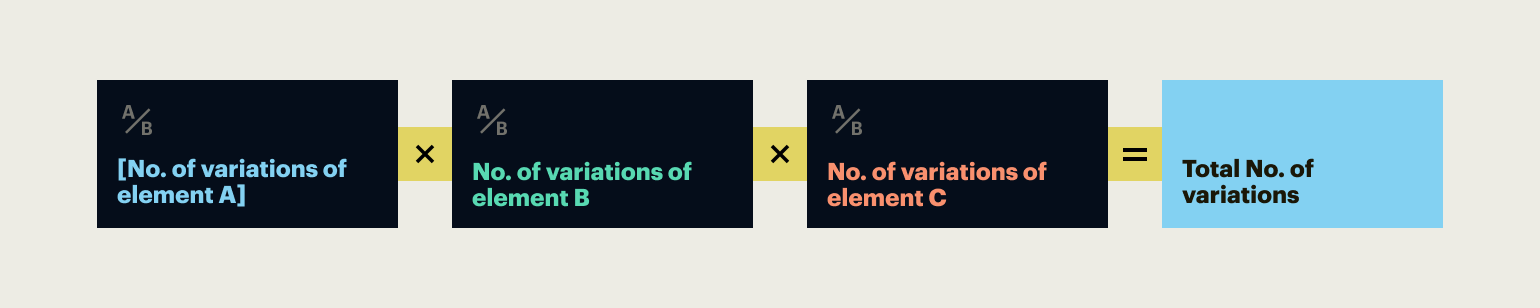
The number of variations generated in a multivariate test is determined by a simple multiplicative formula: the number of variations of element A multiplied by the number of variations of element B, and so on.

For example, if a marketing team decides to test:
- Three different headlines
- Two different hero images
- Two different CTA button colors
The formula would be $3 times 2 times 2 = 12$. In this scenario, the testing software must split the incoming traffic into 12 distinct groups, each seeing a different combination. This leads to the primary challenge of MVT: sample size. To achieve a statistically significant result, each of the 12 variations must receive enough traffic to ensure that the observed performance is not due to random chance.
Industry experts often suggest that while A/B testing can be conducted on pages with moderate traffic, MVT should be reserved for high-traffic pages, such as homepages or major product landing pages, where the volume of visitors can support the fragmentation of the audience into numerous sub-groups.
Methodologies of Implementation: Full Factorial vs. Fractional Factorial
There are several statistical approaches to conducting multivariate tests, each with its own merits:

- Full Factorial Testing: This is the most common and accurate method. It tests every possible combination of variables. Because every combination is served to users, the data collected allows for a complete analysis of how each element interacts with others.
- Fractional Factorial Testing: In cases where the number of combinations is too high for the available traffic, marketers may use fractional factorial testing. This method only tests a subset of the possible combinations. While it requires less traffic, it relies on mathematical assumptions to "fill in the gaps," which can lead to less precise data regarding specific interactions.
- Taguchi Method: Originally developed for manufacturing, this method is a type of fractional factorial test that aims to identify the most impactful variables with the least amount of testing. It is rarely used in modern digital marketing due to the availability of automated software that can handle more complex full factorial models.
Real-World Applications and Case Studies
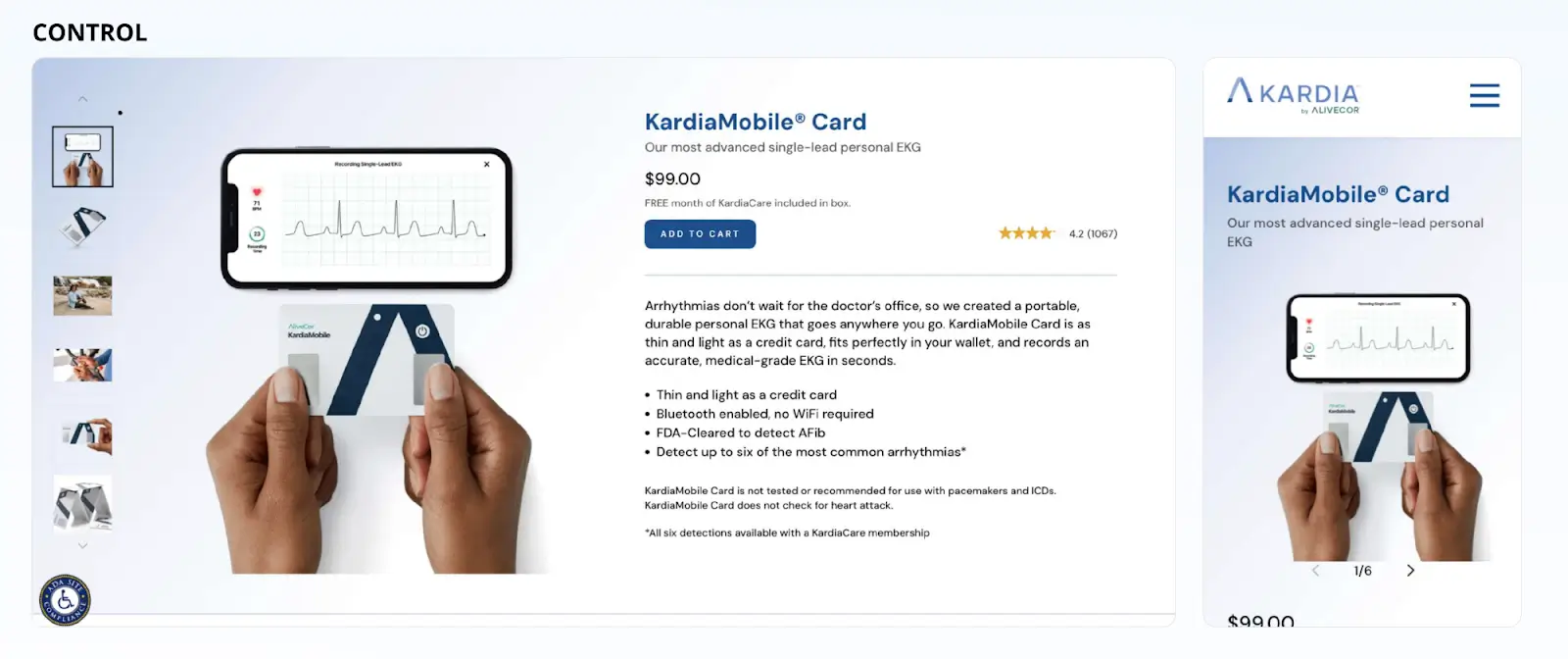
The efficacy of multivariate testing is best illustrated through its application in diverse industries. One notable example involves AliveCor, a medical device company. When launching their KardiaMobile Card, the company sought to increase visibility for the new product without cannibalizing sales from their existing lineup. By testing various "New" badges and product title placements across desktop and mobile interfaces, they discovered that specific combinations of highlighted elements led to a 25.17% increase in conversion rates and a 29.58% increase in revenue per user.
Another case study involves the customer support platform Groove. The company moved from a feature-heavy layout to a "copy-first" narrative on their landing pages. By testing multiple variations of headlines and narratives simultaneously, they were able to refine their messaging to focus on user benefits rather than technical specifications. This comprehensive overhaul of page elements resulted in an increase in conversion rates from 2.3% to 4.3%, nearly doubling their lead generation efficiency.

Strategic Benefits and Potential Drawbacks
The benefits of MVT extend beyond simple conversion lifts. It provides a "comprehensive" insight into user behavior, allowing designers to understand the subtle psychological triggers that influence a purchase or sign-up. It also reduces the need for sequential A/B tests, which can take months to complete if a marketer wants to test five different elements.
However, the drawbacks are significant. The "amount of traffic required" is the most common barrier to entry. If a website receives 10,000 visitors a month, splitting them into 12 or 16 variations will result in groups too small to yield reliable data within a reasonable timeframe. Furthermore, MVT is "resource-intensive," requiring more creative assets (multiple headlines, images, etc.) and more rigorous oversight to ensure that the test is configured correctly.
The Role of Technology and Automation
As the demand for data-driven decision-making grows, platforms like Instapage have developed tools to democratize access to these testing methodologies. While MVT remains a powerful tool for high-traffic scenarios, A/B testing continues to be the workhorse for most optimization efforts. Advanced platforms now allow marketers to create experiments, define hypotheses, and set traffic splits with minimal technical overhead.
The integration of artificial intelligence (AI) is also beginning to transform this space. AI-driven testing tools can now automatically shift traffic toward winning variations in real-time—a method known as "multi-armed bandit testing." This minimizes the "regret" or lost revenue associated with sending traffic to underperforming variations during the testing phase.

Conclusion: Navigating the Future of Web Optimization
Multivariate testing represents the pinnacle of web experimentation, offering a level of granularity that A/B testing cannot match. By understanding how elements interact, businesses can create highly tuned user experiences that maximize the value of every visitor. However, the choice between MVT and A/B testing must be dictated by the specific goals of the campaign and, crucially, the volume of available data.
As digital landscapes become more complex and user expectations continue to evolve, the organizations that thrive will be those that treat their websites not as static brochures, but as living laboratories. Whether through the surgical precision of an A/B test or the holistic analysis of a multivariate experiment, the commitment to continuous improvement remains the only guaranteed path to conversion excellence. In the words of many industry veterans, "never stop testing," for the moment a brand stops experimenting is the moment it begins to lose its competitive edge.







