Suro Senen
The global Software-as-a-Service (SaaS) and mobile subscription markets have reached a critical inflection point where customer acquisition costs (CAC) continue to climb, forcing firms to look inward at monetization as their primary lever for growth. However, a significant majority of these organizations are approaching pricing experimentation in a counter-intuitive order, often prioritizing superficial price-point tweaks over foundational structural changes. This diagnostic failure frequently leads to "flat" A/B test results, where product teams erroneously conclude that pricing is not a growth driver, when in fact, the underlying framework of their offering is fundamentally misaligned with customer value.
Industry experts and growth strategists are now advocating for a "bottom-up" approach to pricing, formalized in a four-layer mental model known as the Pricing Pyramid. By addressing the value metric, packaging, and willingness-to-pay research before engaging in tactical paywall optimization, companies can ensure that their monetization strategy scales sustainably. This shift in methodology comes at a time when churn management has become the top priority for subscription-based businesses facing a more price-sensitive and saturated digital economy.

The Foundation: Establishing the Value Metric
At the base of the Pricing Pyramid lies the value metric—the specific unit of consumption or utility that determines how much a customer pays. For many SaaS companies, the default value metric has historically been the "per-user" or "per-seat" model. However, as automation and artificial intelligence (AI) reduce the necessity for large human teams to operate software, the per-seat model is increasingly viewed as an outdated vestige of the legacy software era.
The core challenge for modern apps is ensuring that the value metric grows in lockstep with the success the customer achieves using the product. If a value metric is poorly chosen, it can inadvertently punish users for high engagement. For example, a marketing automation tool that charges strictly by the number of emails sent may discourage a user from running more campaigns, even if those campaigns would have generated more revenue for the user. This creates a "success tax" that drives qualitative frustration and eventual churn.
Data suggests that companies using value-based metrics—such as revenue processed, active records managed, or compute power utilized—experience significantly higher Net Revenue Retention (NRR) compared to those relying on static seat-based pricing. When a company aligns its billing with the customer’s "aha moment," the pricing becomes self-scaling. Testing at this level involves a fundamental re-evaluation of the business model. Questions must be asked: Should a fitness app charge per workout, or for access to a library? Should a B2B tool charge for the number of projects, or the number of collaborators? Addressing these foundational questions prevents the need for repetitive, low-impact price testing later in the product lifecycle.

Structural Integrity: The Role of Packaging
Once a value metric is established, the second layer of the pyramid focuses on packaging: how features and limits are grouped into distinct tiers. The primary enemy at this stage is cognitive load. SaaS companies often fall into the trap of "feature bloat," where they offer an overwhelming array of plans and add-ons in an attempt to cater to every possible persona.
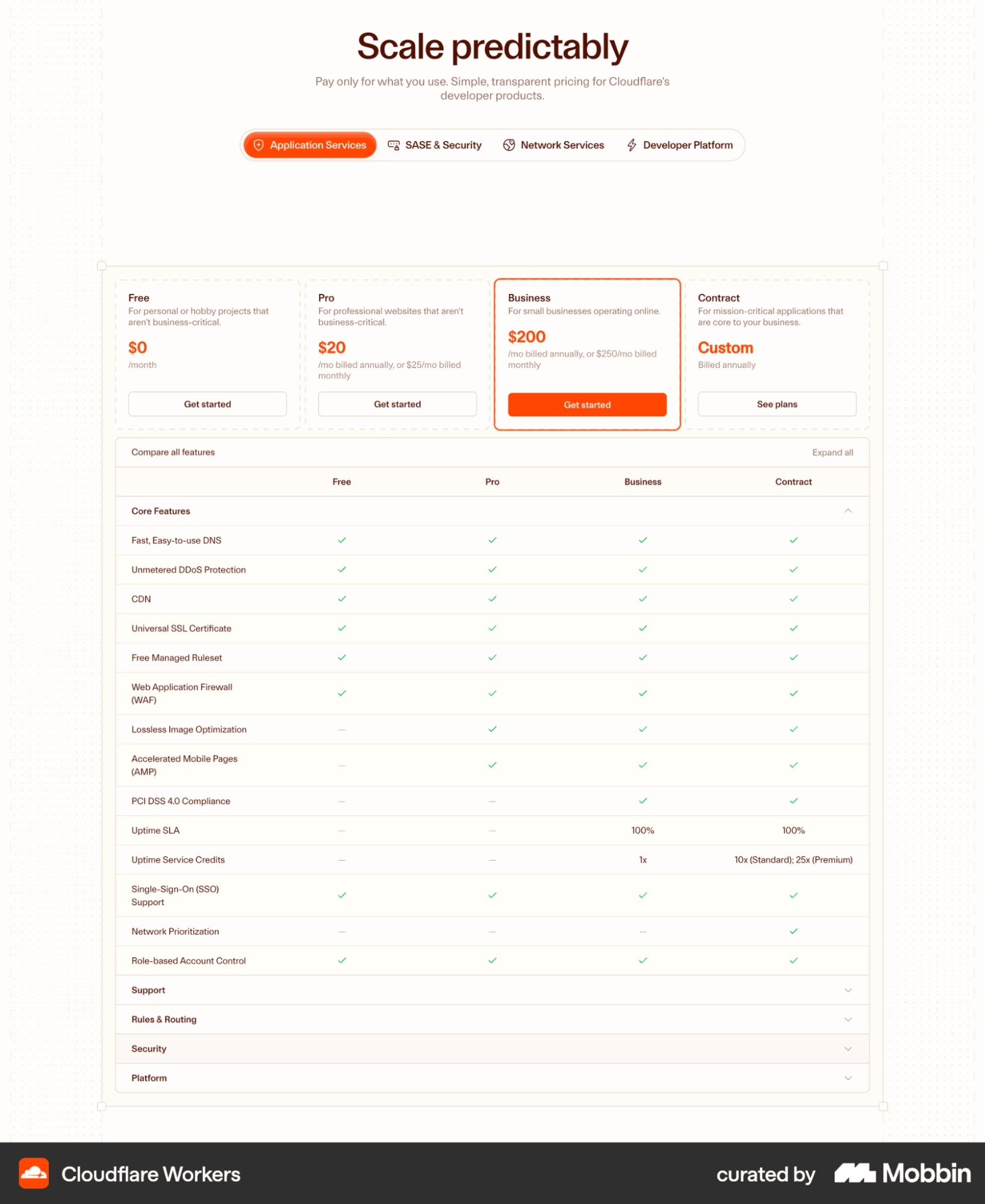
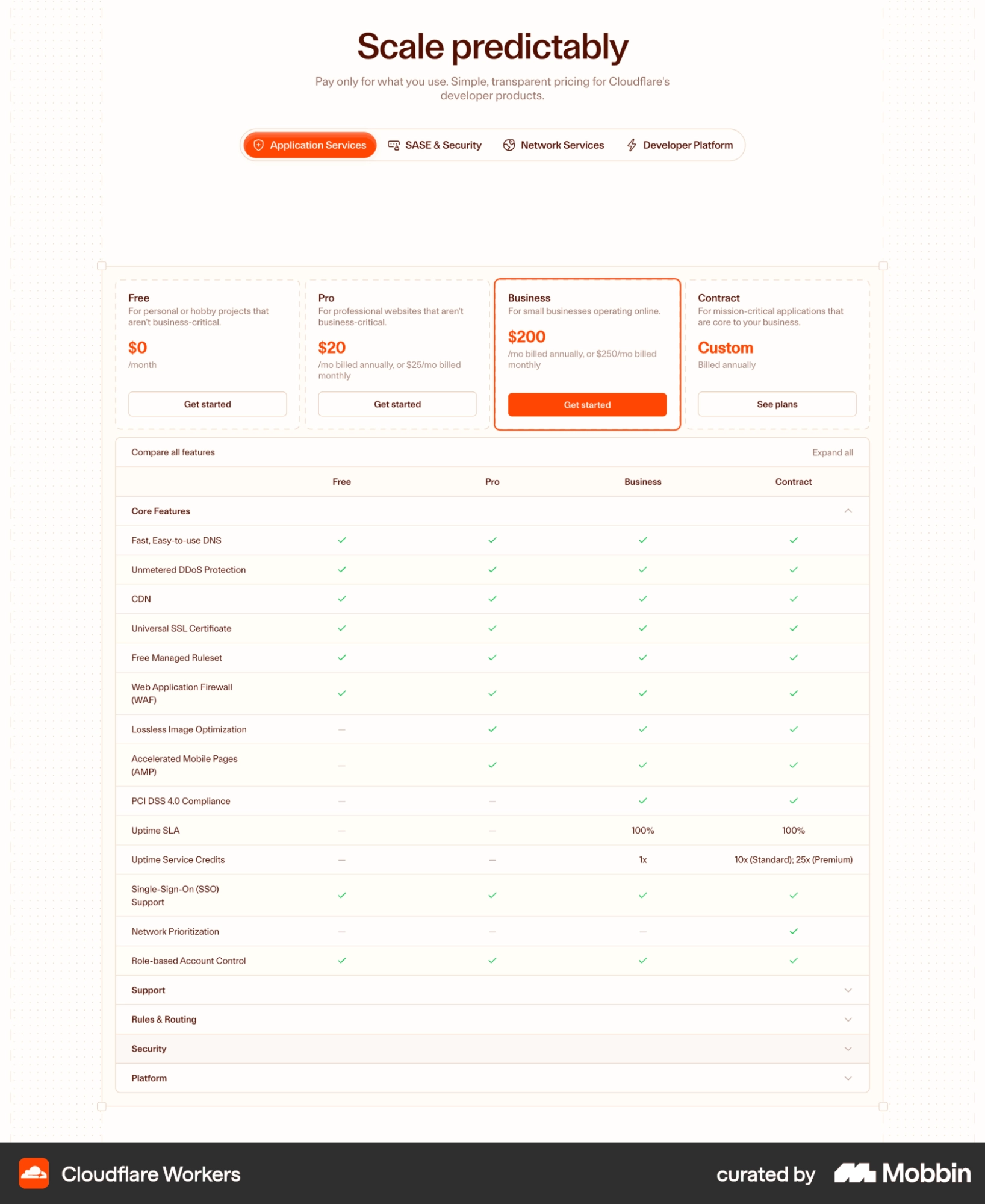
A common observation in the industry is the "Cloudflare Effect," where pricing pages become so dense with toggles, tiers, and technical specifications that the potential customer is paralyzed by the "Paradox of Choice." When a user is forced to predict their future usage or perform complex mathematics to determine which plan is right for them, the friction of the purchase decision increases exponentially.
Effective packaging testing focuses on simplifying the path to purchase. This includes experimenting with:
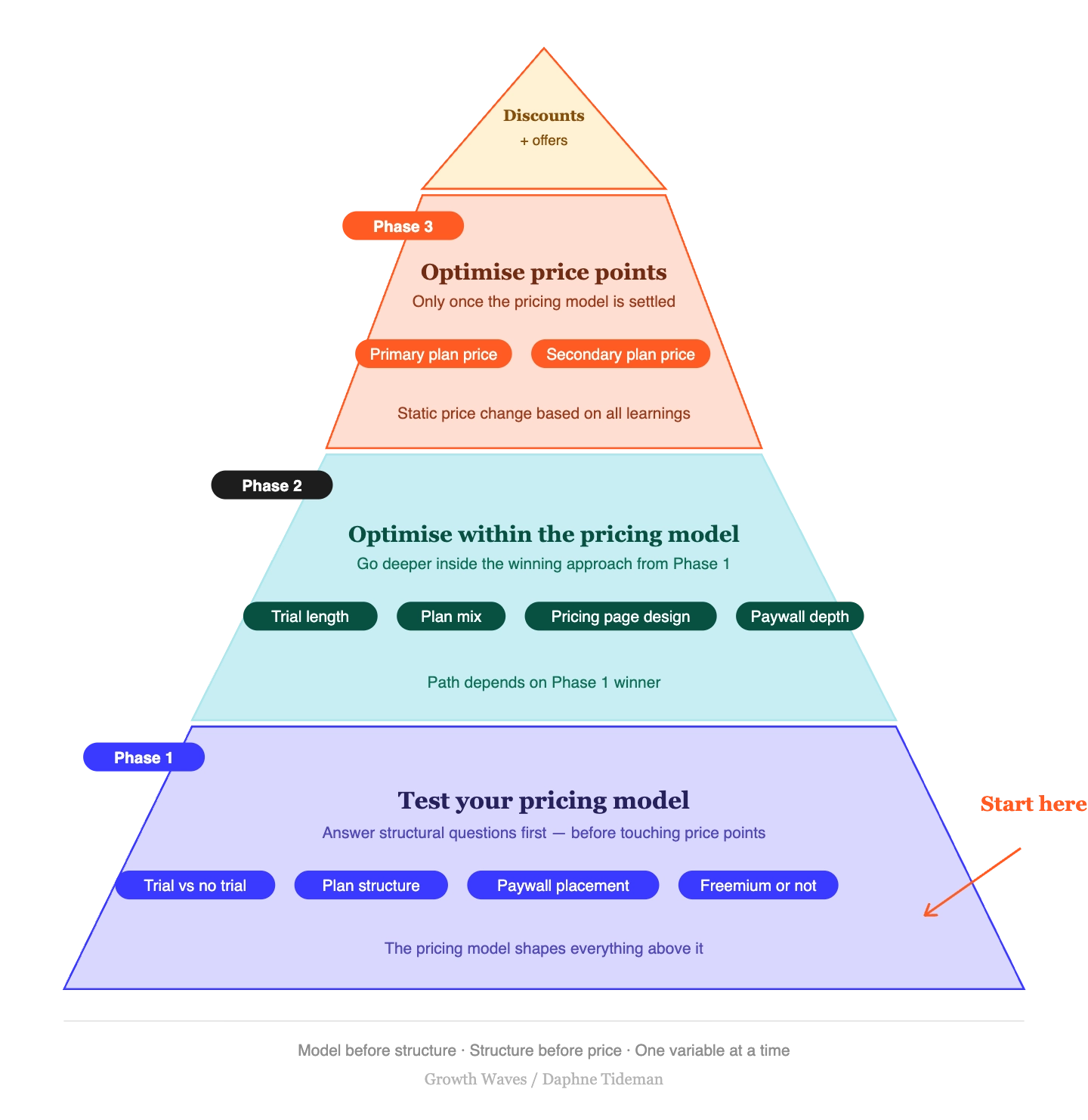
- The number of tiers (e.g., moving from four tiers to three).
- The "Good-Better-Best" framework, which uses a middle tier as the "recommended" anchor.
- The distinction between monthly and annual commitments.
- The placement of specific high-value features (e.g., moving a security feature from the "Pro" tier to the "Enterprise" tier).
By streamlining packaging, companies can reduce the time-to-conversion and ensure that the transition from a free trial to a paid subscription is as seamless as possible.
Assessing Willingness to Pay: The Science of the Number
Only after the value metric and packaging are stabilized should a company focus on the actual numerical price point. At this third layer, many teams rely on "gut feelings" or competitor benchmarking, both of which are fraught with risk. Competitor benchmarking is particularly dangerous because it assumes the competitor has correctly optimized their own pricing—a risky assumption in a market where many firms are struggling with the same monetization hurdles.
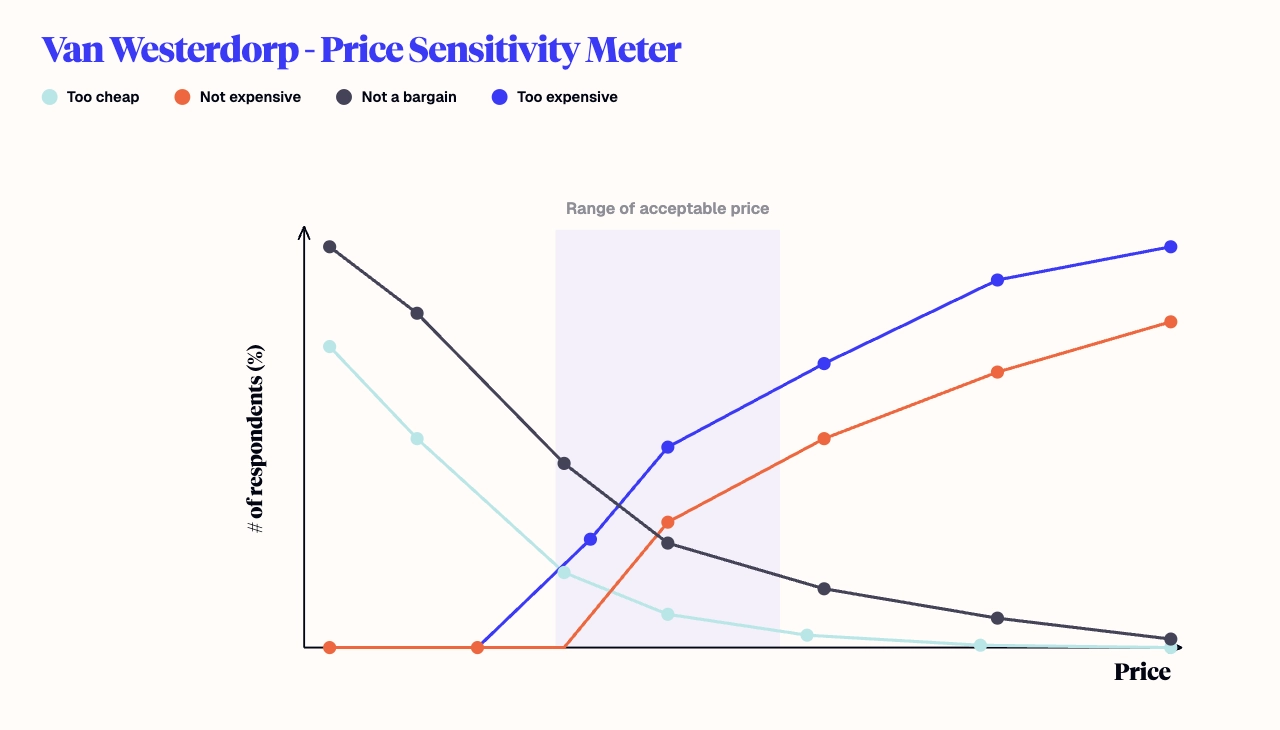
To move beyond guesswork, sophisticated growth teams utilize specific research methodologies, most notably the Van Westendorp Price Sensitivity Meter and MaxDiff analysis. The Van Westendorp model involves surveying potential and current users with four key questions:
- At what price would the product be so expensive that you would not consider buying it?
- At what price would the product be a bargain—a great buy for the money?
- At what price would the product start to get expensive, but you would still consider it?
- At what price would the product be so inexpensive that you would doubt its quality?
The intersection of these data points provides an "Optimal Price Point" and a "Range of Acceptable Prices." Supplementing this with MaxDiff analysis allows companies to understand which features users value most and which they are willing to trade off. This research-heavy approach ensures that when a company finally runs an A/B test on a price change, the hypothesis is grounded in actual consumer psychology rather than internal speculation.
The Peak: Tactical Optimization and Paywall Refinement
The top of the pyramid represents the final 10% of the pricing strategy: optimization. This is the layer where most growth teams spend 90% of their time. It involves the visual and psychological elements of the paywall—anchoring, urgency triggers, discount framing, and social proof.
While these tactics are legitimate levers for incremental gains, they cannot compensate for a broken foundation. A beautifully designed paywall with a countdown timer will not save a product if the value metric feels like a "nickel-and-diming" exercise to the user. However, when built upon a solid base, these optimizations can be highly effective. Tactics such as highlighting the "most popular" plan or offering a "limited-time" introductory discount can nudge hesitant users over the finish line.
The danger at this level is "noise." Teams often run "combination tests" where they change the price, the trial length, and the paywall design simultaneously. From a journalistic and scientific perspective, this is a flawed methodology. If a test shows a 5% lift in revenue, the team has no way of knowing whether the lift was caused by the lower price or the more aggressive urgency framing. Clean, isolated testing is essential for building a repeatable playbook for growth.
Chronology of a Pricing Overhaul: A Typical Implementation Timeline
For a mid-sized SaaS company, a full transition through the Pricing Pyramid typically follows a six-month cycle:
- Month 1-2: Qualitative Research. Conducting user interviews to identify "value gaps" and points of frustration with the current billing model.
- Month 3: Value Metric and Packaging Audit. Analyzing usage data to see which features correlate with long-term retention and restructuring tiers accordingly.
- Month 4: Quantitative Research. Deploying Van Westendorp and MaxDiff surveys to a segment of the user base or a lookalike audience.
- Month 5: Isolated A/B Testing. Running clean experiments on the most promising pricing hypotheses identified in the research phase.
- Month 6: Rollout and Monitoring. Implementing the new pricing structure for new users while managing the transition for legacy customers.
Broader Implications and Market Impact
The shift toward a more structured, pyramid-based approach to pricing reflects a broader maturation of the digital economy. In the "growth at all costs" era of the 2010s, companies could afford to be inefficient with monetization because capital was cheap and customer acquisition was easier. In the current high-interest-rate environment, efficiency is paramount.

The implications of getting pricing right extend beyond immediate revenue. It affects brand perception, long-term customer trust, and even the valuation of the company. A company that demonstrates it can grow revenue through its existing customer base (via an effective value metric) is viewed as far more stable than one that must constantly acquire new users to offset high churn.
Ultimately, the Pricing Pyramid serves as a diagnostic tool for leadership. When conversion rates stall, the instinct is often to lower the price. However, by working from the bottom up, executives may find that the price was never the problem—it was the packaging that was too complex, or a value metric that was misaligned with the user’s goals. By flipping the traditional approach and building from the foundation up, subscription businesses can turn pricing from a point of friction into a powerful engine for sustainable growth.

 Raul Delapena Setiawan

 Ammar Sabilarrohman