

Color psychology in marketing stands as one of the most potent, yet often underestimated, tools available to contemporary marketers. Far from being a mere aesthetic choice, color possesses an intrinsic ability to instantaneously establish mood, evoke profound emotional responses, and trigger specific psychological reactions in consumers. Its influence is so pervasive that it can significantly bolster or diminish the perceived value of an offering. Indeed, research underscores this powerful effect, revealing that as much as 90 percent of a subscriber’s initial impression of an email message, or a website, is predicated solely on color or other visual cues. This fundamental understanding is critical for any brand aiming to forge a compelling and effective connection with its target audience across all digital and physical touchpoints.
The Science Behind the Shades: A Historical and Psychological Overview
The human perception of color is a complex interplay of biology, culture, and individual experience, a phenomenon that has fascinated thinkers for centuries. While Isaac Newton’s prism experiments in the 17th century laid the scientific groundwork for understanding light and color, it was Johann Wolfgang von Goethe’s “Theory of Colours” in the early 19th century that delved into the psychological and emotional impact of different hues, challenging purely physical explanations. This historical inquiry into color’s subjective experience provided an early foundation for what would later become the field of color psychology.
In the realm of commerce, the strategic application of color began subtly, evolving from rudimentary branding to a sophisticated science. Early advertisers intuitively grasped that certain colors could attract attention or convey specific product attributes. However, it wasn’t until the mid-20th century, with the rise of consumer psychology and market research, that color psychology gained academic and practical traction as a critical component of marketing strategy. Researchers began systematically studying how color influences purchasing decisions, brand recognition, and consumer behavior, moving beyond anecdotal evidence to empirical data. This chronological development highlights a shift from artistic appreciation to a data-driven understanding of color’s persuasive power, solidifying its role as an indispensable element in crafting effective marketing communications.
Empirical Evidence: Quantifying Color’s Influence
The quantitative data supporting the importance of color in marketing is compelling and underscores its non-negotiable role in brand success. Surveys consistently indicate that a significant 84.7% of consumers believe color is a critical factor when evaluating and purchasing a product. This highlights that color is not just a secondary detail but a primary determinant in the initial assessment phase of the consumer journey.
Furthermore, color has been shown to dramatically enhance brand recognition, boosting it by an impressive 80%. This statistic is particularly vital in today’s saturated markets, where distinct visual identity is paramount for standing out. A memorable color palette ensures that a brand is easily identifiable and recalled, fostering familiarity and trust. Beyond recognition, color actively shapes customer perception of a brand. Consumers unconsciously associate specific colors with certain traits and values, influencing their overall impression. For instance, studies on call-to-action (CTA) buttons have demonstrated that changing their color can lead to measurable increases in conversion rates, with some reports showing a 21% increase simply by optimizing the CTA color. This illustrates that color choices are not merely decorative but directly contribute to measurable business outcomes, impacting everything from click-through rates on advertisements to overall sales performance. The psychological resonance of color, therefore, translates directly into tangible commercial advantages.
A Spectrum of Influence: Deconstructing Individual Color Meanings
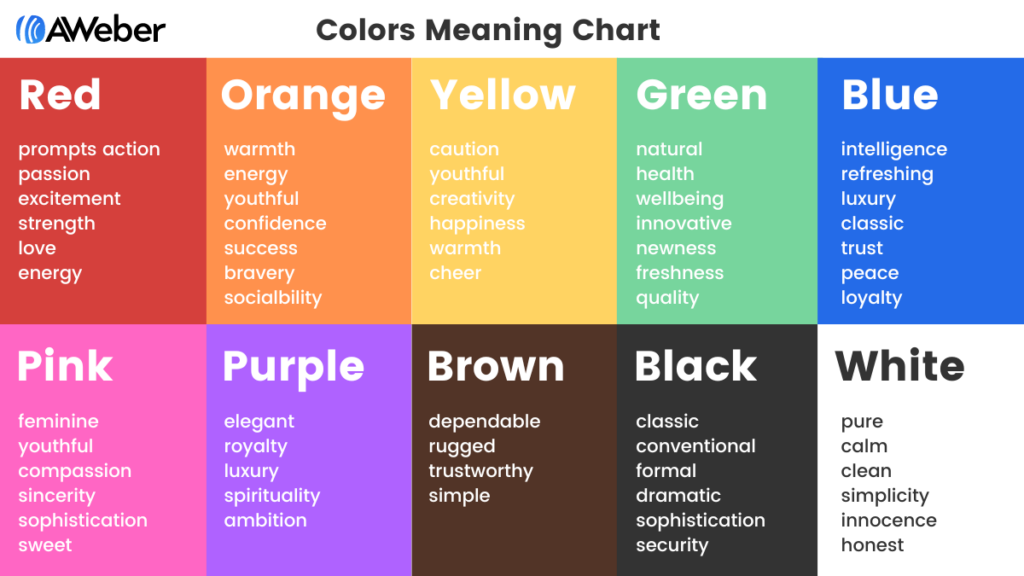
Understanding the specific psychological associations of individual colors is paramount for strategic marketing deployment. Each hue in the spectrum carries a unique emotional and cognitive fingerprint that can be leveraged to connect with consumers on a deeper level.
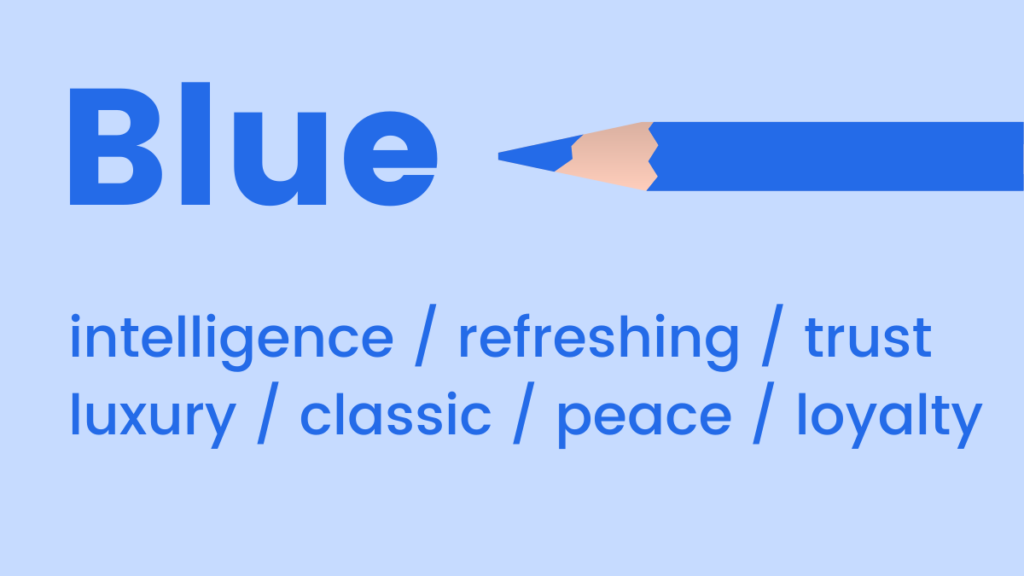
Blue: Universally associated with feelings of coolness, calmness, and serenity. This stems from its natural associations with the sky and ocean, environments often linked to peace and tranquility. Darker shades of blue, such as navy, exude professionalism, reliability, and luxury without the starkness of black, making them a preferred choice for corporate brands, financial institutions, and technology companies seeking to convey trust and stability. Lighter blues, conversely, offer a refreshing and approachable feel, suitable for brands in wellness, travel, or any sector aiming for a clean, modern aesthetic. The mood-boosting properties of blue are thought to stimulate chemicals that promote positivity, reinforcing its role in fostering confidence and security.
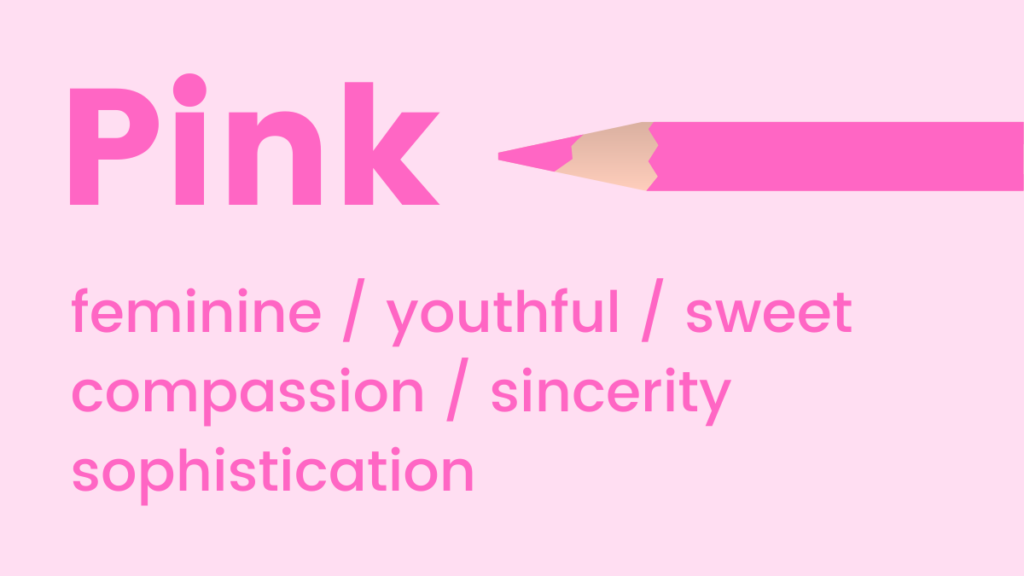
Pink: Often signifies youthfulness, playfulness, and excitement. It is strongly linked to femininity, sweetness, and romance. The color has a unique physiological effect, reportedly making individuals crave sugar, a detail exploited by confectionery brands. Bright, vibrant pinks are excellent for brands targeting younger demographics, fashion, beauty products, or anything aiming for a cheerful and energetic vibe. Softer, pastel pinks can evoke tenderness, innocence, and warmth, making them suitable for baby products, bridal wear, or gentle self-care brands.
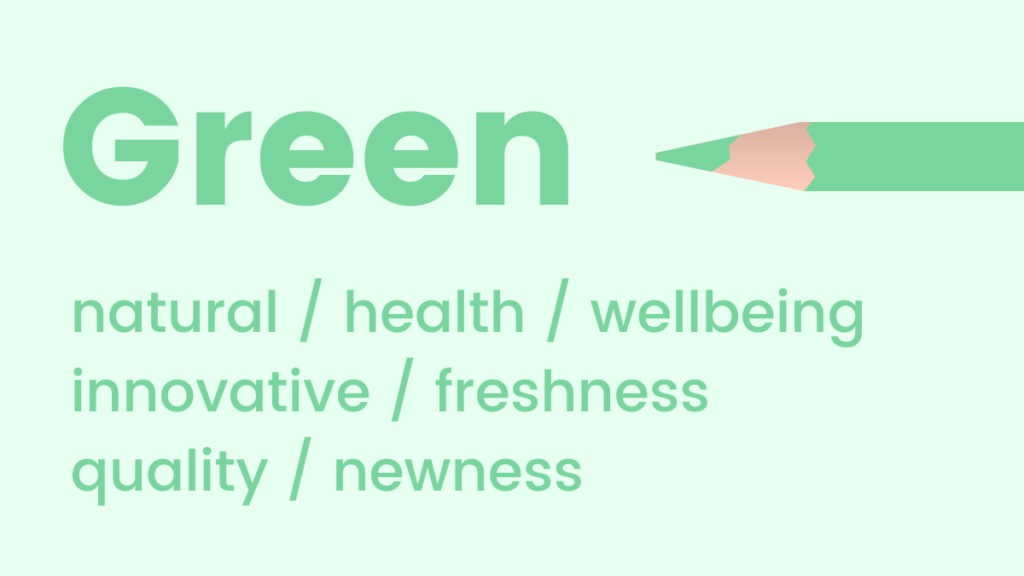
Green: Directly reminiscent of natural elements, health, and well-being. It is inherently a soothing color, promoting feelings of relaxation, harmony, and growth. Green is also notable for being the color to which the human eye is most sensitive, allowing for the discernment of the greatest number of shades, which makes it visually comfortable. Its fresh connotations make it ideal for promoting new products, environmental initiatives, organic goods, or financial products associated with prosperity and stability. Different shades can convey varying messages: deep forest greens for natural luxury, bright lime greens for vitality and innovation.
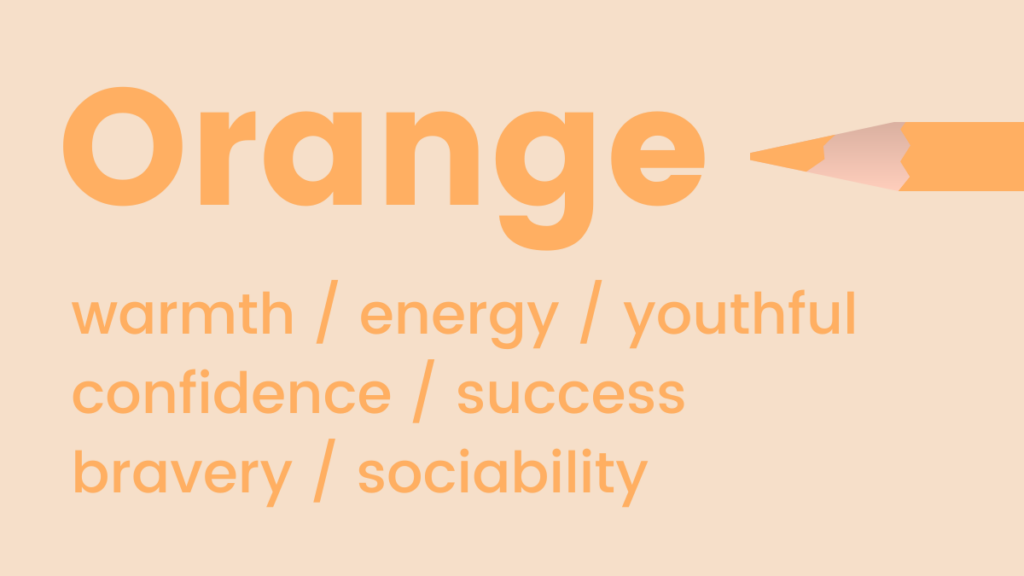
Orange: A vibrant color representing warmth, energy, and enthusiasm. It is often perceived as fun, flamboyant, and optimistic, embodying creativity and adventure. Intriguingly, orange also carries associations of trust and safety, perhaps due to its use in safety equipment and warning signs that command attention. This duality makes it powerful for brands looking to appear approachable and friendly while still conveying a sense of dynamism. It’s excellent for calls to action, children’s products, sports brands, or any marketing message requiring a strong, positive, and inviting appeal. Marketers, however, are advised to use it judiciously, as its boldness can overwhelm if not balanced.
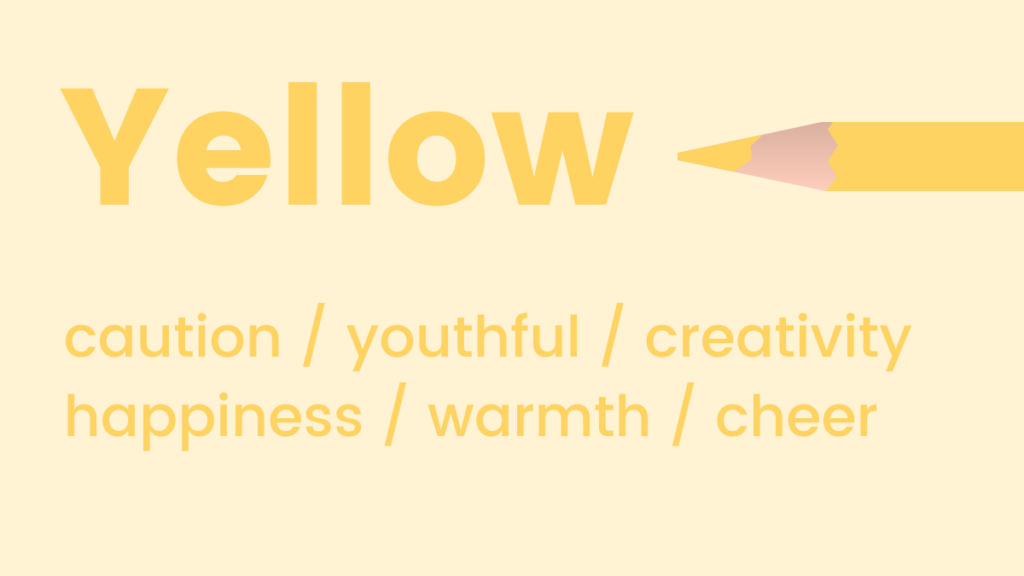
Yellow: Known as the happiest shade in the color spectrum, yellow symbolizes positivity, optimism, and illumination. Beyond its cheerful demeanor, yellow is recognized for activating memory, stimulating mental processes, and encouraging communication. It captures attention quickly due to its high visibility. Brands can use yellow to convey cheerfulness, affordability, and energy. It’s often seen in fast-food logos, educational materials, and brands aiming for an accessible, friendly, and energetic image. However, overuse or certain dull shades can sometimes evoke caution or anxiety, necessitating careful application.
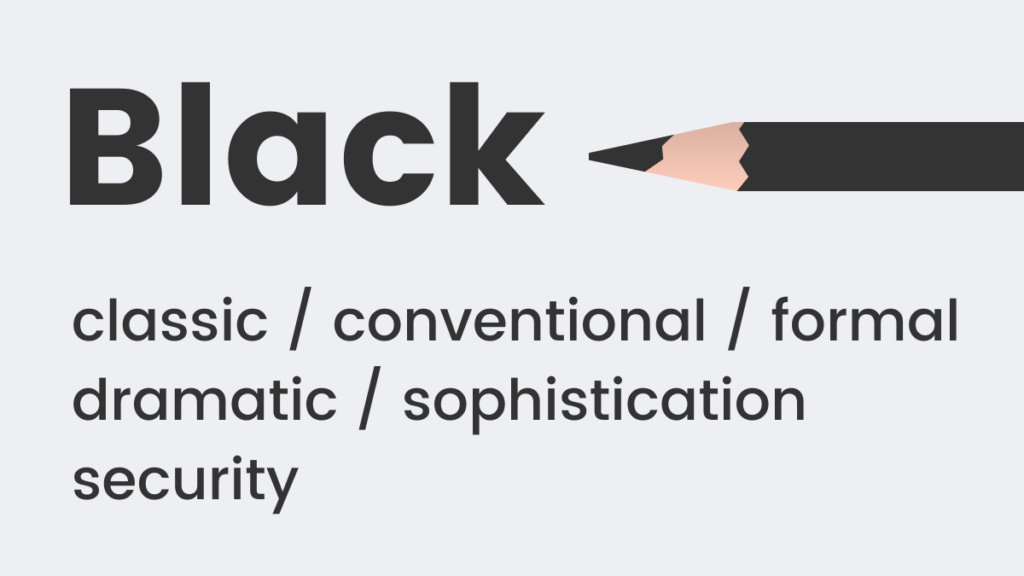
Black: A classic and timeless choice, black frequently conveys formality, sophistication, and power. Its association with “black tie” events underscores its elegant and exclusive connotations. Psychologically, black implies weight and substance; studies have shown people perceive a black box as heavier than a white one of the same size. This makes it a strong choice for luxury goods, high-end fashion, technology, and brands seeking to project authority, strength, or exclusivity. It can also be used effectively as a contrasting background to make other colors pop, or as a primary color for minimalist, bold branding.
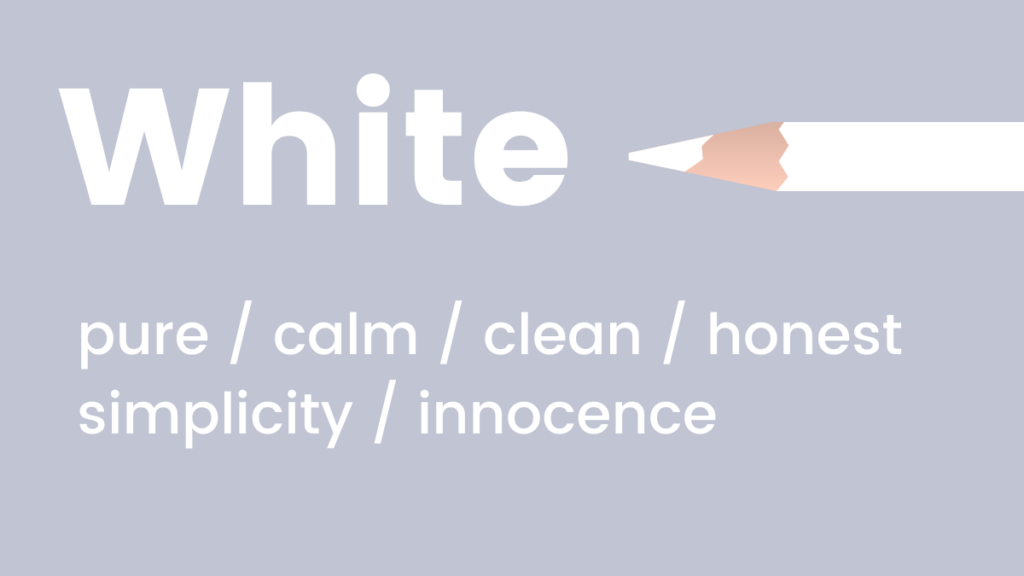
White: Represents purity, cleanliness, simplicity, and serenity. It is often used by brands that wish to project a modern, fresh, and minimalist aesthetic. White space in design is crucial for readability and creating a sense of openness and clarity. It is a versatile background color that allows other elements to stand out, making it popular in healthcare, technology, bridal, and luxury sectors that emphasize clean lines and sophistication. White conveys a sense of newness and innovation, providing a blank canvas upon which other brand messages can be built.
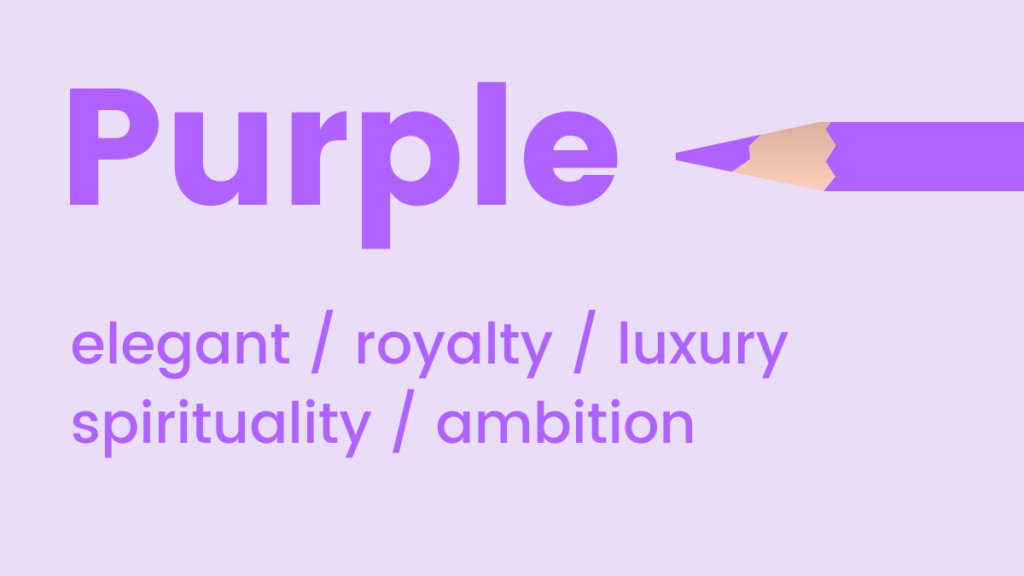
Purple: Historically associated with royalty and nobility due to the rarity and expense of purple dyes, this color exudes luxury, elegance, and creativity. It’s a nuanced shade, blending the calming stability of blue with the energetic passion of red, creating a sense of uplifting calm. Purple is known to encourage creativity and imagination. Brands in the beauty, luxury goods, creative industries, or spiritual wellness sectors often utilize purple to convey sophistication, uniqueness, and a touch of mystique. Lighter lavenders can be soothing and romantic, while deeper purples are opulent and majestic.
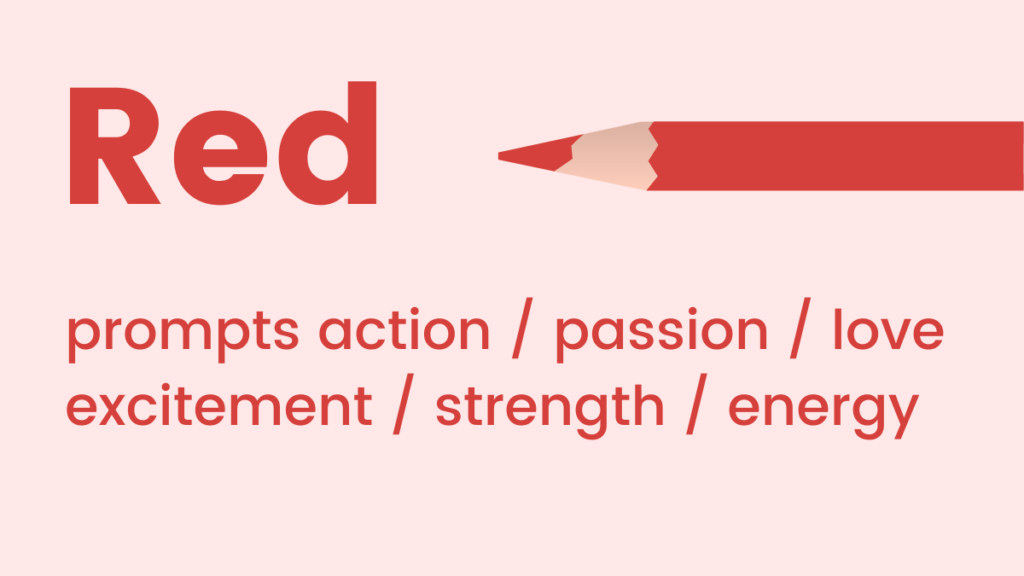
Red: A high-energy color that represents passion, excitement, urgency, and action. It is known to boost energy levels and stimulate physiological responses, such as an increased heart rate. Red is highly visible and commands immediate attention, making it an excellent choice for calls to action, sales, warnings, or any message requiring immediate recognition and a sense of urgency. It is frequently employed in retail for sale banners, in the food industry to stimulate appetite, and in automotive or sports brands to convey power and speed. However, its intensity requires careful balancing to avoid overwhelming or aggressive perceptions.
Strategic Application: Crafting Cohesive Visual Identities
The theoretical understanding of color psychology transitions into practical, impactful marketing through strategic application across various platforms.

Website and Landing Page Design: Orchestrating User Experience
For websites and landing pages, the chosen color scheme forms the backbone of user experience. Design novices often struggle with combining colors effectively, leading to visual disharmony. However, leveraging established color theories can simplify this process.

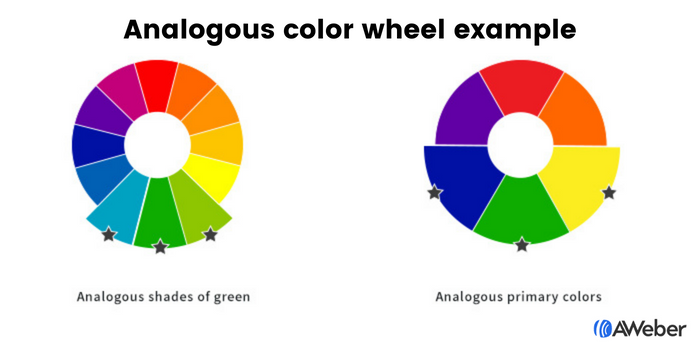
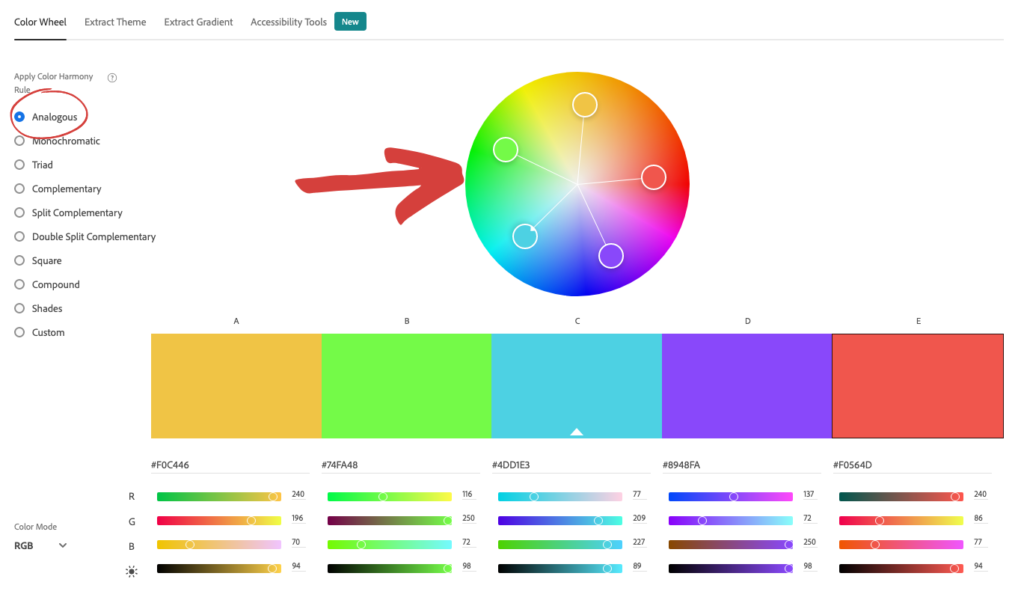
Analogous colors, which are adjacent on the color wheel, create harmonious and visually pleasing designs. For instance, a palette of blues, greens, and teals offers a natural, flowing feel that is easy on the eyes. This scheme works well for brands seeking to convey calm, professionalism, or a connection to nature. Tools like Adobe Color CC allow designers to easily identify analogous combinations, ensuring a cohesive and sophisticated aesthetic.

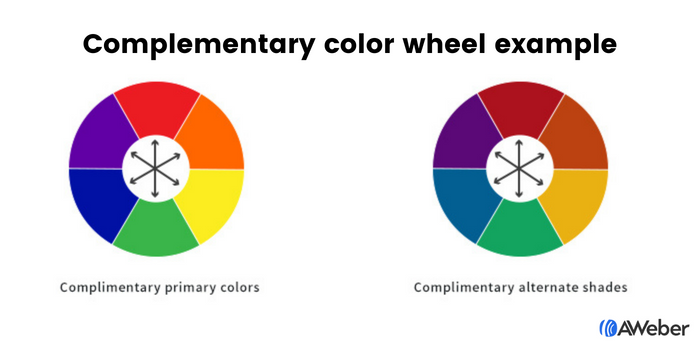
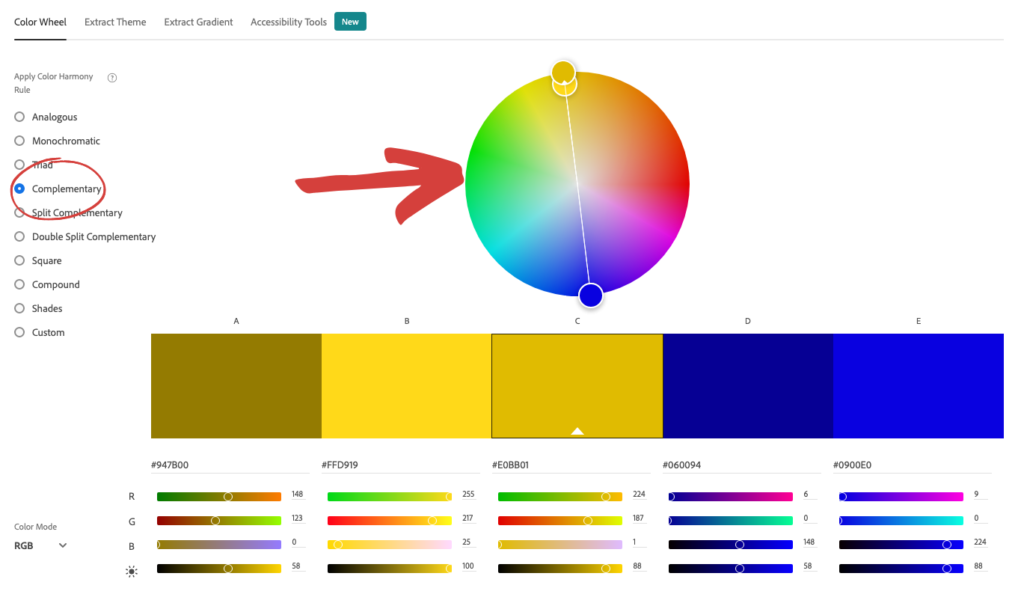
Complementary colors, positioned directly opposite each other on the color wheel (e.g., blue and orange, red and green), introduce vibrant contrast and dynamism. These pairings are inherently eye-catching and can be used to highlight specific elements, such as CTA buttons or important information, making them “pop” against the background. While more bold, careful saturation and proportion management can lead to striking and memorable designs that direct user attention effectively. This approach is particularly useful for campaigns requiring high visibility and energetic engagement.

Sign-Up Forms: Guiding User Action with Precision
Sign-up forms are critical conversion points, and their visibility and appeal are heavily influenced by color. The primary goal is to ensure they are noticed and acted upon.

Contrast is the most powerful principle here. A sign-up form’s background should starkly contrast with the surrounding webpage to immediately draw the eye. If the website features a predominantly cool palette, a warm-colored form can create the necessary visual magnet.
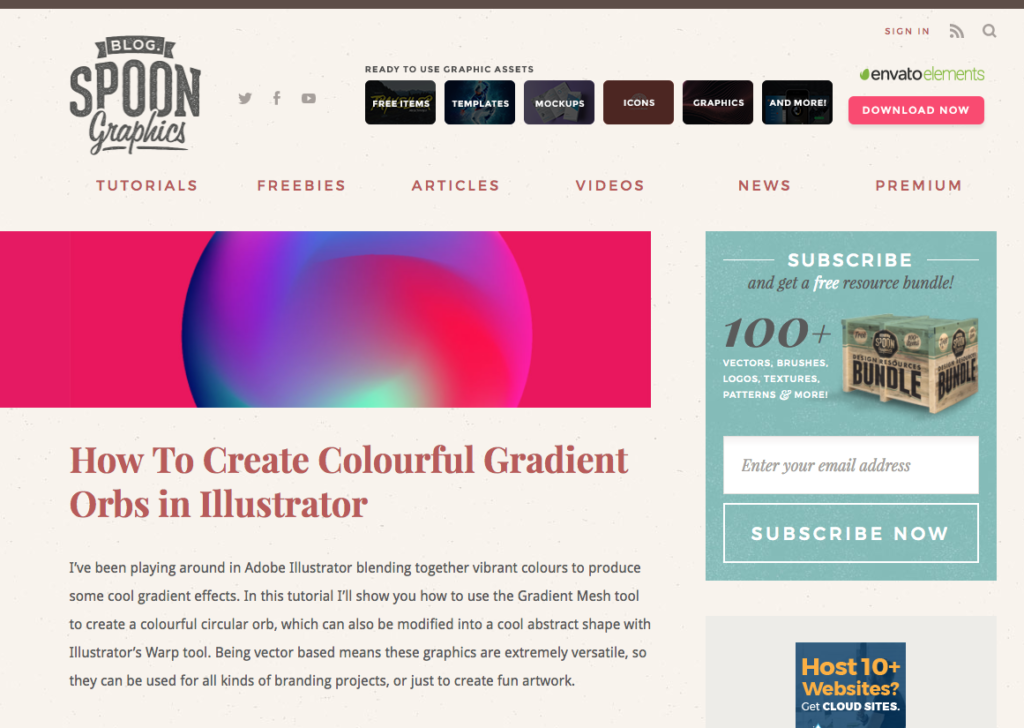
Within the form itself, further contrast is essential. Form fields should be distinct from the background, and the submission button must be the most visually prominent element. Utilizing a complementary or contrasting color for the button (e.g., an orange button on a blue-toned form) can dramatically increase its clickability, silently communicating “click here” to the user. This strategic use of color minimizes cognitive load and clearly guides the user towards the desired action.

Email Marketing: Tailoring Emotional Resonance for Engagement
The color choices in email marketing must align with the specific purpose and content of each message, enhancing its impact rather than detracting from it.
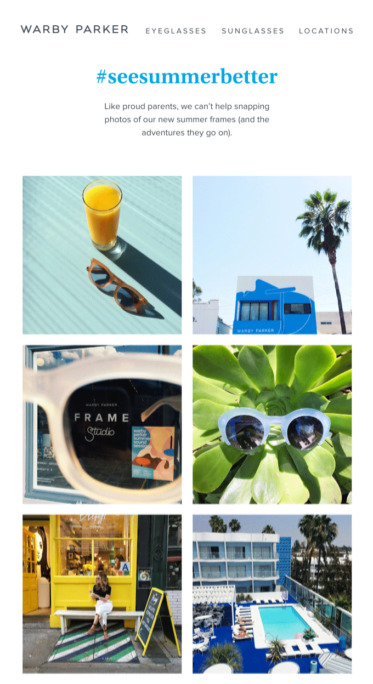
For email newsletters, which typically deliver information or educational content, a clean aesthetic with ample white space and subtle brand color accents is often most effective. The focus should be on readability, ensuring secondary colors do not distract from the main content. However, if a newsletter aims to drive traffic to external content, a contrasting, vibrant call-to-action button is crucial to encourage clicks.
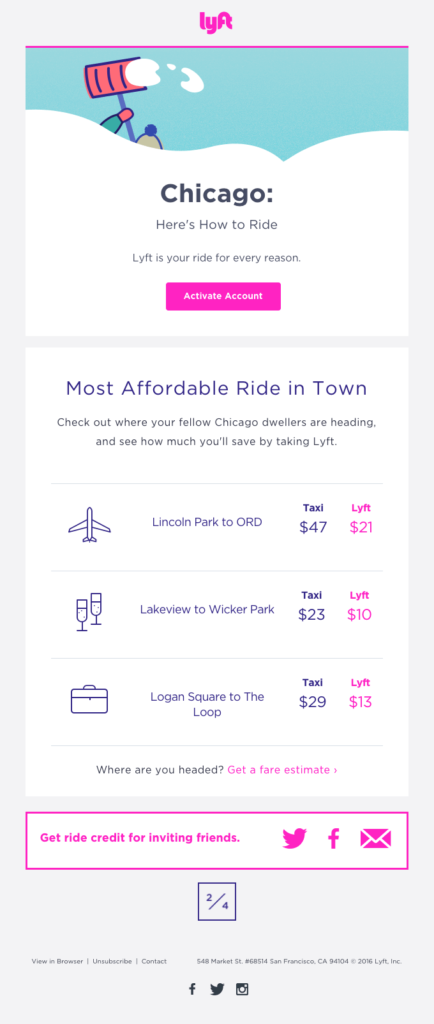
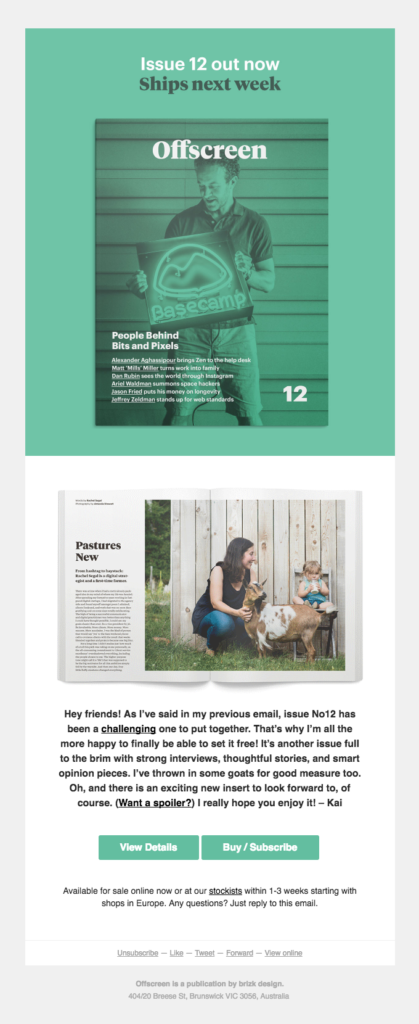
Welcome emails are foundational for establishing brand identity and building rapport. These emails should prominently feature primary brand colors to reinforce visual recognition and create a consistent brand experience from the outset. A warm, inviting color scheme, such as soft pinks or calming blues, can set a friendly tone for new subscribers, as demonstrated by Lyft’s use of pink in their welcome messages.
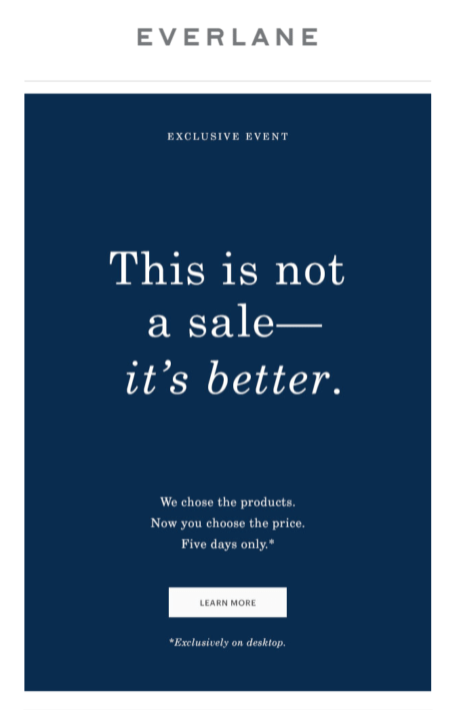
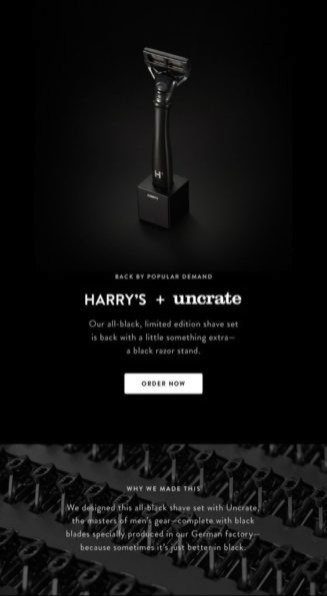
For sales emails, color choices should directly support the offer’s psychological intent. A red CTA can instill urgency for a limited-time offer, while a green palette might promote an eco-friendly product. Brands like Harry’s use a sophisticated all-black email to position their product as classic and refined, contrasting with a white CTA button to ensure action. Conversely, The Little White Company uses white extensively to portray a pure and clean brand image, resonating with their product offerings. Lego effectively uses its signature yellow as a background, appealing to its primary child demographic with a cheerful and playful aesthetic. Stuart Weitzman’s use of their signature purple shoebox in abandoned cart emails subtly reinforces luxury and brand recognition, encouraging a return to purchase.
Brand Evolution: Adapting Color for Growth
A common concern for established brands is how to integrate these color psychology principles without compromising existing brand aesthetics. The key lies in understanding that brand identity, much like a person, can evolve. While a core brand color palette provides consistency, flexibility is crucial for adapting to market changes, new product launches, or shifting consumer preferences.

It may sometimes be necessary to introduce new colors or adjust existing ones outside rigid brand guidelines to achieve specific marketing objectives. This doesn’t dilute the brand but rather allows it to remain relevant and responsive. For instance, a tech company known for its blues might introduce vibrant orange for a new, innovative product launch to signal excitement and novelty. Online tools like Coolors are invaluable for this process, allowing marketers to input existing brand colors and generate complementary palettes that maintain harmony while introducing fresh visual elements. This iterative approach to brand color management ensures that a brand’s visual language remains dynamic and effective in an ever-changing landscape.
The Future of Color in Marketing: AI-Powered Design
The advent of Artificial Intelligence (AI) is set to revolutionize how marketers harness color psychology. Tools like AWeber’s AI Signup Form Builder signal a new era where complex design decisions, including optimal color selection, are streamlined and democratized. Marketers can now simply describe their desired look, feel, or emotional vibe—such as “a dark background with an orange button that pops” or “a clean, white newsletter layout with a red CTA”—and the AI generates the design. This moves beyond traditional template-based design, allowing for truly bespoke creations tailored to specific audience segments and psychological triggers.

The implications are profound. AI understands the nuances of color intent, allowing marketers to directly translate psychological principles into actionable design prompts. If a marketer knows that orange signals trust and action, or that blue builds credibility, they can explicitly articulate this to the AI, which then executes the design accordingly. This technology empowers non-designers to create professional-grade visuals that are scientifically optimized for engagement and conversion, freeing up valuable time for strategic planning and content development. With upcoming AI-powered email and landing page builders, the entire visual marketing ecosystem will benefit from this intelligent automation, transforming the art of color application into a precise, data-driven science.








