

The global digital advertising market has entered a period of profound transformation as the traditional dominance of search and social giants faces new scrutiny regarding return on investment (ROI). According to a comprehensive study conducted by Instapage, which surveyed 1,440 marketing professionals, a significant disconnect has emerged between platform usage and actual profitability. While 87% of marketers continue to deploy capital on Google and Meta Ads, the reported performance metrics suggest that popularity is no longer a reliable proxy for success. Only 44% of respondents identified Google as their top-performing channel, and a mere 25% cited Facebook, signaling a shift in how brands must approach the digital funnel in 2026.

This divergence comes at a time of rising operational costs across the digital ecosystem. Industry data reveals that the average cost per lead (CPL) has ascended from $66.69 in 2024 to $70.11 in 2025, a trend expected to persist into the 2026 fiscal year. This 5.1% year-over-year increase places unprecedented pressure on profit margins, forcing advertisers to look beyond the "click" and focus on the post-click experience. Analysis suggests that the primary driver of wasted ad spend is no longer poor targeting, but rather technical friction, such as slow mobile load times and message mismatch between the advertisement and the landing page.
The Evolution of the Digital Advertising Hierarchy
For over a decade, the "duopoly" of Google and Meta defined the digital marketing strategy for businesses of all sizes. However, the 2026 landscape is defined by fragmentation and the rise of specialized "intent-based" and "discovery-based" platforms. Google Ads remains the foundation for high-intent search, capturing users at the exact moment of need. With a reach extending to over 90% of global search traffic, it utilizes a sophisticated Quality Score system to reward relevance. Despite this, the rising cost per click (CPC) in competitive verticals has led many teams to diversify their portfolios.
Meta Ads, encompassing Facebook and Instagram, continues to leverage demographic and behavioral targeting. However, internal shifts toward Advantage+ automation and broader audience modeling have changed the nature of social advertising. While 80% of marketers utilize Instagram, the survey highlights a performance gap, with only 9% ranking it as their most profitable channel. This suggests that while social platforms are excellent for top-of-funnel awareness, they often struggle to maintain conversion efficiency without highly optimized landing environments.
The Rise of TikTok and Alternative Search Engines
One of the most notable shifts in the 2026 outlook is the rapid ascent of TikTok. The Instapage survey found that 25% of marketers intend to adopt TikTok Ads in the immediate future. Unlike traditional social networks that rely heavily on follower graphs, TikTok’s content-graph algorithm allows brands to achieve significant reach based on engagement and creativity rather than legacy presence. This "native-first" approach requires a fundamental change in creative strategy, as highly produced, traditional commercials frequently underperform compared to content that mirrors the user-generated style of the platform.
Simultaneously, Microsoft Advertising, formerly Bing, has emerged as a high-value alternative to Google. While holding a smaller global market share, Microsoft’s network—which includes Yahoo and AOL—often provides CPCs that are 30% to 50% lower than Google Ads for identical keywords. Market analysts note that this platform is particularly effective for B2B sectors and older, high-income demographics who utilize default browser settings on corporate devices. The ability to import Google Ads campaigns directly into the Microsoft ecosystem has lowered the barrier to entry for brands seeking to maximize their reach with limited budgets.
Specialization in B2B and E-commerce Verticals
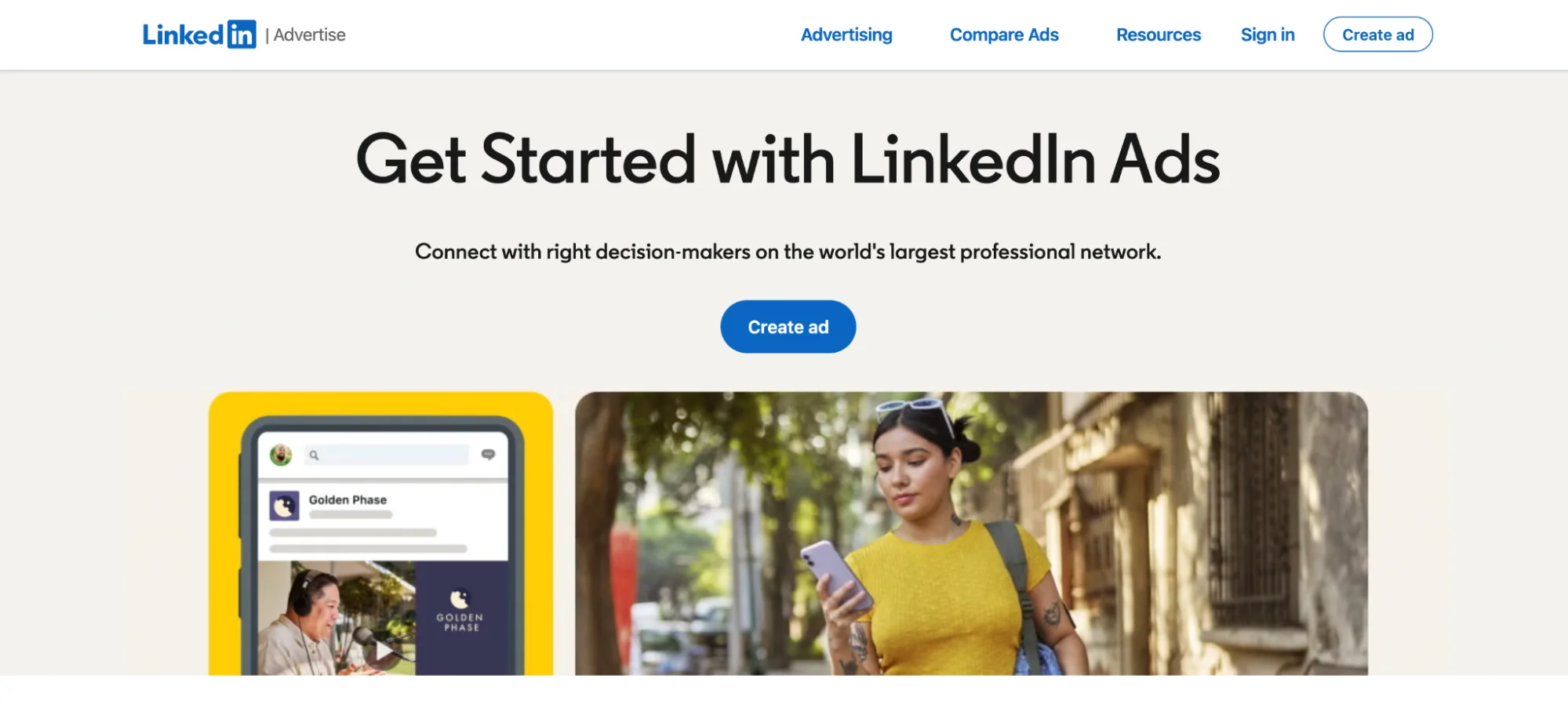
In the professional services and B2B sectors, LinkedIn Ads remains the undisputed leader for reaching decision-makers. By offering targeting parameters such as job title, company size, and industry seniority, LinkedIn justifies its higher-than-average CPCs through lead quality. In 2026, the platform has expanded its "Message Ads" and "Sponsored Content" features to include more robust integration with CRM systems, allowing for seamless lead nurturing.
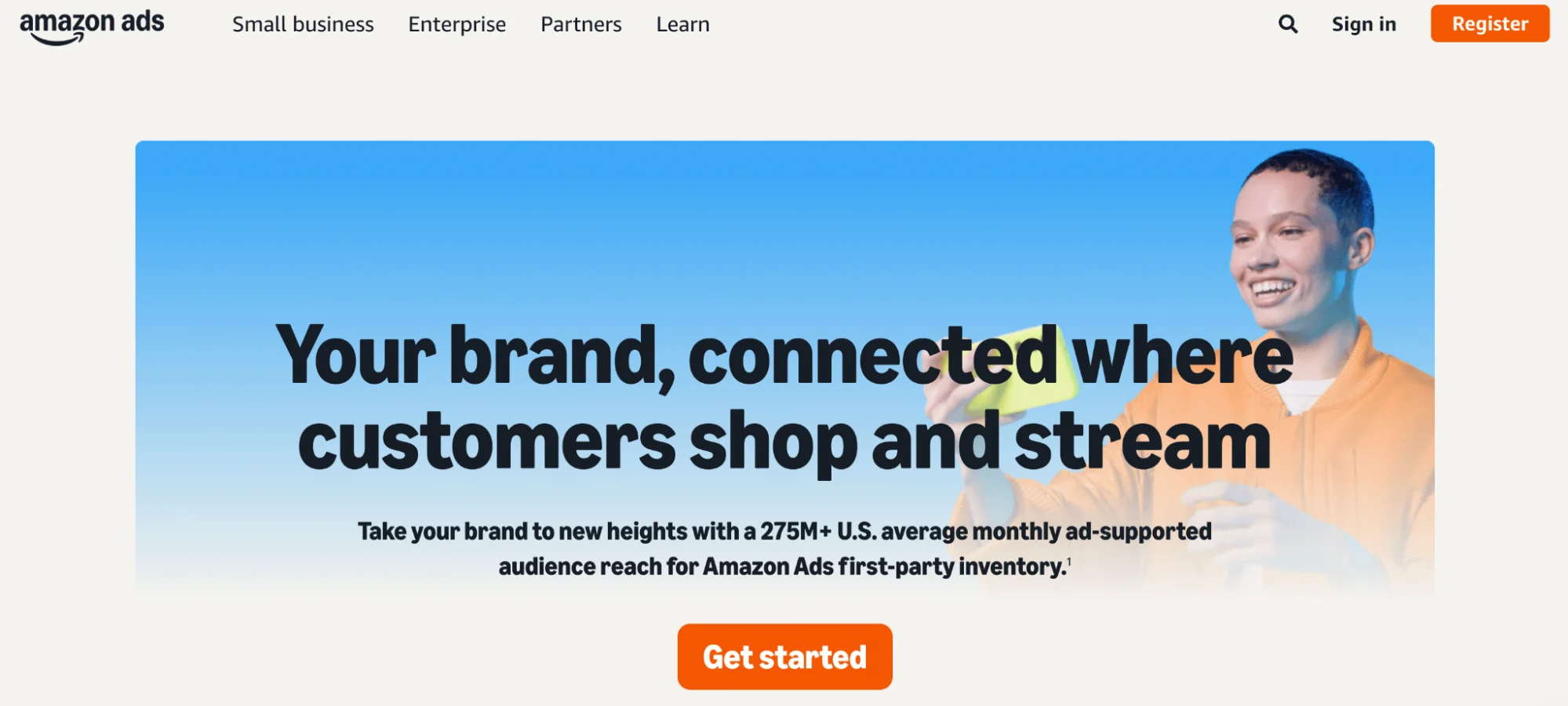
In the retail sector, the growth of Amazon Ads represents the most significant threat to traditional search advertising. Amazon captures users at the bottom of the funnel, where purchase intent is at its peak. Statistics provided by Amazon indicate that advertisers often see a 34% increase in sales growth within the first month of launching Sponsored Products campaigns. The platform’s strength lies in its closed-loop ecosystem, where the ad click leads directly to a transaction within the same environment.
Furthermore, Pinterest Ads has carved out a niche in the "discovery and planning" phase. For visual and aspirational products in fashion, home decor, and travel, Pinterest offers a unique advantage: a longer content lifespan. Unlike a tweet or a Facebook post that may disappear from a feed in hours, a Promoted Pin can continue to drive traffic and conversions for months after its initial publication.
Technical Performance and the 20% Conversion Penalty
The 2026 digital environment is increasingly sensitive to technical performance. Research into user behavior confirms that a mere one-second delay in mobile page load speed can result in a 20% reduction in conversion rates. For an advertiser paying $70 per lead, these technical delays represent a direct and significant financial loss.
Marketers are now grappling with "message mismatch," a phenomenon where the promise made in an advertisement is not immediately reflected on the landing page. Data suggests that cognitive dissonance—caused by differing headlines or offers—is a leading cause of high bounce rates. To combat this, industry leaders are moving away from directing paid traffic to generic homepages. Instead, the use of dedicated, campaign-specific landing pages has become a standard requirement for maintaining a competitive Return on Ad Spend (ROAS).
The Privacy-First Era and First-Party Data
The year 2026 marks a critical juncture in digital privacy. With Google Chrome joining Safari and Firefox in phasing out third-party cookies, the reliance on platform-based tracking has diminished. Regulations such as the GDPR in Europe, CCPA in California, and similar laws in Canada (PIPEDA) and Brazil (LGPD) have mandated a shift toward first-party data collection.
This regulatory environment has forced advertisers to implement Consent Management Platforms (CMPs) and server-side tracking solutions, such as the Meta Conversions API and Google Tag Manager Server-side. The most successful brands in 2026 are those that utilize their ad spend to build their own data assets, encouraging newsletter sign-ups, account creations, and direct customer interactions to bypass the limitations of browser-based tracking.
A Decision Framework for Platform Selection
As the market fragments, industry experts suggest a strategic framework for platform selection based on specific business objectives:
- High-Intent Sales: Google Ads and Amazon Ads remain the primary choices for capturing active buyers.
- Brand Awareness: Meta Ads and TikTok are recommended for visual storytelling and reaching broad audiences.
- B2B Lead Generation: LinkedIn Ads provides the most precise targeting for professional decision-makers.
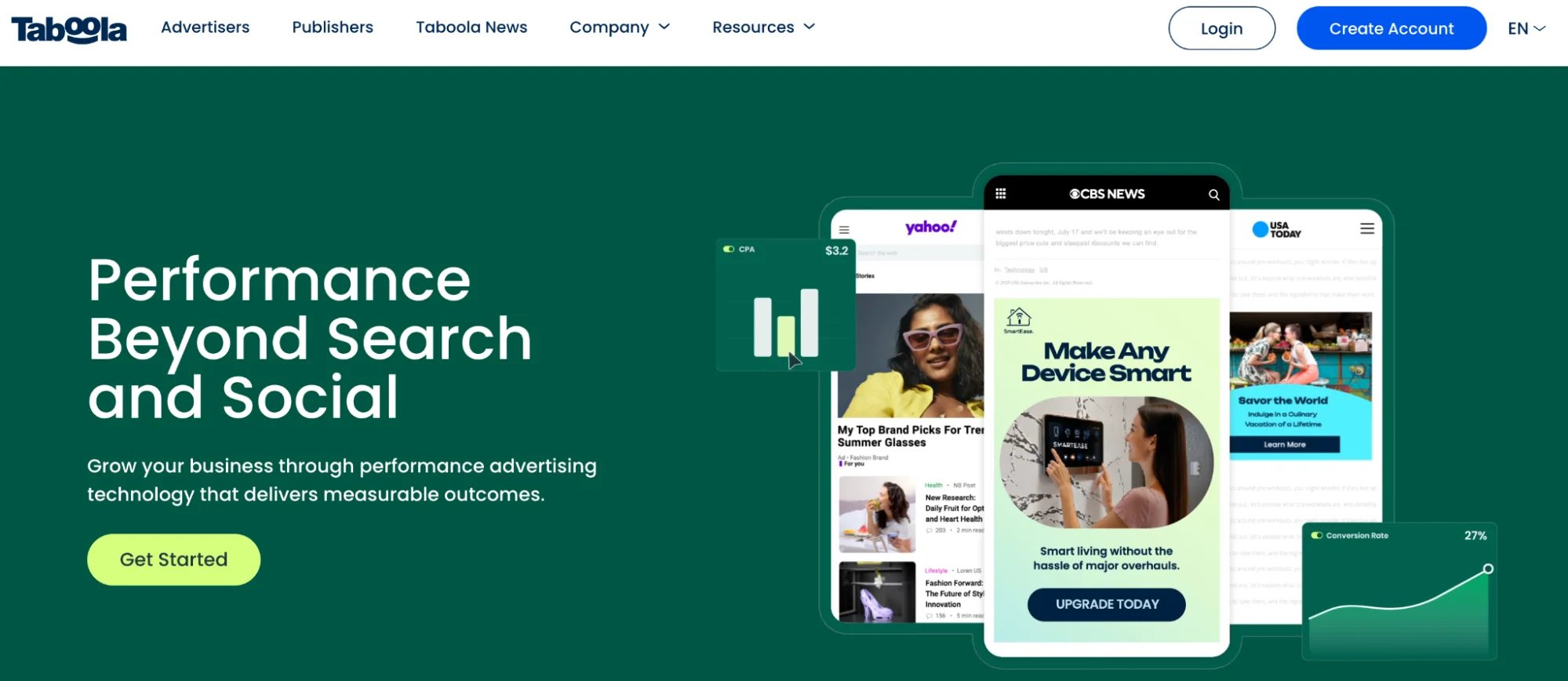
- Content Distribution: Native platforms like Taboola and Outbrain are increasingly used to drive traffic to editorial content and long-form lead magnets.
For enterprise-level advertisers, programmatic platforms like The Trade Desk offer a unified approach, allowing for the purchase of display, video, and connected TV (CTV) inventory through a single interface. However, for small to mid-sized enterprises (SMEs), focusing on two to three core channels with high measurement maturity is often more effective than over-extension.
Conclusion: The Shift to Post-Click Optimization
The overarching theme for 2026 is that the battle for profitability is no longer won solely within the ad auction. While choosing the right platform is essential, the optimization of the post-click experience is the primary differentiator between successful and failing campaigns. By aligning ad creative with dedicated, fast-loading landing pages and leveraging first-party data, marketers can mitigate the impact of rising lead costs and privacy-related tracking gaps.
As digital advertising continues to evolve, the focus must remain on relevance and speed. The Instapage data serves as a stark reminder: in an era of $70 leads, every second of load time and every word of mismatched copy is a luxury that modern marketing budgets can no longer afford. The transition from a "click-focused" to a "conversion-focused" strategy is no longer an option, but a necessity for survival in the 2026 digital economy.







