The rapid evolution of artificial intelligence from conversational chatbots to autonomous agentic systems has fundamentally altered the landscape of modern software engineering. As developers increasingly transition from simple code completion tools to comprehensive command-line interface (CLI) agents like Anthropic’s Claude Code and the open-source Codex CLI, the focus has shifted from merely generating answers to optimizing the efficiency, accuracy, and cost-effectiveness of AI-driven output. The emergence of specialized "skills"—modular sets of instructions and capabilities—now allows developers to tailor AI agents to specific organizational requirements, ensuring that automated workflows remain within budget while fulfilling complex architectural needs.
The Shift Toward Agentic Methodologies in Software Development
The transition to agentic AI represents a move away from "one-shot" prompting toward iterative, goal-oriented processes. Unlike traditional Large Language Models (LLMs) that provide a single response to a query, AI agents are designed to observe their environment, plan sequences of actions, and execute tasks across file systems and terminal environments. However, the raw capabilities of these agents often lead to common frustrations: over-engineering, excessive token consumption, and a lack of situational awareness regarding existing project structures.
Industry data suggests that while AI can accelerate coding tasks by up to 50%, the time spent "babysitting" agents—correcting hallucinations or trimming bloated code—can negate these gains. Consequently, a new ecosystem of GitHub-hosted skills has emerged to provide the necessary guardrails and specialized logic required for professional-grade development.
Security and Oversight: The Critical First Step
As the adoption of third-party AI skills grows, security has become a paramount concern for enterprise developers. According to research cited by NVIDIA, approximately 25% of community-contributed AI skills contain security flaws, while roughly 5% exhibit signs of deliberate malicious intent. Because these skills often grant AI agents broad access to local file systems, environment variables, and cloud credentials, the risks of data exfiltration or system compromise are substantial.
To address this, the NVIDIA/SkillSpector tool has become an essential prerequisite for any agentic workflow. Functioning as a specialized security scanner, SkillSpector analyzes the underlying logic of a skill before it is integrated into the agent’s environment. This tool provides a diagnostic report on potential vulnerabilities, such as unauthorized network calls or suspicious file modifications, allowing developers to maintain a "zero-trust" posture when expanding their agent’s capabilities.
Methodological Frameworks for Agentic Accuracy
One of the primary challenges in AI-led development is the "hallucination of intent," where an agent confidently executes a plan that deviates from the user’s actual requirements. Two major repositories have emerged to standardize how agents interact with human developers: obra/superpowers and affaan-m/ECC.
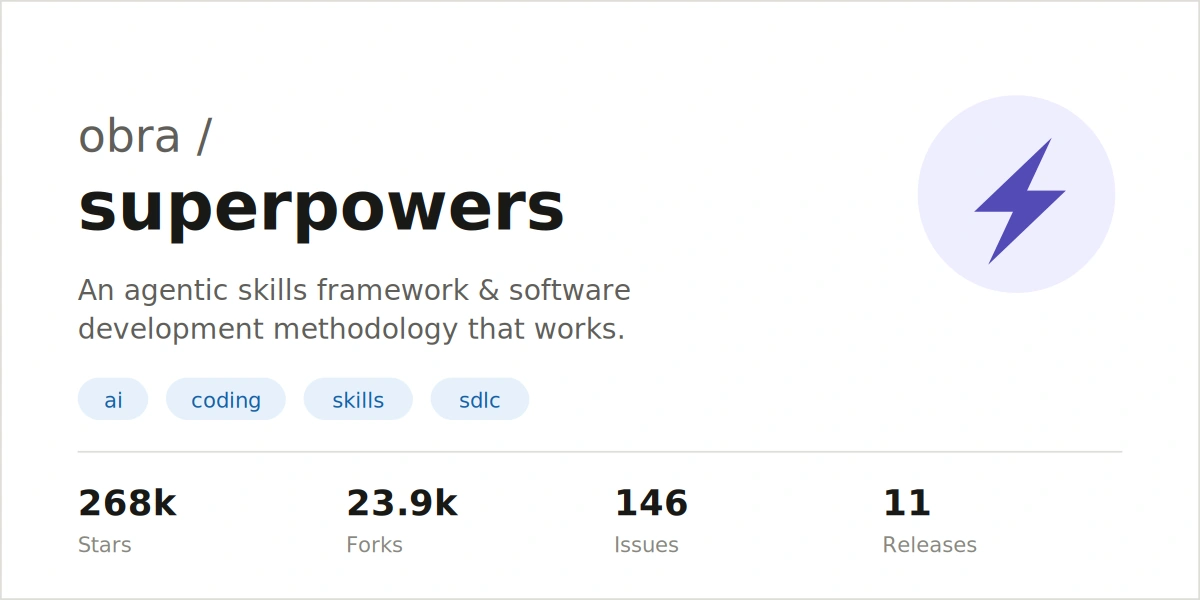
The obra/superpowers repository, which boasts over 267,000 stars on GitHub, introduces a rigorous questioning framework. Instead of immediately writing code, the agent is instructed to ask clarifying questions until it achieves a high-confidence understanding of the desired outcome. It then presents a modular plan for approval. This "stop-and-ask" methodology prevents the agent from embarking on long, costly generation cycles that ultimately result in unusable code.
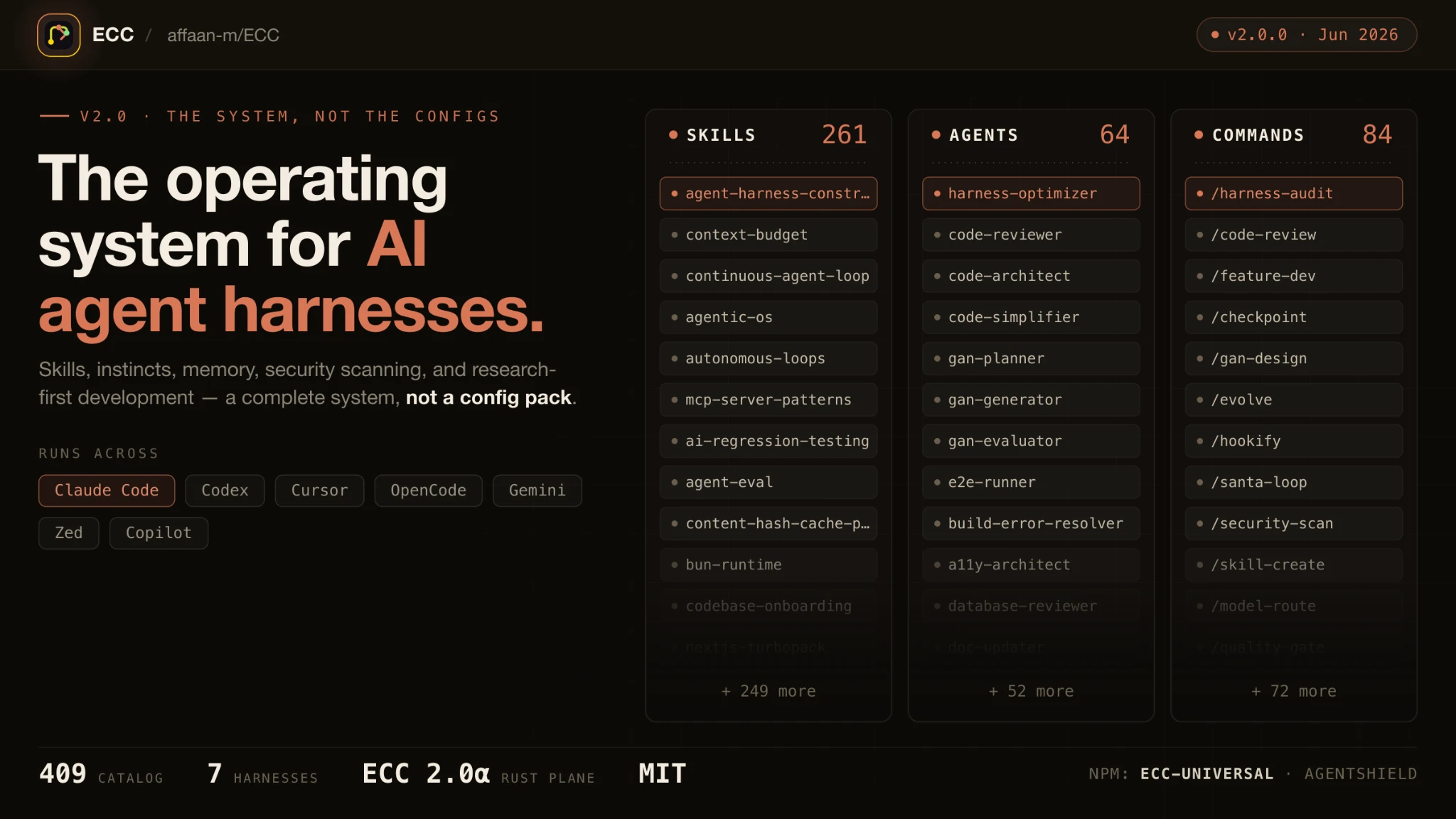
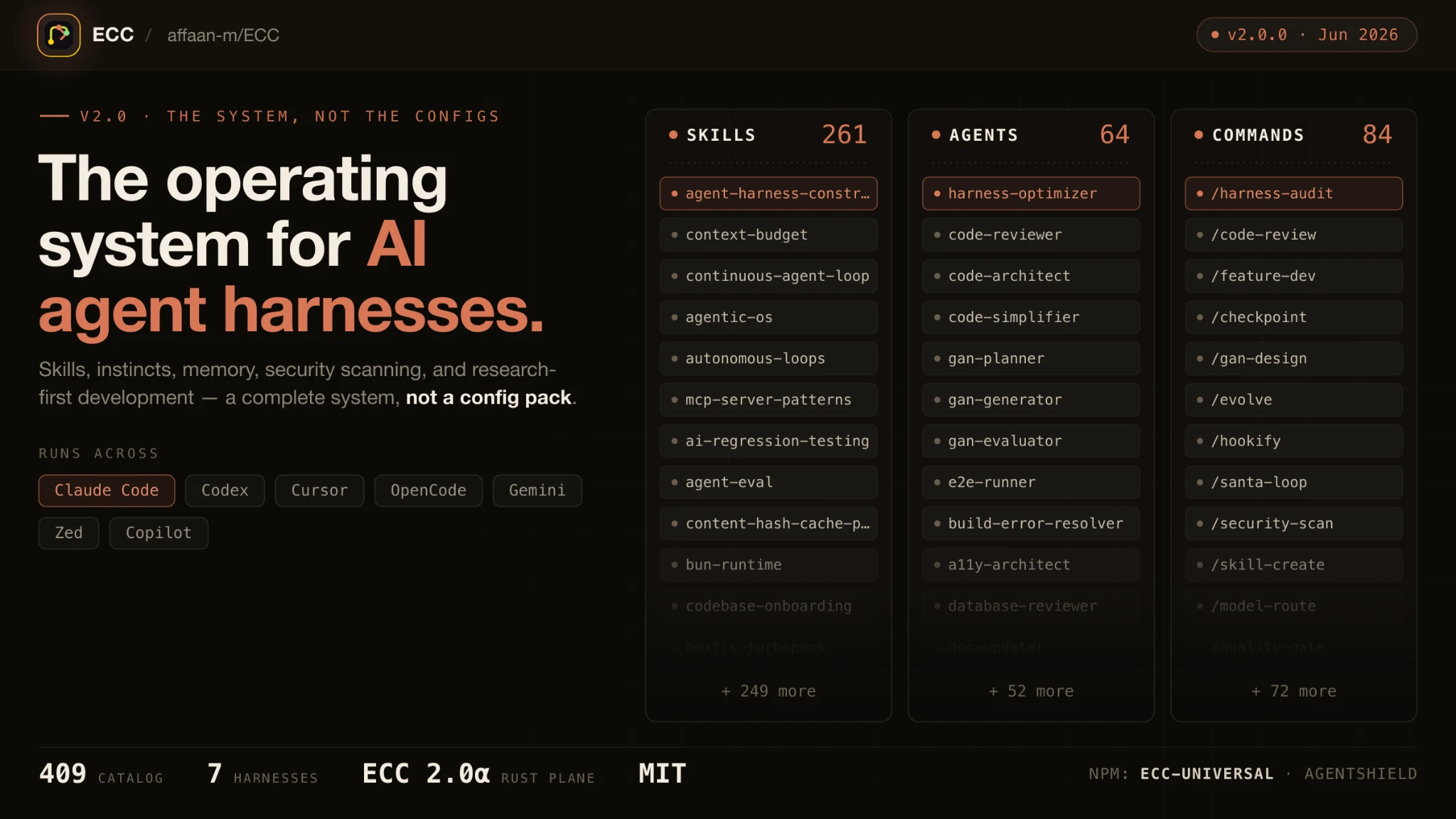
For teams requiring a more unified approach, the ECC (Enterprise Configuration Core) by affaan-m offers an opinionated bundle of skills. ECC is designed for collaborative environments where reproducibility is key. It synchronizes planning, code review, and architectural standards across a team’s agents, ensuring that every developer—regardless of their individual setup—receives consistent results from the AI.
Efficiency Benchmarks: Reducing Bloat and Token Costs
The economic implications of AI development are tied directly to token usage. Standard AI responses often include verbose explanations and "politeness padding" that increase latency and costs. Furthermore, agents frequently default to adding unnecessary dependencies or writing overly complex functions.
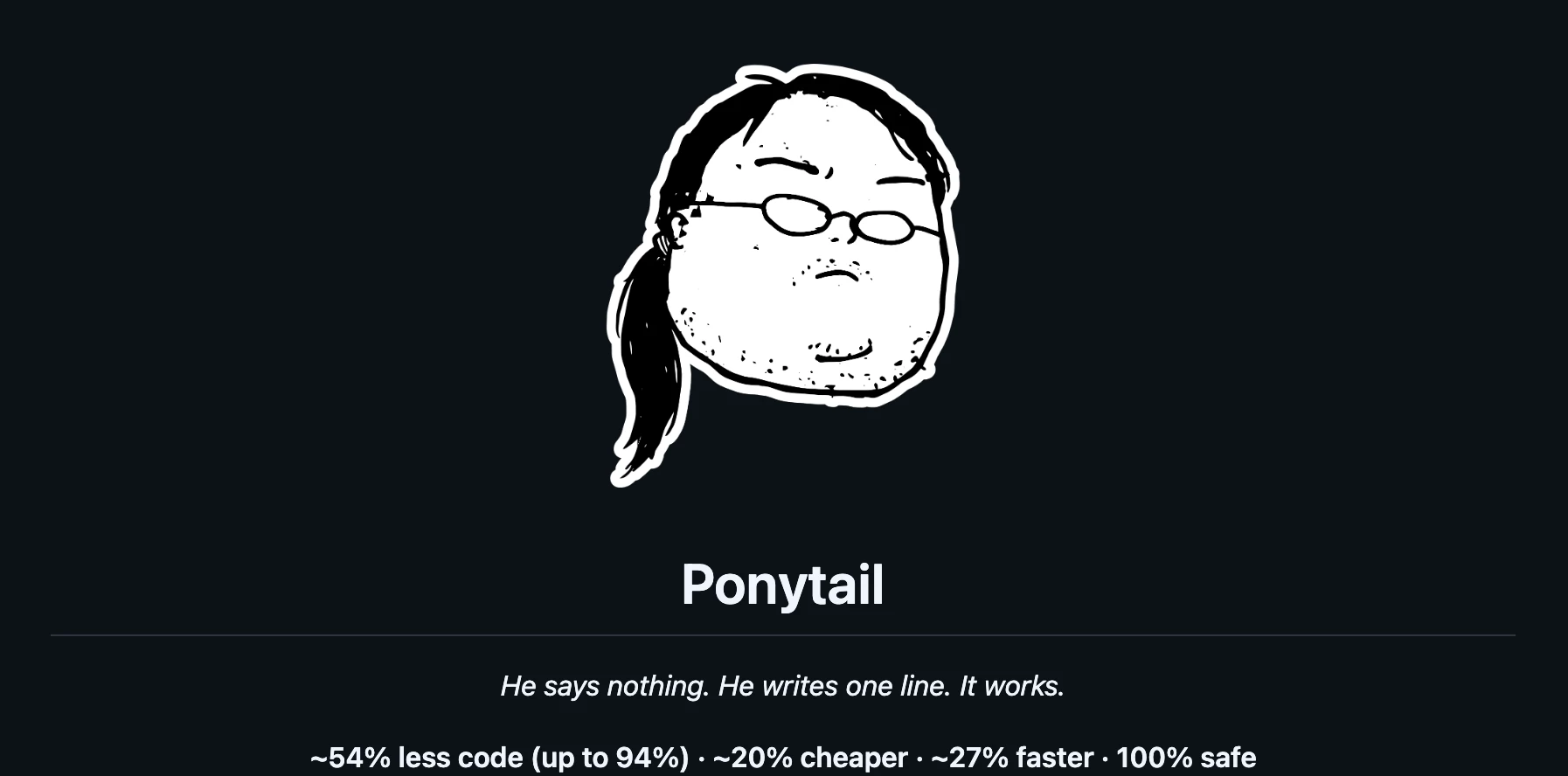
The DietrichGebert/ponytail skill addresses this by enforcing a "senior engineer" philosophy. In internal benchmarks, ponytail demonstrated a 54% reduction in the volume of code written for feature requests compared to agents without the skill. This efficiency translated to a 20% reduction in API costs and a 27% improvement in execution speed. By prioritizing built-in language features over external libraries, the skill ensures that the resulting codebase remains maintainable for human developers.
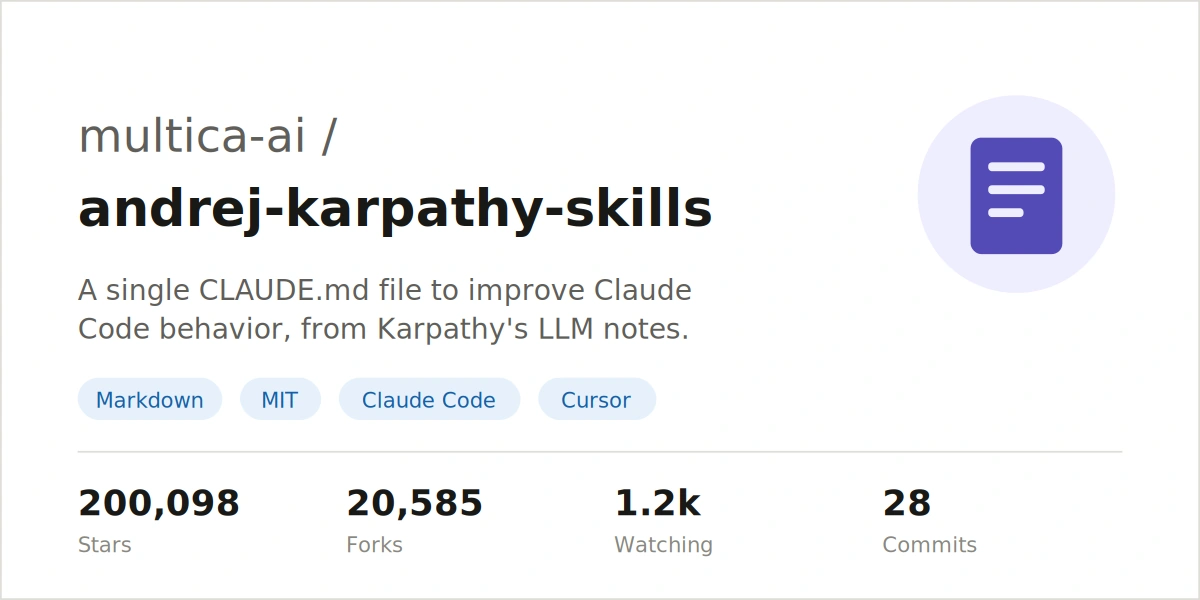
Complementing this is JuliusBrussee/caveman, which focuses on the conversational overhead. By instructing the agent to adopt a "caveman" style of communication—stripping away conversational filler while keeping technical paths and error messages intact—the skill reduces output tokens by up to 65% during debugging sessions. This optimization is particularly valuable for developers operating under strict rate limits or budget constraints.
Contextual Persistence and Memory Management
LLMs are inherently stateless, meaning they lose context once a conversation session ends or reaches its token limit. For long-term projects, this leads to a "Groundhog Day" effect where developers must repeatedly explain the project’s architecture and previous decisions.
The thedotmack/claude-mem repository solves this by implementing a localized vector database for session history. It records the agent’s actions and the developer’s feedback, storing them on the local machine. When a developer asks, "Why did we choose this database schema last week?", the agent can retrieve the specific reasoning from past logs.
For Codex CLI users, OthmanAdi/planning-with-files offers a simpler but effective alternative. This skill persists the project’s state into three markdown files: the master plan, current findings, and progress logs. By reading these files at the start of every session, the agent maintains a continuous "train of thought" across system reboots or chat resets.
Navigating Legacy Codebases and Complex Systems
For developers joining established projects, the challenge is often comprehension rather than creation. The Egonex-AI/Understand-Anything skill is designed for large-scale codebase mapping. When pointed at a repository with hundreds of thousands of lines of code, it generates an interactive dependency map. This allow developers to visualize how components interact before attempting to modify them, significantly reducing the risk of regression errors in complex systems.
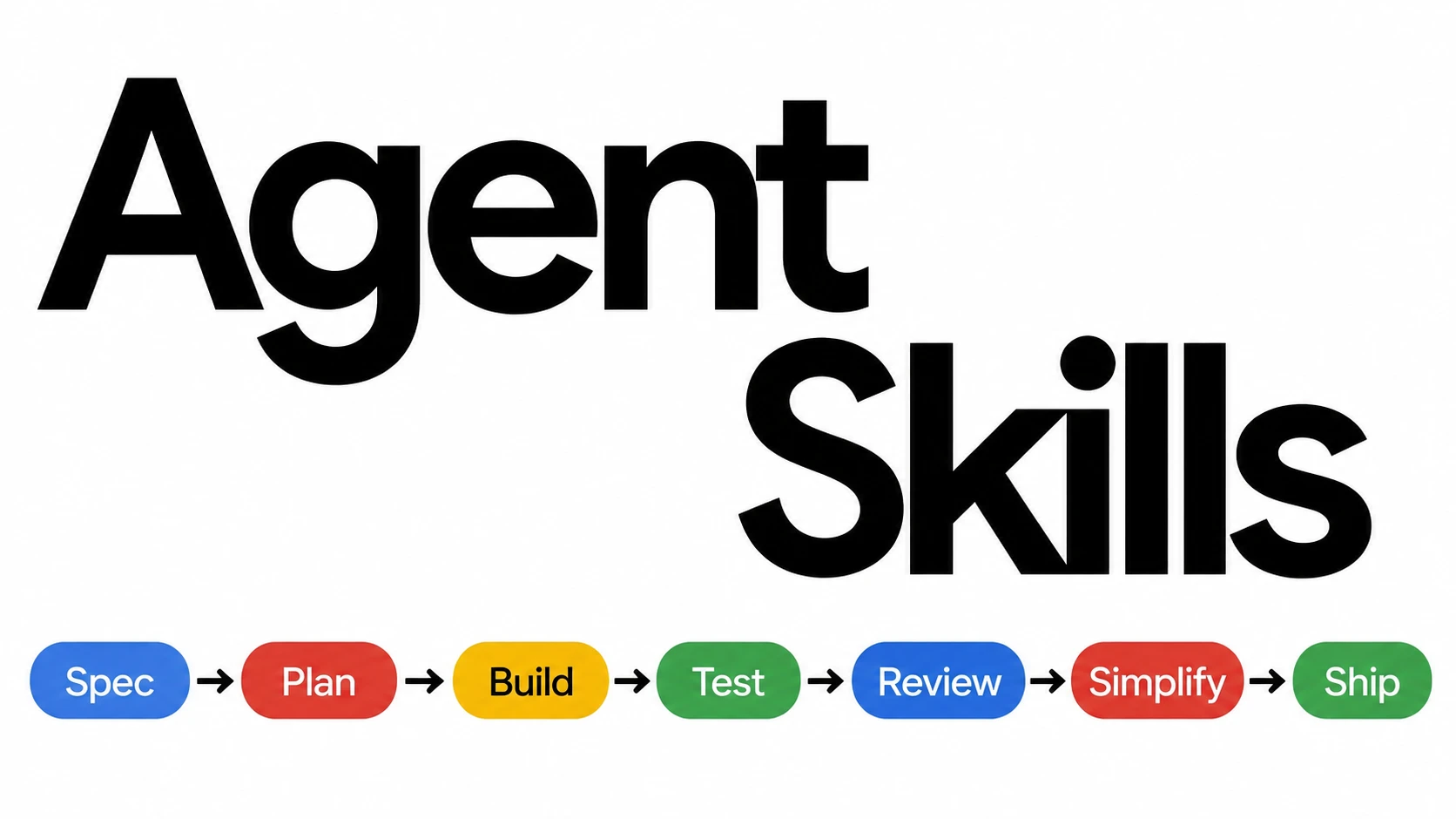
Additionally, addyosmani/agent-skills provides a structured six-stage workflow: Define, Plan, Build, Test, Review, and Ship. This framework, developed with insights from professional software engineering practices at major tech firms, provides a "ready-made" professional lifecycle for solo developers and small teams who lack formal DevOps structures.
The Influence of Industry Leaders: The Karpathy Rule
The impact of high-profile AI researchers on the ecosystem cannot be overstated. The multica-ai/andrej-karpathy-skills repository is a direct translation of former OpenAI and Tesla AI director Andrej Karpathy’s observations on AI coding failures. Karpathy has frequently noted that agents fail when they "guess instead of asking" or "rewrite parts that were never requested to change."
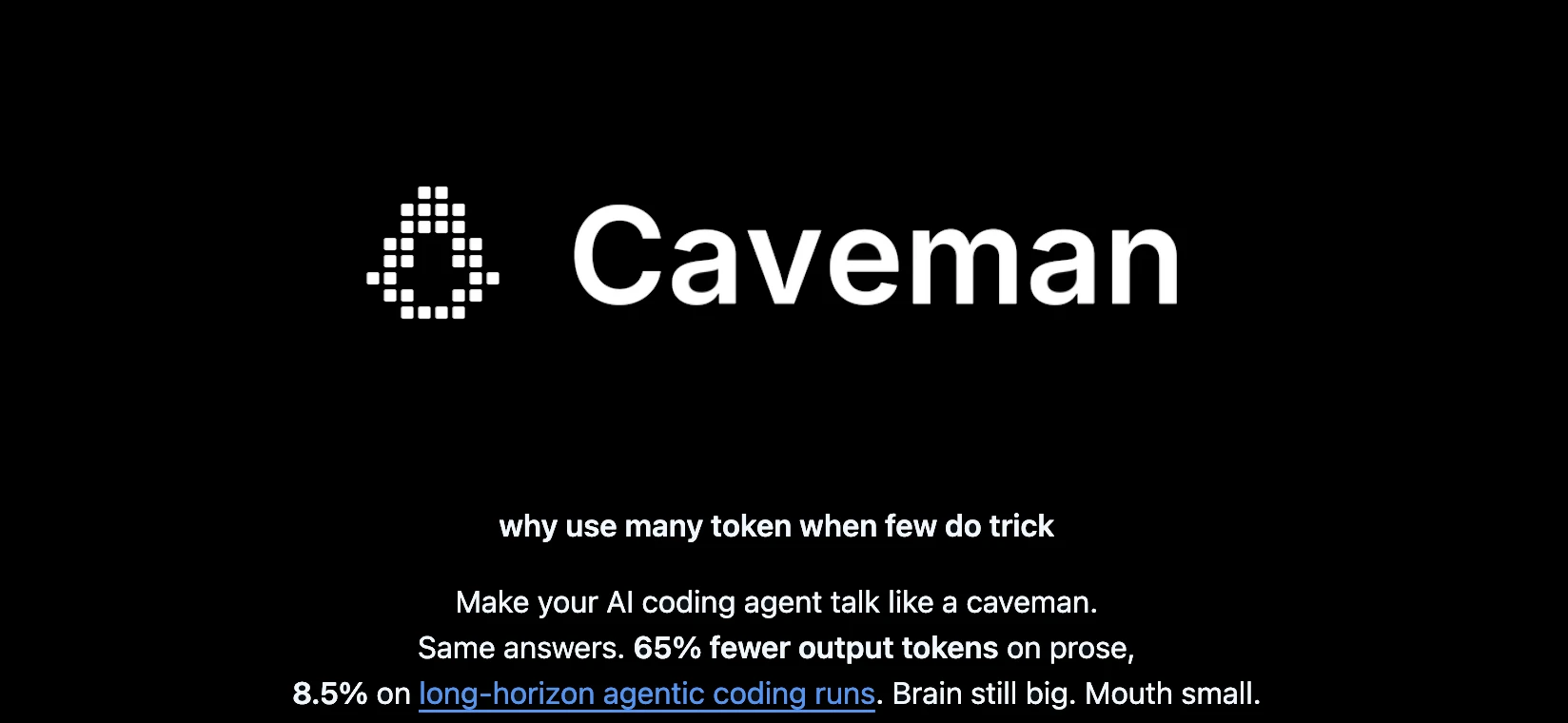
This skill encodes Karpathy’s recommendations into a set of strict operational rules. Its popularity—reflected in over 200,000 stars—indicates a broad industry consensus that AI agents require philosophical constraints as much as technical ones. The repository serves as a foundational layer for most professional setups, ensuring the agent adheres to principles of simplicity and goal-oriented verification.
Installation and Integration Logistics
Integrating these skills into Claude Code or Codex CLI is designed to be a frictionless process, typically requiring only a few terminal commands.
For Claude Code:
Users utilize the /plugin command within the chat interface:

/plugin marketplace add <owner>/<repo>/plugin install <name>
For Codex CLI:
Users operate through the codex-specific plugin manager:
codex plugin marketplace add <owner>/<repo>codex plugin add <name>
For developers who frequently switch between multiple AI tools, the npx skills universal installer has emerged as a standard, allowing for cross-platform skill management with a single syntax. To prevent configuration drift, tools like runkids/skillshare allow developers to synchronize their skill libraries across different AI clients, ensuring a consistent experience whether they are using a proprietary tool like Claude or an open-source CLI.
Broader Impact and Future Implications
The rise of modular AI skills signifies a maturation of the AI development sector. We are moving away from a period of novelty toward a period of utility and optimization. The data indicates that the "best" AI is no longer the one that can generate the most code, but the one that can be most effectively constrained and directed by human expertise.
As AI agents become more autonomous, the role of the software engineer is evolving into that of an "agent orchestrator." Success in this new paradigm requires not only traditional coding knowledge but also the ability to curate and secure the suite of skills that govern an agent’s behavior. The shift toward smaller, more efficient, and more secure code—as facilitated by the tools discussed—suggests that the future of software development will be defined by a symbiotic relationship between human architectural oversight and high-speed, skill-augmented AI execution.
In conclusion, the integration of specialized skills like SkillSpector for security, ponytail for efficiency, and Karpathy-inspired rules for behavior represents the current "gold standard" for AI-assisted development. By carefully selecting a core set of three to four high-impact skills, developers can transform a general-purpose AI agent into a highly specialized, cost-effective, and secure production tool.