rifanmuazin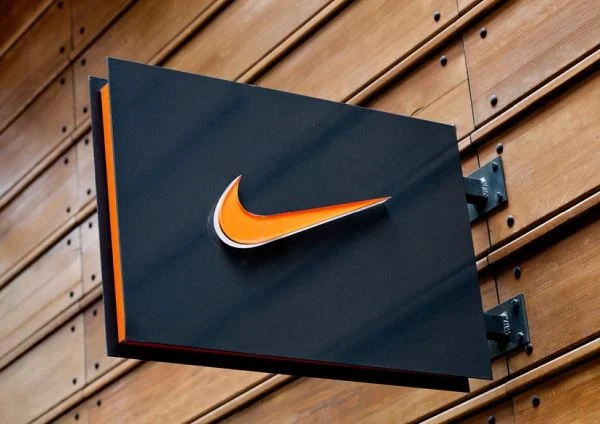
The sportswear giant Nike has found itself at the center of a significant public relations crisis following the installation of a controversial advertisement at its flagship store on Newbury Street in Boston. The controversy, which erupted during the high-profile week leading up to the 128th Boston Marathon, centered on a window display that many critics labeled as elitist and exclusionary. The sign, which read, “Runners welcome. Walkers tolerated,” was intended to evoke a spirit of competitive intensity but instead sparked an immediate and intense backlash from the global running community, adaptive athletes, and fitness enthusiasts alike.
The incident has forced the multi-billion-dollar corporation to issue a formal apology and dismantle the display, replacing it with a more inclusive message. The fallout serves as a stark reminder of the delicate balance required in brand messaging, particularly during events as culturally and emotionally significant as the Boston Marathon.
The Genesis of the Controversy
The Boston Marathon is widely regarded as one of the most prestigious road racing events in the world. For many participants, reaching the starting line in Hopkinton is the culmination of years of training and personal sacrifice. Given the event’s history—including the resilience shown by the city following the 2013 tragedy—the atmosphere in Boston during marathon week is typically one of profound community support and collective triumph.
In this context, Nike’s attempt at "cheeky" or "edgy" marketing failed to resonate. The window sign at the Newbury Street location was part of a series of promotional materials designed to engage the influx of visitors. However, the specific phrasing regarding walkers was quickly documented and shared across social media platforms, most notably Instagram and X (formerly Twitter).
Critics argued that the word “tolerated” suggested that those who walk during races—whether due to injury, fatigue, the use of the popular "run-walk" method, or physical disability—were unwelcome or inferior. The backlash was further amplified when high-profile members of the running community, including adaptive athletes who may walk or use assistive devices to complete the 26.2-mile course, expressed their disappointment. One adaptive athlete’s social media post, which highlighted the exclusionary nature of the sign, garnered thousands of interactions, turning a local store display into a national news story within hours.
Chronology of Events
The timeline of the controversy illustrates the speed at which modern brand reputations can be challenged in the digital age:
- Early Marathon Week: Nike installs a series of promotional window displays at its Newbury Street store in Boston.
- April 18-19: Images of the “Runners welcome. Walkers tolerated” sign begin to circulate on social media. Local runners and visitors express initial confusion and irritation.
- April 20: The controversy gains significant momentum as professional athletes and disability advocates condemn the messaging. The sentiment shifts from local annoyance to a broader critique of Nike’s corporate culture and its commitment to inclusivity.
- April 21: Nike representatives acknowledge the negative feedback. The controversial sign is removed under the cover of night.
- April 22 (Marathon Monday): Nike issues a formal statement to major media outlets, including Runner’s World, admitting the campaign “missed the mark.” A new, more inclusive sign is installed at the Newbury Street location.
- Post-Race Analysis: Competitors, most notably ASICS, capitalize on the vacuum left by Nike’s misstep by launching their own inclusive messaging in the same geographic area.
Supporting Data: The Changing Demographics of Distance Running
To understand why Nike’s messaging was so poorly received, one must look at the data regarding modern marathon participation. While the Boston Marathon requires qualifying times for many of its entrants, it also hosts thousands of charity runners and hundreds of adaptive athletes.
According to industry data from organizations like RunSignUp and the State of Running reports, the average finishing times for marathons have trended slower over the last three decades. This shift indicates a broadening of the sport, moving away from a purely elite pursuit toward a general fitness and "bucket list" achievement.
- The "Galloway Method": Tens of thousands of marathoners worldwide utilize the Jeff Galloway "Run-Walk-Run" method, which emphasizes walking breaks to prevent injury and manage fatigue. By using the word "tolerated," Nike inadvertently insulted a massive segment of the consumer market that purposefully incorporates walking into their athletic identity.
- Adaptive Sports Growth: The Boston Athletic Association (BAA) has been a leader in expanding divisions for athletes with visual impairments, lower-limb impairments, and those using wheelchairs. In a sport striving for total accessibility, language that creates a hierarchy of "movement" is increasingly viewed as obsolete.
- Market Share and Consumer Sentiment: Nike currently holds a dominant position in the global athletic footwear market, valued at over $150 billion. However, consumer sentiment studies show that younger demographics (Gen Z and Millennials) prioritize brand values and inclusivity. A perceived slight against "walkers" contradicts Nike’s long-standing "If you have a body, you are an athlete" mantra, attributed to co-founder Bill Bowerman.
Official Responses and Tactical Revisions
Nike’s recovery effort was swift, characterized by a direct admission of error. In a statement provided to Runner’s World, the company stated:
“We want more people to feel welcome in running—no matter their pace, experience, or the distance. During race week in Boston, we put up a series of signs to encourage runners. One of them missed the mark. We took it down, and we’ll use this moment to do better and continue showing up for all runners.”
The replacement signage at the store now reads: “Boston will always remind you, movement is what matters.” This pivot focuses on the universal benefit of physical activity rather than the specific speed or method of completion.
However, the vacuum created by Nike’s error provided an opening for competitors. ASICS, another major player in the distance running market, quickly deployed a counter-advertisement just down the street from the Nike store. The ASICS ad featured the clear, concise message: “Runners. Walkers. All welcome.” This move was widely praised on social media as a masterclass in "ambush marketing" and reactive PR, effectively positioning ASICS as the more empathetic and inclusive alternative to the "Swoosh."
Broader Impact and Industry Implications
The Nike incident highlights a growing trend in corporate communications where "snark" or "sarcastic" branding—often successful on platforms like X for fast-food chains—fails when applied to high-stakes, emotional, or community-driven events.
For PR professionals, the takeaway is clear: context is everything. The Boston Marathon is not merely a commercial opportunity; it is a pilgrimage for the running community. Marketing that suggests some participants are merely being "tolerated" ignores the financial and emotional investment those participants have made to be there.
Furthermore, the incident underscores the power of social amplification. A single window sign in one city became a global talking point. In the current media landscape, there is no such thing as a "local" advertisement for a global brand. Every piece of physical collateral is a potential digital asset that can be dissected by millions of people.
Related Business Developments: Apple and Federal Tariffs
The Nike controversy occurs against a backdrop of significant shifts in the broader corporate and political landscape. While Nike manages its brand image in Boston, other major entities are navigating their own transitions and external pressures.
Apple’s Leadership Philosophy:
In the tech sector, Apple is undergoing a subtle but significant cultural shift as its incoming leadership leans heavily on the legacy of Steve Jobs to navigate a post-hardware-dominant era. Reports indicate that the current executive pipeline is being mentored to maintain the "connection to the soul of the company" that Jobs established, even as Apple pivots toward services and artificial intelligence. This focus on "legacy and connection" stands in contrast to Nike’s recent struggle to maintain its connection with the grassroots running community.
The Political and Economic Climate:
Simultaneously, the corporate world is reacting to stern warnings from former President Donald Trump regarding federal tariffs. In recent addresses, Trump has messaged companies that they will be “remembered” and potentially penalized if they do not take advantage of tariff refunds or if they continue to outsource manufacturing in ways that circumvent his proposed trade policies. This rhetoric adds a layer of complexity to the operational strategies of global brands like Nike, which rely heavily on international supply chains and are constantly balancing domestic political sentiment with global market realities.
Conclusion: The Path Forward for Nike
Nike will undoubtedly survive this marketing misstep, but the long-term impact on its brand equity within the running community remains to be seen. The company has a history of bold, sometimes polarizing advertisements that eventually become iconic. However, this specific instance was viewed not as a bold stance, but as an unnecessary "gatekeeping" of a sport that is currently fighting to become more inclusive.
Moving forward, the athletic industry will likely see a retreat from exclusionary or "elite-only" rhetoric. As the lines between professional athletics and general wellness continue to blur, brands that celebrate "movement" in all its forms—walking, running, wheeling, or crawling—are the ones most likely to secure consumer loyalty. For Nike, the lesson from Newbury Street is a simple one: in the race for brand dominance, everyone on the course matters.


 Laily UPN