An effective email marketing strategy is a data-driven plan that leverages email as the primary channel to achieve specific business objectives tailored to a brand’s unique identity. In the contemporary digital landscape, a meticulously designed email strategy consistently demonstrates remarkable returns, with some reports indicating an impressive 76x return on investment. This enduring efficacy underscores email marketing’s indispensable role in modern commerce, serving as a direct and highly personalized conduit to customers.
The foundational principles of a robust email marketing strategy remain constant, irrespective of industry or business scale. These are anchored by four core pillars: the establishment of clear, measurable goals; the cultivation of an active, permission-based subscriber list; the implementation of behavior-based audience segmentation; and a commitment to continuous optimization through rigorous A/B testing. This comprehensive framework, alongside critical sub-pillars, forms the blueprint for developing a potent and sustainable email marketing program.
The Enduring Power of Email: Background and Evolution
Email marketing, often perceived as a legacy channel in an era dominated by newer social media platforms, has consistently defied predictions of its decline. Its journey began in the early days of the internet, evolving from mass, untargeted blasts to sophisticated, personalized communication streams. The shift from a "spray and pray" approach to data-driven precision has been monumental. Early adopters in the late 1990s and early 2000s quickly recognized its potential for direct customer engagement. However, without proper regulation and best practices, the rise of spam threatened its viability. Legislative measures like the CAN-SPAM Act in the U.S. and later the GDPR in Europe were crucial in establishing ethical boundaries, fostering trust, and ensuring that email remained a valuable, permission-based channel.
Today, email stands as a cornerstone of digital marketing, lauded for its cost-effectiveness and unparalleled return on investment. Recent industry reports consistently highlight email’s superior performance compared to many other marketing channels. For instance, while social media excels at brand awareness, email thrives in driving conversions and fostering customer loyalty, acting as a direct pipeline for sales and relationship building. A 2023 study by a leading marketing analytics firm indicated that businesses allocating a significant portion of their digital budget to email marketing experienced, on average, a 20% higher customer lifetime value than those that did not. This longevity and adaptability underscore its critical importance in any comprehensive marketing ecosystem.
Pillars of a Potent Email Marketing Strategy
I. Defining Your North Star: Strategic Goal Setting
The genesis of any successful email marketing strategy lies in the articulation of clear, precise goals. These objectives should be specific, measurable, achievable, relevant, and time-bound (SMART). Rather than aiming for vague improvements, businesses should identify one to three primary goals for a defined period, typically the next quarter. Each goal mandates a distinct set of tactics and a clear method for tracking progress.
For instance, a primary goal of "growing revenue by 15% in the next quarter" would necessitate a focus on sophisticated automations, such as abandoned cart sequences and post-purchase follow-ups, coupled with advanced segmentation to deliver highly relevant product recommendations. Conversely, if the objective is "to increase subscriber list size by 20% over the next three months," tactics would pivot towards optimizing email capture forms, deploying compelling lead magnets, and offering exclusive value propositions for new sign-ups.
Common Strategic Goals and Focus Areas:
- Grow Revenue: Focus on enhancing automation sequences (e.g., welcome, abandoned cart, browse abandonment, post-purchase) and refining segmentation to personalize offers. Key metrics include revenue per recipient and total email-attributed revenue.
- Expand Subscriber List: Prioritize the effectiveness of capture forms, pop-ups, and lead magnets. Success is measured by net new subscribers, accounting for unsubscribes.
- Improve Customer Retention: Implement post-purchase nurturing campaigns, loyalty programs, and win-back automations. Track repeat-purchase rates and returning-customer revenue.
- Reactivate Lapsed Buyers: Utilize targeted win-back and sunset automations designed to re-engage inactive customers or gracefully remove them from the list. Metrics include win-back rate and win-back revenue.
"Setting ambiguous goals is akin to navigating without a compass," states Dr. Evelyn Reed, a prominent digital marketing strategist. "Every email, every campaign, must align directly with a measurable objective. This clarity not only guides tactical execution but also enables precise performance evaluation."
II. Cultivating a High-Quality Subscriber Base
The bedrock of any effective email marketing strategy is a high-quality, permission-based email list. An engaged list safeguards sender reputation, which is paramount for long-term email deliverability. A smaller, meticulously curated list of opted-in subscribers will consistently outperform a vast, unverified one, primarily because recipients are more likely to open, engage with, and purchase from brands they explicitly trust and have chosen to hear from. The practice of purchasing email lists is universally discouraged, as it severely damages sender reputation, leads to low engagement, and can result in emails being flagged as spam.
Building a healthy email list necessitates strategic capture campaigns designed to convert website traffic effectively. These include:
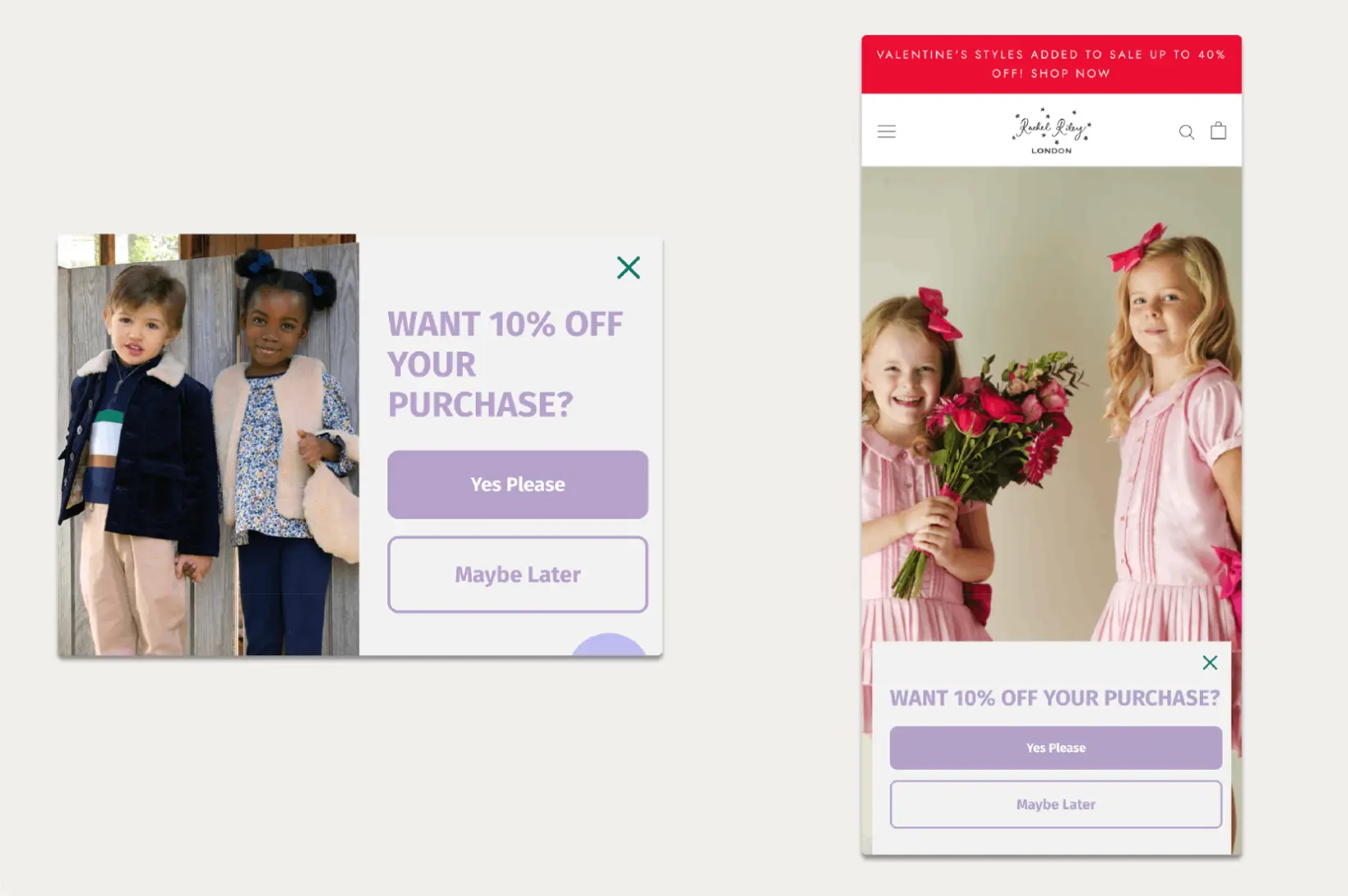
- Compelling Pop-ups and Embedded Forms: Offering immediate value, such as a discount or exclusive content, in exchange for an email address. Multi-step pop-ups, like those effectively deployed by Rachel Riley London, can increase conversions by adding an additional layer of verification, ensuring genuine interest.
- Lead Magnets: Providing valuable, free resources (e.g., e-books, guides, checklists) in exchange for contact information.
- Content Upgrades: Offering additional, exclusive content related to a blog post or article in exchange for an email address.
- Double Opt-in: Implementing a two-step verification process where subscribers confirm their email address after initial sign-up. This significantly enhances list quality and reduces spam complaints.
Maintaining list hygiene is equally crucial. Regular auditing and cleaning of subscriber lists to identify and remove inactive, invalid, or low-quality addresses can dramatically improve deliverability rates and campaign performance. Advanced tools often include built-in list cleaning functionalities that automatically flag problematic contacts, ensuring that marketing efforts reach genuinely interested recipients.
III. Precision Targeting: The Power of Behavioral Segmentation
In an age of information overload, generic messaging is largely ineffective. Modern email marketing thrives on personalization, which is powered by intelligent audience segmentation. Behavioral data, rather than static demographic information, offers a far more accurate predictor of customer intent and future actions. As highlighted in a 2025 article in the Journal of Big Data, behavioral insights—tracking browsing patterns, click-throughs, and purchase history—provide a nuanced understanding of the customer journey, far surpassing the utility of age or location alone.
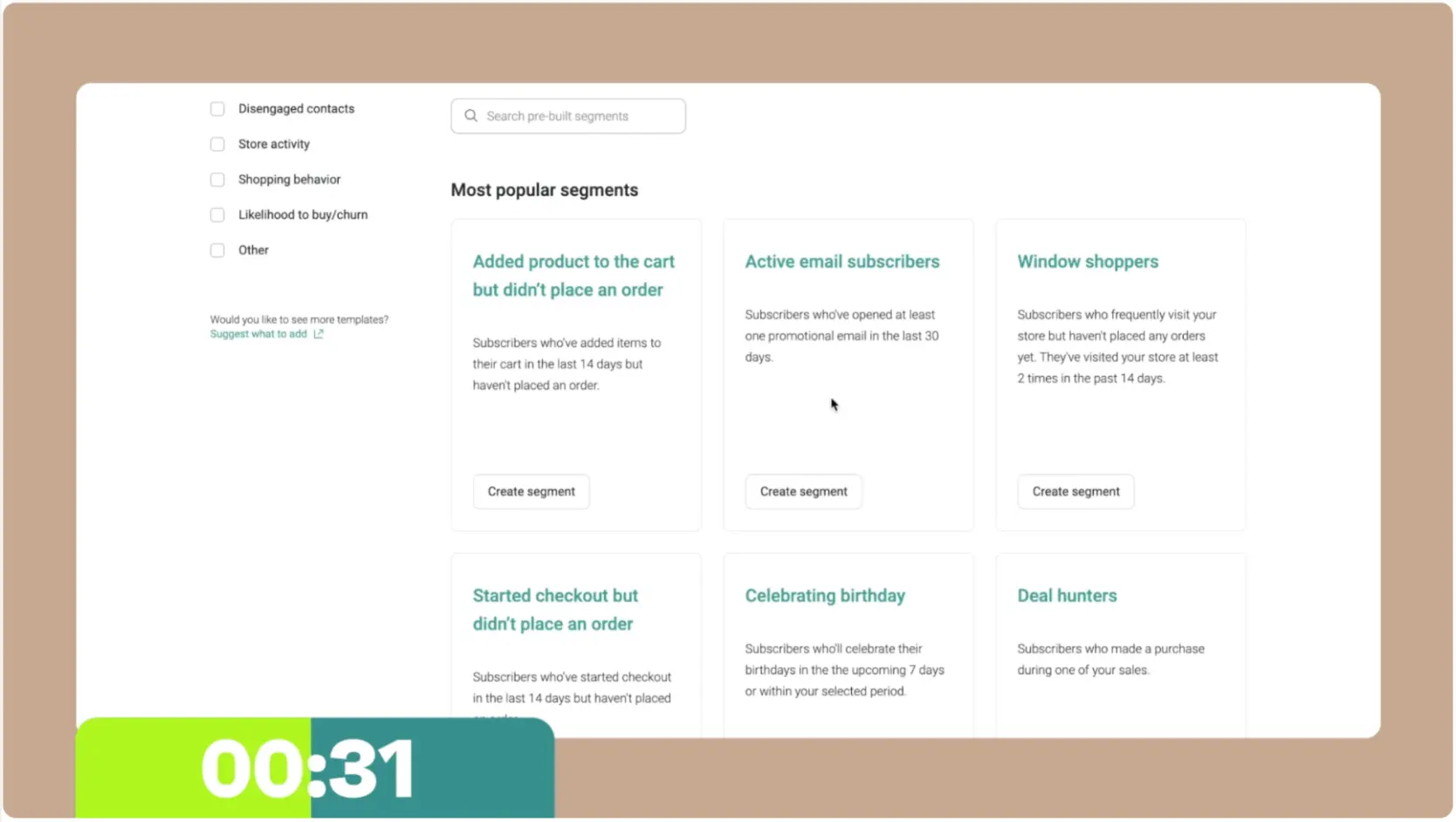
Effective segmentation transforms raw behavioral data into actionable customer groups. Beyond simple behavior, incorporating lifecycle stage information (e.g., new subscriber, first-time buyer, loyal customer) and firmographics (for B2B contexts) creates richer, more targeted segments.
High-Impact Customer Segments:
- Engaged (30 days): Subscribers who have recently opened or clicked an email. This is the default audience for most campaigns, crucial for maintaining deliverability and engagement.
- VIPs: Loyal customers with multiple purchases or high spending. They are ideal for early access to new products, exclusive offers, and loyalty perks.
- At-Risk Customers: Previously active customers showing signs of reduced engagement. Targeted win-back campaigns can prevent churn.
- Past Purchasers (by Category): Customers who have bought specific product categories. Excellent for cross-selling complementary products or notifying about related new arrivals.
- Non-Buyers: Subscribers who have never made a purchase. A first-order incentive or a value-driven introductory series can convert them.
- Opened, Not Bought: Engaged with emails but haven’t converted. A gentle reminder or a personalized recommendation can nudge them towards purchase.
- Inactive: No engagement for an extended period (e.g., 3-6 months). These segments require a last-ditch re-engagement effort before being sunsetted to protect sender reputation.
"Behavioral segmentation is the engine of relevance," observes Maria Sanchez, Head of Customer Insights at a global e-commerce brand. "It allows us to speak directly to individual needs and preferences, moving beyond broad strokes to create genuinely impactful interactions. This precision is not just about sales; it’s about building lasting customer relationships."
IV. The Value Exchange: Balancing Content and Commerce (The 80/20 Rule)
A common pitfall in email marketing is an over-reliance on purely promotional content. The "80/20 rule," often referred to as the Pareto principle in this context, suggests that 80% of email content should be dedicated to providing value, while only 20% should focus on direct promotions or sales. This approach cultivates a sense of reciprocity and ensures that subscribers perceive emails as beneficial, not just sales pitches. The value derived from the informative 80% predisposes recipients to be more receptive to the 20% of promotional content.
Examples of Value-Driven Content:
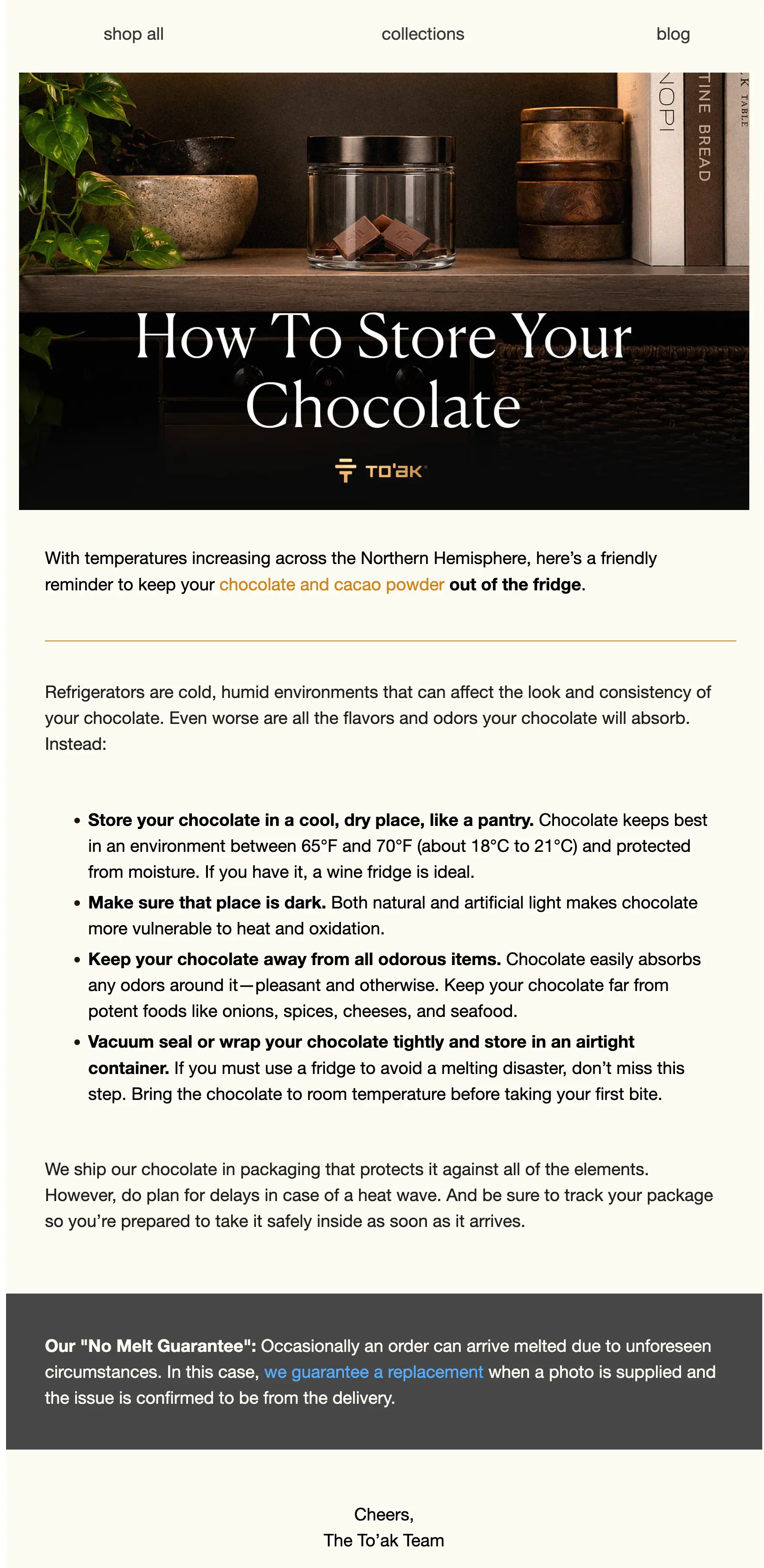
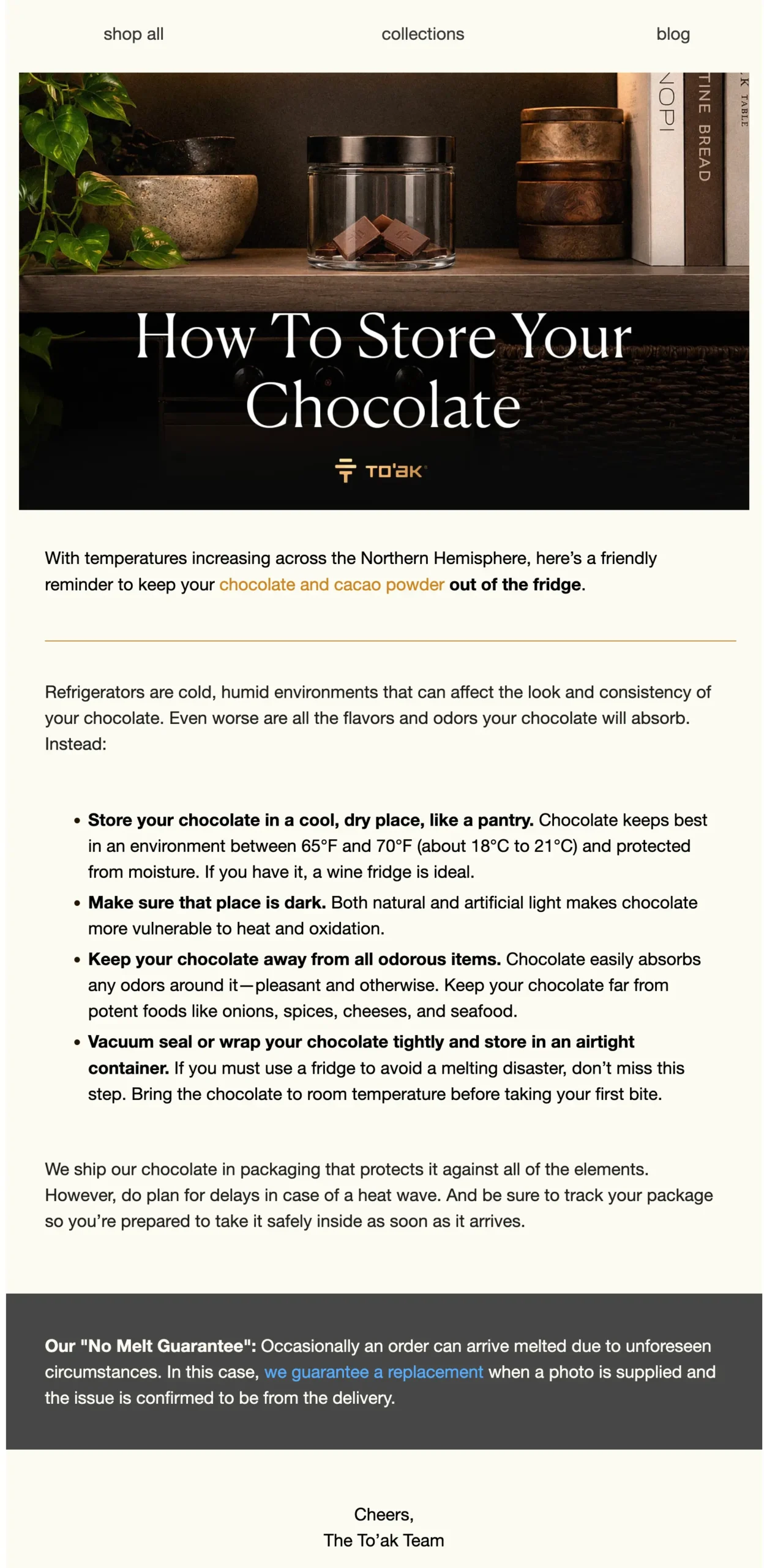
- Educational Content: How-to guides, tutorials, tips, industry insights relevant to the subscriber’s interests. To’ak Chocolate, for instance, builds welcome emails around valuable content like chocolate storage tips, fostering a premium brand image while achieving high open and conversion rates.
- Entertaining Content: Engaging stories, behind-the-scenes glimpses, interactive quizzes, or curated content that aligns with brand values.
- Community Building: User-generated content showcases, customer spotlights, invitations to exclusive events or forums.
- Personalized Recommendations: Product suggestions based on browsing history or past purchases, framed as helpful guidance rather than overt sales.
The cadence and nature of content should also be tailored to the subscriber’s journey. New subscribers typically require more educational content to understand the brand’s offerings, while loyal customers appreciate content that reinforces their value and provides exclusive access. Critically, an increased open rate for non-promotional, valuable emails significantly boosts sender reputation, ensuring better deliverability and a higher likelihood of future engagement.
V. Orchestrating the Customer Journey: Automation and Campaigns
The most effective email marketing strategies seamlessly integrate automated workflows with targeted, scheduled campaigns. While email campaigns are one-off or scheduled messages designed to drive immediate revenue spikes (e.g., holiday sales, new product launches), email automation flows are triggered by specific customer actions, fostering ongoing relationship building and consistent revenue generation.
The Power of Automation:
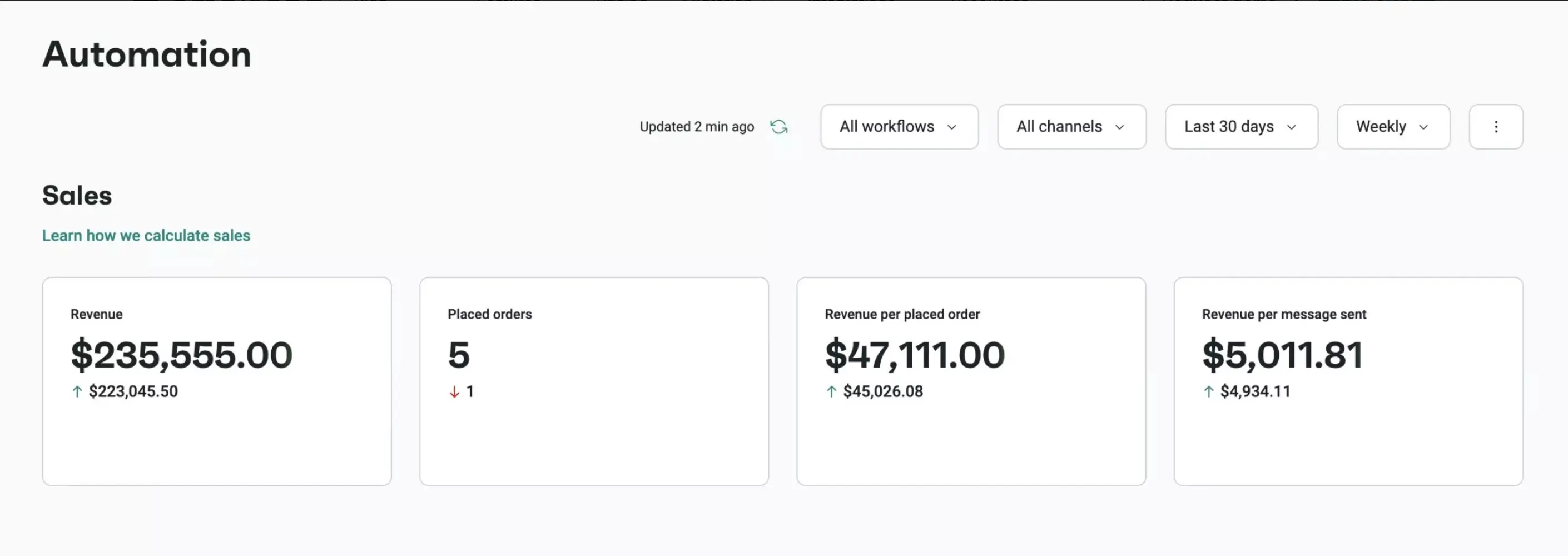
Recent reports underscore the disproportionate impact of automated emails. In 2025, automated emails accounted for merely 2% of all email sends but were responsible for a remarkable 30% of total email marketing revenue. Key automations like welcome series and abandoned cart reminders are particularly potent, driving an estimated 76% of all automated orders. On average, each automated email generates significantly more revenue per send (e.g., $2.87) compared to a typical campaign email ($0.18), illustrating a 16-fold difference in value.
Essential Email Automations:

- Welcome Series: Immediately after sign-up, introduces the brand and offers a first-order incentive.
- Abandoned Cart: Sent a few hours after a user leaves items in their cart, reminding them to complete the purchase.
- Browse Abandonment: Triggered after a customer views a product but doesn’t add it to their cart, featuring the viewed product and related recommendations.
- Post-Purchase Series: Follow-ups after a purchase, providing order confirmation, shipping updates, product care tips, and soliciting reviews.
- Win-back/Re-engagement: Targets inactive customers with offers or compelling content to bring them back.
Strategic Campaigns:
- Promotional Campaigns: Seasonal sales (e.g., Black Friday/Cyber Monday), flash sales, limited-time offers.
- New Product Launches: Announcing and showcasing new arrivals.
- Content-Driven Campaigns: Sharing blog posts, guides, or company news.
- Event-Based Campaigns: Invitations to webinars, workshops, or virtual events.
A robust email marketing calendar plans both automations and campaigns several months in advance, ensuring a cohesive and timely communication strategy. The synergy between these two components creates a dynamic customer journey, addressing immediate needs through automations while driving strategic objectives through campaigns.
VI. Crafting Engagement: Subject Lines and Timing
The subject line is the gatekeeper of the inbox; it’s the first, and often only, impression an email makes. Data indicates that approximately 35% of recipients decide whether to open an email based solely on its subject line. Effective subject lines are concise, clear, and compelling, ideally communicating the email’s core message in five to seven words.
Best Practices for Subject Lines:
- Clarity and Conciseness: Get straight to the point.
- Personalization: Include the recipient’s name or reference their recent activity.
- Urgency/Scarcity: "Limited time offer," "Ends Tonight."
- Curiosity: "A surprise awaits," "What’s new?"
- Benefit-Oriented: Highlight what the recipient will gain.
- Emojis (Used Sparingly): Can increase visibility but should align with brand tone.
Examples of Effective Subject Line Triggers:
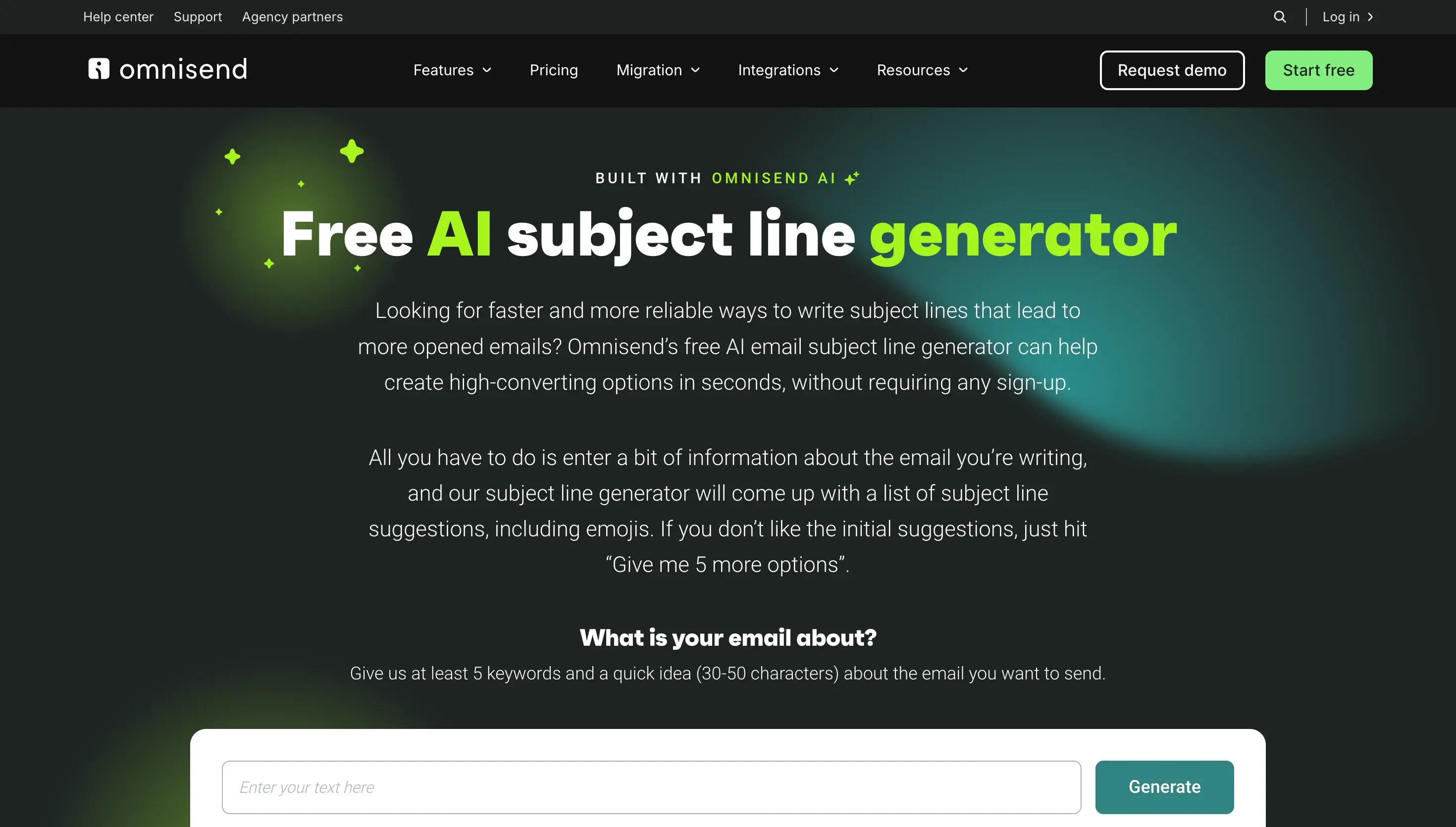
- Urgency: "Flash Sale: 24 Hours Only!"
- Curiosity: "Did you miss out?"
- Personalization: "John, your cart is waiting!"
- Value: "Free Shipping on All Orders!"
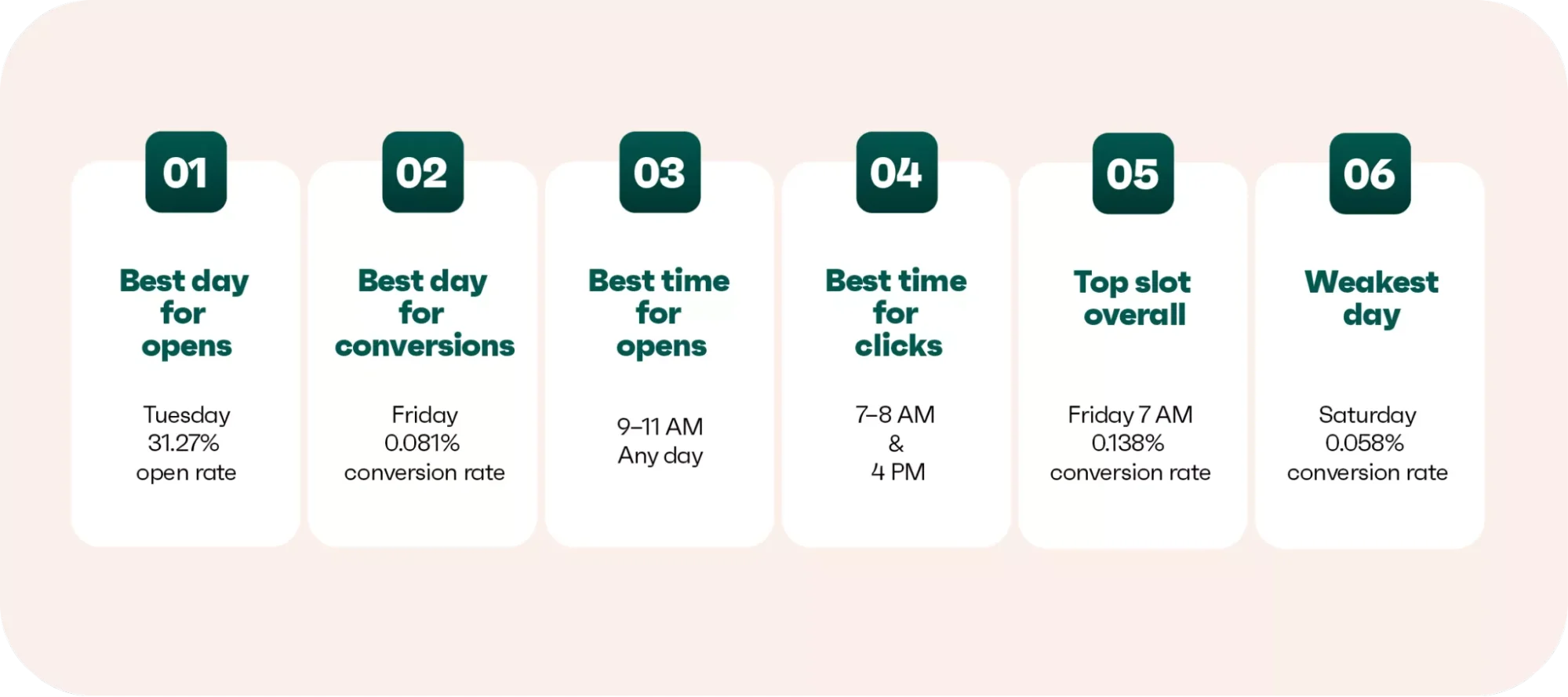
Beyond the subject line, the timing of email sends significantly impacts open and click-through rates. While generalized data suggests Tuesdays often see the highest open rates and Fridays lead in sales conversions (based on an analysis of over 26 billion emails), the "best" time is highly audience-dependent. For global audiences, segmenting by time zone or using send-time optimization features is crucial to ensure emails arrive at an appropriate local time. Moreover, finding the right frequency is vital; sending too often can lead to subscriber fatigue and unsubscribes, while too infrequently can result in lost engagement. Continuous testing and monitoring of engagement metrics will reveal the optimal sending cadence for a specific audience.
VII. Beyond the Inbox: The Omnichannel Imperative
In today’s fragmented digital landscape, relying solely on email for customer engagement is a missed opportunity. An omnichannel strategy integrates email with other direct communication channels, such as SMS and push notifications, to create a unified and seamless customer experience. This approach ensures messages reach customers through their preferred channels, maximizing engagement and conversion potential.
The Synergy of Omnichannel:
- SMS Marketing: Automated SMS messages demonstrate exceptional engagement, with reports indicating an average earning of $0.74 per message, significantly higher than many campaign emails. SMS is ideal for urgent, time-sensitive communications like order updates, delivery notifications, or last-minute flash sales.
- Push Notifications: Web push notifications offer another direct channel for immediate engagement. Automated push notifications have shown impressive click-to-conversion rates, climbing from 13.9% to 22.9% in recent years. They are effective for browse abandonment reminders, price drop alerts, or new content notifications.
Key Omnichannel Best Practices:
- Avoid Channel Redundancy: Do not send the exact same message across all channels simultaneously. Each channel has a unique strength; leverage it.
- Sequential Messaging: Use channels to complement each other. For example, an abandoned cart email followed by an SMS reminder if no action is taken.
- Frequency Control: Implement cross-channel frequency limits to avoid overwhelming subscribers.
- Behavior-Based Triggers: Match follow-ups to specific customer behavior across all channels.
- Consent and Compliance: Ensure explicit opt-in for each channel, adhering to regulations like TCPA for SMS.
"Customers interact with brands across multiple touchpoints," says Robert Chen, a multi-channel marketing consultant. "An omnichannel approach isn’t just about presence; it’s about intelligent orchestration, ensuring that every message, regardless of channel, advances the customer relationship without causing fatigue or annoyance. This holistic view is where true customer loyalty is forged."
VIII. Ensuring Delivery: Authenticity and Compliance
The most brilliantly crafted email is useless if it doesn’t reach the inbox. Email deliverability and compliance are non-negotiable foundations of any successful strategy. Major email service providers like Gmail, Yahoo, and Microsoft now mandate bulk senders to authenticate their emails, a critical step to combat spam and phishing.
Essential Authentication Records:
- SPF (Sender Policy Framework): Specifies which mail servers are authorized to send email on behalf of your domain, preventing spammers from forging your sender address.
- DKIM (DomainKeys Identified Mail): Adds a digital signature to outgoing emails, allowing recipients’ servers to verify that the email has not been tampered with in transit.
- DMARC (Domain-based Message Authentication, Reporting, and Conformance): Builds upon SPF and DKIM, providing instructions to recipient mail servers on how to handle emails that fail authentication checks (e.g., quarantine, reject) and providing feedback reports to the sender.
Deliverability Best Practices:
- Maintain a Clean List: Regularly remove unengaged subscribers, hard bounces, and spam traps.
- Segment Engagement: Send to engaged segments more frequently; re-engage or sunset inactive ones.
- Monitor Feedback Loops: Address complaints promptly.
- Warm Up IPs: For new sending domains or increased volume, gradually increase sending volume to build sender reputation.
- Provide Clear Unsubscribe Options: Easy unsubscribing reduces spam complaints.
Common mistakes include sending to outdated or unverified lists, neglecting proper authentication, and allowing sudden spikes in email volume without prior planning, especially around peak seasons like Black Friday/Cyber Monday. Adherence to these technical and ethical guidelines is paramount for consistent inbox placement.
IX. Accessibility and Experience: Mobile-First Design

In an increasingly mobile-centric world, designing emails for optimal viewing on smartphones and tablets is no longer optional. Over 64% of email recipients access their inboxes via mobile devices. Failing to optimize emails for mobile screens risks alienating a significant portion of the audience, leading to poor engagement and lost conversions.
Principles of Mobile-First Email Design:
- Responsive Layouts: Emails should automatically adjust to fit various screen sizes, ensuring readability without pinching or zooming.
- Single-Column Design: A single-column layout typically works best on small screens, preventing content from appearing cramped or distorted.
- Large, Readable Fonts: Choose font sizes that are easy to read on smaller displays, generally 14-16px for body text.
- Clear Call-to-Actions (CTAs): Buttons should be prominent, easily tappable, and have sufficient padding. Text links should also be well-spaced.
- Optimized Images: Use compressed images that load quickly on mobile data connections. Ensure images are relevant and enhance the message, rather than distracting from it.
- Concise Copy: Mobile users often scan emails quickly. Keep paragraphs short and to the point.
Brands like Amundsen Sports exemplify effective mobile design, employing clean, single-column layouts with clear calls to action. Their order confirmation emails, designed with mobile users in mind, generate significantly higher revenue per email than their promotional sends, demonstrating the direct impact of mobile optimization on financial outcomes.
Measuring Success: Key Performance Indicators and Continuous Optimization
A data-driven strategy necessitates meticulous tracking and analysis of performance metrics. However, the focus should be on a select few key performance indicators (KPIs) that directly align with the established goals, rather than getting lost in a deluge of data points.
Critical Email Marketing Metrics:
- Open Rate (OR): The percentage of recipients who open an email. Indicates subject line effectiveness and list engagement.
- Click-Through Rate (CTR): The percentage of recipients who click on a link within an email. Measures content relevance and CTA effectiveness.
- Conversion Rate (CR): The percentage of recipients who complete a desired action (e.g., purchase, sign-up) after clicking from an email. The ultimate measure of an email’s effectiveness in driving business outcomes.
- Return on Investment (ROI): The revenue generated from email marketing relative to the cost. The most crucial financial metric.
- Unsubscribe Rate: The percentage of recipients who opt out. A high rate indicates content fatigue, irrelevance, or excessive frequency.
- Revenue Per Recipient (RPR): The average revenue generated by each recipient. Useful for comparing performance across different segments or campaigns.
Monitoring these metrics against established industry benchmarks is essential for understanding performance. For example, recent benchmarks indicate an average campaign open rate of around 30.22% and a click-to-conversion rate of 9%. However, it’s crucial to analyze these metrics by segment and by automation flow, as a strong overall average can mask underperforming individual components.
This continuous monitoring feeds directly into the process of A/B testing. A/B testing involves creating two variations (A and B) of an email element (e.g., subject line, CTA, image, offer, send time) and sending them to small, randomized segments of the audience. The version that performs better is then sent to the remainder of the list. This iterative process of testing, learning, and refining is fundamental to optimizing email performance over time.
"A/B testing is not just a tactical exercise; it’s a strategic imperative," asserts David Sung, Digital Marketing Director at SM Global Shop. "Even fractional improvements, a 0.2% or 0.3% increase in open rates or conversions, can translate into significant revenue gains when applied across a large subscriber base. It’s the scientific method applied to marketing, ensuring that every decision is data-backed." For reliable results, A/B tests typically require a minimum of 2,000 recipients per version to achieve a 95% statistical confidence level. Tools like A/B testing calculators can help validate the significance of results.
Strategic Outlook: Adapting to an Evolving Landscape
The landscape of email marketing is dynamic, constantly evolving with technological advancements and shifting consumer expectations. The rise of artificial intelligence (AI) is already transforming email marketing, enabling hyper-personalization, automated content generation, predictive analytics for segmentation, and optimized send times. Furthermore, the increasing emphasis on data privacy, exemplified by evolving regulations and browser changes (e.g., third-party cookie deprecation), continues to shape how marketers collect and utilize customer data.
Despite these changes, email’s fundamental role as a direct, permission-based communication channel remains unchallenged. Its enduring power lies in its versatility, measurability, and ability to foster deep customer relationships. Building a robust email marketing strategy demands careful planning, consistent execution, continuous performance monitoring, and a proactive approach to avoiding common pitfalls like neglecting list hygiene or ignoring compliance requirements. By understanding the email marketing funnel – from initial awareness to post-purchase loyalty – businesses can effectively map distinct tactics to each stage of the customer lifecycle. In an increasingly noisy digital world, a well-executed email strategy is not just a marketing tool; it’s a strategic asset for sustained business growth and customer engagement.